Rhinoplasty Revision
From 8,000,000 KRW/ surgery
- One-line summary: Revision rhinoplasty at Ruho Plastic Surgery aims to create a natural and aesthetically pleasing nose using autologous tissue. - Key advantages: The use of autologous tissue reduces the likelihood of complications, while customized surgery improves patient satisfaction. - Procedure/techniques: Nasal shape is corrected using auricular cartilage, septal cartilage, costal cartilage, and gluteal dermis, with various surgical techniques applied according to the underlying cause. - Recovery/precautions: The recovery period after surgery is 5–7 days. Sutures are removed after 7 days, followed by 3–4 postoperative clinic visits for treatment. If revision surgery is necessary, it is advisable to consider it as soon as possible.
Surgery Overview
AI-generated information for reference only. Please consult a doctor for accurate, personalized advice.
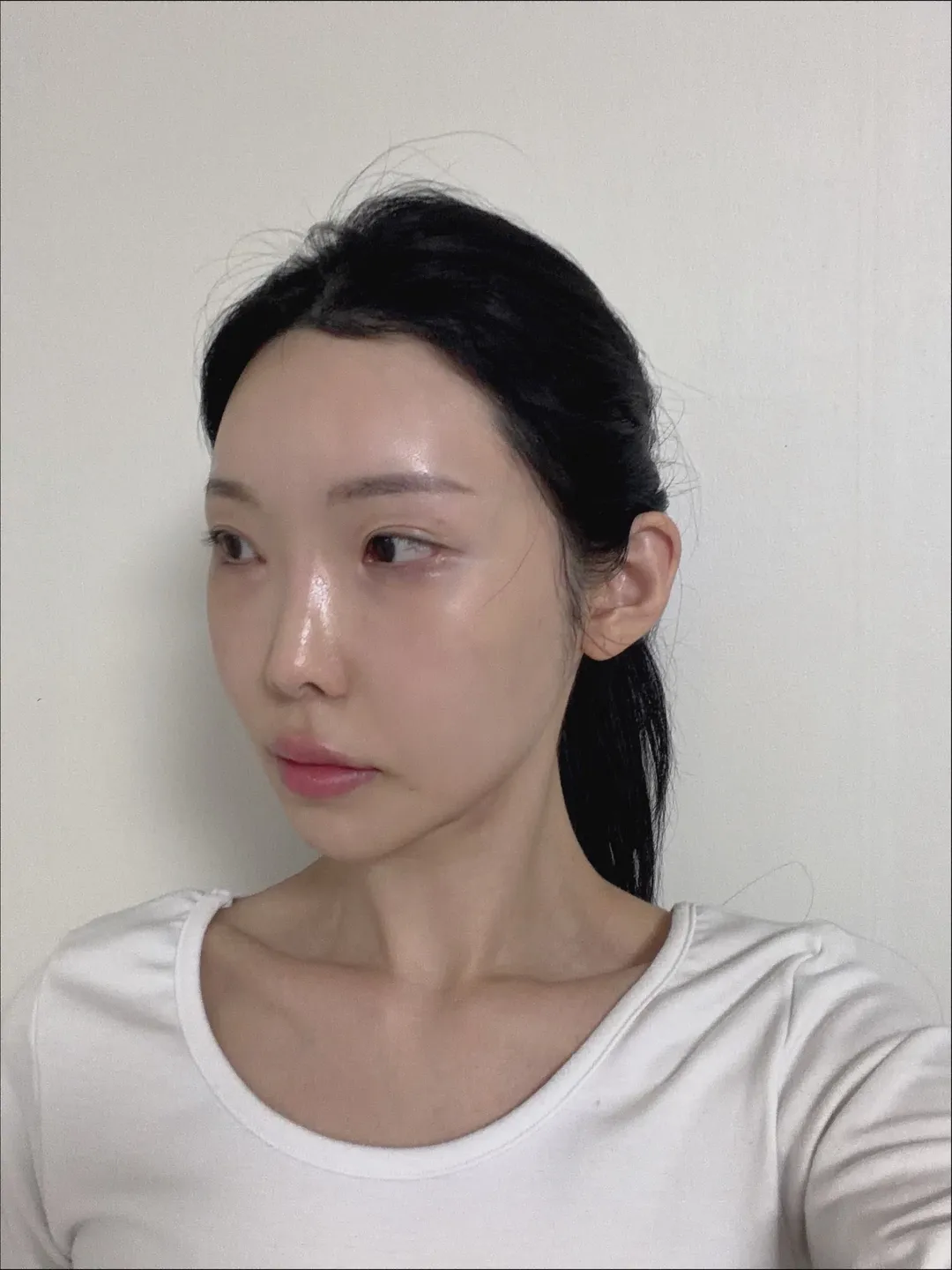
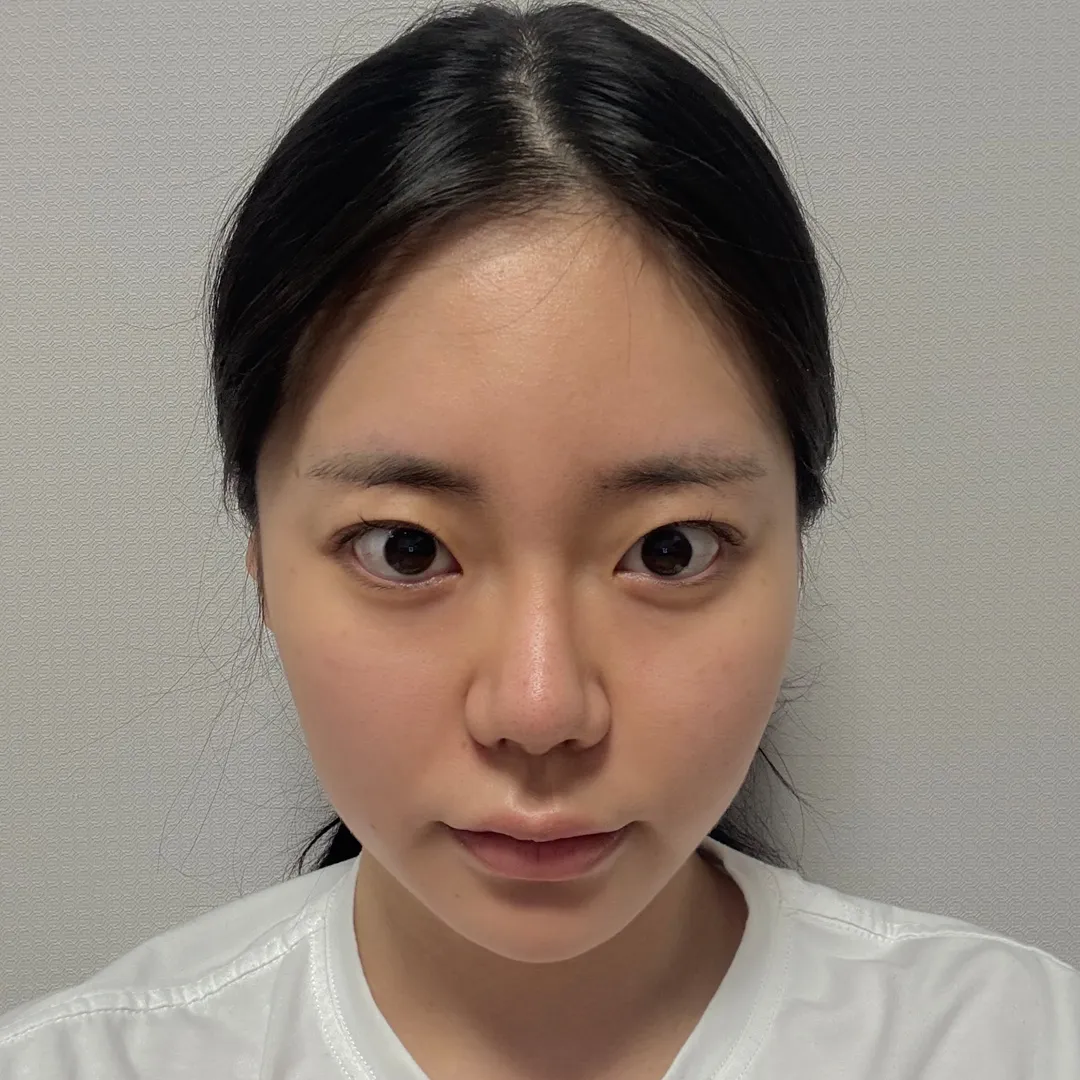
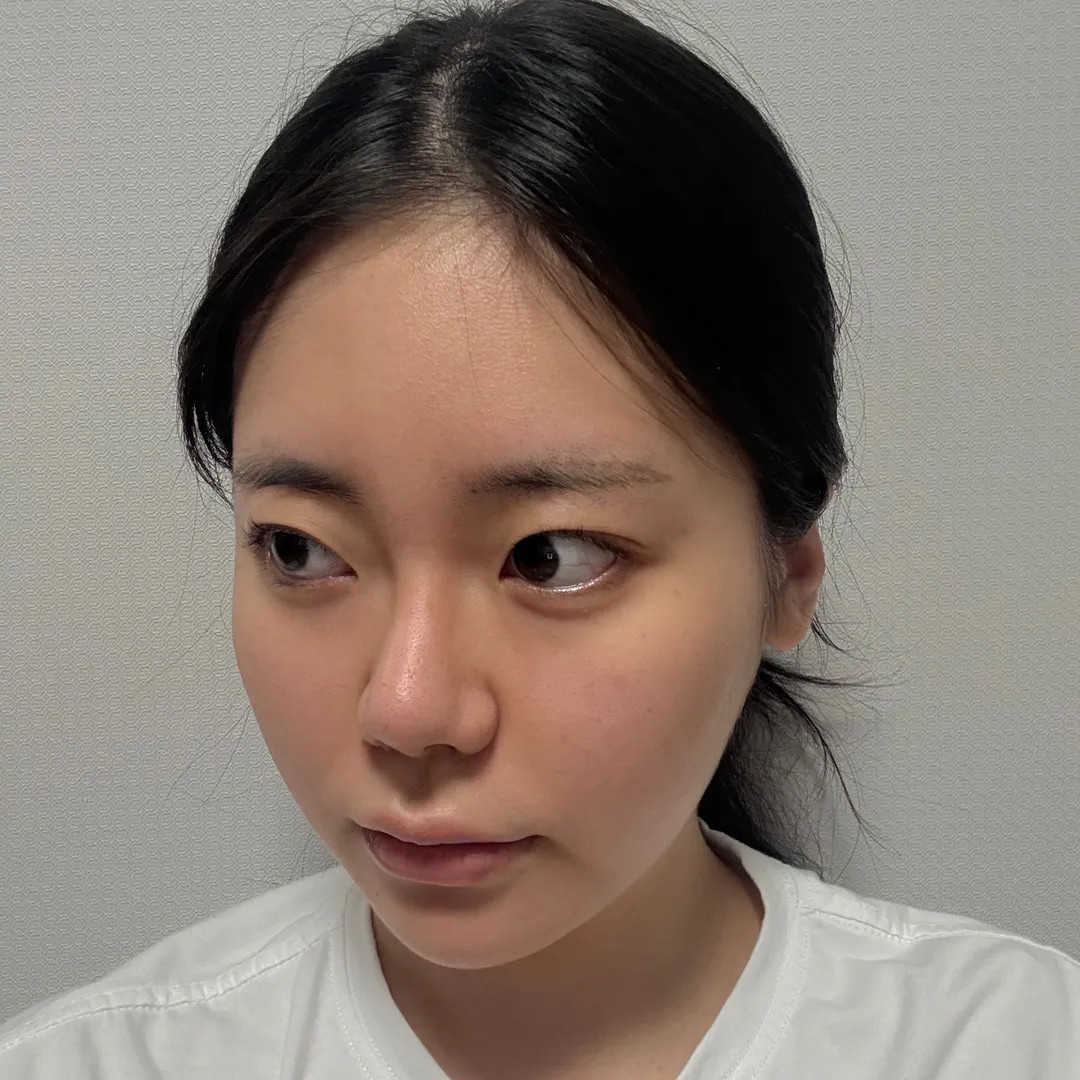
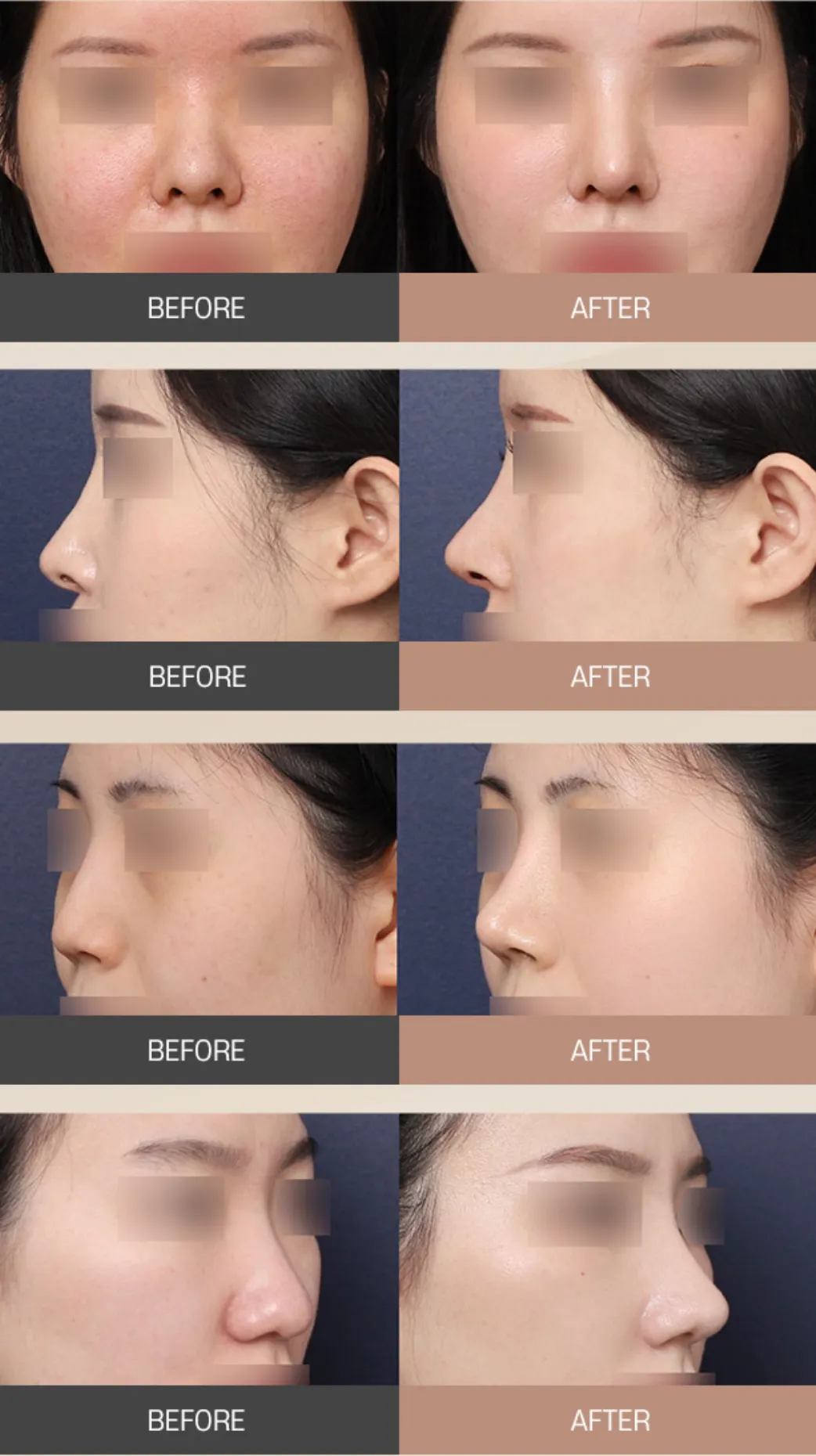
Before & After
See MoreCases
See More

Revision Rhinoplasty
A natural, beautiful nose that improves over time

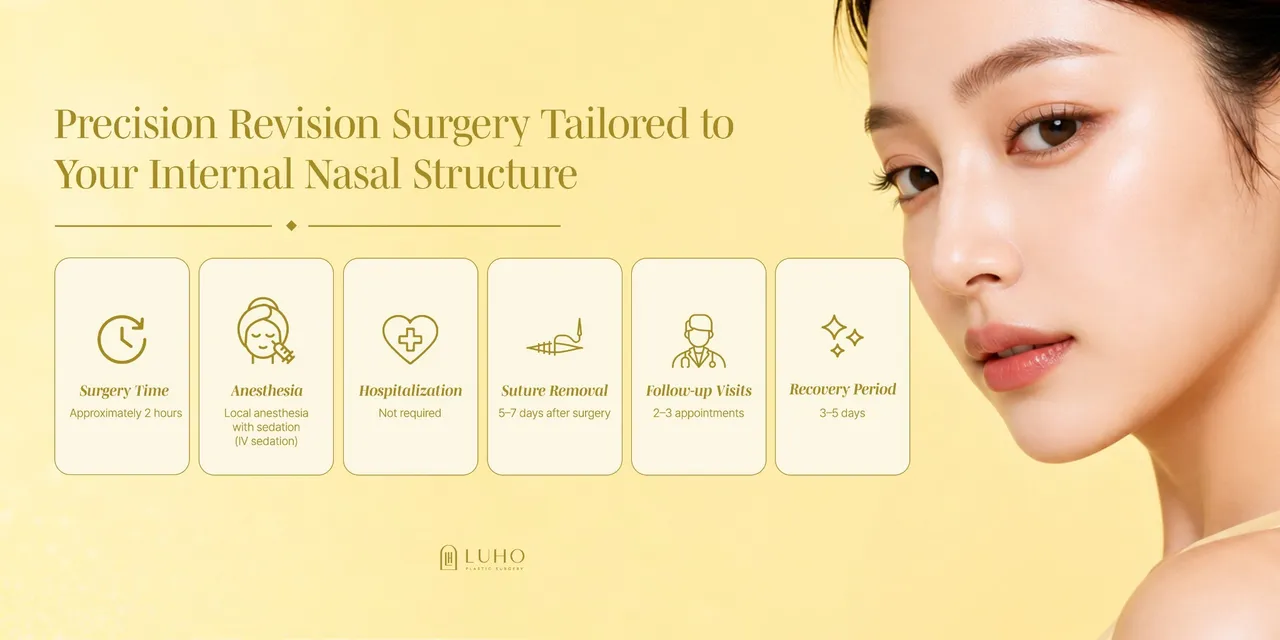
- Surgery Time
Approximately 2 hours
- Anesthesia
Local anesthesia / Sedation anesthesia
- Hospitalization
Not required
- Suture Removal
After 14 days
- Follow-up Visits
3–4 times
- Recovery Period
7–14 days
LUHO PLASTIC SURGERY
LUHO Revision Rhinoplasty

LUHO revision rhinoplasty begins not by simply reshaping the nose, but by accurately analyzing the current condition of the nose and the causes of the previous surgery's failure.
After carefully assessing skin thickness and scar tissue, implant position, extent of cartilage damage, nasal tip support, and asymmetry, we establish a surgical plan tailored to each individual's concerns.
Before & After
Revision Rhinoplasty Methods by Cause
CASE 01 When the nose has become shortened due to capsular contracture
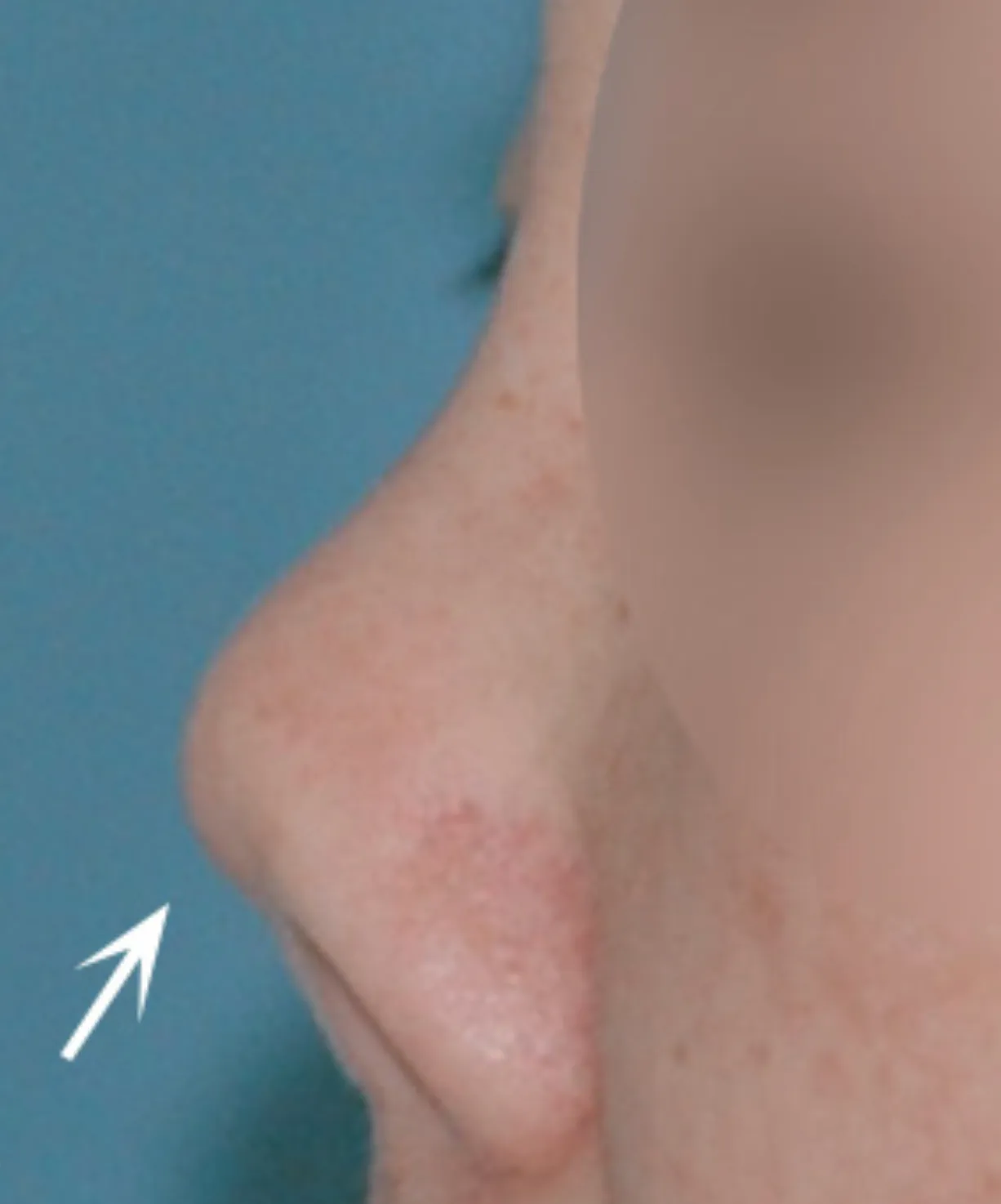
After removing the implant, adhesions beneath the skin are released. Septal cartilage or ear cartilage is used to lengthen the nose, and an implant is inserted to create the desired nasal line.
CASE 02 When the implant is loose or has shifted
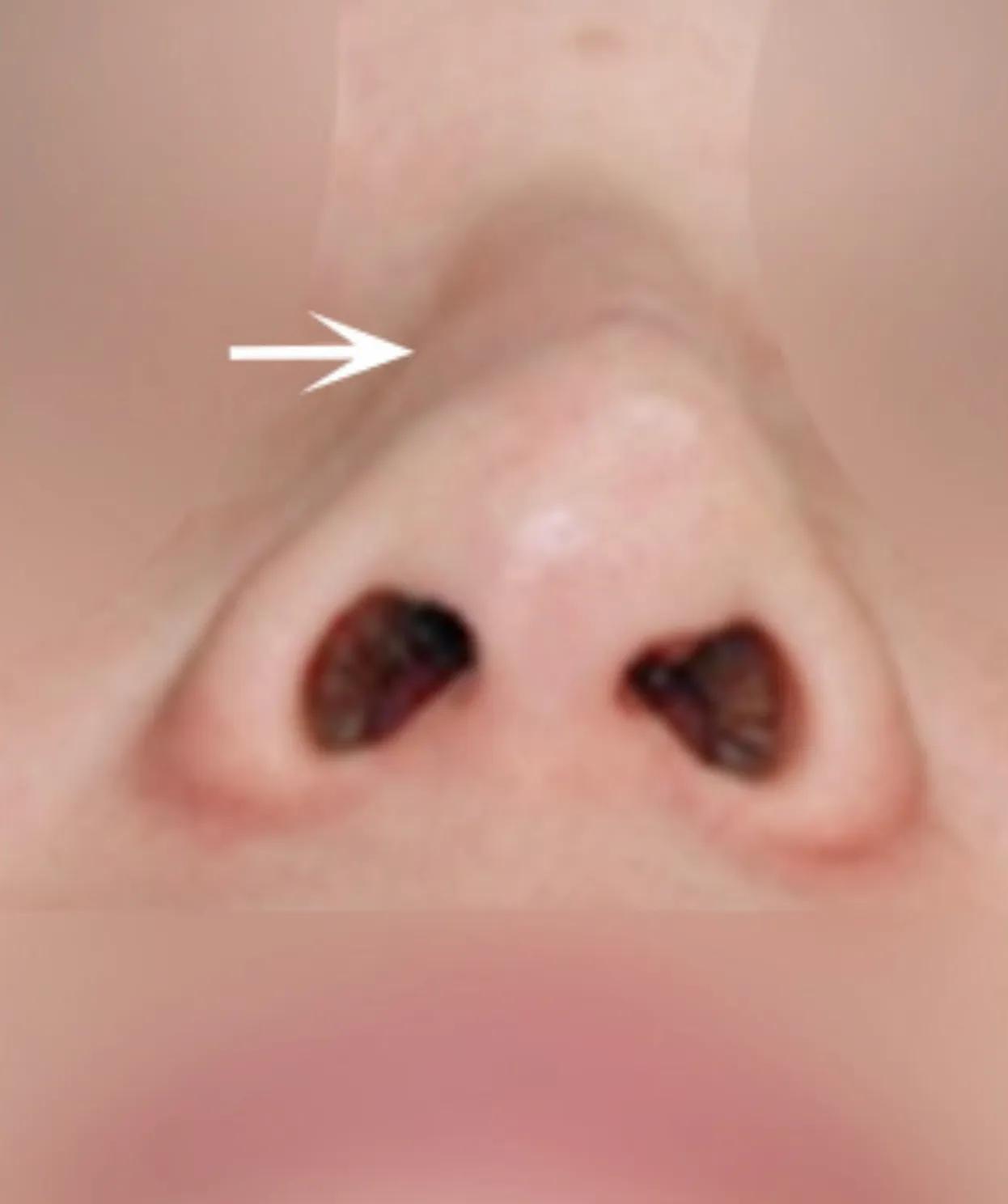
After removing the implant, the space for the implant is recreated before reinsertion. The implant is secured to the cartilage to prevent it from becoming crooked again.
CASE 03 When the nasal bridge is crooked
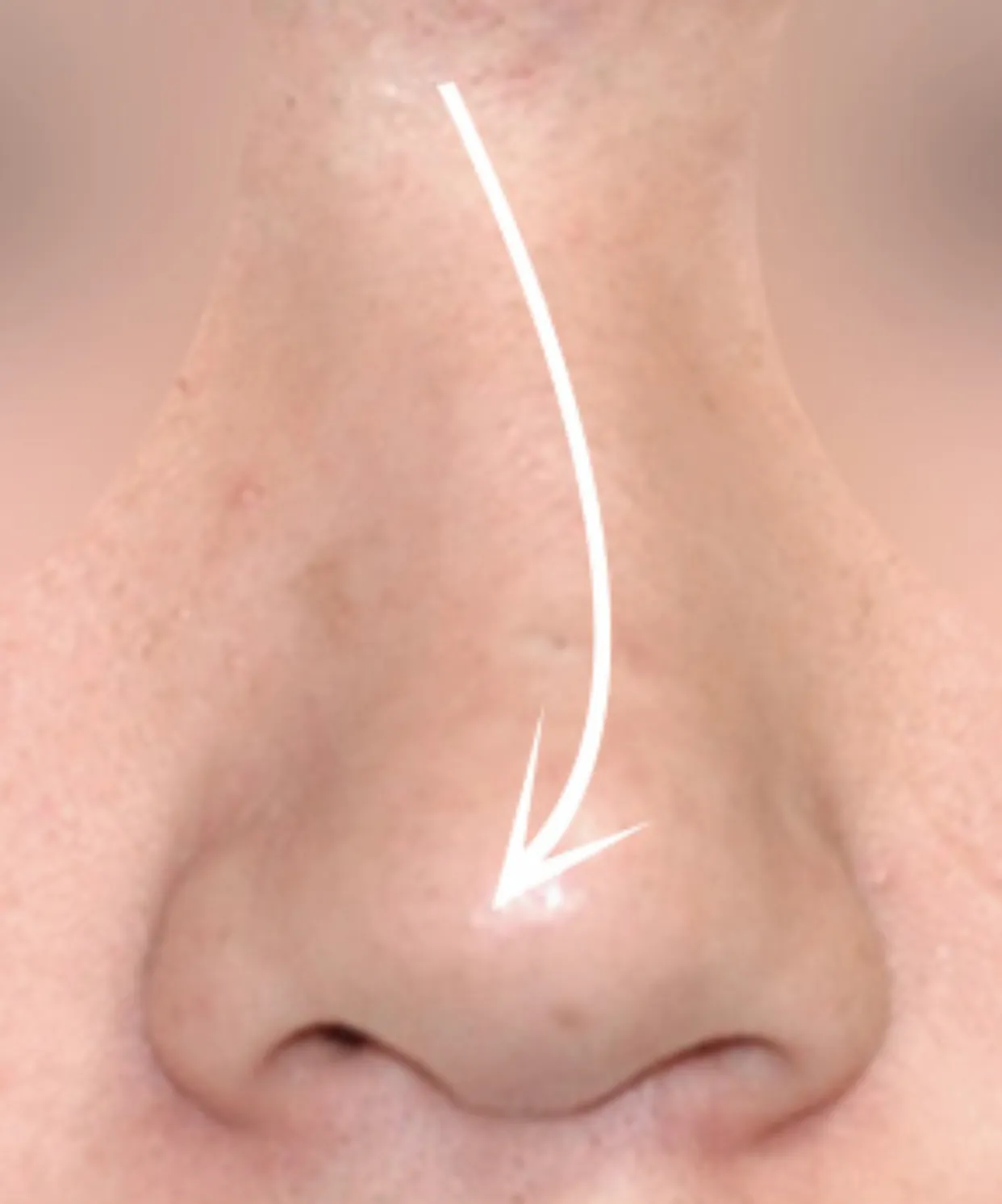
When excessive pressure is placed on a high nasal bridge, the implant position is corrected and reinserted, the nasal tip is lowered to reduce pressure, and autologous cartilage is reinforced to restore central support and correct the nose.
CASE 04 When the nasal tip has drooped or become deformed
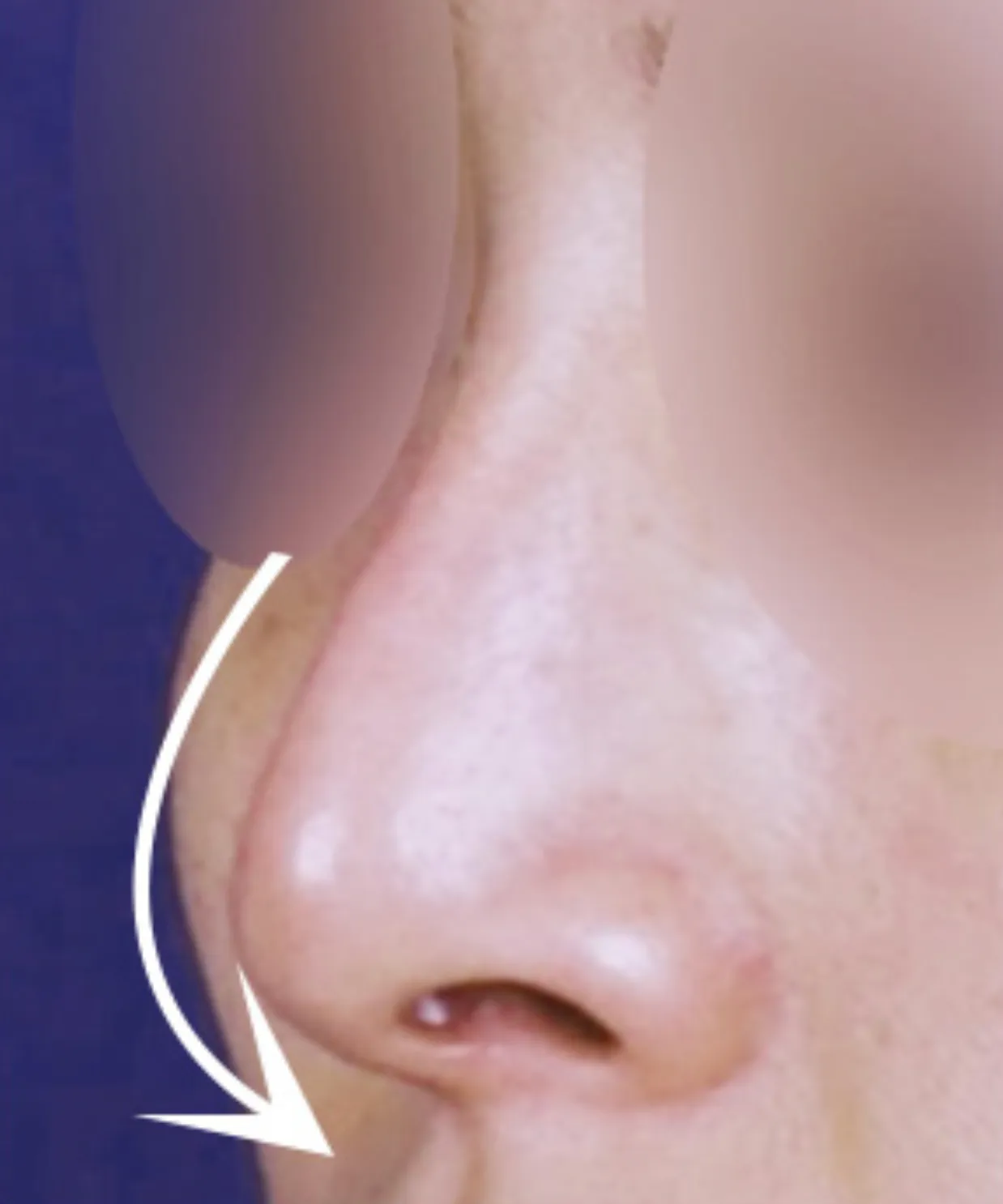
A nasal tip support is created using septal or ear cartilage, and additional autologous cartilage is grafted to the nasal tip to elevate it.
Revision Rhinoplasty by Type
The surgical approach should also vary depending on the cause.
For revision surgery, satisfactory results without failure can be achieved only by accurately identifying the cause and selecting the appropriate direction of improvement and surgical method.
Which case am I?
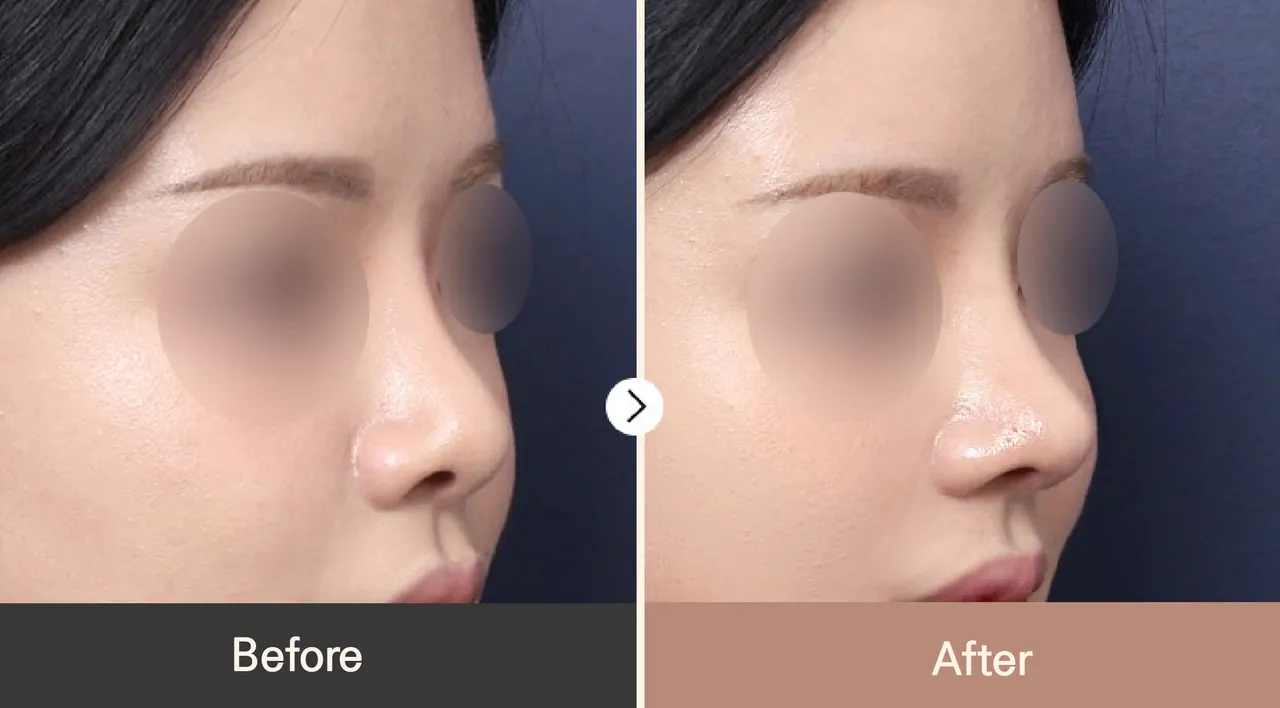
CASE 01 Dissatisfaction with nasal tip height or shape
Revision surgery may be performed when the shape or line of the nasal bridge or tip after the initial surgery does not meet the patient's expectations or is unsatisfactory.
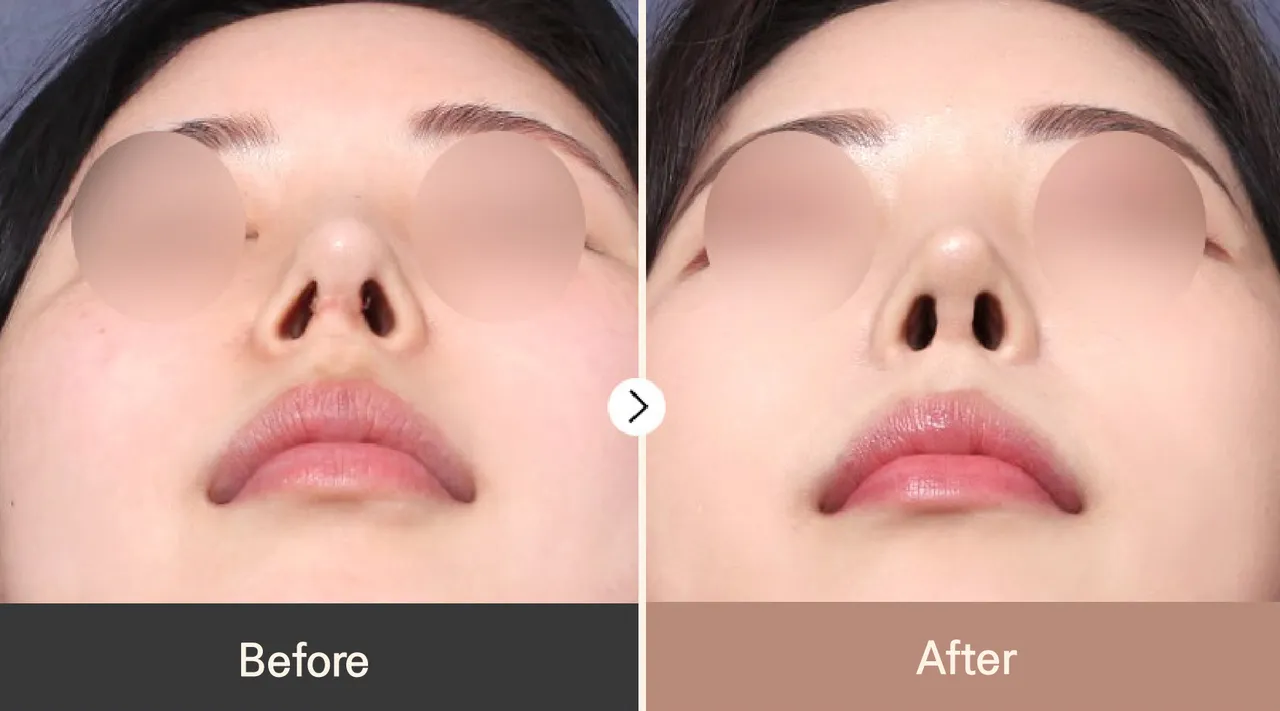
CASE 02 When nostril asymmetry develops
Correction is performed by restoring balance between the septal cartilage and alar cartilage through cartilage repositioning and grafting.
CASE 03 When contracture occurs and the nose becomes shortened
This must be addressed by lengthening nasal tissues, including the skin, cartilage, and mucosa, and reconstructing the support structure through cartilage grafting.
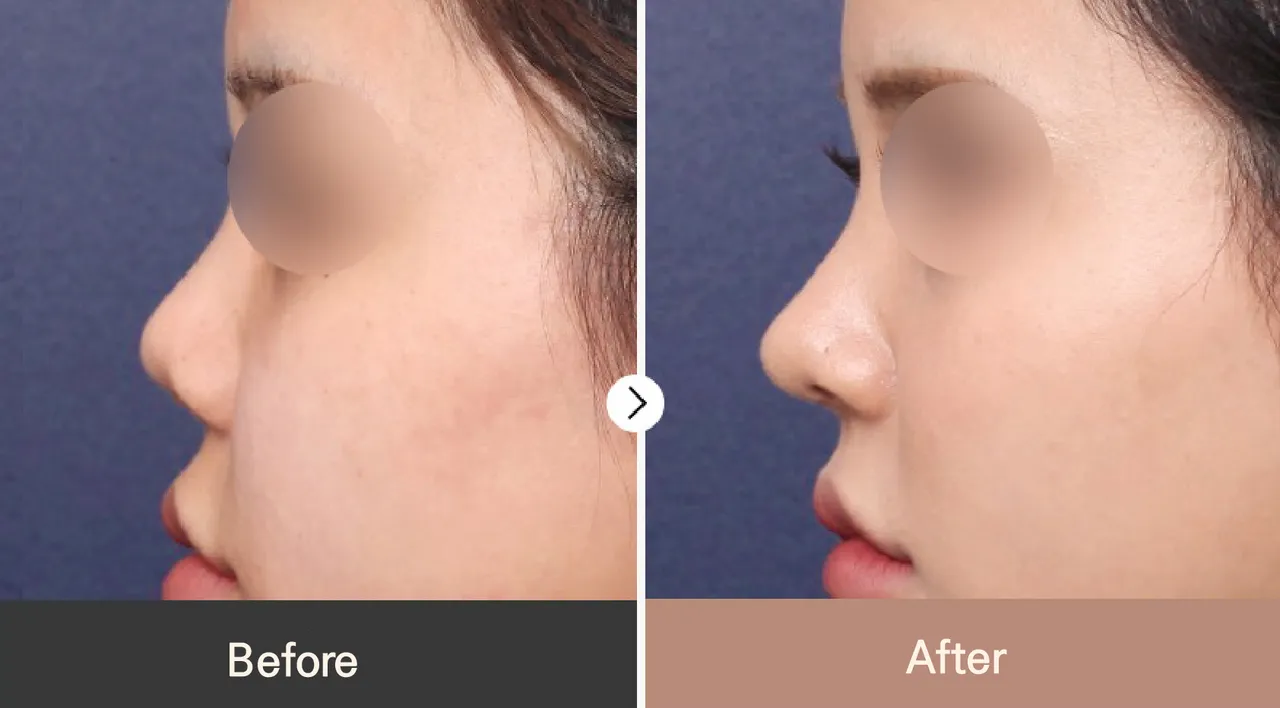
CASE 04 An inadequately corrected dorsal hump
If a dorsal hump remains or recurs, it should be improved through additional hump correction.
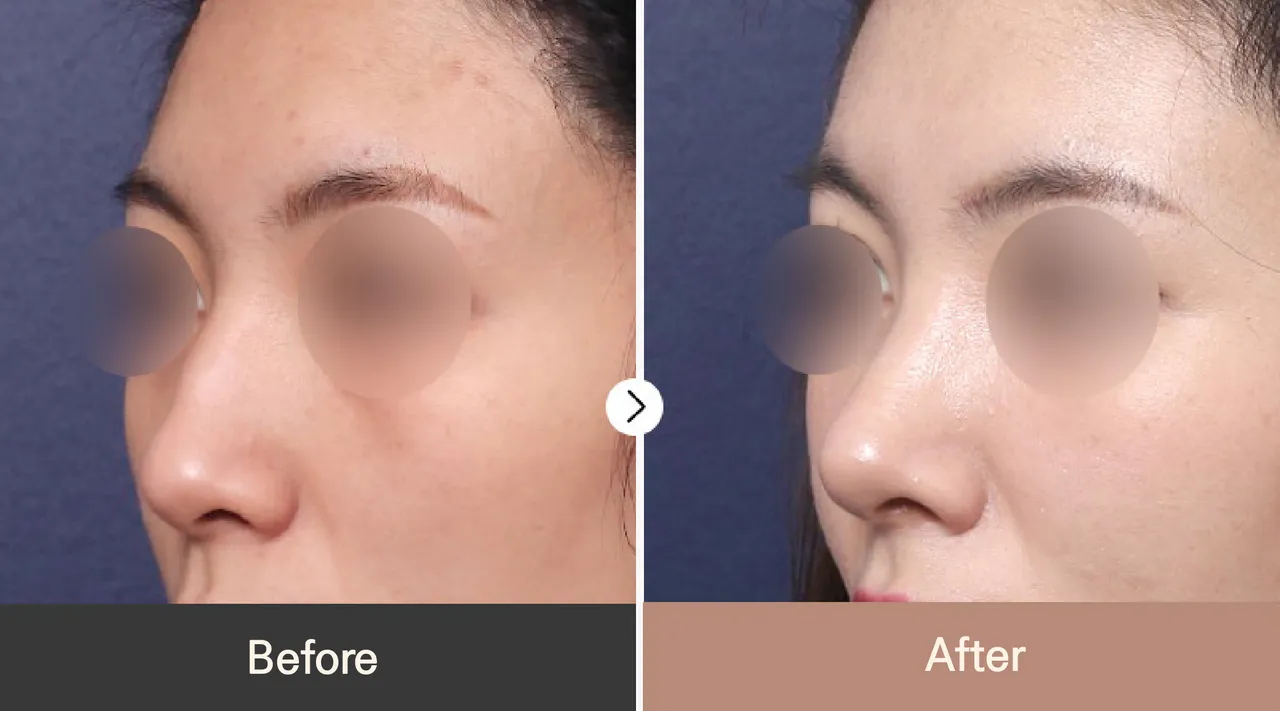
CASE 05 When a bulbous nasal tip appearance remains
If there is no improvement after bulbous nose correction, additional correction may be needed after evaluating the skin, soft tissue, and cartilage size of the nasal tip.
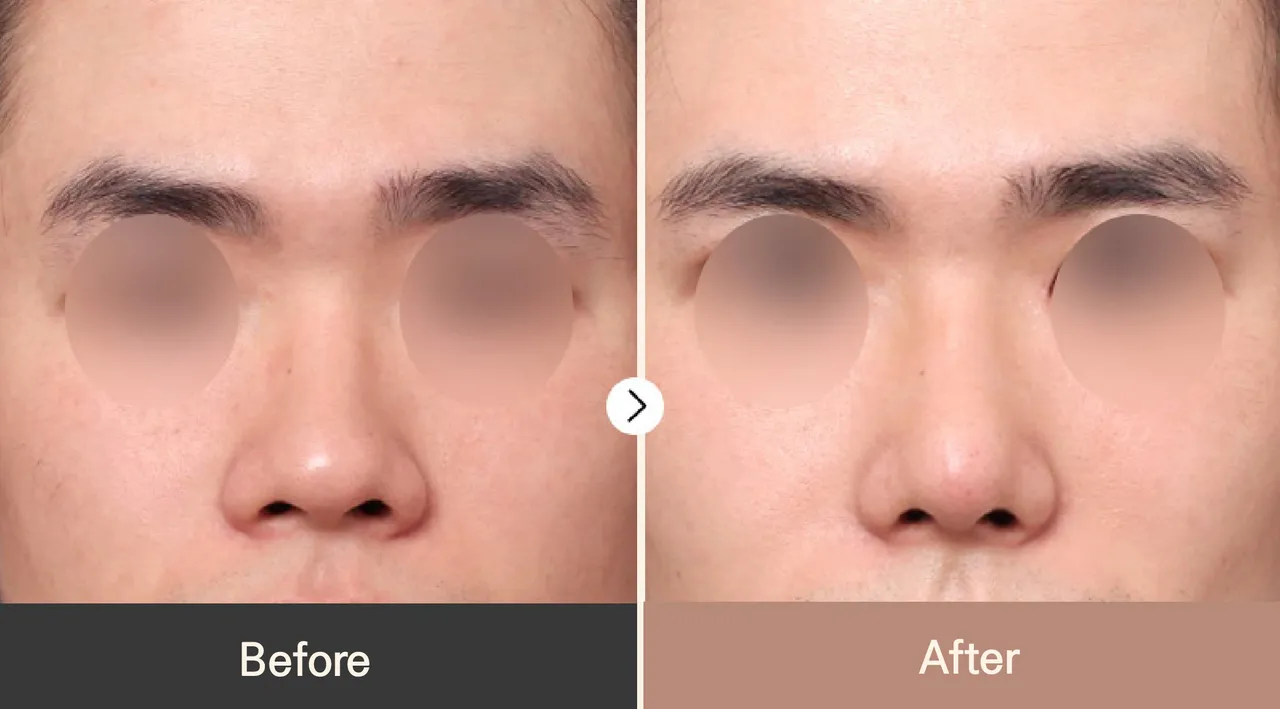
CASE 06 When the nasal tip is crooked
If surgery was performed without sufficiently considering the degree of septal cartilage deviation or asymmetry in skin thickness, corrective surgery for the crooked nose may be performed again.
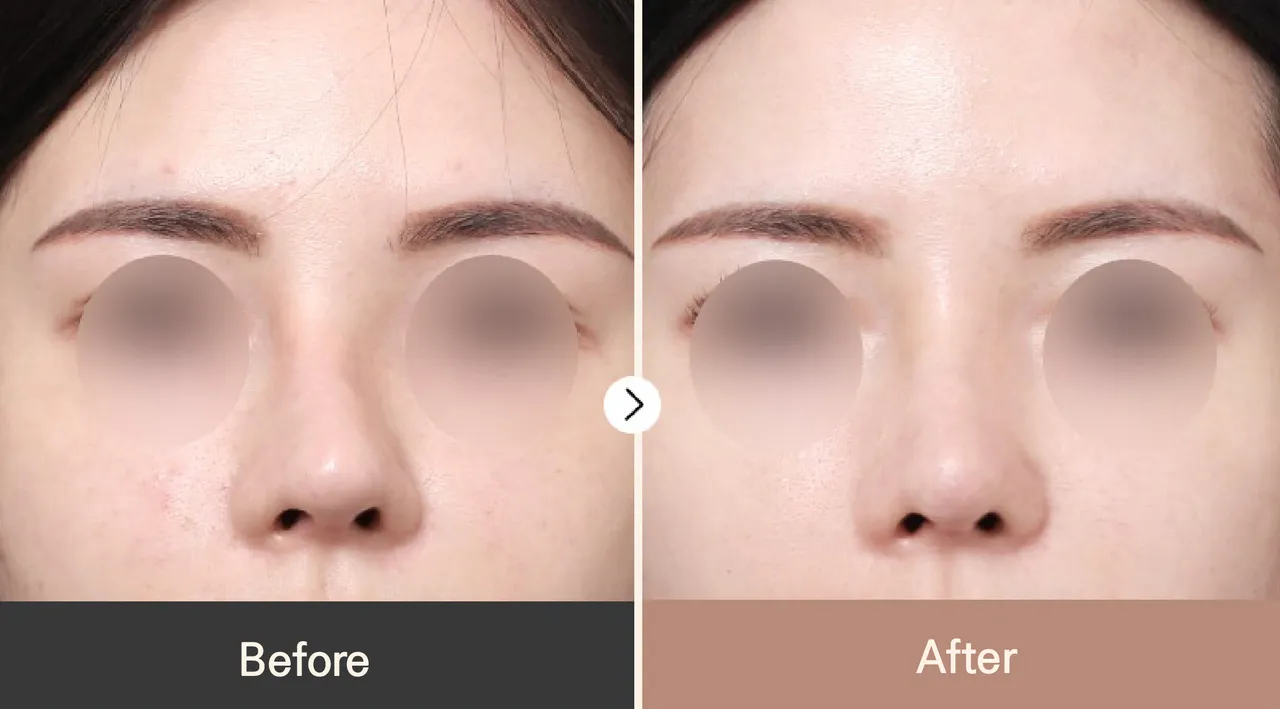
CASE 07 Other various types of cases
When inflammation occurs
Revision surgery is performed after thoroughly removing the implant and inflammation.
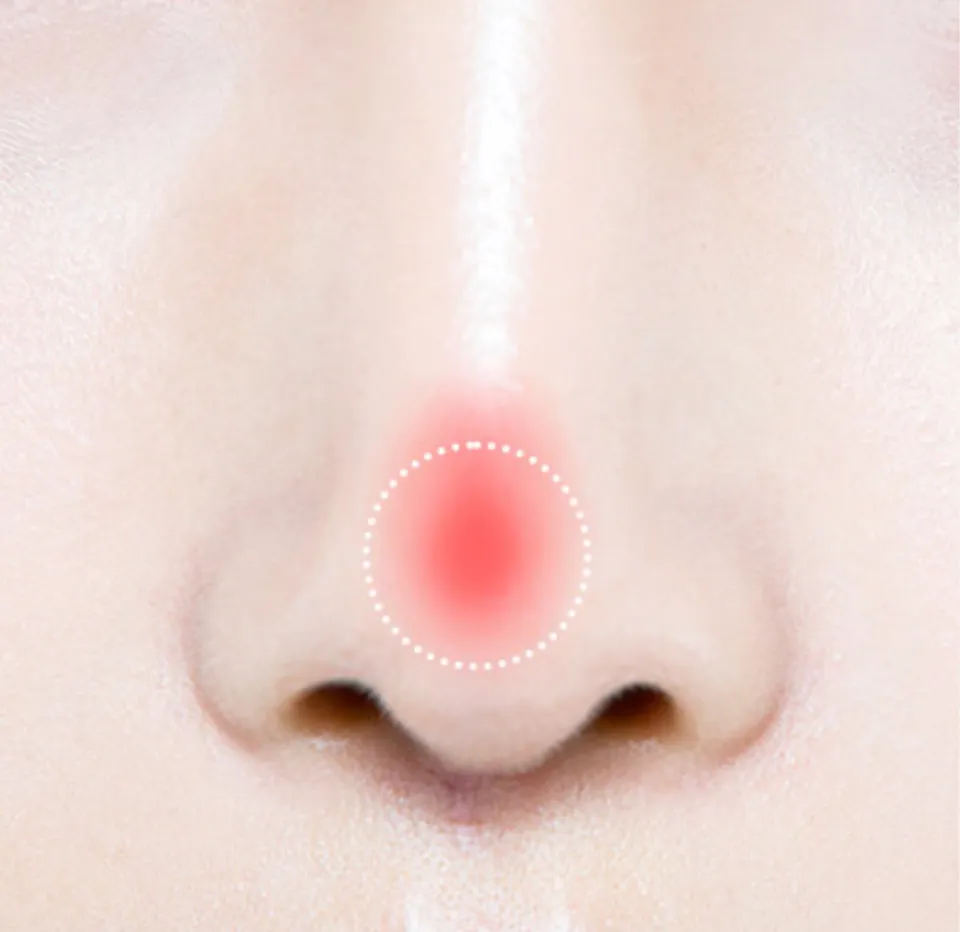
When the implant moves
Correction is possible by removing the implant and repositioning it after identifying the precise space between the bone and periosteum.
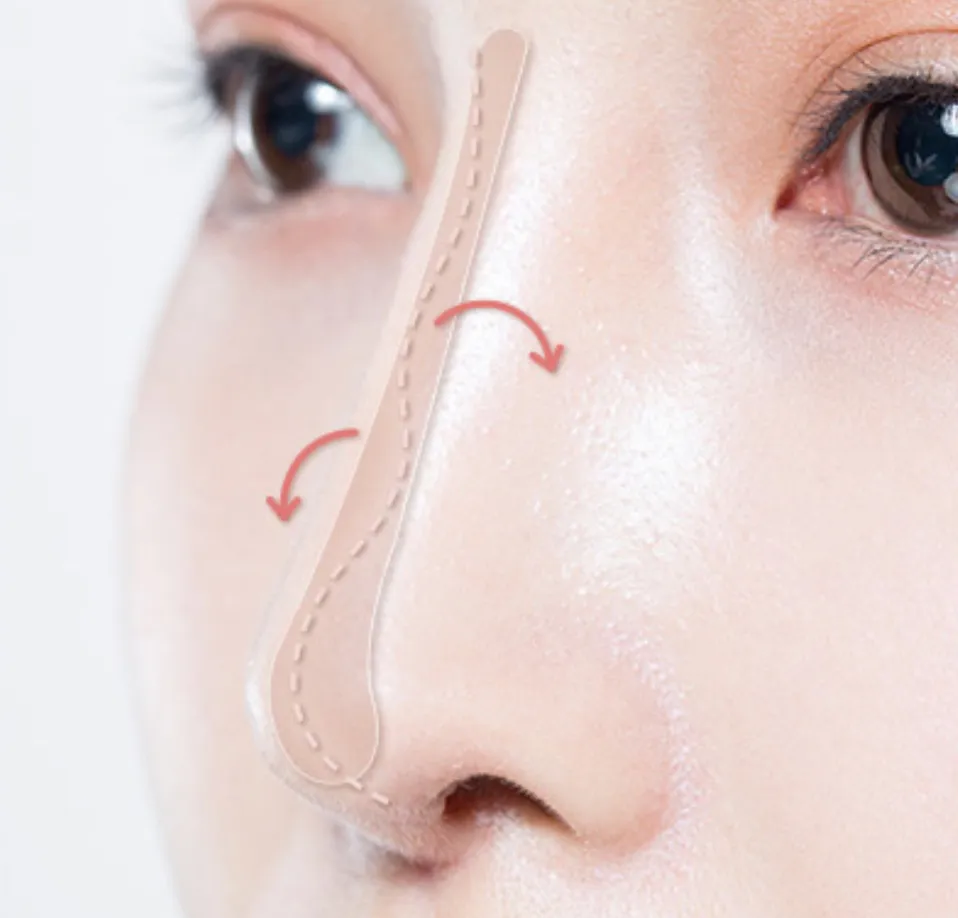
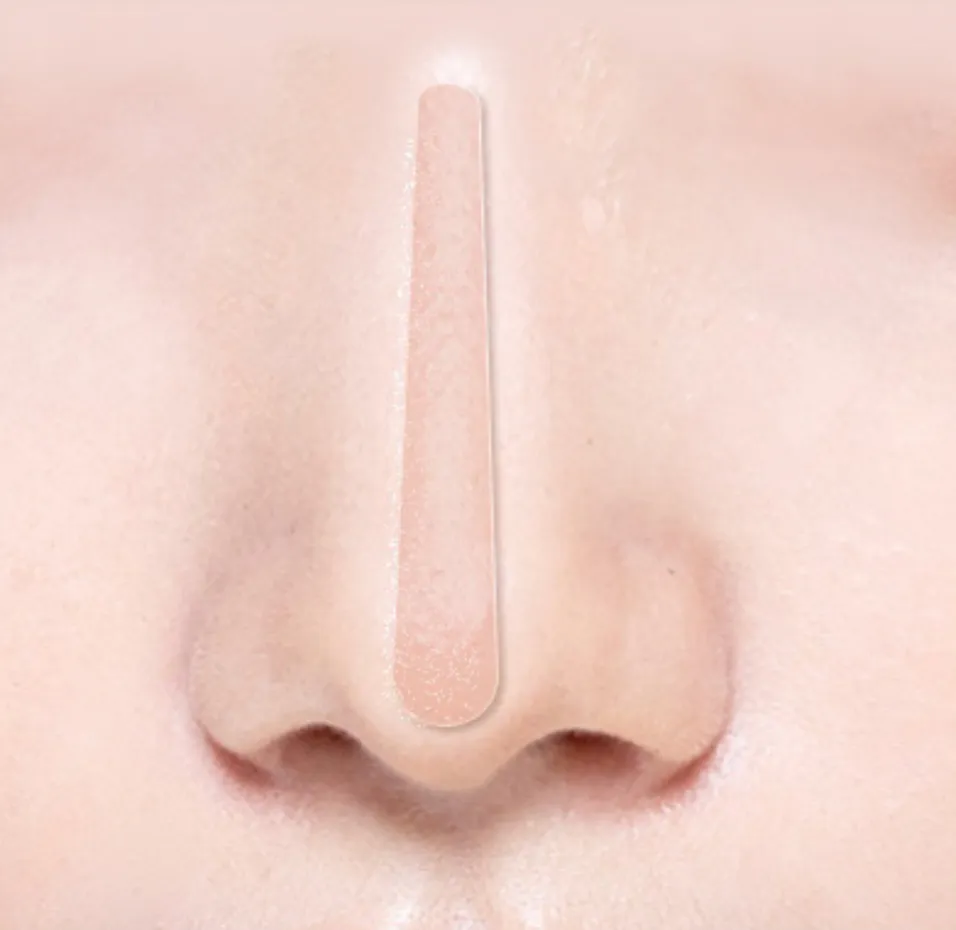
When the implant is visible through the skin
Correction may be performed by inserting an implant appropriate for the patient's nasal bridge, or by using dermis or fascia when the skin is too thin.
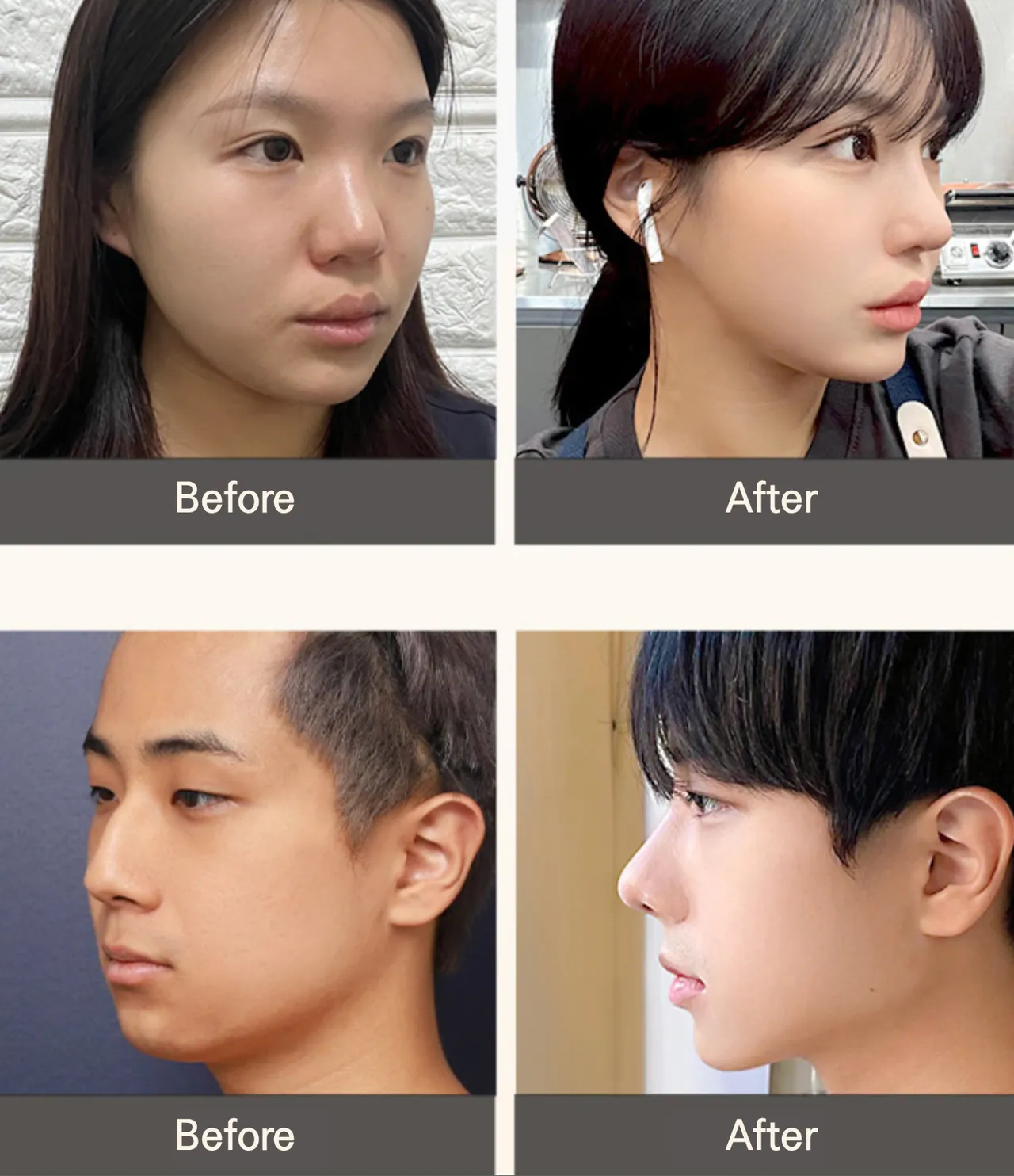
Suitable in These Cases
❶ When the nasal tip becomes hard and red
❷ When the implant is loose
❸ When the nose is too high and appears unnatural
❹ When the implant is crooked, making the nasal bridge appear crooked
❺ When the implant shows through, making the surgery apparent
❻ When only the nasal bridge was raised and the nasal tip appears to droop over time
❼ When you are dissatisfied with the shape of your nose
❽ When the shape of the nasal tip appears sharp
Important Things to Know Before Revision Rhinoplasty!

- There is no need to be overly afraid just because it is revision surgery.
Except in certain cases, most revision surgeries can relatively simply restore a natural and beautiful nose using autologous cartilage and customized implants.
- Prompt revision surgery is necessary if the nasal tip becomes red or the implant is significantly loose.
When symptoms such as contracture occur, further progression may damage the nasal skin and cause deformity. It is advisable to consider revision surgery as soon as possible.
- When inflammation is present, time may be needed after the cause is removed.
It is advisable to undergo revision surgery after the implant and inflammation have been removed and the nasal tissues have recovered and stabilized.
- If an implant is unsuitable, revision rhinoplasty using autologous dermis is possible.
Because revision rhinoplasty is performed using your own dermis, it integrates well with skin tissue and has a lower likelihood of side effects.
LUHO Plastic Surgery Rhinoplasty Materials
To reduce the likelihood of complications, LUHO uses autologous tissue within the feasible range for rhinoplasty.
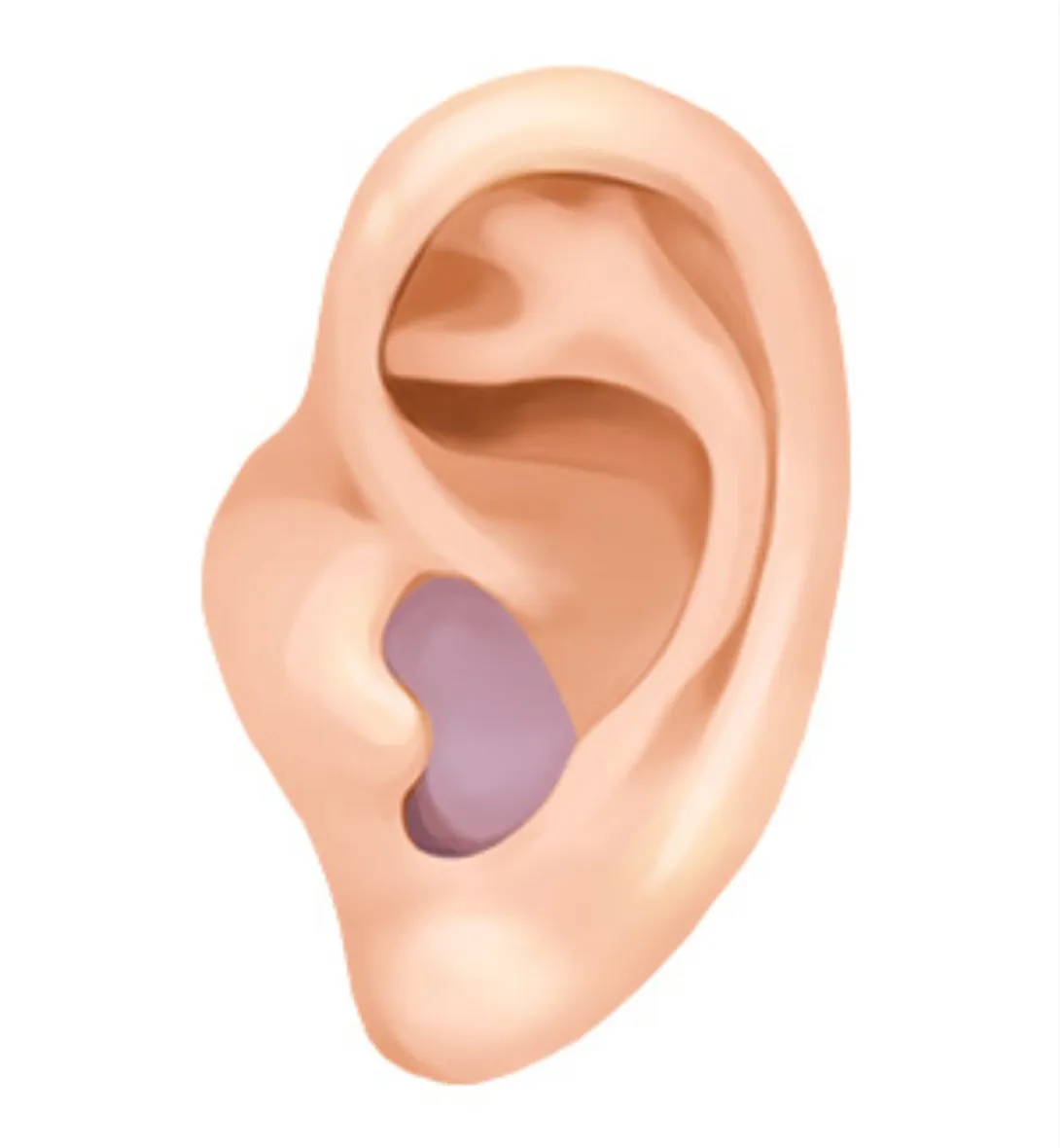
❶ Ear Cartilage
Its elasticity makes it suitable for enhancing the shape of the nasal tip.
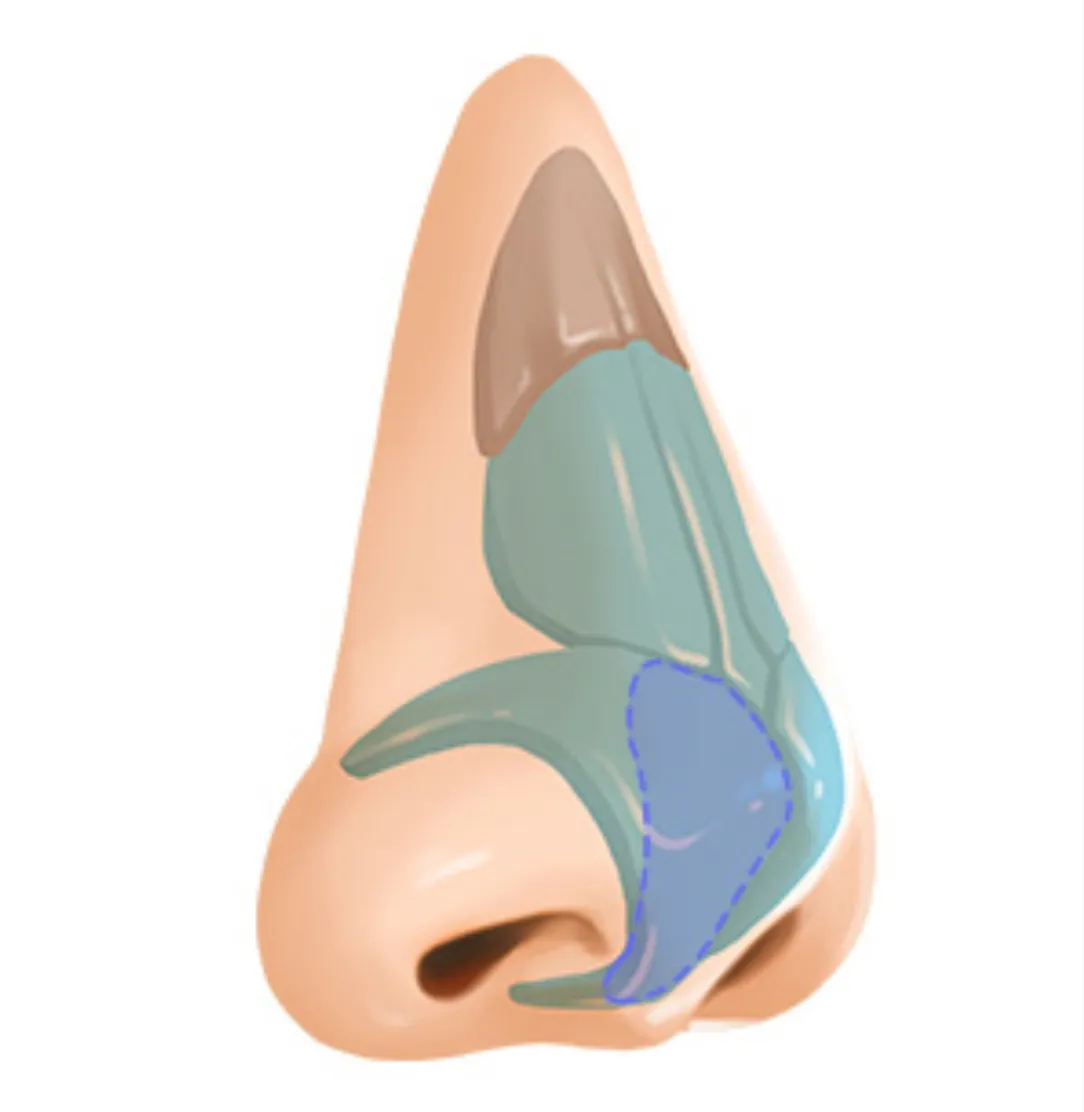
❷ Septal Cartilage
Suitable for elevating the nasal tip or lengthening the nose.
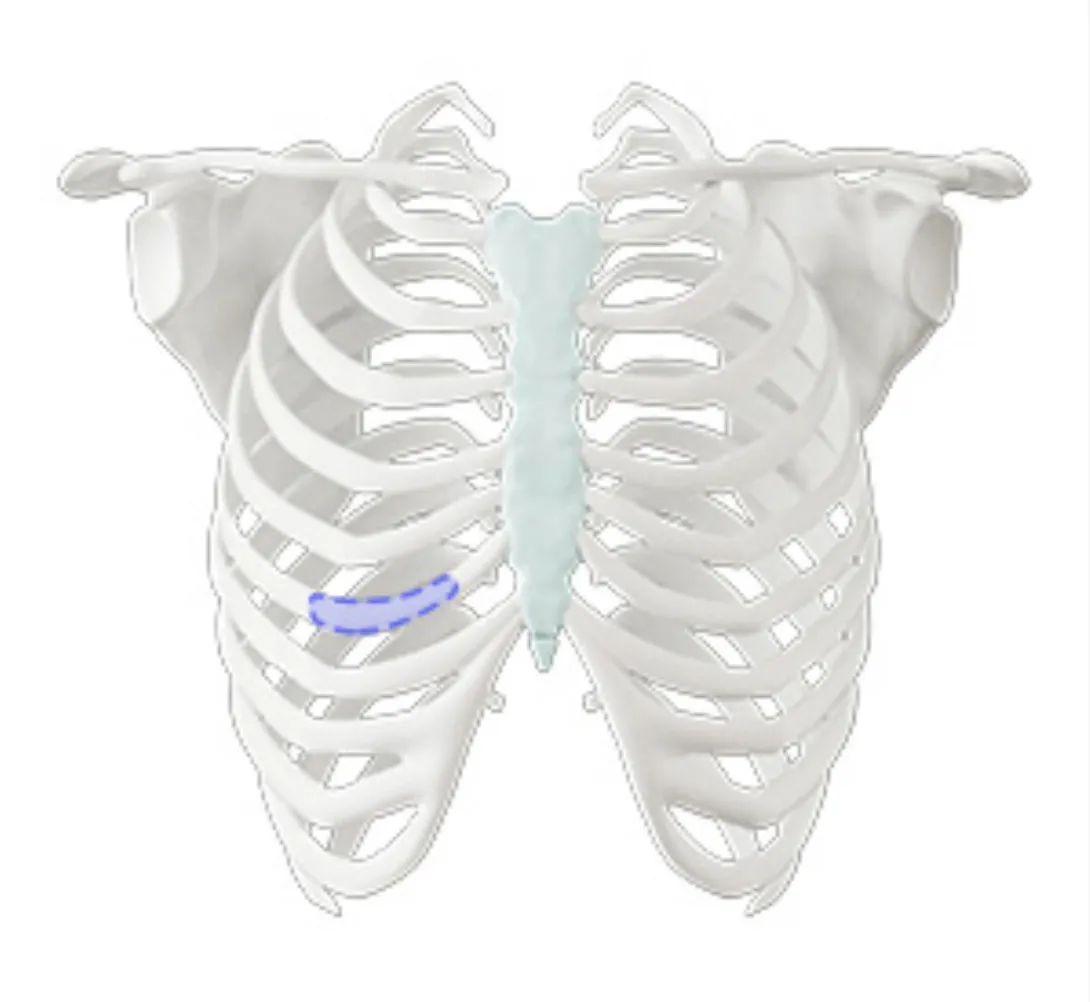
❸ Rib Cartilage
It provides the strongest support and durability and is used for revision surgery.
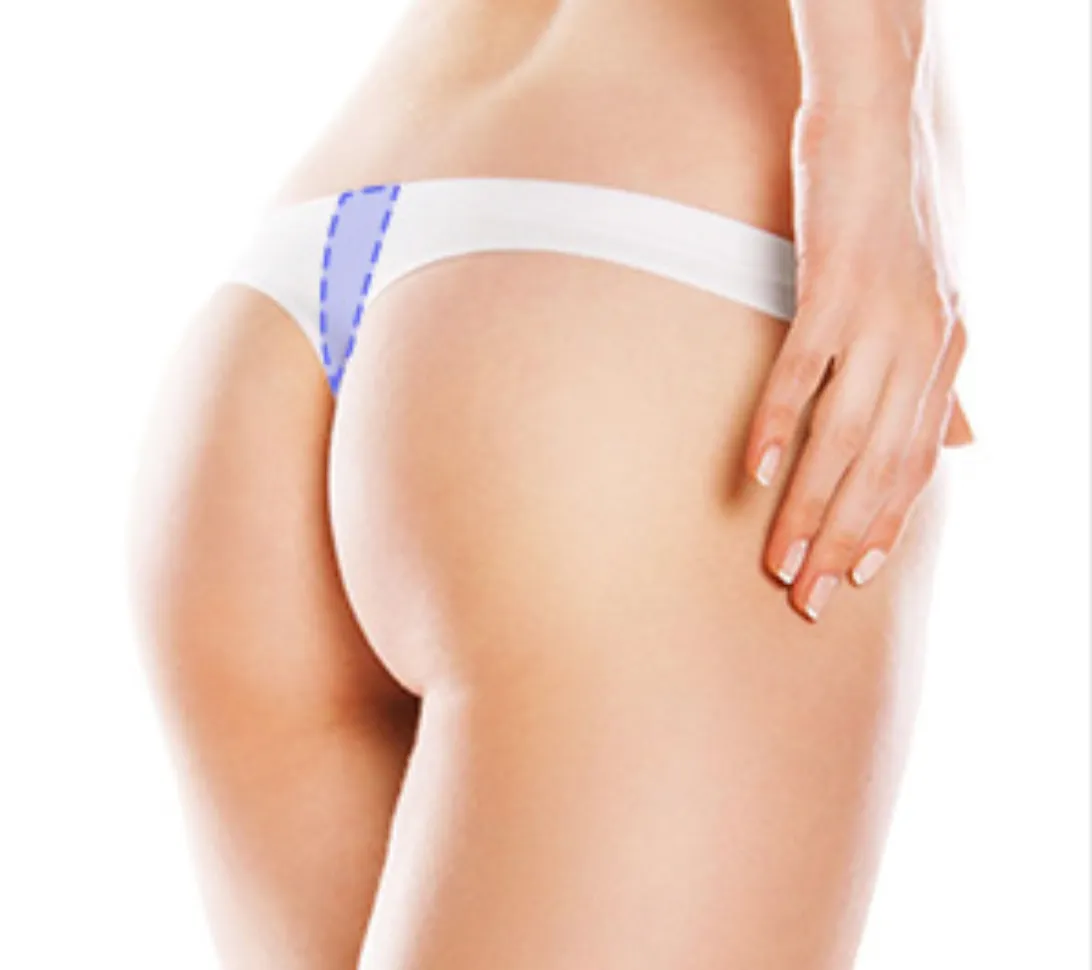
❹ Gluteal Dermis
Dermis is harvested from the gluteal crease to shape the nasal bridge.
LUHO Plastic Surgery Rhinoplasty
Undergo surgery safely with LUHO's advanced expertise.
LUHO 3D-CT Rhinoplasty
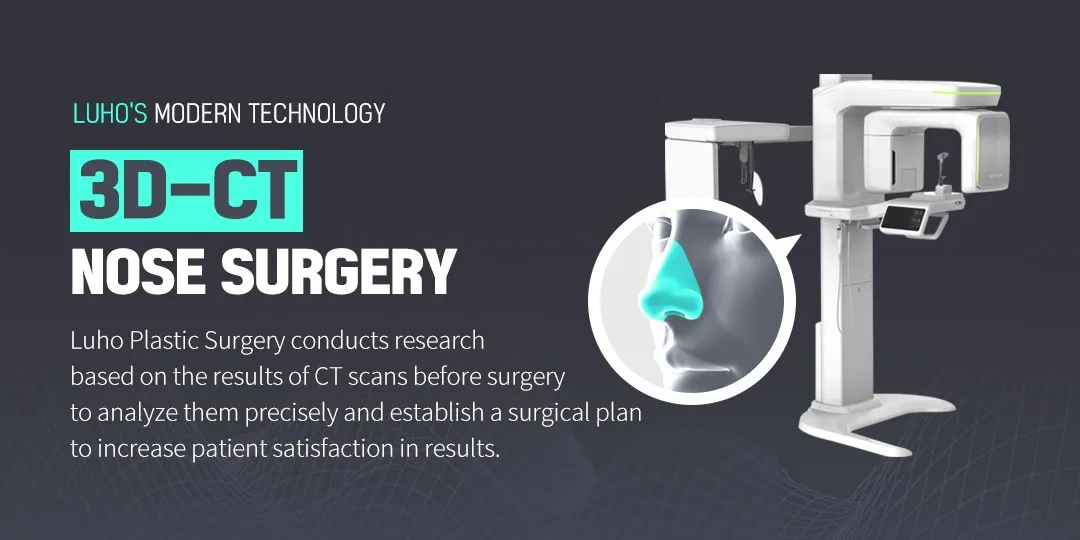
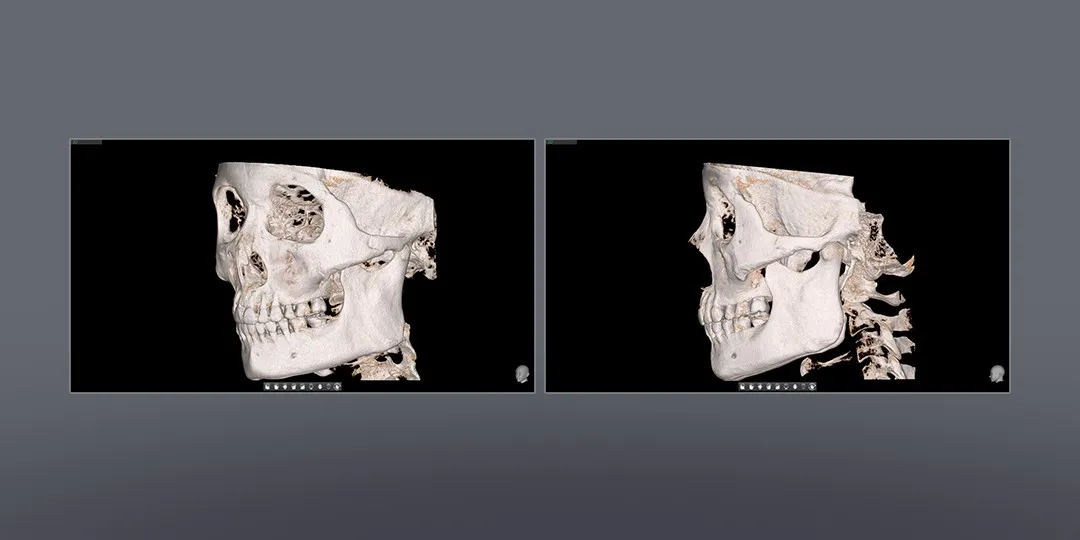
LUHO Plastic Surgery studies ways to increase patient satisfaction with results by accurately analyzing preoperative CT findings and establishing surgical plans.
If you want to make a careful choice,
LUHO Plastic Surgery Rhinoplasty
❶ LUHO has over 15 years of rhinoplasty expertise and is proud of its exceptional skill.
❷ We pursue safe rhinoplasty that remains safe over time through surgical methods suited to the anatomical structure of the nose.
❸ We prioritize the use of autologous tissue for nasal bridge and nasal tip surgery.

Rhinoplasty that lets you feel reassured even after surgery

A defined nasal bridge and tip line with refined projection

A design that harmonizes naturally with the face
LUHO Care Program
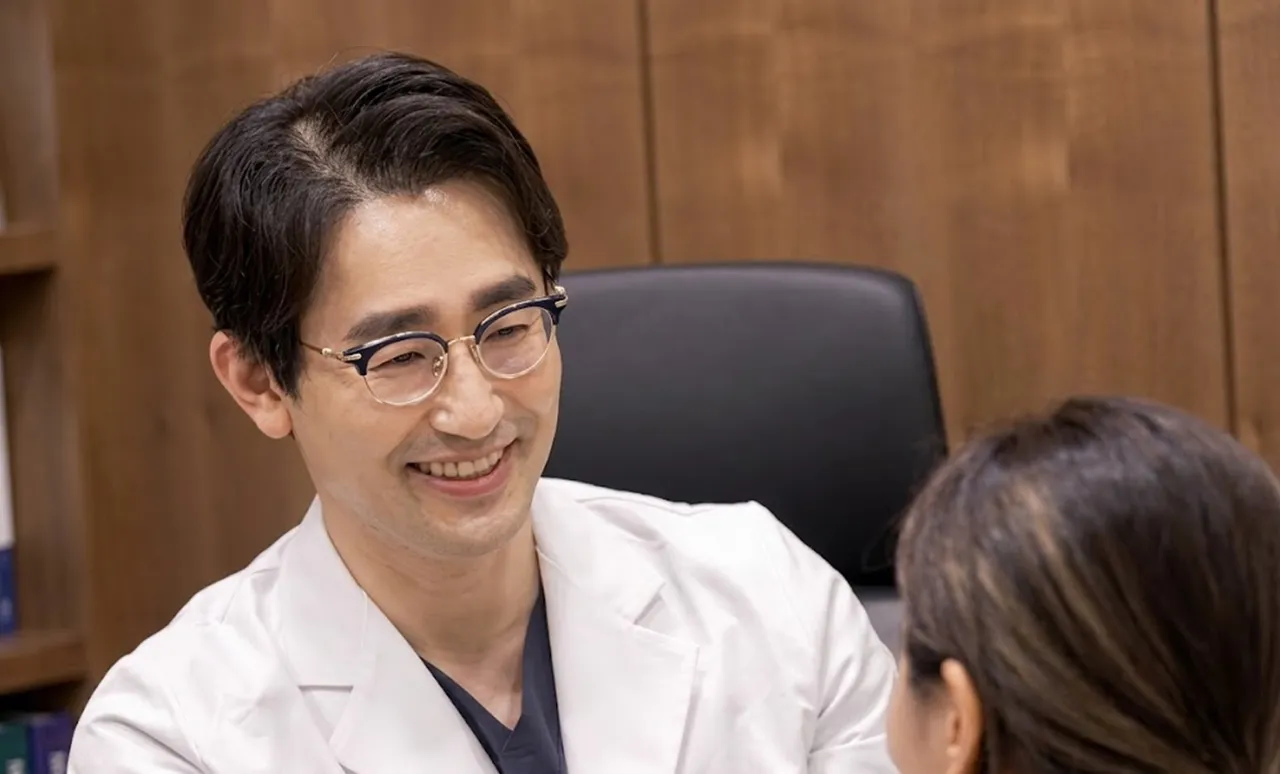
At LUHO Plastic Surgery, the surgeon who performs the procedure is responsible for all treatment and care.
Direct Care by Medical Staff
Your board-certified plastic surgeon provides dedicated care from start to finish
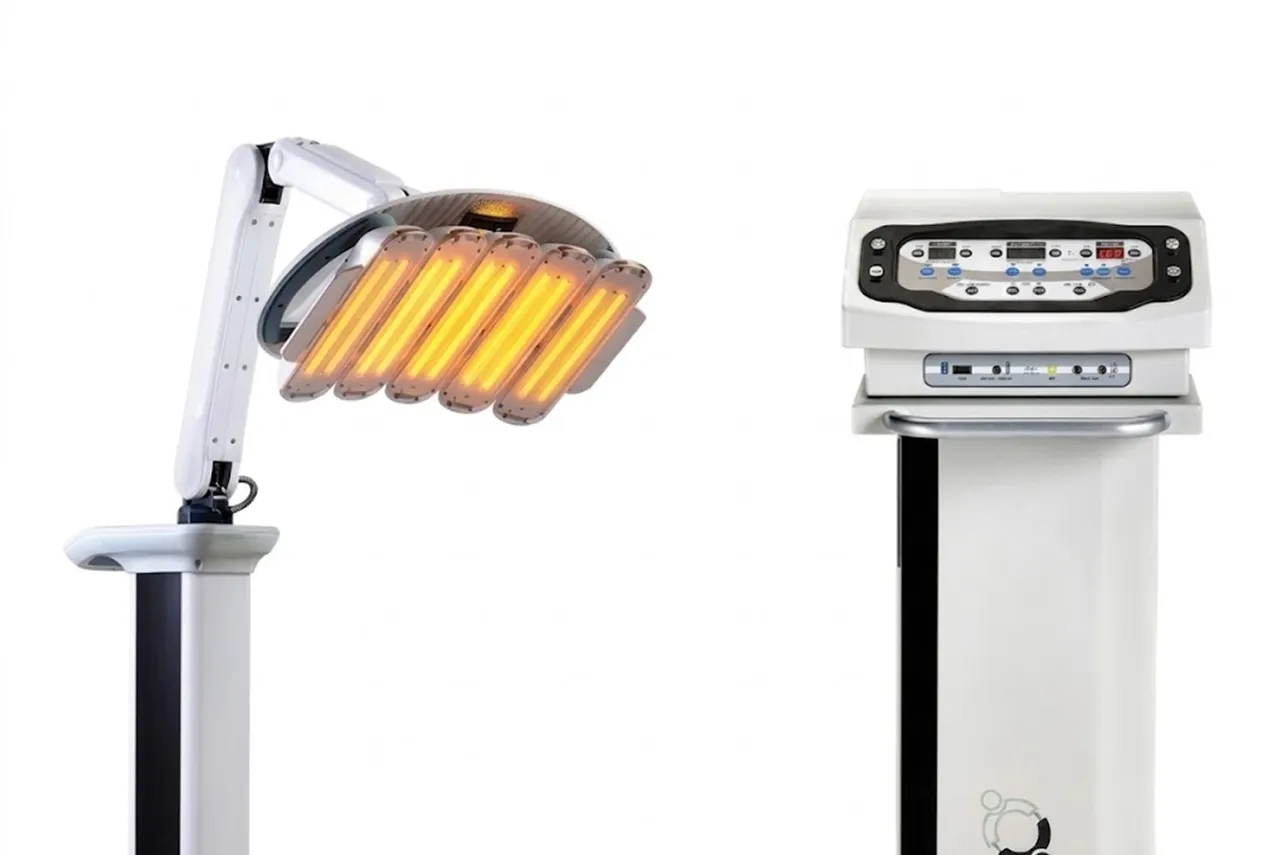
Recovery Laser/Radiofrequency Care
Shortens recovery time by enhancing pain relief, swelling reduction, regeneration, and healing
Scar Care
Cleaner scar management with treatment by a board-certified plastic surgeon
 Luho Plastic Surgery

Helpful tip
Found a before & after image you're interested in? Tap the magnifying glass button in the lower right to start a consultation right away.
AI Review Summary
Clear and detailed explanation of procedures
Minor feedback regarding duration
Responsive and professional communication
Positive overall consultation experience
等候时间短,很快就到我咨询了
Easy to understandShort waiting回答我的問題,相對有條理,微笑服務
Easy to understandGood communicationOverall, this online consultation for aesthetic eye treatment was quite good. The consultant provided detailed and patient explanations, analyzed the issues based on my eye condition, and offered suitable improvement options. There was no aggressive sales pressure during the process, which made me feel comfortable and gave me a clearer understanding of the subsequent treatment plan.
Clear explanationEasy to understandVery good 👍 Very nice 😌 Understood
Clear explanationEasy to understandVery good I really like beautiful female doctors from Korea
Clear explanationProfessionalI learned about liposuction of the chin and jawline, and the doctor’s recommendations were very sincere, taking overall facial harmony into consideration. I also consulted about the brow bone and orbital area. Thank you very much
Clear explanationEasy to understandCommunication was smooth, and very professional advice was provided
Easy to understandPersonalized advice都幾親切,嘅價格比較透明清楚,同埋个建議係比較貼個人情況。
Personalized adviceHonest feedback医生非常耐心,能理解我的需求,并给出可行的建议,之后有去韩国的计划时将选择这个医院
Clear explanationHonest feedback很友善的小姐姐,回答很詳細
Clear explanationEasy to understand