Lower Eyelid Fat Repositioning
From 2,000,000 KRW/ surgery
- One-line summary: Under-eye fat repositioning at Ruho Plastic Surgery is a procedure designed to improve dark circles and under-eye bulging. - Key advantages: Performed through the conjunctiva, leaving no visible scars and allowing for rapid recovery. - Procedure/techniques: Customized treatment is provided using various methods, including under-eye fat repositioning, fat removal, excision of sagging skin, and filler injections. - Recovery/precautions: The procedure takes approximately 30 minutes, with a recovery period of 3–5 days. Suture removal is required after 5–7 days. Hospitalization is not necessary.
Surgery Overview
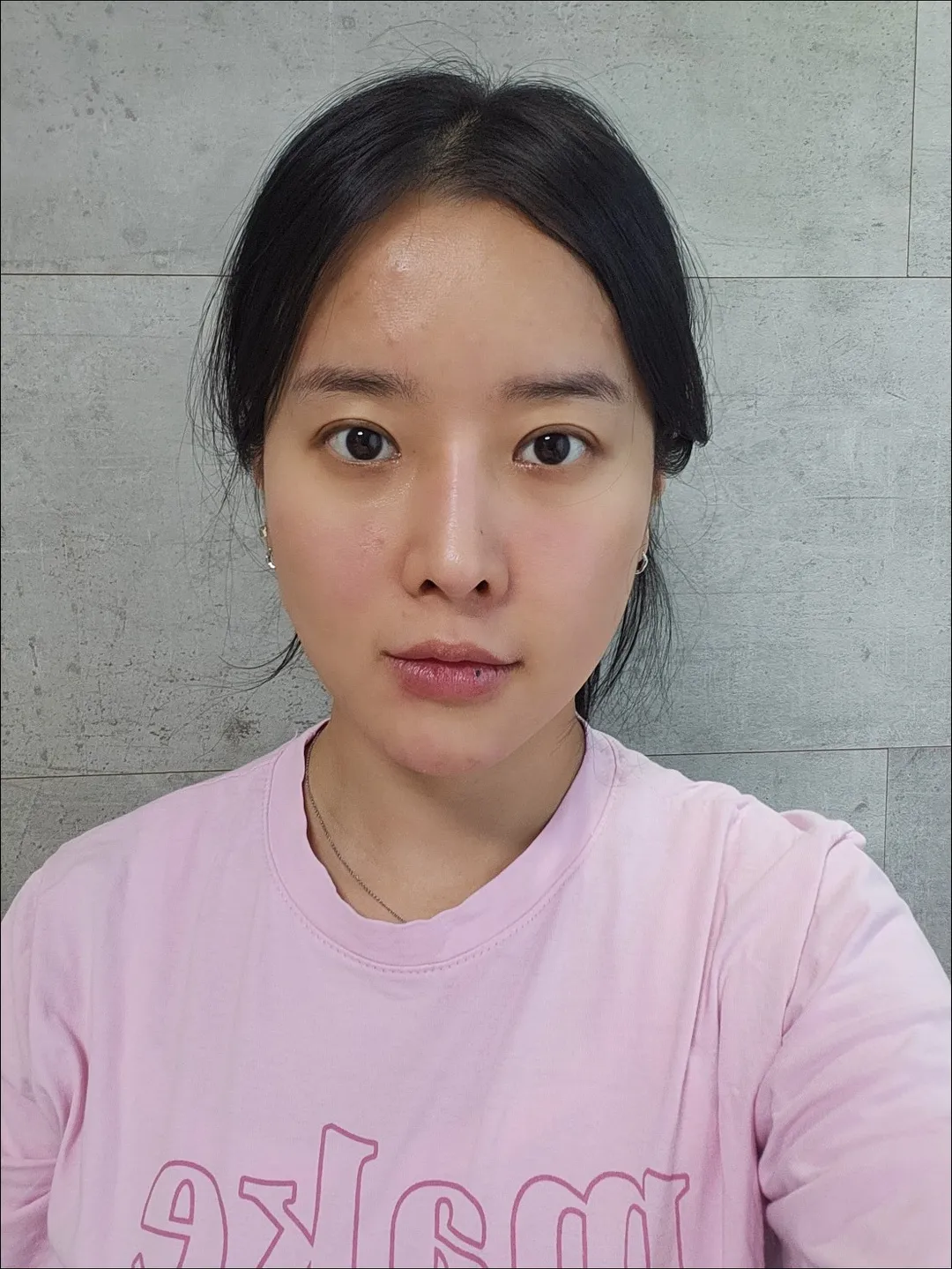
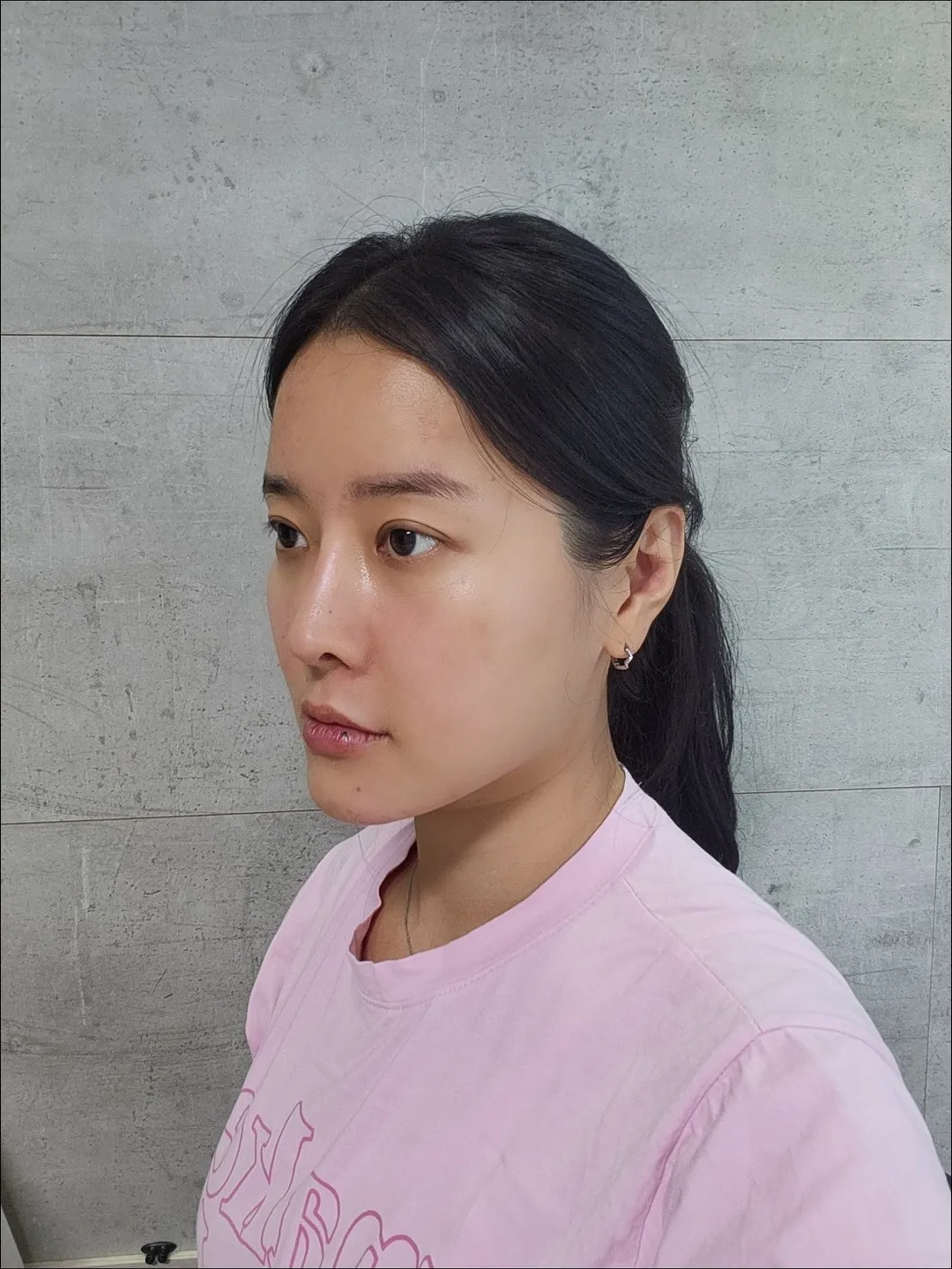
Before & After
See MoreCases
See More
TTL Under-Eye Fat Repositioning
Remove unnecessary fat
and precisely correct even underlying causes that are not visible

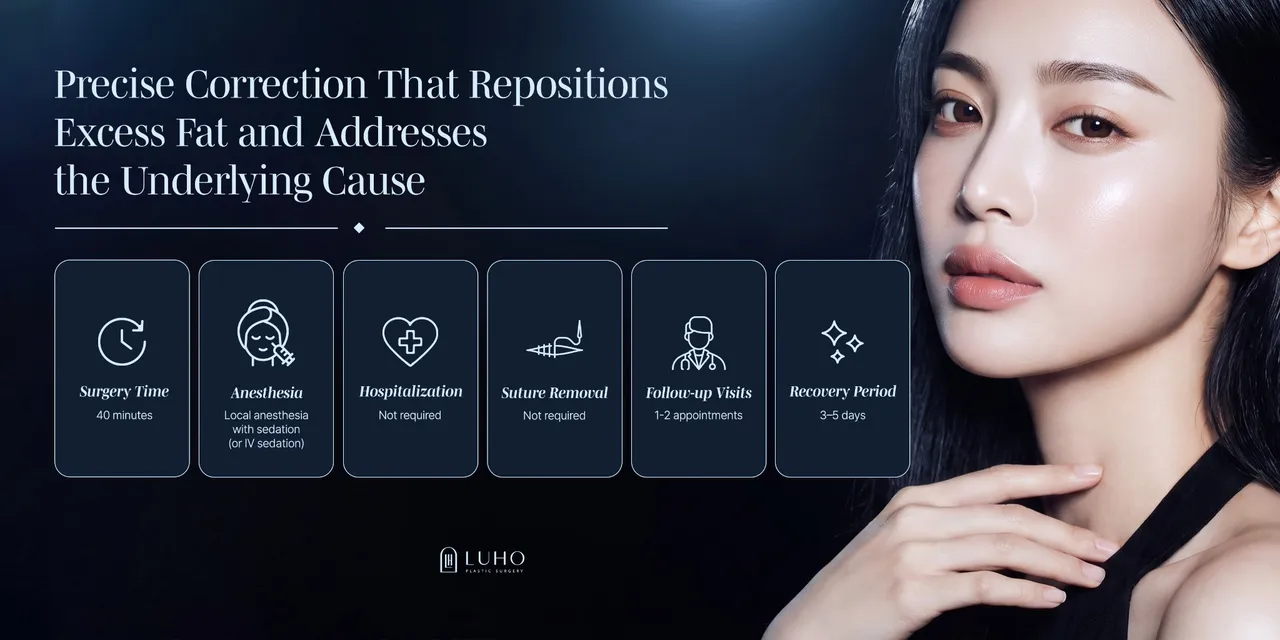
- Surgery time
Approximately 40 minutes
- Anesthesia
Local anesthesia / sedation anesthesia
- Hospitalization
Not required
- Stitch removal
Not required
- Follow-up visits
1–2 times
- Recovery period
3–5 days
LUHO PLASTIC SURGERY
What is TTL?
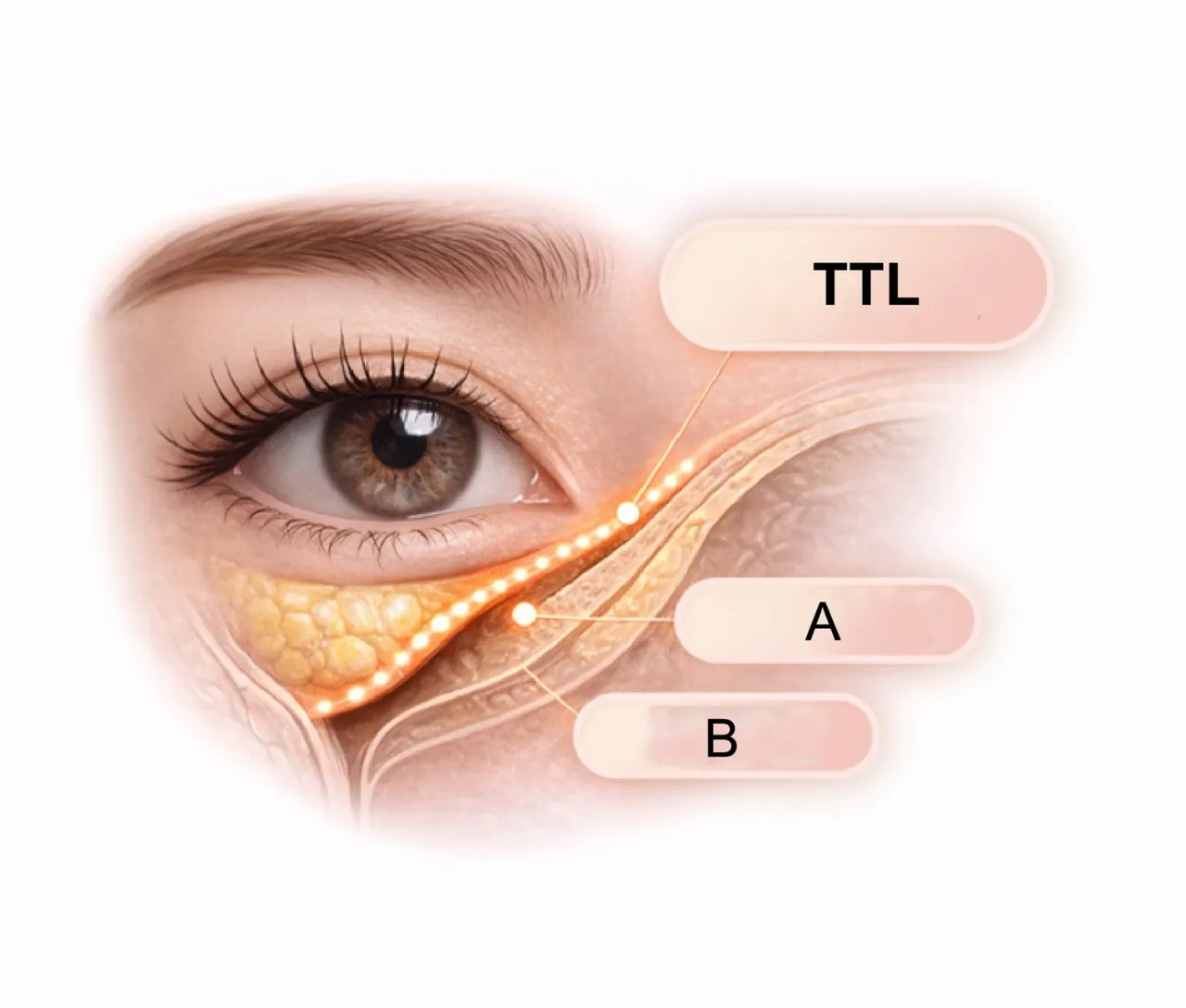
* Tear-trough ligament TTL (Tear-Trough-Ligament), A - Depressed area due to fat loss / B - Shadow formation
When fat protrudes in the upper area and the lower area becomes hollow,
the TTL (tear-trough ligament) located directly beneath the eyes
is firmly anchored, creating shadows
and making dark circles appear deeper.
Dark circles are not simply a fat-related issue;
they are a structural issue caused by the TTL.
Precise assessment
with ultrasound examination of the TTL
Through ultrasound examination, LUHO
precisely evaluates even the location and structure of the TTL
to accurately determine the surgical approach.
Why is an ultrasound examination important?
Precise diagnosis
Ultrasound precisely diagnoses foreign bodies and abnormal areas that cannot be seen with the naked eye.

Accurate surgical approach
Real-time evaluation of tissue condition reduces surgical risks and enhances safety.
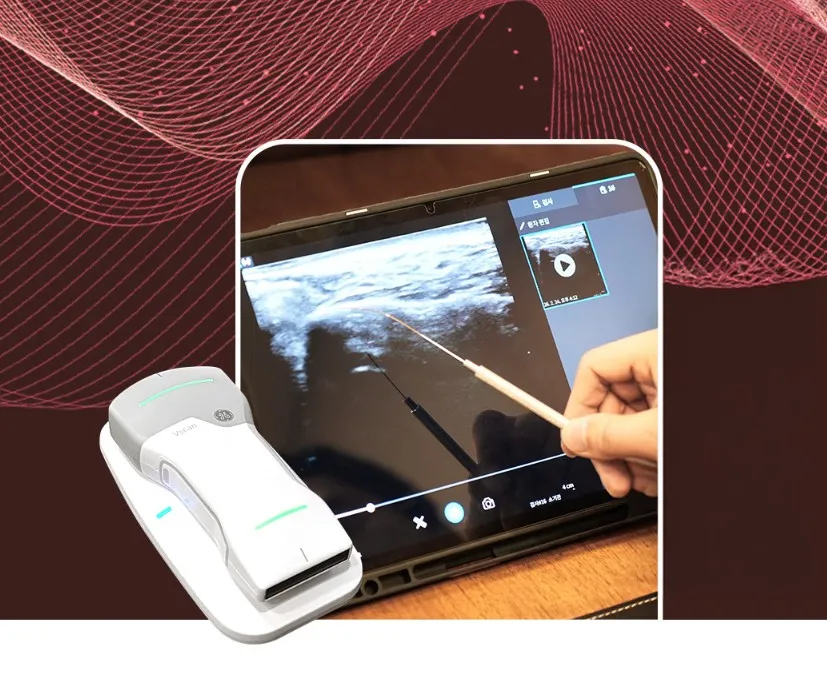
- High-resolution ultrasound imaging
- Diagnosis of the cause of dark circles
Conventional Under-Eye Fat Repositioning VS TTL Under-Eye Fat Repositioning
What is the difference?
Conventional under-eye fat repositioning
- Improves the area by repositioning under-eye fat
- Depending on the surgical method, hollowness or shadows may remain
TTL under-eye fat repositioning
- Separates the tear-trough ligament (TTL) before repositioning fat
- Improves the under-eye structure together to achieve more natural-looking results
TTL Under-Eye Fat Repositioning
After sufficiently releasing the TTL (tear-trough ligament), under-eye fat is evenly repositioned into the hollow areas.
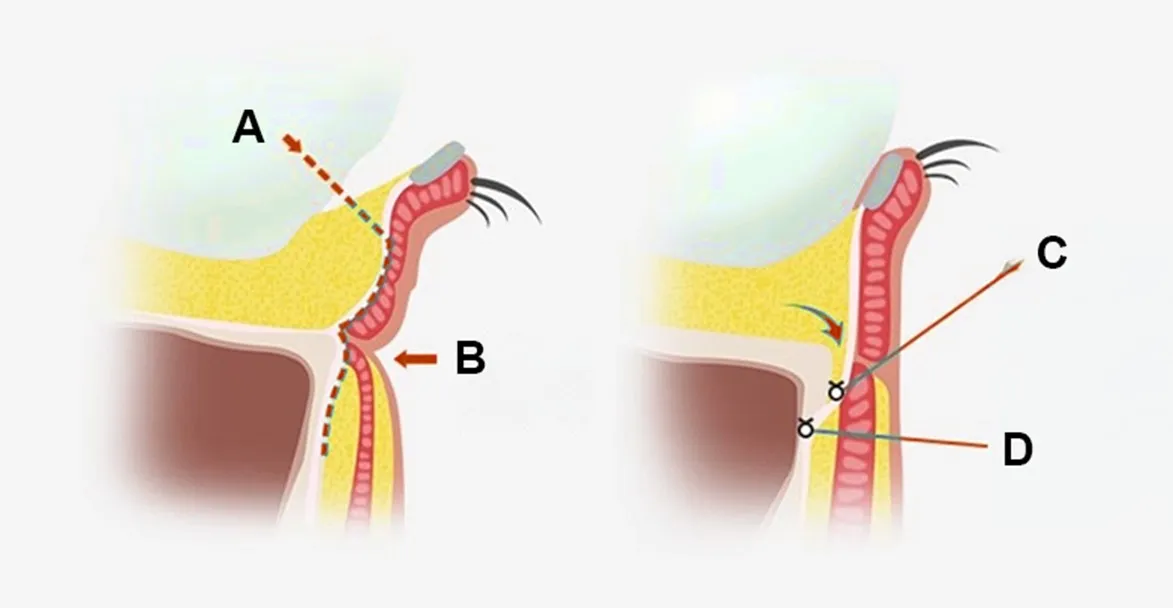
* A - Conjunctival incision / B - Hollow tear trough / C - Reposition and secure fat into the tear trough / D - Securely stabilize the conjunctiva
The ligament must first be released so that the fat can spread naturally,
resulting in a smoother, more natural-looking under-eye area.
*The location and structure of the TTL are assessed through ultrasound examination to design a personalized surgical plan.
Personalized dark circle treatment considering the TTL (tear-trough ligament)
Under-eye fat improvement by cause
Case 01. Protruding under-eye fat
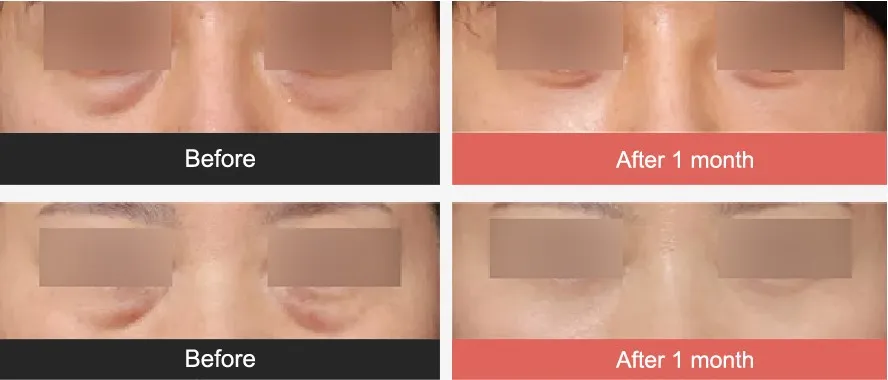
When under-eye fat protrudes forward and a tear trough forms beneath it
Case 02. Hollow under-eye fat
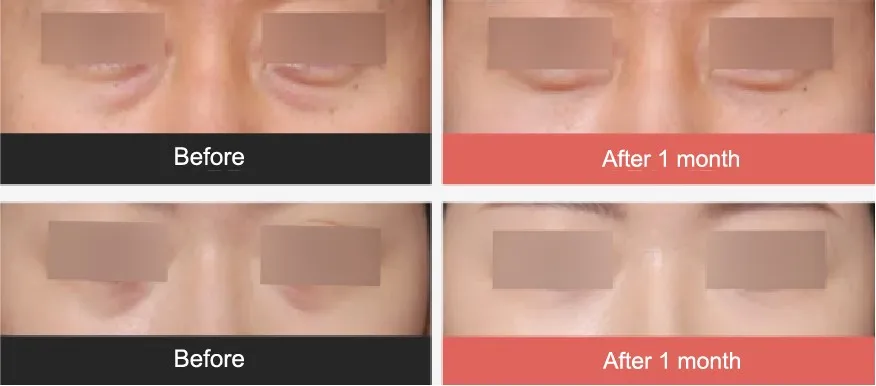
When there is insufficient under-eye fat, making the tear trough and under-eye contour appear pronounced
Case 03. Skin translucency type
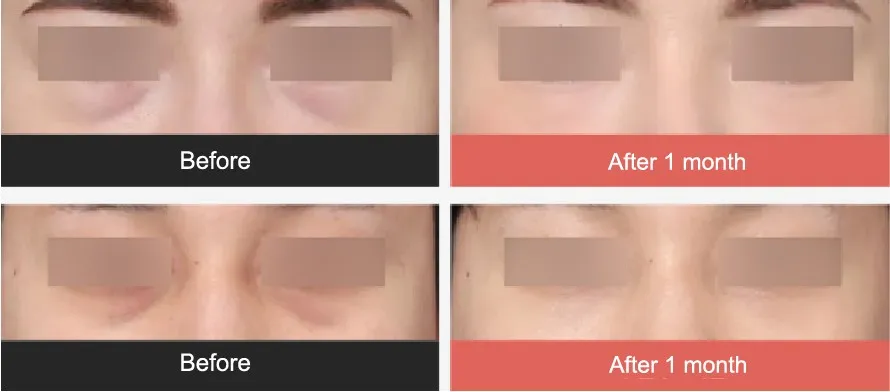
When the amount of under-eye fat is not excessive, but thin skin makes blood vessels or muscles visible
Case 04. Pigmentation type
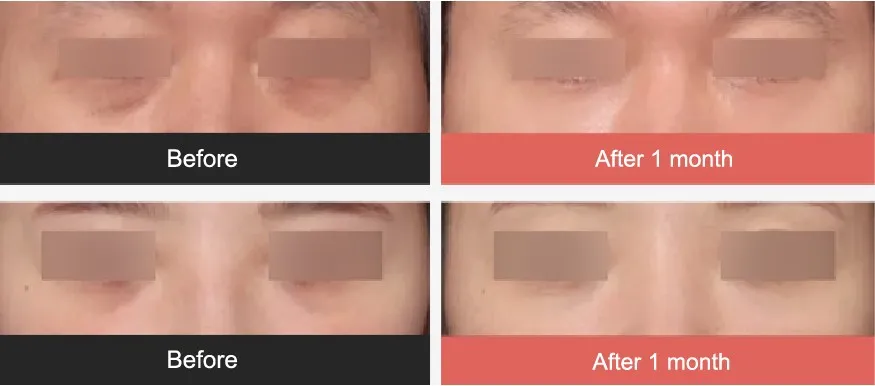
When the under-eye area appears dark due to pigmentation in the skin itself
*Structural issues and pigmentation issues may also coexist.
Increase longevity Up
Reduce recurrence risk Down
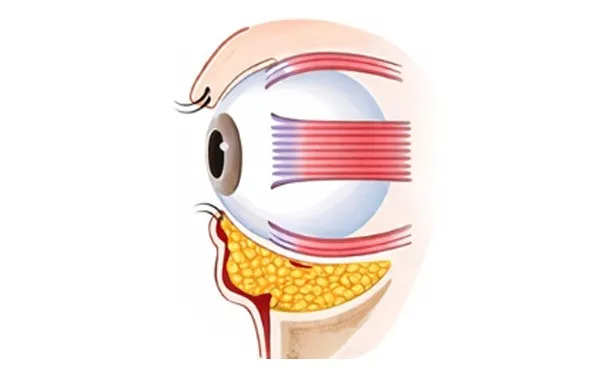
Before surgery
Under-eye fat protrusion caused by the TTL (tear-trough ligament)
The under-eye structure is fixed by the TTL (tear-trough ligament),
causing fat to protrude and the tear trough to appear deeper,
resulting in a tired appearance.
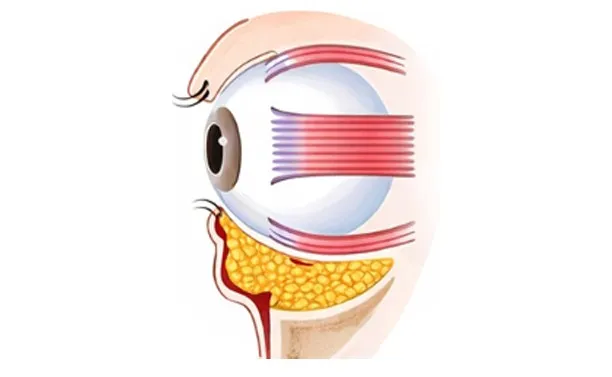
Surgical procedure
TTL release and fat repositioning
After separating the TTL (tear-trough ligament) through the conjunctiva,
under-eye fat is repositioned into the hollow tear-trough area
to naturally improve the under-eye structure.
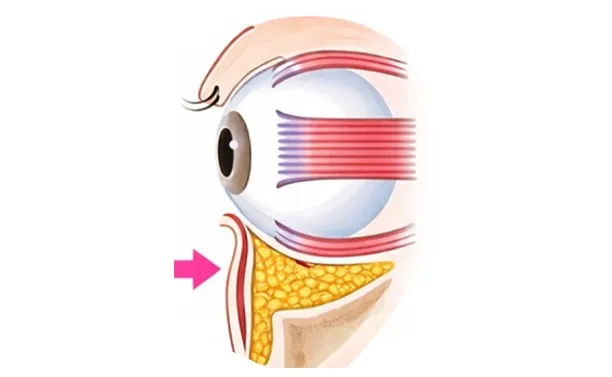
After surgery
TTL release and repositioning completed
As the TTL (tear-trough ligament) is released,
the under-eye area becomes smoother and the fat is evenly distributed,
creating a brighter, more natural appearance.
No need to worry about scars
NO STITCH
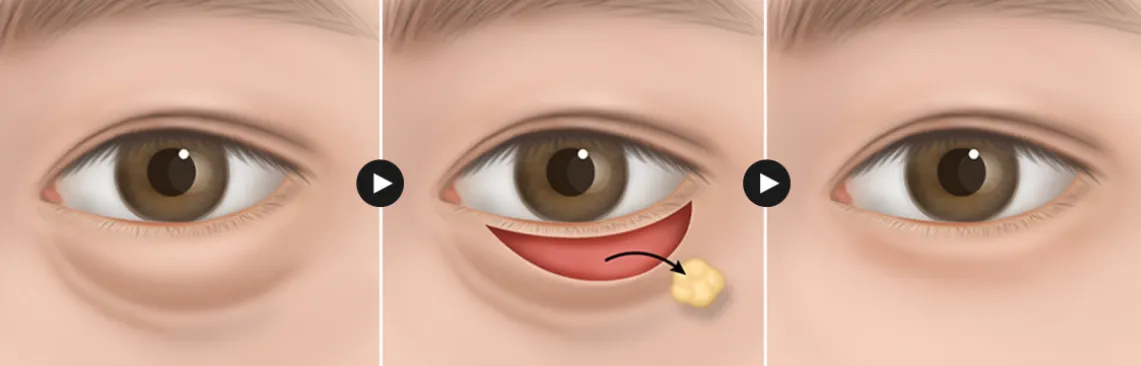
The TTL (tear-trough ligament) is released through the inner conjunctiva of the eye,
and fat is repositioned for natural-looking results and a fast recovery.
Non-incisional fat grafting
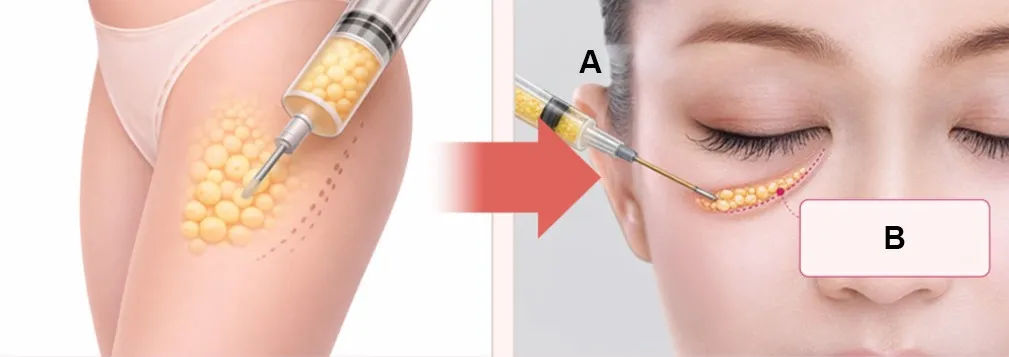
* A - Tear-trough fat grafting / B - Harvest autologous fat and inject it into the tear trough
Even when fat grafting is needed, non-incisional fat grafting
allows for a comfortable recovery without stitch removal, including at the donor site.
TTL Under-Eye Fat Repositioning
Here is how it makes a difference!
☑️ 01. Naturally preserve the aegyo-sal

By releasing the tear-trough ligament (TTL), without unnecessary fat movement,
the aegyo-sal is preserved without being affected.
☑️ 02. No worries about under-eye hollowness after surgery

The TTL is released and fat is evenly repositioned
for natural improvement without under-eye hollowness.
☑️ 03. Fast and comfortable recovery

The conjunctival surgical approach reduces the burden of incisions
and allows for a quick return to daily life.
*Recovery may vary from person to person.
LUHO Care Program
At LUHO Plastic Surgery, the surgeon performing the procedure oversees all treatment and care.
Direct care by the medical team
The assigned board-certified plastic surgeon is responsible from beginning to end

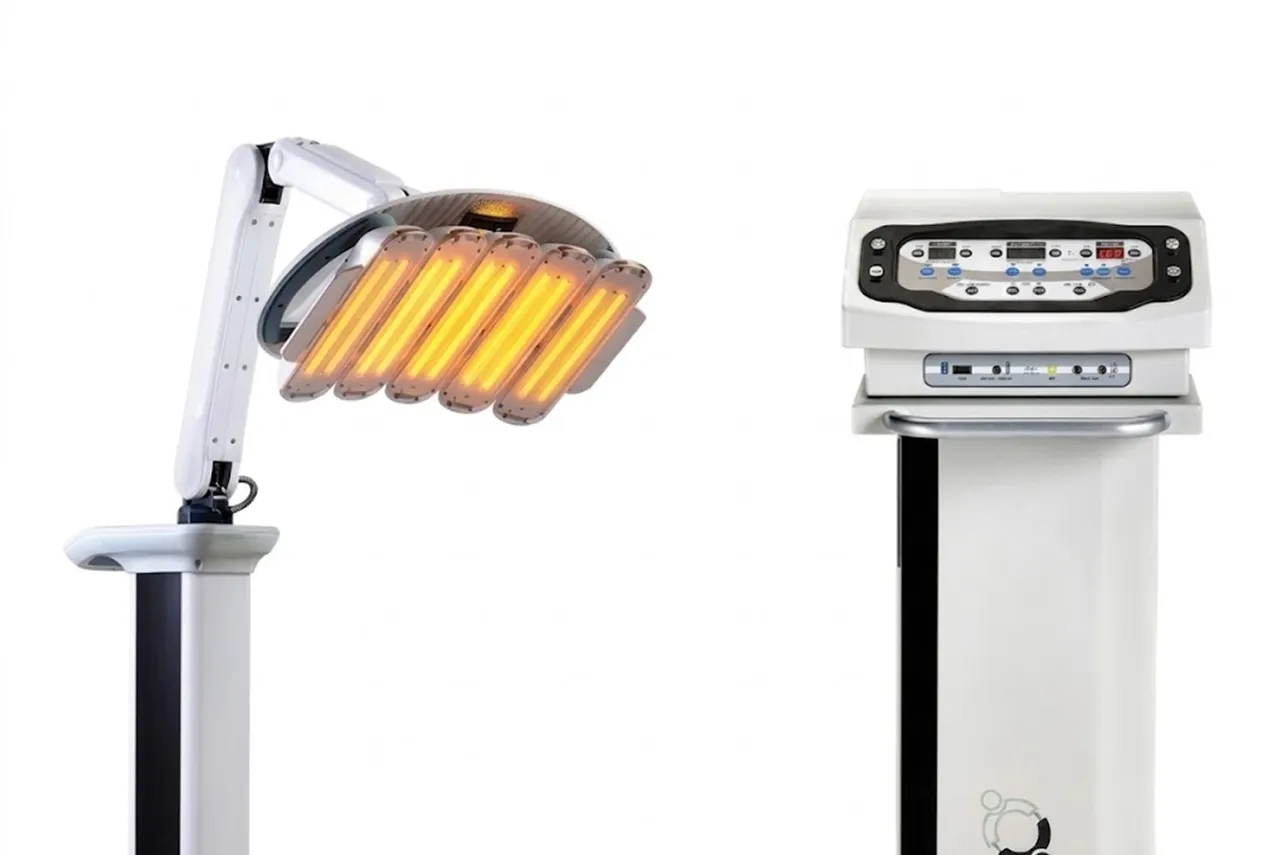
Recovery laser/radiofrequency care
Shortens recovery time by enhancing pain relief, swelling reduction, regeneration, and healing
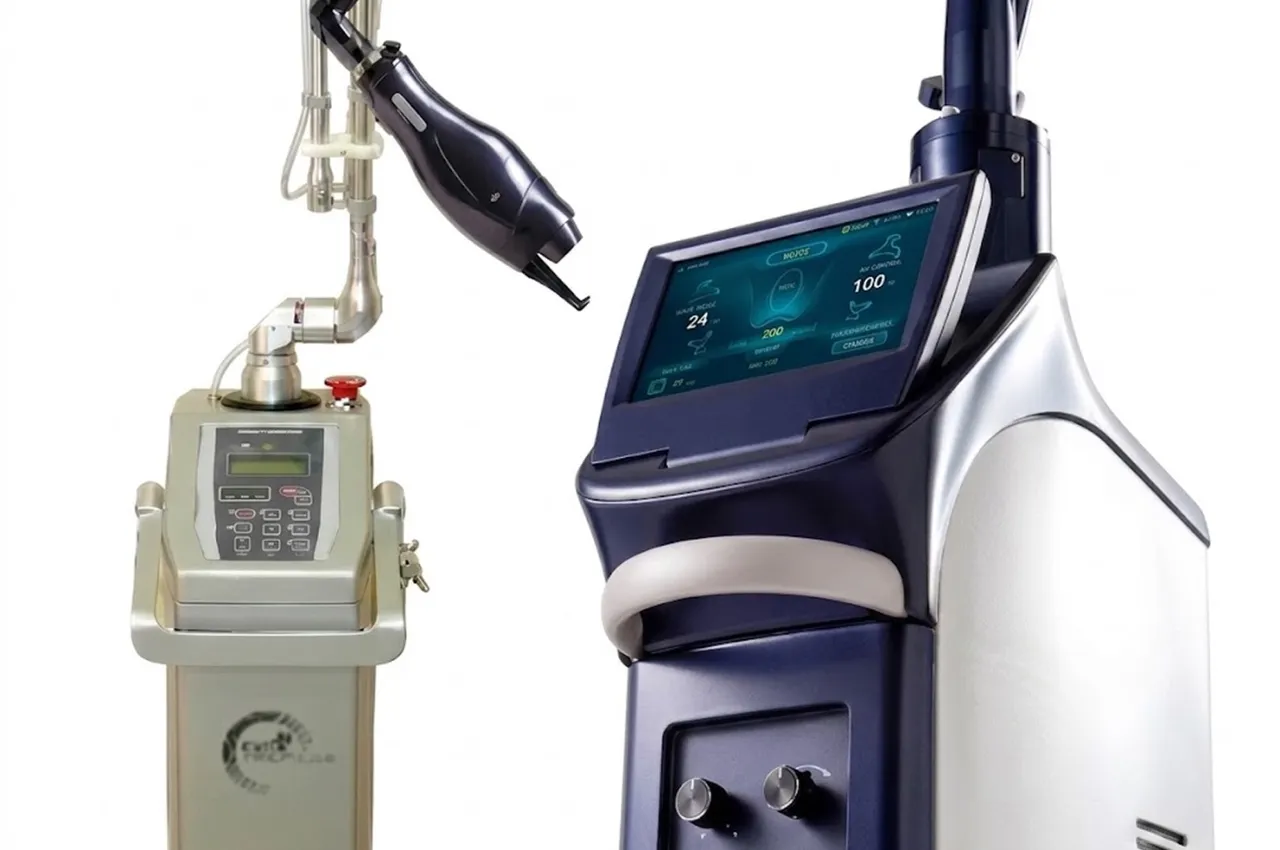
Scar care
Cleaner scar management with treatment by a board-certified plastic surgeon
 Luho Plastic Surgery




Helpful tip
Found a before & after image you're interested in? Tap the magnifying glass button in the lower right to start a consultation right away.
AI Review Summary
Clear and detailed explanation of procedures
Minor feedback regarding duration
Responsive and professional communication
Positive overall consultation experience
等候时间短,很快就到我咨询了
Easy to understandShort waiting回答我的問題,相對有條理,微笑服務
Easy to understandGood communicationOverall, this online consultation for aesthetic eye treatment was quite good. The consultant provided detailed and patient explanations, analyzed the issues based on my eye condition, and offered suitable improvement options. There was no aggressive sales pressure during the process, which made me feel comfortable and gave me a clearer understanding of the subsequent treatment plan.
Clear explanationEasy to understandVery good 👍 Very nice 😌 Understood
Clear explanationEasy to understandVery good I really like beautiful female doctors from Korea
Clear explanationProfessionalI learned about liposuction of the chin and jawline, and the doctor’s recommendations were very sincere, taking overall facial harmony into consideration. I also consulted about the brow bone and orbital area. Thank you very much
Clear explanationEasy to understandCommunication was smooth, and very professional advice was provided
Easy to understandPersonalized advice都幾親切,嘅價格比較透明清楚,同埋个建議係比較貼個人情況。
Personalized adviceHonest feedback医生非常耐心,能理解我的需求,并给出可行的建议,之后有去韩国的计划时将选择这个医院
Clear explanationHonest feedback很友善的小姐姐,回答很詳細
Clear explanationEasy to understand