Hershe MACS Lifting

MACS lifting is a lifting procedure that directly elevates the SMAS layer (SMAS, fascial layer), the underlying cause of facial sagging, to semi-permanently improve sagging cheeks, a drooping jawline, and facial wrinkles. It reduces the incision range used in conventional facelift surgery and is refined to concentrate the lifting effect on the lower face, making it a surgical technique widely used worldwide.
* MACS Lifting: A medical term abbreviated from Minimal Access Cranial Suspension Lifting; simply put, it means “minimally invasive incision lifting.”
✓ Procedure time: Approximately 1–2 hours
✓ Pain level: Mild pain
✓ Recovery period: 7–10 days after surgery
✓ Anesthesia: Sedation anesthesia
✓ Duration: Nearly permanent (may vary by individual)
Who needs MACS lifting?
This lifting procedure is suitable primarily for patients with sagging of the lower face (cheeks, jawline, etc.) who desire semi-permanent results. Although aging does not necessarily correspond to chronological age, after one’s 40s, the skin and elasticity of the lower face, including the cheeks and jawline, often begin to sag and diminish. When the primary cause is sagging of the SMAS layer (fascial layer) that supports the facial muscles, lifting the skin layer alone has limited improvement effects. MACS lifting directly lifts the SMAS layer through minimal incision and dissection to improve facial contours.
Thread lifting: Ages 20 and older
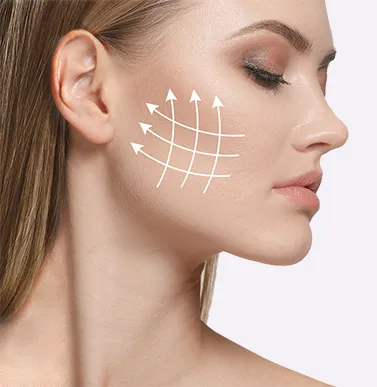
A procedure in which special threads are inserted into sagging or wrinkled skin and pulled in the desired direction for fixation
MACS lifting: Ages 40–60 and older
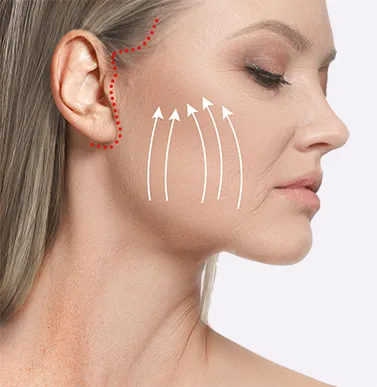
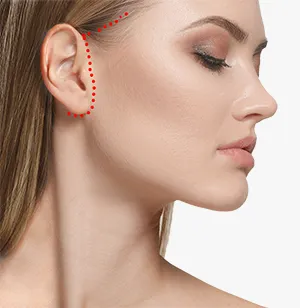
An incision is made only as much as needed for dissection from the sideburn area to below the ear; the SMAS layer is lifted vertically and fixed, and excess sagging skin is excised
Facelift: Ages 60 and older
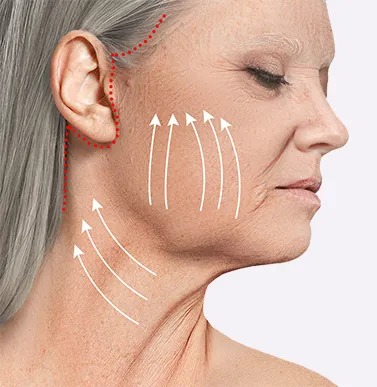
For extensive sagging and wrinkles extending to the neck, an adequate incision and dissection are made from the sideburn area to the back of the neck for broad lifting. Excess sagging skin is excised
Restoring the SMAS layer is key to reversing aging
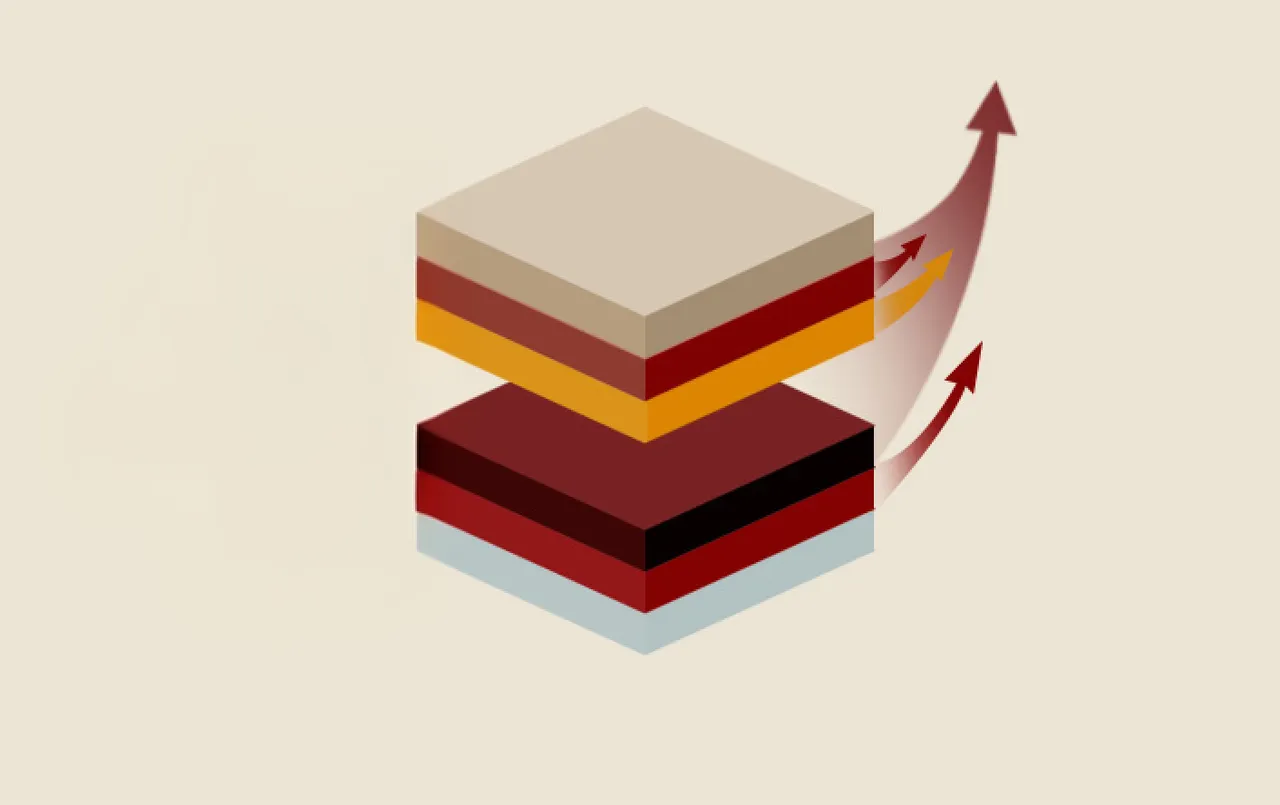
As aging progresses, collagen that supports the skin and subcutaneous fat layer decreases, and fat begins to sag. Ultimately, facial balance is disrupted, the SMAS layer (SMAS, fascia) sags, wrinkles develop, and the skin also begins to droop. When the SMAS layer sags, other lower facial tissues sag along with it, so skin lifting alone provides less improvement and is difficult to maintain for a long time. To fundamentally improve facial sagging and wrinkles, it is important to completely dissect the loosely sagging SMAS layer beneath the deeply located subcutaneous fat layer and apply even tension to it.
WHY HERSHE
Lift by gathering stitch by stitch Facial volume repositioning One more lift
01 Lift by gathering stitch by stitch
If the sagging and stretched SMAS layer is pulled as is, the traction force to elevate the surrounding tissues and facial muscles together is weak. Hershe primarily performs purse-string suturing to gather the tissues, which poses less risk of nerve injury and can effectively secure the SMAS layer vertically. At this time, lower facial tissues, including the jawline and nasolabial folds, are lifted along with the SMAS layer, improving sagging.
This is how Hershe performs the procedure.
❶ Precisely design the incision line to prevent skin puckering after suturing
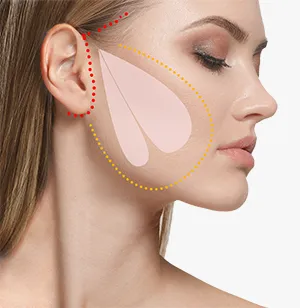
❷ Dissect the skin layer and sagging SMAS layer
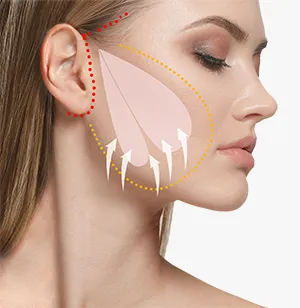
❸ Pull and gather the SMAS layer with purse-string suturing, then secure it while the surrounding tissues are lifted along with it
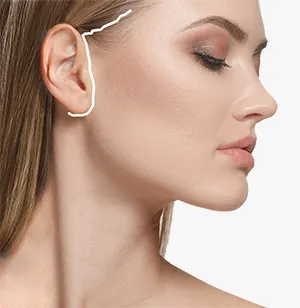
❹ Excise sagging skin and perform double-layer suturing to the inner side of the incision line
02 Facial volume repositioning
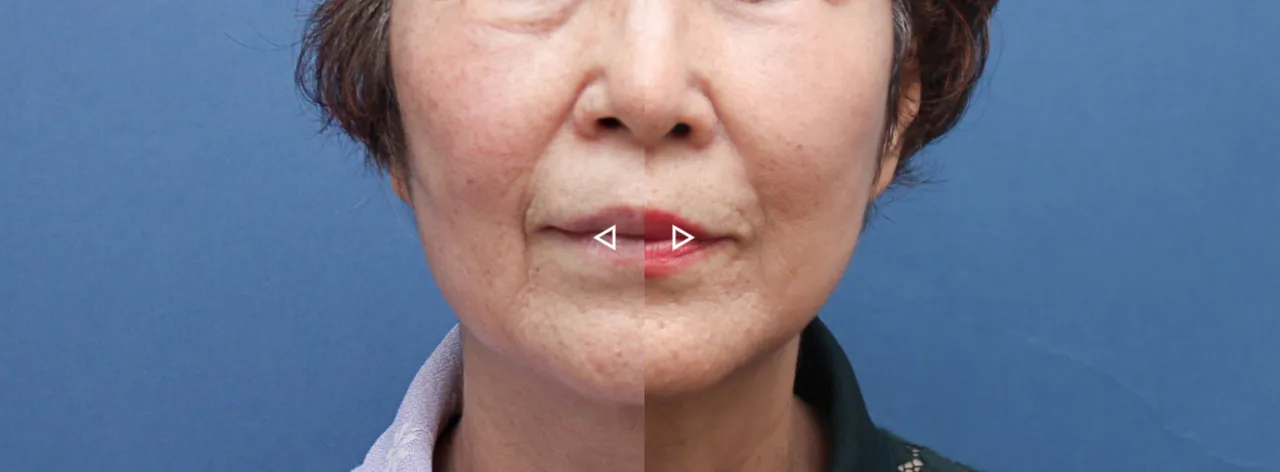
At Hershe, beginning with the design process before surgery, volume is repositioned three-dimensionally to the cheekbones and cheek areas that lack volume and appear hollow. The goal is to restore facial tissues to a state close to before they began to sag, and results similar to autologous fat grafting may be expected. The difference from fat grafting is that sagging and wrinkles of the lower face, including the cheeks and jawline, can be improved at the same time.
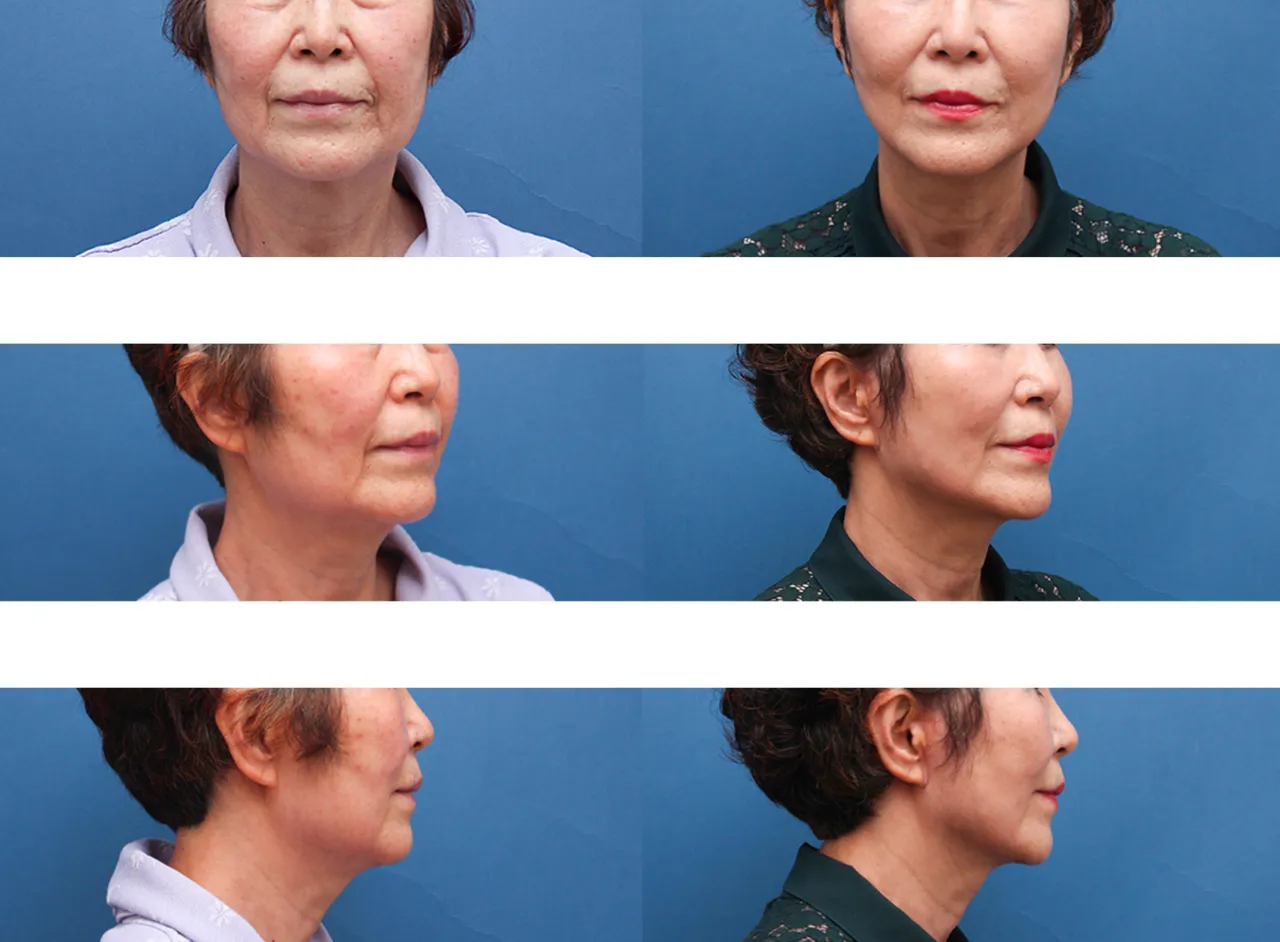
03 One more lift
Additional fixation with special threads for stable lifting results
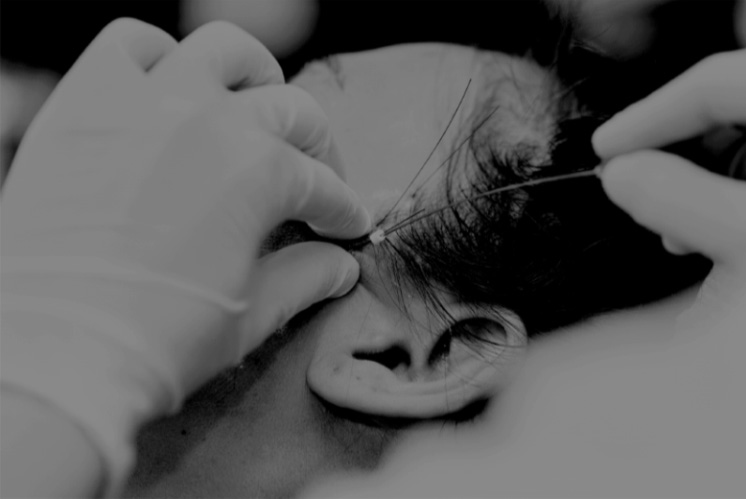
By pulling the SMAS layer upward and securing it, tissues throughout the lower face are lifted. At the same time, soft tissue is additionally secured with the special suture thread Epiticon so that the facial tissues settle well in an upward direction. Epiticon is a next-generation suture thread developed for pulling and securing tissues. It was personally designed and manufactured by Dr. Young-Choon Jung, Chief Director of Hershe Plastic Surgery, and is widely used for lifting procedures of the face, breasts, and buttocks.
2021 Publication of a lifting-related paper in an international academic journal
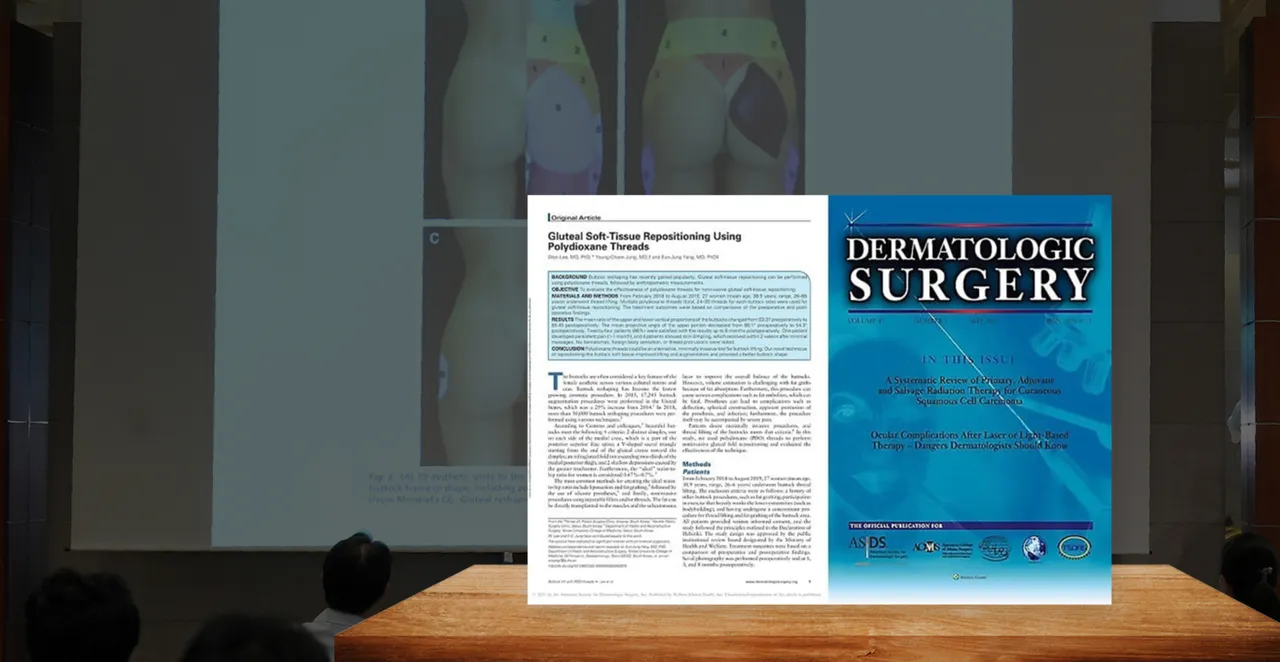
A paper by Dr. Young-Choon Jung, Chief Director of Hershe Plastic Surgery, was published in a renowned international academic journal.
Healite laser treatment is standard after surgery
❶ Low-level 590 nm light is first applied to the epidermal layer of the skin to facilitate delivery of the healing wavelength, followed by 830 nm infrared light with deeper penetration and strong healing capacity.
❷ 830 nm healing photons are emitted from 1,800 light sources and have a special light emission angle that creates zones where photons overlap.
❸ These zones provide healing effects, enabling sufficient photon delivery to deeper areas of the skin to promote rapid regeneration of damaged skin and pain relief.
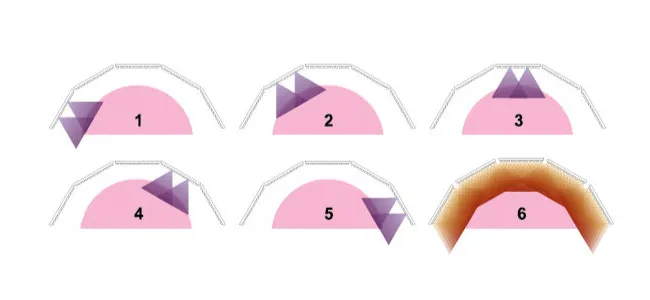
This light treatment method first applies low-level 590 nm light to the epidermis, followed by powerful 830 nm infrared near-infrared (near-IR) wavelengths that penetrate deep into the skin.
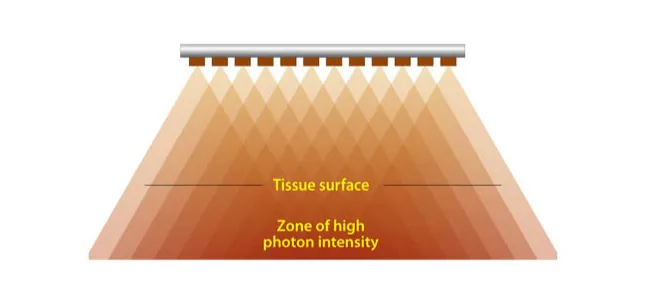
The LEDs precisely arranged on the LED panel are designed so that the light emitted from each LED overlaps, allowing interactions through a large number of photons.
Intensive scar management program
Depending on the degree of scarring after surgery, an individualized intensive scar management program may be provided following the attending physician’s assessment and thorough consultation.
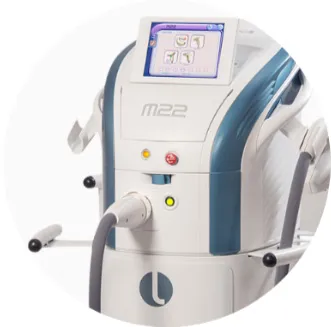
Fraxel M22 Healite
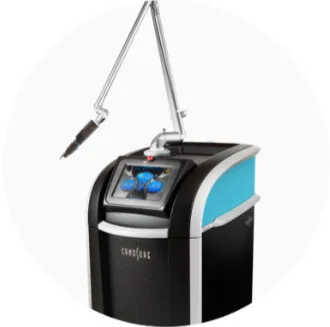
PicoSure
Professional Why we are confident in anti-aging
Since 1992
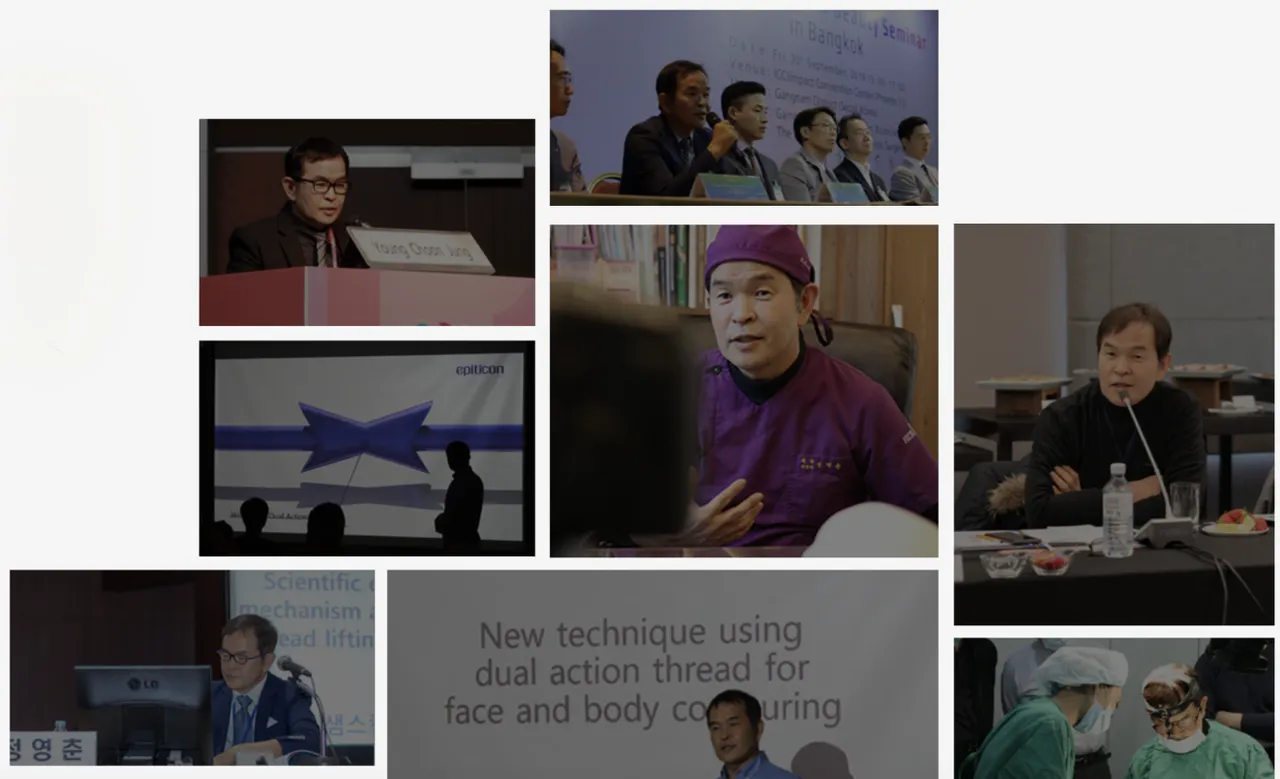
Hershe Plastic Surgery continuously considers and researches anti-aging to deliver satisfying surgical results. We closely analyze your lifestyle and aging condition to provide the optimal anti-aging solution.
Personalized Why we are confident in anti-aging
Because signs of aging appear differently in each person, careful planning tailored to each individual’s aging condition is necessary. Based on extensive clinical experience and continuous research, Hershe Plastic Surgery’s anti-aging specialists provide a broad spectrum of anti-aging procedures, from facelifts to non-surgical lifting, offering personalized anti-aging solutions for every stage of aging.
✓ Dedicated care by board-certified plastic surgeons
✓ Expertise in the development of medical suture materials
✓ Customized lifting solutions according to individual symptoms
Lifting surgery explained by Dr. Young-Choon Jung
FAQ Questions many people ask
Q. Who is a good candidate for under-eye midface lifting?
A. Under-eye midface lifting is a procedure that improves sagging and wrinkles in the central face, extending from beneath the eyes to the sides of the nose. A conventional facelift is effective for improving overall facial sagging, but if midface sagging is severe, it is more effective to perform a midface lift separately or in combination with a facelift. Under-eye midface lifting is recommended when under-eye sagging is severe and the cheekbone area has also sagged, resulting in deep tear troughs and bulging beside the cheeks. There are various types of midface lifting. At Hershe, we make an incision along the lower eyelid line to perform lower eyelid surgery and a midface lift simultaneously.
Q. How long do the results last?
A. If there is no further aging, permanent surgical results may be expected. However, if aging is already progressing, sagging may continue over time. Therefore, ongoing personal care efforts are needed to maintain a youthful, healthy-looking face for longer.
Q. Will there be significant scarring?
A. Because it is performed simultaneously with lower eyelid surgery, visible scars are the same as the incision marks following lower eyelid surgery. Over time, scars become almost unnoticeable, but slight scarring may remain depending on differences in the surgical technique used for each individual. Most such scars can be managed after surgery with laser treatment or prescriptions to reduce scarring, so they do not significantly interfere with daily life.
Q. Are there any side effects?
A. All surgeries may cause unexpected discomfort or side effects. The best way to minimize side effects is to decide on surgery after consulting an experienced specialist and to follow post-operative care instructions carefully. Nevertheless, if discomfort is severe or you experience significant bleeding, a sensation of heat, or signs of inflammation, please contact the hospital immediately for appropriate care.
Q. Will it be very painful?
A. With sedation anesthesia, there is no pain during surgery, although mild pain may occur as the anesthesia wears off. After about 2–3 weeks, there is usually no major discomfort. However, if severe pain persists, please visit the clinic for appropriate care.
Q. When can I return to daily activities?
A. Aside from the surgical area being noticeable and causing slight discomfort, bruising and swelling generally take about 2–3 weeks to subside. After this period, daily activities such as eye makeup and wearing contact lenses are possible. Then, over approximately 3–6 months, tissues affected by surgery recover and natural-looking results are achieved. If you follow the post-operative instructions provided by the clinic, you can expect a faster recovery and stable surgical results.
Q. What precautions should I take after surgery?
A. Precautions are explained before surgery during the consent process, and post-operative instruction sheets are provided by the clinic. Key precautions include avoiding alcohol and smoking for approximately one month to prevent bleeding and infection. If allergic reactions such as itchy eyes or swelling occur while taking antibiotics after surgery, discontinue the medication and visit the clinic. It is best to avoid getting water around the eyes for about one week. To reduce bruising, swelling, and bleeding, apply cold compresses for approximately 2–3 days after surgery; after one week, alternate warm and cold compresses. You should also avoid postures that increase blood pressure around the eyes, such as bending at the waist.
Q. How long do the results last?
A. Under-eye midface lifting is basically a permanent procedure. However, if aging progresses further, tissues such as the skin, muscles, and fat may sag. Therefore, it is advisable to continue skin care for aging prevention and improve lifestyle habits even after surgery.
What we can promise
❶ Hershe does not allow ghost surgery. It is only natural that the physician responsible for your care performs the surgery directly.
❷ We do not recommend excessive surgery. We provide care within appropriate limits through detailed consultation and clear diagnosis.
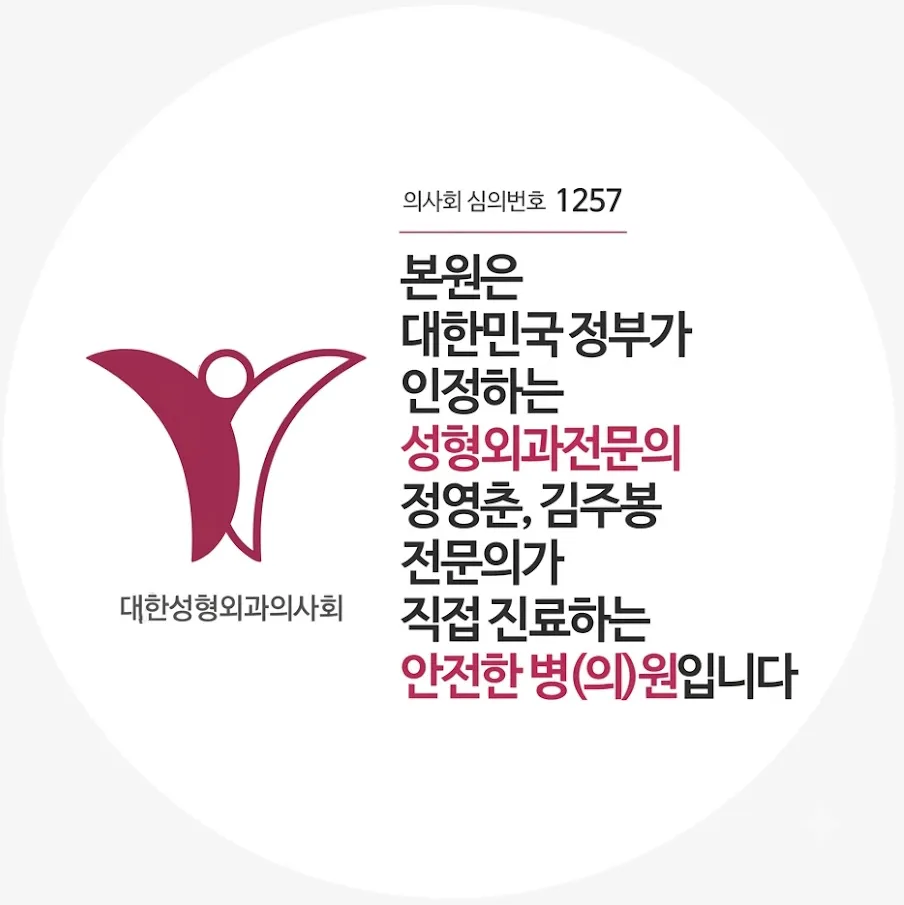
❸ We continue our research and efforts. We uphold the fundamentals and will contribute to the advancement of plastic surgery.
❹ A hospital that empathizes and communicates with patients—we do not overlook even the smallest concern, treating you like family or friends.
 HERSHE Plastic Surgery