
Upper Blepharoplasty
from 450,000 KRW* VAT Not Included
This is an eyelid procedure for middle-aged patients that removes excess upper eyelid skin caused by aging and corrects the orbicularis oculi muscle, which contributes to sagging. It may be considered when drooping eyelids obstruct the visual field, conceal the double-eyelid crease, or require the use of forehead muscles to open the eyes. If necessary, excess upper eyelid fat may also be addressed.
Surgery Overview
Upper blepharoplasty is an eye procedure for middle-aged patients that involves incising and removing excess upper eyelid skin loosened by aging, while also correcting the orbicularis oculi muscle that causes sagging. It is considered when drooping eyelids obstruct vision, conceal the double-eyelid crease, or require using the forehead muscles to open the eyes. If needed, upper eyelid fat may also be addressed.

As aging progresses, eyelid skin becomes lax and wrinkled, weakening the ability to open the eyes. Upper blepharoplasty is a procedure that incises and tightens drooping eyelid skin to restore firmness and create clearer, more youthful-looking eyes, addressing both aesthetic concerns and functional issues.
Recommended for
· Those whose drooping eyelids obstruct their vision · Those whose double-eyelid crease is hidden by lax eyelid skin · Those who experience skin irritation due to drooping eyelids · Those who use their forehead and eyebrow muscles to open their eyes

The underlying cause of sagging: the orbicularis oculi muscle
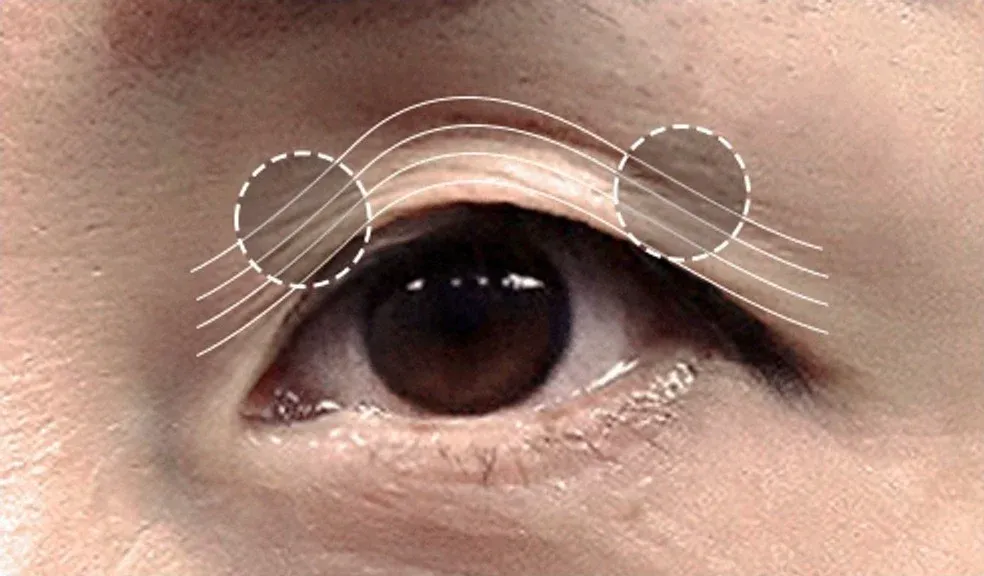
The orbicularis oculi muscle droops beginning at the inner and outer corners of the eyes
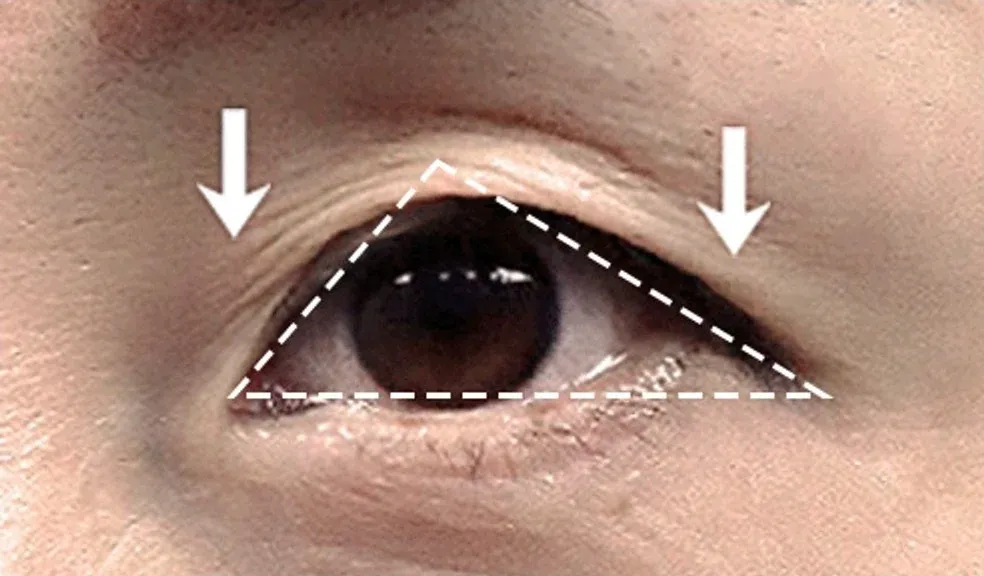
Eye shape distorted into a triangular form due to drooping of the orbicularis oculi muscle
Simply removing excess skin does not restore firmness to muscles that have already sagged. When the orbicularis oculi muscle loses elasticity, the skin and fat sag along with it. POP Plastic Surgery corrects the underlying cause—the orbicularis oculi muscle—to help prevent recurrence and improve the eyes with a natural-looking appearance.
Aesthetic improvement + functional improvement
POP eye procedures for middle-aged patients improve both the aged appearance caused by drooping eyelids and eye health issues that may worsen.
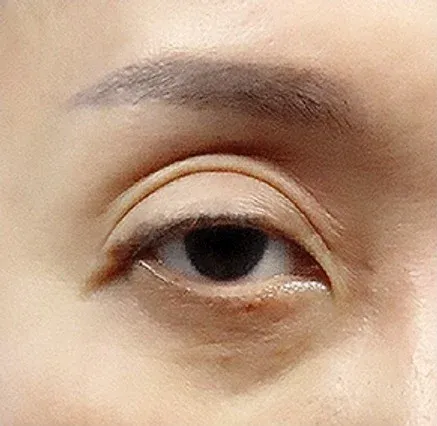
A tired-looking appearance
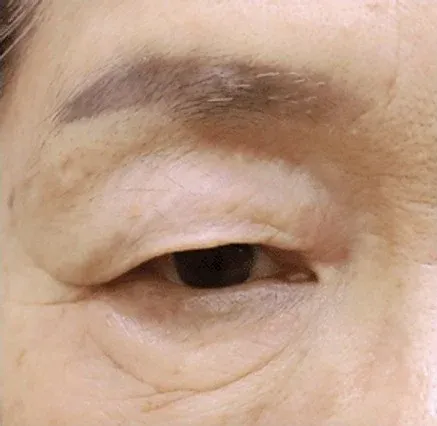
Obstructed vision due to drooping eyelids
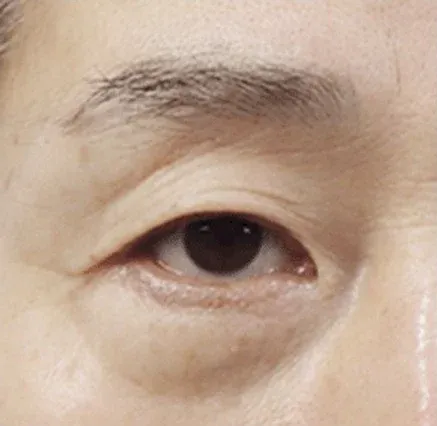
Eyelashes irritating the eyes
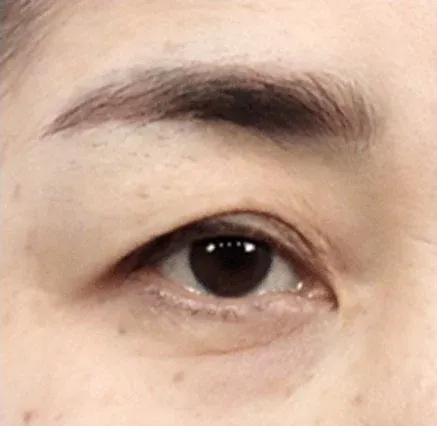
Frequent tearing due to irritation at the outer corners of the eyes
If you experience these discomforts, your individual condition will be accurately assessed before the most appropriate surgical method is applied.
Procedures that complement upper blepharoplasty — upper eyelid fat removal and upper eyelid fat repositioning

Before-and-after photos (left: before surgery · right: 2 weeks after surgery) When upper eyelid fat is addressed at the same time: · Significant improvement even with less skin removal · Easier eye opening and reduced eye fatigue · Reduced likelihood of recurrent eyelid sagging · A more natural and defined crease
Before-and-after photos
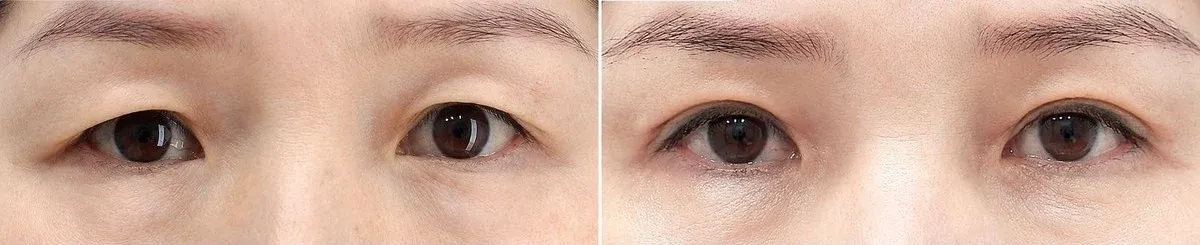
Upper blepharoplasty · Before surgery → 1 month after surgery
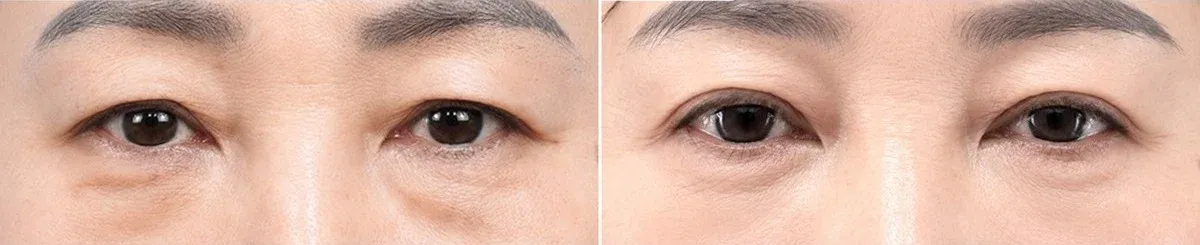
Upper blepharoplasty + lower blepharoplasty · Before surgery → 1 month after surgery
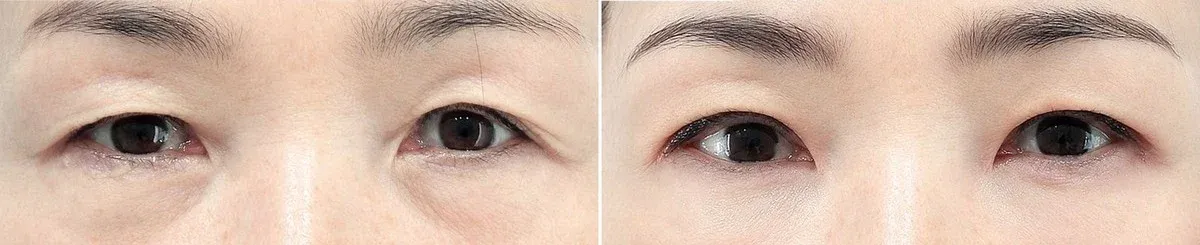
Upper blepharoplasty + upper eyelid fat repositioning + lower blepharoplasty · Before surgery → 1 month after surgery
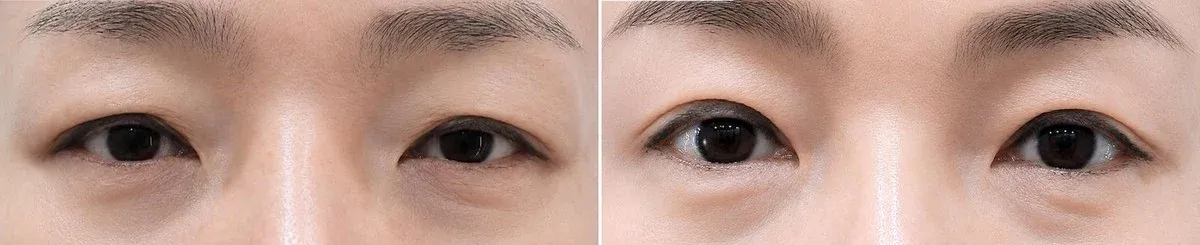
Upper blepharoplasty + Ptosis Correction + Upper Epicanthoplasty · Before surgery → 1 month after surgery
Surgery Information
| Surgery time: 1 hour | Anesthesia: Sedation anesthesia | Follow-up visits: 1–2 | Suture removal: 1–2 weeks | Return to daily activities: 7–10 days
Pre- and Post-Operative Precautions
After surgery
· Swelling and bruising may occur immediately after surgery through day 2, so cold compresses are important. · Sutures are removed at 1–2 weeks, when most swelling subsides. · From 1 month onward, residual swelling and scars gradually fade, resulting in a natural-looking eye shape. · You may wash your face and apply makeup starting the day after suture removal. Smoking and alcohol should be avoided for 2 weeks after surgery.
Please note
The incision is placed along the eyelid's natural crease and typically becomes less noticeable over time, but scars may persist longer depending on skin characteristics. Surgical results vary by individual, and side effects such as bleeding, infection, and inflammation may occur.
 POP PLASTIC SURGERY
Medical Staffs
 Chief Medical OfficerKIM DONGGEOL1205
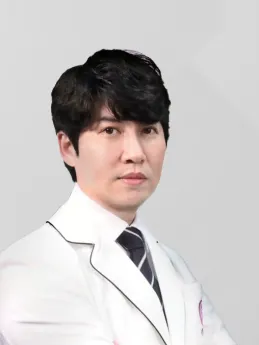 DirectorRYU ANYEONG3435
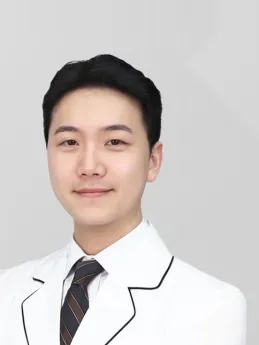 DirectorJEON JEONGJIN2995
 DirectorLEE ILSEOK8824
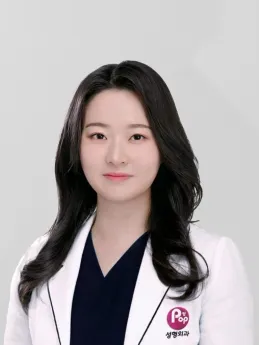 DirectorJEONG IRUM3136
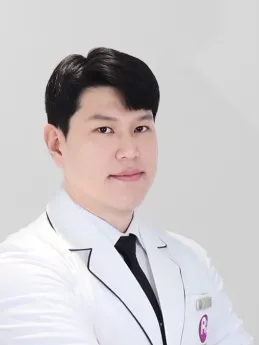 DirectorKIM HYOBONG7171
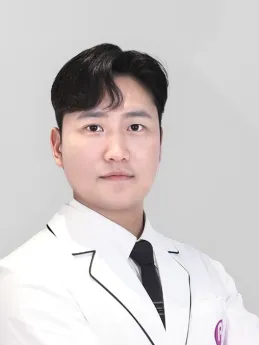 DirectorPARK JUHYEOK7190
 DirectorKIM SUHWAN3450
 DirectorKANG HUIYONG4230
 DirectorLEE JUHO9850
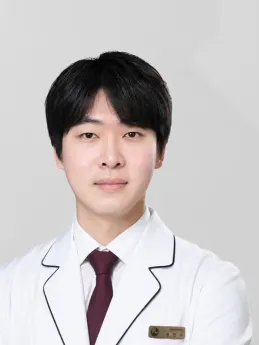 DirectorJEONG YEONSU6530
 DirectorKO EUNJEONG8860
 DirectorLEE JONGGU9870
 DirectorYOON INA1610
 Consultation SpecialistPOP8760