
Upper Blepharoplasty
from 1,750,000 KRW* VAT Not Included
This is an eyelid procedure for middle-aged patients designed to improve upper eyelid (upper blepharoplasty) sagging caused by aging. An incision is made along the double-eyelid crease to remove excess skin and unnecessary fat, followed by secure suturing to connect the skin and levator palpebrae superioris. Functional concerns, such as visual field obstruction and eyelash irritation, are also taken into consideration.
Surgery Overview
This procedure removes unnecessary skin and fat from sagging upper eyelids caused by loss of skin elasticity with aging, then securely connects the skin to the levator palpebrae superioris muscle to create naturally defined, youthful-looking eyes. Rather than dramatically changing the shape of the eyes, it lifts sagging skin to also improve functional discomforts such as obstructed vision, eyelashes irritating the eyes, and irritation at the outer corners of the eyes.

Recommended for the following
· Those whose sagging, loose eyelids obstruct their vision due to aging · Those whose drooping eyelids cause their eyelashes to irritate their eyes · Those with severe sagging at the outer corners of the eyes, causing irritation or discharge · Those who develop forehead wrinkles from using their forehead muscles to open their eyes due to drooping eyelids · Those who wish to improve functional and aesthetic concerns at the same time

View Eye procedures for middle-aged patients, which corrects the eye area affected by aging, differs from conventional cosmetic eye surgery in its approach. Rather than dramatically altering the shape or size of the eyes, it aims to lift sagging skin and naturally improve wrinkled or hollow areas for younger-looking eyes.
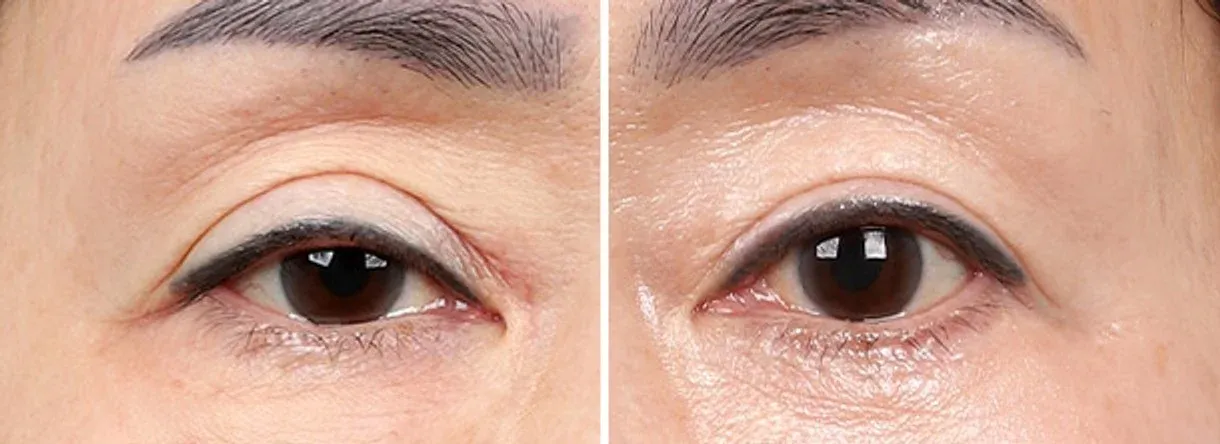
Before surgery → 8 months after surgery (Before surgery on the left / after surgery on the right)
What Is Upper Eyelid Surgery?
When the upper eyelids droop due to aging, they can give a tired, sleepy appearance. If left untreated, eyelashes may irritate the eyes or the field of vision may become obstructed, potentially contributing to reduced vision. It may also cause secondary issues, such as itching or discharge when skin overlaps at the outer corners of the eyes. This procedure is performed to improve both functional and aesthetic concerns.
Upper Eyelid Surgery Before and After Photos
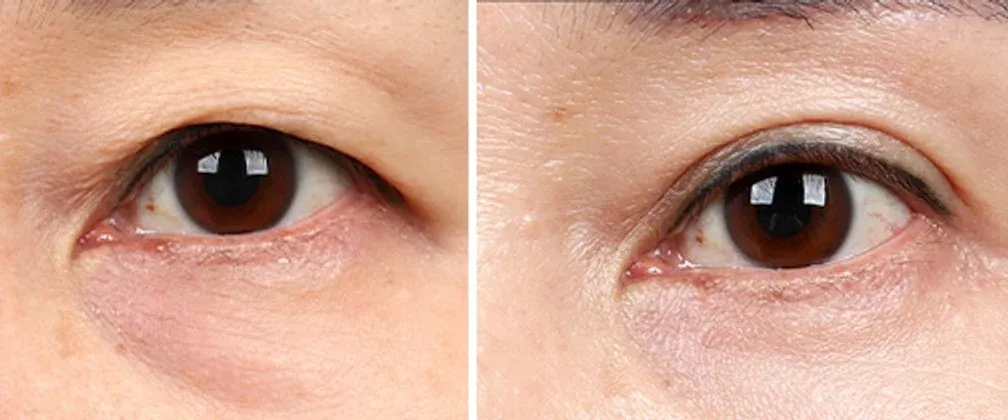
Before upper eyelid surgery → 3 months after surgery (Before surgery on the left / after surgery on the right)
Features of View Eye procedures for middle-aged patients
Point 1. Simultaneous improvement of aesthetic and functional concerns
After thorough consultation and planning with a board-certified plastic surgeon with years of surgical experience and expertise, aesthetic and functional concerns of sagging eyelids and the under-eye area are addressed together.
Point 2. Natural improvement that considers facial expressions
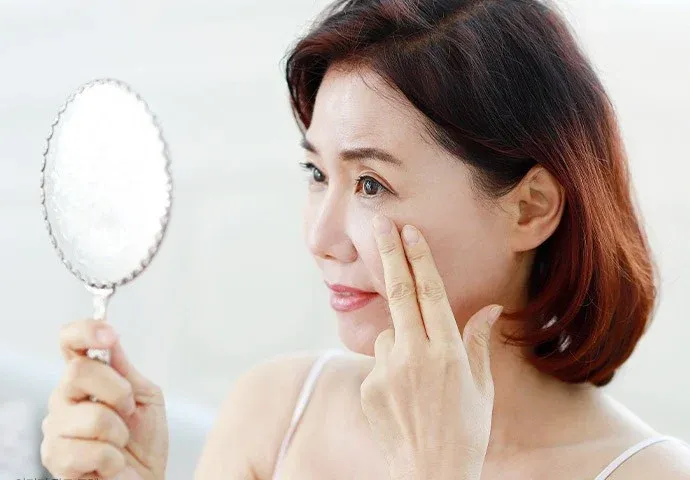
Sagging eyelids and under-eye concerns are improved without overcorrection, resulting in a natural look without major changes to your overall appearance.

Point 3. A more youthful look through simultaneous improvement of fine lines and Dark Circle Correction
Dark Circle Correction caused by under-eye sagging, as well as expression lines on the Forehead and Crow's Feet caused by drooping eyelids, can be improved at the same time.

Surgical Procedure
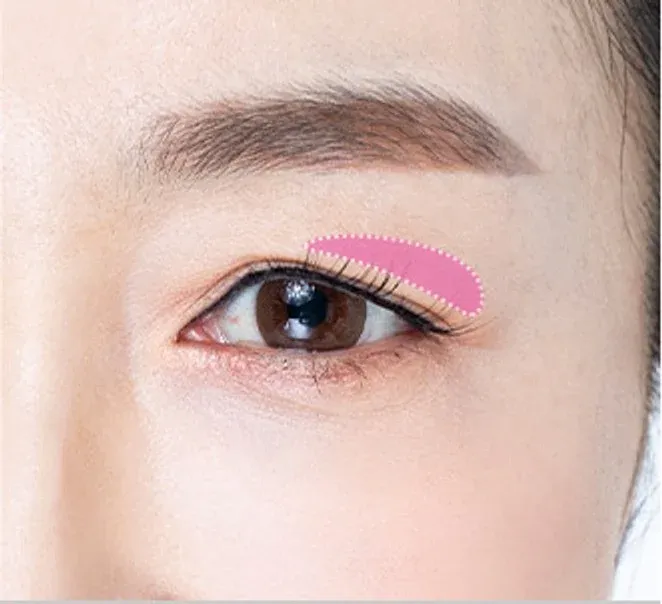
After assessing the degree of upper eyelid sagging, unnecessary skin is removed to create naturally defined, youthful-looking eyes.
STEP 1. Customized Design
Before surgery, the degree of sagging and the amount of skin to be removed are measured to create a personalized design.
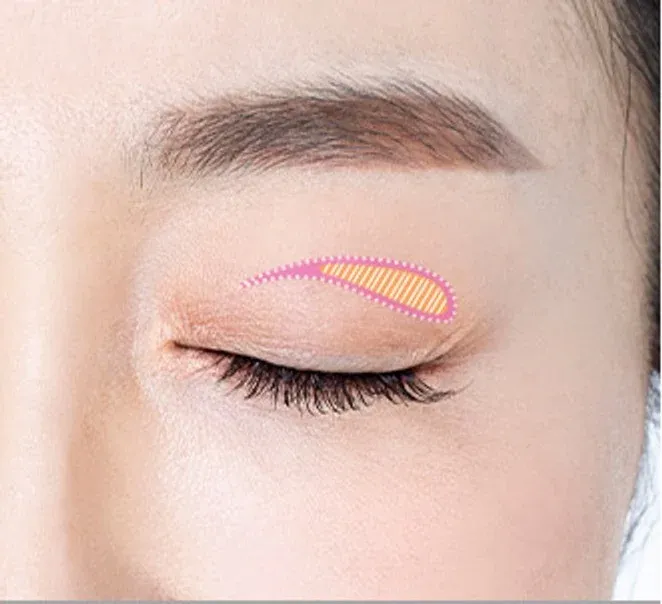
STEP 2. Incision and Removal
An incision is made along the double eyelid line, and excess skin and unnecessary fat are removed.
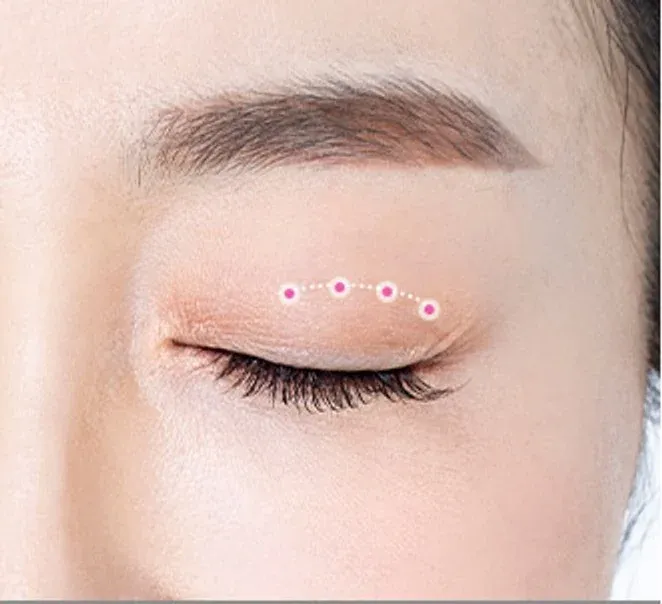
STEP 3. Attachment and Suturing
The skin and levator palpebrae superioris muscle (the muscle that opens the eyes) are securely reattached to prevent recurrent sagging, followed by suturing.
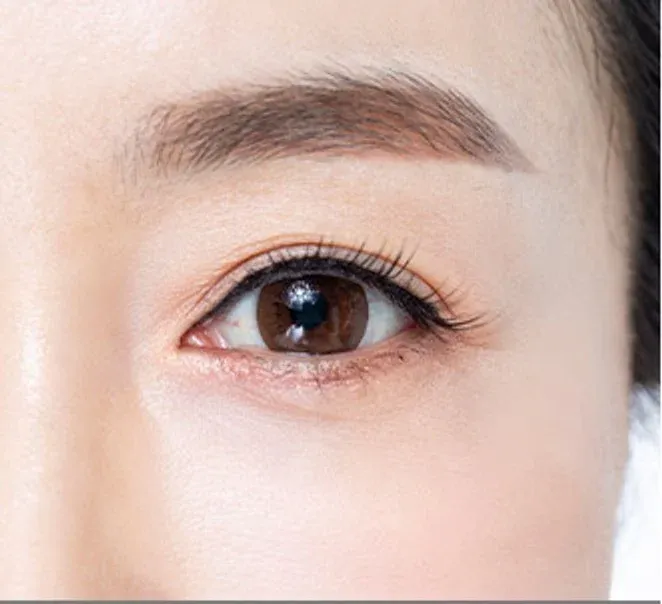
STEP 4. Natural Completion
The result is a naturally brighter, more refreshed appearance without major changes to your overall impression.
What Happens If Sagging Eyelids Are Left Untreated?
Excessive use of the forehead to open the eyes due to sagging eyelids can cause forehead wrinkles, while the outer corners of the eyes may become irritated or itchy.
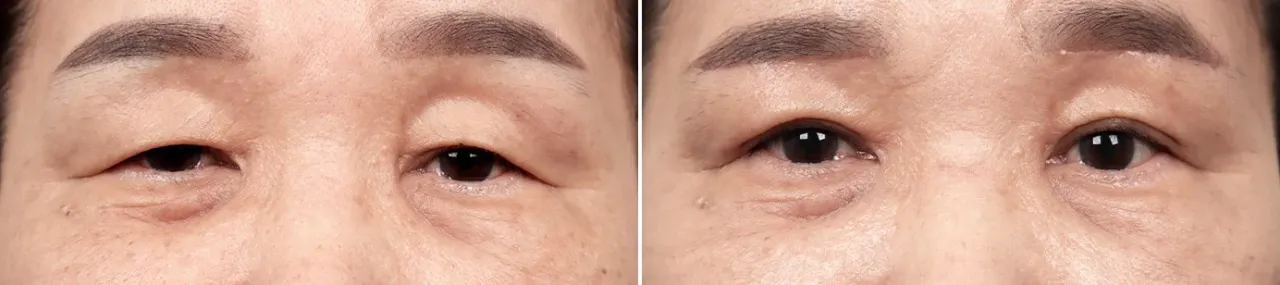
Before surgery → More than 3 months after surgery (Before surgery on the left / after surgery on the right)
Surgery Information
| Surgery time: 1 hour | Anesthesia: Sedation anesthesia | Hospitalization: None | Suture removal: After 7 days | Recovery period: After 7 days
Postoperative Care
· Day of surgery: Self-care instructions and a swelling-relief pack provided · 1 week after surgery: Suture removal and progress check · 1–6 months after surgery: Regular progress checks · Swelling-management products provided, dedicated care tailored to each individual's recovery rate, and direct follow-up by the operating physician * The schedule may change depending on the individual's condition.
Please Note
The before-and-after photos were taken and published with the patient's consent. Surgical results and recovery time may vary depending on individual circumstances, and the surgical method is determined through consultation with a specialist.
 VIEW PLASTIC SURGERY