
Surgical Facelift
Price upon consultation
This facelift procedure involves making an incision along the preauricular tragus line, dissecting the subcutaneous fascial layer (SMAS) and retaining ligaments, and elevating and securing sagging soft tissue in a vertical direction. It aims to improve sagging of the midface, lower face, jawline, and neck, and is primarily performed in patients in their 50s and older.
Procedure Overview
A SMAS Facelift is a Facelift procedure in which an incision is made along the tragus line in front of the ear, followed by dissection of the fascial layer beneath the skin (SMAS) and the retaining ligaments. Sagging Soft Tissue is then lifted vertically and secured. It aims to improve sagging in the midface, lower face, jawline, and neck simultaneously, and is mainly recommended for patients in their 50s and older.

Signs of time that cannot be concealed: redesigned from the deep “SMAS layer.” Pulling only the skin leads to quick recurrence. Urban redesigns from the SMAS layer, the root of aging, to vertically lift sagging Soft Tissue back to its original position and pursue a naturally youthful Face with restored dimensionality. By precisely adjusting the extent and depth of Dissection and the degree of tension, we propose a natural, long-lasting Lifting approach.
Recommended for
· Those who want to improve midface and lower-face sagging along with neck wrinkles · Those concerned about a blurred jawline, sagging cheeks, and deepened wrinkles · Mainly those in their 50s and older for whom skin-only Lifting has not provided sufficient results
SMAS Facelift vs. Mini Facelift
SMAS Facelift
| Age group: 50s and older | Lifting effects: Improves the midface, lower face, and neck wrinkles at once | Recovery period: Approximately 2 weeks
Mini Facelift
| Age group: Relatively younger patients in their 20s to 40s | Lifting effects: Mainly improves the lower face, including sagging cheeks | Recovery period: Approximately 1 week (minimal bruising and swelling)
3 Points of the Urban Facelift
Point 1. Retaining Ligament Dissection and Dual SMAS Lift
Rather than pulling only the skin, we precisely separate the deep layer and firm retaining ligaments that cause sagging to restore natural facial dimensionality.
Point 2. Incisions That Minimize Scar Concerns
A subtle incision is made internally along the contours of the tragus line to conceal traces, while meticulous suturing helps prevent Pixie Ear Correction.
Point 3. Vertical Design Opposing the Direction of Sagging
The SMAS is pulled vertically, while the skin is pulled along a natural diagonal, creating a refined and balanced youthful contour instead of diagonal pulling that can make the Face appear wider.
Personalized Lifting Plan
The most appropriate Lifting plan is designed by comprehensively considering facial sagging, elasticity of the SMAS layer, muscle condition, facial shape, and skin thickness. · Step 1: Deep Plane: Integrated Dissection of the skin, fat, and SMAS layer; applied to the central face (midface); suitable for early aging and reduced elasticity · Step 2: Dual Plane: Dual Dissection and individual manipulation of the skin and SMAS layer; applied to the entire face (nasolabial folds and mouth area); for severe sagging or asymmetry correction · Step 3: Premium Plane: Three-dimensional vertical and horizontal Lifting of the SMAS layer and the platysma in the neck area; integrated lifting of the face and neck contours
A Facelift Defined by Depth
The SMAS (superficial musculoaponeurotic system) is a thin layer between the skin and muscles where the fundamental causes of aging lie. It is vulnerable to gravity and can lead to sagging. Since Lifting effects do not last long if this layer is left untreated, the SMAS layer is restored to its pre-sagging position beyond the surface skin. Retaining ligaments are like anchoring pins that hold the skin layers in place. If the skin is pulled without addressing them, only the skin becomes taut while the deeper tissues remain sagging. Rather than indiscriminately releasing many ligaments, selectively dissecting only the necessary retaining ligaments along the correct plane can reduce bruising and swelling while improving effectiveness.
Fine Suturing to Reduce Scarring
Even the underlying tissues that cannot be seen are meticulously sutured layer by layer to minimize surface irregularities. The incision line is designed along the contour of the tragus in front of the ear, with consideration for the sideburn line to preserve a natural hairline. After recovery, the scar blends with the creases of the ear to remain inconspicuous even at close range. The skin is not forcibly pulled for closure; instead, it is gently approximated to help prevent scar widening or ear-shape deformity (Pixie Ear Correction). Results may vary depending on individual condition.
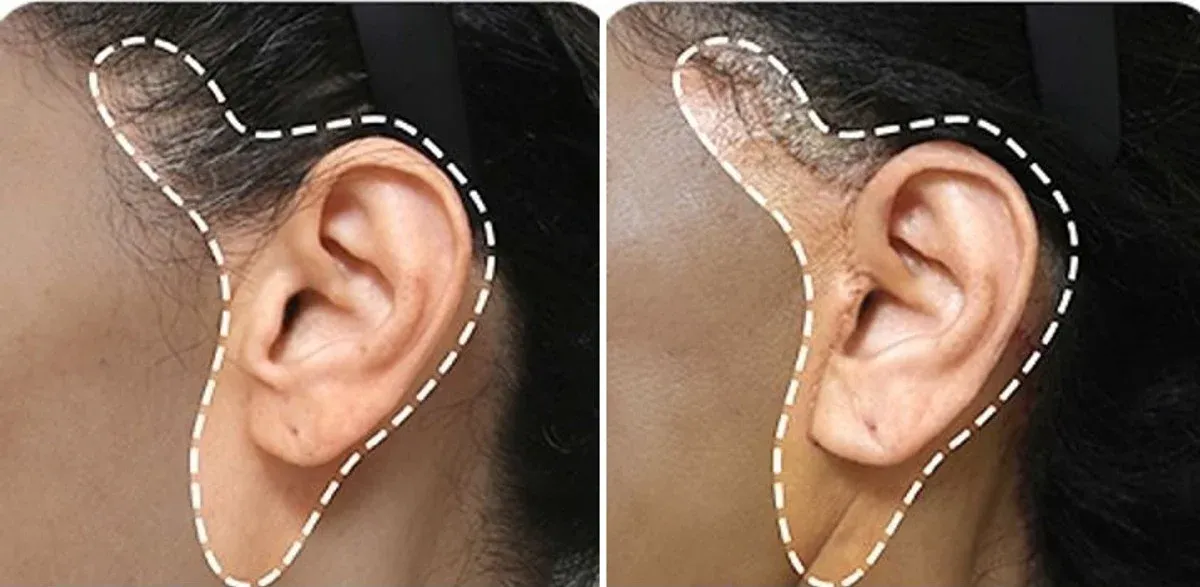
Before surgery → 1 month after surgery · Scar progression from an incision in front of the ear
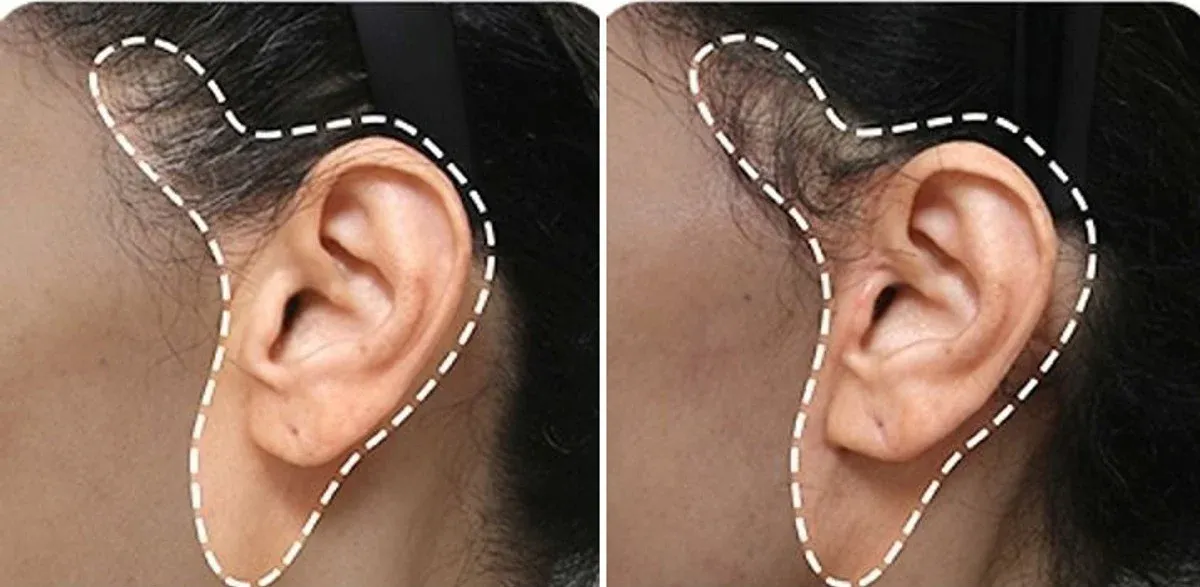
Before surgery → 6 months after surgery · Scar progression from an incision in front of the ear
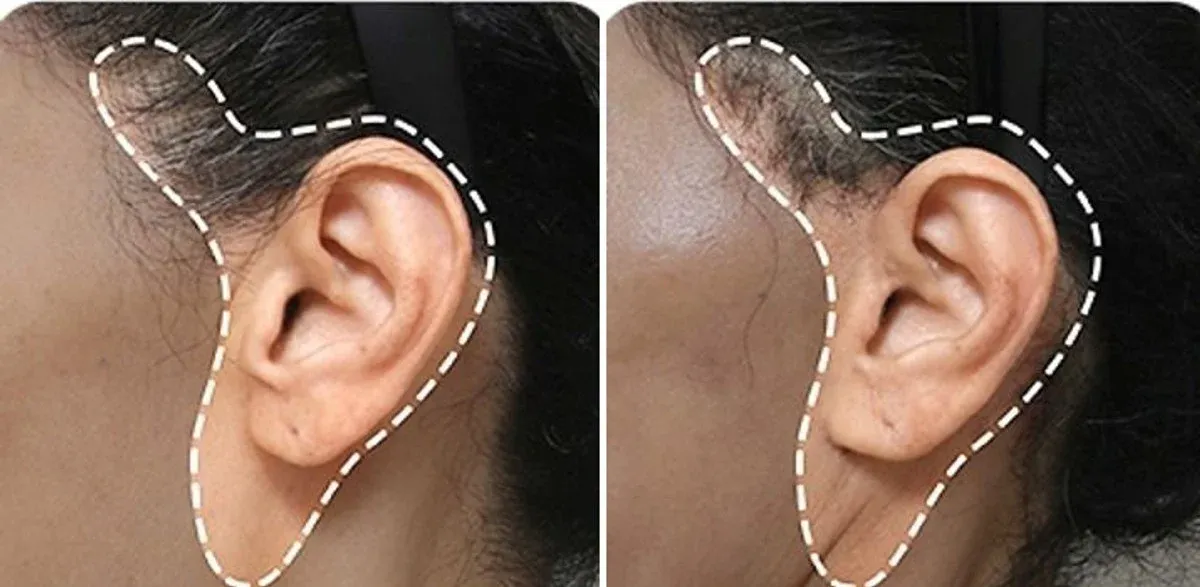
Before surgery → 1 year after surgery · Scar progression from an incision in front of the ear
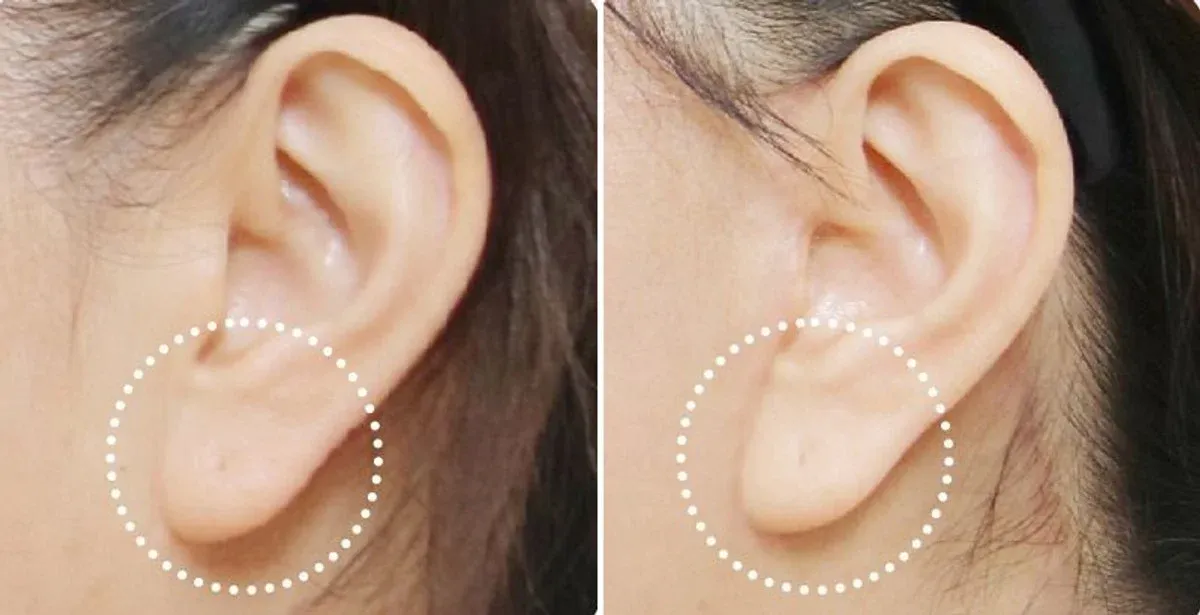
Before surgery → 1 year after surgery · Ear shape preserved
Surgical Method
The SMAS fascial layer is lifted together with the skin to effectively improve wrinkles and help the results last longer. By addressing lax wrinkles and sagging muscles, facial slimming effects may also be expected along with wrinkle improvement.

Before Surgery
Wrinkled and sagging Face
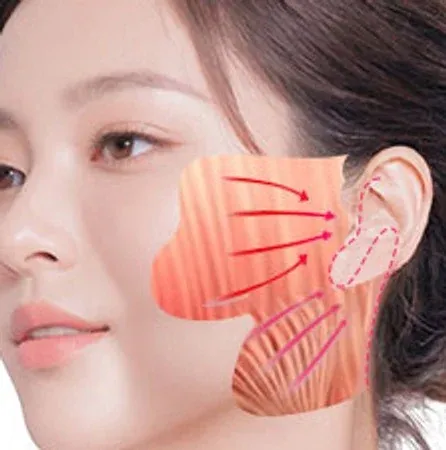
STEP 1. Incision and SMAS Layer Dissection
An incision is made from the front to the back of the ear, followed by delicate Dissection above and below the SMAS layer.
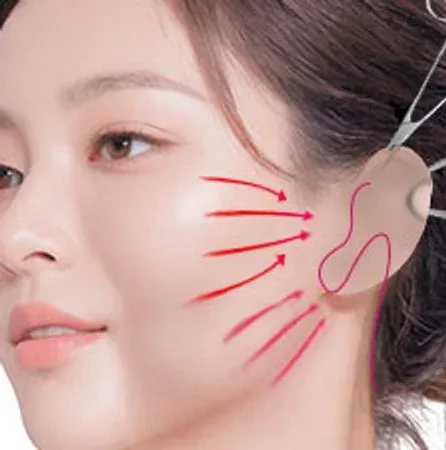
STEP 2. Lifting and Fixation
The lifted skin is securely fixed in place.

STEP 3. Meticulous Suturing
The incision sites are closed carefully and meticulously.

After Surgery
Overall facial sagging and wrinkles are improved.
Attending Medical Specialist

Dr. Lee Jung-min, board-certified plastic surgeon · Establishes personalized Facelift plans based on individual aging analysis and the causes of sagging · Creates a natural, soft, youthful facial contour without unnecessary tension · Improves longevity through precise Dissection and fixation with consideration of the SMAS layer · Studies harmonious anti-aging designs that consider facial proportions and overall impression With one dedicated anesthesiologist responsible for each patient, a board-certified anesthesiologist continuously monitors vital signs during surgery.
Surgery Information
| Surgery time: Approximately 2–3 hours | Anesthesia: General anesthesia | Hospitalization: Not required | Suture removal: After 7–10 days | Follow-up visits: 2–3 visits | Recovery period: 1–2 weeks
Pre- and Post-Operative Precautions
Before Surgery
· Please inform us in advance if you are taking any medications. Depending on the medication, discontinuation before surgery may be necessary. · Please inform us in advance of any surgical history, hypertension, asthma, allergies, medication side effects, or other relevant conditions. · To prevent burns from electrical devices used during surgery, remove all metal accessories and piercings, and remove nail polish or nail art from your hands and feet. · To prevent infection at the surgical site, bathe thoroughly before surgery and wear clothing that is easy to put on and take off. · Fasting is required for at least 6 hours before surgery, including water, gum, candy, and coffee. For general anesthesia, fasting begins at midnight the day before surgery.
After Surgery
· Showering is allowed from the day after suture removal. Avoid irritating the surgical site and refrain from heavy makeup on the area for approximately 3 weeks. · Swelling management differs depending on the type of surgery, so please follow the hospital’s instructions. · Avoid alcohol and smoking for at least 1 month after surgery, as they can delay recovery and cause infection. · For approximately 1 week after surgery, keep your head elevated above heart level, and avoid strenuous exercise for about 3 weeks.
Please Be Sure to Check
Surgery time and recovery period may vary depending on the patient’s condition and surgical method, and scars and results may differ depending on individual condition. The surgical method is determined through consultation with a specialist.
 URBAN PLASTIC SURGERY