
Surgical Facelift
from 12,000,000 KRW* VAT Not Included
This is an incision-based lifting procedure that improves the mid- and lower face—including forehead sagging, cheek ptosis, jowls, and loss of jawline definition—by dissecting and securing the age-related descended SMAS layer and retaining ligaments. Depending on the desired outcome, it may be designed in combination with thread lifting or retaining ligament release, and is performed under sedation anesthesia for approximately 2–3 hours.
Procedure Overview
This is a Surgical Midface Lift that improves the mid- and lower face—including forehead sagging, cheek sagging, jowls, and a poorly defined jawline—by dissecting and securing the sagging SMAS layer and retaining ligaments caused by aging. Depending on the desired result, it is designed with either a combined Thread Lift or retaining ligament incision, and is performed under sedation anesthesia for approximately 2–3 hours.
A technique for dissection without damaging tissues such as nerves and blood vessels Facelift is a difficult procedure, but the results vary depending on who performs it and how. Liting Plastic Surgery performs Facelift procedures based on technical expertise built through experience and time.
Recommended for
· Those concerned about a sunken forehead, sagging cheeks, jowls, and a poorly defined jawline · People in their 50s who feel they look older than their friends at reunions · People in their 40s who can visibly see sagging and feel the need for treatment · People aged 60 and above concerned about uncontrollable aging
What is a Facelift?
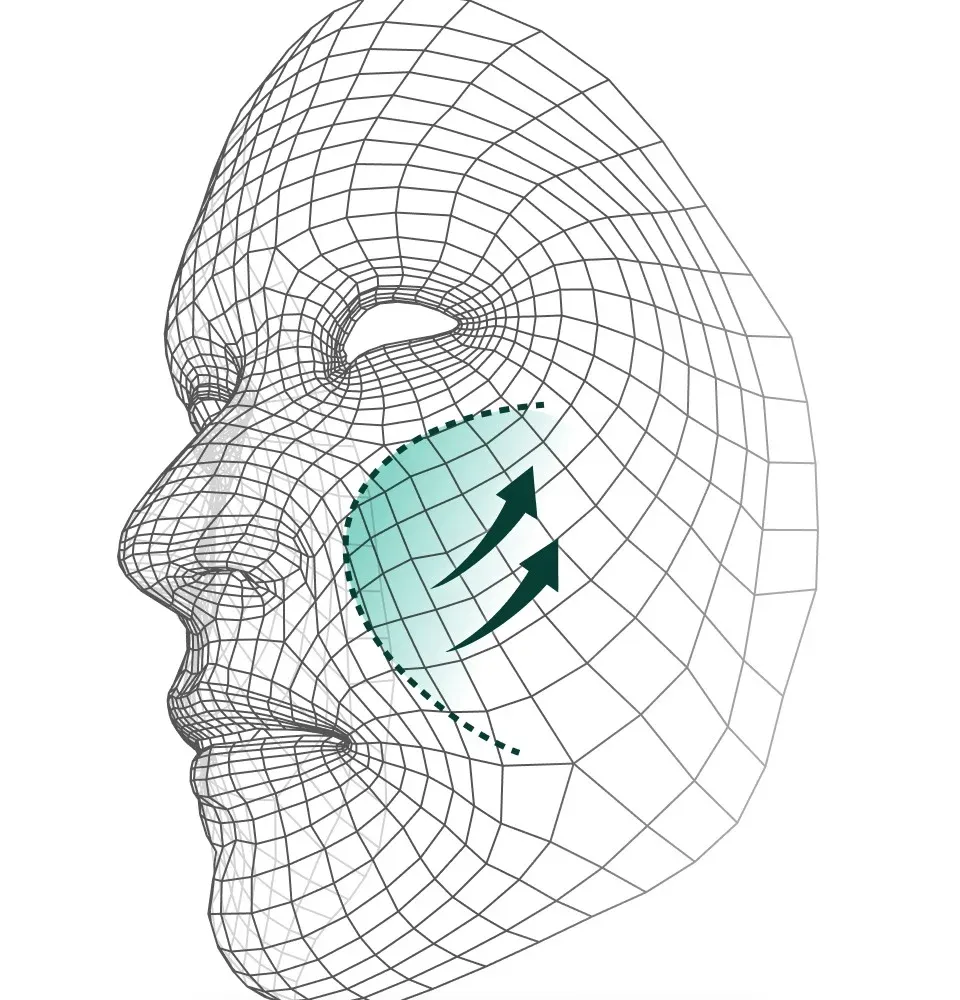
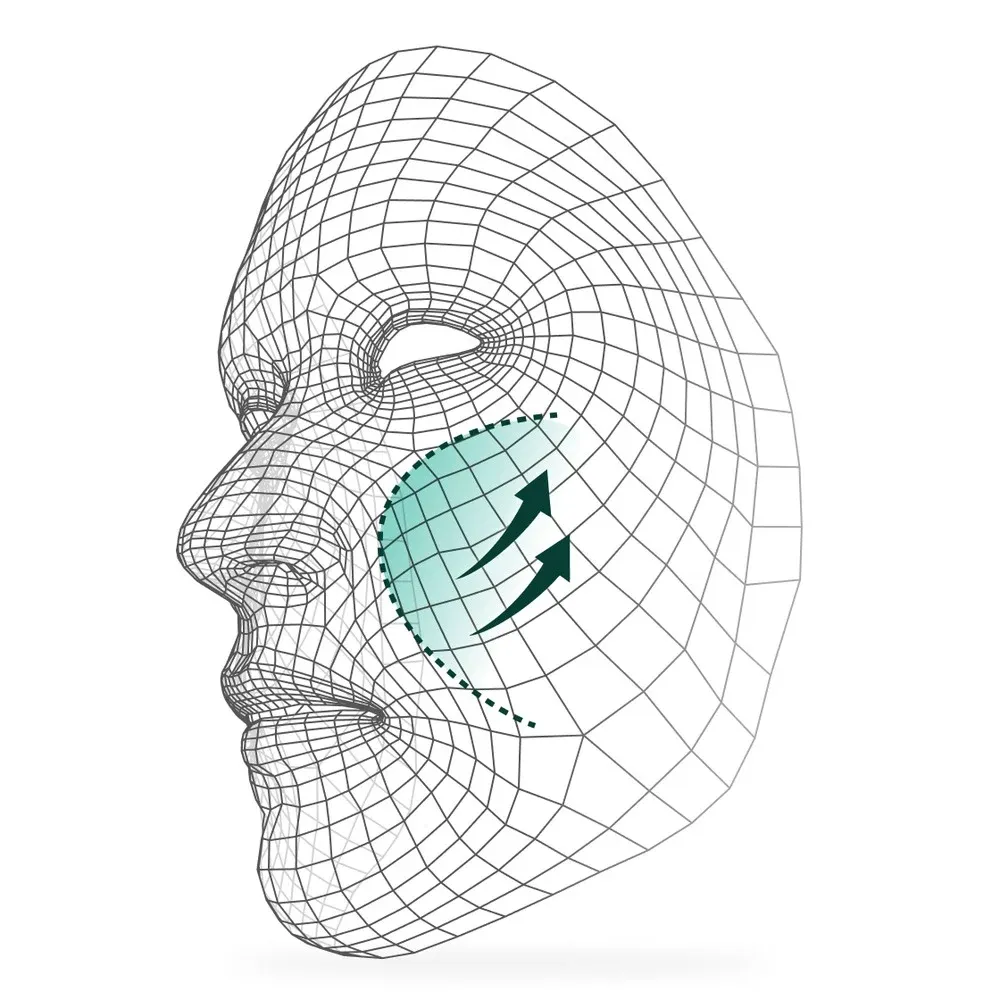
When the SMAS layer and retaining ligaments can no longer withstand gravity, their collapse eventually leads to aging. A Facelift is a procedure that pulls sagging and stretched skin caused by aging to make it firm. Rather than pulling only the visible skin, it lifts the areas most affected by gravity to restore support throughout the skin.
Features of Liting Facelift
Solution 1. Surgical design tailored to patient needs
Depending on whether you want a subtle, natural change or a noticeable, dramatic change, we recommend the method closest to your ideal outcome. · Option 1 (Natural Lifting): Starting from the cheekbones, the upper face is lifted by targeting the SMAS layer, while the lower face below the cheekbones is lifted using threads — Facelift + Thread Lift · Option 2 (Strong Lifting): The upper face is lifted by targeting the SMAS layer, while the lower face below the cheekbones is lifted by releasing the retaining ligaments — Facelift + retaining ligament incision
Solution 2. Expertise in SMAS and retaining ligament dissection
The SMAS is a thin, multilayered membrane located between the subcutaneous fat layer and facial muscles, making it a key area for Lifting. Retaining ligaments are structures attached from the skin to the bone that have a decisive effect on sagging. With a thorough understanding of the pathways beneath the skin, we identify the effective lifting area without damaging surrounding tissues, pull the SMAS, and release only the necessary retaining ligaments in one step.
Point 1. Liting's approach to the SMAS
More extensive dissection does not necessarily produce better results. The SMAS consists of very thin, multilayered membranes with fibers running in one direction. When it is pulled and secured in line with the direction of those fibers, the thin membrane can be firmly fixed without tearing. Dissection is the process of separating the skin tissue from the muscle layer and is the most important step in SMAS and retaining ligament incision.
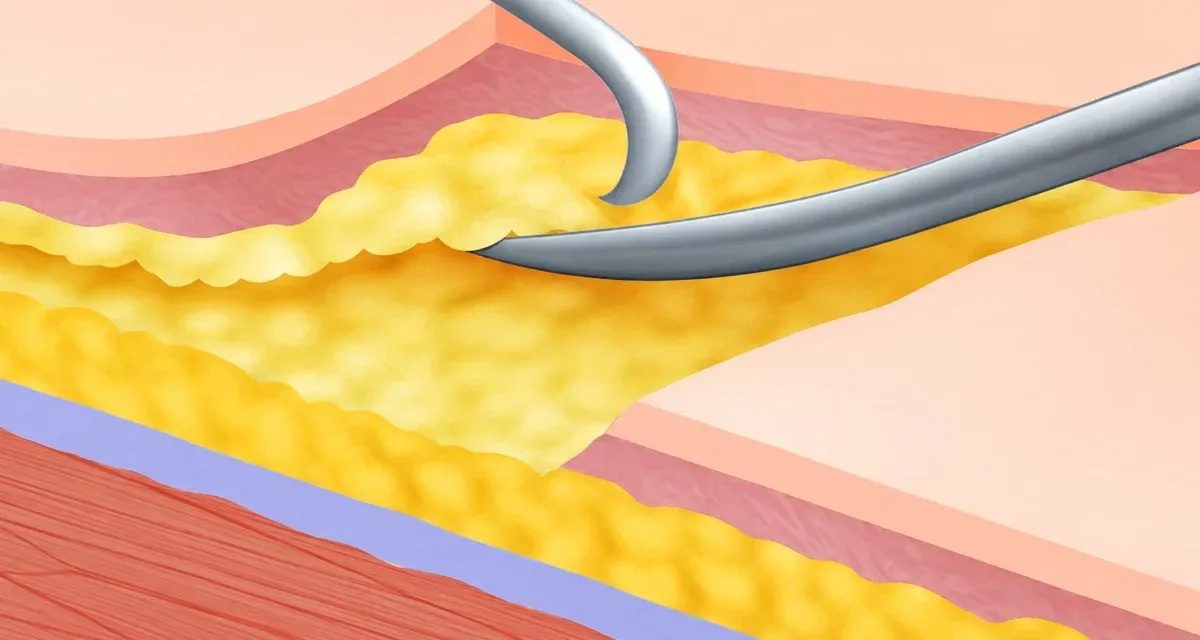
Incorrect dissection example: Increased bleeding may lead to severe bruising and swelling, potentially requiring drain placement.
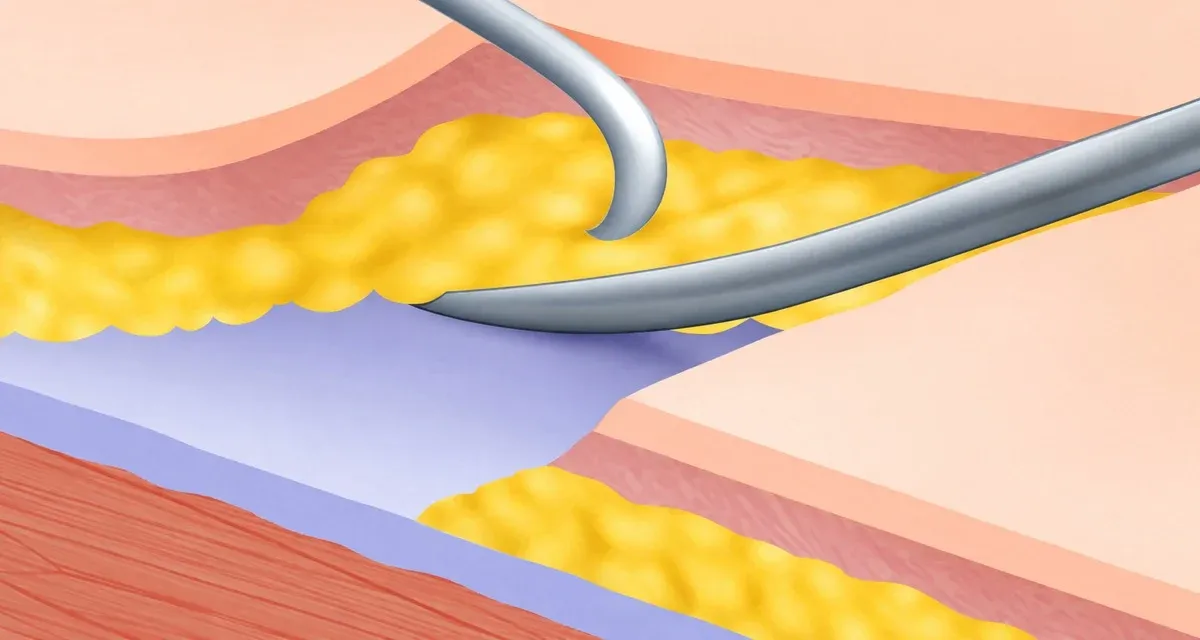
Liting's dissection method: Less bleeding allows bruising and swelling to resolve more quickly, and the lifting effect lasts longer.
Point 2. Liting's retaining ligament release solution
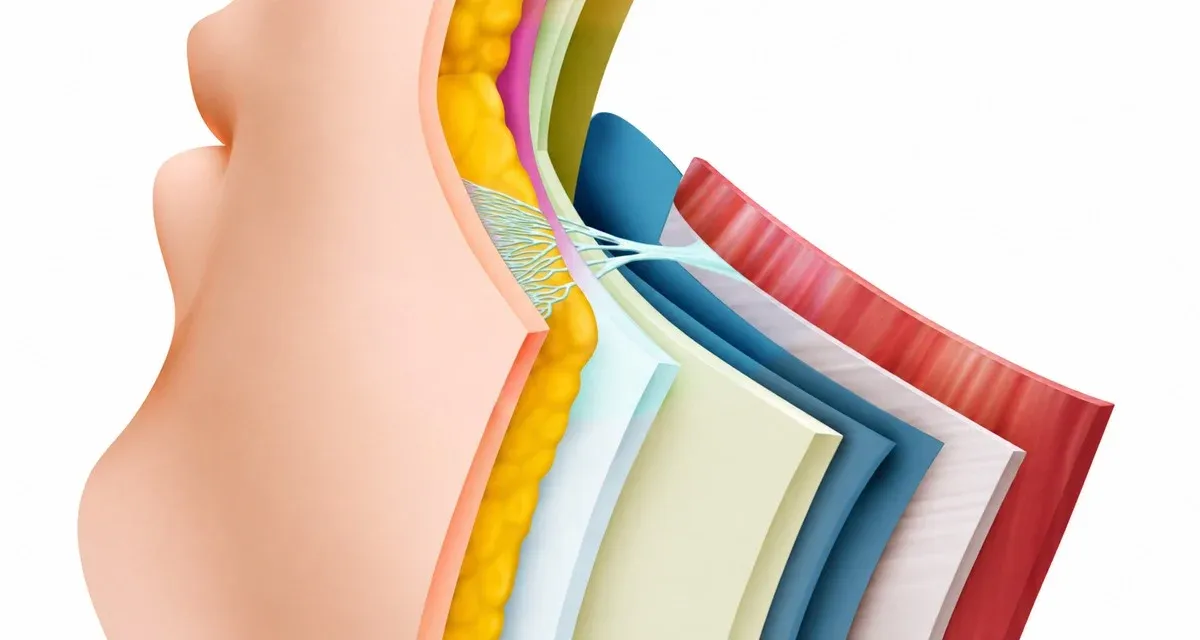
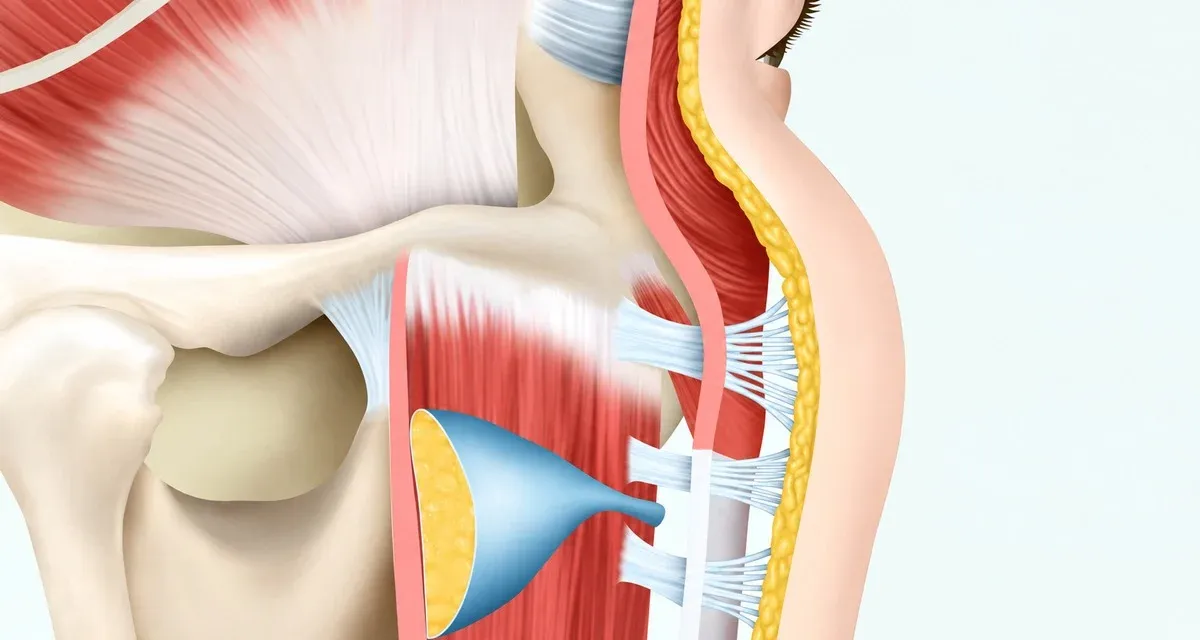
Retaining ligaments support the facial bones and the centers of the various skin layers. Located beneath the SMAS, when they become lax, the entire face sags. With extensive experience, we can easily locate the retaining ligaments beneath the skin and release them in one step without damaging surrounding tissues, reducing surgery time while minimizing swelling and bleeding.
Solution 3. Experience at a Lifting-specialized hospital
· Various Lifting procedures for areas including the upper and lower face and neck, with medical staff specialized in each procedure · A pioneer of mini lifting that popularized Partial Incision Facelift as mini lifting · Solutions based on numerous surgical cases and follow-up evaluations
Surgical Information
| Surgery duration: Approximately 2–3 hours | Pain level: Throbbing pain | Anesthesia: Sedation anesthesia | Suture removal: Approximately 1 week later | Recovery period: Daily activities possible after approximately 7 days
Surgical Procedure
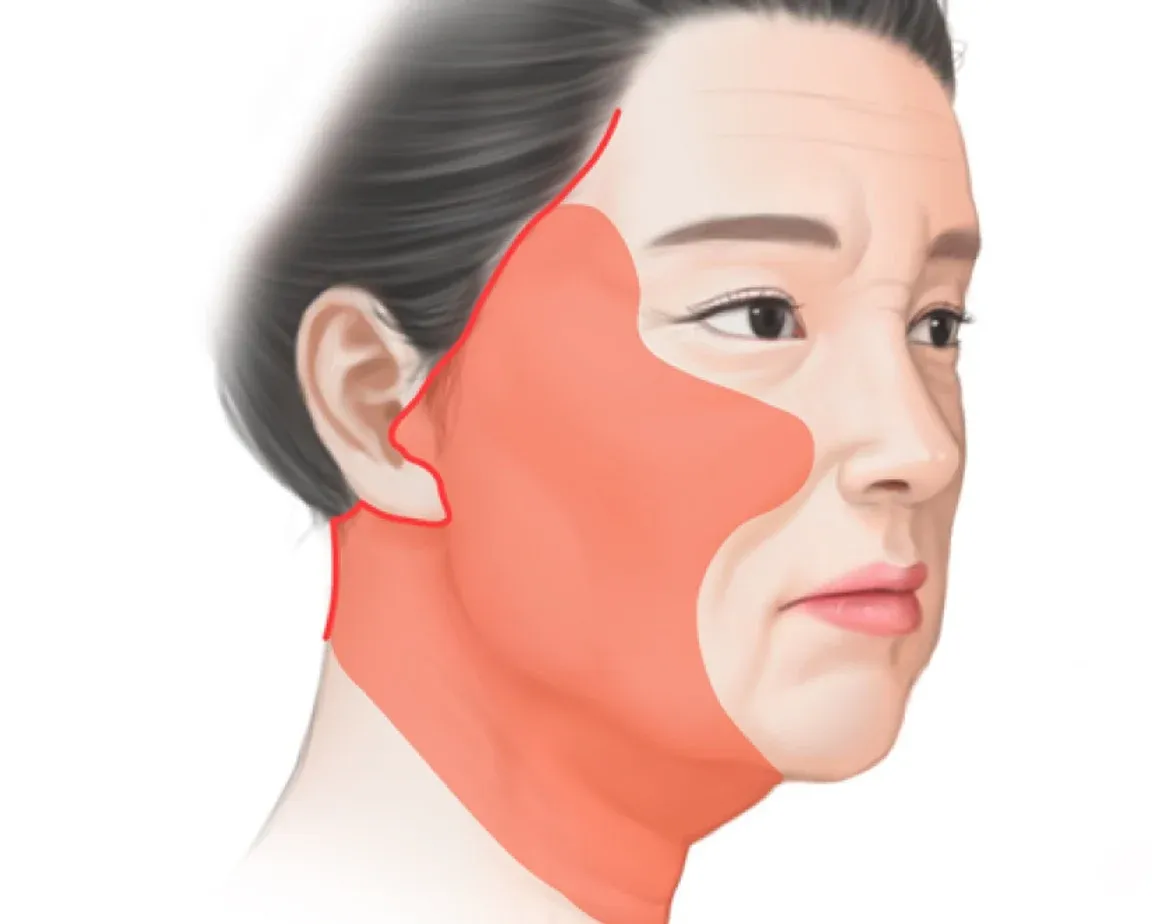
STEP 1. Incision
An incision is made from inside the Temple hairline, along the contour of the ear, to behind the ear.
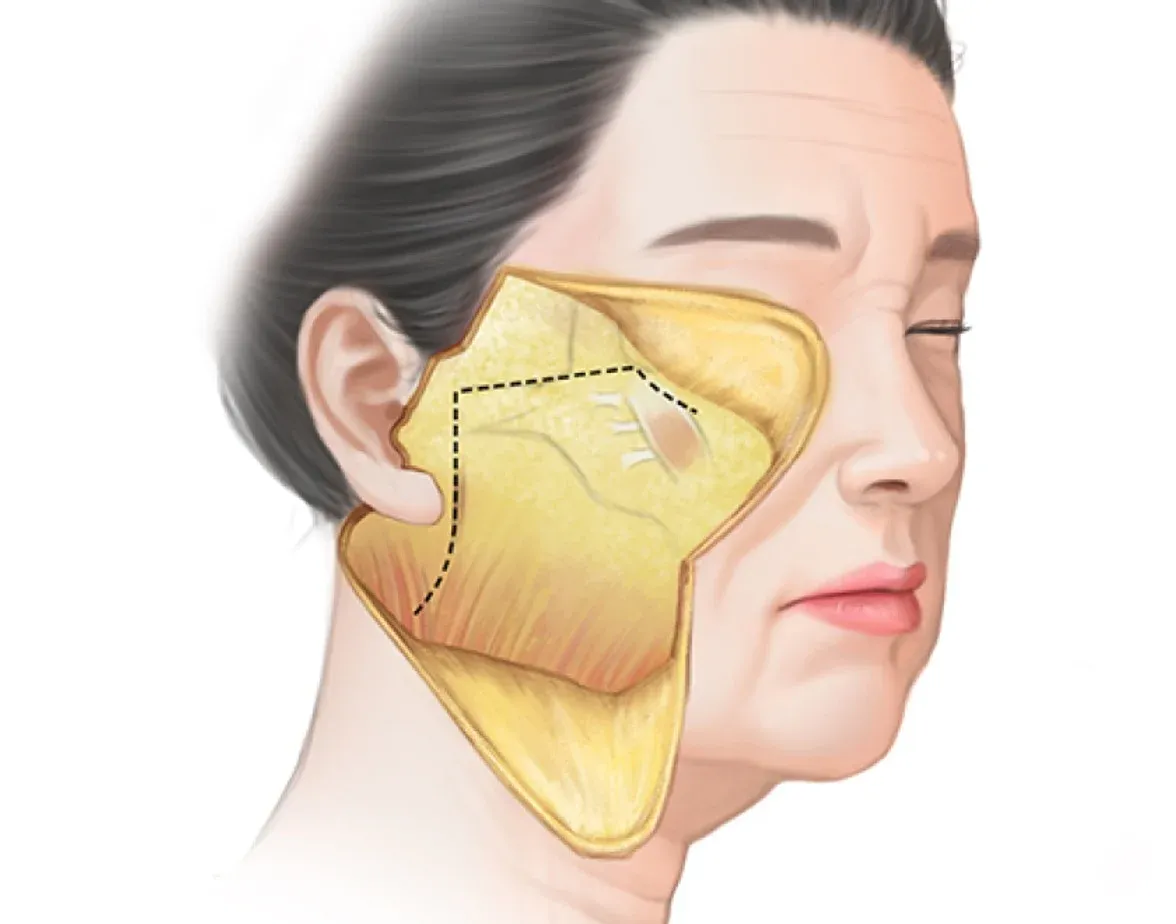
STEP 2. SMAS Layer Incision
After elevating the skin flap, the SMAS layer is incised.
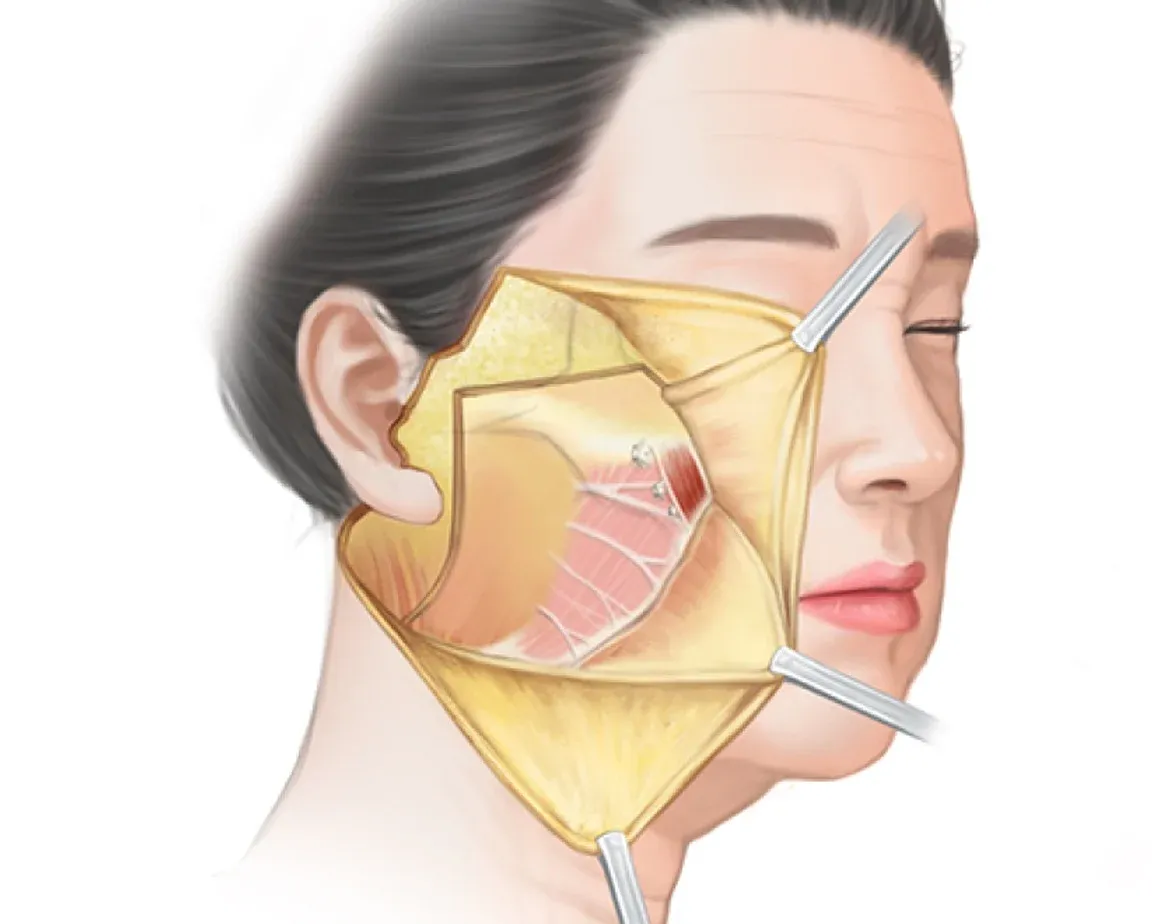
STEP 3. Retaining Ligament Dissection
After dissecting the retaining ligaments beneath the SMAS layer, the SMAS flap is elevated.
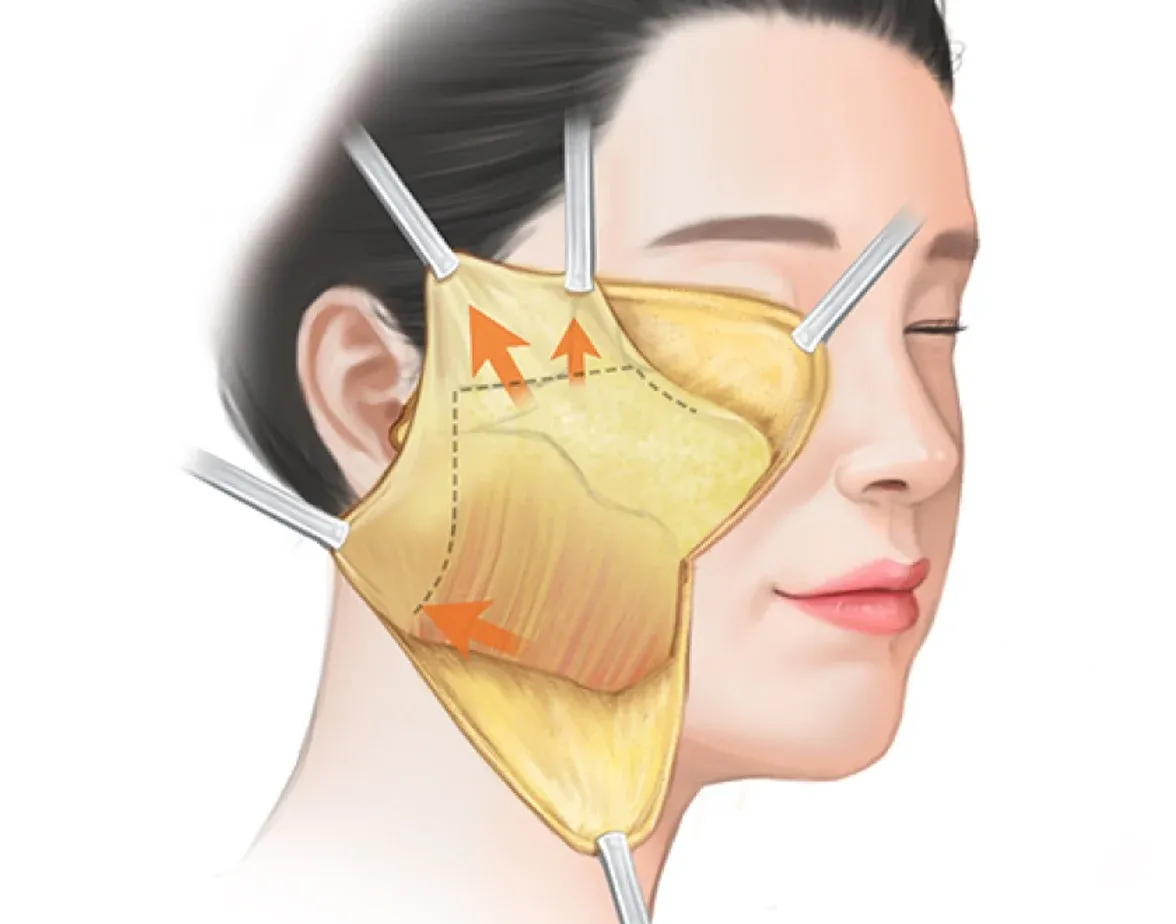
STEP 4. Pull and Secure the SMAS Layer
The lax SMAS layer is pulled and secured to firmly improve the mid- and lower face.
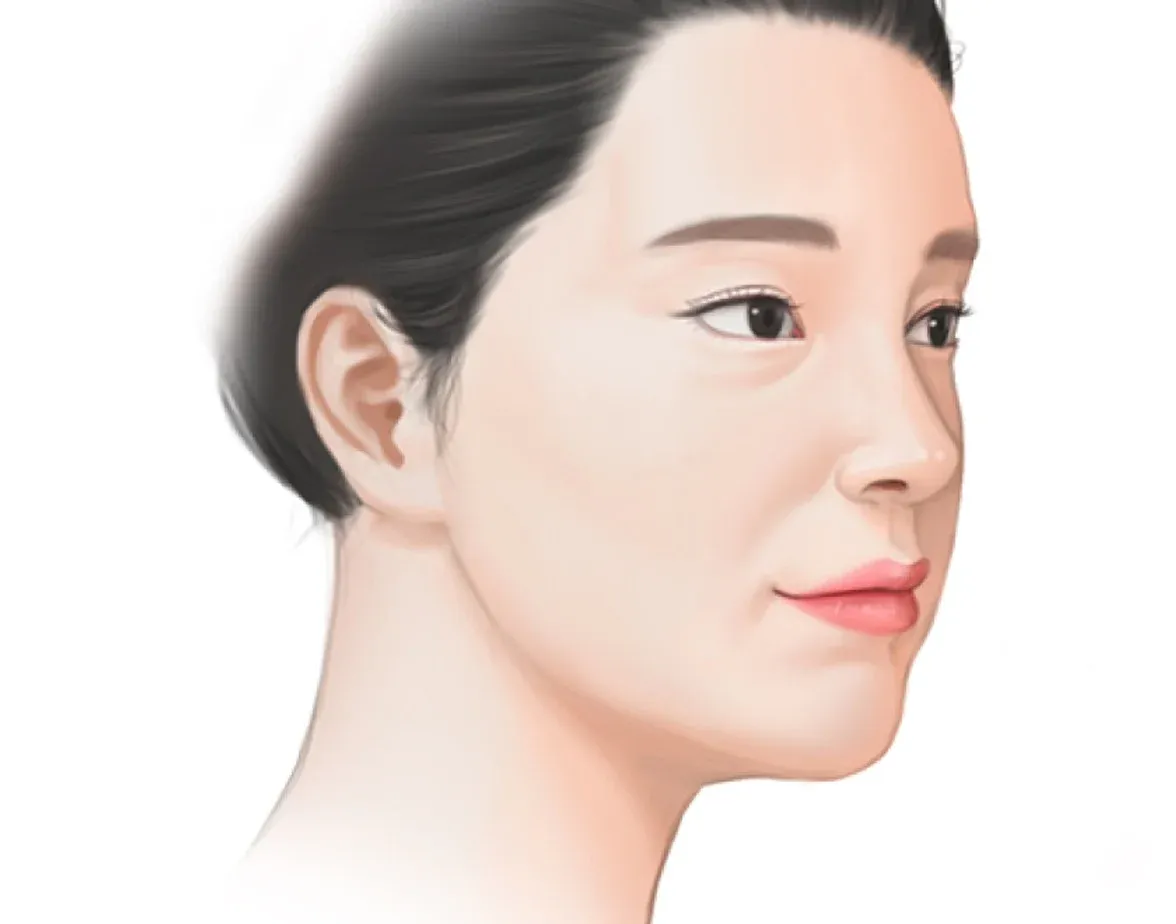
STEP 5. Skin Excision and Double-Layer Closure
Excess skin is excised, and the procedure is carefully completed with double-layer closure.
Postoperative Care by Stage
01. Double-Layer Closure
The incision area is carefully closed in two layers to minimize visible incision-line marks.
02. Scar Care Injections
Scar care is provided to help firm scar tissue in the surgical area subside.
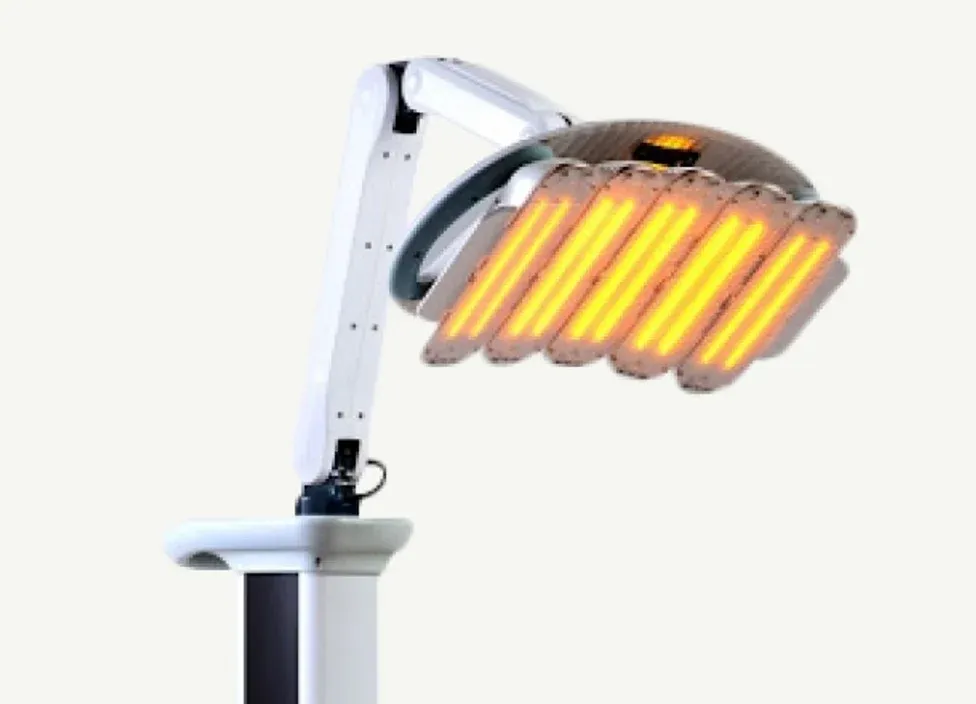
03. Healight Care
Care is provided to reduce swelling and bruising and support Skin Regeneration.
04. Scar Laser
Additional Scar Revision care is provided to support skin recovery. Postoperative care may vary depending on the individual.
Facelift Before-and-After Photos
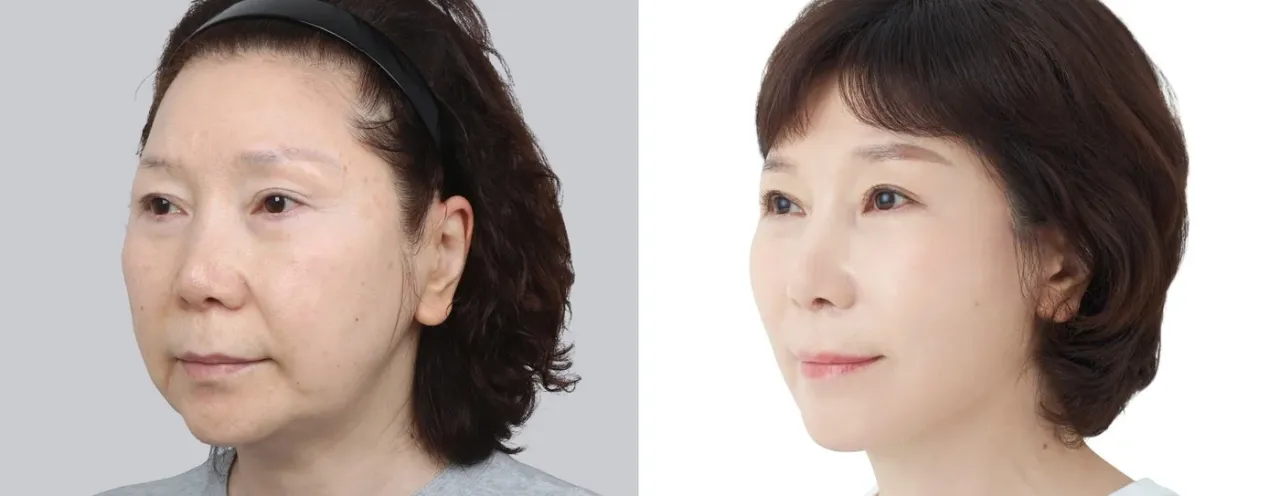
Before surgery → After surgery

Before surgery → After surgery
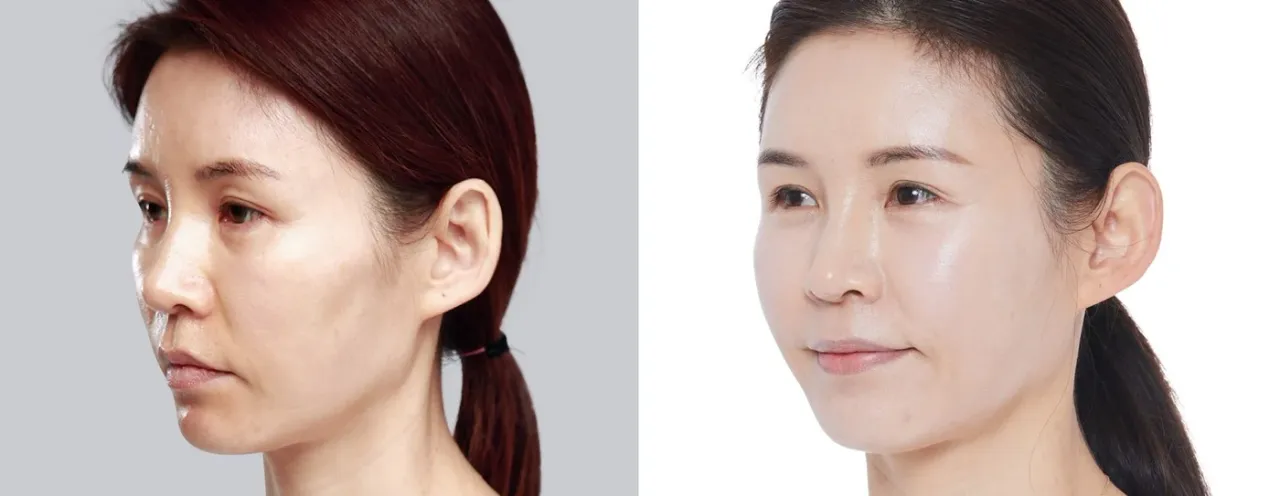
Before surgery → After surgery
Please Check
These photographs were taken with the patient's consent, under identical conditions and without retouching. Surgical results may vary by individual, and unexpected side effects such as inflammation, bleeding, and infection may occur after surgery depending on the individual. The surgical method is determined through consultation with a specialist.
 LITING PLASTIC SURGERY