
Square Jaw Reduction
Price upon consultation
This jaw reduction procedure focuses on narrowing the frontal jaw width without excessively eliminating the mandibular angle beneath the ear. Based on the facial contour, cortical bone reduction is combined with mandibular angle reduction, long-curve jaw reduction, masseter muscle reduction, and buccal fat removal. It is primarily indicated for individuals with a wide jaw when viewed from the front, a square jawline in profile, or a blunt chin tip. All procedures are performed through intraoral incisions.
Surgery Overview
AI-generated information for reference only. Please consult a doctor for accurate, personalized advice.
Square Jaw Reduction is a jaw reduction procedure focused on reducing the width of the jaw as seen from the front without excessively removing the angle below the ear. Based on cortical bone resection, mandibular angle resection, long-curve jaw reduction, masseter muscle reduction, and Buccal Fat Removal are combined according to the facial shape, all through intraoral incisions.

Faceline’s distinctive Square Jaw surgery
Recommended for These Patients — Indications for Front-View Jaw Reduction
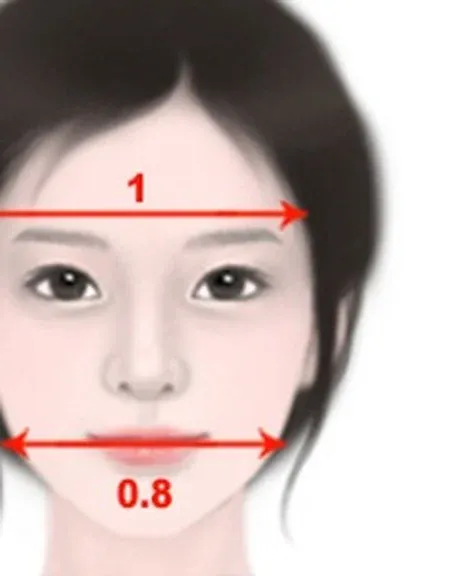
CASE 01
The ideal jaw size is one in which, when viewed from the front, the width of the jaw at lip level is approximately 0.8 times the width of the Forehead at eyebrow level, and when viewed from the side, it has a smooth angle.
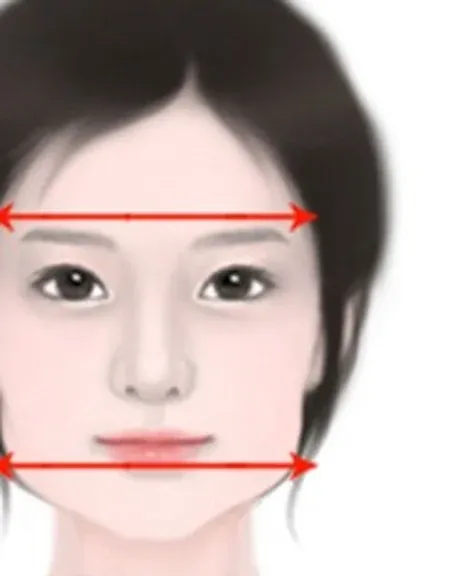
CASE 02
If the width of the jaw is similar to or wider than the width of the Forehead when viewed from the front, you may benefit from Front-View Jaw Reduction.

CASE 03
If the Face appears angular in profile, mandibular angle resection can be performed to soften the angle.
Limitations of Conventional Square Jaw Surgery
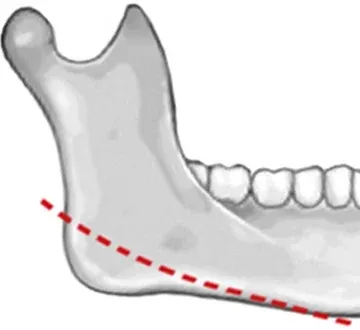
What is commonly called Square Jaw surgery refers to surgery that removes only the corner of the lower jaw, or mandibular angle. It is the most commonly performed method. Square Jaw surgery performed solely with mandibular angle resection creates a softer, slimmer profile line. However, its front-view slimming effect is very limited, so the Face does not appear smaller from the front. Therefore, it should only be performed when the goal is to eliminate the angle below the ear and achieve a somewhat steeper jawline in profile. However, in most cases, making the Face smaller from the front is more important than eliminating the angle below the ear. Faceline’s Front-View Jaw Reduction is a procedure that actually makes the Face smaller from the front.
Effects of Front-View Jaw Reduction (FIA Jaw Reduction)
What Is FIA Jaw Reduction?
Faceline’s Front-View Jaw Reduction consists of cortical bone resection, mandibular angle resection, long-curve jaw reduction, masseter muscle reduction, and Buccal Fat Removal. Cortical bone resection involves removing a thin layer from the outermost surface of the bone where the jaw muscles attach.
Effects of Cortical Bone Resection
Cortical bone resection reduces the width of the Face from the front, making the Face actually smaller. Because it reduces the thickness of the bone itself as well as the volume of the jaw muscles attached to it, the Face appears significantly smaller from the front and the actual width of the jaw is reduced.
Faceline’s Mandibular Angle Resection
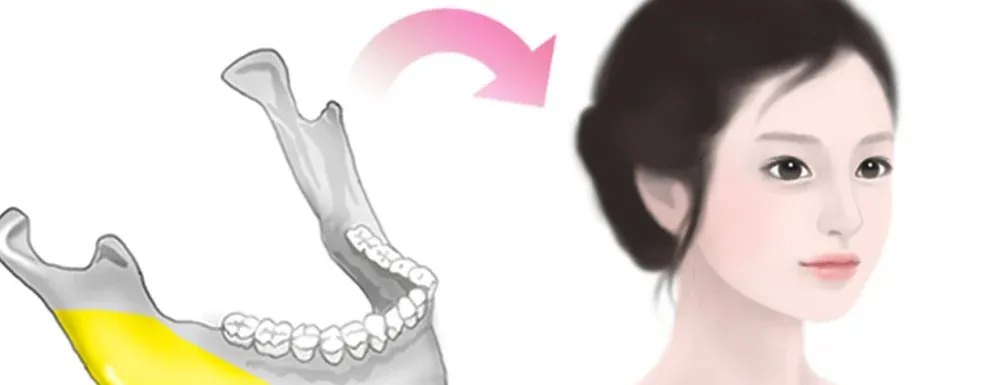
We create a natural jawline by preserving a soft angle without excessively removing the angle below the ear. When mandibular angle resection alone is performed, as is commonly done, the front-view effect is very limited. Therefore, Botox or radiofrequency treatment must be combined to achieve a front-view effect. We carefully contour the jaw from below the ear sufficiently far toward the front of the jaw, reducing the amount of bone removed while broadening the resection area for a safer procedure.
Faceline’s Front-View Jaw Reduction

By reducing the width of the bone from the front, it creates a front-view slimming effect, while inducing masseter muscle atrophy for an effect beyond the reduction in bone thickness. To promote masseter muscle atrophy, masseter muscle reduction is performed simultaneously during surgery, and deep Buccal Fat Removal may also be performed when necessary to maximize the front-view effect. This avoids an unnatural straight jawline running from below the ear to the chin tip, allowing for a natural profile with a soft curve.
Faceline’s Long-Curve Jaw Reduction
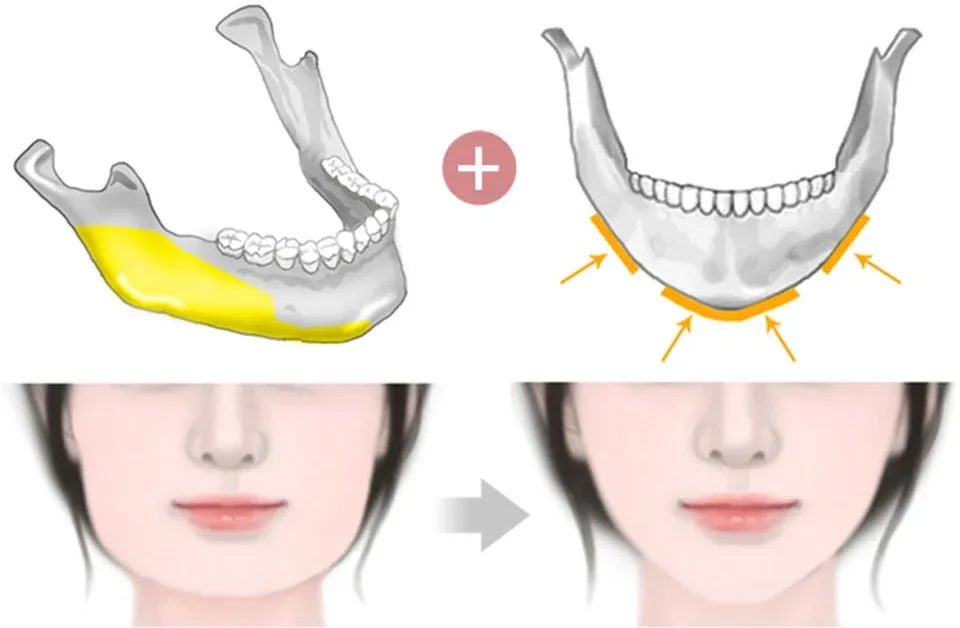
By contouring the entire jaw over a long span, this procedure makes the chin tip appear more pointed from the front and creates a smoother overall jawline. Long-curve jaw reduction creates a pointed, refined jawline when the chin tip is blunt.
Four Jaw Reduction Combinations According to Facial Shape
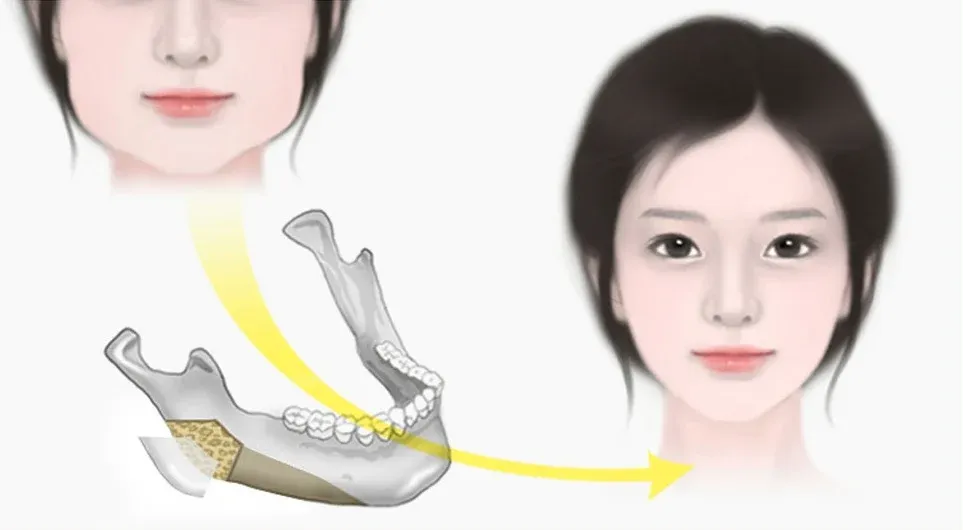
01. Cortical Bone Resection
When the profile has little angularity, the chin tip is relatively pointed, and the jaw appears wide from the front, cortical bone resection alone is performed.
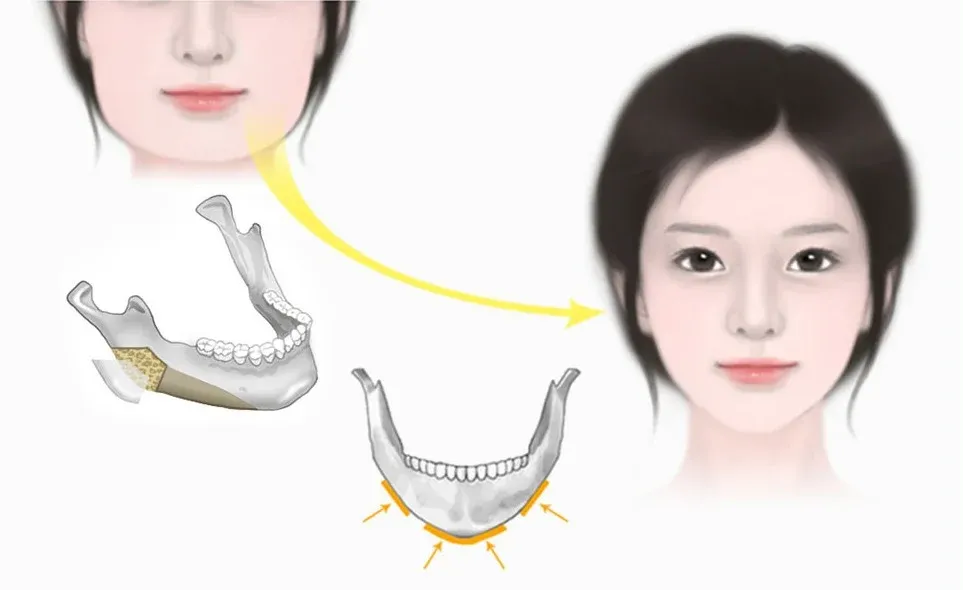
02. Cortical Bone Resection + Long-Curve Jaw Reduction
When the angle is not pronounced but the Face appears wide from the front and the chin tip is blunt, cortical bone resection and long-curve jaw reduction are performed together.
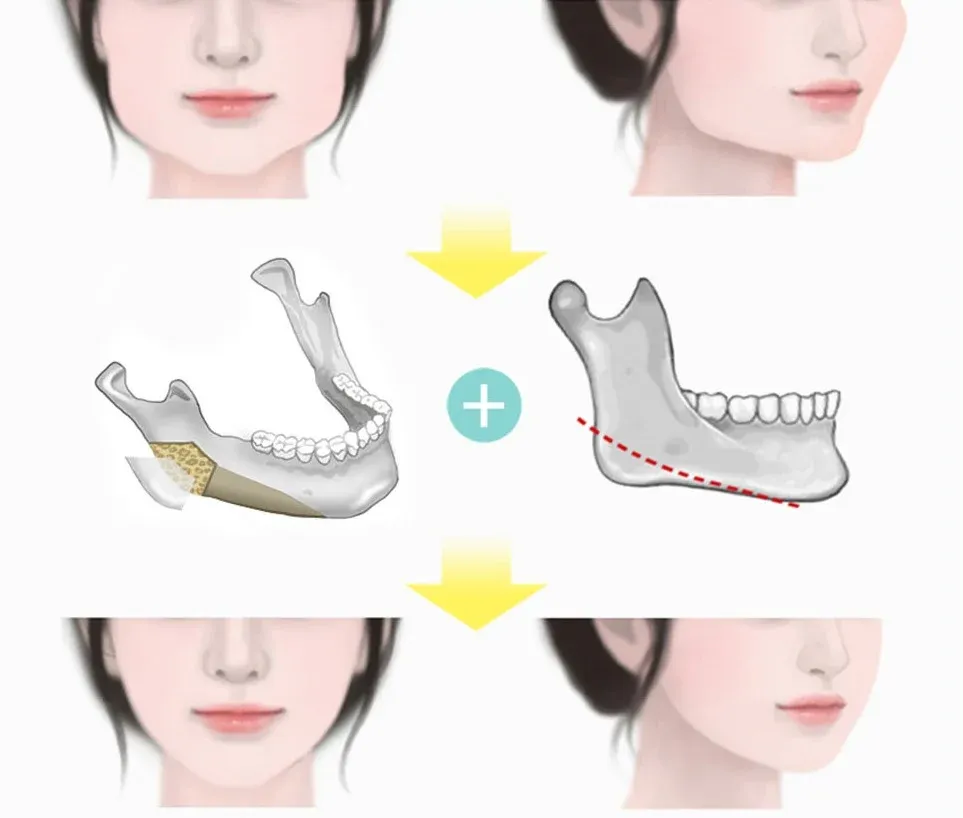
03. Cortical Bone Resection + Mandibular Angle Resection
When the jawline is relatively angular in profile and appears wide from the front, cortical bone resection and mandibular angle resection are performed together.
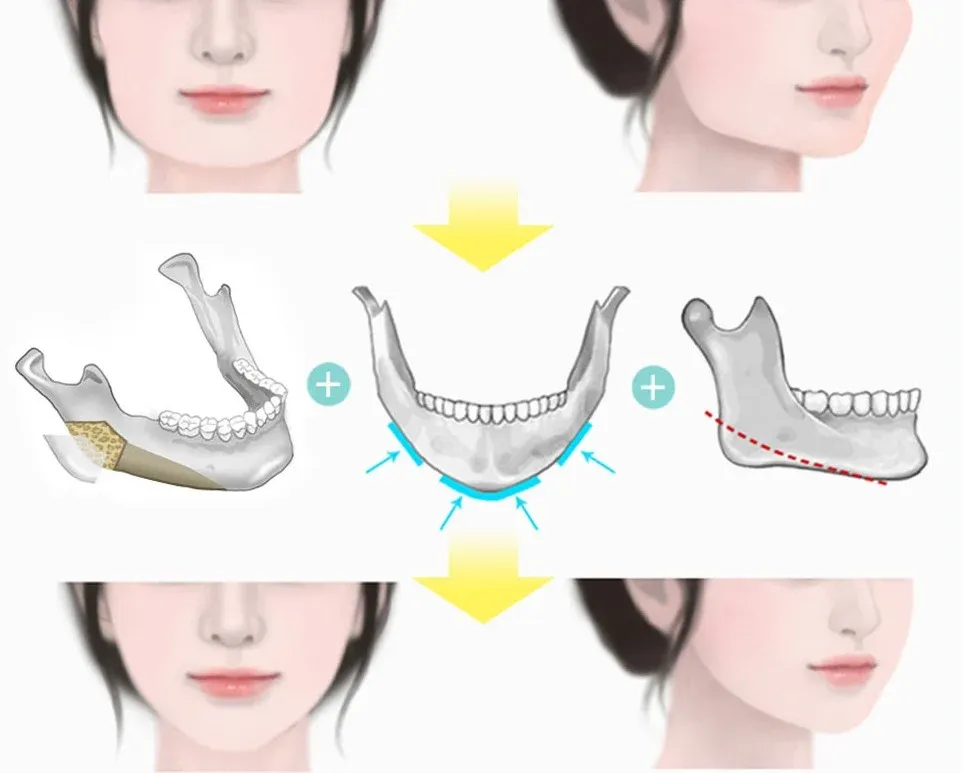
04. Cortical Bone Resection + Long-Curve Jaw Reduction + Mandibular Angle Resection
If the profile is angular, the Face appears wide from the front, and the chin tip is blunt, cortical bone resection, long-curve jaw reduction, and mandibular angle resection are all performed together.
No Visible Scars and Fast Recovery with Faceline
All Faceline jaw reduction procedures are performed through intraoral incisions. Therefore, there are no visible scars. Even with intraoral incisions, minimal incisions are used to support fast recovery. Some hospitals may make incisions on the outside of the Face, but in such cases, scarring must be considered. — Lee Jin-su, Board-Certified Plastic Surgeon
V-Line
V-line jaw reduction refers to all procedures that create a pointed, smooth V-line for the Face. It may specifically refer to procedures focused on making the chin tip more pointed. At Faceline, long-curve jaw reduction or T genioplasty qualifies as V-line jaw reduction. The chin bone is contoured or cut and brought together.
Long-Curve Jaw Reduction for a V-Line
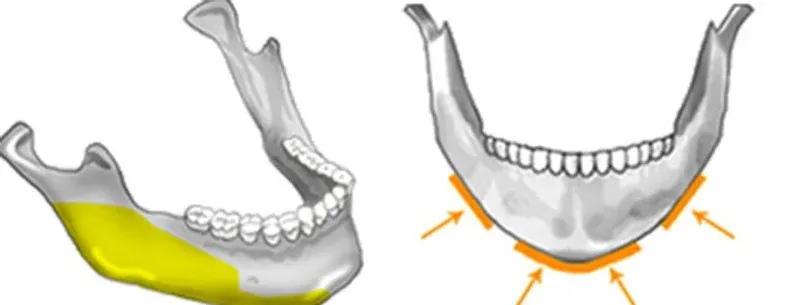
By contouring the entire jaw over a long span, this procedure makes the chin tip appear more pointed from the front and creates a smoother overall jawline.
T Genioplasty for a V-Line
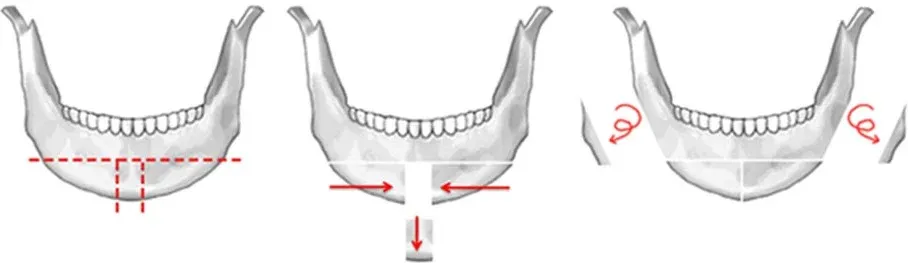
This method creates a V-line chin by removing the central portion of the chin bone through Genioplasty and bringing the chin bones on both sides together. It makes the chin tip appear more pointed from the front and creates a smoother overall jawline.
Diagnostic Process Before Jaw Reduction
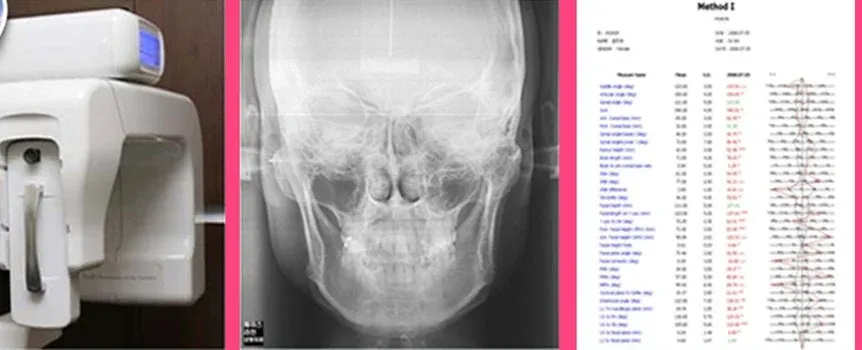
STEP 1. Digital X-ray Analysis
Advanced digital facial bone X-rays are taken, followed by a systematic facial bone analysis using a computer.

STEP 2. Surgical Planning
After thorough consultation with the patient, an optimal surgical plan is established to achieve the desired results.

STEP 3. Postoperative Care
After surgery, ultrasound and laser massage are provided to help swelling subside in the shortest possible time.
Three-Dimensional CT (3D CT) Scan
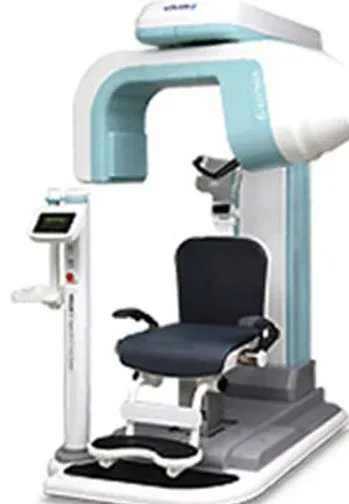
Precise measurements are used to create the most aesthetically pleasing facial contour. Each individual’s condition is carefully measured and diagnosed, with movements in multiple directions applied in combination and the most appropriate amount of movement determined for each direction.
Please Be Sure to Review
Bleeding, infection, inflammation, and other complications may occur after surgery, so caution is required. Subjective satisfaction may vary by individual. Surgical methods and outcomes may differ depending on the individual’s condition and are determined through consultation with a specialist.
 FACELINE PLASTIC SURGERY

