
Square Jaw Reduction + Chin Reduction
from 4,500,000 KRW* VAT Not Included
This procedure reduces a prominent mandibular angle through mandibular angle reduction and cortical bone shaving and, when necessary, narrows the width of the chin with T-osteotomy to create a jawline harmonious with the overall facial contour. By reducing bone thickness, it aims to decrease the facial width visible from the front. Surgery is planned using 3D CT analysis to identify the location of the nerves.
Surgery Overview
Jaw Angle surgery involves removing the angular jawbone below the ears through mandibular angle resection and reducing the thickness of the bone through cortical bone resection to narrow the width of the Face. Wonjin Plastic Surgery considers it important to create a V-line harmonious with the Face by also reducing the width and length of the chin with T-osteotomy when necessary.

Cortical bone resection, T-osteotomy The key is not simply to eliminate the jaw angle, but to preserve a V-line that is harmonious with the Face. By identifying the optimal reduction points, cortical bone resection and mandibular angle osteotomy are performed to effectively reduce the jaw.
Recommended for
· Those whose Face looks broad and square from the front · Those with a blunt chin and no clear boundary between the jaw and cheeks · Those with a severely angular jawline below the ears when viewed from the side · Those who are often told they have a strong-looking impression
Before-and-after photos
A natural V-line and harmonious curves designed with balance in mind
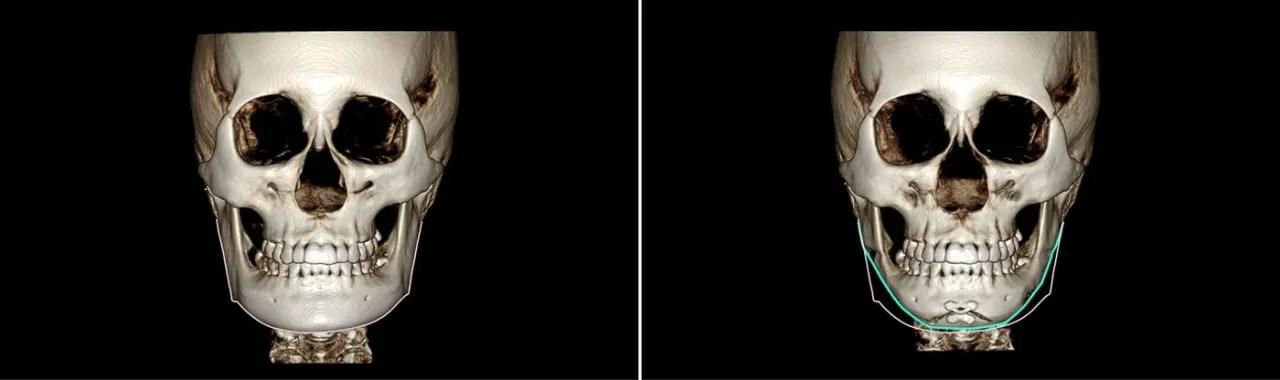
3D-CT before surgery → after surgery
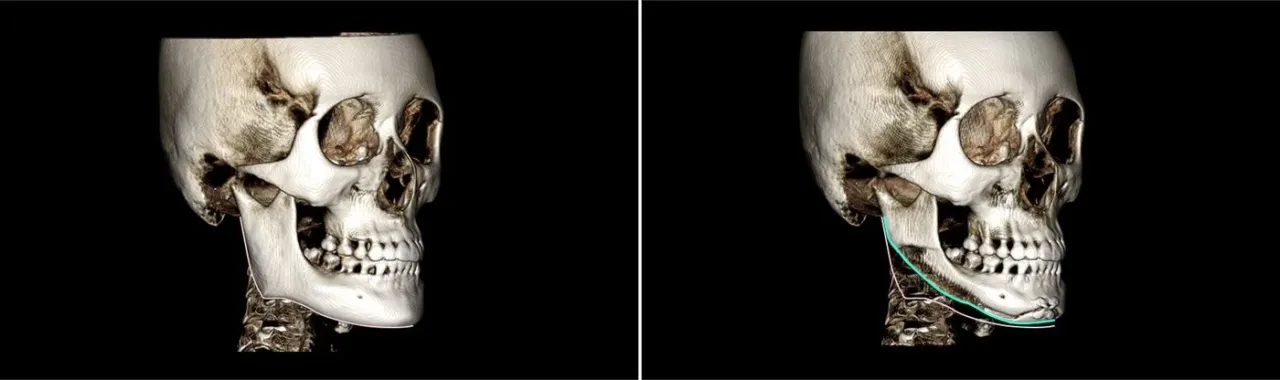
3D-CT before surgery → after surgery
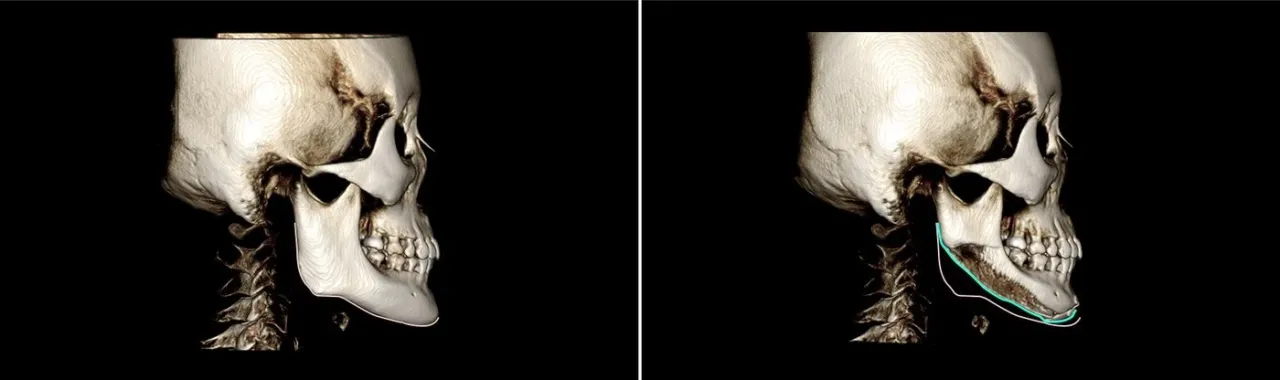
3D-CT before surgery → after surgery
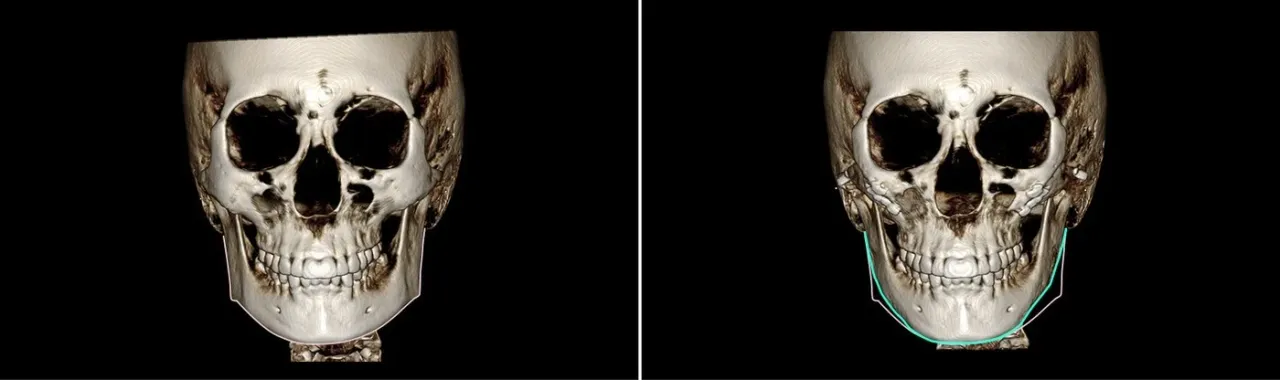
3D-CT before surgery → after surgery
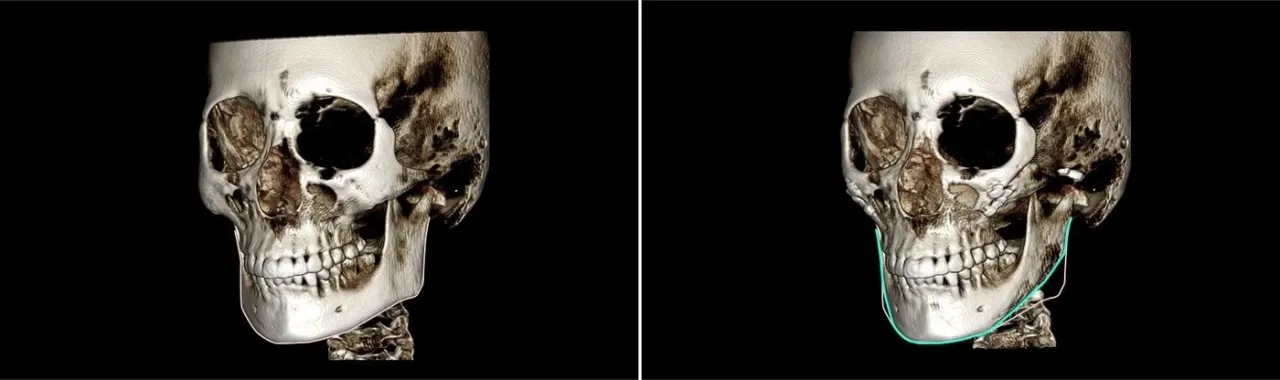
3D-CT before surgery → after surgery
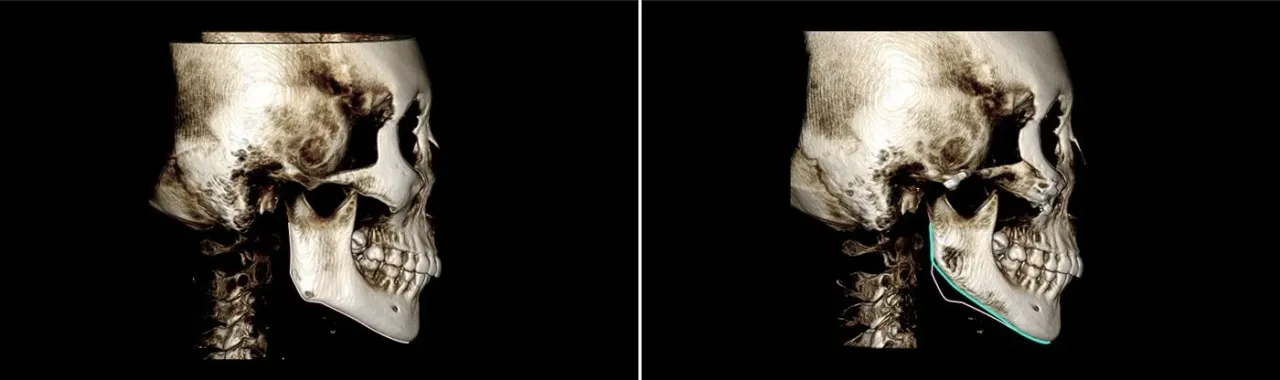
3D-CT before surgery → after surgery
Why does a Jaw Angle develop?
Excessive jawbone development
When the jawbone itself is developed, making the Face appear large and angular, Jaw Angle surgery can create a slimmer facial shape by performing osteotomy on the sides of the jaw or shaving down its thickness.
Jaw muscle development
When developed chewing muscles (Masseter muscle) make the jaw appear square, it can be improved simply with Botox.
Thick subcutaneous fat
When excessive fat around the jaw makes the Face appear large and angular, Lifting Liposuction can create a smoother facial contour.
Features of Wonjin Jaw Angle Surgery
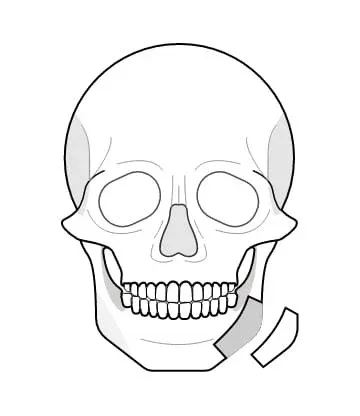
Cortical bone resection
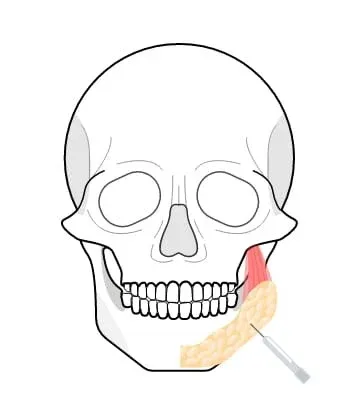
Deep cheek fat reduction
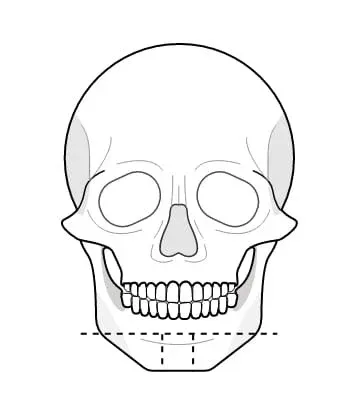
T-osteotomy
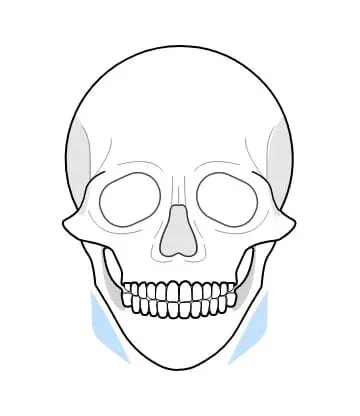
Mandibular angle resection
Point 1. Reduction of bone thickness
Cortical bone resection also reduces bone thickness, decreasing the actual width of the Face. If desired, deep cheek fat reduction can be added to create a slimmer Face.
Point 2. A natural V-line that considers facial balance
In addition to the angular jaw, the chin is also resected to enhance the frontal effect. Depending on the case, T-osteotomy reduces the width of the chin bone and brings the chin tip together to create a natural V-line from every angle.
Point 3. Safe surgery with consideration of nerves
As this is a highly complex surgery involving resection of the jaw where nerves pass through, it is performed safely with extensive experience and careful attention to preventing nerve and blood vessel damage.
Point 4. Thorough postoperative care
An intensive care program, including oxygen therapy and Healite treatment after surgery, quickly reduces swelling and pain to shorten the recovery period.
Types of surgery
Behind-the-ear Jaw Angle surgery · Quick Jaw Angle surgery
This method reduces the jawbone through an incision behind the ear. Surgery is performed through a small opening below the ear rather than an intraoral incision, resulting in less concern about scars and faster recovery. | Surgery time 30 minutes | Anesthesia Sedation anesthesia | Suture removal After 7–10 days | Return to daily activities Possible quickly
Jaw Angle + chin surgery
While shaving the angular jaw, the width of the chin bone is reduced and the chin tip is brought together to create a natural V-line. | Surgery time 1 hour | Anesthesia General anesthesia | Suture removal After 7–14 days | Return to daily activities Possible after 7 days
Jaw Angle + Lifting
For those concerned about skin sagging after surgery or who want a more defined V-line, Jaw Angle surgery and Lifting are performed together. | Surgery time 2 hours | Anesthesia General anesthesia | Suture removal After 14 days | Return to daily activities Possible after 7 days
Surgical procedure

STEP 1. Precise analysis of individual conditions
Your individual condition is precisely analyzed using 3D-CT imaging.
STEP 2. Establishment of a customized surgical plan
A customized surgical plan is established by predicting the postoperative appearance through realistic 3D virtual surgery simulation.
STEP 3. Achieving results suited to the Face
A customized facial contour is completed by preserving natural angles suited to the Face.
Surgical methods by type
CASE 1. A broad, square lower jaw
Since standard Jaw Angle surgery alone may not provide a noticeable frontal effect, V-line surgery delivers both frontal and side-profile effects.
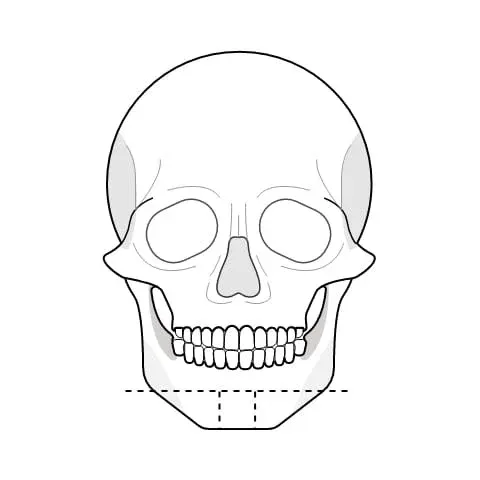
① A T-osteotomy is performed on the chin while avoiding the nerve line.
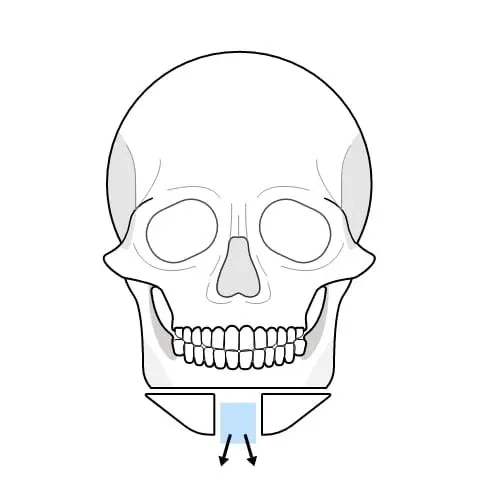
② The central bone segment is removed.
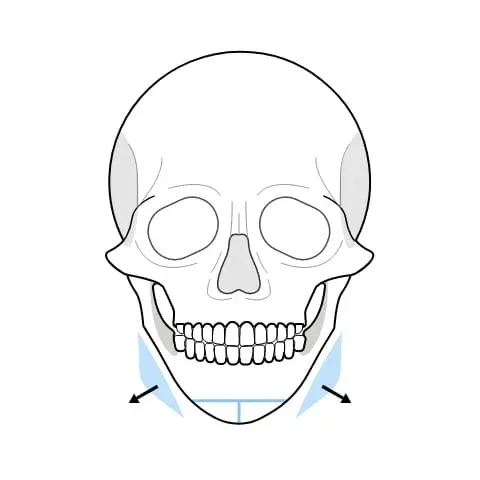
③ The resected chin segments are brought together, and the angular side jawbone is removed through mandibular angle resection.
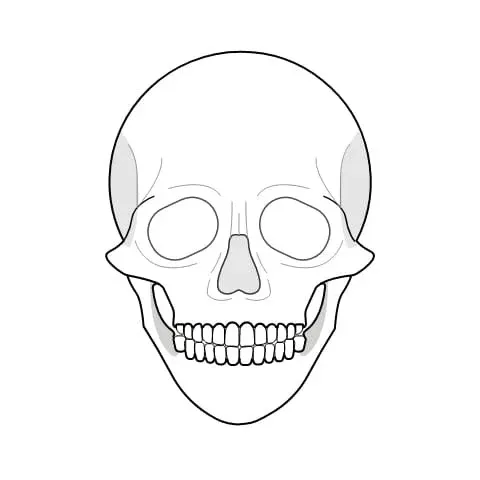
④ The chin is secured with fixation pins.
CASE 2. A Jaw Angle with a long Face
Since chin surgery alone may make the Face appear longer, V-line surgery also reduces the length of the chin.
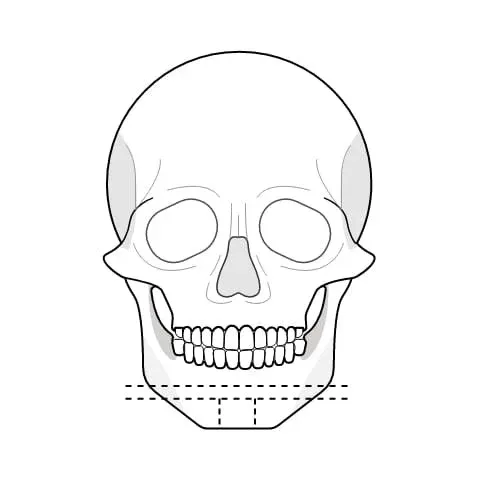
① A T-osteotomy is performed on the chin while avoiding the nerve line.
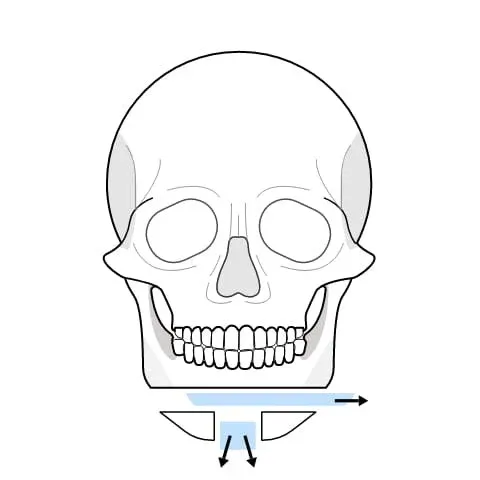
② The resected upper bone segment and central bone segment are removed.
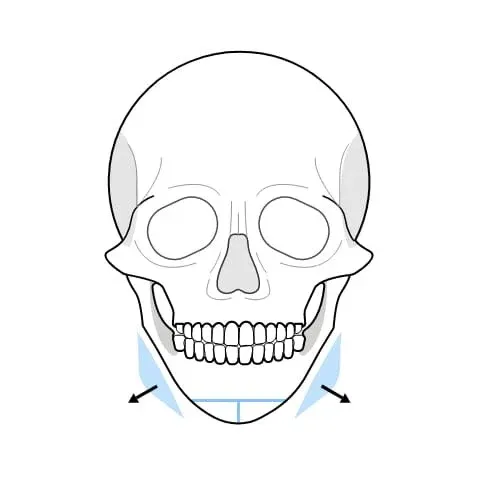
③ The chin segments are brought together, and the angular side jawbone is removed through mandibular angle resection.
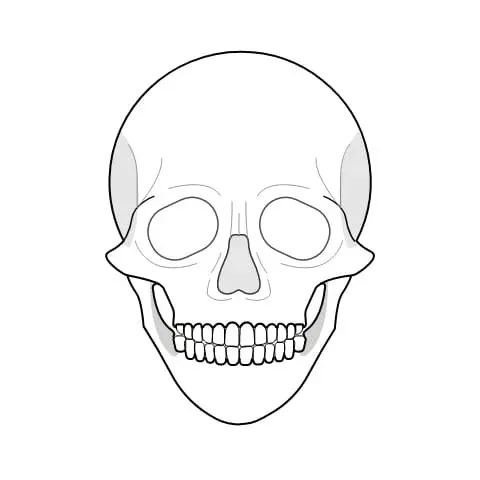
④ The chin is secured with fixation pins.
CASE 3. An asymmetrical Jaw Angle
When the bite is normal but the left and right sides of the jaw are asymmetrical, it can be improved with chin surgery and Jaw Angle surgery. If there is malocclusion, it can be corrected with Orthodontic Treatment and Orthognathic Surgery after an accurate diagnosis.
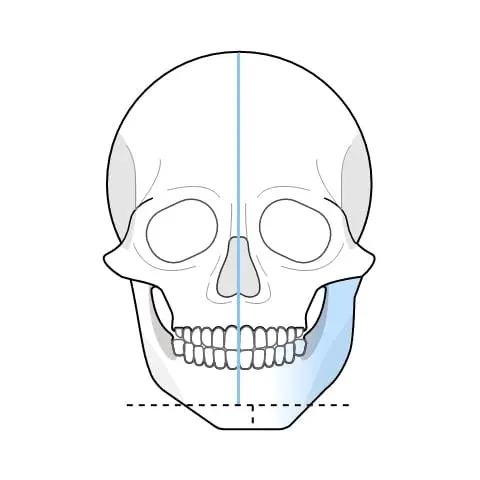
① A T-osteotomy is performed on the chin while avoiding the nerve line.
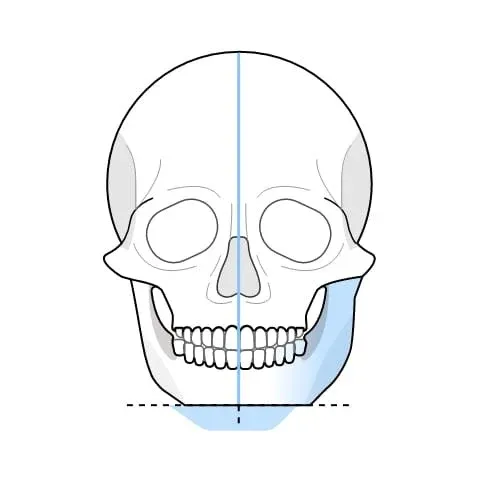
② The resected jawbone is moved to align with the facial midline.
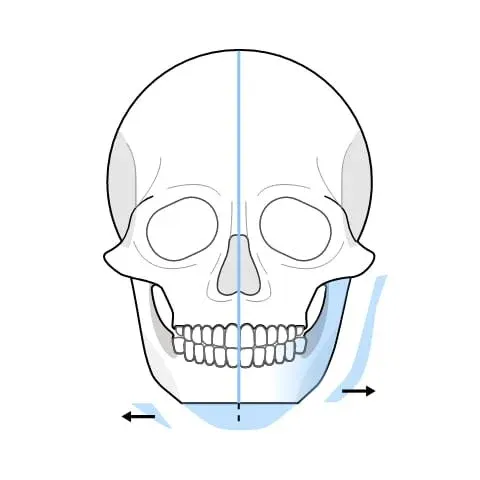
③ The angular side jawbone is removed through mandibular angle resection.
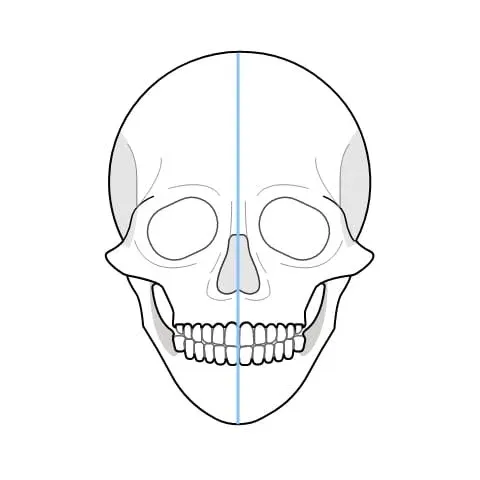
④ The chin is secured with fixation pins.
Fixation pins are harmless to the human body. If removal is desired, they can be removed under simple local anesthesia six months after surgery.
Please be sure to check
Complications that may commonly occur after surgery or treatment, including bleeding, infection, inflammation, and nerve damage, may vary in severity depending on the individual; therefore, caution is required. Surgical methods and results may vary depending on the individual's condition and are determined through consultation with a specialist.
 WJ WONJIN PLASTIC SURGERY