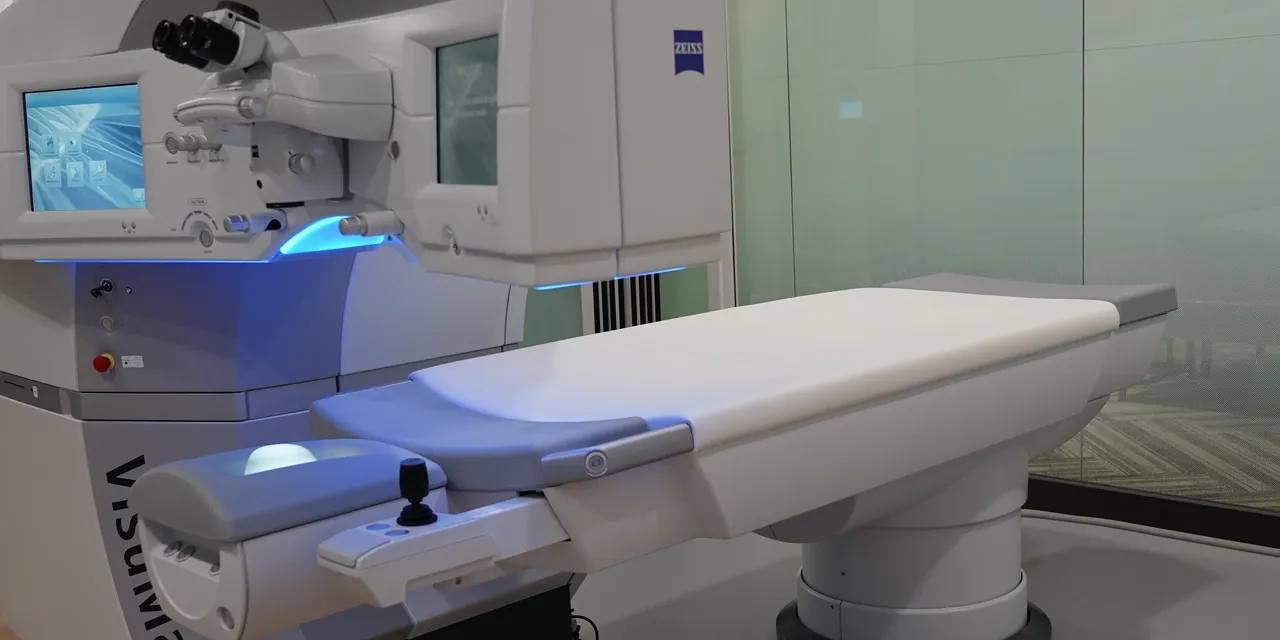
SMILE Surgery
From 2,200,000 KRW/ surgery
An FDA-approved, safe procedure that corrects vision through a micro-incision of approximately 2 mm—about one-tenth the size of a conventional LASIK corneal incision—without the need to remove the corneal epithelium or create a corneal flap. Painless with rapid visual recovery, with a lower risk of corneal haze and regression Highly resistant to external impact; suitable for patients with thin corneas or high myopia More precise visual axis analysis using the AcuTarget visual axis analysis system enables higher-quality vision
Surgery Overview
GS SMILE SURGERY
SMILE Surgery, created in 2006 with ZEISS's 175 years of optical technology
What is SMILE LASIK?
A third-generation laser Vision Correction procedure that combines only the advantages of LASIK and LASEK, offering rapid recovery—enough to resume daily activities from the day after surgery—and excellent safety.
SMILE LASIK CHECK POINT
✓ An innovative third-generation laser Vision Correction procedure
✓ A procedure with enhanced safety through a minimal incision
✓ Designed for a quick return to daily life the day after surgery
✓ A procedure that reduces pain with appropriate energy settings
✓ A procedure without concerns about various side effects and complications
✓ A procedure suitable for those seeking an active lifestyle, with strong resistance to external impact
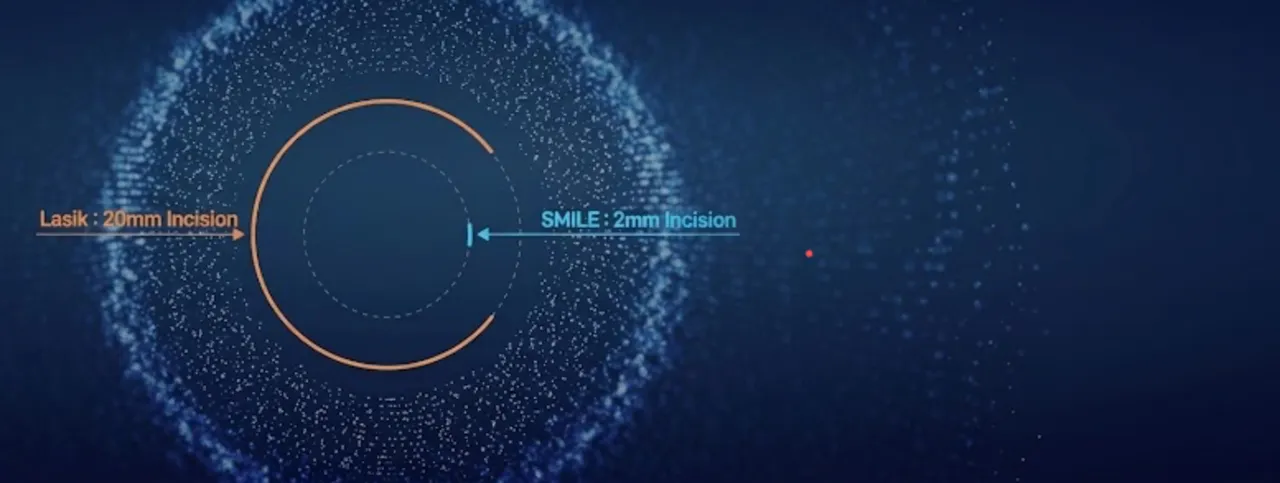
SMILE LASIK, created through three generations!
As a result of the development of laser Vision Correction procedures through three generations, there is no need to remove the corneal epithelium or create a corneal flap. SMILE LASIK, a safe and comfortable procedure that corrects vision through a 2 mm minimal corneal incision, was created!
First Generation: LASEK (PRK)
A procedure that removes the corneal epithelium
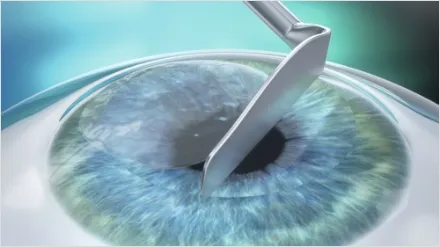
✓ Severe pain ✓ Long recovery period ✓ Possible Corneal Opacity
Second Generation: LASIK
A procedure that creates a corneal flap
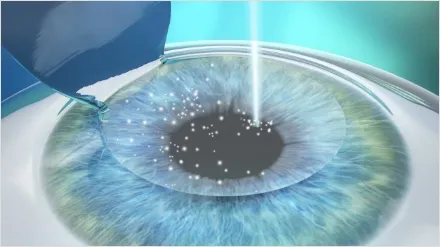
✓ Corneal incision using a blade or laser ✓ Vulnerable to external impact ✓ Possible Dry Eye Disease
Third Generation: SMILE
A minimally invasive procedure that does not create a corneal flap
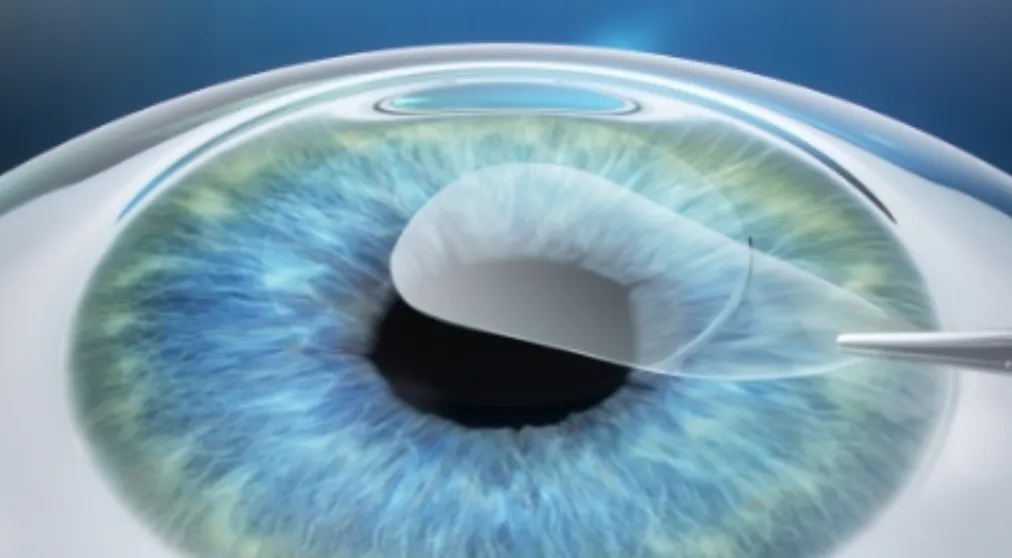
✓ Fast recovery ✓ Little to no pain ✓ Strong resistance to external impact ✓ Low incidence of Corneal Opacity ✓ Low incidence of Dry Eye Disease ✓ Low incidence of Keratoconus
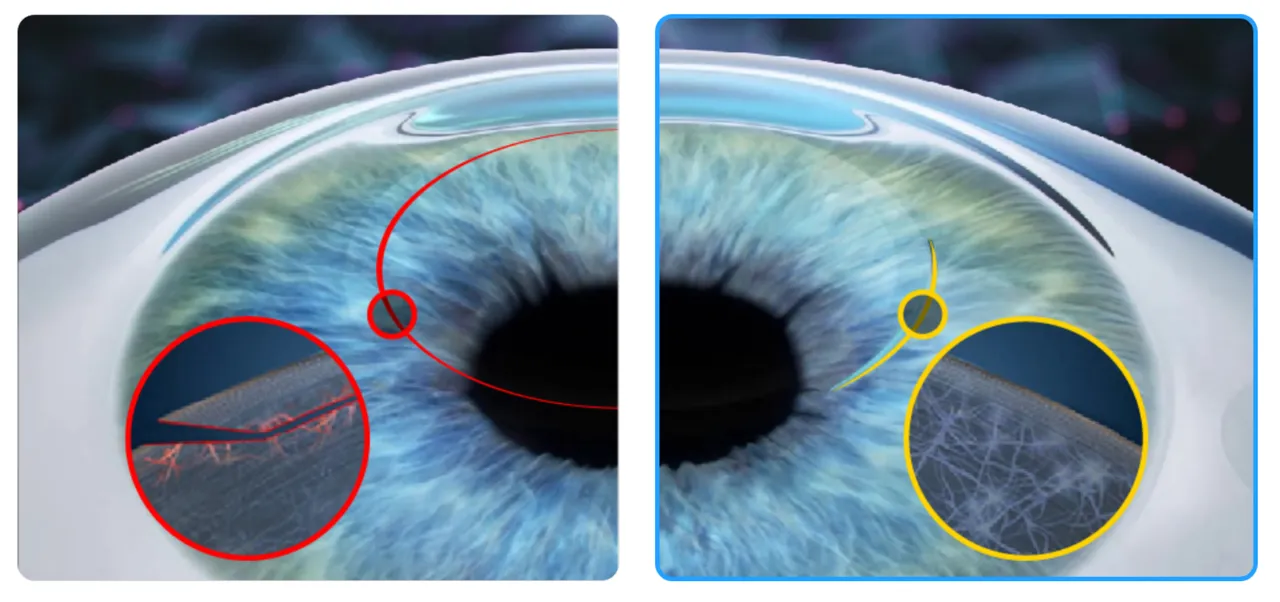
Minimizing Dry Eye Disease with a 2 mm Minimal Incision
Address Dry Eye Disease with a 2 mm minimal incision! Go beyond the limitations of Vision Correction procedures! Dry Eye Disease has always been regarded as an unavoidable drawback of Vision Correction procedures. However, SMILE LASIK aims to avoid corneal nerve damage in order to reduce Dry Eye Disease.
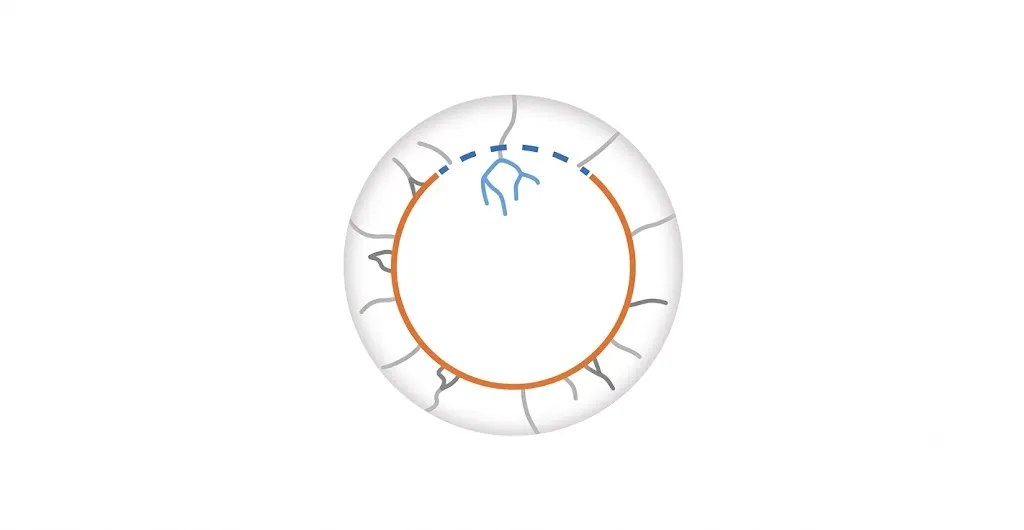
Conventional Vision Correction Procedures
Approx. 20 mm corneal incision area Corneal nerve damage
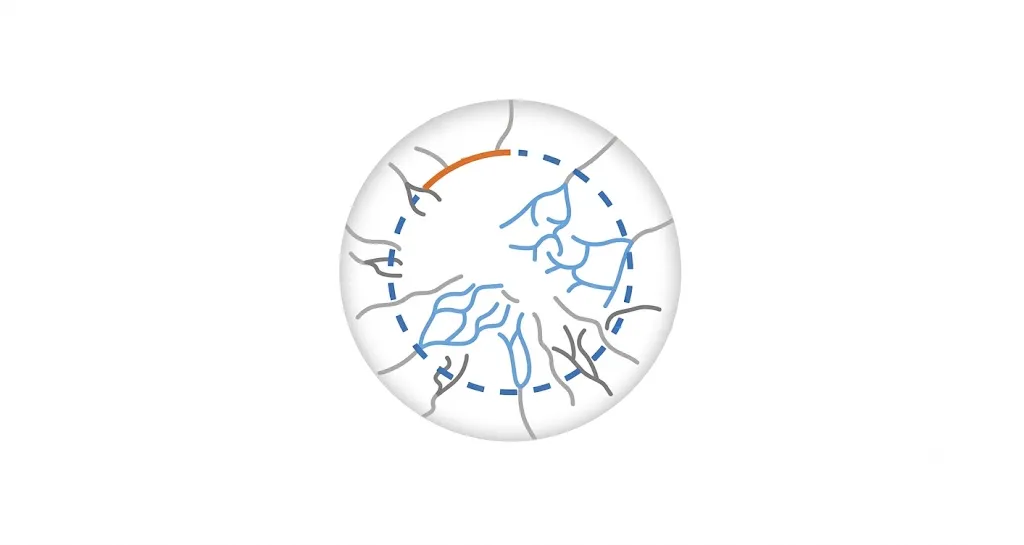
SMILE LASIK
2 mm corneal incision; corneal nerve damage reduced to approximately 1/10
Laser Vision Correction procedures can cause Dry Eye Disease after surgery, but dryness gradually improves over time. SMILE minimizes corneal nerve damage compared with conventional LASIK surgery, thereby reducing postoperative dryness.
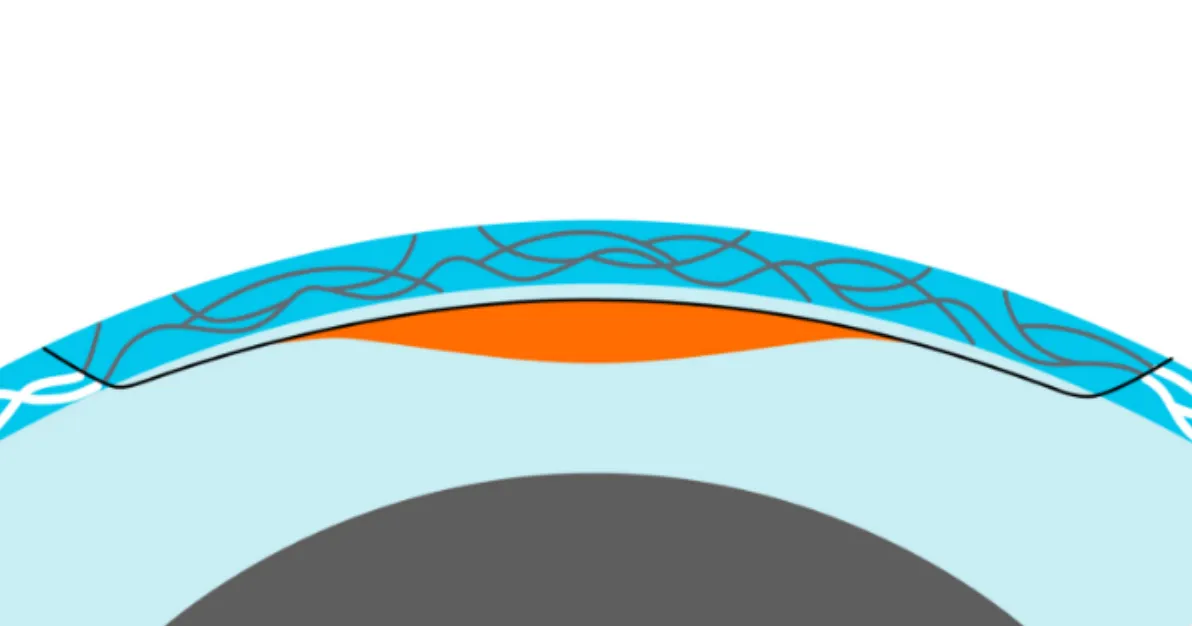
Conventional Vision Correction Procedures
A larger incision cuts more corneal nerves, causing dryness

SMILE LASIK
The incision is minimized, resulting in less corneal nerve damage and less dryness
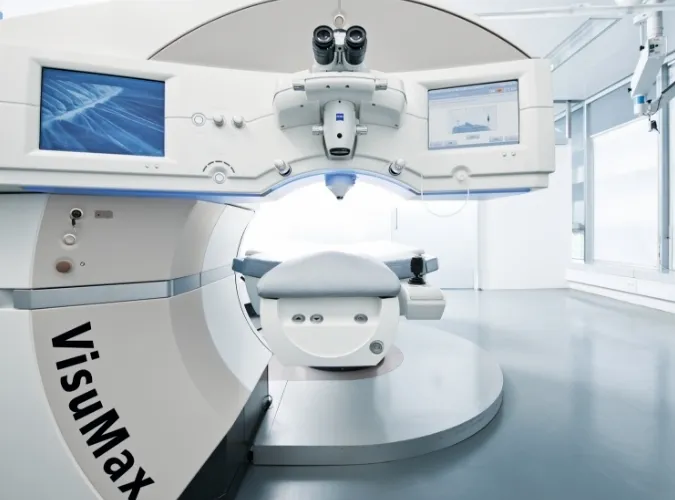
VisuMax
A femtosecond laser created with ZEISS's 175 years of world-class technology
Achieving Golden SMILE!
Frequently Asked Questions
Q. I have a habit of rubbing my eyes. Can I undergo SMILE LASIK?
A. Unlike conventional LASIK, SMILE LASIK corrects vision without creating a corneal flap. Therefore, it is a very safe procedure for people who habitually rub their eyes or are concerned about unconsciously rubbing their eyes while asleep.
Q. I enjoy intense exercise, such as basketball and soccer. Can I undergo SMILE LASIK?
A. In the past, athletes and people who enjoyed intense exercise mainly underwent LASEK. However, since SMILE LASIK became available—offering the LASEK advantage of not creating a corneal flap and the LASIK advantage of rapid recovery—SMILE LASIK has been performed instead. It is also gaining attention as a procedure preferred by many people who need to undergo training or serve after military enlistment.
Q. I am concerned about dryness. Can I still undergo SMILE LASIK?
A. Unlike conventional LASIK, SMILE LASIK is performed with minimal incision of the tear layer, making it advantageous for those concerned about dryness.
Q. When can I resume everyday activities after SMILE LASIK?
A. Everyday activities such as washing your face, showering, and washing your hair are possible from the day after surgery. Driving and using electronic devices are also possible. Women may apply both facial makeup and eye makeup. However, the schedule may change if any special findings arise after your examination.
Surgery Experience Stories

 GS EYE CENTER