Silicone
Price upon consultation
This is a rhinoplasty procedure that uses a 1:1 custom silicone implant tailored to the patient’s facial proportions by reproducing the skeletal structure, cartilage, and skin tissue based on the patient’s 3D CT scan. Precise diagnosis and virtual simulation allow the desired nasal shape to be previewed in advance, with the aim of reducing the likelihood of issues such as deviation, lifting, and implant visibility.
Surgery Overview
3D custom implant rhinoplasty uses a 1:1 Silicone implant customized to the patient's facial proportions by recreating the skeletal structure, Cartilage, skin tissue, and more based on the patient's 3D CT scan. Precise diagnosis and virtual simulation allow you to preview the desired nose shape, with the goal of reducing the likelihood of issues such as deviation, lifting, and show-through.

An implant that fits your nose perfectly: 3D custom implant Are you concerned about rhinoplasty side effects? Because 1:1 custom implants are produced through precise diagnosis and simulation, surgical time can be reduced and the likelihood of side effects such as deviation, lifting, and Silicone implant show-through can be lowered.
Recommended for
· Those with previous trauma or severe skeletal asymmetry that makes it difficult to fit a standard implant · Those who wish to correct functional issues such as Septoplasty at the same time · Those who need to identify the cause of failure in Rhinoplasty Revision
Urban 3D Custom Implant: 3 Points
Point 1. Three-Dimensional Precision Analysis
The nose is analyzed precisely in three dimensions using a CT scan.
Point 2. Simultaneous Functional Correction
Functional issues such as Septoplasty can also be corrected at the same time.
Point 3. Minimized Failure in Secondary Surgery
By identifying the cause of surgical failure, failure can be minimized during secondary surgery.
What Is a 3D Custom Implant?
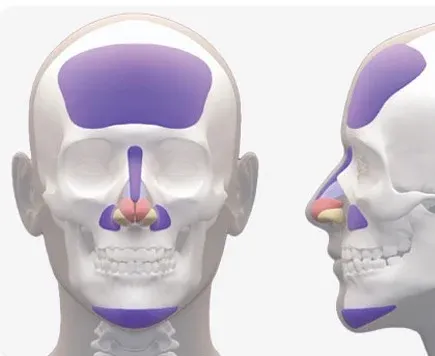
Conventional nasal implants are made by manually carving them, making an accurate fit difficult when there is trauma or significant skeletal asymmetry. Custom implants are created based on each individual's 3D CT scan, recreating the skeletal structure, Cartilage, skin tissue, muscles, and more to produce an implant that suits the facial proportions.
Types of Rhinoplasty Implants
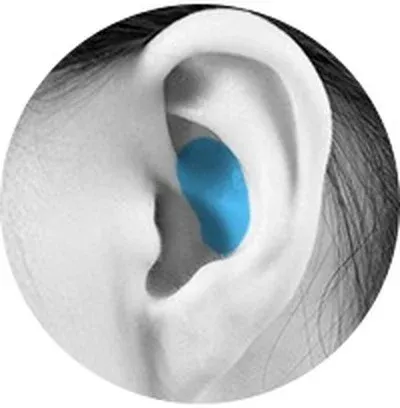
Autologous Tissue – Ear Cartilage
A commonly used Autologous Tissue, mainly used to extend the Nasal Tip or correct Nasal Tip Cartilage deformities.
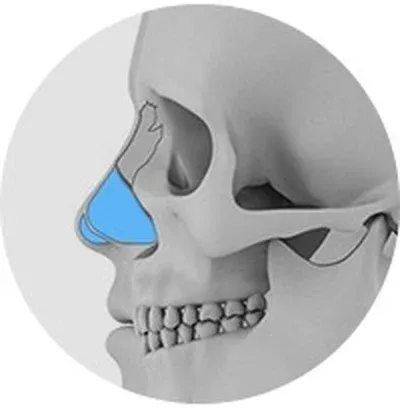
Autologous Tissue – Septal Cartilage
A structural component of the inner nasal wall, suitable for increasing Nasal Tip height and extending nasal length.
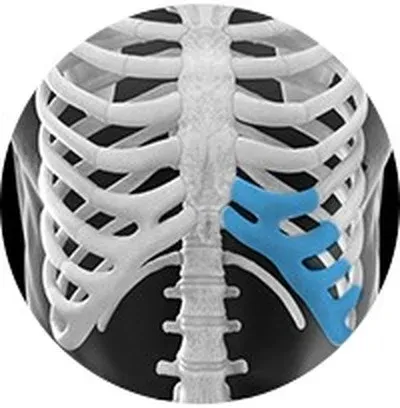
Autologous Tissue – Autologous Rib Cartilage
Rib Cartilage from the chest, typically taken from the 6th to 10th ribs; the long, straight 7th rib is used most often.
Autologous Tissue – Autologous Dermal Graft
Mainly harvested from the groin or coccyx area and used to fill beneath the Nasal Bridge when the Nasal Bridge skin has become thin or Soft Tissue is insufficient.
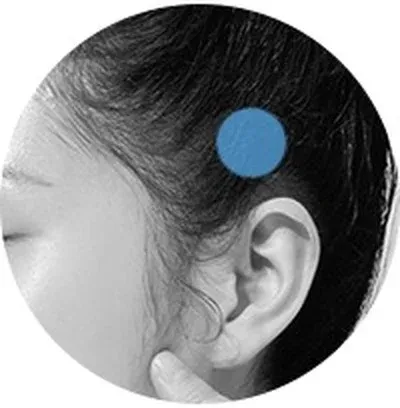
Autologous Tissue – Fascia
A fibrous membrane surrounding the muscles. Temporal fascia is mainly harvested through an incision inside the scalp to reduce show-through.
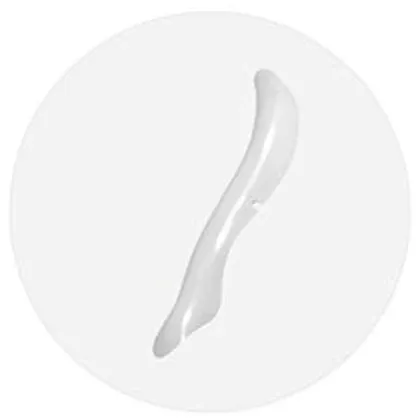
Synthetic Implant – Silicone implant
The most commonly used material for raising the nose, using products approved by the U.S. FDA. It can be finely sculpted and shaped to fit the nasal bone structure, making it suitable for augmenting the Nasal Bridge or smoothing an uneven Nasal Bridge.
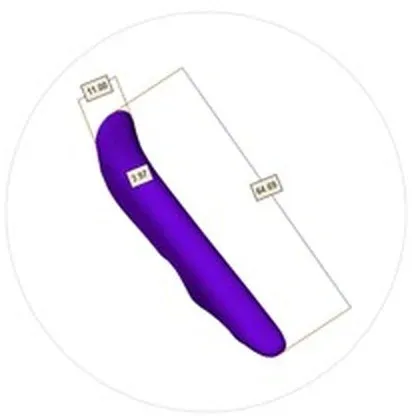
Synthetic Implant – 3D Custom Implant
A custom Silicone implant made to suit individual characteristics. Its 1:1 custom design closely conforms to the treatment area to minimize side effects and can be produced for all areas of the Face.
Surgical Method
Using a 3D image modeled to fit your Face based on 3D CT images, virtual surgery enables you to directly create your desired style and predict the surgical results.
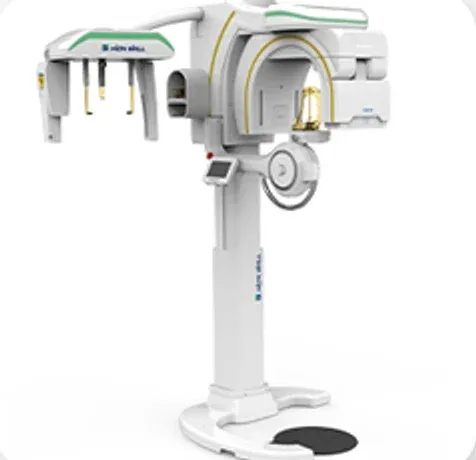
STEP 1. 3D CT Scan
A 3D CT scan captures the skeletal structure and internal anatomy of the nose.
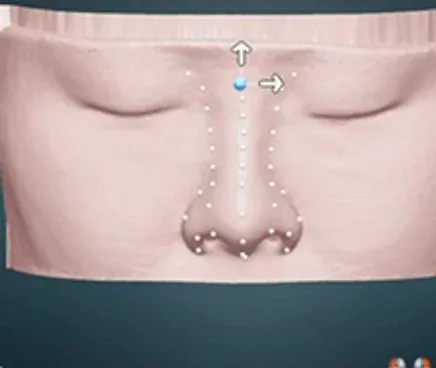
STEP 2. Creation of a 3D Facial Image
A 3D facial image is created based on the scan images.

STEP 3. Consultation Using a 3D Program
A consultation is conducted using a 3D program to virtually create the desired shape.
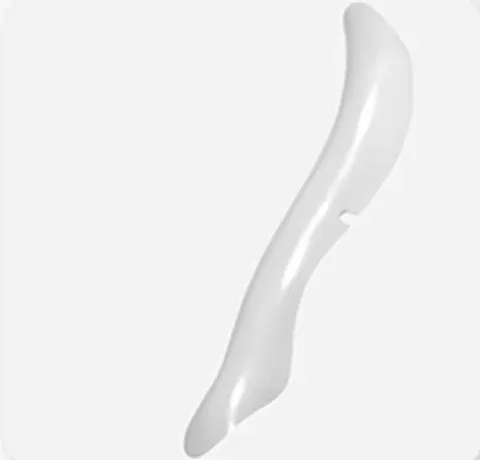
STEP 4. 3D Implant Production
A 1:1 custom implant is produced according to the consultation results.
Urban's Rhinoplasty System
Plastic surgery specialists possess technical expertise in rhinoplasty, including nasal conditions, and the physician in charge is responsible for every stage of care, from surgery through postoperative management. · Consultation and surgery by experienced rhinoplasty specialists · High patient satisfaction through experience, know-how, and skill · Improvement of both aesthetic appearance and function · Development and research for advanced plastic surgery services
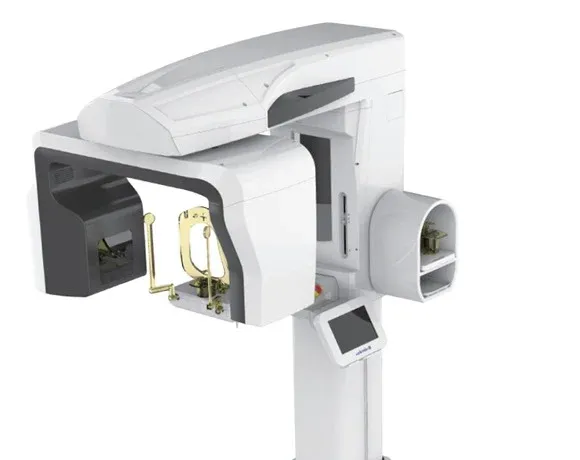
Detailed Analysis Using 3D CT
3D CT provides a detailed assessment of not only the outside of the nose but also its internal structures, allowing for a surgical plan that considers both aesthetic and functional aspects. Breathing issues and problems between structures, including Septal Cartilage, can be identified and corrected at the same time. In Rhinoplasty Revision, the position and size of the Implant and the extent of Nasal Tip Cartilage deformity can be predicted in advance for more stable surgery.
Surgical Information
| Surgery duration: Approximately 1–2 hours | Anesthesia: Sedation anesthesia | Hospitalization: Not required | Suture removal: After 7–10 days | Follow-up visits: 2–3 times | Recovery period: 7–10 days
Pre- and Postoperative Precautions
Before Surgery
· Please inform us in advance if you are taking any medications. Depending on the medication, it may need to be discontinued before surgery. · Please inform us in advance if you have a surgical history or high blood pressure, asthma, allergies, medication side effects, or similar conditions. · To prevent burns from electrical instruments used during surgery, remove all metal accessories and piercings, and remove nail polish or nail art from your hands and feet. · To prevent infection at the surgical site, wash thoroughly before surgery and wear comfortable clothing that is easy to put on and take off. · Fasting for at least 6 hours before surgery is required, including water, gum, candy, and coffee. For general anesthesia, fasting begins at midnight the day before surgery.
After Surgery
· You may shower starting the day after suture removal. Avoid irritating the surgical area and refrain from heavy makeup on the area for approximately 3 weeks. · Swelling management varies depending on the type of surgery, so please follow the hospital's instructions. · Alcohol and smoking can delay recovery and cause infection, so avoid them for at least 1 month after surgery. · For approximately 1 week after surgery, keep your head elevated above your heart, and avoid strenuous exercise for approximately 3 weeks.
Please Note
Surgical time and recovery period may vary depending on the patient's condition and the procedure method, and surgical results may differ depending on individual circumstances. The surgical method is determined through consultation with a specialist.
 URBAN PLASTIC SURGERY