
Rhinoplasty Revision
Price upon consultation
Revision surgery to correct deformation/complications/dissatisfaction after rhinoplasty
Surgery Overview
AI-generated information for reference only. Please consult a doctor for accurate, personalized advice.
Revision Rhinoplasty
By accurately analyzing the causes of failure, we create a nasal contour that harmonizes with the entire face.

Basic Surgical Information
Surgery duration: 2 hours
Anesthesia: Local anesthesia / sedation
Hospitalization: Not required
Suture removal: After 5–7 days
Follow-up visits: 2–3 times
Recovery period: 4–5 days
Recommended For
✓ Those with an unnatural or unsatisfactory result after surgery
✓ Those whose nose is crooked after surgery
✓ Those who have experienced implant-related problems
✓ Those who have difficulty breathing through the nose after surgery
✓ Those whose nasal tip is upturned or where the implant is visible after surgery
Classy Revision Rhinoplasty—No Second Failure
Revision rhinoplasty is a procedure performed again after an initial rhinoplasty when the aesthetic or functional results are unsatisfactory.
Compared with the initial procedure, revision surgery involves a greater risk of inflammation and tissue damage, requiring more precise surgical techniques.
Therefore, it is most important to undergo surgery based on thorough analysis by an experienced specialist, with a systematic approach that considers both aesthetic and functional aspects.

Various Rhinoplasty Materials
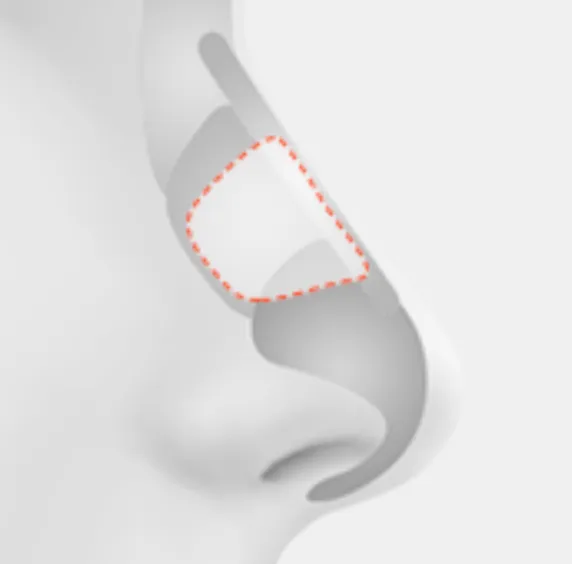
Septal Cartilage
Septal cartilage is located inside the nose and is mainly used to raise the nasal tip or lengthen the nose. Because it is harvested from inside the nose, it has the advantage of not requiring a separate incision.
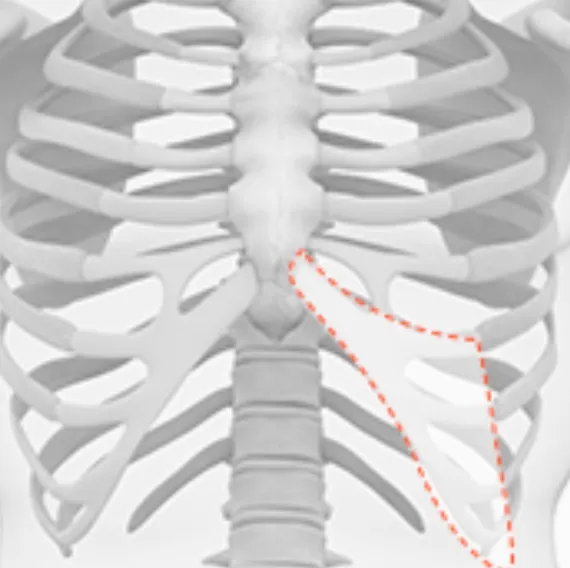
Costal Cartilage (Rib Cartilage)
Costal cartilage is ideal as a surgical material because of its excellent strength and durability. Since a sufficient amount can be obtained, it is used to achieve both functional and aesthetic goals.
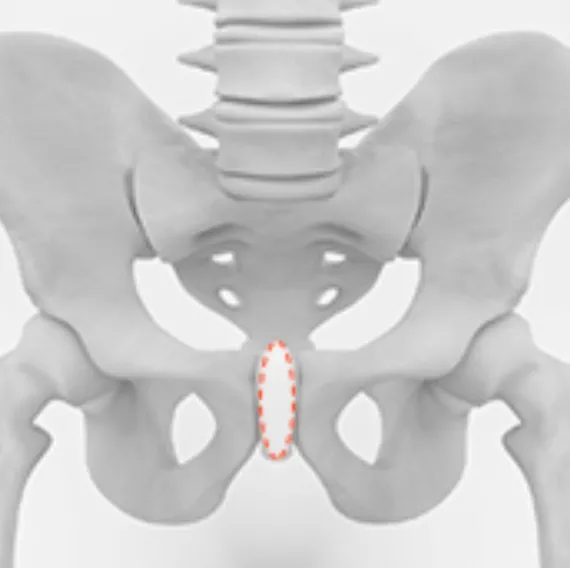
Autologous Dermis
It is mainly harvested from the buttocks or chest and is a good material for creating a natural nasal shape when the skin is thin.
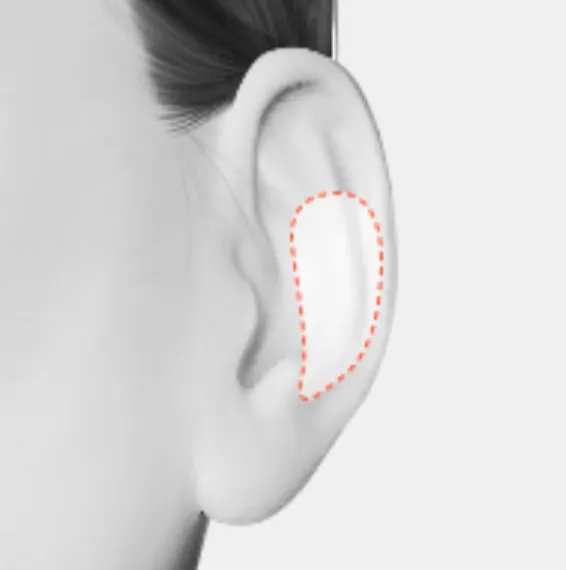
Ear Cartilage
Ear cartilage has a shape similar to that of the nose and is rounded and elastic. These characteristics make it highly useful for shaping the nasal tip and suitable for supplementing insufficient septal cartilage.
Three Principles of Revision Rhinoplasty

Ideal Facial Proportions
An ideal nose is symmetrical from side to side, with a length equal to one-third of the vertical length of the face. Its overall size, height, and other features should harmonize with the face.

Accurate Analysis and Design
Rather than simply making the nasal bridge higher, we design a beautiful nose suited to each individual by considering the shape and proportions of the nasal bridge and tip.

One-on-One Personalized Approach
Because the nose is at the center of the face, surgery is performed according to the principle of personalized treatment to achieve the greatest harmony with the forehead, cheekbones, eyes, chin, lips, and more.
Revision Rhinoplasty Methods by Type
CASE 01 When the nasal bridge implant is crooked
If the implant is shifted to one side or does not align with the shape of the nasal dorsum, the nasal bridge may appear crooked.
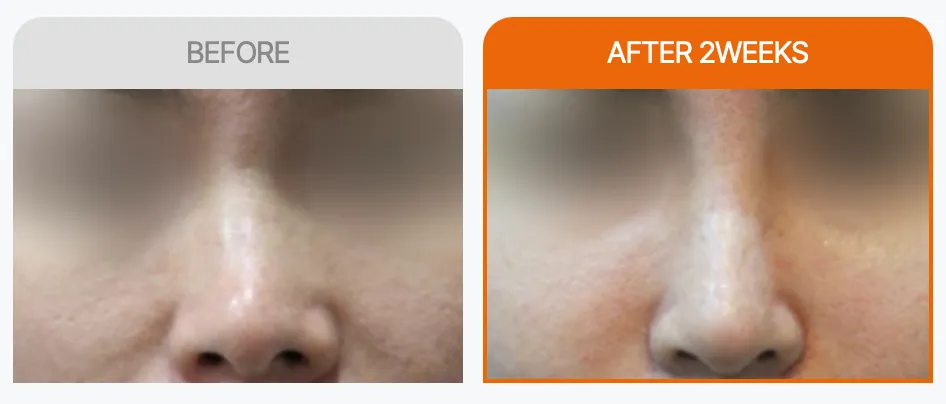
During revision surgery, the space for the implant can be recreated straight and the implant can be positioned accurately to correct the issue. However, if the crooked appearance is due not to the surgical result but to the natural shape of the nose, it should be corrected with crooked nose surgery.
CASE 02 When the nasal tip appears pinched
This occurs when the nasal tip cartilage is tied too tightly during surgery or becomes twisted after surgery, making the tissue on both sides of the nasal tip appear pinched.
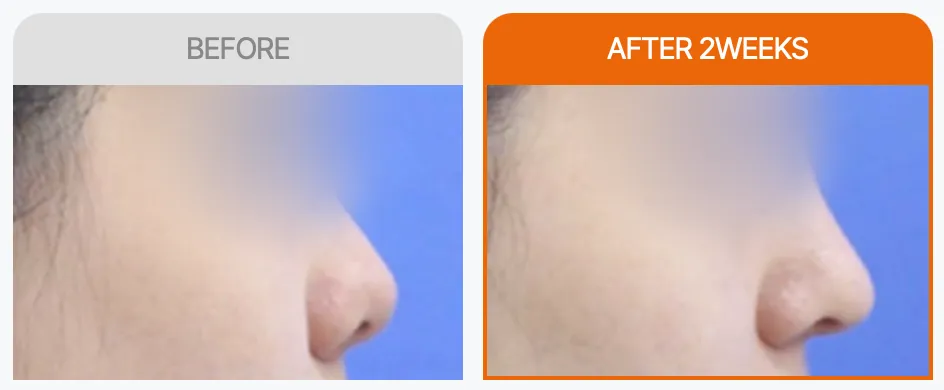
The nasal tip cartilage can be reconstructed to make the shape of the tip smooth again.
CASE 03 When the implant moves
If the implant is not placed accurately in the space between the bone and periosteum and is instead placed beneath the skin, it may move and become visible.
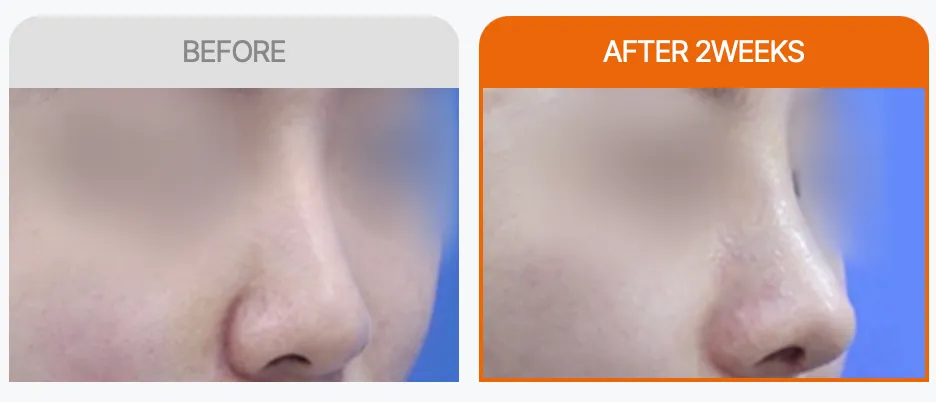
The issue can be corrected by accurately repositioning the implant beneath the periosteum.
CASE 04 Deformation of the nostril shape
This may occur when the original nasal tip cartilage is weak or when cartilage repositioning and grafting are not properly performed during surgery, resulting in collapsed or deformed nostrils, a crooked columella, or asymmetrical nostrils.
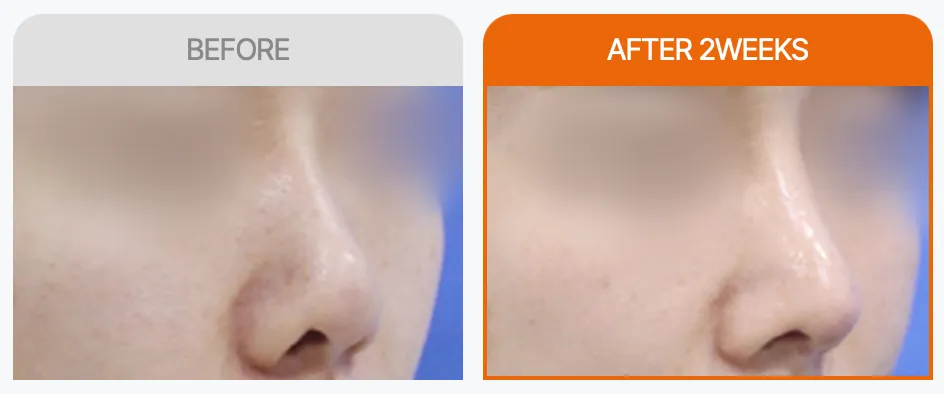
The shape can be improved by appropriately repositioning and reinforcing the nasal tip cartilage.
CASE 05 When the nose becomes upturned
After nasal surgery, infection or repeated revision procedures may cause adhesion of capsular tissue around the implant and scar tissue inside the nose, making the nose stiff and shortened, which can result in an upturned nose.
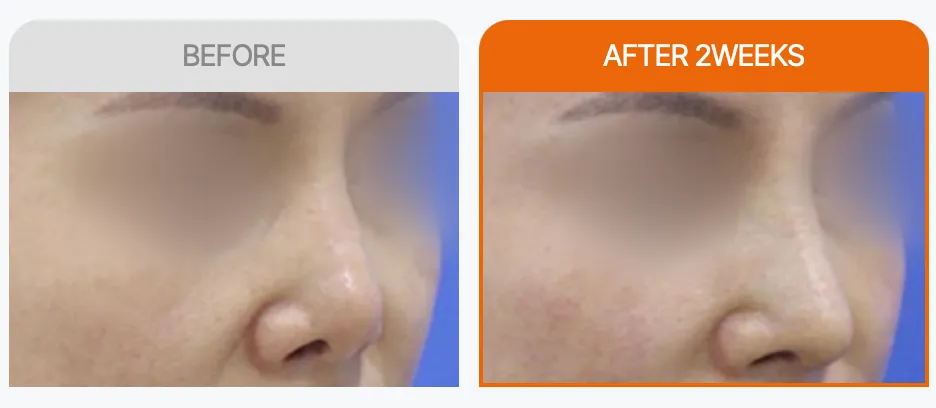
It is important to release the adhered scar tissue, sufficiently stretch the skin, and firmly reposition the nasal tip cartilage to prevent the nose from becoming upturned again.
The Key to Classy Revision Rhinoplasty
❶ Detailed 3D CT examination, even in areas not visible
We accurately analyze the cause of failure from the previous surgery.
❷ Safety Comes First
We perform more specialized procedures with safe facilities and equipment, including precise diagnostic systems and equipment specialized for emergency response.
❸ Responsibility Through Postoperative Recovery
By applying personalized postoperative care programs, we help patients return to daily life quickly through scar recovery and swelling and bruise management.
Classy Answers Your Questions!
Q&A 01
Q. Is the same implant used as in the first rhinoplasty?
A. If there were no particular issues with the implant during the initial rhinoplasty, it does not necessarily need to be replaced during revision surgery. However, in addition to dissatisfaction with the shape, most implants are replaced due to reasons such as visibility of the existing implant or inflammation.
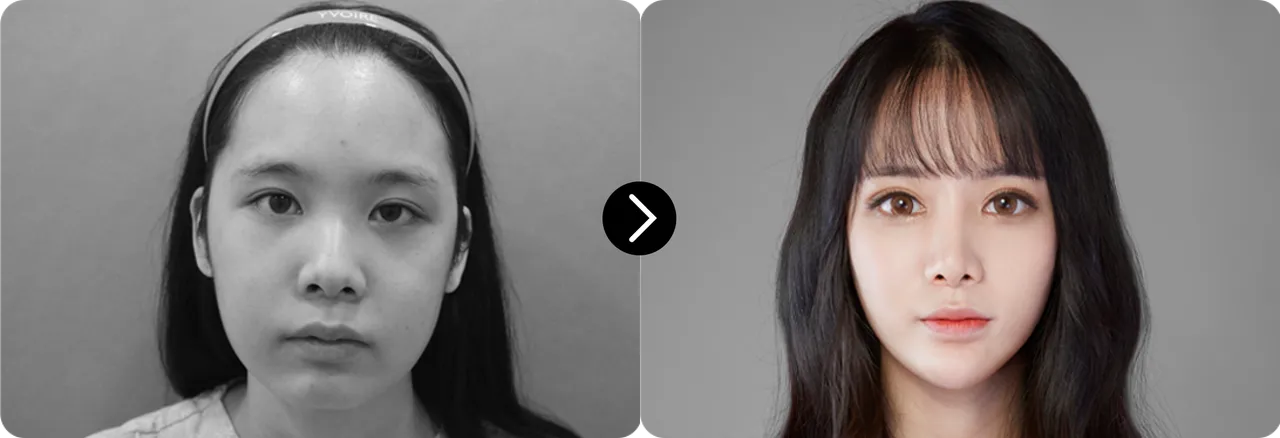
A Dramatically Different Me: Before & After Photos

Why Choose Classy: A System Focused Exclusively on Each Individual

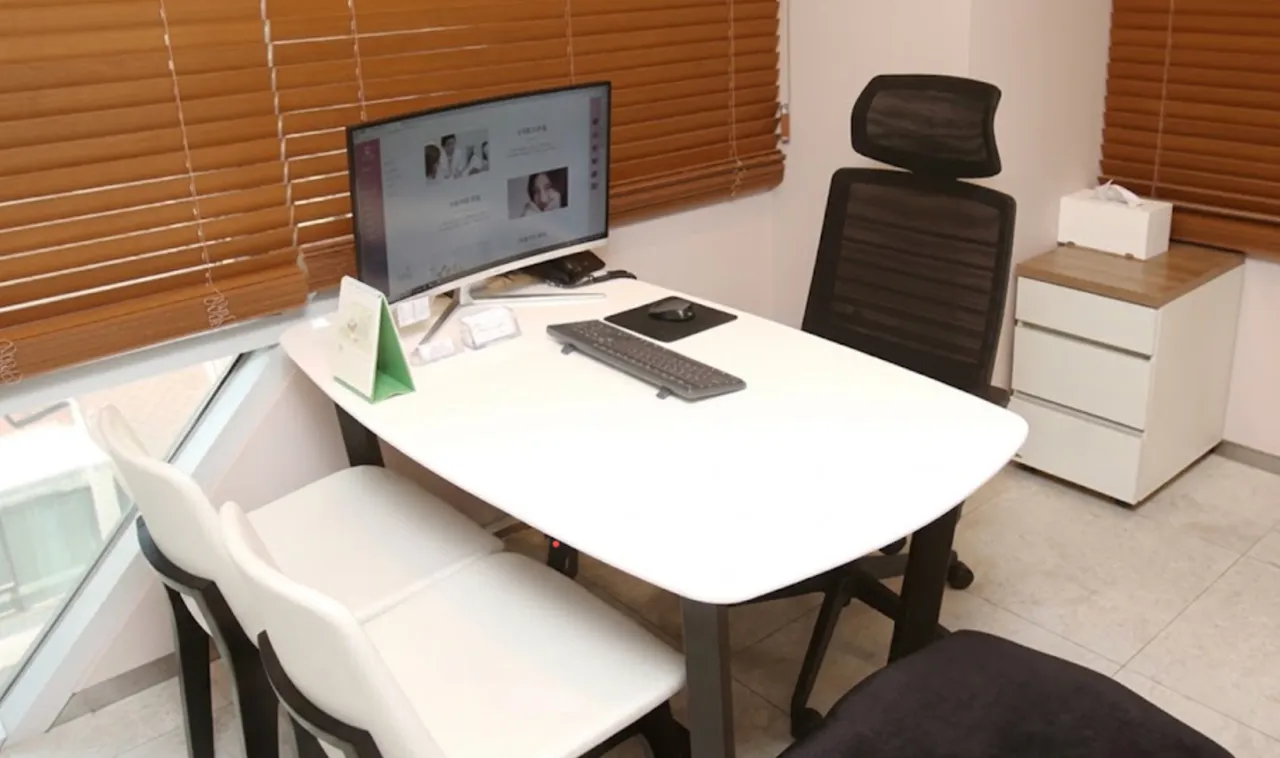
Customer-Centered Hospital
Classy is a hospital centered on patients, not medical staff.
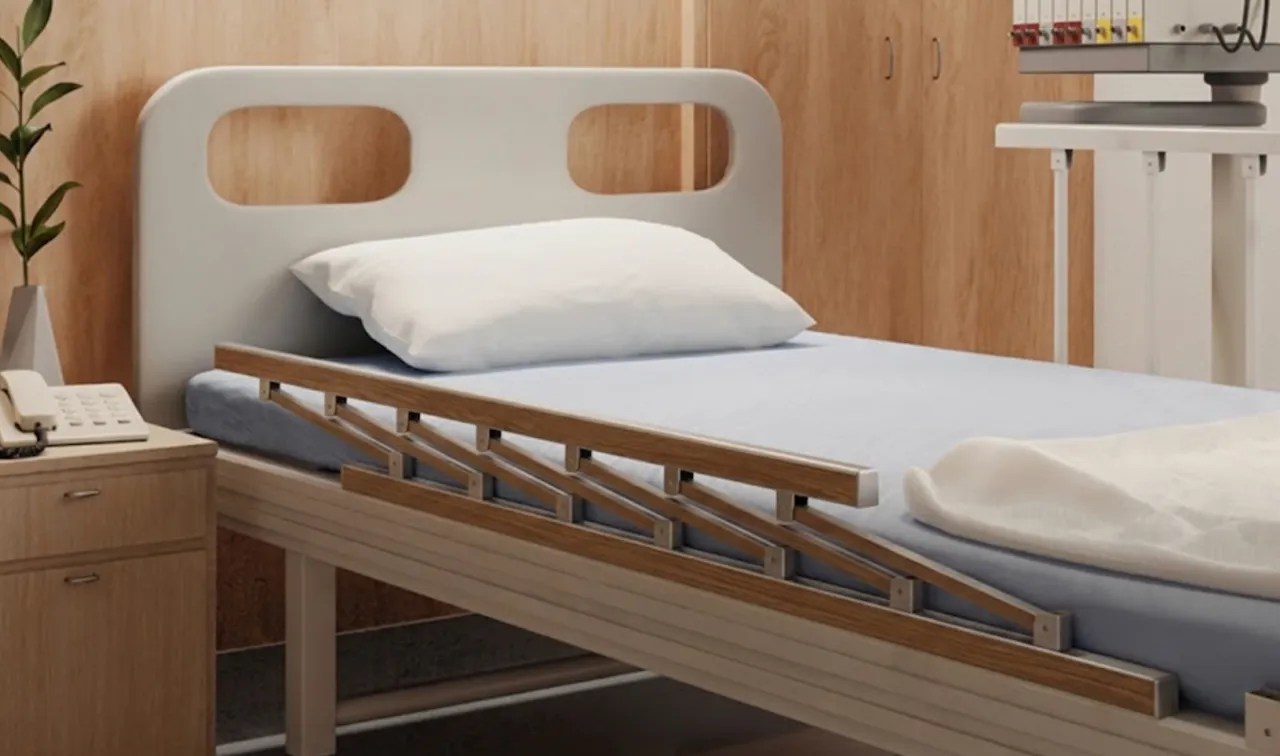
Postoperative Care
To help achieve satisfying results and ensure a speedy recovery after surgery.
Safe Surgery
We prioritize patient safety, not just surgical results.
Customer Satisfaction
Through customized care, we deliver highly satisfying surgical results.
 CLASSY PLASTIC SURGERY