
Revision Orthognathic Surgery
From 1 KRW/ surgery
양악수술 후 양악 재수술은 기존 양악수술로 인한 해부학적 변화와 조직 손상 가능성으로 인해 고난도 수술에 해당하나, 본원은 대학병원 교수 출신 의료진의 풍부한 재수술 경험을 바탕으로 재수술 분야에 대한 전문성을 갖추고 있다. 세부적으로는 1) 1차 수술 후 뼈가 약화되어 있거나 잔존 골량이 부족하여 견고한 고정이 어렵고, 2) 기존 신경 위치의 변화 또는 새로운 신경 형성으로 인해 신경 손상 위험이 높으며, 3) 이미 신경 손상이 동반된 상태로 내원하는 경우도 많다. 또한 4) 신경과 치아를 보호할 수 있는 잔존 골량이 충분하지 않아 치아 손상 및 신경 손상 위험이 높고, 5) 중요 혈관이 기존 수술로 손상되어 있는 경우에는 더욱 정교하고 신중한 접근이 요구되며, 6) 반흔(흉터) 조직으로 인해 박리 및 분리 과정이 어려워져 수술 난도가 한층 상승한다. 더불어 7) 기존 삭제 부위의 복구가 필요한 경우 자가골이식이 병행될 수 있는데, 3D 분석을 통해 수술 부위에서 채취 가능한 자가골의 위치를 확인하고 이를 필요한 부위에 이식할 수 있으며, 본원은 이 과정에서 요구되는 골 채취, 골이식, 고정 및 최소 흡수를 고려한 수술 경험을 풍부하게 보유하고 있다.
Surgery Overview
AI-generated information for reference only. Please consult a doctor for accurate, personalized advice.
Before & After
See MoreThis is truly the last time.
Revision surgery begins by listening more deeply than the first time.
Because we understand the concerns you have carried for so long, we provide your final surgery with expertise built since our university hospital days.
SEOULFACE21Revision Surgery
CASE 01
Revision two-jaw surgery after previous two-jaw surgery
CASE 02
Two-jaw surgery after facial contouring surgery (cheekbones, square jaw, chin)
CASE 03
Two-jaw surgery after protruding mouth surgery
-
SeoulFace21 is with you to give you the confidence that this is truly the end.
Revision two-jaw surgery requires a high level of expertise, precise planning, and refined surgical techniques.
Based on extensive clinical experience and data, SeoulFace21 carefully determines the necessity and feasibility of surgery through thorough consultation and diagnosis, and stays with you until the end to give you confidence that this will be the last time.
Causes of Revision Surgery
- Inappropriate diagnosis
Insufficient understanding of the patient's needs
Inadequate equipment and facilities for data acquisition
- Surgical errors (functional dissatisfaction)
Due to the previous provider's insufficient functional understanding of occlusion and the temporomandibular joint,
and lack of surgical experience
- Insufficient effect (aesthetic dissatisfaction)
When surgical planning and communication during consultation
have not been properly carried out
SEOULFACE21 POINT
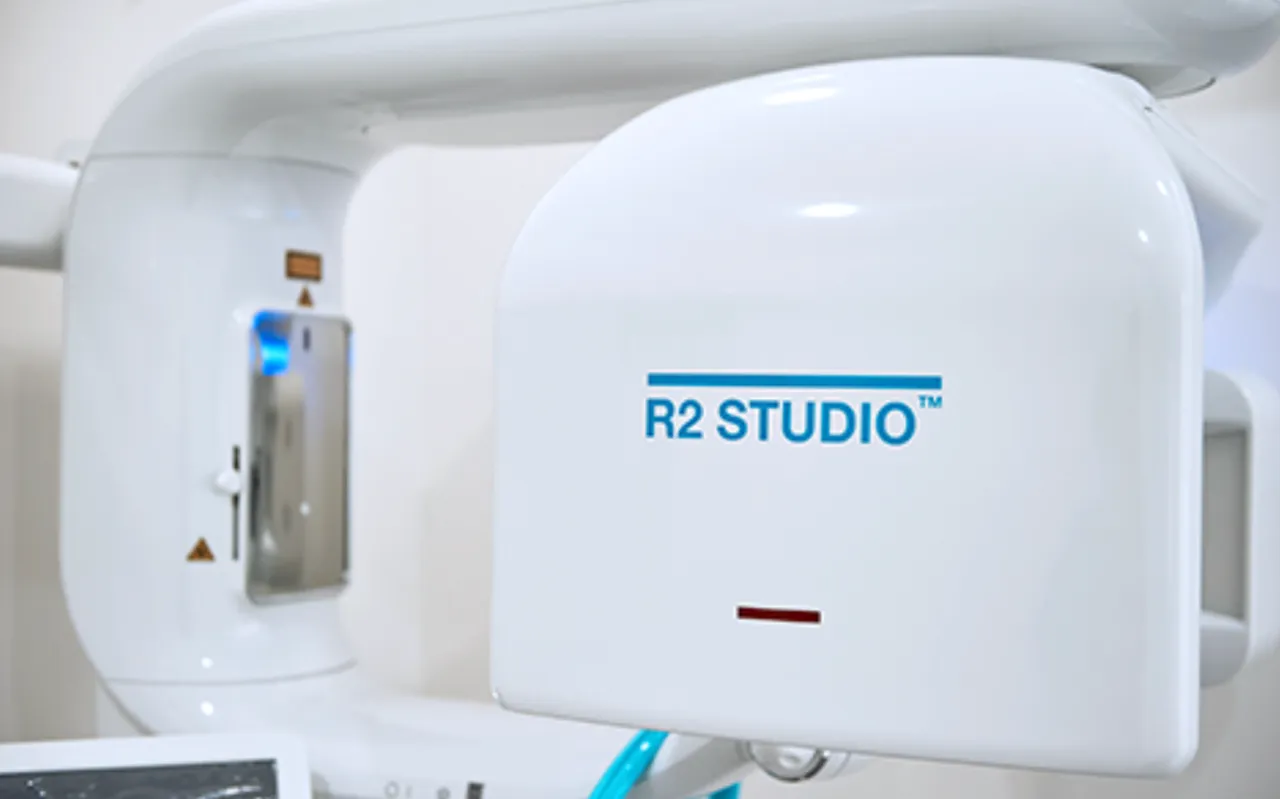
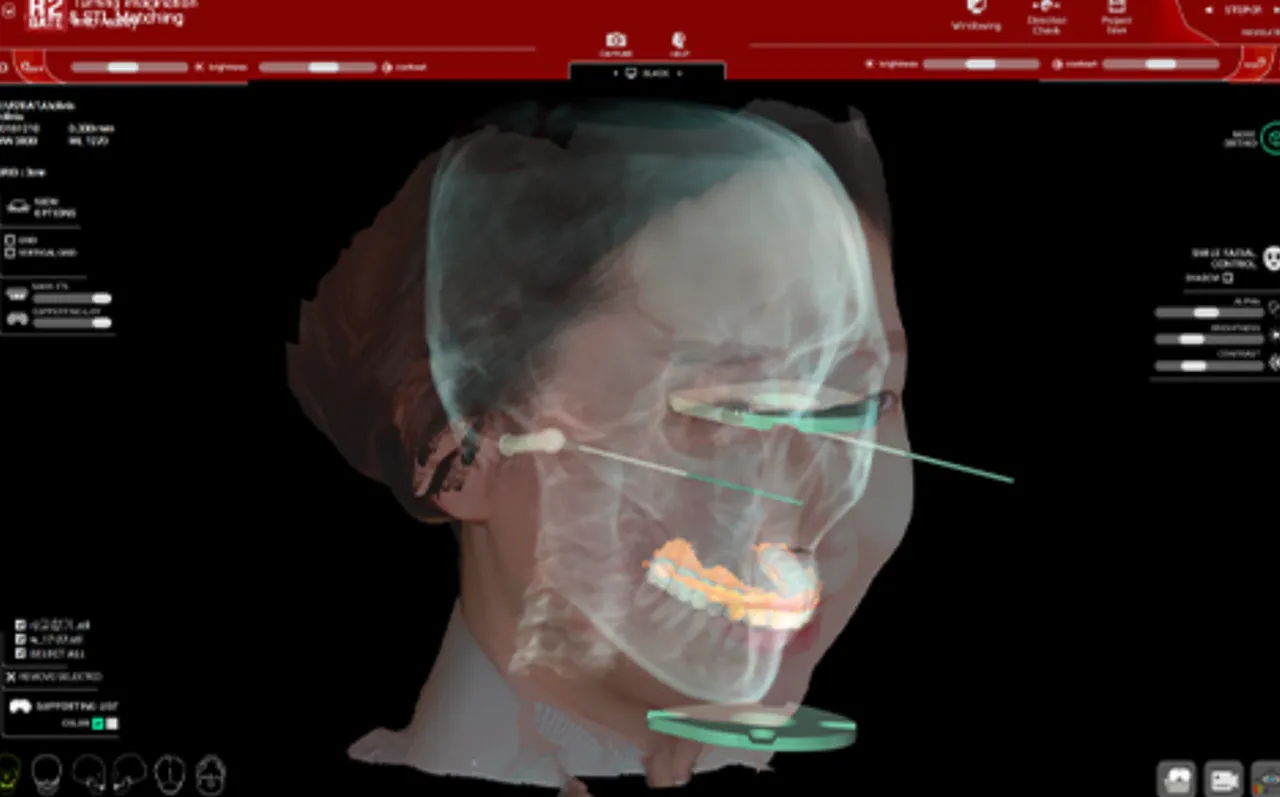
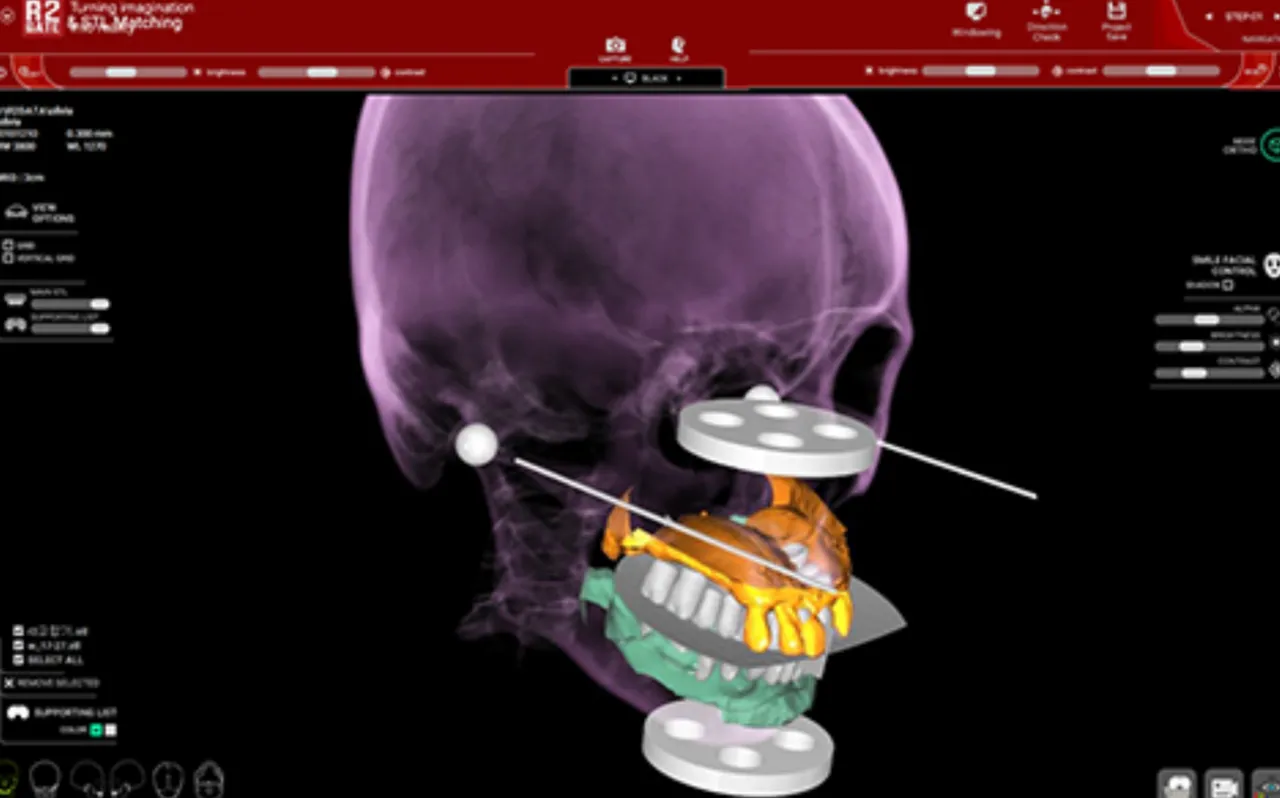
POINT. 01
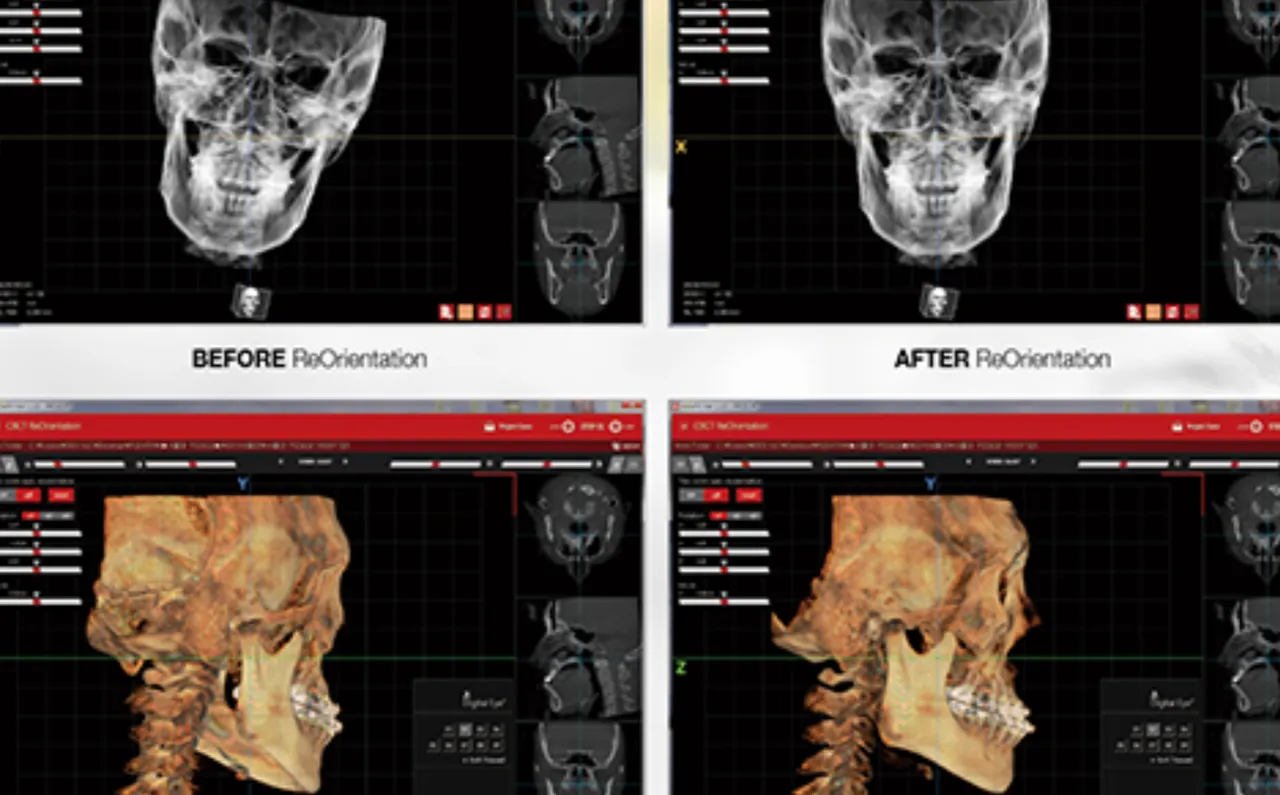
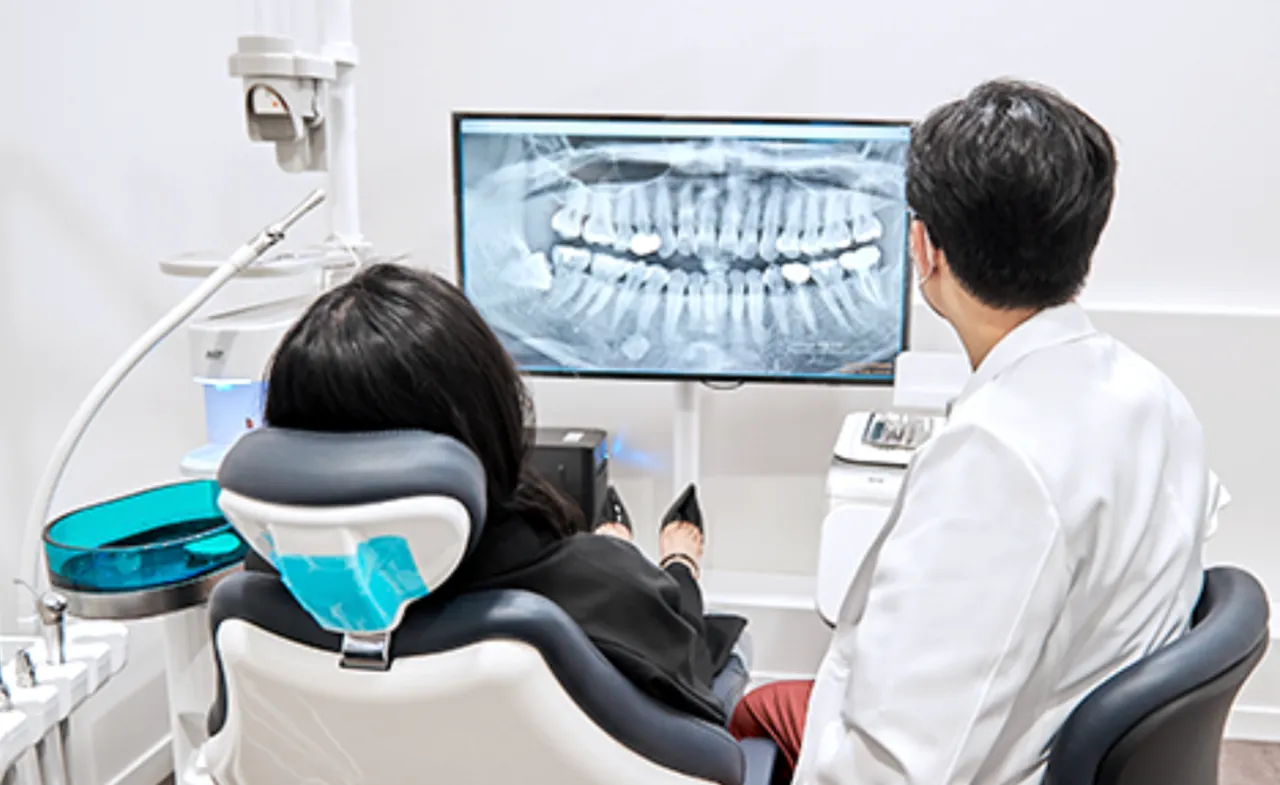
Accurate data acquisition and thorough analysis
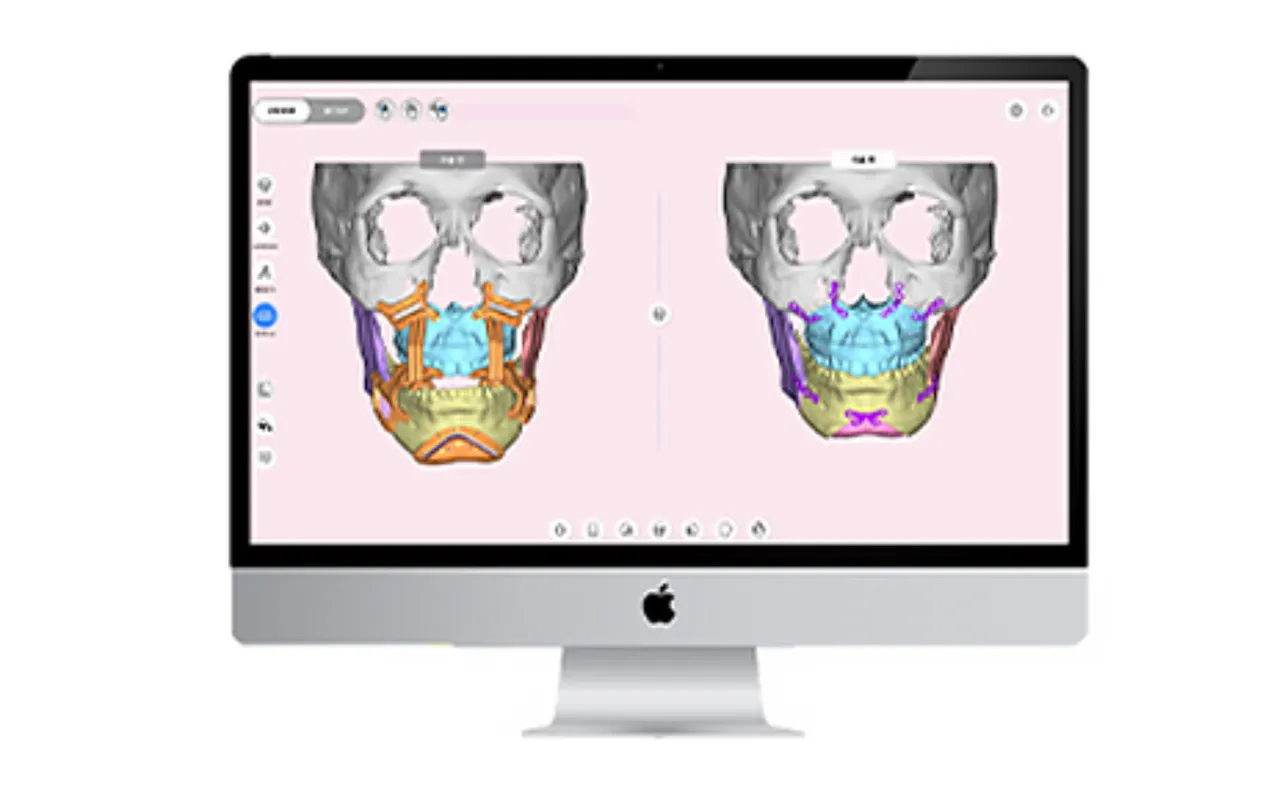
POINT. 02
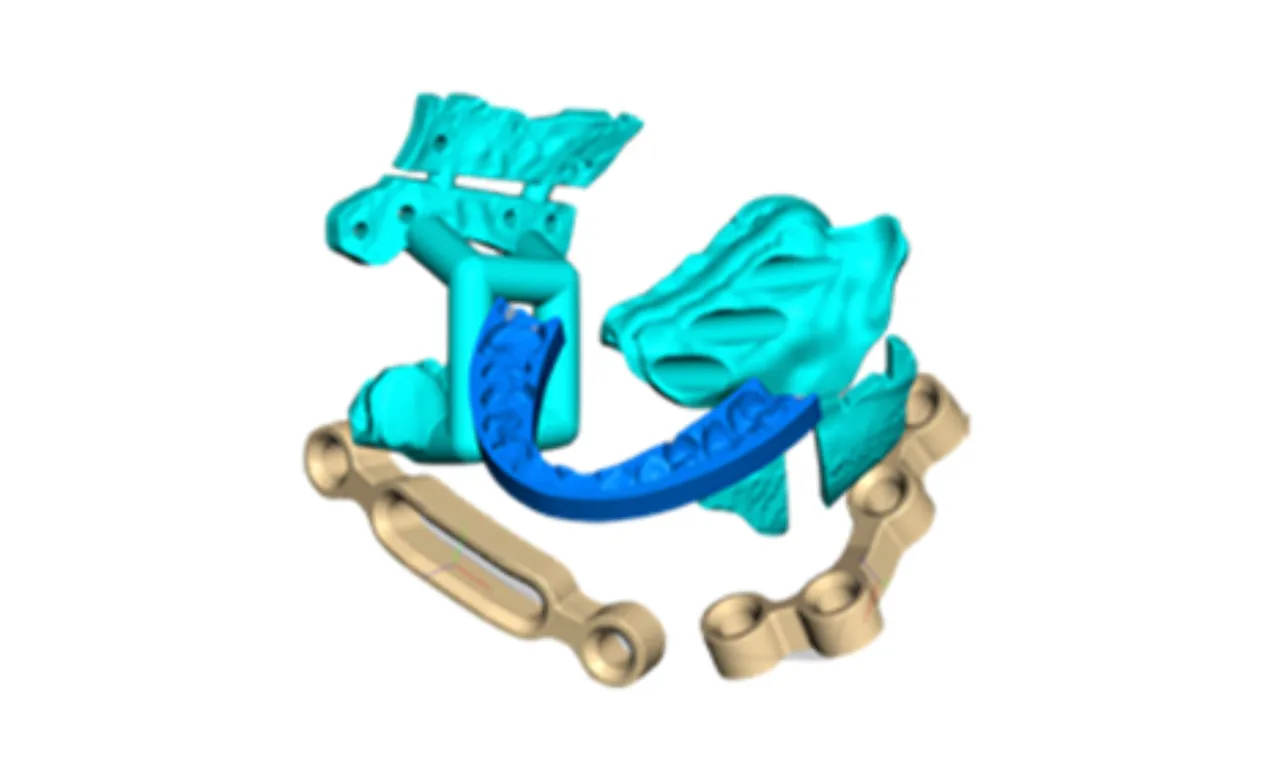
SeoulFace21's efforts and expertise to minimize errors

POINT. 03
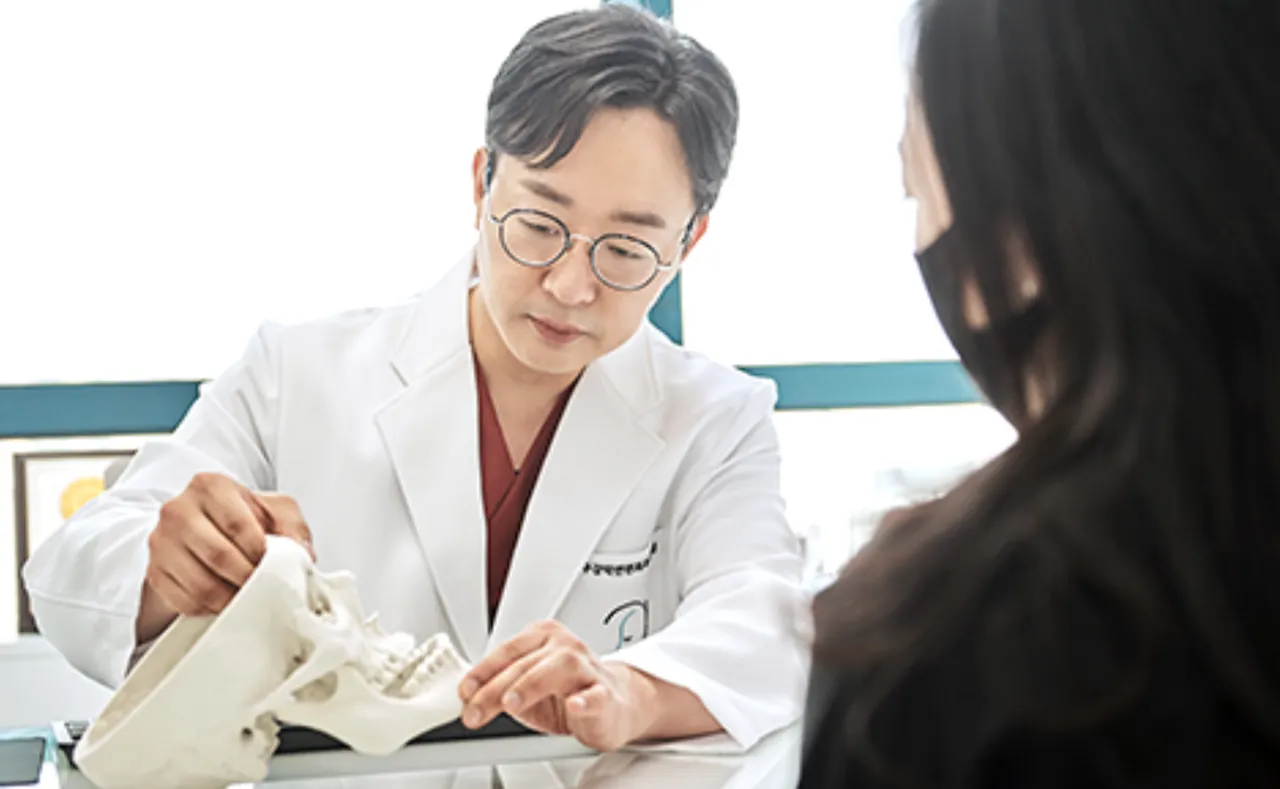
Meticulous one-on-one personalized consultations by the chief director, based on experience with a wide range of consultation cases and with an emphasis on actively reflecting each patient's aesthetic preferences
Why Revision Two-Jaw Surgery Is Difficult
- Altered anatomical structures
The initial surgery may alter the anatomical structure of the face and change the locations of nerves and blood vessels, increasing the risk of nerve injury, dental damage, and bleeding during revision surgery.
- Limited bone structure and insufficient fixation points
Insufficient understanding of the patient's needs
Inadequate equipment and facilities for data acquisition
- Extended recovery period
Because tissue responses are difficult to predict in revision surgery, recovery may be slower, and swelling or pain may be more severe.
-
Even such difficult revision surgery is possible at SeoulFace21.
SeoulFace21's technical expertise anticipates even the variables of revision surgery.
With the resolve that this will be the last time, we take a precise approach again from the beginning.
SEOULFACE21
Revision Two-Jaw Surgery Procedure

- Surgery duration
2–3 hours
※ Individual differences may occur depending on the patient.

- Anesthesia method
General anesthesia
- Hospitalization
2 nights, 3 days

- Suture removal
After 2 weeks

- Follow-up visits
3–4 visits
- Recovery period
Approximately 2 weeks to 1 month
| Detailed Diagnosis and Surgical Planning
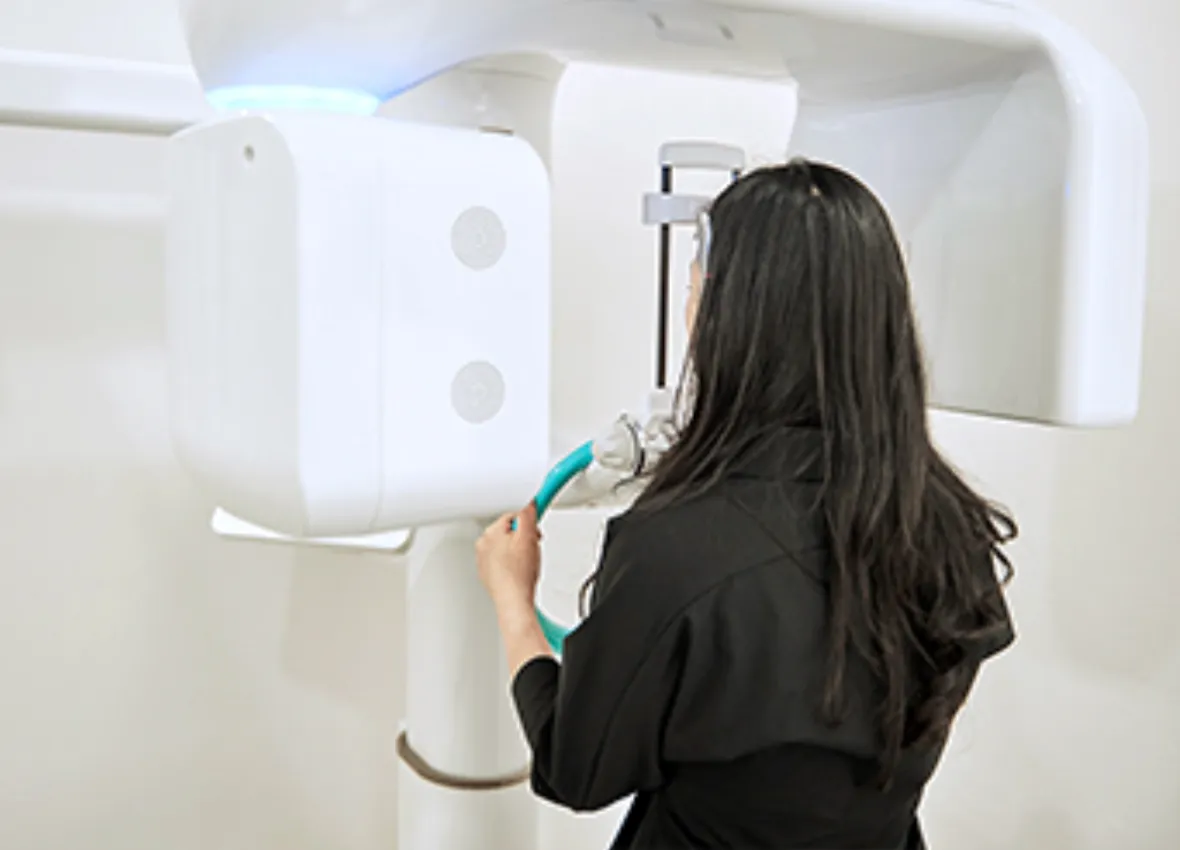
· The current jawbone structure and occlusal condition are accurately analyzed using 3D CT and facial scanning.
· Previous surgical records are compared with the current condition to identify issues and establish the need for and goals of revision surgery.
· A personalized surgical plan considering both functional and aesthetic aspects is established through multidisciplinary collaboration among medical specialists.
| Preoperative Preparation and Orthodontic Treatment
· Surgery is performed under general anesthesia, and new osteotomy lines are planned in consideration of previous osteotomy sites.
· The positions of the maxilla and mandible are readjusted to balance occlusion and facial appearance.
· Fixation devices are used to securely maintain the new jawbone position.
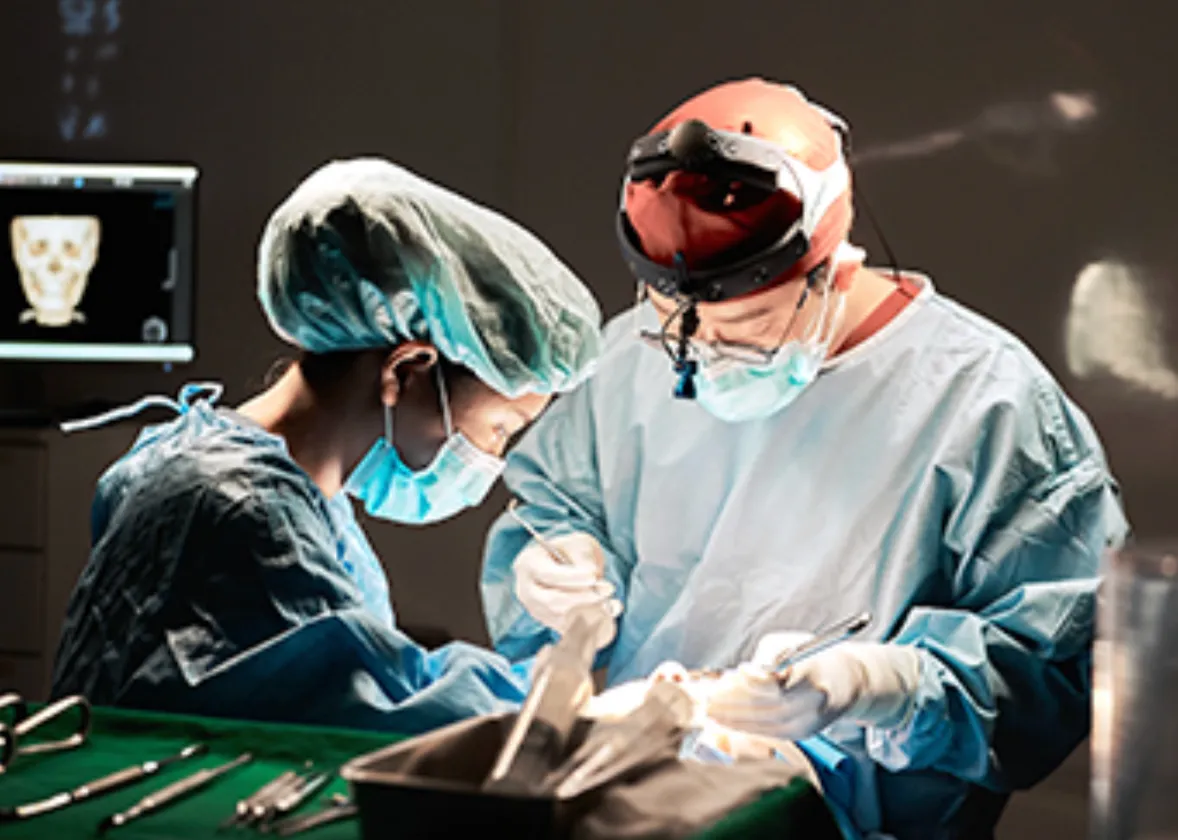
| Revision Surgery
· Surgery is performed under general anesthesia, and new osteotomy lines are planned in consideration of previous osteotomy sites.
· The positions of the maxilla and mandible are readjusted to balance occlusion and facial appearance.
· Fixation devices are used to securely maintain the new jawbone position.
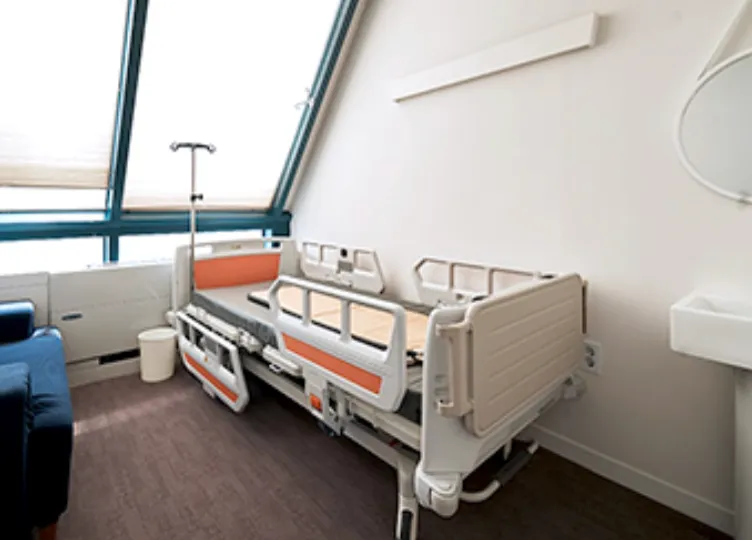
| Postoperative Care and Recovery
· Medication and cold compresses are used to manage postoperative swelling and pain.
· Dietary adjustment is recommended, beginning with a liquid diet and gradually transitioning to regular meals.
· Regular follow-up examinations confirm the stability of the surgical site and occlusal condition.
-
Cases That Require SeoulFace21 Two-Jaw Surgery
- When postoperative occlusion does not align properly, causing problems with chewing function
- When there is temporomandibular joint pain or difficulty opening the mouth
- When facial asymmetry still remains
- When satisfaction with changes in appearance is low
- When sensory abnormalities or pain persist at the surgical site
Revision Two-Jaw Surgery FAQ
Q. When should revision two-jaw surgery be considered?
In general, revision surgery is considered approximately 6 months to 1 year after the first surgery.
This is after the tissues have stabilized and swelling has subsided, allowing the surgical outcome to be accurately evaluated.
Q. Do pins or plates inserted during the previous surgery need to be removed during revision surgery?
It depends on the case. If the existing fixation hardware poses no problem and does not interfere with the revision plan, it may be left in place.
However, it may be removed or replaced if there is infection, malposition, or a functional problem.
Q. How long is the recovery period after revision surgery?
Recovery may take longer after revision surgery because tissue responses are difficult to predict.
Initial recovery generally takes about 2 to 4 weeks, while complete recovery may take several months.
Q. Can revision surgery resolve all problems?
Revision surgery aims to improve issues from the first surgery, but not all problems may be resolved completely.
It is important to have realistic expectations and establish a surgical plan through thorough consultation with medical specialists.
Before surgery, precise 3D facial analysis helps prevent the risks of facial bone surgery in advance.
SeoulFace21 uses a high-performance 3D diagnostic system and 3D virtual surgery program to systematically simulate everything from detailed preoperative analysis and the surgical process to anticipated postoperative changes in facial shape.
This enables us to establish personalized surgical plans that reflect each patient's skeletal structure and characteristics, providing more precise surgery.
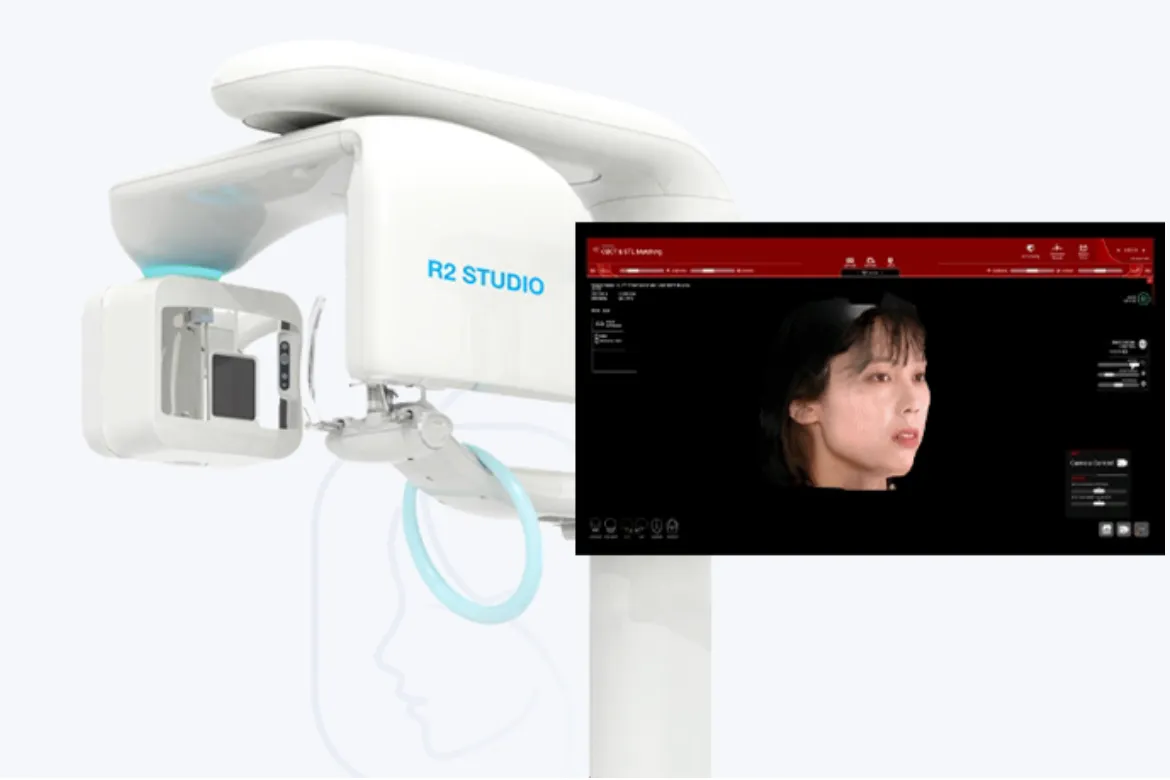
STEP 01 | 3D Diagnosis
The patient's actual face is scanned and superimposed three-dimensionally on CT images to analyze facial soft tissue and skeletal hard tissue together.
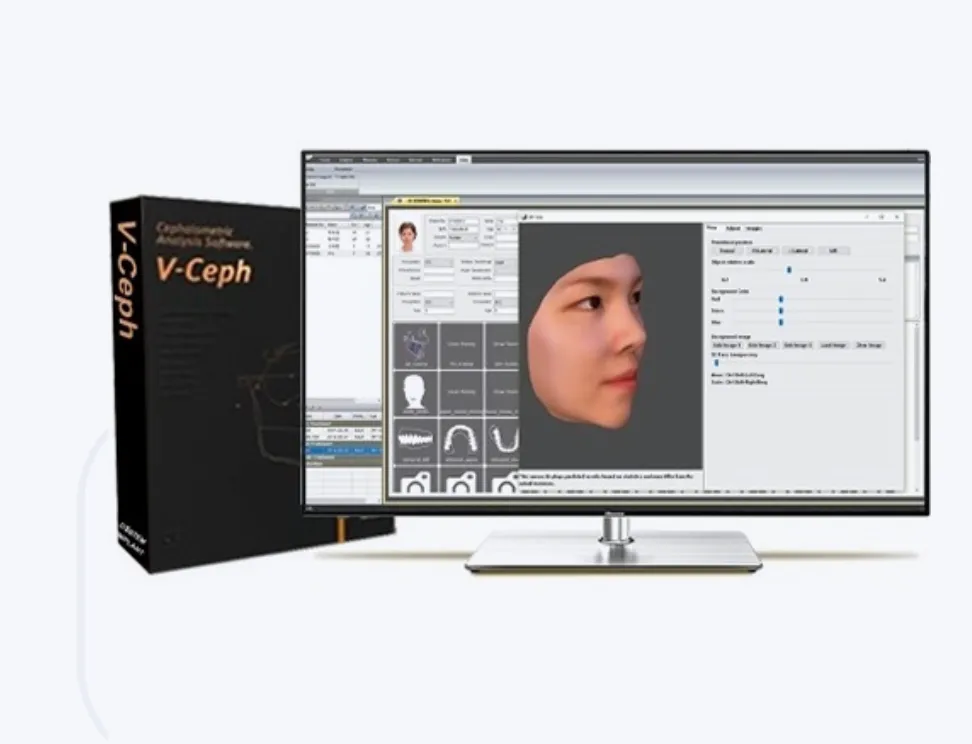
STEP 02 | 3D Analysis and Planning
A surgical plan is established through precise three-dimensional analysis of the condition of facial hard tissue.
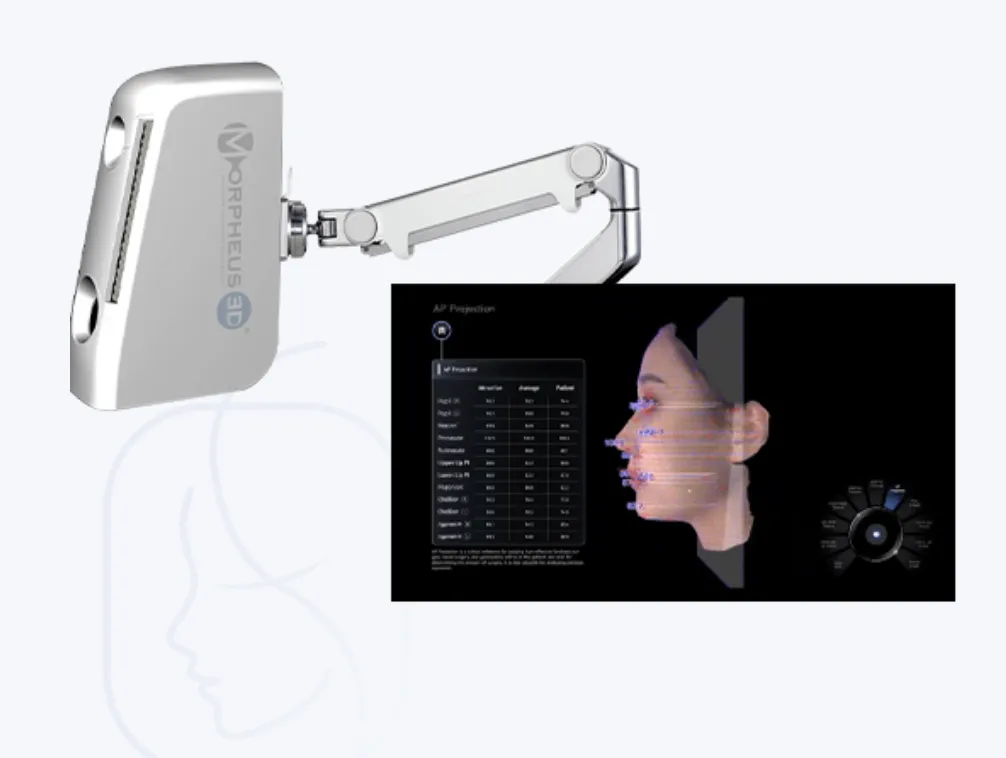
STEP 03 | 3D Virtual Surgery and Postoperative Facial Appearance Prediction
High-precision scanning allows immediate visualization of the three-dimensional postoperative face.
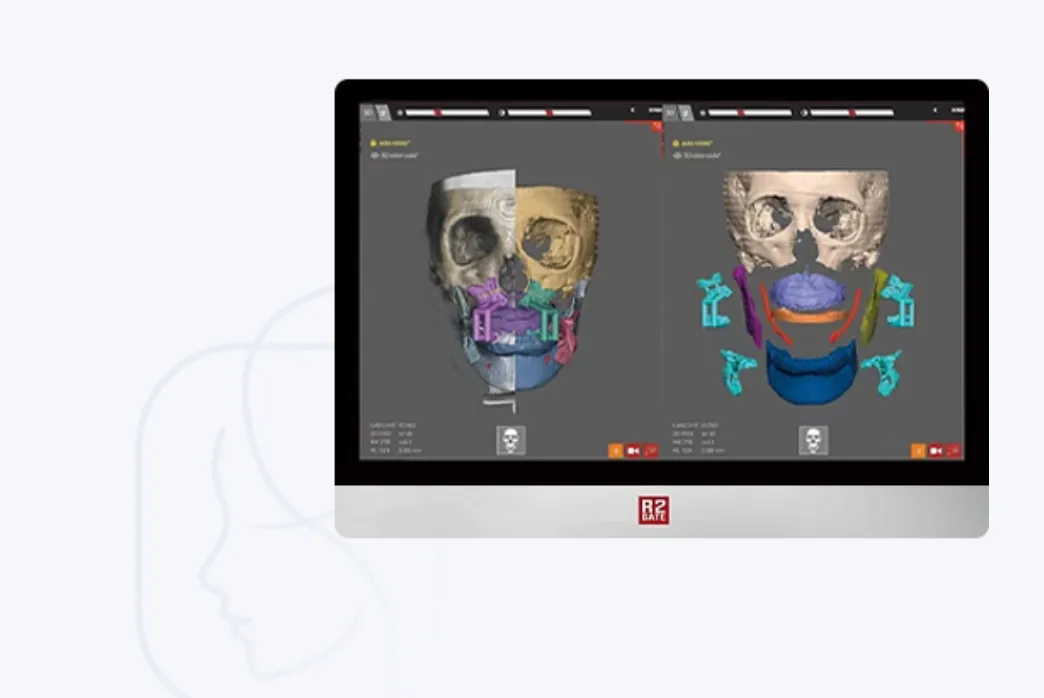
STEP 04 | 3D Simulated Surgery
Digital mock simulation and surgery are performed on CT images, with feedback to identify any shortcomings in the surgical plan before establishing a refined surgical plan.
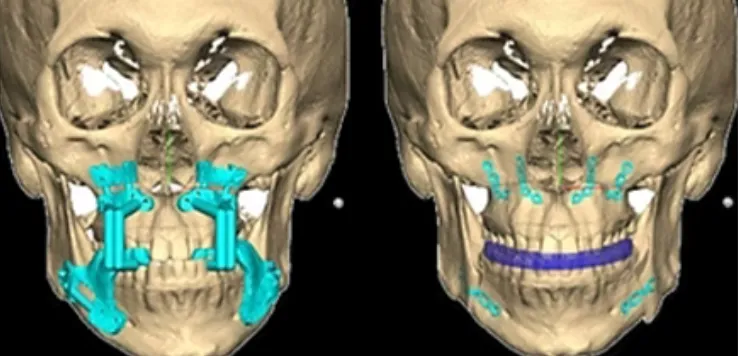
STEP 05 | 3D Device Fabrication and Surgery
After producing patient-specific surgical devices through a 3D process, precise surgery is performed according to plan, potentially reducing surgery time.
Why should you choose SeoulFace21 for two-jaw surgery?
#01 Performed by an Oral and Maxillofacial Surgery Specialist
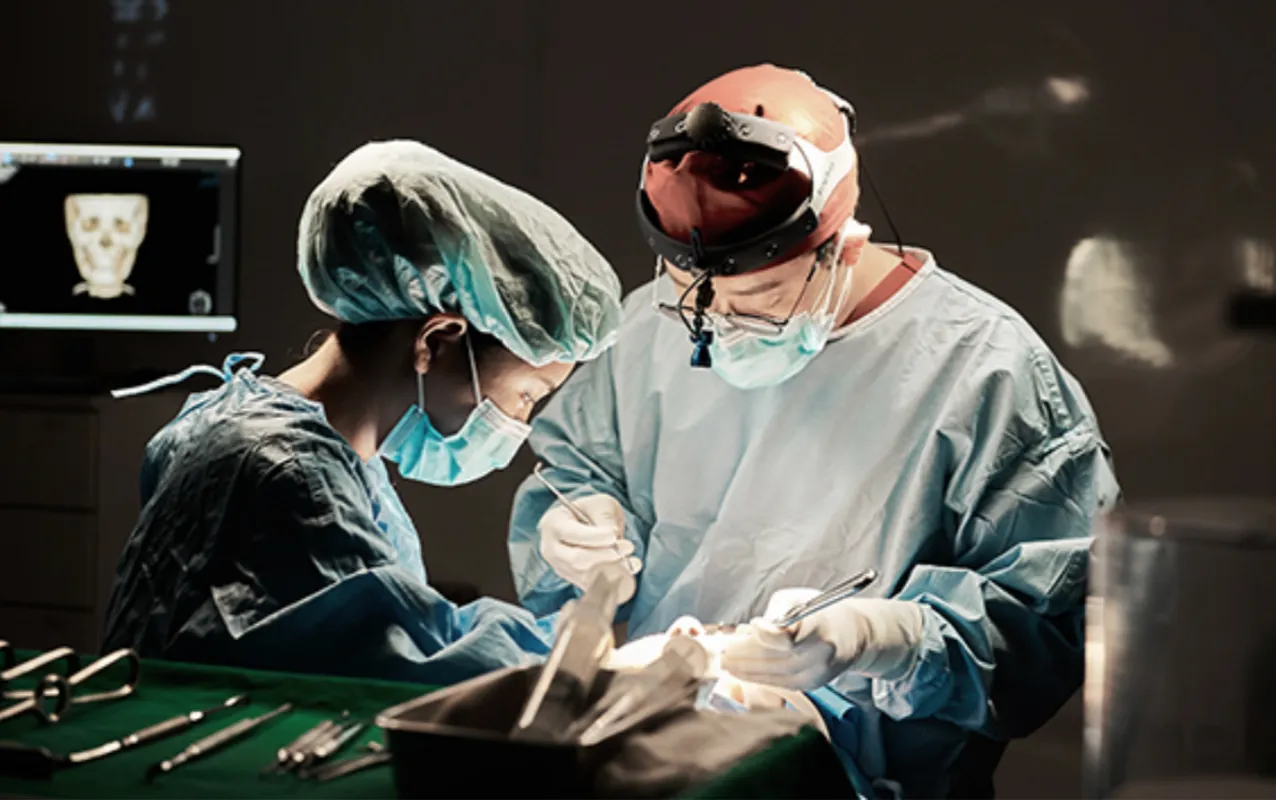
Intraoral incision surgery is within the field of oral and maxillofacial surgery.
Jaw surgery is not simply a procedure of cutting and fixing bone. It requires precise handling of complex intraoral structures, including the temporomandibular joint, nerves, blood vessels, mucosa, teeth, and gums, which is the domain of oral and maxillofacial surgery specialists.
At SeoulFace21, oral and maxillofacial surgery specialists perform surgery based on an in-depth understanding of intraoral anatomy to minimize postoperative complications such as malocclusion, nerve injury, gingival recession, and scarring.
#02 Sincere One-on-One Personalized Care
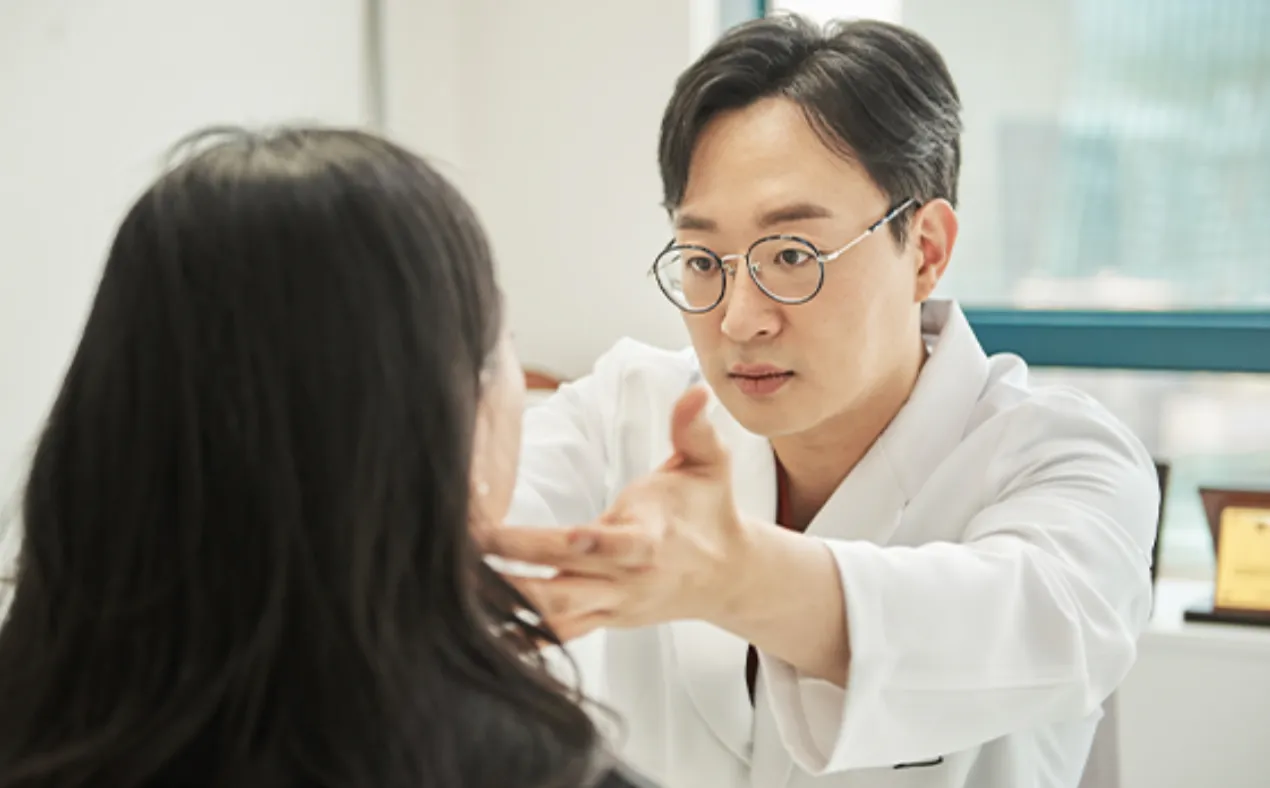
SeoulFace21 listens to patients first.
SeoulFace21 performs subnasal osteotomy, which preserves the original position of the nasal bones and preoperative structure, while also osteotomizing the inner nasal bones to prevent bending of the septal cartilage.
In addition, double-layer closure with proven absorbable sutures minimizes nasal widening.
#03 Stable Results Through Exceptional Expertise
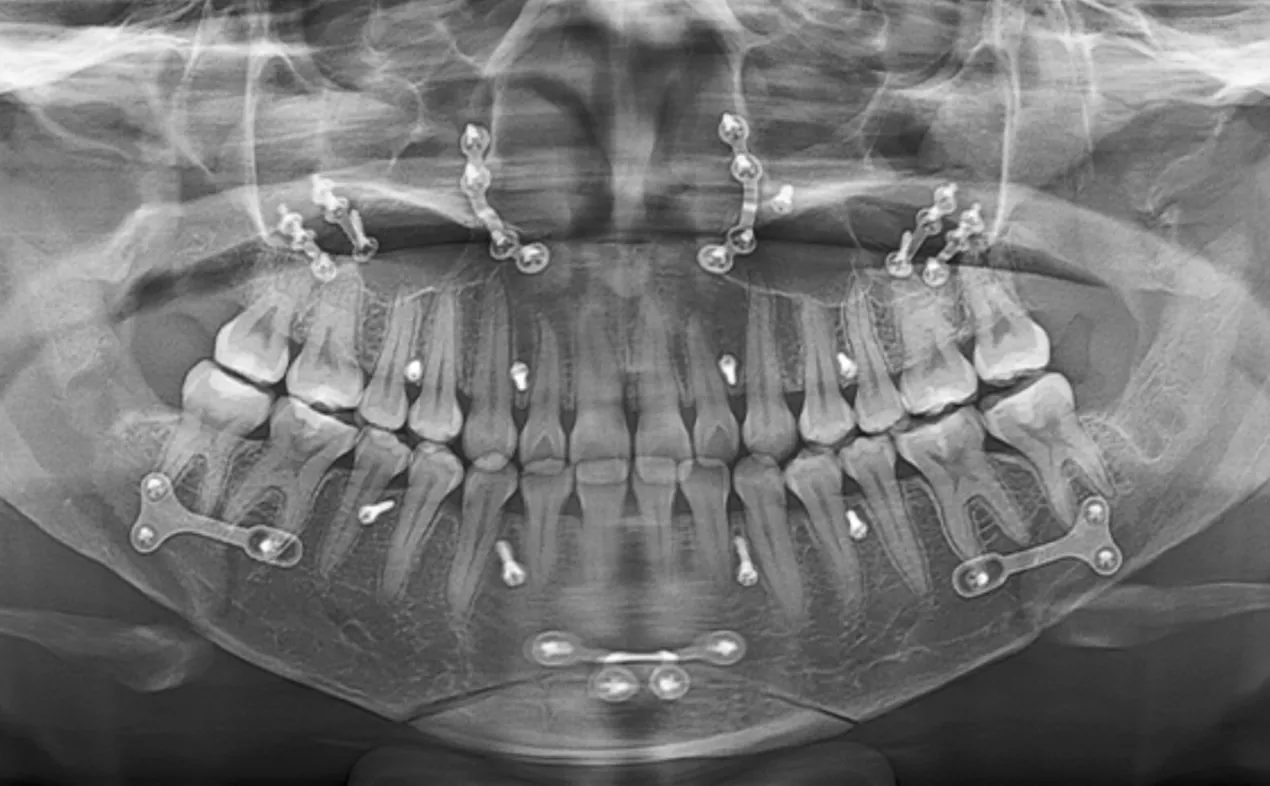
The chief director's refined expertise and technical skill achieve stable surgical results.
SeoulFace21 combines precise technical capabilities with the chief director's exceptional surgical expertise to deliver more refined and stable surgery.
Based on the chief director's extensive clinical experience at Seoul National University Dental Hospital and Chung-Ang University Hospital Dentistry, as well as a deep understanding of facial bone structure, surgical plans are carefully designed to satisfy both function and aesthetics.
#04 Natural Results Without an Operated Look
Achieving a natural smile without an obvious surgical appearance.

Through cinch suturing to prevent nasal widening, V-Y suturing of the upper lip, and subnasal osteotomy, SeoulFace21 minimizes lip thinning after two-jaw surgery to create a beautiful, natural-looking postoperative smile.
Preoperative Internal Medicine Co-Management System
In addition to basic blood tests, a range of items are thoroughly checked before surgery, including electrocardiography, chest X-rays, urinalysis, and oxygen saturation testing.
Through co-management with an internal medicine specialist, health risks are identified and addressed in advance to enhance surgical safety.
Anesthesiology Specialist Co-Management System
An anesthesiology specialist directly manages maintenance of anesthesia, airway security, and monitoring of cardiovascular responses during surgery to support stable anesthesia and surgery.
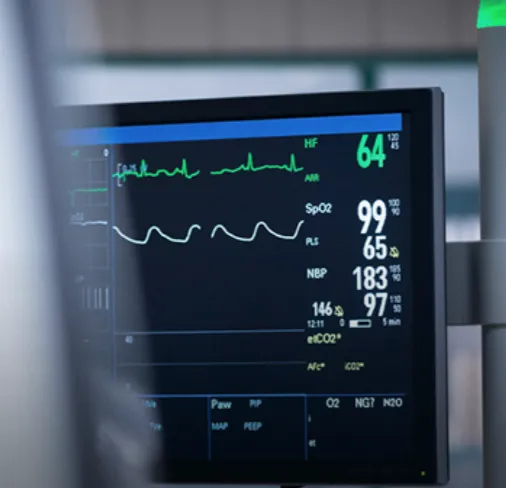
Real-Time Patient Monitoring
A central patient monitoring system monitors vital signs (blood pressure, oxygen saturation, heart rate, etc.) for a period immediately after surgery, enabling early detection of and rapid response to abnormal signs.
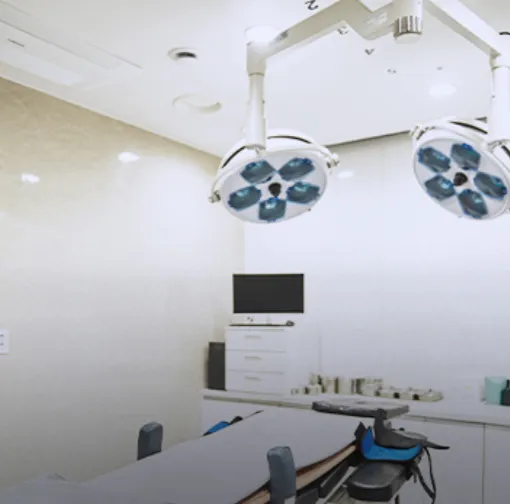
Sterile Air-Handling Systems in All Operating Rooms
All operating rooms are equipped with high-performance sterile air-handling systems that block airborne bacteria and dust, providing a clean surgical environment that minimizes infection risk.
Meticulous hygiene management, down to the smallest details, enables safer surgery.
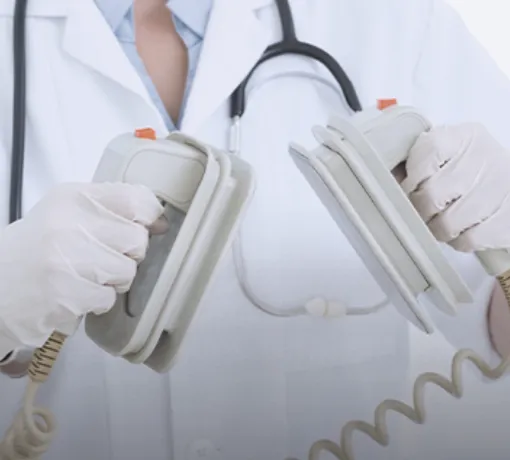
Comprehensive Emergency Response System
The chief director, certified in basic life support and advanced cardiac life support, responds promptly in the event of an emergency.
Equipment and systems for immediate emergency response are fully in place, including an automated external defibrillator (AED) and emergency airway management equipment.
 SEOULFACE21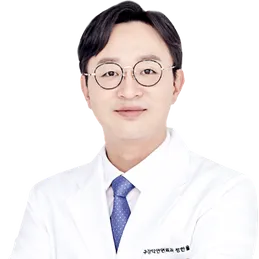
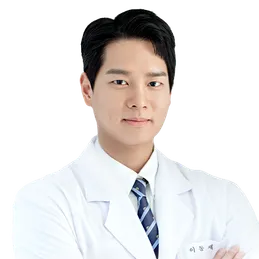

Helpful tip
Found a before & after image you're interested in? Tap the magnifying glass button in the lower right to start a consultation right away.
AI Review Summary
Clear and detailed explanation of procedures
Minor feedback regarding duration
Responsive and professional communication
Positive overall consultation experience
The consultation experience was excellent, the doctor was friendly and professional, and communication was very smooth!
Clear explanationEasy to understandAt first I did not understand anything, but the doctor explained very patiently, which also gave me the opportunity to understand. If I go, further in-depth consultation will follow.
Easy to understandProfessionalA very professional and friendly doctor👩⚕️with transparent pricing👍🏻
Clear explanationEasy to understandThe doctor is very attentive, patient in answering questions, and highly professional
Clear explanationProfessional