
Revision Orthognathic Surgery
Price upon consultation
Corrects functional and aesthetic issues after previous orthognathic surgery to restore jaw function and improve facial symmetry and harmony.
Surgery Overview
AI-generated information for reference only. Please consult a doctor for accurate, personalized advice.
Revision Orthognathic Surgery requires extensive surgical experience and expertise, as it must address multiple challenges, including surgical limitations caused by previously resected jawbone, insufficient bony fixation points, and altered anatomical structures. ID Hospital performs revision surgery by identifying issues from the previous procedure through collaboration among the Face Bone Center’s medical specialists, along with 3D CT and navigation systems.

Revision Orthognathic Surgery That Allows No Error, Not Even 1 mm
Why Revision Orthognathic Surgery Requires Experience and Expertise
· Surgical limitations due to previously resected jawbone · Insufficient bony fixation points during surgery · Altered anatomical structures
Collaborative Care by the Orthognathic Surgery Center’s Medical Specialists
ID Hospital operates a dedicated Face Bone Center, where medical specialists with extensive surgical experience and expertise in each field collaborate. · Accurate diagnosis and systematic surgical planning · Prediction of jawbone position, tooth movement pathways, and anticipated changes · One-on-one physician responsibility system

Director Park Sang-hoon, Board-Certified Plastic Surgeon

Director Lee Yang-gu, Board-Certified Orthodontist
Features of ID Revision Orthognathic Surgery
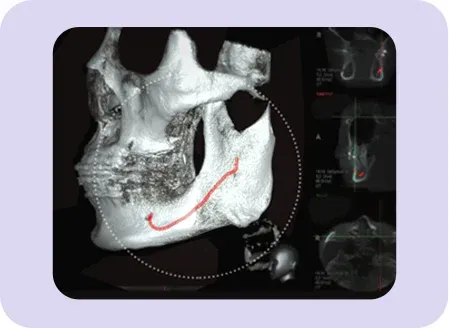
Point 1. Enhanced Safety With 3D CT and a Navigation System
Because the jawbone has been resected and the facial structure altered during Orthognathic Surgery, Revision surgery is performed precisely by carefully measuring the thickness and amount of remaining bone, as well as its distance from nerve pathways.
Point 2. Selection of Safe Fixation Points
The causes of the failed Orthognathic Surgery are analyzed, and new fixation points are identified to secure the jawbone stably in the correct position and prevent relapse.
Point 3. Precise Occlusion Without Intermaxillary Fixation
By omitting the process of wiring the upper and lower jaws together, patients can eat and speak immediately after surgery and breathe more comfortably, enhancing safety. In addition, being able to move the mouth reduces pain and enables faster swelling recovery.
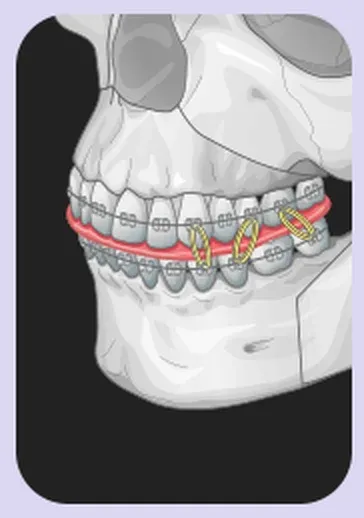
Orthognathic Surgery With Intermaxillary Fixation
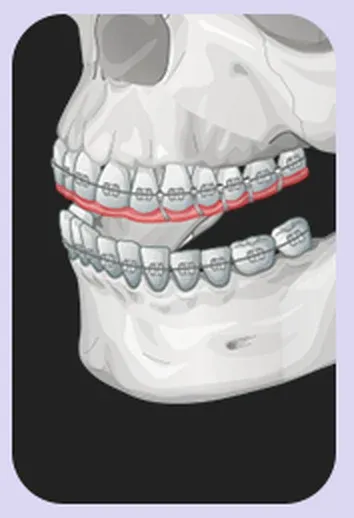
ID Orthognathic Surgery Without Intermaxillary Fixation
Surgical Procedure
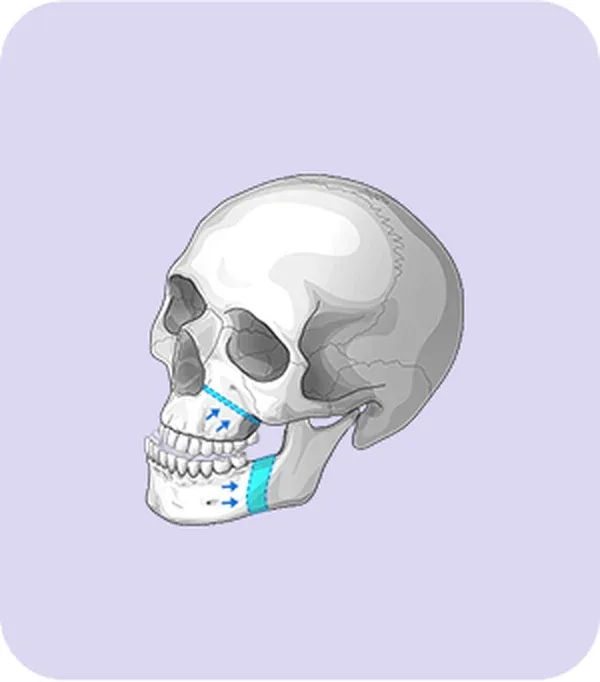
STEP 1. Identifying Issues With the Previous Surgery
Issues with the previous surgery are identified using 3D CT and a navigation system, enabling resection and movement without error.
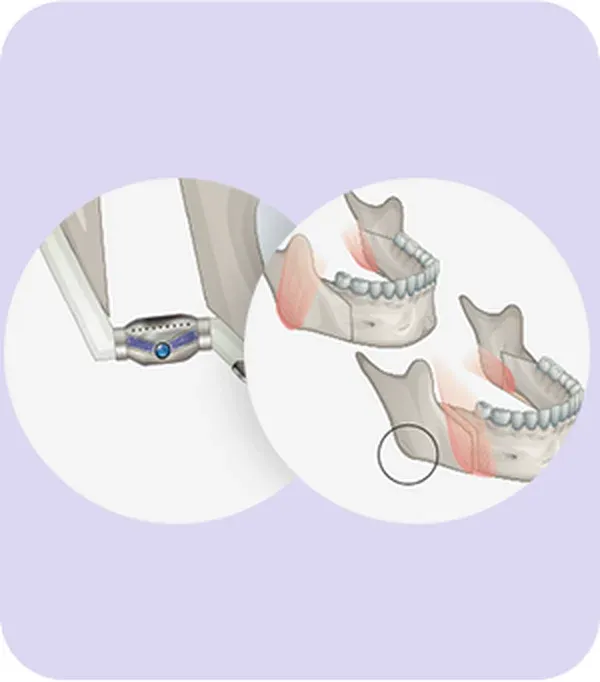
STEP 2. Precise Occlusion
Precise occlusion is achieved through an ultra-precise TMJ registration system, joint stabilization techniques, and occlusion stabilization techniques.
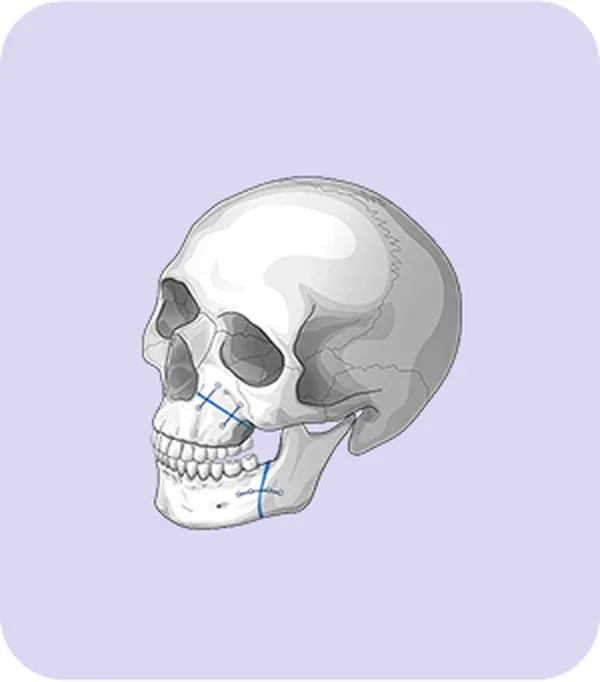
STEP 3. Fixation After Confirming TMJ Position
After confirming the normal position of the temporomandibular joint, it is securely fixed, eliminating the need for intermaxillary fixation and Orthodontic Treatment.
Please Be Sure to Check
Surgical methods and results may vary depending on the individual’s condition and are determined through consultation with a specialist.
 ID Plastic Surgery
Medical Staffs
 Consultation SpecialistID41749