
Ptosis Correction
from 3,500,000 KRW* VAT Not Included
This is an advanced ptosis correction procedure in which the CFS (common fascial sheath) tissue, which functions like an elastic band, is dissected together with the levator muscle and Müller’s muscle and secured to the tarsal plate. It is indicated for congenital ptosis, severe ptosis with minimal eyelid movement, and cases of significant tissue damage due to repeated eyelid correction procedures. The goal is to improve both aesthetics and function.
Surgery Overview
CFS (common fascial sheath) Ptosis Correction is a highly advanced procedure that dissects the CFS tissue, which acts like a rubber band deep within the eyelid, and secures it to the tarsal plate. It can be applied even in cases of severe congenital ptosis or significant tissue damage from repeated surgeries, with a low recurrence rate and a low likelihood of the corrected eye shape loosening.

CFS (common fascial sheath) Ptosis Correction for severe ptosis This is a highly advanced Ptosis Correction procedure with excellent aesthetic and functional results and a low recurrence rate. Surgery is possible even for congenital ptosis or cases with severe tissue damage from Revision surgery.
Recommended for
· Those whose eyes do not open well even when using their eyebrows or Forehead muscles · Those with more limited eyelid movement than normal · Those with congenital ptosis · Those who did not achieve satisfactory results after Ptosis Correction surgery · Those whose eyelid movement remains slow after Ptosis Correction surgery
Before-and-after photos
Highly advanced surgery, precise technique, extensive experience, and know-how
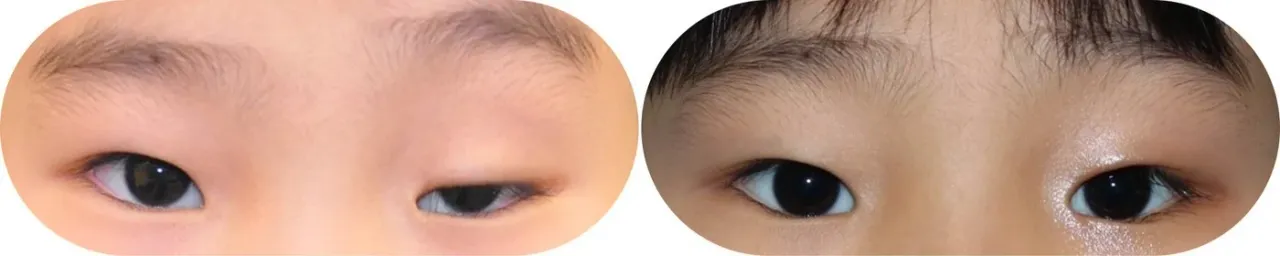
Before surgery → After surgery
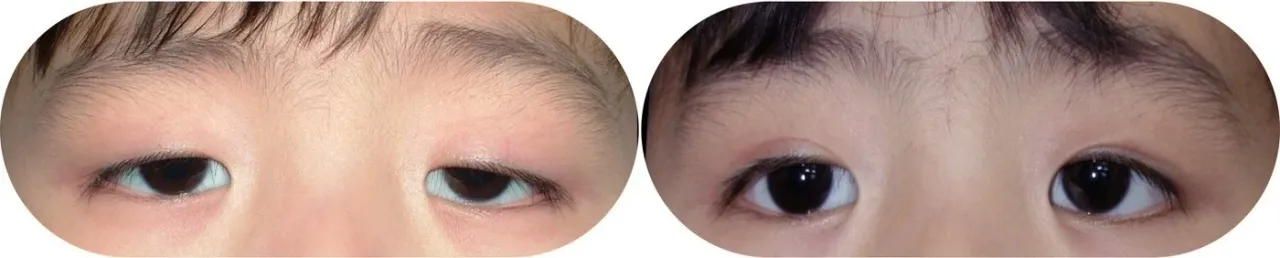
Before surgery → After surgery
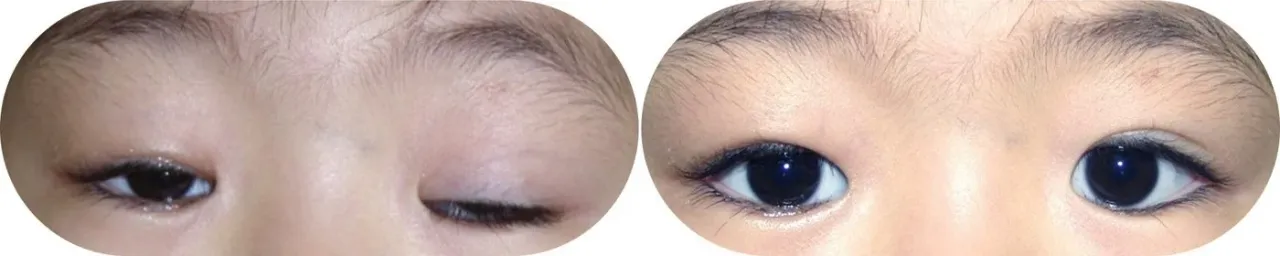
Before surgery → After surgery
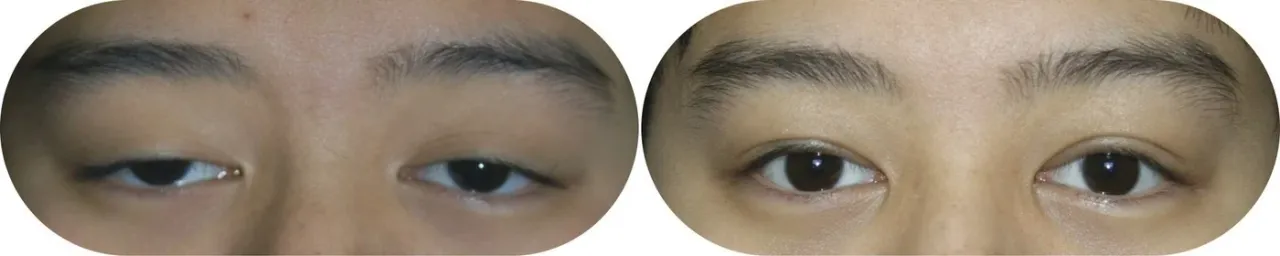
Before surgery → After surgery
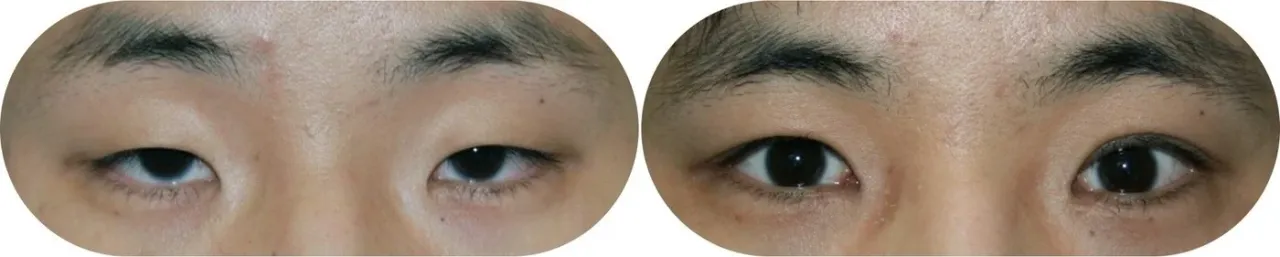
Before surgery → After surgery
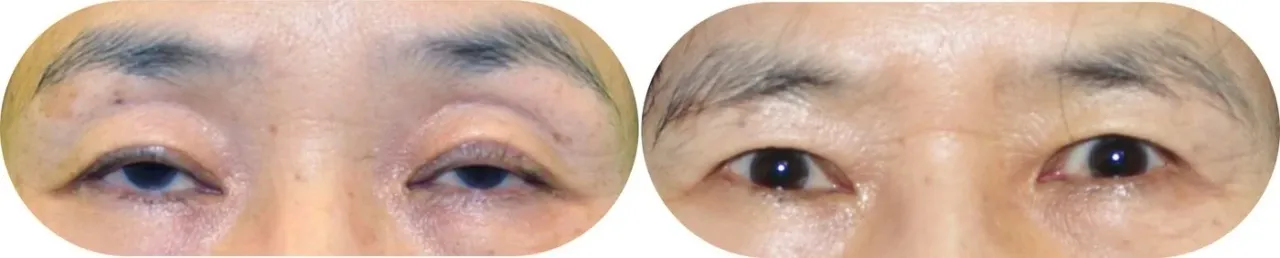
Before surgery → After surgery
Symptoms of severe ptosis
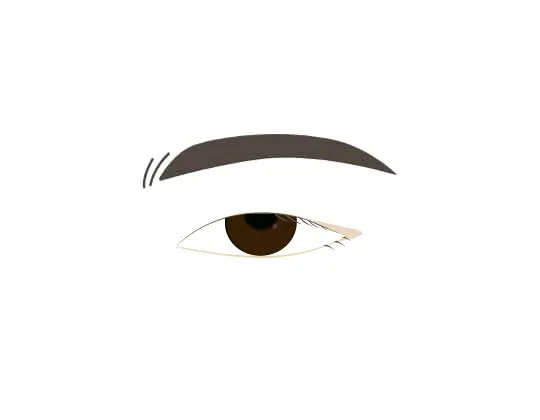
Severe ptosis refers to a condition in which there is little to no eyelid movement, making it difficult to open the eyes, or in which the muscles that open the eyes have deteriorated. It applies when there is almost no difference in eyelid movement between looking upward and looking downward.
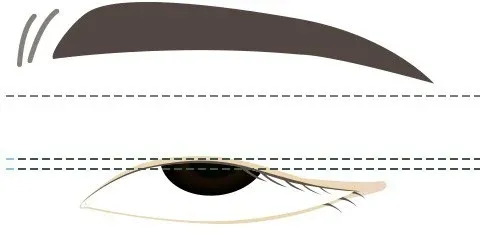
① When looking upward
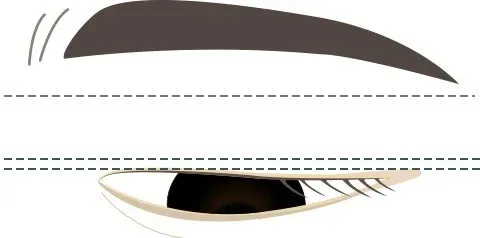
② When looking downward
Features of Wonjin CFS Ptosis Correction
Even when applied to cases of severe tissue damage from repeated Ptosis Correction procedures or moderate-to-severe ptosis, recurrence is low and there is almost no possibility of the corrected eye shape loosening. The risk of scarring or complications such as incomplete eye closure is also very low.
Point 1. Correction up to severe ptosis
Corrects even severe ptosis with extremely weak eyelid-opening strength.
Point 2. Correction of congenital ptosis
Congenital ptosis can also be corrected.
Point 3. Correction of pediatric ptosis
Also applicable for pediatric ptosis correction.
Point 4. Correction of tissue damage caused by repeated surgery
Improvement is possible using CFS tissue even when the levator and Müller muscles have been damaged by repeated surgery.
Point 5. Simultaneous aesthetic and functional improvement
Improves both the shape of the eyes and eyelid-opening function.
Point 6. Natural eyelid movement
Corrects the eyelids to move naturally.
CFS Ptosis Correction surgical points
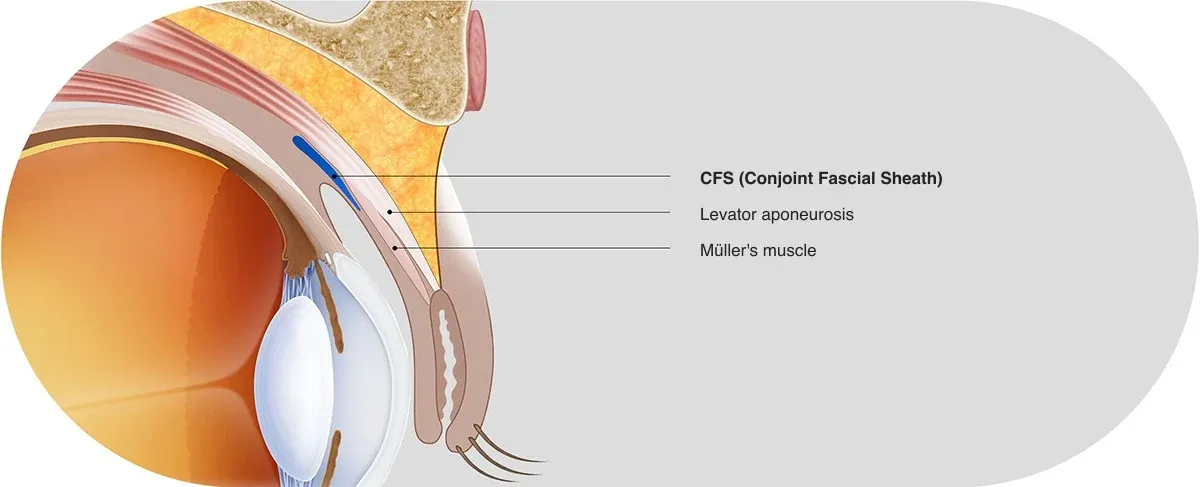
This is a highly advanced procedure that involves Dissection of the CFS tissue, located deep beneath the levator and Müller muscles, and securing each structure to the tarsal plate. Improvement using CFS tissue is possible even when the levator and Müller muscles have been damaged by repeated surgery. · 01 Müller muscle fixation · 02 Levator muscle fixation · 03 CFS (common fascial sheath) fixation
Surgical method
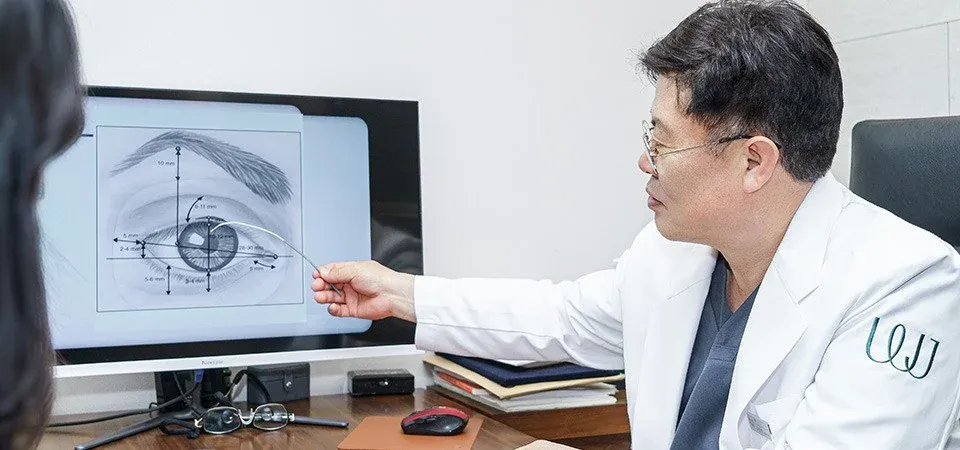
The cause is addressed by evaluating various factors, including the eye structure, degree of ptosis, and tissue function.
STEP 1. Design and point marking
A detailed examination of the eyes is performed to identify the exact cause.
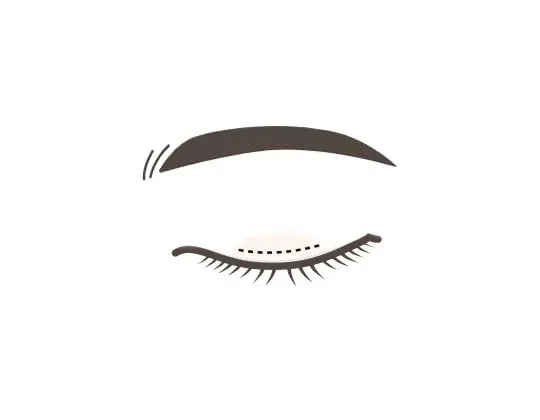
STEP 2. Minimal incision
A minimal incision is made as needed.
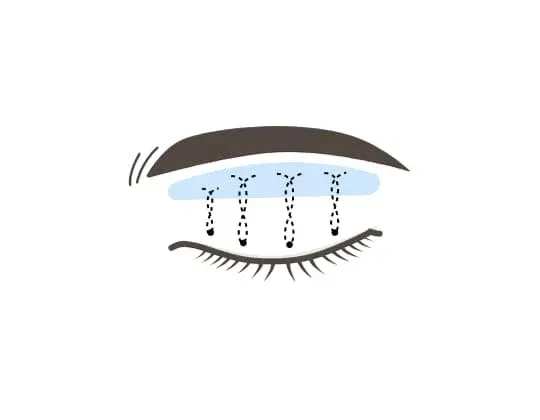
STEP 3. Muscle fixation
The levator muscle, Müller muscle, and CFS tissue are secured.
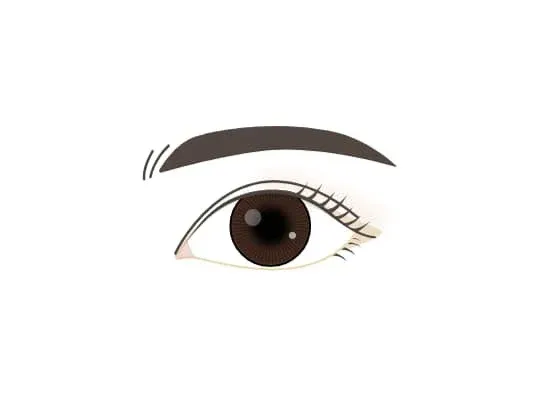
STEP 4. Eye shape after surgery
You can see a brighter, more open eye appearance after surgery.
Surgery information
| Surgery time: 2 hours | Anesthesia: Short-duration sleep anesthesia or local anesthesia | Hospitalization: Same-day discharge | Suture removal: After 7 days | Return to daily activities: Possible after 3 days | Follow-up visit: After 3 days
Wonjin's ptosis diagnosis
At Wonjin Plastic Surgery, the degree of ptosis is diagnosed and an appropriate Ptosis Correction method is selected accordingly.
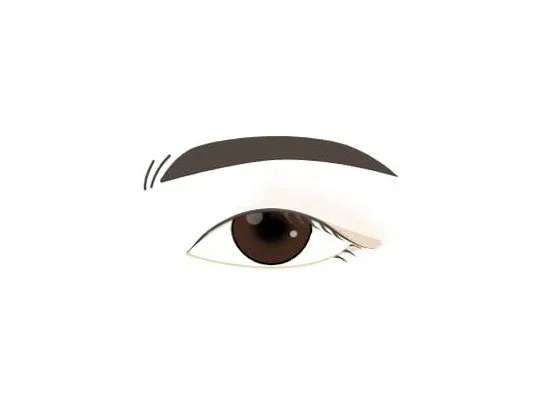
Mild to moderate ptosis
Glam Eye Ptosis Correction
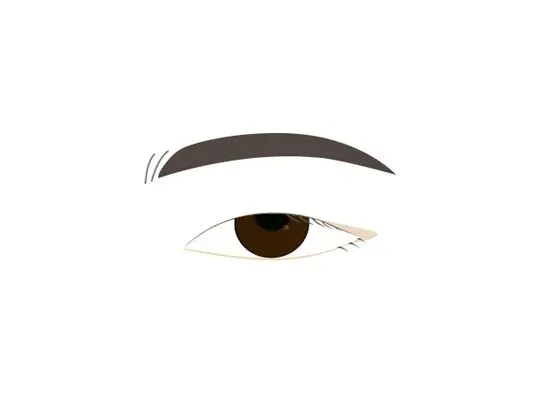
Moderate to severe ptosis
Double Adhesion Ptosis Correction
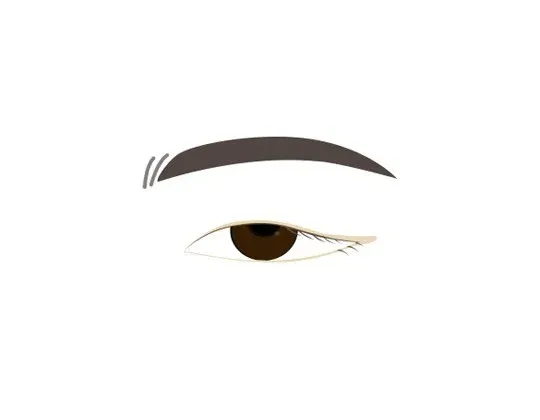
Severe or Revision surgery ptosis
CFS (common fascial sheath) Ptosis Correction
Extensive experience and know-how
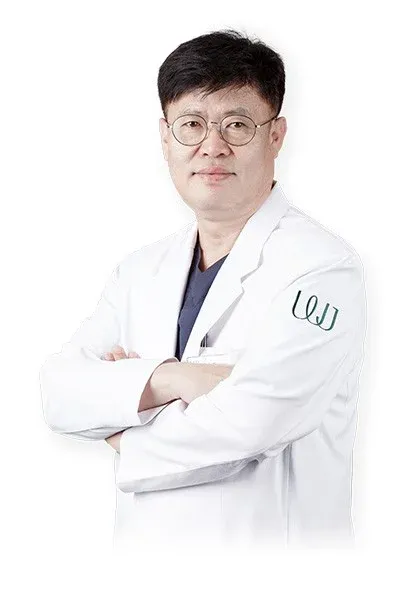
Ptosis Correction using CFS (common fascial sheath) is a highly complex procedure that requires extensive surgical experience and know-how. · Extensive surgical experience and know-how · Direct responsibility for the entire procedure · Precise technical expertise

From paper presentations to academic conferences
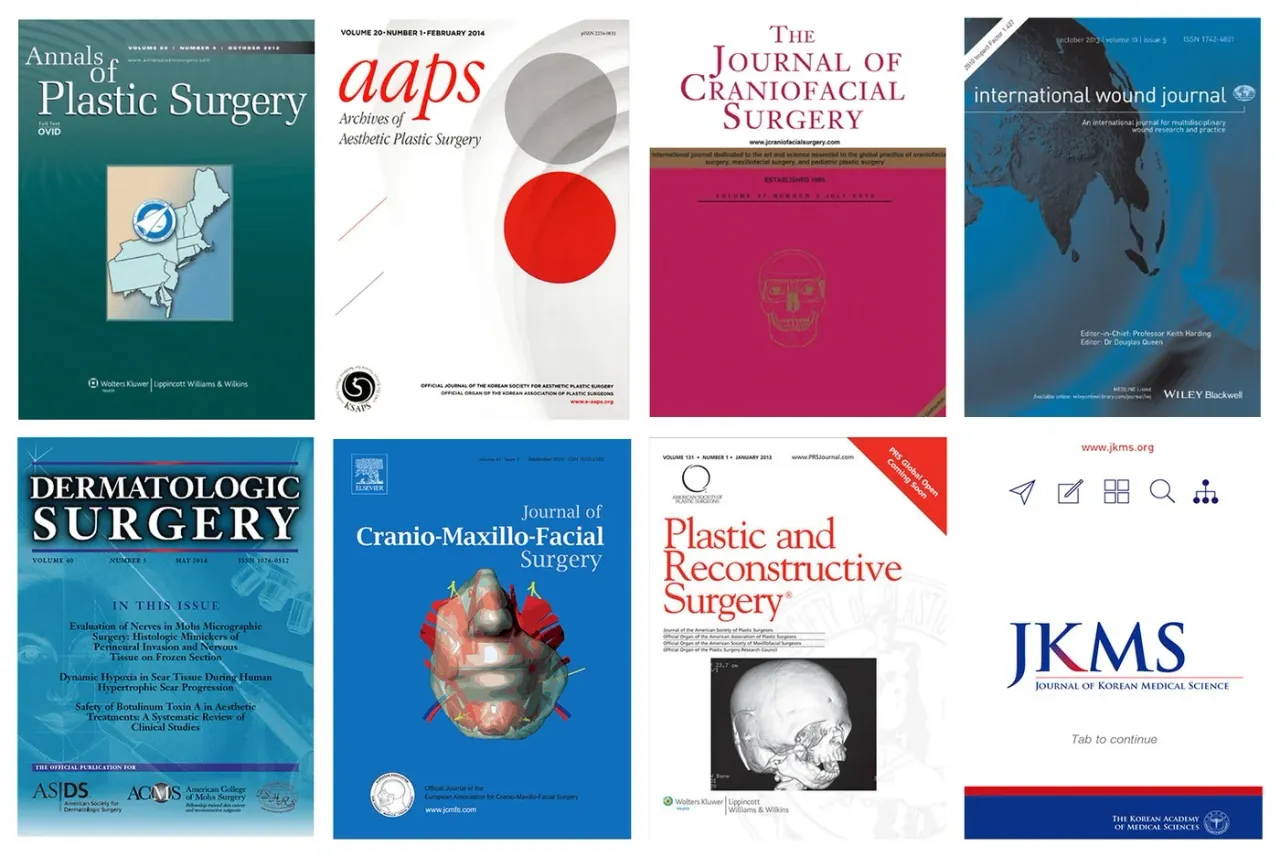
Through diverse paper presentations and ongoing research, Wonjin Plastic Surgery has earned recognition for its surgical expertise and safety.
Please note
Complications that may generally occur after surgery or treatment, including bleeding, infection, and inflammation, can vary in severity by individual and require caution. Surgical methods and results may vary depending on the individual's condition and are determined through consultation with a specialist.
 WJ WONJIN PLASTIC SURGERY