
Ptosis Correction
From 590,000 KRW/ surgery
By delicately adjusting eyelid-opening strength and the balance of the eye shape, a clearer, more defined appearance is achieved.
Surgery Overview
AI-generated information for reference only. Please consult a doctor for accurate, personalized advice.
Ptosis Correction
Defined eye lines, effortless eye opening

“Which type do your eyes fall into now?”
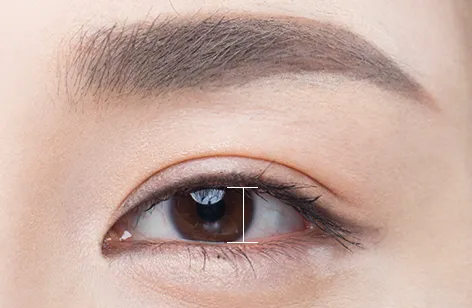
Eyes that require ptosis correction
Less than 70% of the iris is visible
The iris is covered by 3–4 mm
Covers up to the center of the iris Mild
Uses the eyebrows and forehead when opening the eyes Severe
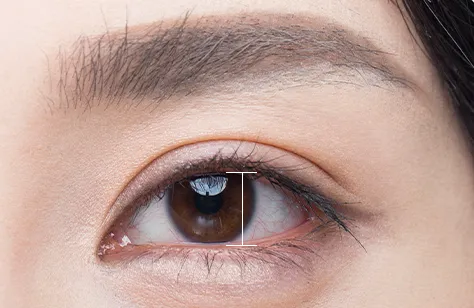
Normal eyes
80–90% of the iris is visible
The iris is slightly covered by 1–2 mm
Does not use the eyebrows or forehead when opening the eyes
We do more than simply change the appearance of your eyes

Reduced forehead use

Improved field of vision
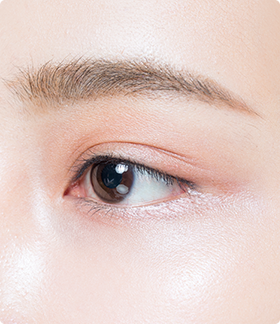
Eye contour correction
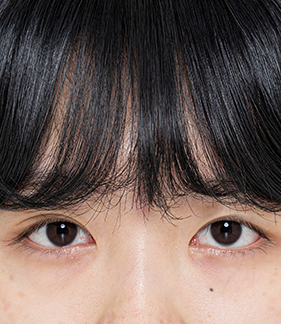
Asymmetrical eye correction

Improved sleepy-looking appearance
Ptosis correction strengthens the muscles used to open the eyes, allowing you to use them rather than your forehead. Experience effortless eye opening, functional comfort, and defined, clear-looking eyes.
01 Incisional Ptosis Correction
A procedure that removes unnecessary fat, muscle, and skin, then shortens and secures the eyelid-opening muscle (levator palpebrae superioris).
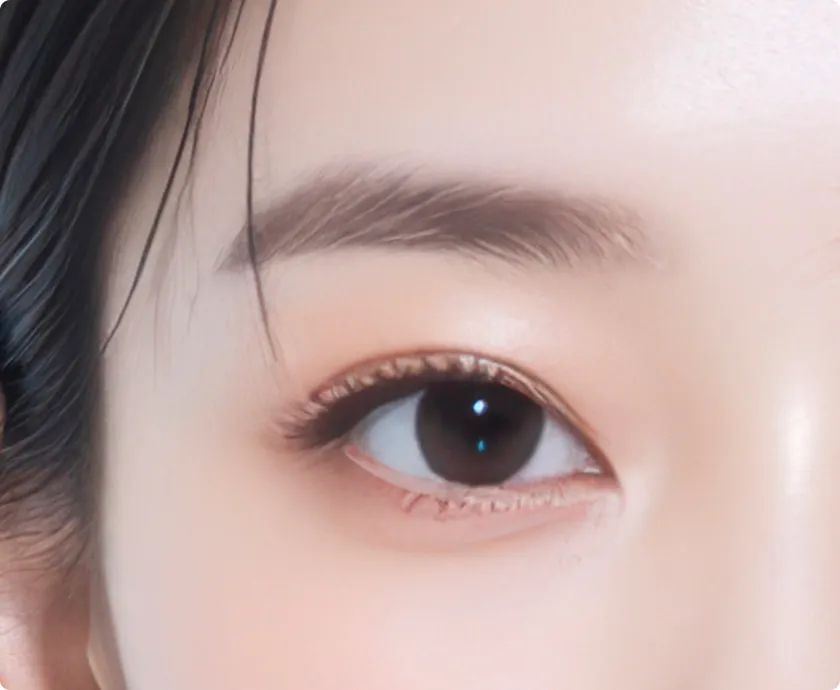
✓ Procedure time: 30 minutes–1 hour
✓ Anesthesia: Local anesthesia/sedation
✓ Follow-up visits: 2–3 times
✓ Recovery period: 1–2 weeks
✓ Suture removal: After 3–5 days
When incisional ptosis correction is needed
Weak eyelid-opening strength
Sleepy-looking or heavy-looking eyes
When accompanied by sagging skin
When a more pronounced eye contour improvement is desired
When opening the eyes with the forehead (causing wrinkles)
Incisional Ptosis Correction Procedure
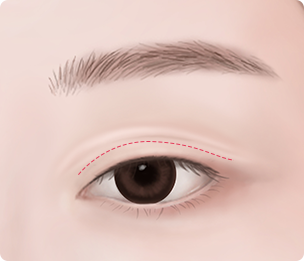
❶ Design
Designing an ideal crease line suited to your facial balance
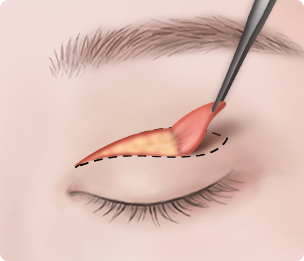
❷ Tissue Refinement
Removing unnecessary skin and excess fat that interfere with the crease line
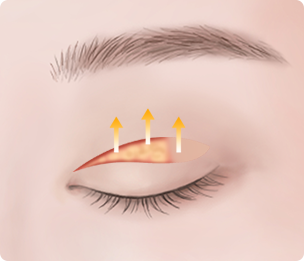
❸ Muscle
FixationTightening the eyelid-opening muscle to create a defined adhesion
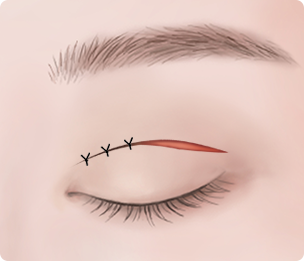
❹ Meticulous
ClosureFinishing delicately to minimize visible scarring
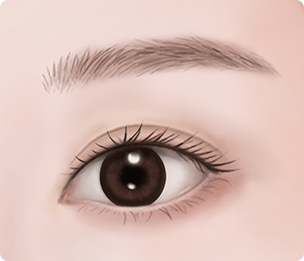
❺ Completion
Confirming effortless eye opening and refreshed, defined eyes
02 Non-Incisional Ptosis Correction
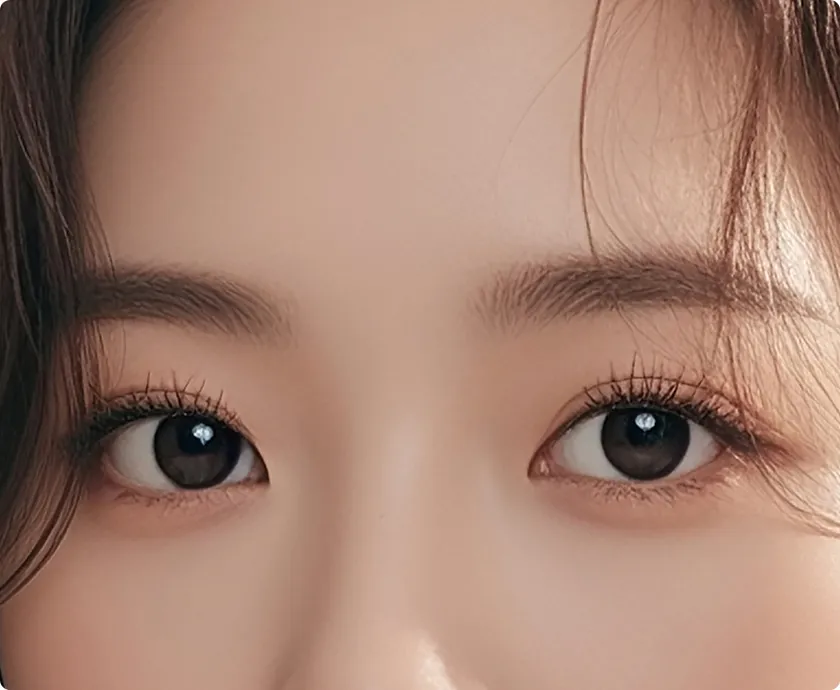
A technique that does not involve a skin incision, using fine sutures inserted through tiny openings to secure and tighten the eyelid-opening muscles (Müller muscle and levator palpebrae superioris).
✓ Procedure time: 30–40 minutes
✓ Anesthesia: Local anesthesia
✓ Follow-up visits: Once
✓ Recovery period: 5–7 days
When non-incisional ptosis correction is needed
Mild ptosis
When incisional surgery feels burdensome
When a quick return to daily activities is desired
When natural-looking eye contour correction is desired
When opening the eyes with the forehead (causing wrinkles)
Non-Incisional Ptosis Correction Procedure
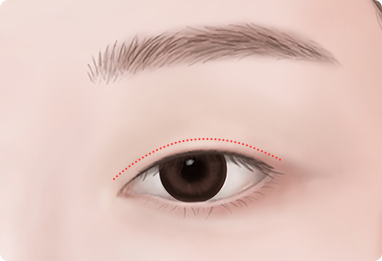
❶ Precise Design
A precise crease line is designed based on the characteristics of the eyes.
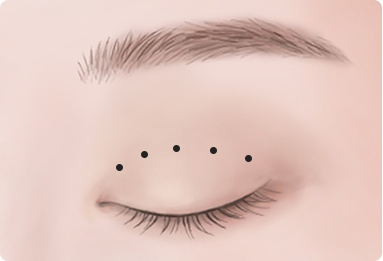
❷ Creation of Tiny Openings
Tiny openings are precisely made at the designed locations.
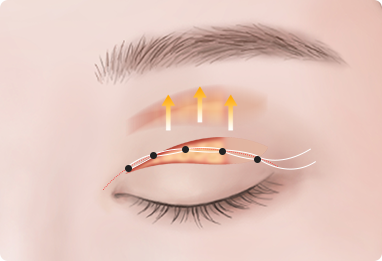
❸ Natural Adhesion Fixation
The skin and muscle are secured together to create firm adhesion without loosening.
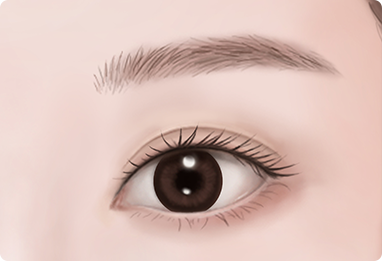
❹ Completion of the Eye Contour
Creates an ideal eye contour that is defined and clear.
Key Points of Vance Plastic Surgery Ptosis Correction
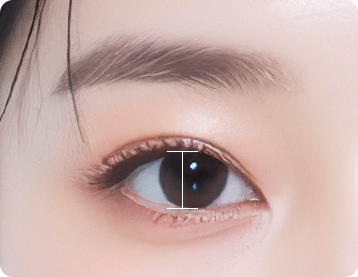
Prevention of Overcorrection
Fine adjustments that reduce discrepancies to as little as 1 mm help prevent overcorrection and achieve left-right symmetry.
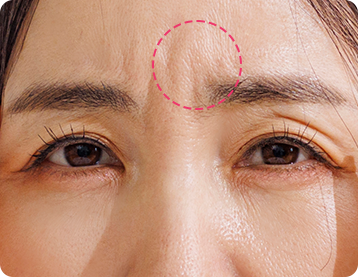
Prevention of Forehead Wrinkles
By strengthening eyelid-opening power, it corrects the habit of raising the eyes with the forehead. This helps prevent forehead wrinkles and improve headaches.
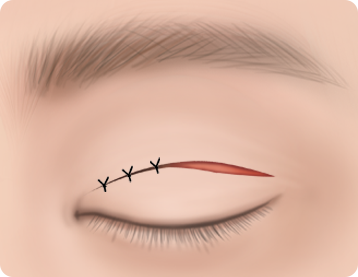
Meticulous Suturing
With careful incisions and suturing, surgical marks are barely noticeable even when the eyes are closed.
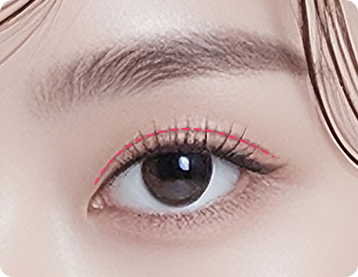
Functional Improvement
Improves the field of vision and helps prevent eyelashes from irritating the eyes, frequent tearing, eye discharge, corneal damage, and more.
The Promise of Vance Plastic Surgery
We will create eyes you will want to look at yourself
A subtle difference in the eyes can change one’s overall impression. Eye-opening strength, horizontal length, angles, and other factors can make the eyes look unnatural. That is why they should be defined, clear, and natural. Vance Plastic Surgery analyzes the eyes and face from multiple angles to create eyes that best suit your face.
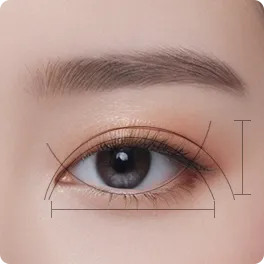
Eye Shape/Size
Analysis of eye size, upper-to-lower proportions, eye shape, and pupil exposure
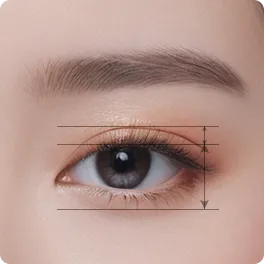
Inner and Outer Eye Corners
Analysis of epicanthal fold degree, angles, outer eye corners, and eye area
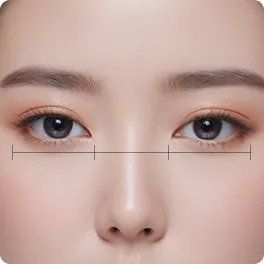
Facial Proportions and Spacing
Analysis of facial spacing and the distance between the eyes
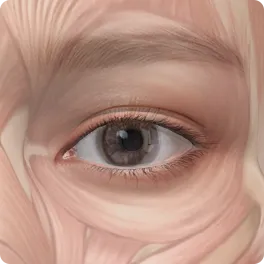
Skin and Muscles
Analysis of skin elasticity, muscles, fat, and more
 DOY JUN Plastic Surgery