Presbyopia & Cataract
From 2,500,000 KRW/ surgery
"Appropriate vision correction surgery for presbyopia can help delay the need for reading glasses." "Cataract surgery involves removing the clouded natural lens using ultrasound and inserting an intraocular lens (IOL) in its place. The range of vision correction may vary depending on the type of intraocular lens implanted." By removing the clouded lens, vision can be restored and discomfort in daily life can be improved. Depending on the type of intraocular lens, myopia and astigmatism, as well as presbyopia, can be corrected simultaneously.
Surgery Overview
Presbyopia/Cataracts
What is presbyopia?
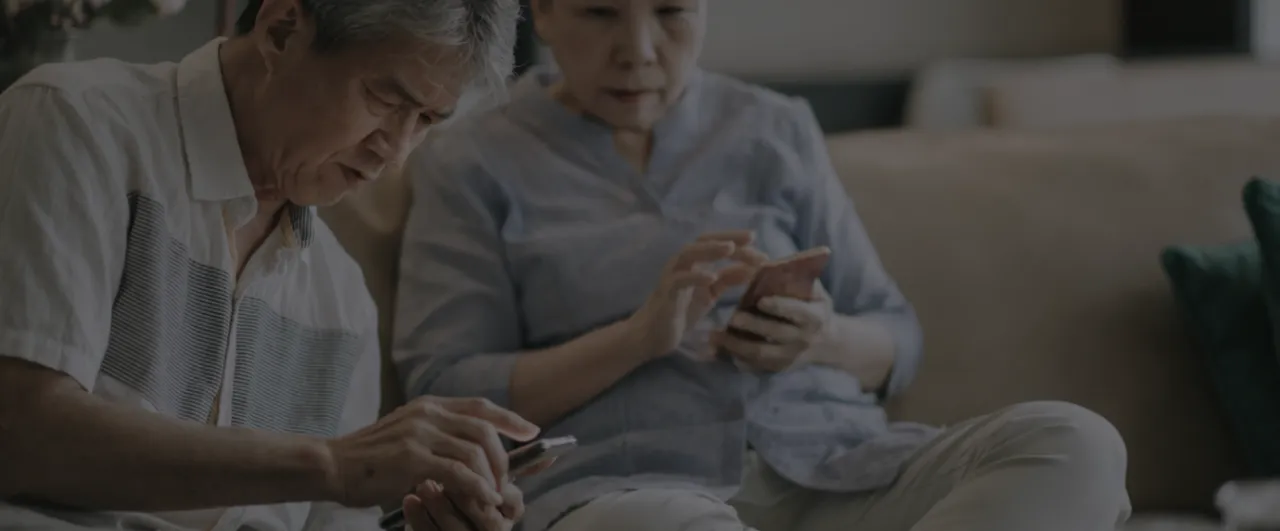
It is an “aging eye.” As we age, our bodies undergo aging-related changes and symptoms. The eyes are no exception. As we get older, the lens becomes harder and less elastic, reducing its accommodative ability. As a result, nearby objects become difficult to see clearly. This condition is known as presbyopia.
Causes and Symptoms of Presbyopia
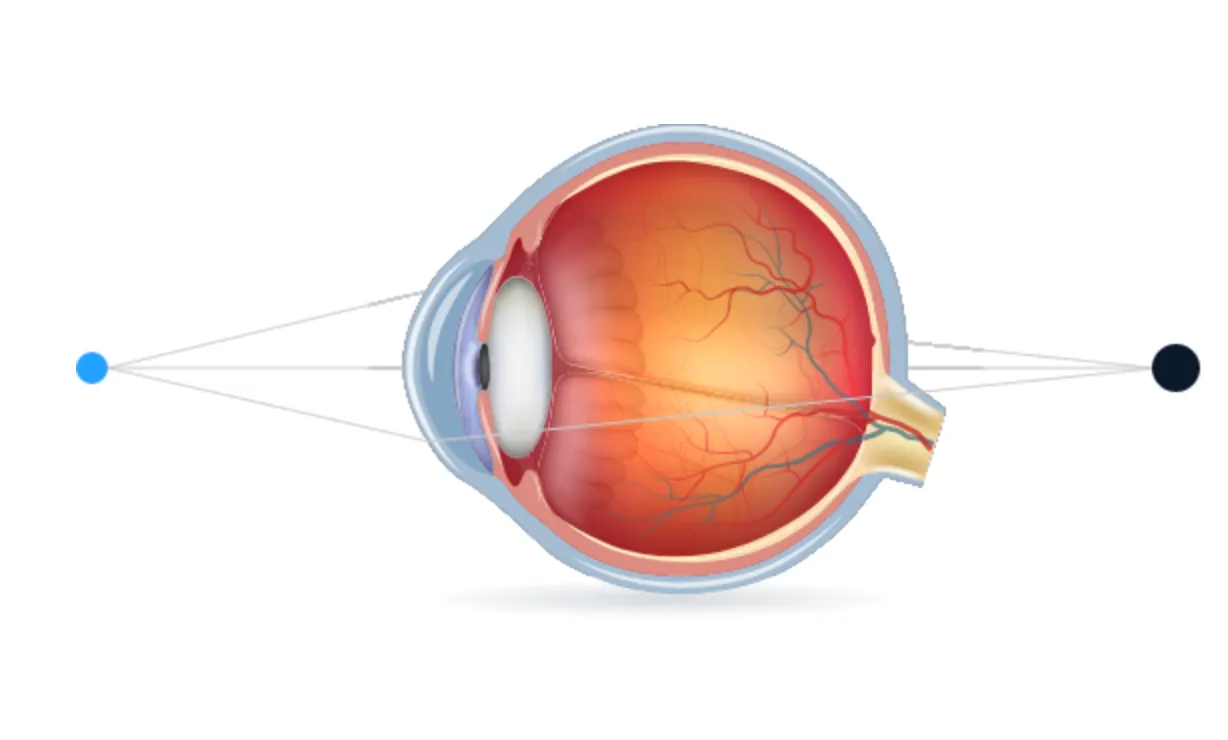
Presbyopia is an unavoidable condition that occurs as the eyes age. The refractive power of the lens can no longer increase due to reduced function of the muscles that hold the lens in place or of the lens itself. This is why people with presbyopia can often see distant objects clearly but nearby objects appear blurry. As the eyes age, the eye's accommodative ability decreases.
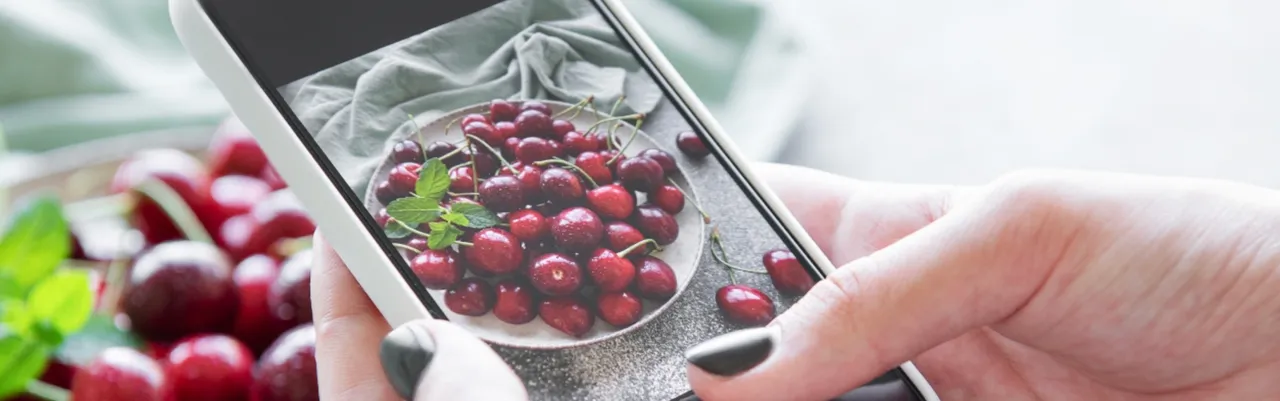
Normal Vision
Nearby objects are seen clearly due to contraction of the lens
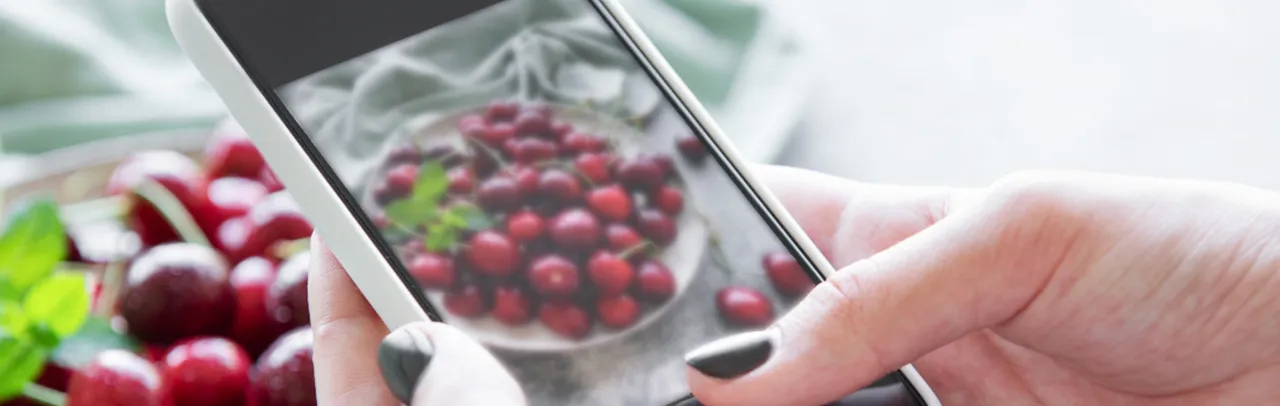
Presbyopic Vision
Nearby objects appear blurry due to reduced lens elasticity
What are cataracts?
The eye contains a transparent refractive structure called the lens. Light entering the eye passes through and is refracted by this lens to form an image on the retina. A cataract is a condition in which the lens becomes cloudy, preventing light from passing through properly. It is a serious condition that causes vision to become hazy, as if looking through fog, and reduces visual acuity.
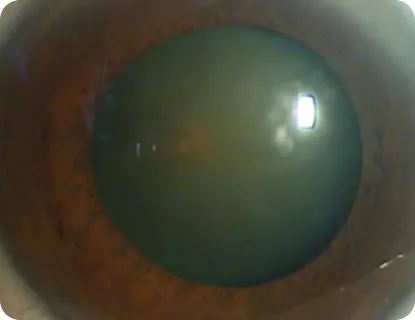
Eye with Cataract
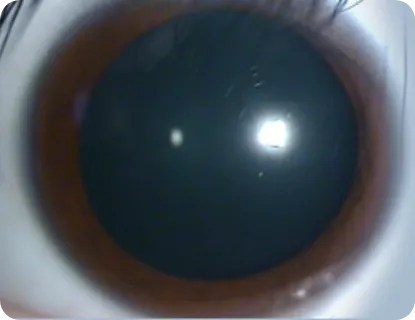
Normal Eye
Causes and Symptoms of Cataracts
The causes of cataracts can be divided into two categories.
✓ Congenital Cataracts
In cases of congenital cataracts, the cause is often unclear. They may result from infection during fetal development or may occur due to metabolic abnormalities.
✓ Acquired Cataracts
Acquired cataracts are the type commonly referred to as cataracts and occur in old age as people get older. Although uncommon, cataracts may also occur due to trauma or eye inflammation.
The symptoms of cataracts are the same whether they are congenital or acquired.
The lens becomes cloudy, causing reduced vision and hazy visual fields. In some cases, hardening of the lens can suddenly cause nearsightedness, allowing near objects to be seen more clearly.

Normal Eye

Early-Stage Cataract
Advanced Cataract
Cataract Self-Assessment
If symptoms recur, a comprehensive cataract examination is needed.
❶ You see two or more images of an object (double vision).
❷ You have difficulty focusing.
❸ You experience glare or halos around lights.
❹ Night driving is difficult.
❺ Your vision seems to have suddenly improved.
※What is double vision? A phenomenon in which an object appears doubled when one eye is closed
Treatment Options for Presbyopia and Cataracts
Because the shape and structure of each person's eyes differ, choosing the surgical method most suitable for you is most important. Gangnam GS Eye Clinic offers a range of surgical options and focuses on achieving high-quality surgical outcomes by selecting the most effective method for each patient's eye condition through thorough, detailed examinations.
If You Do Not Have Cataracts
✓ Laser Presbyopia Correction
A procedure that improves vision using advanced laser surgical equipment - monovision
If You Have Cataracts
✓ Microincision Cataract Surgery
Excellent recovery, allowing daily activities as early as the day after surgery (Cataract surgery using the Centurion system)
- Monofocal Intraocular Lens Implantation A procedure that surgically treats the lens clouded by cataracts to improve distance vision
- Multifocal Intraocular Lens Implantation A procedure that corrects presbyopia and cataracts at the same time to improve both distance and near vision - Clareon PanOptix / PanOptix / LISA tri / LARA / Vivity / Eyhance
Frequently Asked Questions
Q. When does presbyopia begin?
A. If you are in your 40s or older and have no problems with distance vision but have difficulty reading or experience blurred or spread-out letters during near tasks (reading, using a phone, or viewing a computer monitor), you should recognize that presbyopia may have begun. As this is often still an active period of social life, it is advisable to obtain corrective eyewear suited to your prescription. Because presbyopia continues to progress and your prescription can change frequently, it is advisable to replace your glasses regularly. Continuing to use weakened accommodative muscles without glasses may cause eye pain, glabellar wrinkles, headaches, and other symptoms, so caution is needed. After age 40, when presbyopia typically begins, various eye diseases such as cataracts, glaucoma, and macular degeneration are more likely to occur. Therefore, rather than attributing blurred near vision simply to age, it is advisable to manage eye health through regular ophthalmologic examinations.
Q. What is the difference between presbyopia and cataracts?
A. With presbyopia, reduced lens elasticity decreases accommodative ability, making objects appear less clear. Cataracts are a condition in which the lens becomes cloudy, causing objects to appear blurred and hazy. Presbyopia develops gradually with age, and because objects may appear hazy, it can sometimes be confused with cataracts. It is advisable to have regular examinations to understand the current condition of your eyes and take appropriate measures.
Q. If I have presbyopia surgery (mono), will I no longer need reading glasses?
A. This procedure is a presbyopia correction surgery, one type of vision correction surgery; it does not mean that you will never need reading glasses for the rest of your life. Unlike surgery that makes both eyes see clearly mainly at distance, it adjusts one eye to see somewhat better at near distances. It only delays the need for reading glasses to some extent. If near vision becomes significantly uncomfortable over time after surgery, you can wear reading glasses temporarily as needed.
Surgery Experience Stories
 GS EYE CENTER