
Platysma Tightening
from 2,420,000 KRW* VAT Not Included
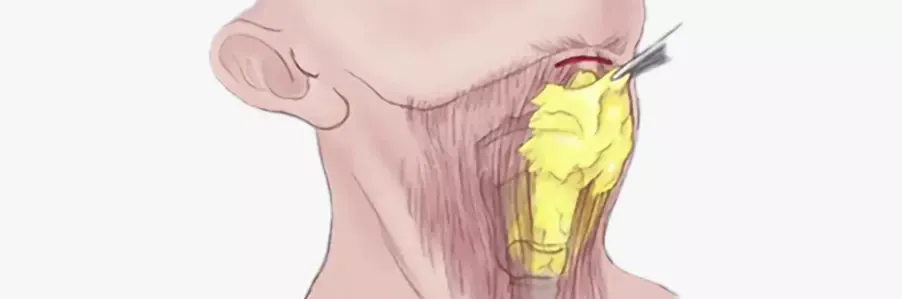
Through a 2–3 cm incision in the center beneath the chin, subcutaneous fat and fat beneath the platysma are removed, and the lax platysma muscles are sutured together in the midline to refine the jawline. When necessary, a portion of the salivary gland is addressed using specialized equipment. This procedure is indicated for double chins that are difficult to improve with liposuction alone.
Procedure Overview
Platysma Tightening (submentoplasty) is a procedure that removes subcutaneous fat and fat beneath the platysma through a 2–3 cm incision in the center beneath the chin, then brings the lax platysma muscles together to refine the jawline. If necessary, part of the salivary glands may also be treated using specialized equipment. It is suitable for double chins that are difficult to improve with liposuction alone.
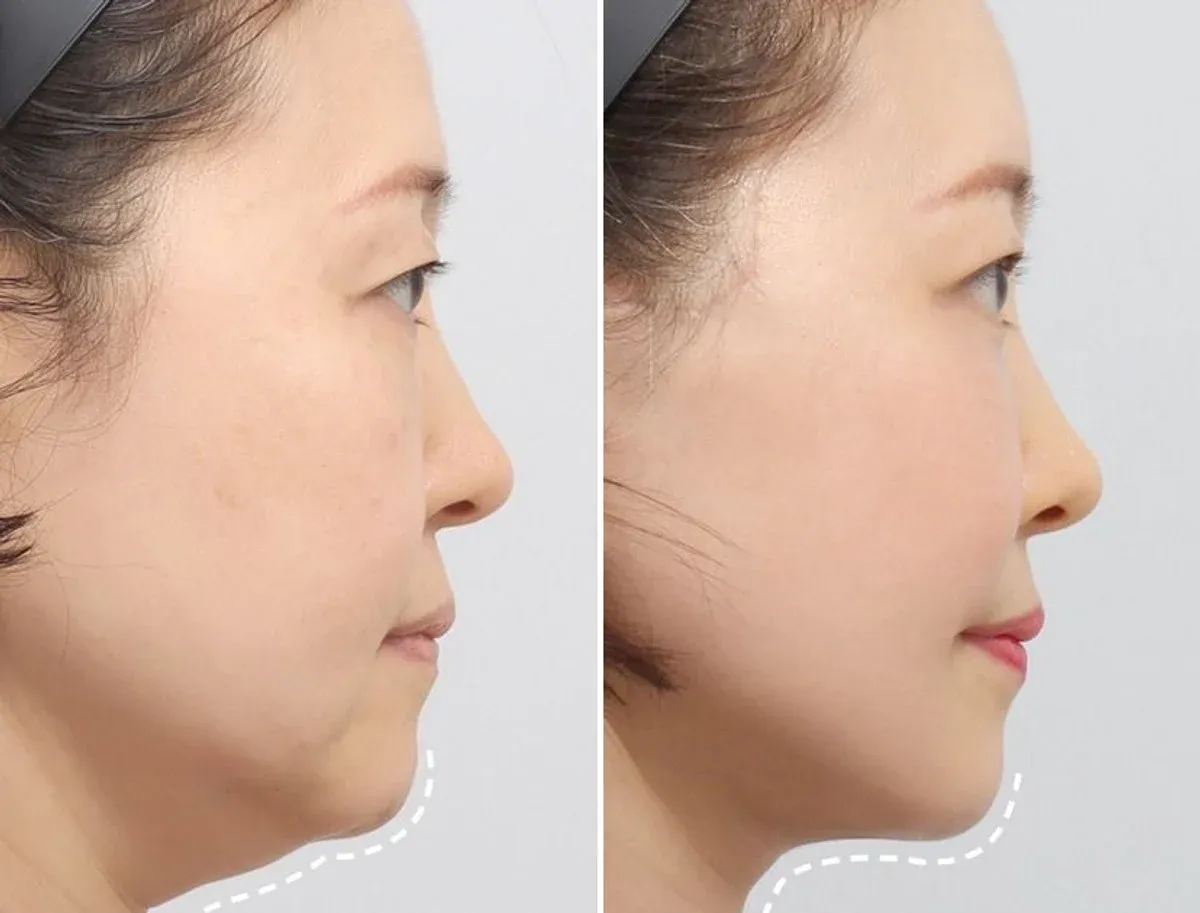
Before-and-after photos (before surgery on the left · after surgery on the right) Before surgery → 2 months after surgery
Double chins that are difficult to improve with non-surgical treatments are primarily caused by excessive fat accumulation and lax platysma muscles. AB Plastic Surgery identifies and corrects the underlying causes of a double chin, such as fat accumulation, reduced skin elasticity, and weakened muscles beneath the chin, for long-lasting results.
Recommended for
· Those concerned about skin laxity or a double chin after Facial Contouring Surgery · Those who have not seen improvement with laser or non-surgical treatments · Those whose double chin remains even after weight loss · Those with an indistinct jawline and an unclear boundary between the chin and neck · Those with a double chin due to a structurally short chin · Those with skin laxity and muscle relaxation due to aging · Those who want long-lasting double-chin correction with minimal risk of recurrence
Surgical Procedure
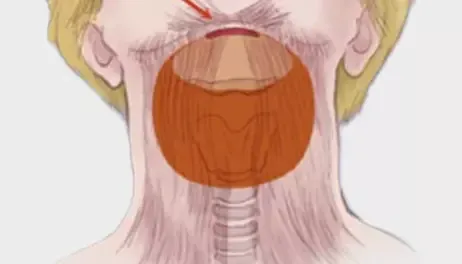
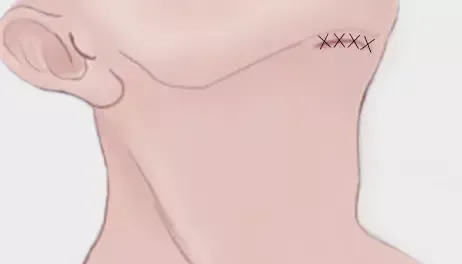
STEP 1. Incision and muscle assessment
A 2–3 cm incision is made in the center beneath the chin, and the lax muscles are assessed.
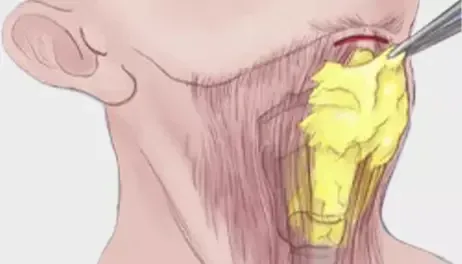
STEP 2. Fat removal
Excess subcutaneous fat and fat beneath the platysma are removed.
STEP 3. Salivary gland treatment, if necessary
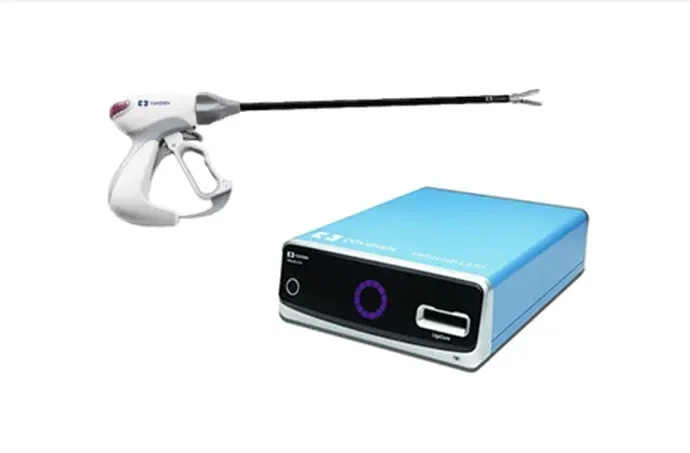
If necessary, part of the salivary glands is removed using specialized equipment.
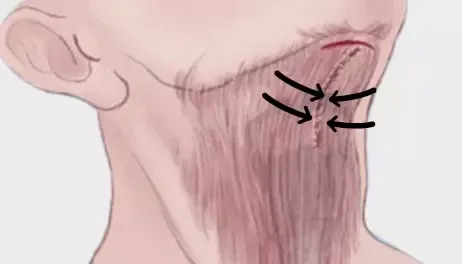
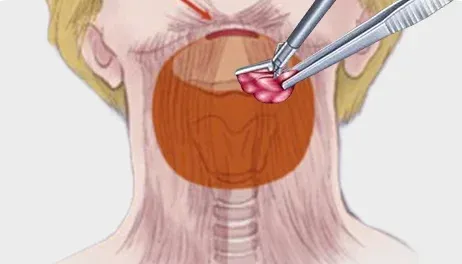
STEP 4. Platysma tightening
The lax platysma muscles are pulled toward the center and sutured to help prevent them from sagging again.
STEP 5. Suturing
The incision is carefully sutured to complete the procedure.
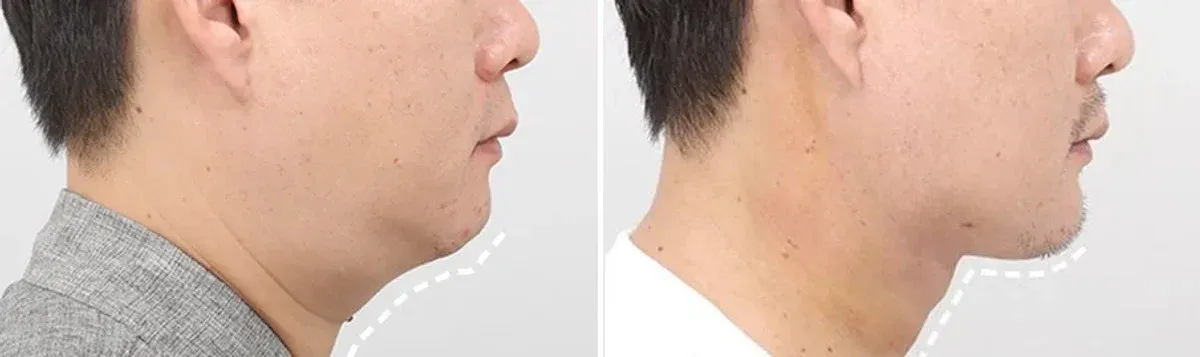
Before-and-after photos (before surgery on the left · after surgery on the right) Before surgery → 1 month after surgery
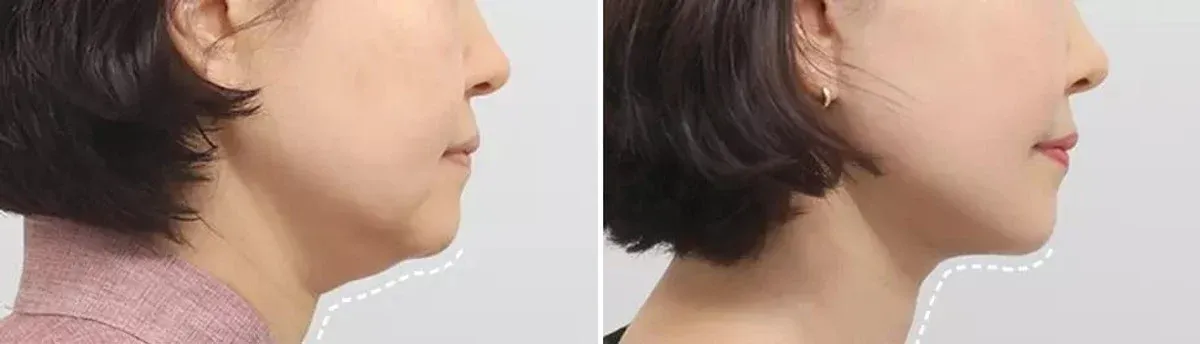
Before-and-after photos (before surgery on the left · after surgery on the right) Before surgery → 2 months after surgery
Key Benefits of Platysma Tightening
Point 1. A long-lasting, defined jawline through thorough fat removal
When necessary, fat beneath the platysma is also removed to create a defined, slim jawline with minimal concern for recurrence, while tightening the platysma improves lax muscles beneath the chin.
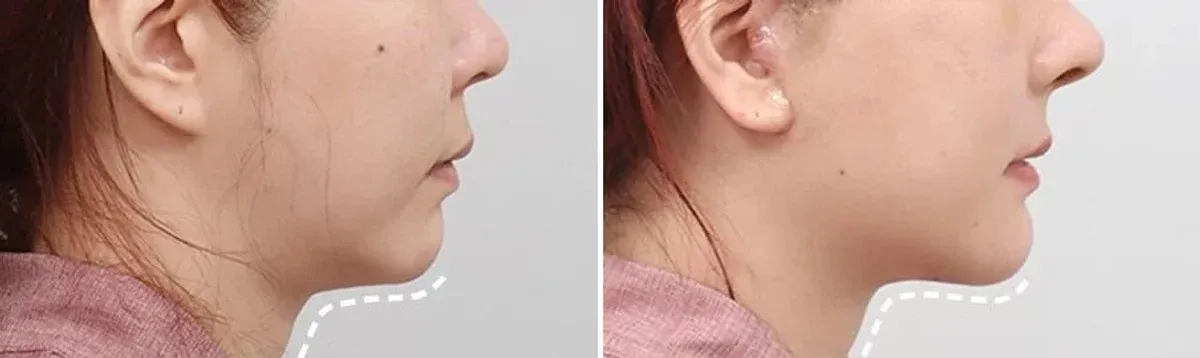
Before-and-after photos of lax platysma and fat removal (before surgery on the left · after surgery on the right) Before surgery → 2 weeks after surgery

Before-and-after photos of lax platysma and fat removal (before surgery on the left · after surgery on the right) Before surgery → 1 month after surgery
Point 2. Faster recovery and greater improvement with specialized salivary gland removal equipment
If a double chin is caused by excessively developed salivary glands, fat removal and platysma tightening alone may have limited effectiveness. Because nerves and blood vessels are densely concentrated around the salivary glands, AB Plastic Surgery uses specialized equipment with thermal spread of less than 2 mm to protect surrounding nerves and reduce bleeding and swelling.
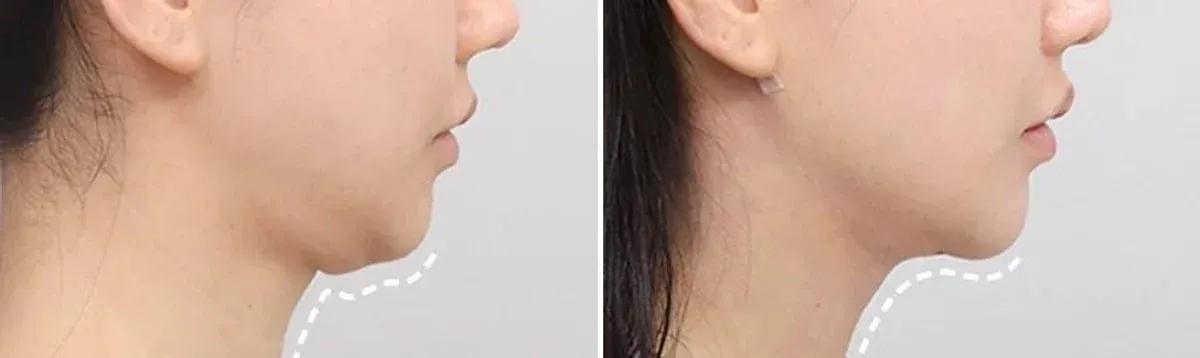
Before-and-after photos of lax platysma, fat removal, and salivary gland removal (before surgery on the left · after surgery on the right) Before surgery → 1 week after surgery
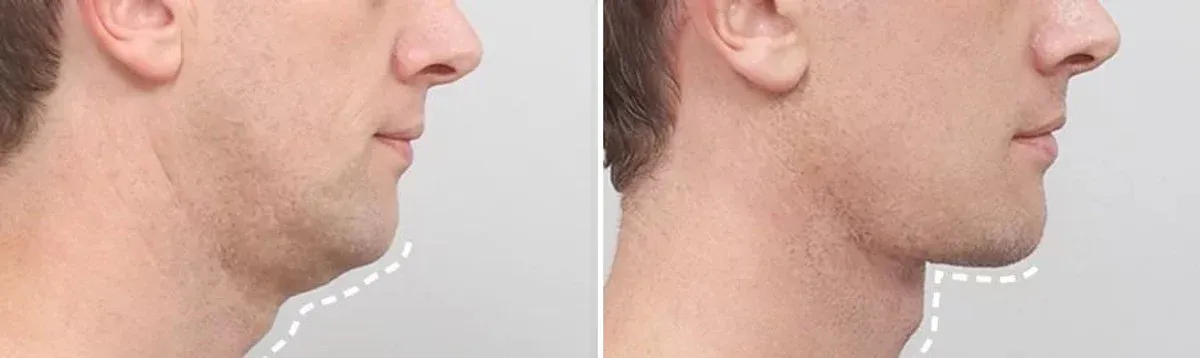
Before-and-after photos of lax platysma, fat removal, and salivary gland removal (before surgery on the left · after surgery on the right) Before surgery → 1 month after surgery
Point 3. Inconspicuous scars
The incision is made in a less visible area beneath the chin, so the Scar Revision is barely visible from the front.
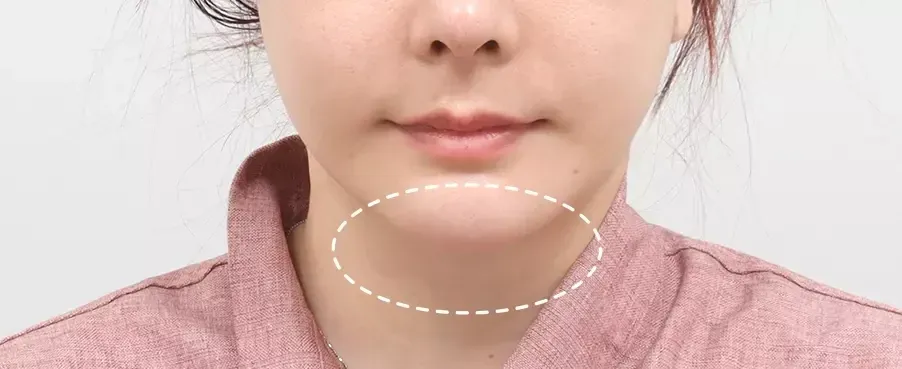
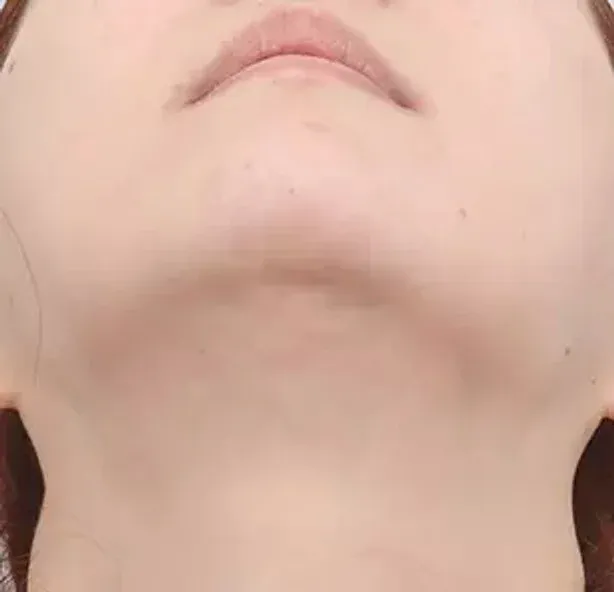
Before surgery
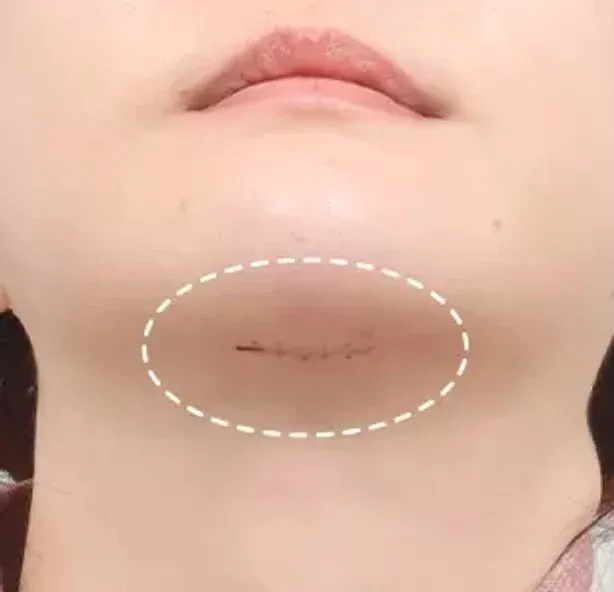
Scar Revision 2 weeks after surgery
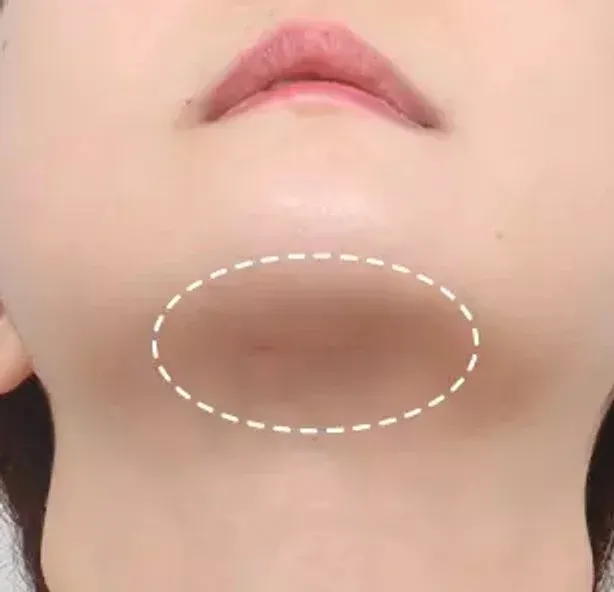
Scar Revision 1 month after surgery
These are actual Scar Revision progress photos from AB Plastic Surgery. Results may vary by individual.
Differences Between Platysma Tightening and Chin Liposuction
Platysma Tightening addresses not only the surface but also the underlying causes of a double chin, offering more definitive and long-lasting improvement. · Method – Platysma Tightening: Tightens lax platysma muscles and removes subcutaneous fat / Chin Liposuction: Removes only subcutaneous fat · Candidates – Platysma Tightening: Those with substantial fat beneath the chin and lax platysma muscles, or those who need fat beneath the platysma removed / Chin Liposuction: Those with excess subcutaneous fat only · Effects – Platysma Tightening: Fundamentally improves both fat and lax muscles / Chin Liposuction: Limited effectiveness when the platysma is lax · Longevity – Platysma Tightening: Corrects lax muscles, lowering the possibility of recurrence / Chin Liposuction: Higher possibility of double-chin recurrence
Strengths of AB Platysma Tightening
· Lifting specialists with proven skill and experience · Regular hosting of international conferences on Lifting and facelift surgery · Live surgery demonstrations for medical professionals in Korea and abroad · Collaborative care system with Seoul National University Bundang Hospital, Hallym University Dongtan Sacred Heart Hospital, and others · Precise assessment of salivary gland location and size using CT and ultrasound · Safe and precise procedures with specialized salivary gland removal equipment · AB's exclusive Lifting design consultation notes · A hospital trusted by its own staff and their families for surgery
Surgery Information
| Surgery time Approximately 1 hour | Anesthesia Sedation anesthesia | Clinic visits 1 visit | Recovery period 2–3 days
Pre- and Post-Operative Precautions
Before Surgery
· Please inform us in advance if you have underlying conditions such as hypertension, diabetes, or thyroid disease; medication allergies; or a history of heart, lung, liver, kidney, or brain-related surgery. An anesthesiology consultation and additional tests may be performed if necessary. · Please stop taking aspirin, pain relievers, hormonal medications, herbal medicine, and vitamin supplements starting 1 week before surgery. Please bring any medications you are taking on the day of surgery. · Smoking delays recovery and increases the risk of infection and anesthesia-related complications. Stop smoking from the day you decide to undergo surgery, and stop drinking alcohol 1 week before surgery. · Fast for 10 hours before surgery, including water, candy, and gum. · Remove all nail polish and gel nails. Do not wear contact lenses or makeup on the day of surgery. Please wear comfortable clothing with front buttons. · Please inform us in advance if you have a high fever, cough, cold symptoms, or if your menstrual period overlaps with the surgery date within 1 week before surgery. · You may not drive yourself on the day of surgery.
After Surgery
· Rest lying down for 48 hours after surgery. For 7 days, avoid excessive facial expressions and extending your neck; sleep in a proper position with a towel supporting the back of your neck. · For 7 days, avoid spicy, salty, and acidic foods, as well as foods that require opening your mouth wide or prolonged chewing. Porridge is recommended for the first 2–3 days. · Starting on day 2, wear a facial compression band for 2–3 hours at a time, then remove it for about 15 minutes. Do not wear it too tightly. · Sutures are removed within 1–2 weeks depending on the condition of the Scar Revision. Do not forcibly remove scabs. Light showering and shampooing are possible from day 3. · Light exercise is possible after 2 weeks, and strenuous exercise after 1 month. Alcohol and smoking are prohibited for 1 month. · Please avoid driving for 3–4 days after surgery.
Please Note
The surgical method and results may vary depending on individual conditions and will be determined through consultation with a specialist.
 AB PLASTIC SURGERY