
Nose Shape Correction
Price upon consultation
Category of corrections tailored to nose shape characteristics (low nose/hooked nose, etc.)
Surgery Overview
AI-generated information for reference only. Please consult a doctor for accurate, personalized advice.
Rhinoplasty by Type
One-on-one customized rhinoplasty that naturally and beautifully refines the nose from the bridge to the tip

Surgery Information
Surgery time: 1 hour 30 minutes–2 hours
Anesthesia: Local anesthesia/sedation anesthesia
Hospitalization: Not required
Suture removal: After 5–7 days
Follow-up visits: 2–3 times
Recovery period: After 7 days
Recommended For
✓ Those who need correction of a crooked or wide nose
✓ Those with an overall low nasal bridge
✓ Those who want a defined nasal bridge line
✓ Those who want natural-looking rhinoplasty
✓ Those who want a quick return to daily activities
Classy Customized Rhinoplasty by Type

We identify a rhinoplasty design suited to your facial type to create a defined nasal line that harmonizes with your facial features.
Rhinoplasty Procedures by Type
01 Hump Nose
This refers to a condition in which excessive growth of the nasal bone and septal cartilage causes the upper middle portion of the nasal bridge to protrude, making the glabella appear low and the nasal tip appear relatively droopy.Depending on the individual cause, the protruding portion of the nasal bridge is removed through nasal osteotomy, and the nasal tip line is smoothly refined to create a beautiful contour.
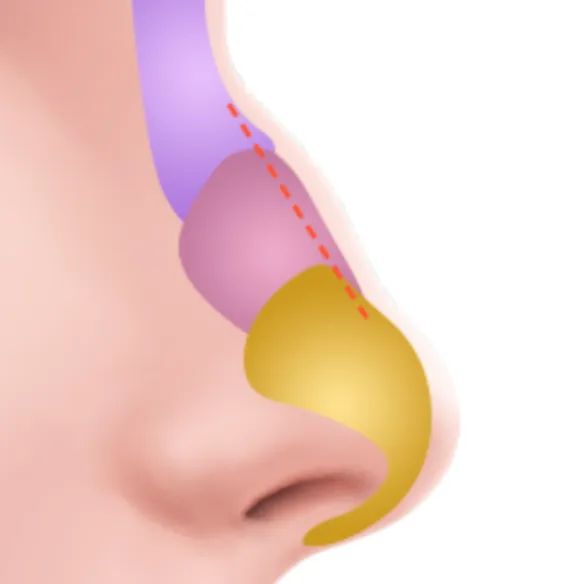
❶ The protruding nasal bridge is resected.
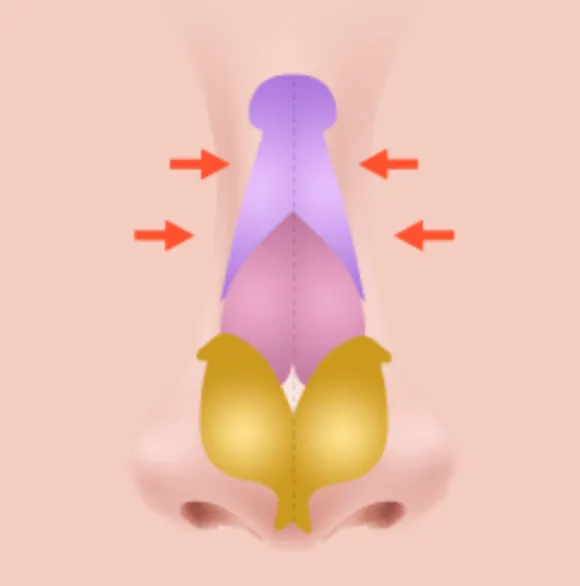
❷ Through lateral osteotomy, the nasal bones are brought toward the center.
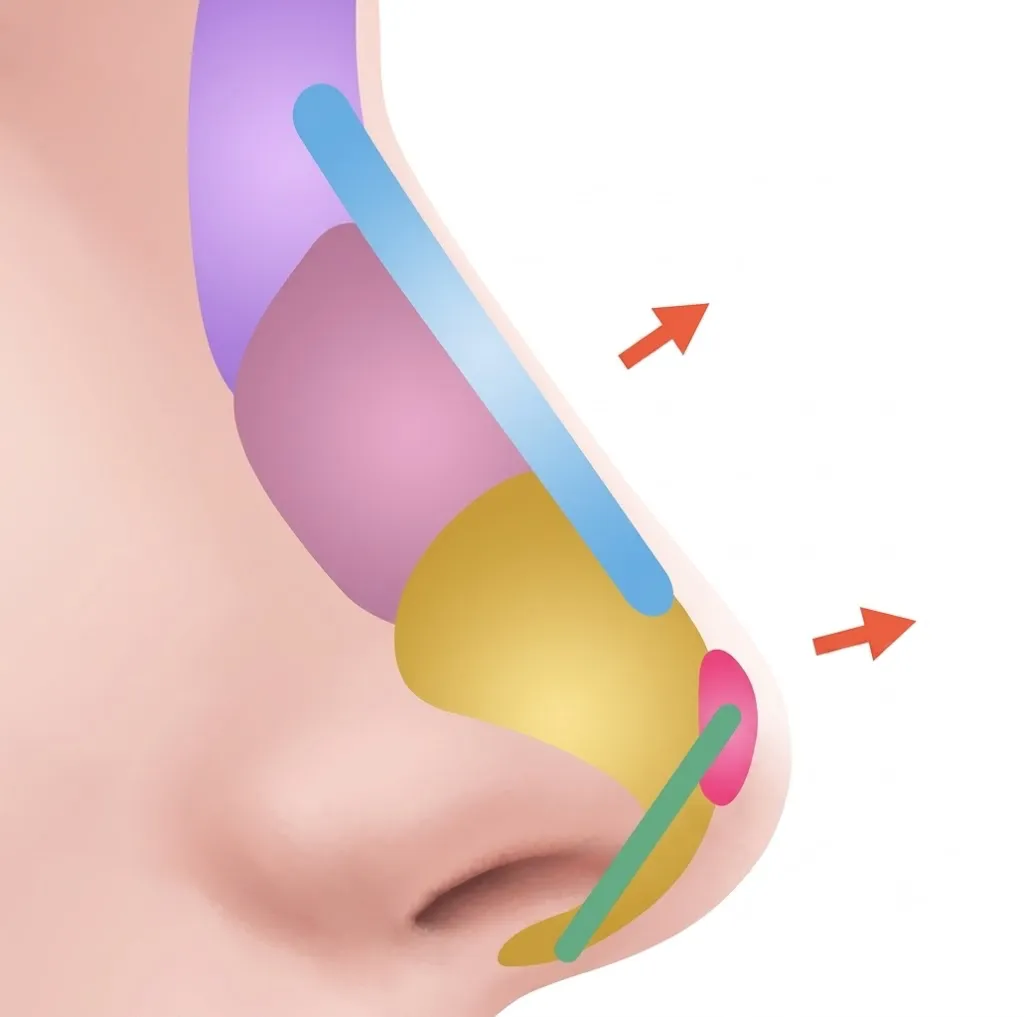
❸ If the nasal bridge is low, an implant is inserted.
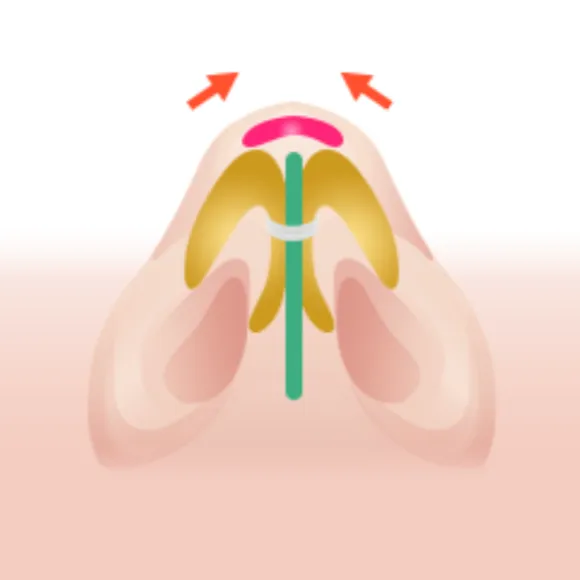
❹ The cartilage at the nasal tip is gathered and elevated, and a support structure is created to prevent drooping and shape the nose.
02 Crooked Nose
A crooked nose is one in which the nasal bridge does not extend straight and bends to either the left or right side. In many cases, not only the nasal bridge bone but also the internal nasal bone may be deviated, often accompanied by issues such as nasal obstruction, rhinitis, and headaches. Both the form and function of the nose must be considered when creating a straight nasal shape.
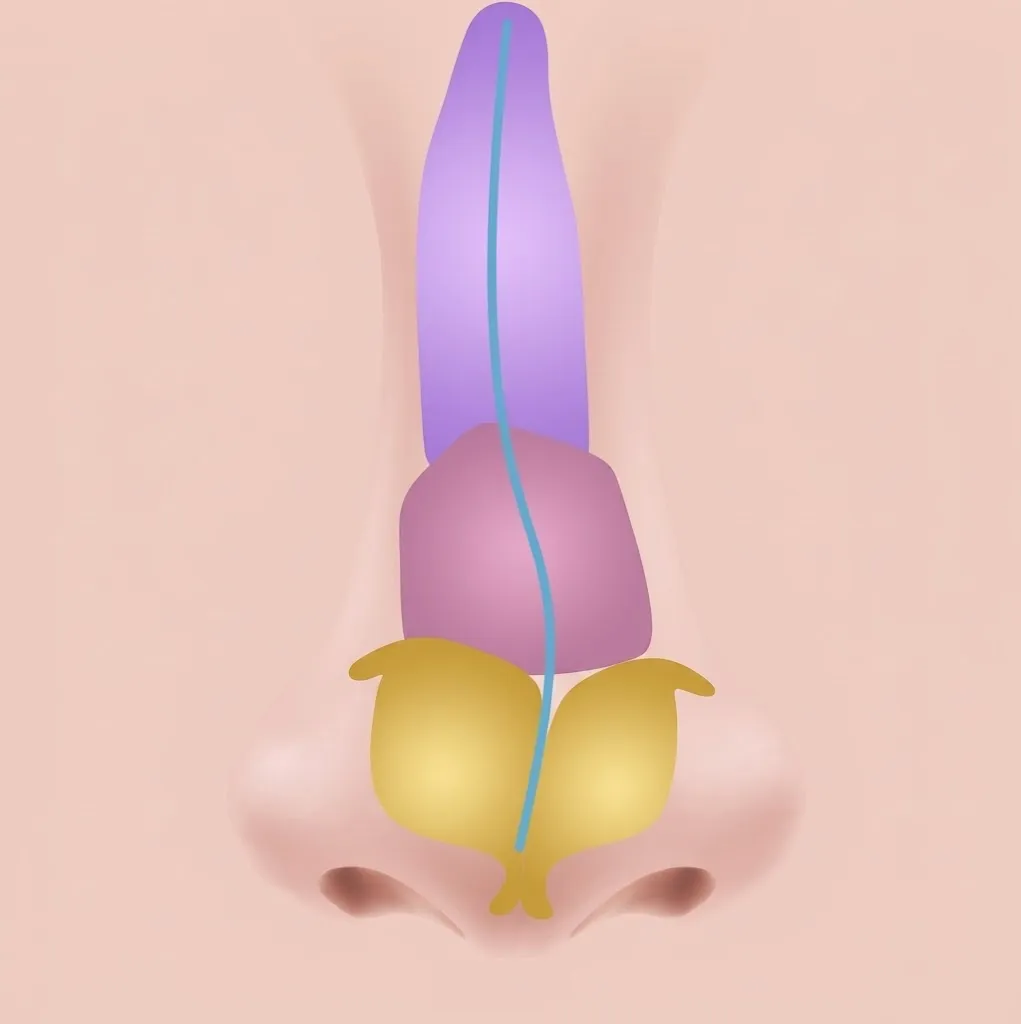
❶ The protruding side of the nasal bone is resected, while cartilage or other material is grafted to the depressed side.
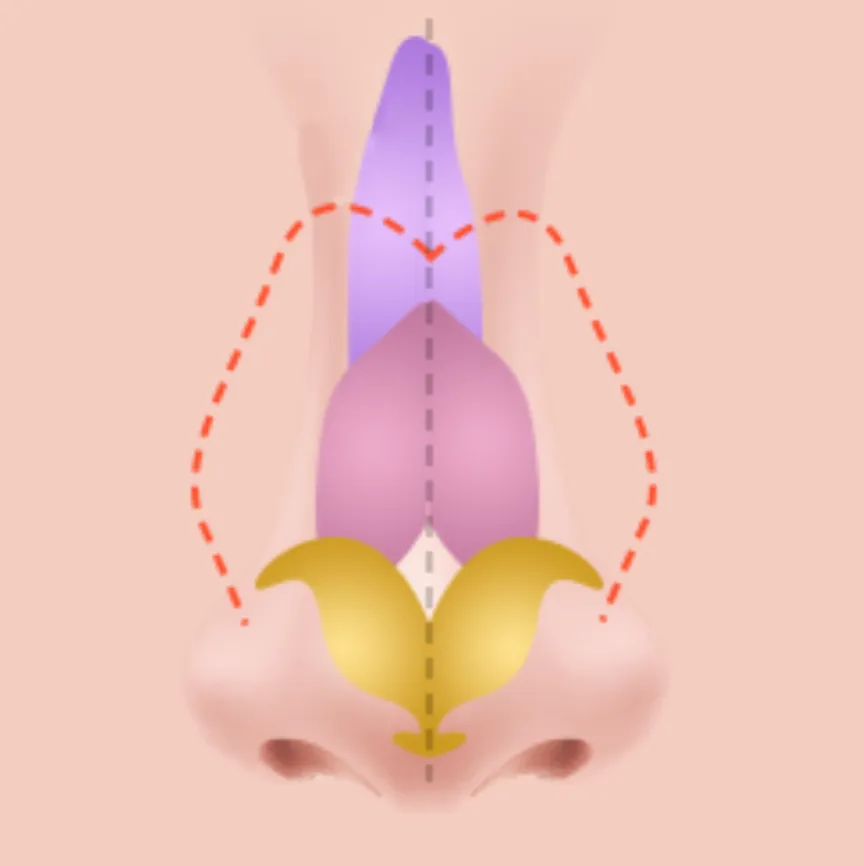
❷ The deviated portion of the septal cartilage is osteotomized or straightened and then corrected. (Implants may be used as needed)
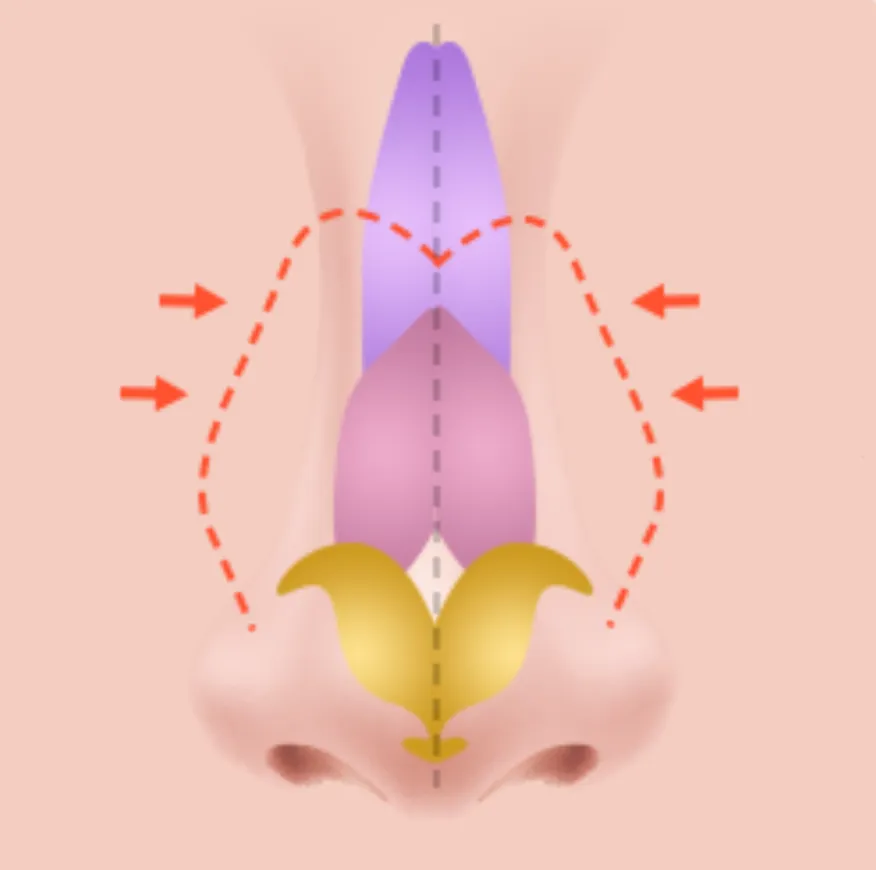
❸ The cartilage at the nasal tip is sutured together for support and firmly secured to prevent the nose from bending again.
03 Bulbous Nose
This refers to a nose in which the nasal tip appears relatively wider than the nasal bridge and looks broad or blunt. Because the nasal tip may appear spread out and bulbous for various reasons, the size of the nostrils, skin thickness, and shape are comprehensively considered before surgery. A solution suited to the balance is then determined to create a beautiful, refined line that complements facial balance.
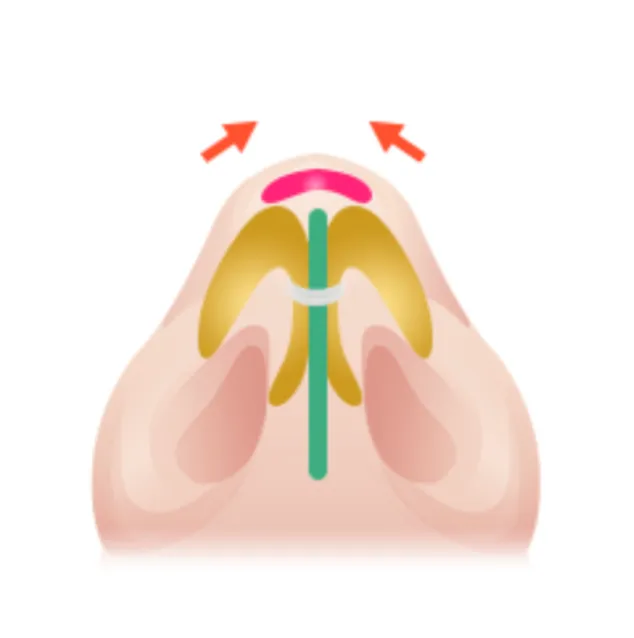
❶ If the alar cartilages are spread apart, the cartilage is brought toward the center and firmly secured to correct the nasal tip.
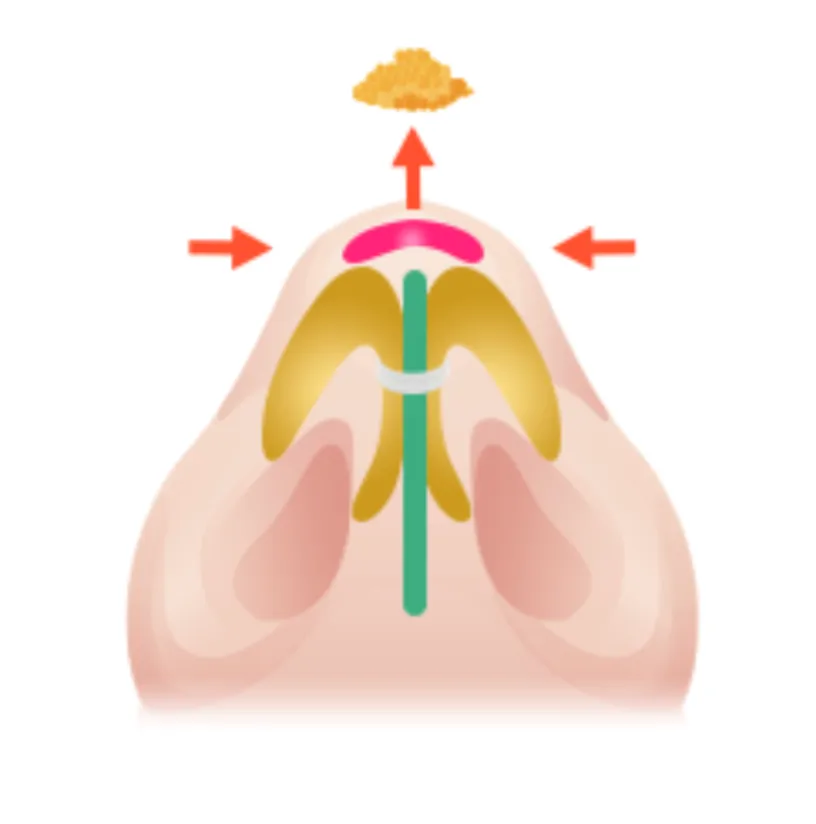
❷ If the nasal tip tissue is thick, unnecessary soft tissue is removed before shaping the nasal tip.
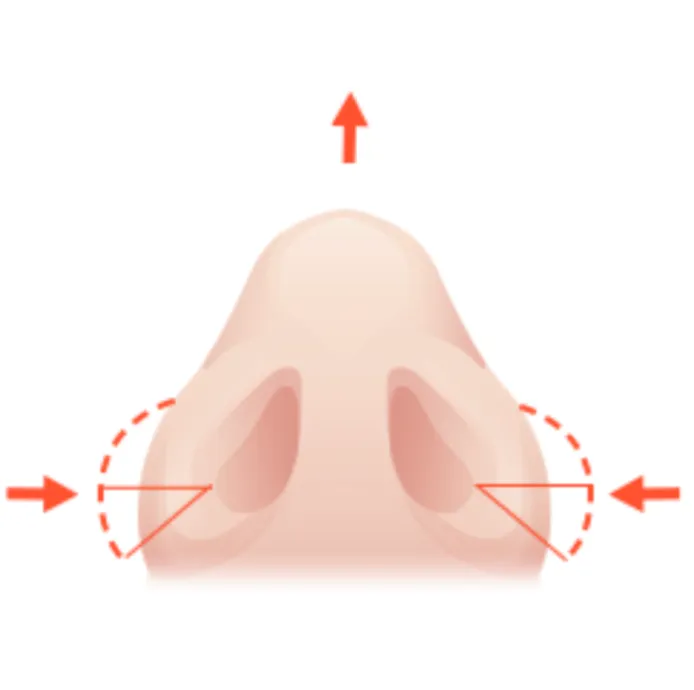
❸ If the nostril tissue is wide (alar reduction), unnecessary tissue is excised along the contour of the nostril and cheek, then sutured.
04 Long Nose · Drooping Nose
A nose with a tip that droops excessively below facial balance is called a long nose, while a nose that appears pointed like an arrowhead and may cover the philtrum is called a drooping nose. Excessively long or downward-facing alar cartilage is resected, and the downward-drooping nasal tip is corrected for a higher, smoother appearance.
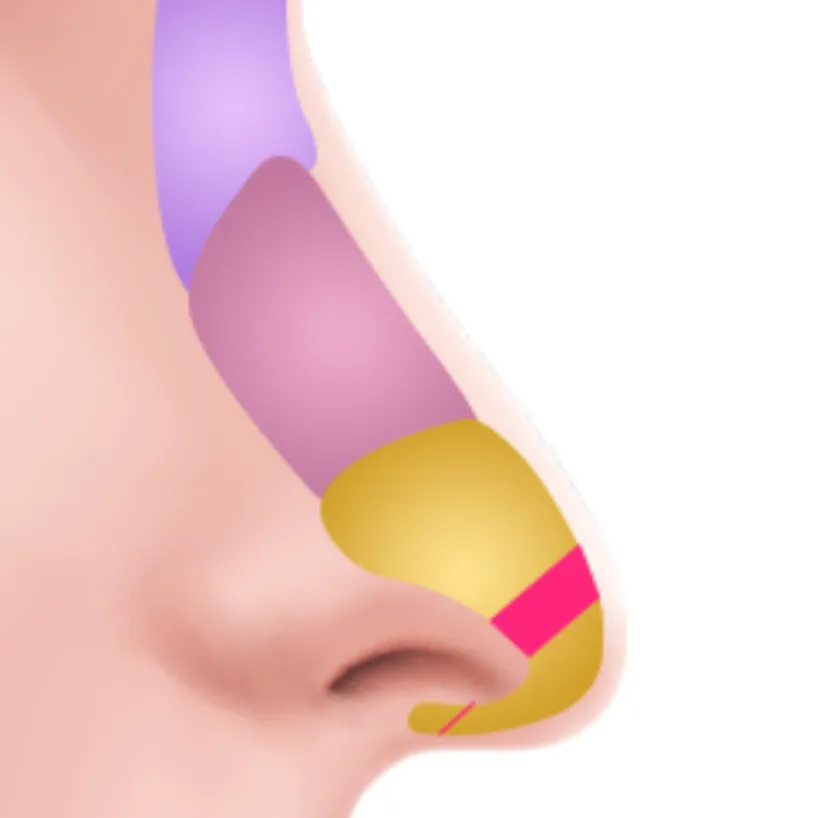
❶ Unnecessary alar cartilage and an appropriate amount of drooping septal cartilage are removed.
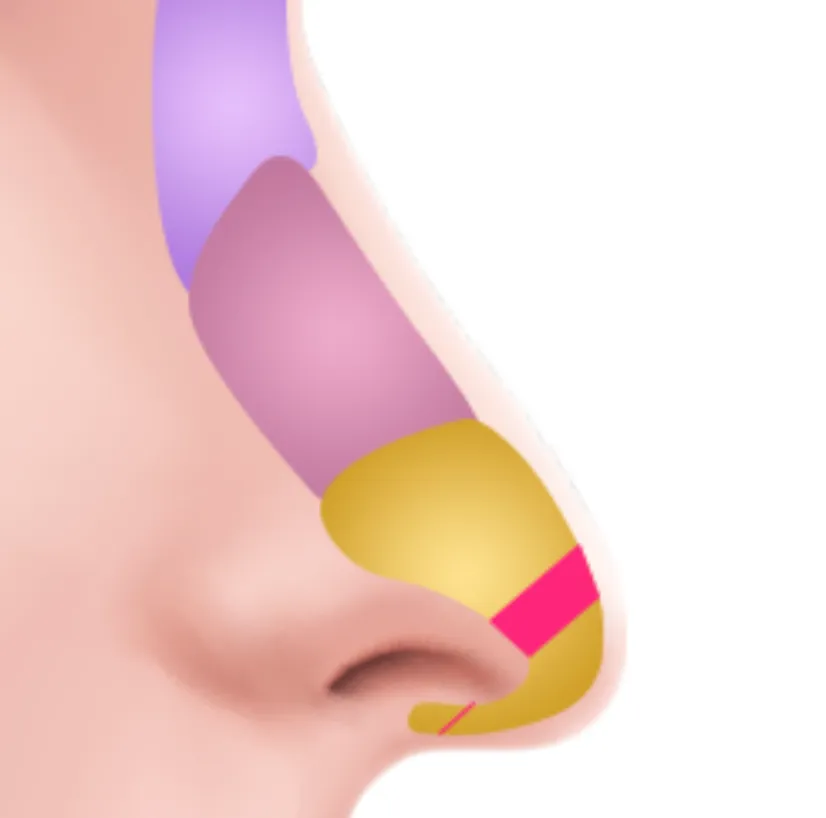
❷ The length of the alar cartilage and septum is elevated, and the nasal tip is firmly secured.
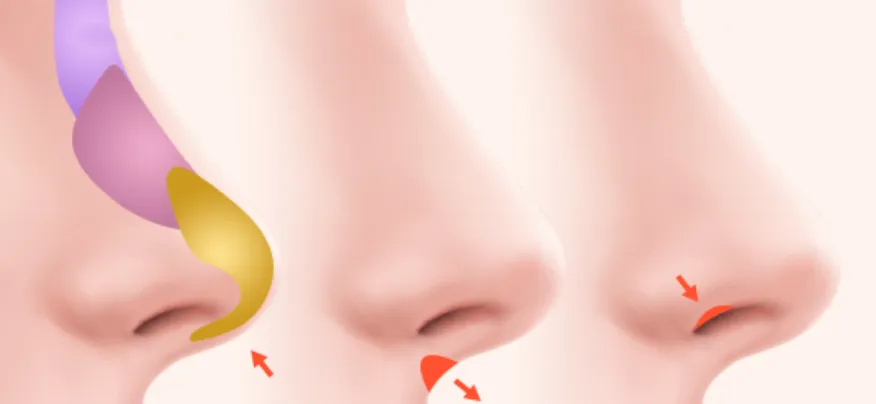
❸ Refinement of the columella, philtrum, and nostril shape enhances the final details.
05 Short Nose · Upturned Nose
A short nose or upturned nose refers to a nose with insufficient length and excessive nostril visibility from the front. The nasal soft tissue and length are extended within a safe range, and the nasal tip is lowered to naturally improve tip upturn. This is one of the most complex and technically demanding rhinoplasty procedures, making it important to choose an experienced specialist.
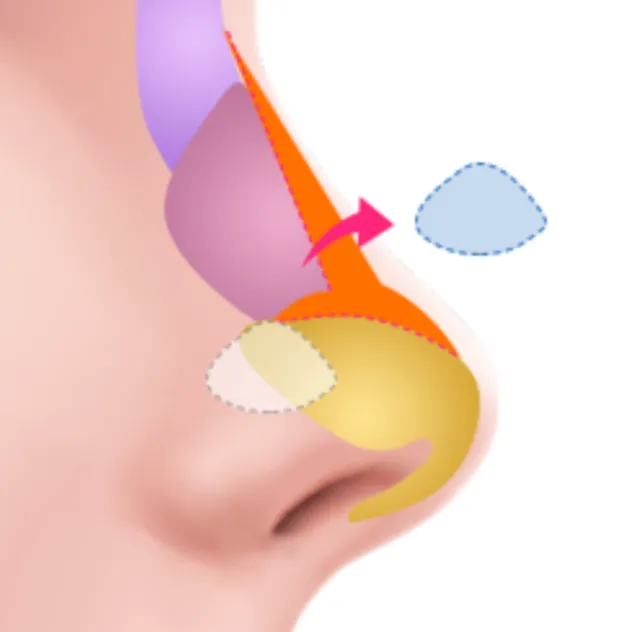
❶ Alar cartilage harvested from inside the nose is separated from the nasal bridge cartilage.
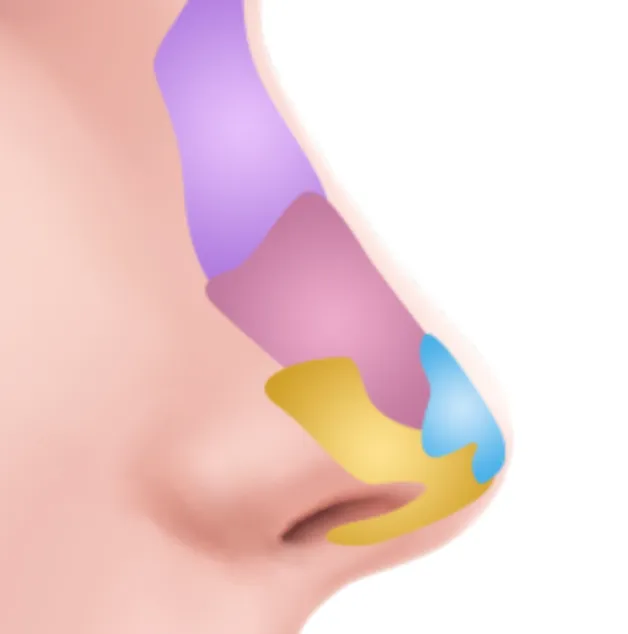
❷ Alar cartilage is used as an extension graft in the space created between the separated cartilages.
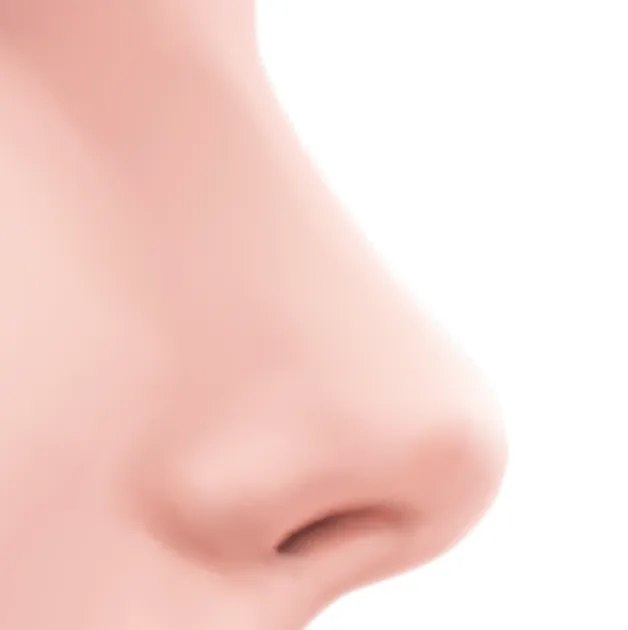
❸ The extended cartilage is firmly secured, lengthening the nose while elevating the nasal dorsum.
Key Features of Classy Rhinoplasty by Type
❶ A customized nasal line designed to harmonize with the entire face
This rhinoplasty procedure creates greater harmony using angles and lines suited to facial proportions, along with implants tailored to individual characteristics.
❷ Detailed 3D-CT diagnosis
We perform a three-dimensional analysis of the overall condition, size, shape, and asymmetry of the nasal bones, septal cartilage, and skin tissue—factors that cannot be fully assessed through a standard consultation.
❸ The columella shape and angle that best suit your face
We improve a harmonious, balanced facial line by considering facial length and the nasolabial angle.
❹ Meticulous scar care after surgery
We provide professional postoperative care to minimize scars that may occur after surgery. Our attentive care supports recovery and helps maintain clean, natural-looking results.
Classy Answers Your Questions!
Q&A 01
Q. How long will swelling last after rhinoplasty?
A. Swelling after rhinoplasty may vary from person to person. On average, the splint, sutures, and tape are removed one week after surgery. Significant swelling and bruising typically subside within 1–2 weeks, and the nose becomes relatively natural-looking after about one month. Residual swelling and scars gradually improve for up to six months. However, this may also vary by individual.
A Dramatically Changed Me: Before & After Photos


Why Choose Classy: A System Focused on Each Individual

Client-Centered Hospital
Classy is a hospital centered on clients, not medical staff.

Postoperative Care
To help achieve satisfying results and support a speedy recovery after surgery.
Safe Surgery
We prioritize client safety, not just cosmetic results.
Client Satisfaction
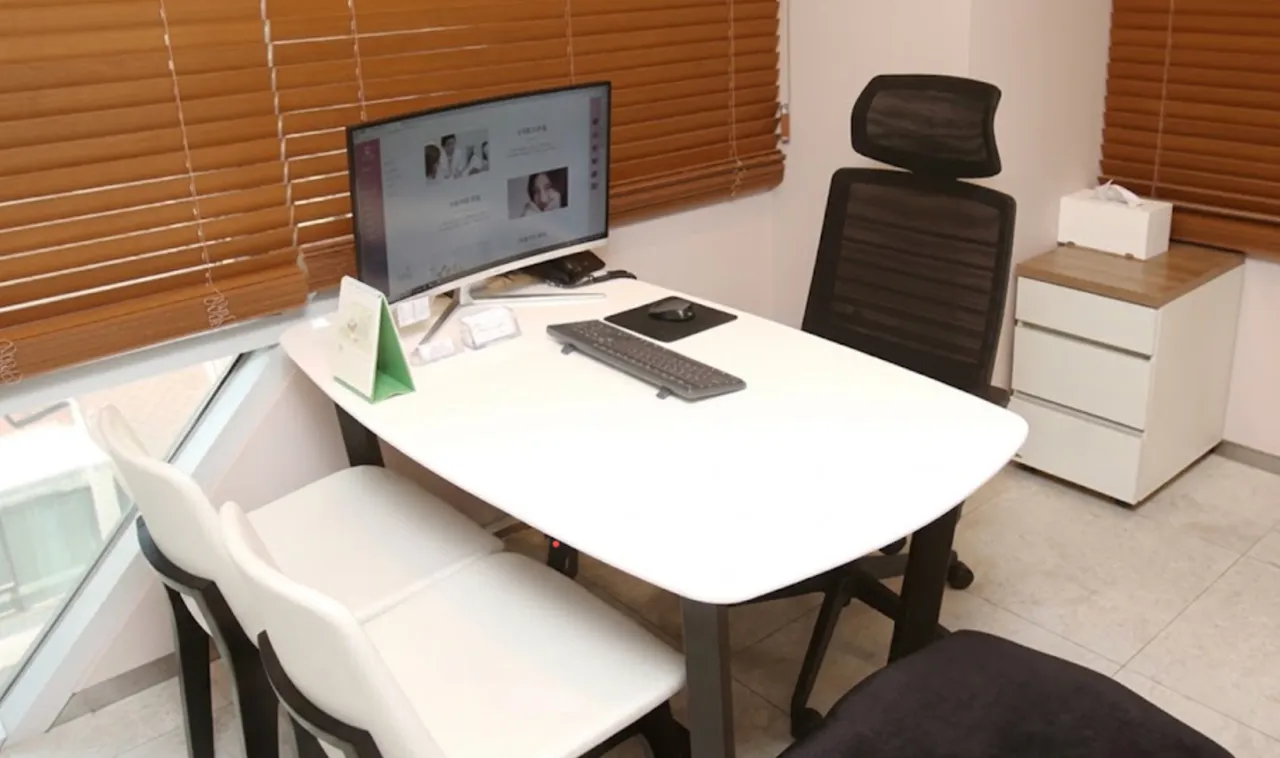
Through customized care, we deliver surgical results with high client satisfaction.
 CLASSY PLASTIC SURGERY