
Nose Shape Correction
From 890,000 KRW/ surgery
By carefully analyzing the individual’s nasal shape and overall facial harmony, we create a balanced nasal contour through customized designs tailored to each type.
Surgery Overview
AI-generated information for reference only. Please consult a doctor for accurate, personalized advice.
Nose Surgery by Type
Turning flaws into strengths
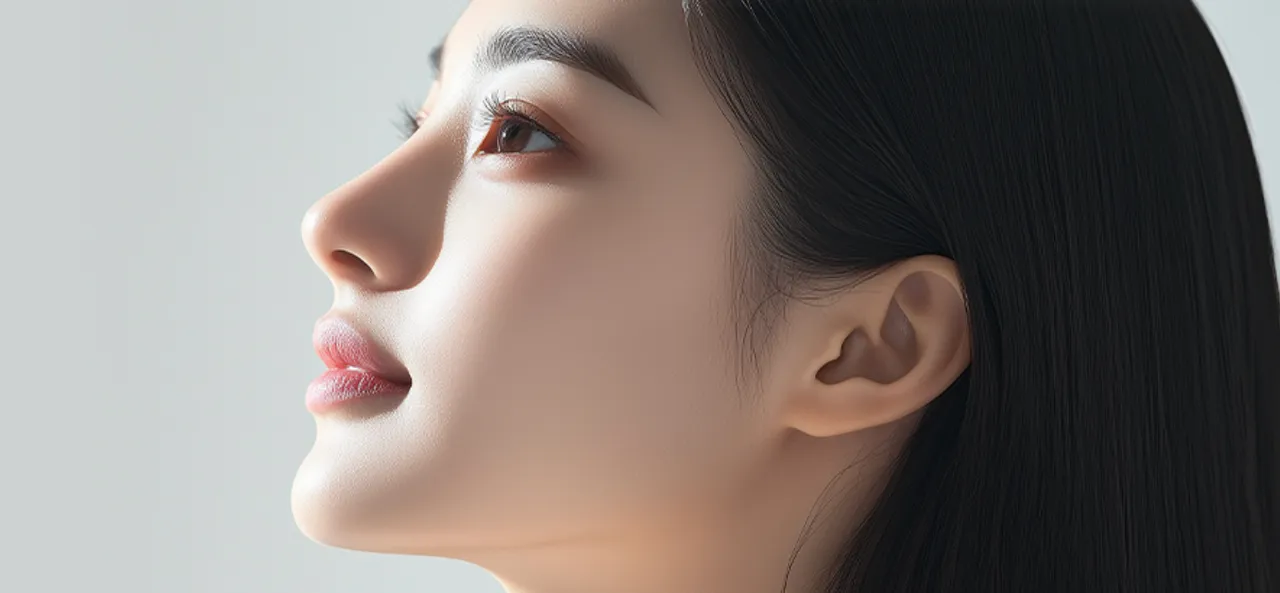
01 Bulbous Nose
Remove the awkward look for a defined, refined nasal tip
A bulbous nose cannot be corrected simply by raising the nasal bridge. Skin thickness, the amount of fat, and the angle at which the cartilage is spread must all be considered. By removing unnecessary nasal tip fat and precisely bringing together the spread alar cartilages, we create a refined, defined nasal tip line that looks elegant from every angle.

✓ Surgery time: 1 hour 30 minutes
✓ Anesthesia: Local anesthesia/sedation
✓ Follow-up visits: 2–3 times
✓ Hospitalization: Not required
✓ Recovery period: 7 days
✓ Suture removal: After 7 days
Candidates for Bulbous Nose Surgery
✓ A generally large nose ✓ A blunt and low nasal tip ✓ Wide, flared nostrils ✓ Thick skin and fat on the nostrils ✓ Desire for a slim, refined nasal line ✓ A nose that appears compressed relative to the nasal bridge ✓ Alar cartilages that are widely spread to the sides
What Is a Bulbous Nose?
It refers to a condition in which the alar cartilages at the nasal tip are excessively developed and spread sideways, or the skin and fat layers covering the nasal tip are thick, making the nasal tip appear wide rather than slim.
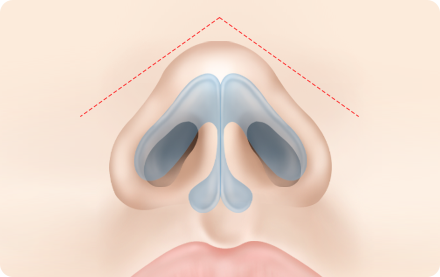
Normal Nose
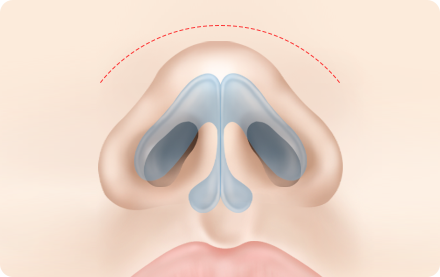
Bulbous nasal tip: a bulbous nose with a blunt tip and thick subcutaneous tissue
Bulbous Nose Surgery Methods by Type
Because no two noses are the same
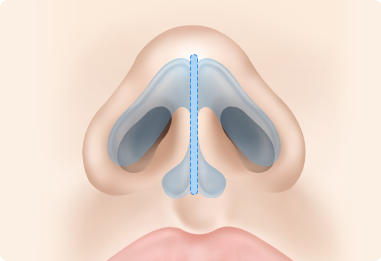
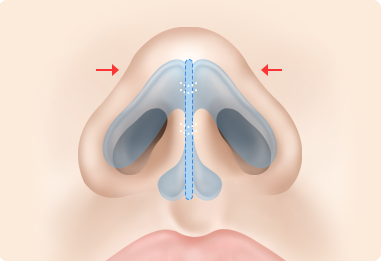
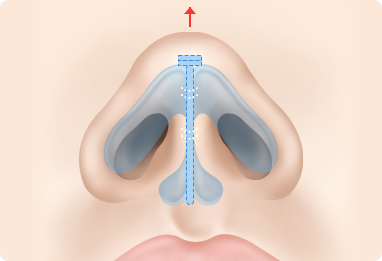
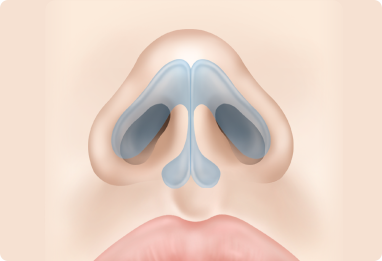
Case 01 Bulbous nose caused by spread alar cartilages
After supporting the nasal bridge with septal cartilage or other material, the spread alar cartilages are sutured together. Depending on the design, the nasal tip may be further elevated to create the desired line.
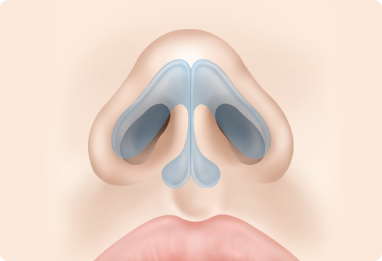
❶ Bulbous nose caused by spread alar cartilages
❷ Reinforcement of nasal bridge support
❸ Suturing the spread cartilages together
❹ Bulbous nose correction
Case 02 Bulbous nose caused by thick subcutaneous tissue and fat at the nasal tip
A bulbous nose can be corrected by appropriately removing subcutaneous tissue and fat.
❶ Before surgery
Bulbous nose that appears blunt due to thick fat
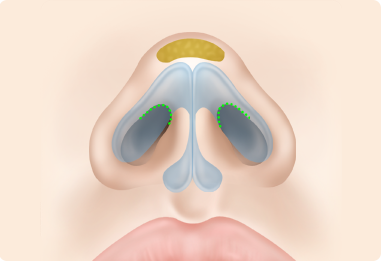
❷ Incision
Incision inside the nostril
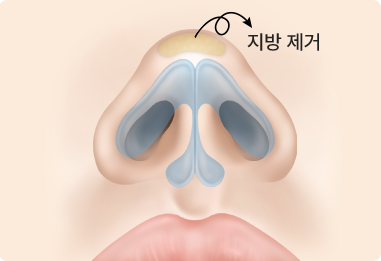
❸ Removal of subcutaneous fat
Appropriate removal of subcutaneous fat
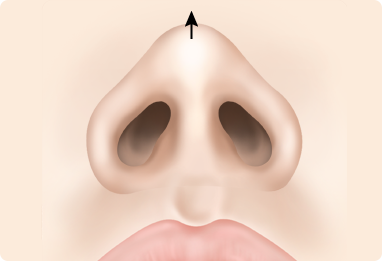
❹ Bulbous nose correction
Bulbous nose correction
Case 03 Bulbous nose caused by large alar cartilages
A bulbous nose can be corrected by appropriately removing subcutaneous tissue and fat.
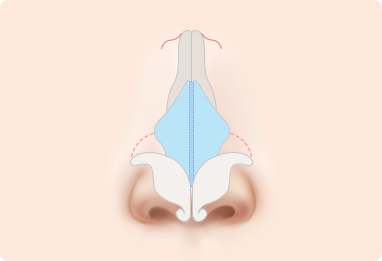
❶ Before surgery
Bulbous nose caused by large alar cartilages
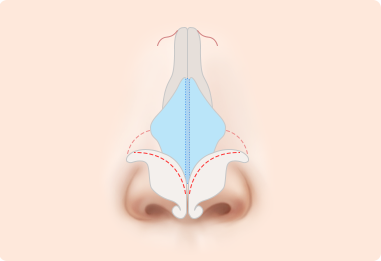
❷ Resection
Alar cartilage resection
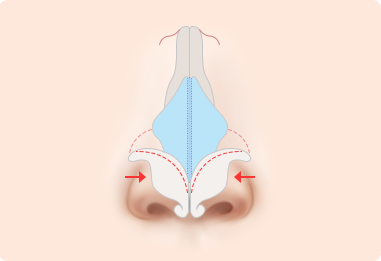
❸ Bringing together
Bringing the alar cartilages inward
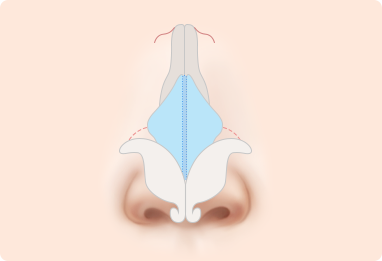
❹ Bulbous nose correction
Bulbous nose correction
The key to a complete nose surgery result is ultimately the nasal tip

No matter how high the nasal bridge is, a bulky nasal tip cannot create a sophisticated impression. Rather than simply making it slimmer, we create a three-dimensional nasal tip line from every angle by considering overall facial balance.
02 Hump nose Surgery
Smooth away uneven contours while preserving a gentle line
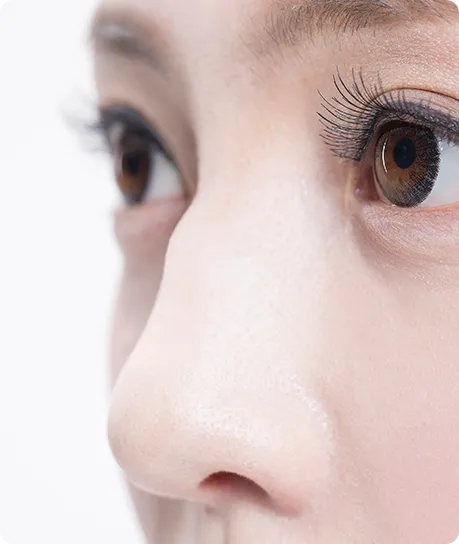
A Hump nose, in which the bone and cartilage on the nasal dorsum protrude, can create an overly stubborn or aged appearance. Vance Plastic Surgery precisely refines the protruding hump to create a smooth side profile that flows seamlessly from the forehead to the nasal tip.

✓ Surgery time: 1 hour 30 minutes
✓ Anesthesia: Local anesthesia/sedation
✓ Follow-up visits: 2–3 times
✓ Hospitalization: Not required
✓ Recovery period: 7 days
✓ Suture removal: After 7 days
Candidates for Hump nose Surgery
✓ A protrusion in the middle of the nasal dorsum ✓ A large and wide nasal bridge along with a hump ✓ A Hump nose that makes the face appear long ✓ A low nasal tip relative to the nasal dorsum ✓ Desire for a smooth nasal line ✓ A hump that creates a strong impression
What Is a Hump nose?
Beyond being simply a matter of nose shape, it can make the overall facial impression look strong and stubborn or make one appear older than their actual age (an aged appearance).
Hump nose Surgery Methods by Type
Because no two noses are the same
Case 01 Mild hump
When the hump is mild and the nasal bridge and tip are high, the nasal bridge line can be corrected by shaving or performing an osteotomy only on the hump area.
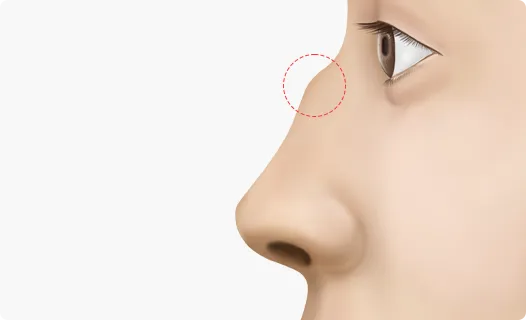
❶ Protruding Hump nose
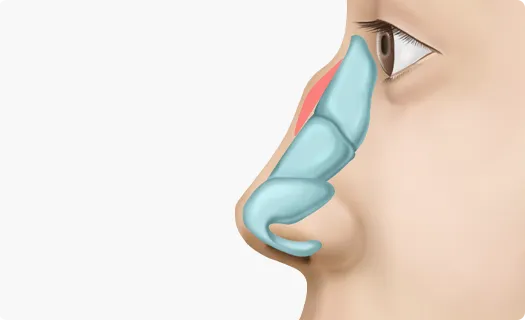
❷ Osteotomy and shaving to remove the protruding hump
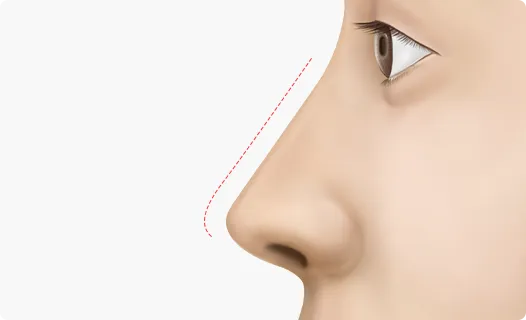
❸ Smooth nasal bridge line completed
Case 02 Severe hump
After shaving or removing the protruding area with an osteotomy, the nasal bridge line is corrected by augmenting the height of the nasal bridge and tip.
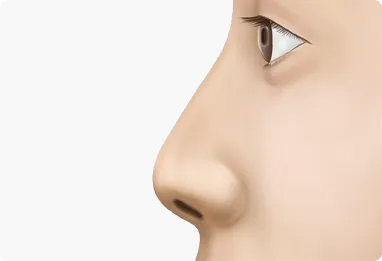
❶ Protruding Hump nose, low nasal bridge and tip
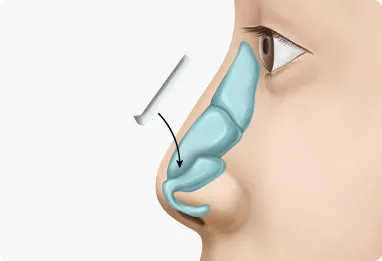
❷ Osteotomy and shaving to remove the protruding hump
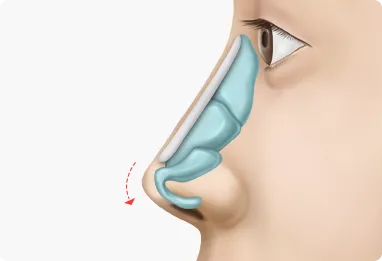
❸ Appropriate augmentation of the nasal bridge and tip using an implant
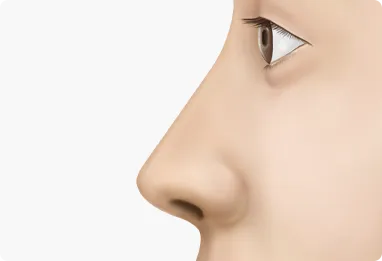
❹ Smooth nasal bridge line completed
Create the side profile you have dreamed of: straight, half-swoop, or straight half-swoop
Among the glamorous straight half-swoop, natural half-swoop, and sophisticated straight lines, we design the nasal bridge line that best highlights your facial features.
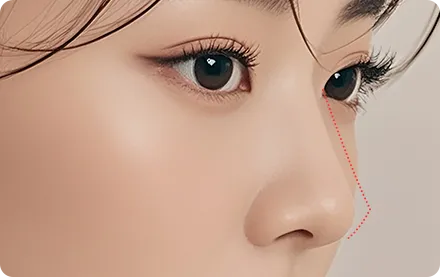
Straight Line
A nasal bridge line that extends straight from the bridge to the tip without curves
Suitable Face Shapes
Long face: balanced facial features without dispersing attention Angular face: harmonizes the overall appearance
Not Recommended
Long face or sharp impression: may make the impression appear stronger
Half-Swoop Line
A curved shape with a straight nasal bridge line and only the tip raised
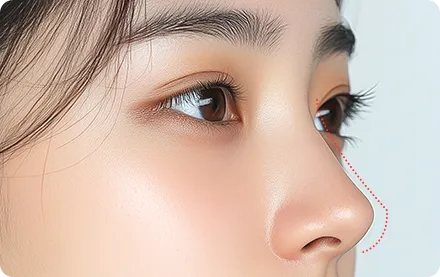
Suitable Face Shapes
Long and oval faces: the straight line refines the face, while the tip creates a softer impression
Swoop Line
A defined nasal tip line following a curved line from the glabella to the nasal bridge
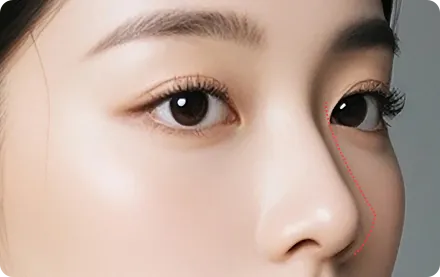
Suitable Face Shapes
Round face: draws focus toward the center for a slimmer appearance Faces with ample empty space: adds dimension to offset a flat appearance
Not Recommended
Long face: the nose may look shorter, making the face appear longer
03 Upturned Nose/Short Nose
For nostrils you wanted to hide, with an ideal nasolabial angle design
If the nasolabial angle, the angle formed by the nasal tip and upper lip, is too large (110 degrees or more), the nose appears upturned; if it is too small, it appears like a drooping nose. Vance Plastic Surgery creates the ideal angle of 95–105 degrees, making the mouth appear more retruded and completing a sophisticated facial line.

✓ Surgery time: 1 hour 30 minutes
✓ Anesthesia: Local anesthesia/sedation
✓ Follow-up visits: 2–3 times
✓ Hospitalization: Not required
✓ Recovery period: 7 days
✓ Suture removal: After 7 days
Candidates for Upturned Nose/Short Nose Surgery
✓ Desire for a nose length and line that harmonize with the face ✓ A nasolabial angle (nasal tip–lip angle) of 110 degrees or more ✓ A short nose that makes the face look flat ✓ An upturned nasal tip with excessive nostril visibility ✓ A nose length shorter than one-third of the overall face
What Is an Upturned Nose/Short Nose?
It refers to a nose with a length shorter than one-third of the overall facial proportion, or with an upwardly turned tip that excessively exposes the nostrils from the front. It may create an unrefined or overly light impression due to facial imbalance, so correction may be needed.
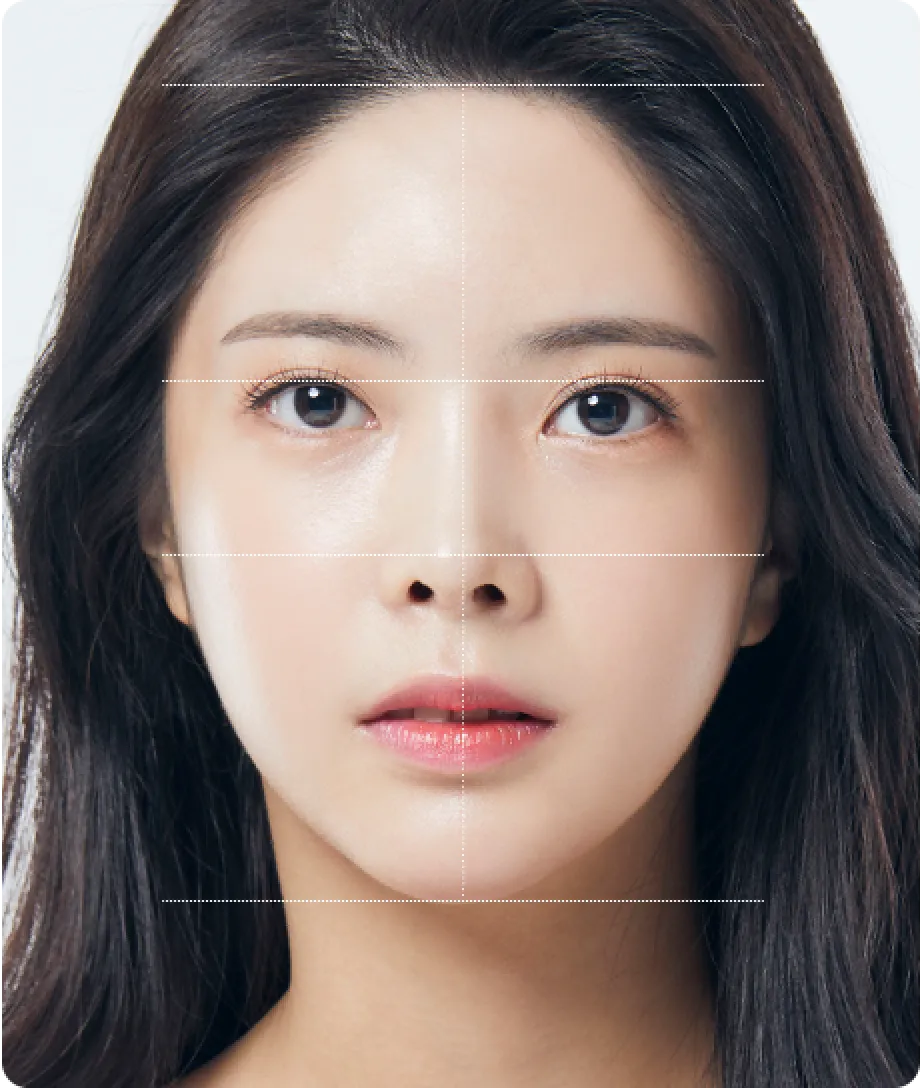
The ideal nose length is one-third of the vertical facial length.
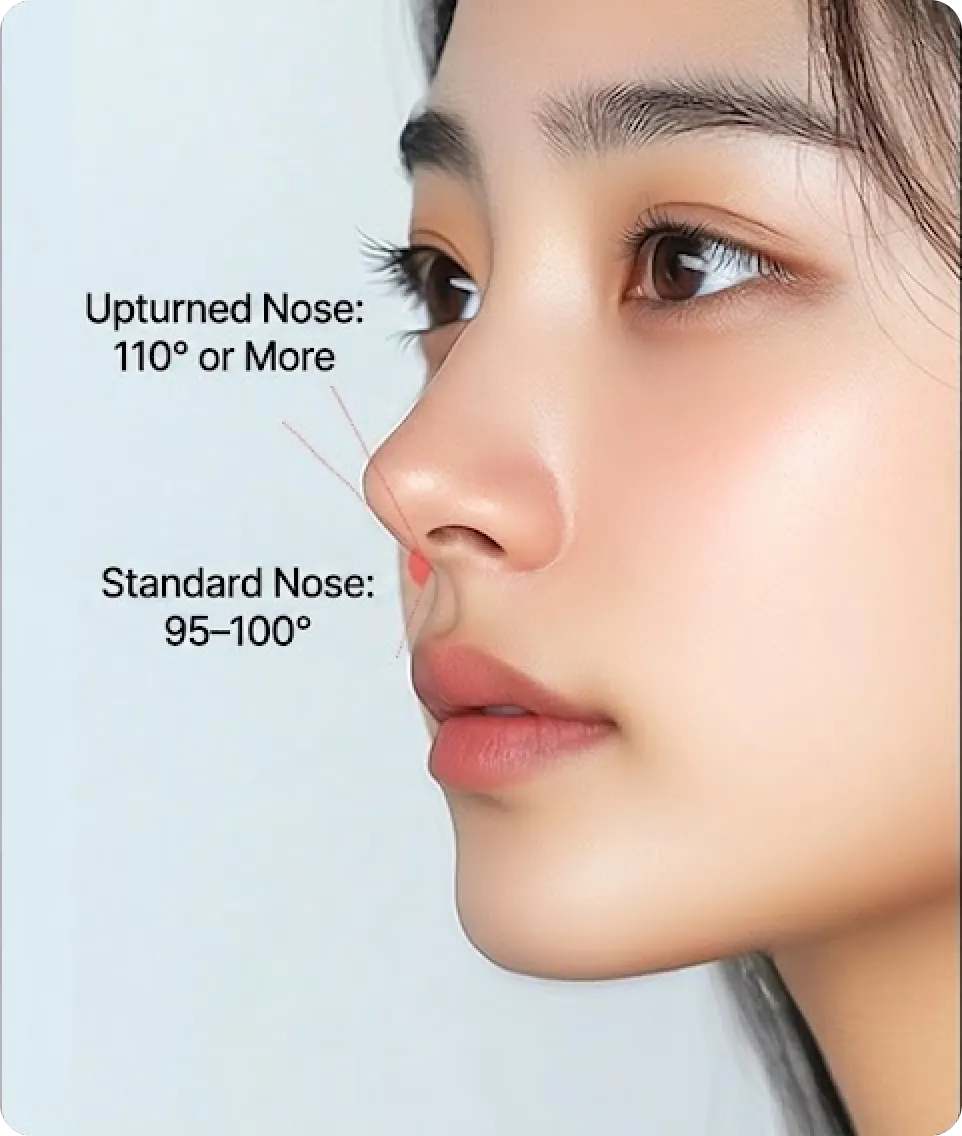
The ideal nasolabial angle is 90–95°.
Upturned Nose/Short Nose Surgery Methods by Type
Because no two noses are the same
Case 01 Adjusting the position of the alar cartilages only
The alar cartilages at the nasal tip are dissected, and the nasal tip is lowered to correct its shape and length.
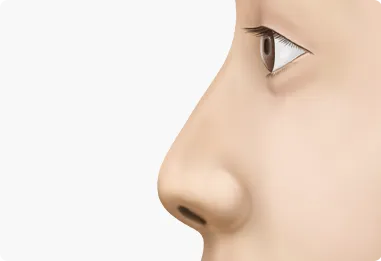
❶ Upturned nose/short nose
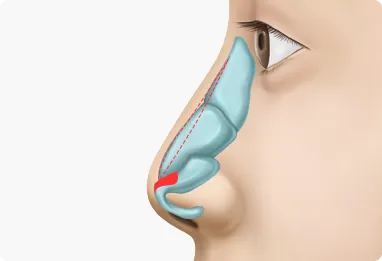
❷ Alar cartilage dissection
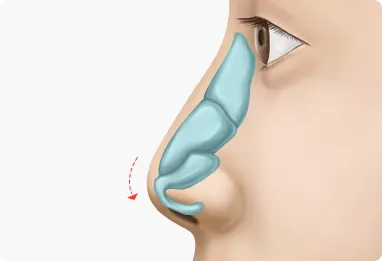
❸ Position and secure below the nasal wings
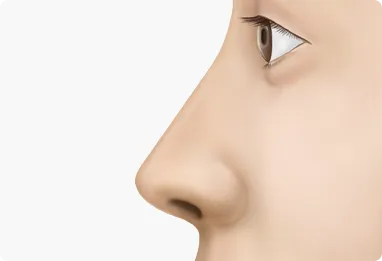
❹ Appropriate nose length
Case 02 Using septal cartilage
When it is difficult to lengthen the nose with alar cartilage alone, septal cartilage is grafted between the alar cartilages to lengthen the nose.
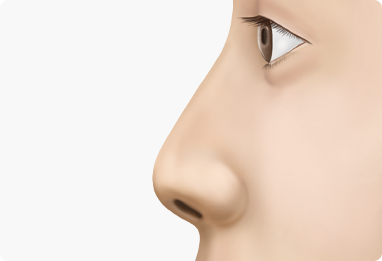
❶ Upturned nose/short nose
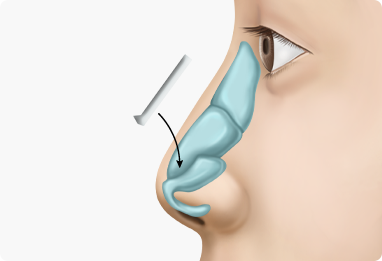
❷ Septal cartilage insertion
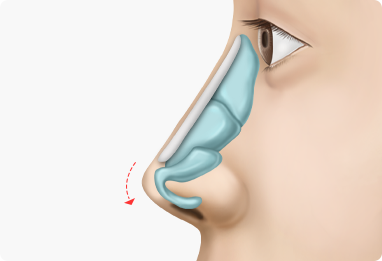
❸ Position and secure below the nasal wings
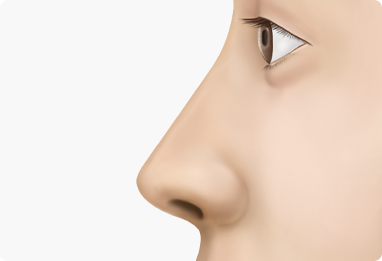
❹ Appropriate nose length
Smile freely and hold your head high.
Because of your short nose and visible nostrils, have you felt that your nose was all you could see in front-facing photos, causing concern and stress?

Vance Plastic Surgery's rhinoplasty gives you confidence without unflattering angles. Now, you can feel confident in front of the camera and in front of anyone without hiding.
04 Drooping Nose/Long Nose
Because a drooping nasal tip may have weighed heavily on your mind as well.
An aged-looking face and a harsh impressioncan cause hidden stress. We gently lift the heavy nasal tip and help lift your self-esteem as well.

✓ Surgery time: 1 hour 30 minutes
✓ Anesthesia: Local anesthesia/sedation
✓ Follow-up visits: 2–3 times
✓ Hospitalization: Not required
✓ Recovery period: 7 days
✓ Suture removal: After 7 days
Candidates for Drooping Nose/Long Nose Surgery
✓ Nose length exceeds one-third of the vertical facial length ✓ A long nose makes the overall face appear long ✓ A significantly drooping nasal tip ✓ A harsh-looking impression ✓ The nasal root is positioned lower than normal ✓ The nasal tip drops significantly when smiling ✓ A drooping nasal tip makes one appear older ✓ A small nasolabial angle
What Is a Drooping Nose/Long Nose?
It is a condition in which the length of the nose, the center of the face, exceeds one-third of the overall facial proportion. A long nose can make the midface appear longer, causing the face to look larger and older than it actually is.

The ideal nose length is one-third of the vertical facial length.
The ideal nasolabial angle is 90–95°.
Drooping Nose/Long Nose Surgery Methods by Type
Because no two noses are the same
Case 01 When nasal drooping is not severe
When nasal drooping is not severe, the nasal tip can be improved by resecting the tip cartilage and suturing it upward.
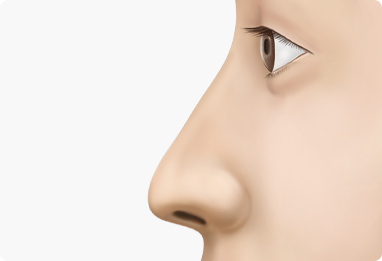
❶ Drooping nose/long nose
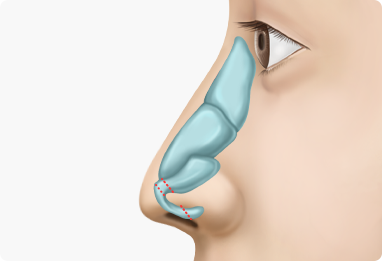
❷ Nasal tip cartilage resection
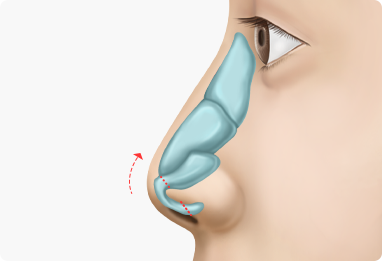
❸ Lift and suture the nasal tip cartilage upward
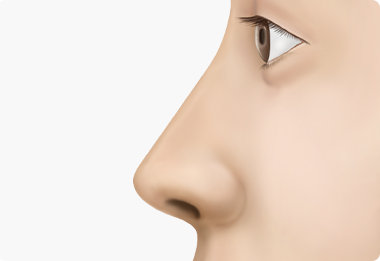
❹ Appropriate nose length
Case 02 When nasal drooping is not severe
When nasal drooping is not severe, the nasal tip can be improved by resecting the tip cartilage and suturing it upward.
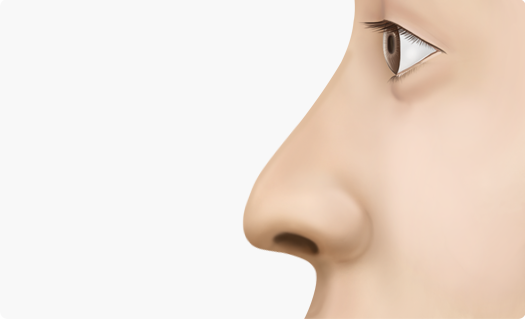
❶ Drooping nose/long nose
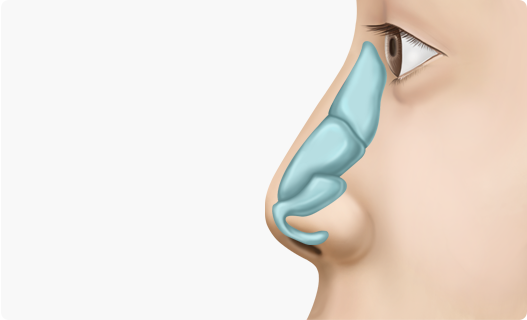
❷ Nasal tip cartilage resection
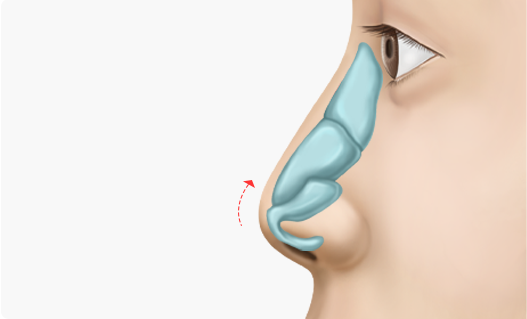
❸ Lift and suture the nasal tip cartilage upward
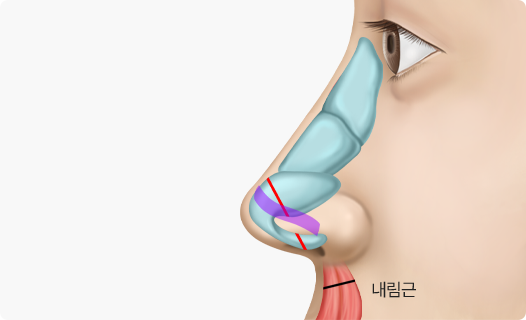
❹ Resection of the depressor septi nasi muscle (to prevent recurrent drooping)
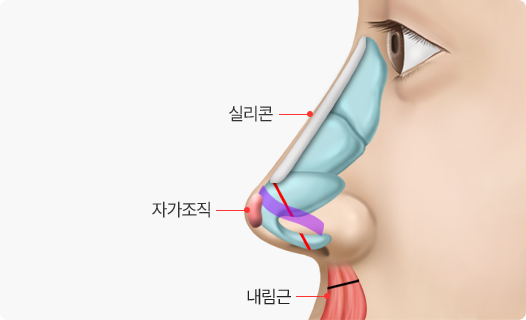
❺ Additional correction of the nasal bridge and tip, if needed
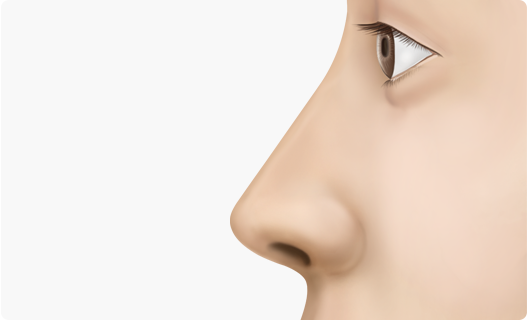
❻ Appropriate nose length
Have you been worried about a sharply drooping line in profile that becomes worse when you smile?
We restore a straight, well-defined line and comfortable nasal function.

Improving the visible concern of a crooked nose can also improve the stuffy breathing inside. Vance Plastic Surgery addresses not only a straight, balanced nasal line but also functional issues of the internal structure. We create a symmetrical line from every angle and comfortable breathing at the same time.
05 Crooked Nose
Straighten the curved line and clear the blocked breathing
Are you experiencing aesthetic and functional discomfort due to a crooked nose? Vance Plastic Surgery corrects bent bones and cartilage to create a straight nasal line and a functionally comfortable nose.

✓ Surgery time: 1 hour 30 minutes
✓ Anesthesia: Local anesthesia/sedation
✓ Follow-up visits: 2–3 times
✓ Hospitalization: Not required
✓ Recovery period: 7 days
✓ Suture removal: After 7 days
Candidates for Crooked Nose Surgery
✓ Desire to improve a crooked nose into a straight, balanced nose ✓ Functional or cosmetic issues due to a crooked nose ✓ A nose bent due to an accident or trauma ✓ An overall facial imbalance caused by a crooked nose ✓ Crooked nostrils ✓ Frequent nasal congestion or nasal conditions
What Is a Crooked Nose?
A crooked nose is one in which the bones and cartilage of the nasal dorsum are bent in a C-shape, S-shape, or diagonal shape.
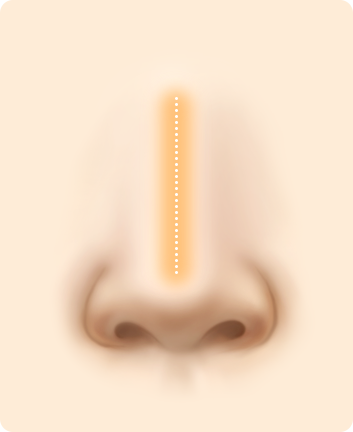
Normal Nose
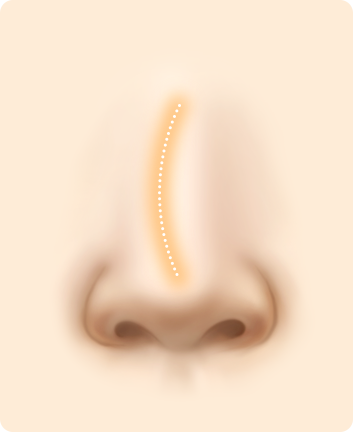
C-Shaped Crooked Nose
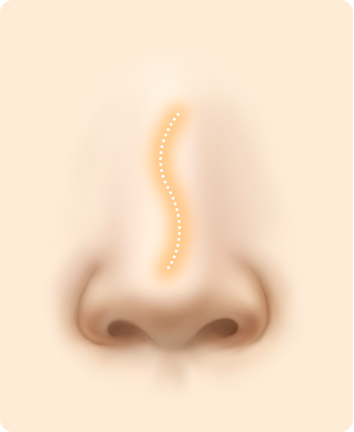
S-Shaped Crooked Nose
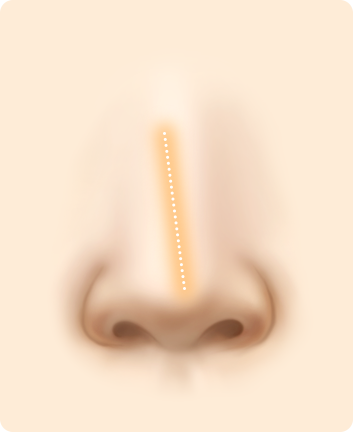
Diagonal Crooked Nose
A crooked nose is not only externally bent; the septal cartilage, the internal support structure of the nose, may also be bent, causing a deviated septum and nasal conditions such as nasal congestion and chronic headaches.
Septal Cartilage
This cartilage serves as a “wall” that separates the nostrils. Located inside the nose, it supports the nasal bridge and tip, acting as the nose's “main beam.”
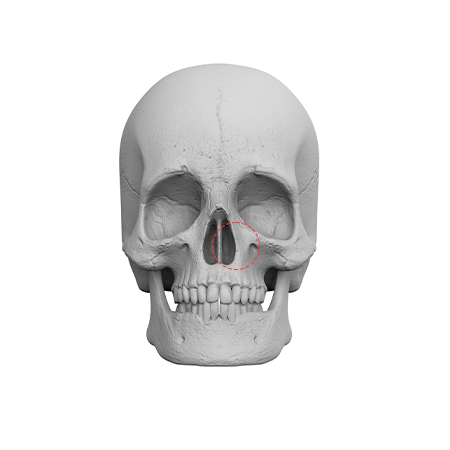
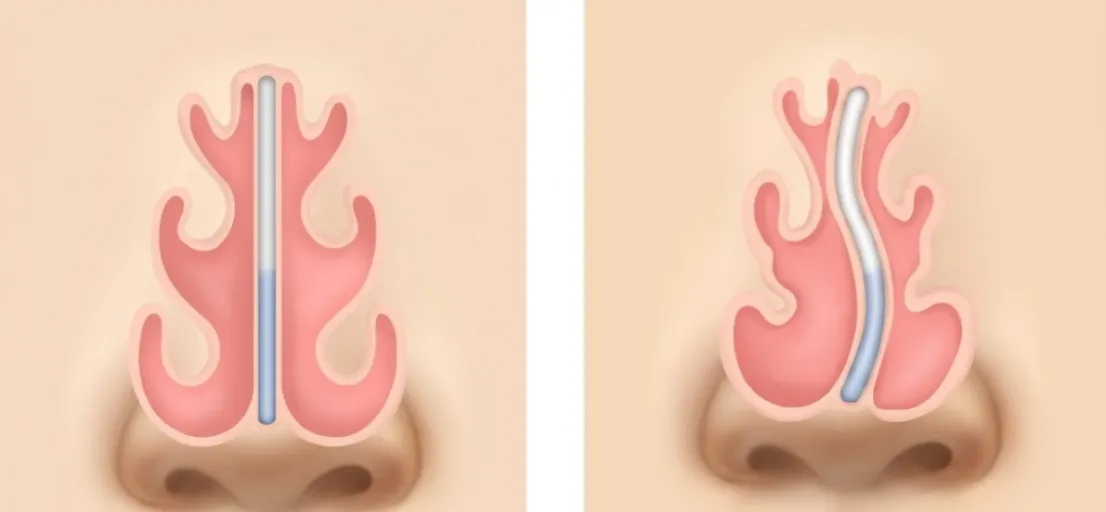
(Left: normal finding / Right: deviated septum finding)
It refers to a condition in which the septal cartilage, the partition that divides the nostrils into left and right sides, is not straight but bent into a C- or S-shape. It is common, affecting as many as 7 out of 10 adults, but severe cases can cause nasal obstruction.
Crooked Nose Surgery Methods by Type
Because no two noses are the same
Case 01 Bent nasal bones
A crooked nose can be corrected by performing osteotomy on the bent nasal bones and straightening them.
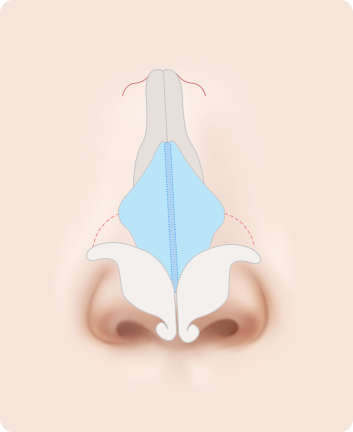
❶ Crooked nose
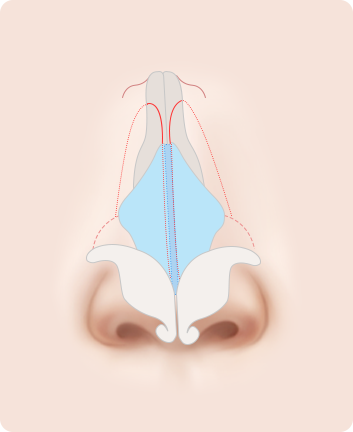
❷ Straightening after inner and outer nasal bone osteotomies
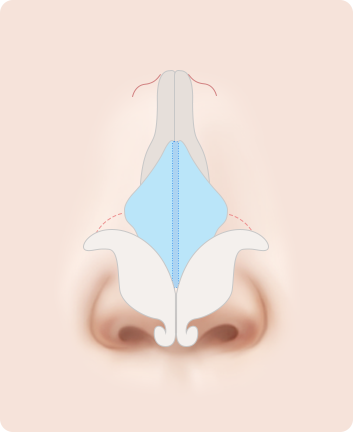
❸ Straight nasal line
Case 02 Deviated septal cartilage
After correcting the deviated septum by partially resecting it, the columella is corrected by reinforcing cartilage support.
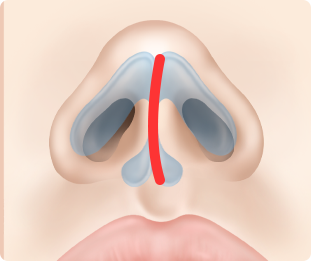
❶ Crooked nose
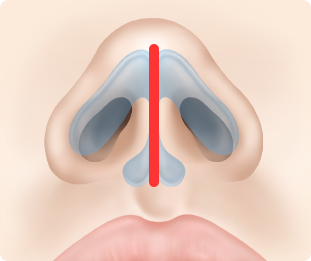
❷ Correction after septal resection
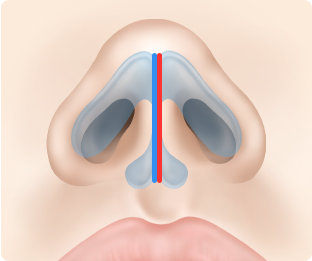
❸ Reinforcement of cartilage support
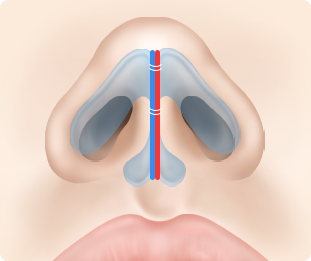
❹ Reinforcement of cartilage support
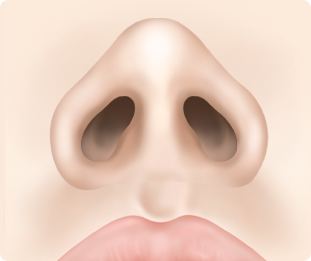
❺ Straight nasal line
Case 03 Crooked nasal tip
When the deviation is mild, cartilage or other materials are used to correct it.
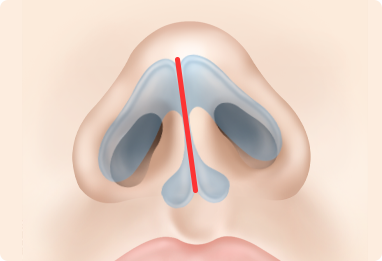
❶ Crooked nasal tip
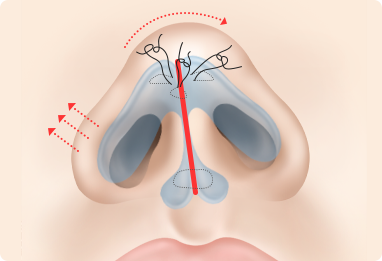
❷ Connect with cartilage and septal sutures
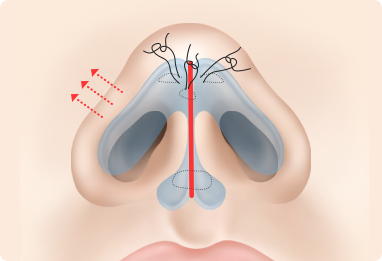
❸ Pull the sutures to straighten
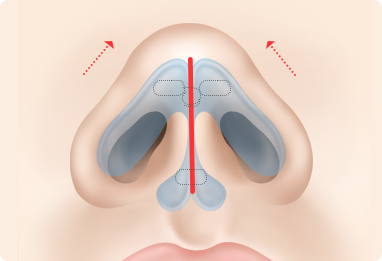
❹ Straightened nasal tip
Have you been worried about a sharply drooping line in profile that becomes worse when you smile?
We restore a straight, well-defined line and comfortable nasal function.

Improving the visible concern of a crooked nose can also improve the stuffy breathing inside. Vance Plastic Surgery addresses not only a straight, balanced nasal line but also functional issues of the internal structure. We create a symmetrical line from every angle and comfortable breathing at the same time.
06 Low Nose
Defined from the front, elegant from the side. Perfect dimension from the forehead to the nasal tip
What is needed is not simply “height,” but “angle.” By completing a smooth line from the glabella to the nasal tip, we create an S-line that makes a protruding mouth appear more retruded and enhances an elegant side profile.

✓ Surgery time: 1 hour 30 minutes
✓ Anesthesia: Local anesthesia/sedation
✓ Follow-up visits: 2–3 times
✓ Hospitalization: Not required
✓ Recovery period: 7 days
✓ Suture removal: After 7 days
Candidates for Low Nose Surgery
✓ Concern about a low nose ✓ A low nose creates a flat impression ✓ A low nasal bridge makes the distance between the eyes appear wide ✓ A low nasal bridge relative to the nasal tip ✓ A low nose with insufficient facial dimension
What Is a Low Nose?
It refers to a condition in which the alar cartilages at the nasal tip are excessively developed and spread sideways, or the skin and fat layers covering the nasal tip are thick, making the nasal tip appear wide rather than slim.
It refers to a low starting point of the nasal bridge (glabella) or a blunt nasal tip, making the face appear generally flat and lacking dimension. This is the most common type among Asians and can create the illusion of a wide glabella or protruding mouth.

Nose with a Low Nasal Bridge Starting Point
When the area between the eyes (glabella) appears wide
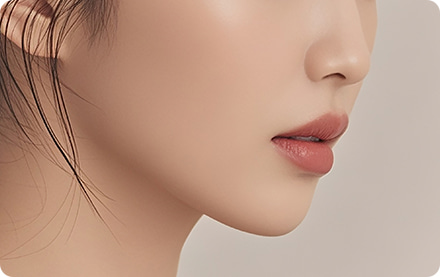
Nose with a Low Nasal Tip
When there is a nasal bridge but the tip is flat or spread

Overall Low Nose
When the entire nose is low from the nasal bridge to the tip
Your side profile cannot be concealed. Perfect dimension beyond the limits of contouring
Performed through open or closed techniques, silicone and septal cartilage or other materials are used to naturally correct the nasal bridge line, nasal tip height, and angle.
Low Nose Surgery Method
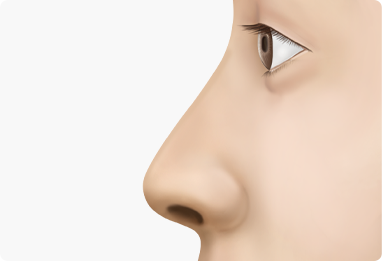
❶ Low nose
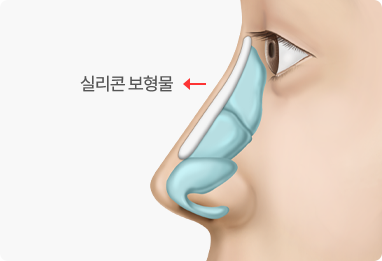
❷ Improve the nasal bridge line with silicone
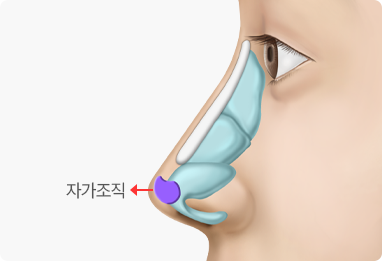
❸ Improve nasal tip line and height
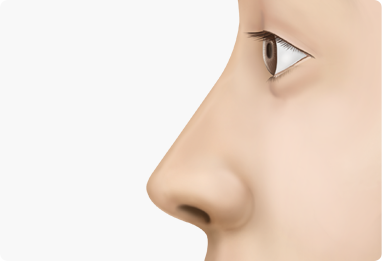
❹ Complete a dimensional nasal line
Create the side profile you have dreamed of: straight, half-swoop, or straight half-swoop
Among the glamorous straight half-swoop, natural half-swoop, and sophisticated straight lines, we design the nasal bridge line that best highlights your facial features.
Straight Line
A nasal bridge line that extends straight from the bridge to the tip without curves
Suitable Face Shapes
Long face: balanced facial features without dispersing attention Angular face: harmonizes the overall appearance
Not Recommended
Long face or sharp impression: may make the impression appear stronger
Half-Swoop Line
A curved shape with a straight nasal bridge line and only the tip raised
Suitable Face Shapes
Long and oval faces: the straight line refines the face, while the tip creates a softer impression
Swoop Line
A defined nasal tip line following a curved line from the glabella to the nasal bridge
Suitable Face Shapes
Round face: draws focus toward the center for a slimmer appearance Faces with ample empty space: adds dimension to offset a flat appearance
Not Recommended
Long face: the nose may look shorter, making the face appear longer
Open vs. Closed Rhinoplasty
Which Low Nose Surgery Should You Choose?
The incision method varies depending on goals, such as concerns about scarring or the need for definitive correction. Vance Plastic Surgery uses the appropriate customized approach to achieve a satisfying nasal line while minimizing scars.
Open Rhinoplasty (Incision)
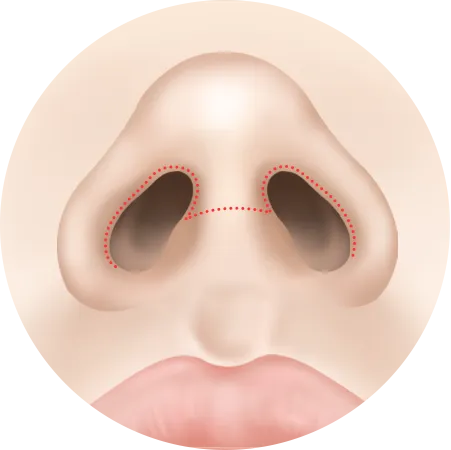
Indication: When changes to the nasal structure are needed
Incision site: Incisions in the nostrils and columella
Feature: Easy visualization of internal structures for delicate surgery
Closed Rhinoplasty (No External Incision)
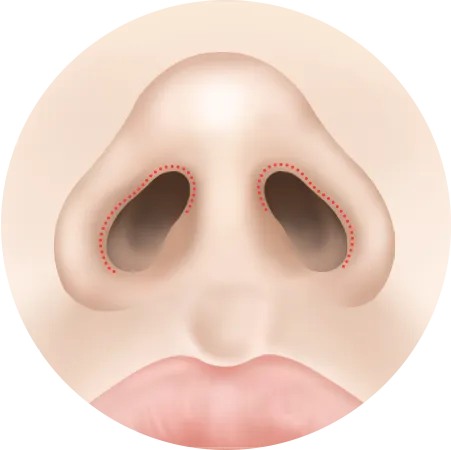
Indication: Simple correction of the nasal tip and bridge
Incision site: Incision inside the nostril
Feature: Minimal incision, less bleeding, faster recovery, and no concern about visible scarring
The standard for a successful first surgery lies in the depth of “analysis.”
For successful primary rhinoplasty, choose Vance Plastic Surgery
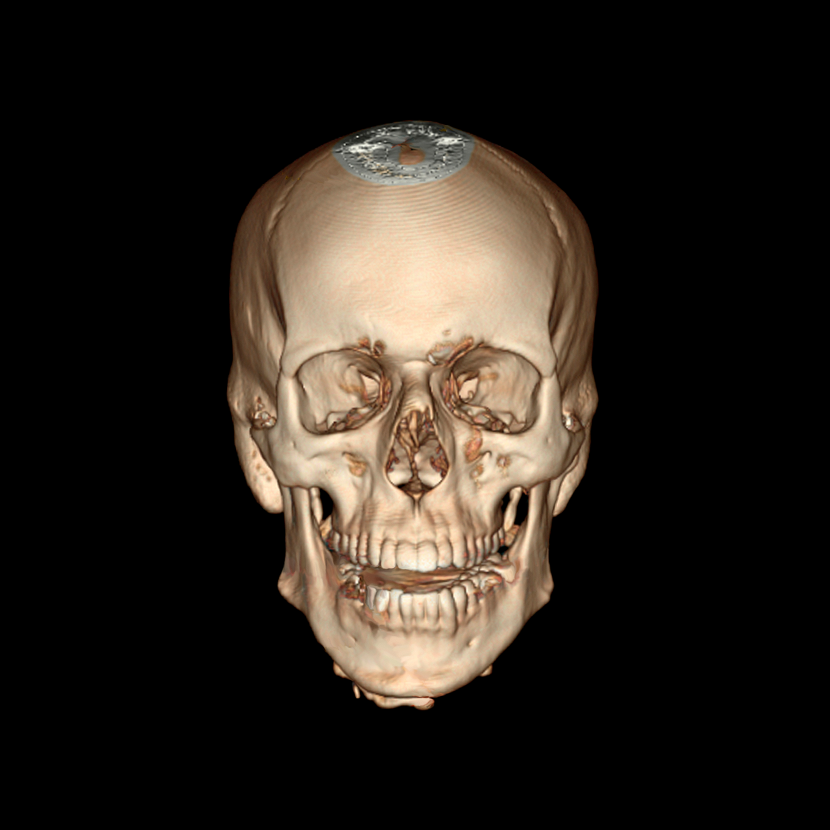
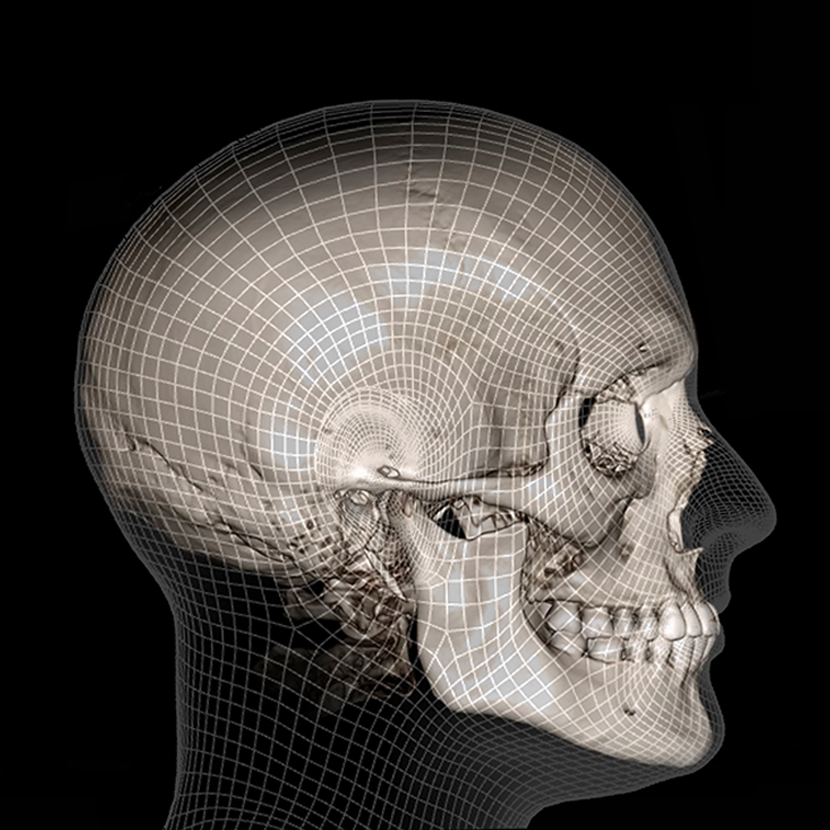
Surgery based only on external appearance has a high likelihood of failure. Because the nose has a complex three-dimensional structure, accurately understanding the condition of the bones and cartilage hidden beneath the skin is the first step toward success. Vance Plastic Surgery uses advanced 3D CT equipment to closely assess even internal structures that cannot be identified by the naked eye, enhancing surgical accuracy and safety.
❶ Precise Diagnosis
Before surgery, we precisely analyze each person's unique nasal bone thickness and width, as well as the condition of skin tissue. This helps prevent potential intraoperative variables in advance and enables the planned design to proceed.
❷ Septal Diagnosis
We assess in advance the size, shape, and degree of deviation of septal cartilage, a key material in primary rhinoplasty. By accurately predicting the amount of cartilage available for harvest, we establish a safe surgical plan without unnecessary additional cartilage harvesting.
❸ Functional Diagnosis
We diagnose functional issues inside the nose at once, including a deviated septum and inferior turbinate hypertrophy, which can cause nasal obstruction. In addition to visible beauty, we improve the nose's natural function to enhance postoperative satisfaction.
Vance Plastic Surgery promises a satisfying first rhinoplasty so that your first can be your last.
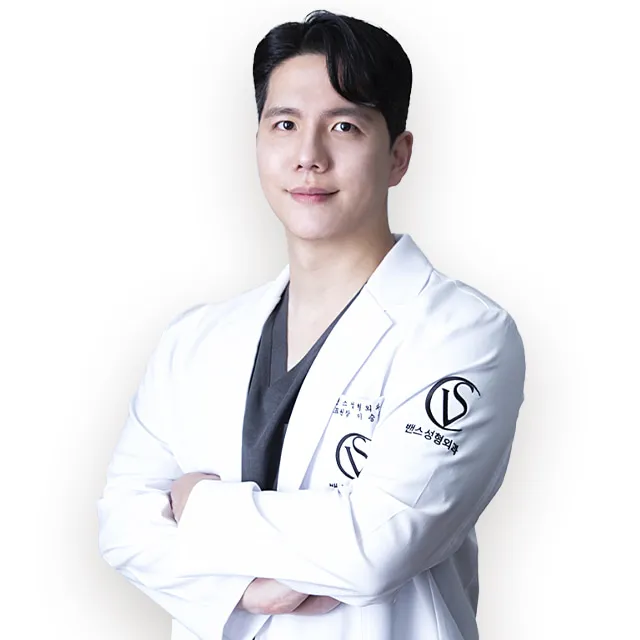
Board-Certified Plastic Surgeon
Lee Seung-jun, Chief Director of Vance Plastic Surgery
Rather than simply raising the nasal bridge, we design it with consideration of proportions with the forehead, chin tip, and cheekbones. We create a three-dimensional line that looks most natural on your face and never looks outdated even as trends change. We create a nasal line you will be satisfied with at any time and confident to show in profile photos.
Six details that make a difference in results: this is Vance Plastic Surgery's rhinoplasty.
It is not simply about raising the nasal bridge. Vance provides the standards needed for rhinoplasty, from ideal line design and invisible functional improvement to a safe surgical environment.
❶ A Side Profile You Will Want to Show Off
Through thorough consultation and examination, we assess the desired nasal bridge line and nasal tip shape. We perform satisfying primary rhinoplasty based on facial shape and aesthetic preferences.
❷ Glamour and Naturalness
For primary rhinoplasty, we design according to the degree of glamour and naturalness preferred by the patient.
❸ Precise 3D CT Analysis
We precisely assess details that cannot be seen with the naked eye, including bone size, septal cartilage shape, and degree of deviation.
❹ Three-Dimensional Design
We consider not only the nose but also the forehead, glabellar height, nasal bridge line, nasal tip, nasolabial angle, and chin as overall elements.
❺ Surgery by the Chief Director
The chief director, who thoroughly understands the patient's needs, manages the entire process from consultation to performing the surgery. This reduces anxiety and increases satisfaction.
❻ Functional Improvement
A nose should be beautiful, but its essential role as a breathing organ is also important. We also improve functional causes of nasal obstruction, such as septal deviation and nasal valve stenosis.
 DOY JUN Plastic Surgery