
Nasal Obstruction Correction
from 550,000 KRW* VAT Not Included
This procedure corrects the shape of the nose while treating nasal conditions that interfere with breathing, such as deviated septum, nasal valve stenosis, and hypertrophic rhinitis. It straightens the deviated septum, reinforces narrowed areas with cartilage, and, when necessary, may be combined with autologous cartilage nasal tip surgery and alar reduction.
This procedure treats nasal conditions that interfere with breathing, such as deviated septum, nasal valve stenosis, and hypertrophic rhinitis, while also reshaping the nose. The deviated Septal Cartilage is straightened, narrowed areas are reinforced with Cartilage, and Autologous Cartilage Nasal Tip surgery and Alar Base Reduction may be performed as needed.

Breathe comfortably, and beautifully. Breathing well comes before looking beautiful! Banobagi Functional Rhinoplasty achieves both at once.
Recommended for These Patients
· Those who frequently experience a blocked nose and discomfort when breathing · Those whose nose is crooked due to a deviated Septal Cartilage, resulting in rhinitis or sinusitis · Those with a narrowed nasal valve causing nasal obstruction, sore throat, or sleep disturbances · Those with recurrent runny nose and nasal congestion due to hypertrophic rhinitis · Those who wish to improve the shape of their nose while treating nasal conditions
Nasal Conditions That Interfere with Breathing
CASE 01. A Crooked Nose Caused by a Deviated Septal Cartilage
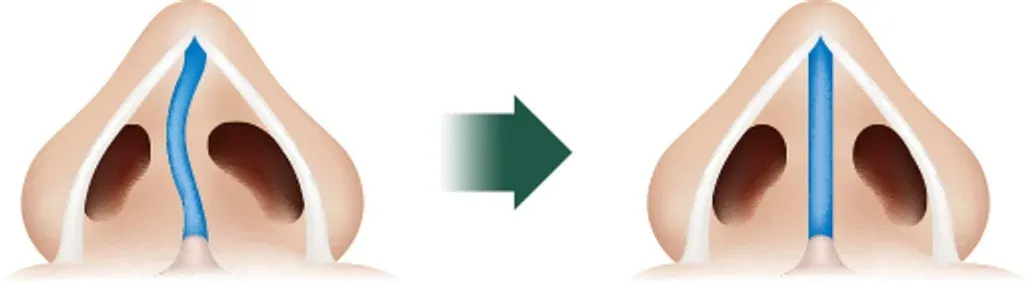
Deviated septal cartilage → Straightened septal cartilage When the Cartilage that supports the center of the nose is bent, it can cause rhinitis and sinusitis. At the same time as straightening the deviated Septal Cartilage, excess Cartilage is removed and fixed to the anterior nasal spine to improve the Septal Cartilage and refine the nasal line.
CASE 02. A Blocked Nose Caused by a Narrow Nasal Valve
When the nasal valve—the narrow passage through which air flows inside the nose—becomes narrowed, it can cause nasal congestion and make the Nasal Bridge appear low. After identifying the narrowed area causing nasal obstruction, sore throat, and sleep disturbances, Cartilage is inserted and corrected to secure the nasal valve and improve breathing and congestion.
CASE 03. A Nose with Enlarged Mucosa
Among inflammatory conditions affecting the nasal mucosa for various reasons, hypertrophic rhinitis causes a runny nose and nasal congestion. After identifying the cause, surgical and non-surgical treatments are provided.
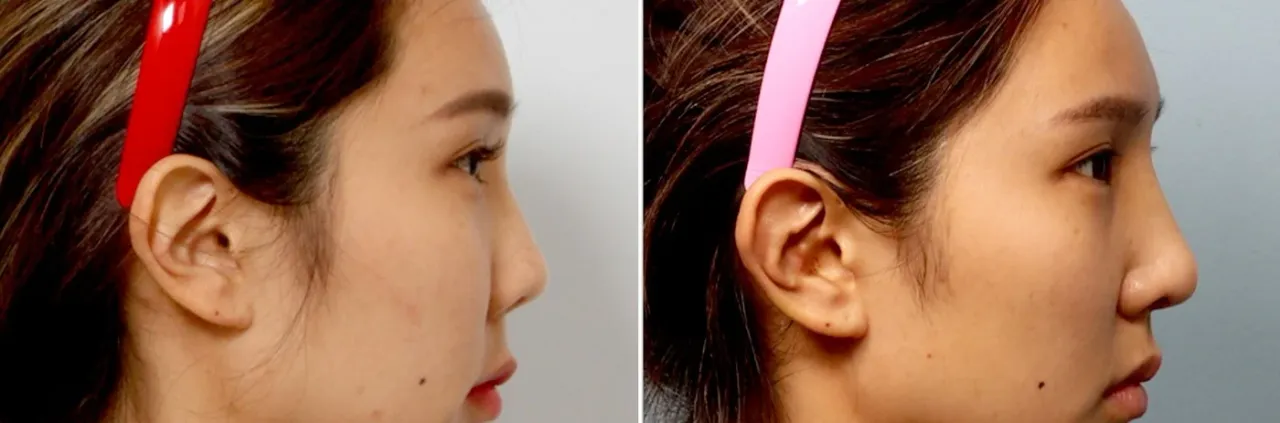
Before surgery → After surgery
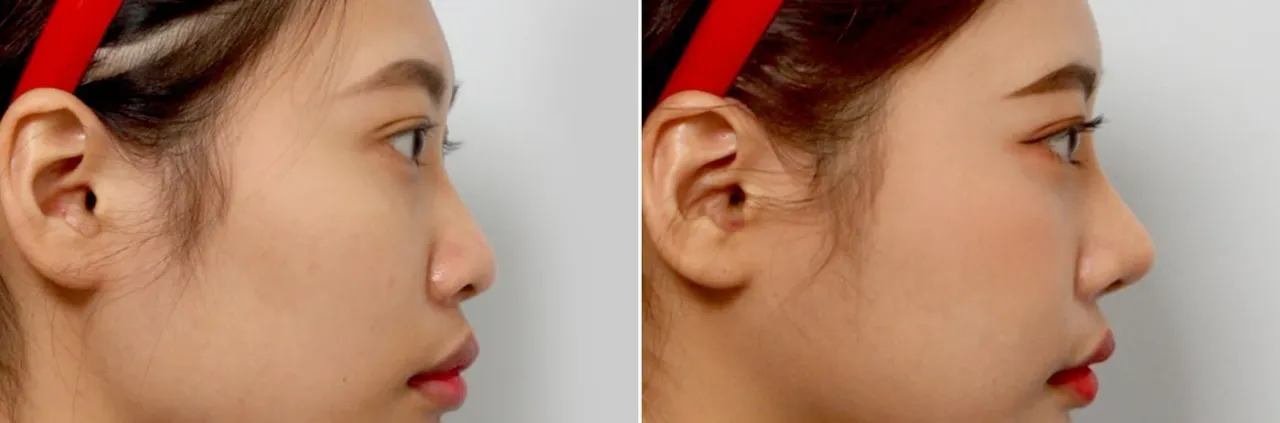
Before surgery → After surgery

Before surgery → After surgery
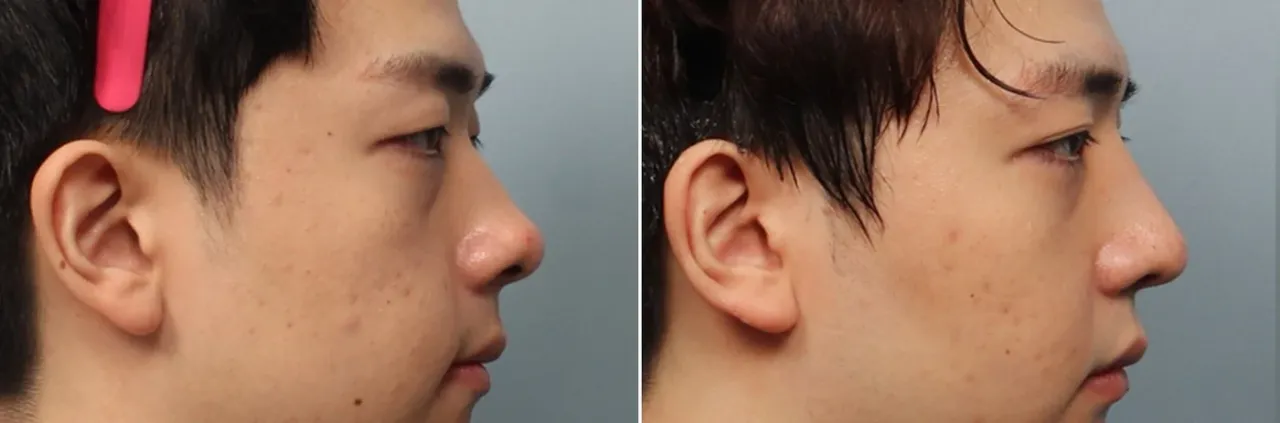
Before surgery → After surgery
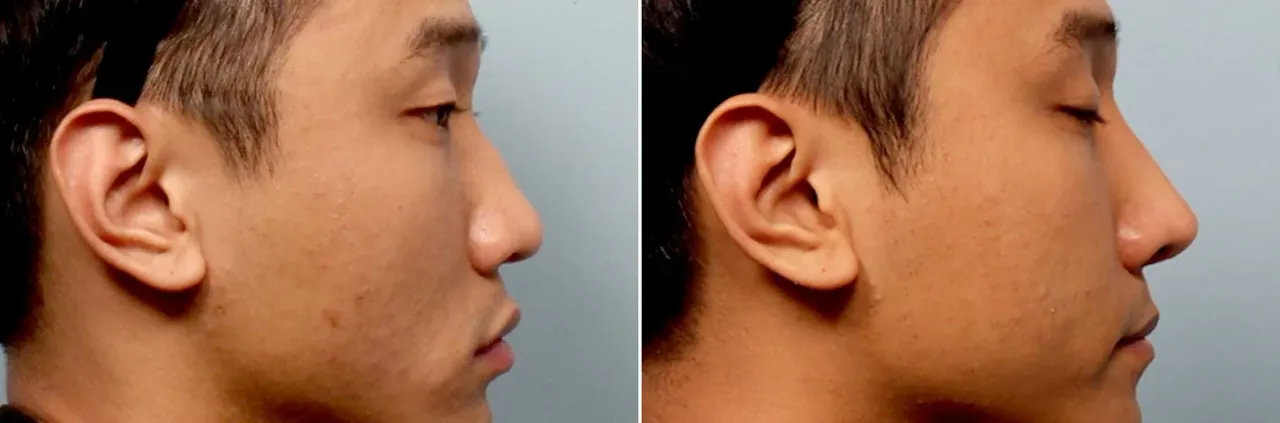
Before surgery → After surgery
Comfortable Breathing and a Beautiful Nasal Line
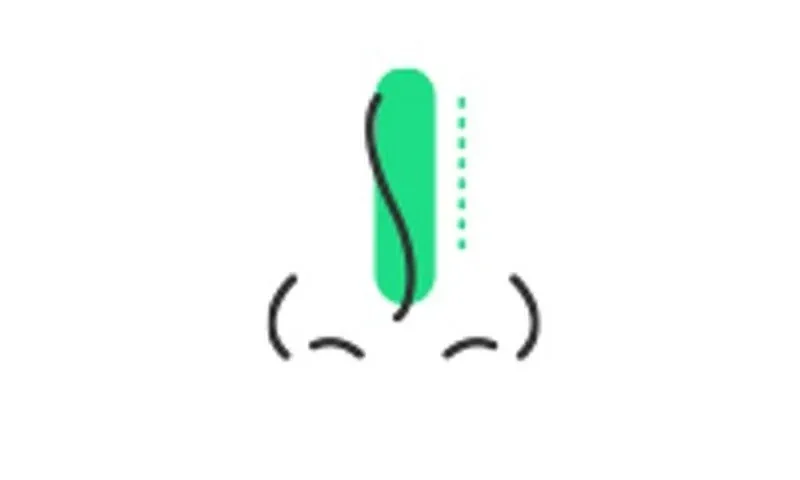
Point 1. Nasal Condition Improvement + Rhinoplasty
A two-in-one procedure that treats nasal conditions and performs rhinoplasty at the same time.
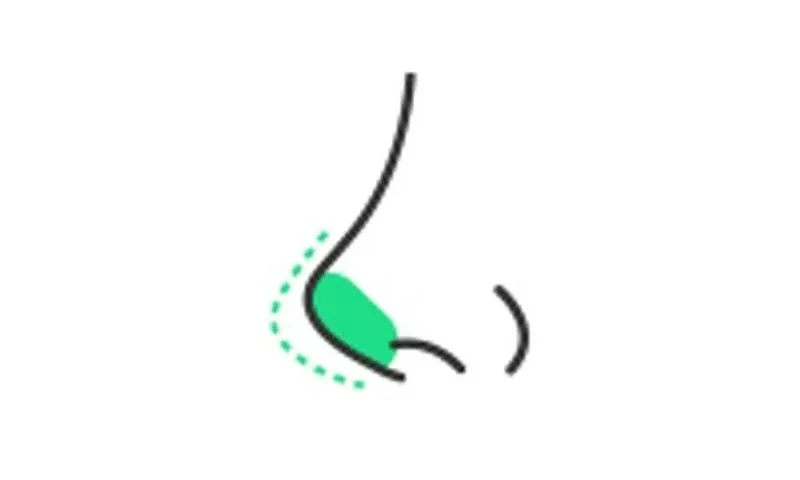
Point 2. A Defined Nasal Tip with Autologous Cartilage
The Nasal Tip is supported with Autologous Cartilage instead of an Implant.

Point 3. Natural Side Profile
Creates a natural side profile.
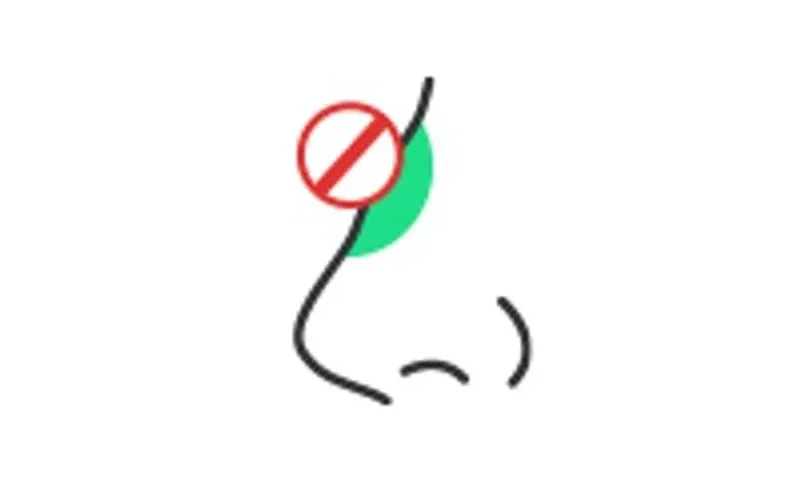
Point 4. Reduced Concerns About Inflammation, Capsular Contracture, and Foreign-Body Sensation
Using Autologous Tissue reduces concerns about inflammation, capsular contracture, and foreign-body sensation.
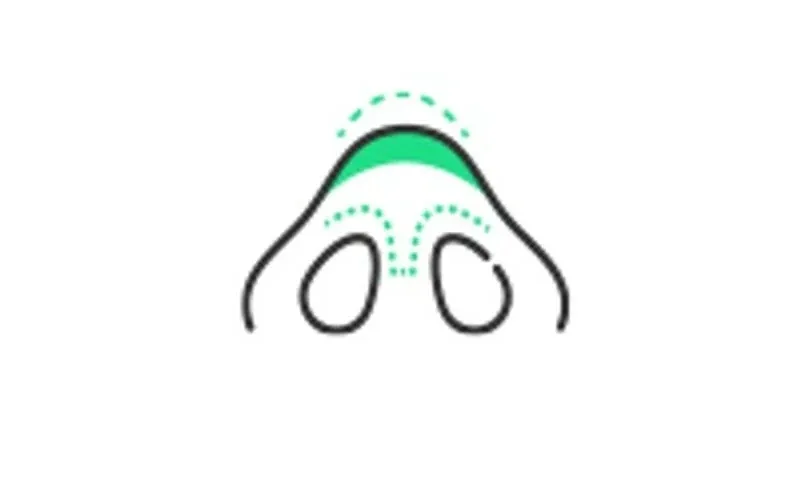
Point 5. Combined Alar Base Reduction
Combined Alar Base Reduction refines a bulbous alar base for a more sophisticated appearance.
Banobagi Rhinoplasty POINTS
#Treatment and #Rhinoplasty at the Same Time · An optimal line suited to facial balance · Natural movement of the nose is maintained
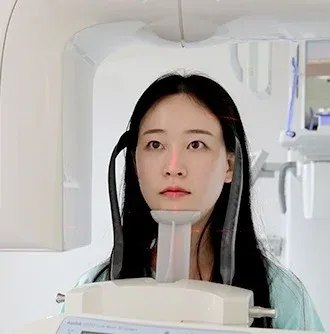
Detailed examination using 3D CT
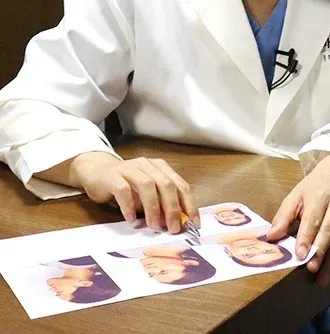
One-on-one customized consultation and surgeon-responsible surgery
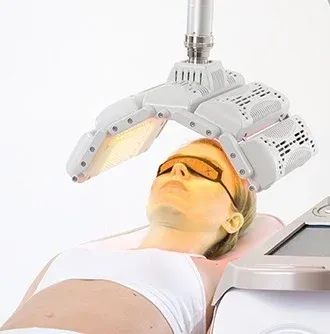
Meticulous, detailed aftercare

Even after hundreds of considerations, Banobagi is the answer. · Named operating surgeon system — From consultation and surgery to recovery, the operating surgeon is with you throughout the entire process, striving for highly satisfactory results. · On-site anesthesiology specialist team — An anesthesiology specialist team participates directly in surgery and closely monitors the patient's condition. Emergency generators, power supply systems, defibrillators, and sterilization/disinfection systems are also in place. · Detailed aftercare — One-on-one customized aftercare is provided according to your condition, with laser device care and lymphatic circulation massage to help reduce swelling.
Pre- and Post-Operative Precautions
Before Surgery
· You must fast for 8 hours before surgery. · If you have any health issues, such as a cold or respiratory illness, please notify us in advance. · Please be sure to inform us of your past and current medical history, allergic reactions, and any medications you are taking.
After Surgery
· Swelling and bruising generally take about 2 weeks to subside, and it takes about 3 months for the raised Nasal Tip to settle naturally and for final results to appear. · Immediately after surgery, apply cold compresses, lightly placing them without pressing on the nose. After 3 days, switching to warm compresses can help reduce swelling more quickly. · Keeping your head elevated above heart level helps reduce swelling. · Avoid wearing glasses or sunglasses for about one month, until the nose has settled. · Even if you have a cold or allergic rhinitis, do not blow your nose forcefully or put strain on it. If osteotomy was performed, avoid impact to the nose until the bone has healed. · Water may come into contact with the nose after stitch removal. · Begin strenuous activities such as aerobics, swimming, and workouts after one month, and avoid alcohol and smoking for one month. · If pain suddenly becomes severe and is accompanied by a sensation of heat after surgery, contact the hospital immediately, even if it is not your scheduled visit date.
Please Be Sure to Check
Complications such as bleeding, infection, and inflammation may occur after surgery, and subjective satisfaction may vary by individual; please consult with your doctor. Surgical methods and results may differ depending on the individual's condition and are determined through consultation with a specialist.
 BANOBAGI PLASTIC SURGERY