
Mouth Protrusion
from 12,200,000 KRW* VAT Not Included
When the teeth and alveolar bone protrude forward together, anterior segmental osteotomy (protruding mouth surgery) is performed to reposition the alveolar bone backward. The cause of the protrusion is analyzed to select treatment according to the individual case: orthodontic treatment when only the teeth protrude, protruding mouth surgery when the alveolar bone protrudes, and orthognathic surgery when jaw structural issues are also present. A characteristic feature is that the surgical plan incorporates not only the amount of posterior movement but also the angle of tooth rotation (torque).
Any Mouth Protrusion Surgery is an anterior segmental osteotomy that involves cutting and moving the gum bone backward when the teeth and gum bone protrude together, causing the mouth to protrude. The cause of protrusion is analyzed to select the appropriate treatment—Orthodontic Treatment, Mouth Protrusion Surgery, or Orthognathic Surgery—depending on the case, and both the amount of posterior movement and the angle of tooth rotation (torque) are incorporated into the surgical plan.

The procedure objectively analyzes the cause of Mouth Protrusion and combines appropriate treatments according to the individual case.
What Is Mouth Protrusion?
It refers to a condition in which the mouth protrudes because the teeth or gum bone protrude. (Anterior Segmental Osteotomy)

· Mouth Protrusion may be present if the upper lip protrudes forward by 10–15 degrees or more from the vertical reference line in the side profile. · When the mouth protrudes, the lips generally become fuller, nasolabial folds deepen, and the chin becomes round and blunt. When closing the mouth, the chin may appear dimpled and bunched, the area beneath the lower lip may look blunt, the Face generally appears rounder, and the chin may appear positioned farther back. · The gums are often visible when smiling, creating a stronger and older-looking impression.
What Causes a Protruding Mouth?
01. Dental protrusion, in which the teeth themselves flare forward. If the gum bone position is relatively normal and only the teeth protrude, it can be treated with Orthodontic Treatment. 02. Protrusion of the gum bone itself. If the gum bone, including the teeth, protrudes, the gum bone itself must be moved backward. Surgery that moves the gum bone backward in this way is called Mouth Protrusion Surgery.
What Is an Ideal Facial Profile?
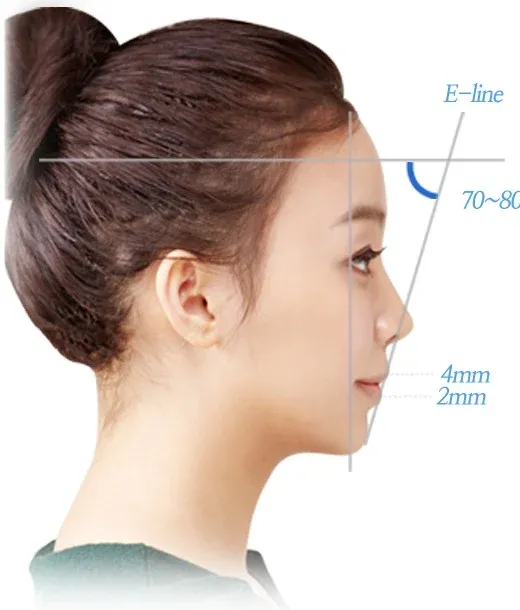
Using the eyebrows and Nasal Tip as boundaries, the ideal proportions of the upper, middle, and lower thirds of the Face are 1:1:0.8. A slightly smaller chin creates a more youthful and feminine image.
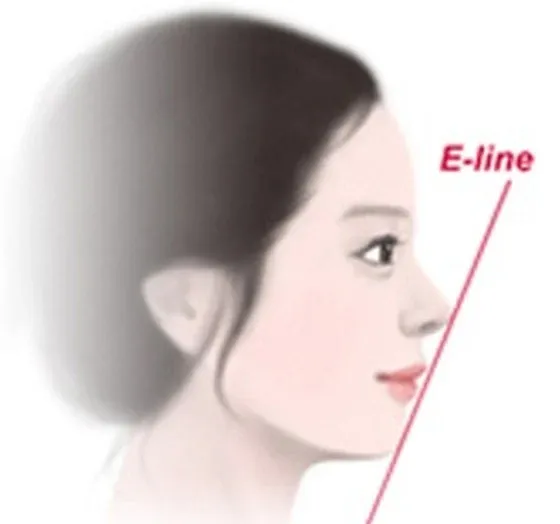
E-line (esthetic line)
The line extending from the Nasal Tip to the chin is called the esthetic line (E-line). Ideally, the upper lip is 4 mm and the lower lip is 2 mm behind this line.
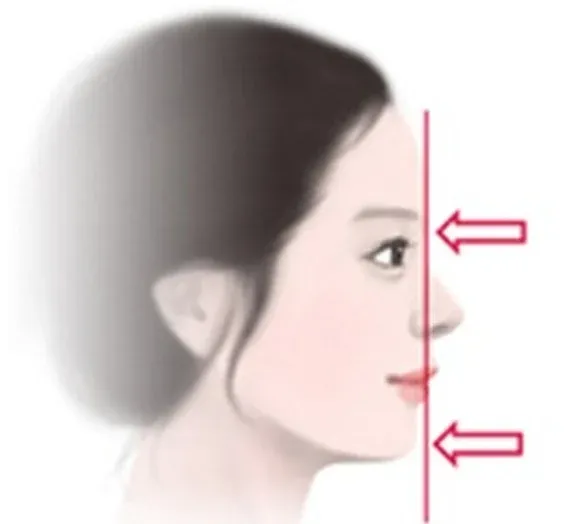
Chin Position
A chin that protrudes too far or sits too far back, as in a receding chin, is not aesthetically ideal. Ideally, the chin aligns with a vertical line drawn down from the nasal bridge.
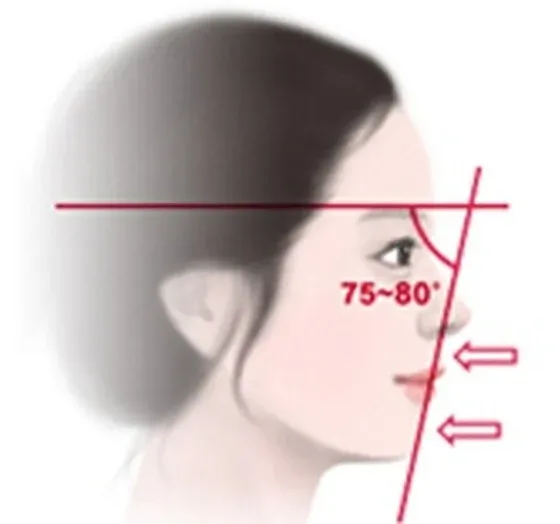
Lip Angle
Ideally, the angle between the most posterior points of the upper and lower lips and the horizontal line is approximately 75–80 degrees.
Any Mouth Protrusion Surgery Procedure

STEP 1. Detailed Consultation and Health Examination
To accurately assess the patient's condition and perform the appropriate surgery, the procedure is planned through thorough prior consultation and a detailed health examination.
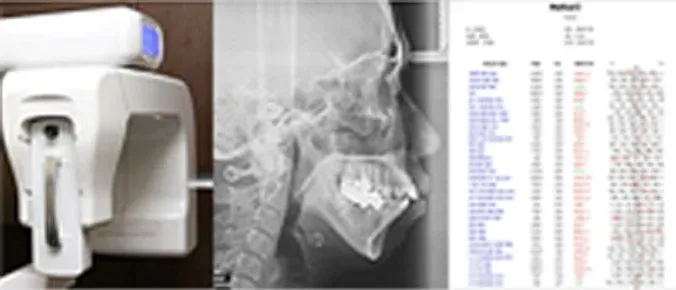
STEP 2. Comprehensive Precision Measurements
Digital X-rays are used to capture the shape of the bones.
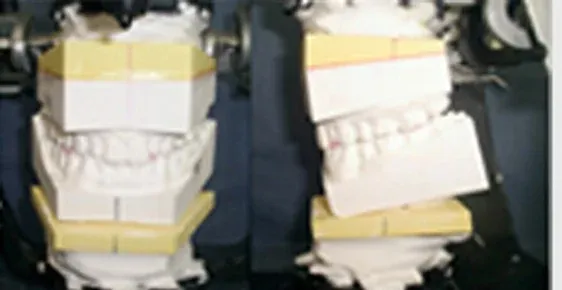
STEP 3. Creation of a Plaster Model of the Gum Bone
A plaster model of the patient's teeth and gum bone is created.
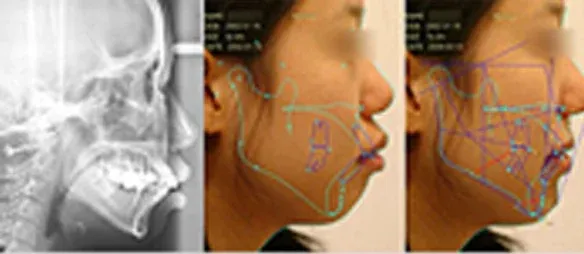
STEP 4. Computer Simulation
Computer simulation is performed using the X-rays and medical photographs taken.
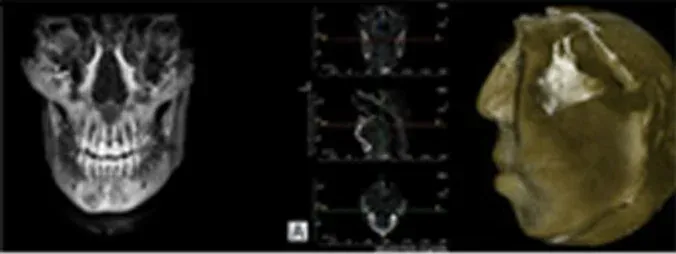
STEP 5. Three-Dimensional CT Scan
Precise measurements are used to create the facial contour.

STEP 6. Establishment of a Surgical Plan
By reviewing the virtual surgical results together with the patient, the optimal surgical plan is established to help achieve the desired facial appearance.
Any Mouth Protrusion Surgery Methods
There are two main surgical methods for Mouth Protrusion: Mouth Protrusion Surgery and Orthognathic Surgery.
1. Any Mouth Protrusion Surgery
What is commonly referred to as Mouth Protrusion Surgery is an anterior segmental osteotomy, also called gum bone setback surgery. It involves extracting the first premolars, located behind the canines, and moving the gum bone containing the front teeth and canines backward by the amount of space created. This can significantly set back the mouth and naturally bring the chin forward; therefore, unless there is a severe receding chin, Mouth Protrusion Surgery alone can improve the chin contour.
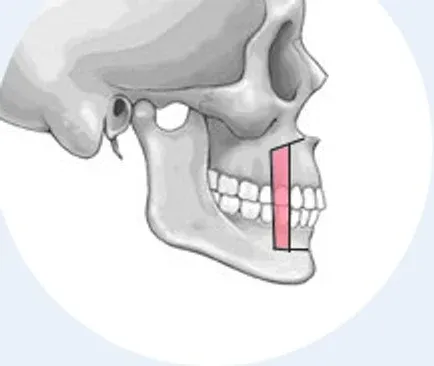
STEP 1. Bone Resection
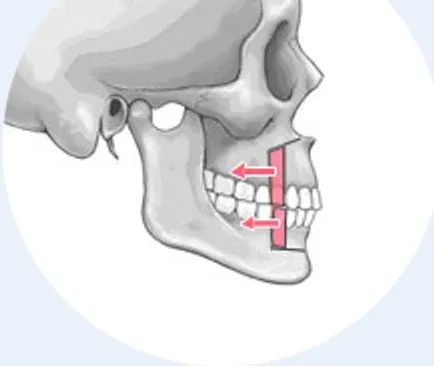
STEP 2. Bone Movement
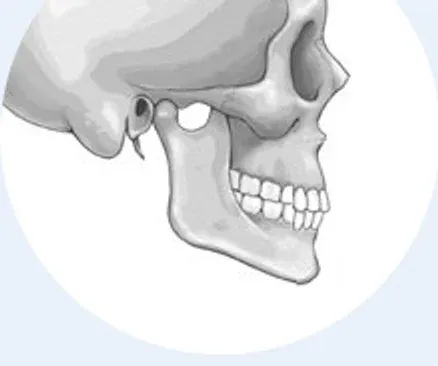
STEP 3. Mouth Protrusion Correction
2. Orthognathic Surgery
Orthognathic Surgery refers to surgery that moves the entire upper and lower jaws, including the teeth. Combined facial reduction surgery is the same procedure as Orthognathic Surgery. While conventional Orthognathic Surgery has been performed for patients with malocclusion for therapeutic purposes, combined facial reduction surgery differs in that it is performed for aesthetic purposes in patients with normal occlusion.
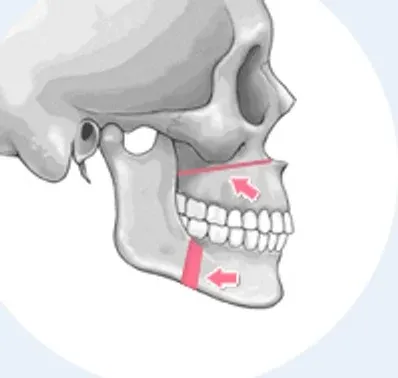
STEP 1. Upper and Lower Jaw Osteotomy
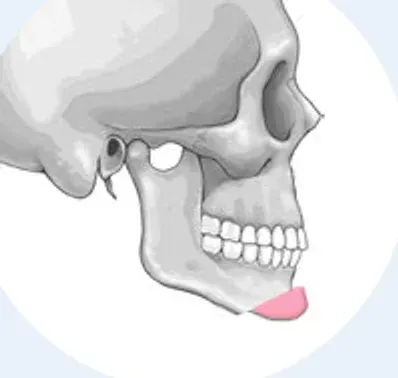
STEP 2. Movement
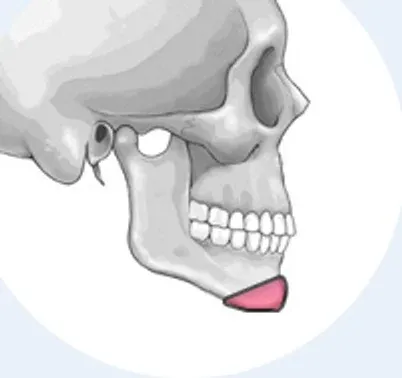
STEP 3. Secure Fixation
Mouth Protrusion Suitable for Orthognathic Surgery
Mouth Protrusion Surgery cannot be applied to every case of a protruding mouth. Orthognathic Surgery is suitable for the following types of Mouth Protrusion.

Slight Mouth Protrusion
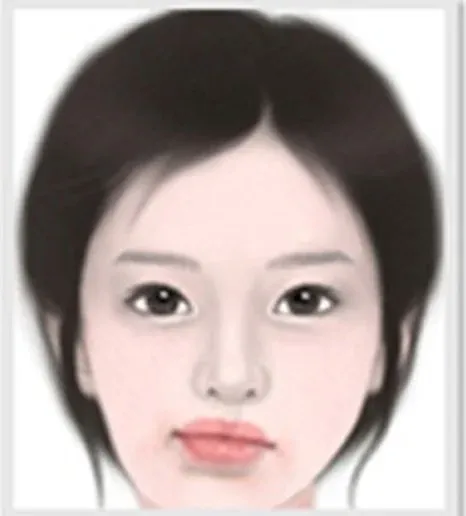
Mouth Protrusion with Facial Asymmetry

Mouth Protrusion with a Long Face
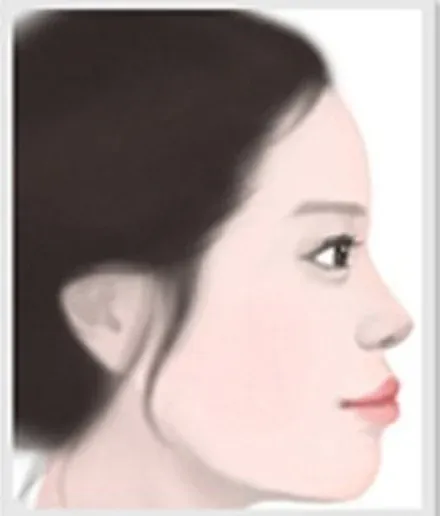
Mouth Protrusion with a Protruding Chin Appearance
3. New-Concept Mouth Protrusion Surgery
Rather than simply moving the gum bone backward on a two-dimensional plane, new-concept Mouth Protrusion Surgery places it in the most ideal three-dimensional position for both function and aesthetics. Tooth rotation, referred to as torque adjustment, must be incorporated to create the most attractive lip shape.
· Virtual planning & clinical experience: Virtual planning and clinical experience are used in advance to predict the ideal degree of rotation and backward movement of the teeth and gum bone. Along with the amount of posterior movement, the torque adjustment angle is included in the surgical plan. · Use of appropriate dental space: Each person has a different occlusion, and surgery is performed by utilizing the most appropriate dental space accordingly. The fourth tooth is usually extracted, but another tooth may be selected depending on the individual's occlusion and dental condition. Although using another tooth may be somewhat more challenging than using the fourth tooth, diverse surgical plans are needed to achieve the best aesthetic surgical result.
Postoperative Care
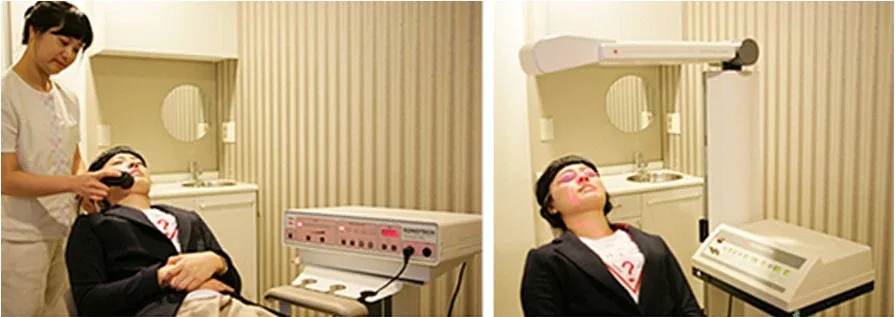
Because delicate and precise surgery is performed through minimal incisions and conservative Dissection, swelling subsides in the shortest possible time, with minimal bruising or bleeding. Sensation in the teeth and gum bone also returns quickly, and the shape of the nostrils is preserved.
Advantages of Faceline Any Mouth Protrusion Surgery
· Less swelling and faster recovery. · Improves protrusion of the teeth and gum bone at once. · Improves visible gums. · Refines a blunt chin. · Can improve Facial Asymmetry and a receding chin at the same time. · Achieves ideal results through systematic surgical planning.
Please Be Sure to Check
Bleeding, infection, inflammation, and other complications may occur after surgery, so caution is required. Subjective satisfaction may vary from person to person. Surgical methods and results may vary depending on the individual's condition and are determined through consultation with a specialist.
 FACELINE PLASTIC SURGERY