
Mini Facelift
from 1,402,405 KRW* VAT Not Included
A signature lifting procedure at Liting Plastic Surgery that involves incisions around the sideburns and ears to lift sagging skin together with the fascial (SMAS) layer. Depending on the location and extent of the incisions, it is classified as M, U, L, or J lifting. Compared with traditional facelift surgery, the incision and dissection areas are smaller, reducing the burden. Its distinctive feature is the creation and fixation of “fascial pillars” in the fascia using medical sutures.
Procedure Overview
This is Liting Plastic Surgery's signature Lifting procedure, in which incisions are made in an L or J shape around the sideburns and ears to lift sagging skin and the SMAS layer together. Compared with a traditional Facelift, the incision and Dissection areas are smaller, reducing the burden. Its key feature is the creation and fixation of “SMAS pillars” using medical sutures within the SMAS.

Combining only the advantages of procedures and surgery! Less tissue damage, longer-lasting results This Lifting procedure incorporates Liting’s expertise in treating the SMAS, reducing the extent of incision and Dissection compared with a traditional Facelift while enhancing surgical satisfaction.
Recommended for
· Those with advanced aging, such as skin sagging and deep wrinkles · Those who find a Facelift burdensome · Those who did not achieve results from procedures such as a Thread Lift · Those who want powerful results in a short time
Lifting the skin and SMAS simultaneously
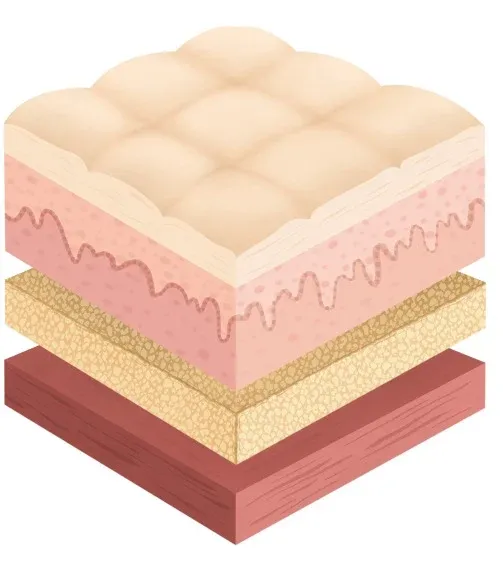
The SMAS is a thin membrane located between the subcutaneous fat layer and muscle layer, transmitting the movement of facial expression muscles to the skin. It extends from the neck to the Face and Forehead and is a major cause of skin sagging.
Liting Signature Lifting at a Glance
It is divided into M, U, L, and J Lifting according to the incision location and extent.
M Lifting
Surgery time: 1 hour Incision mainly inside the sideburn area Focused improvement of the Midface
U Lifting
Surgery time: 1 hour 30 minutes From the sideburn area to above the ear Focused improvement of the Midface
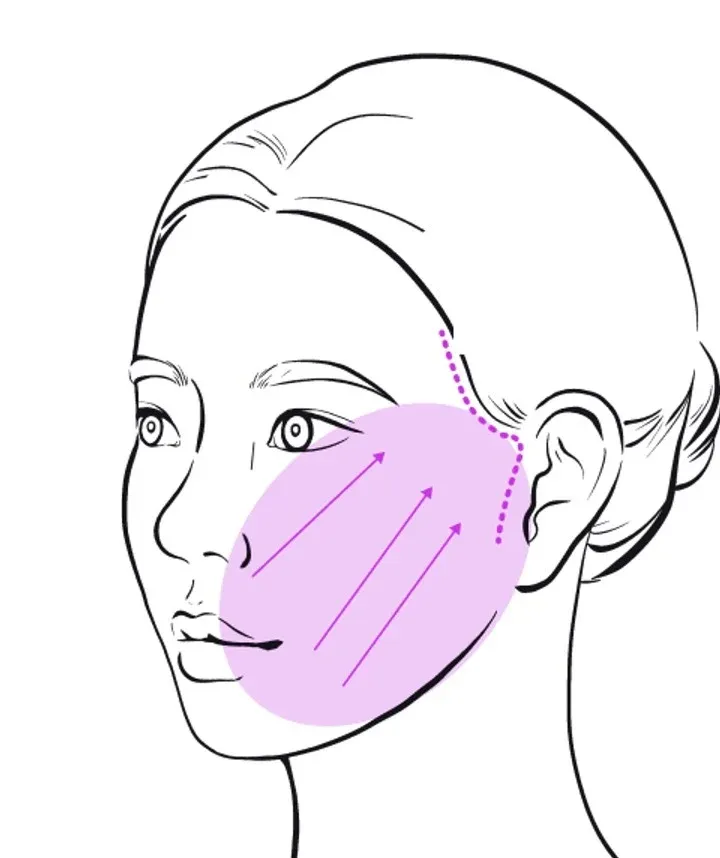
L Lifting
Surgery time: 2 hours to 2 hours 30 minutes From the sideburn area to the middle of the ear Simultaneous improvement of the Midface and lower Face
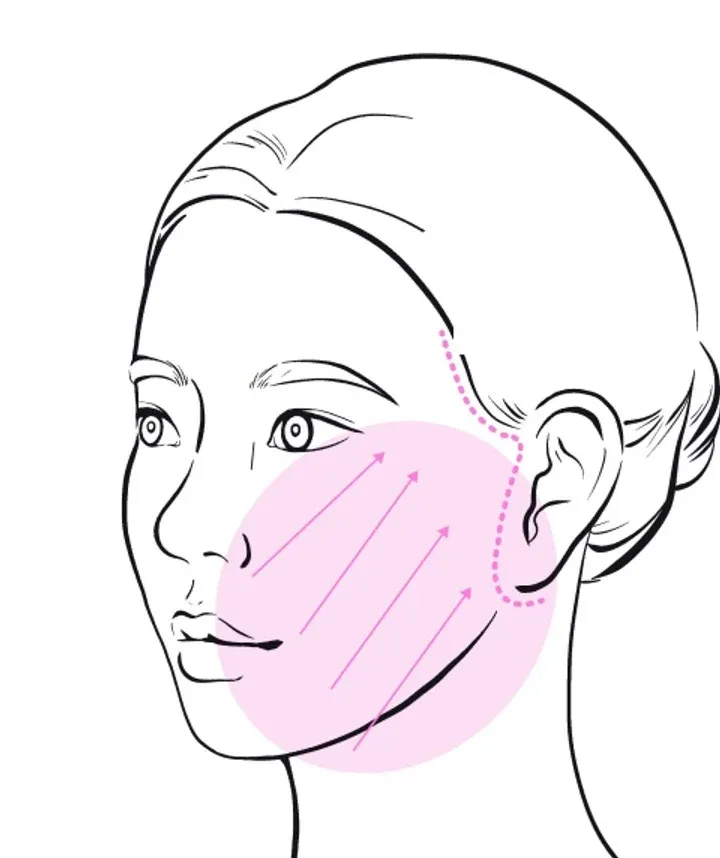
J Lifting
Surgery time: 2 hours 30 minutes From the sideburn area to just behind the earlobe Simultaneous improvement of the mid-lower Face and jawline
The incision line and recovery period may vary by individual. Liposuction, Fat Grafting, Dermal Fillers, or other procedures may be combined as needed.
Signature Lifting Before-and-After Photos
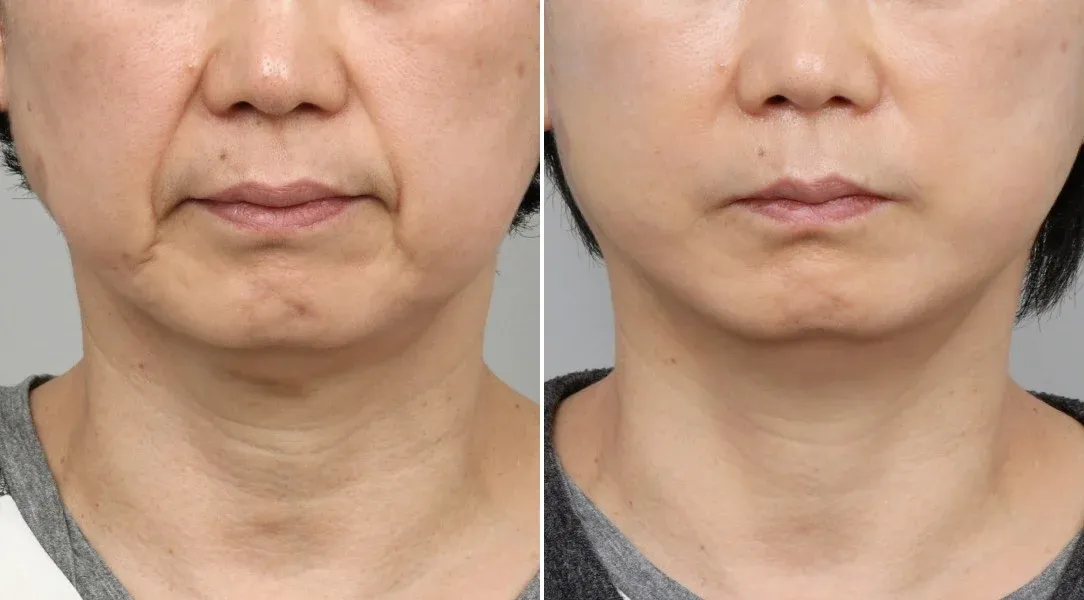
Before surgery → 2 weeks after surgery
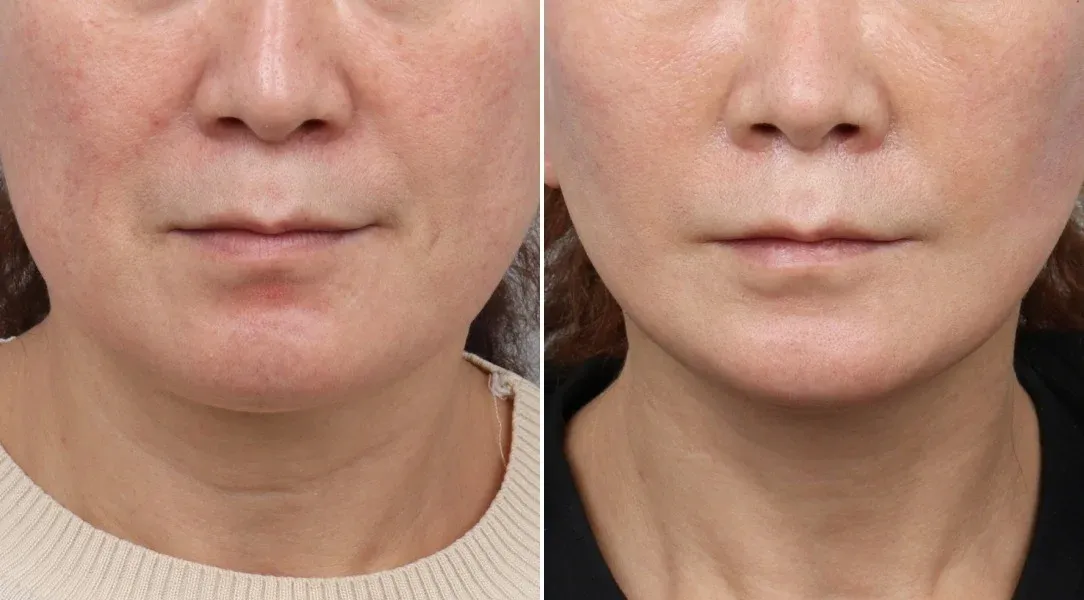
Before surgery → 2 weeks after surgery
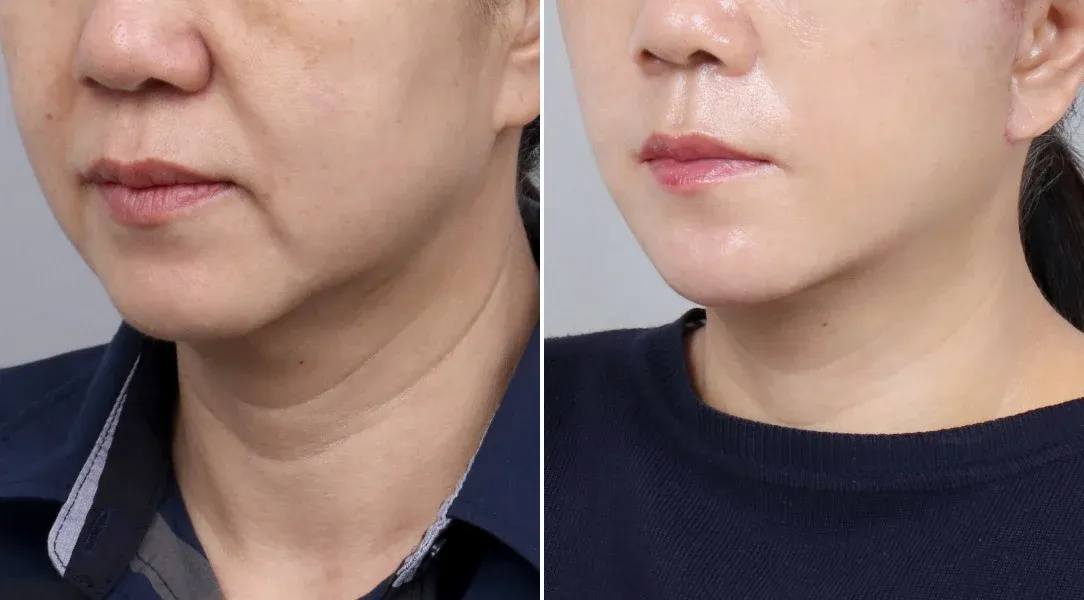
Before surgery → 2 weeks after surgery
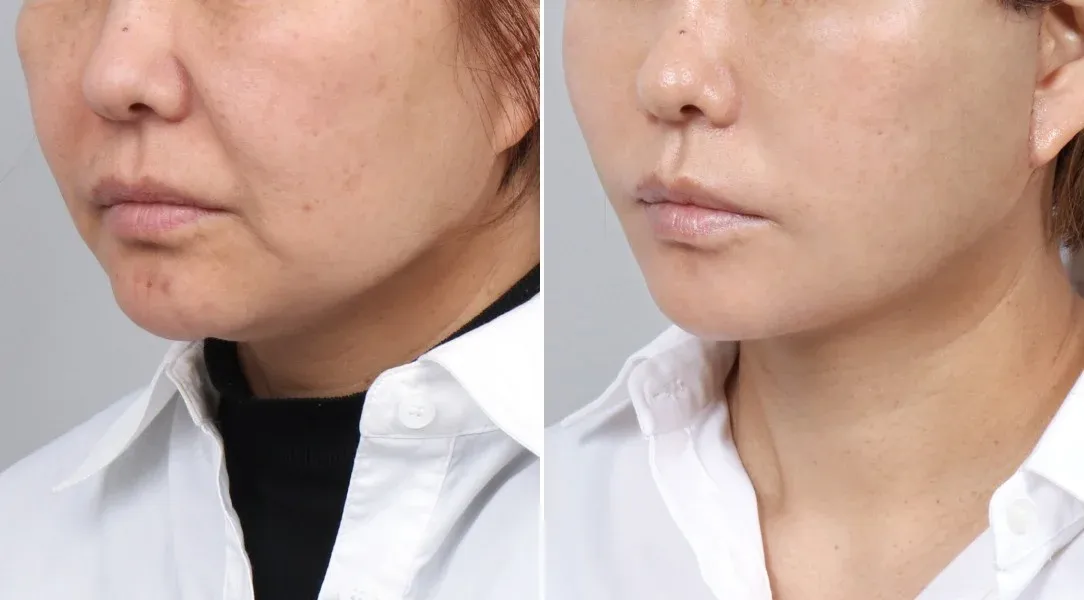
Before surgery → 2 weeks after surgery
Features of Liting Signature Lifting
Point 1. Liting’s expertise in treating the SMAS
To maximize results, it is important to lift in the correct direction rather than simply pulling.
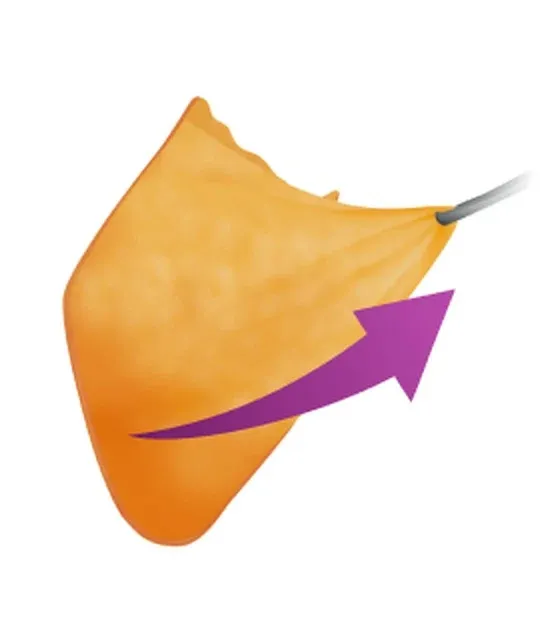
When pulled horizontally
The sagging SMAS is pulled to the side, resulting in less improvement in sagging.
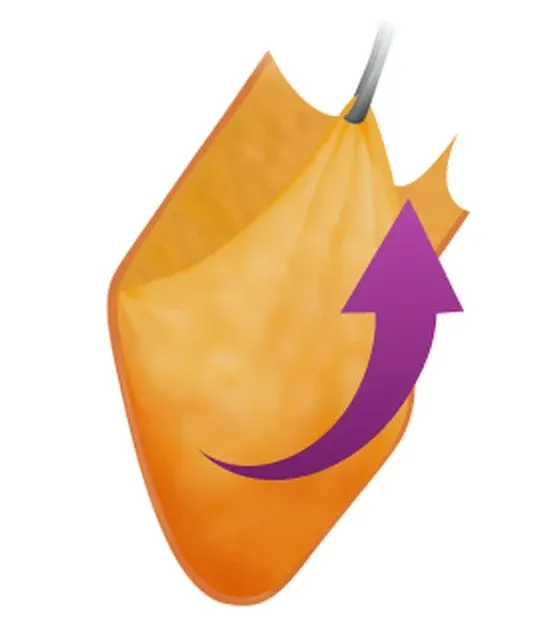
When pulled vertically
The sagging SMAS is pulled upward, resulting in greater improvement in sagging.
Point 2. Creating SMAS pillars
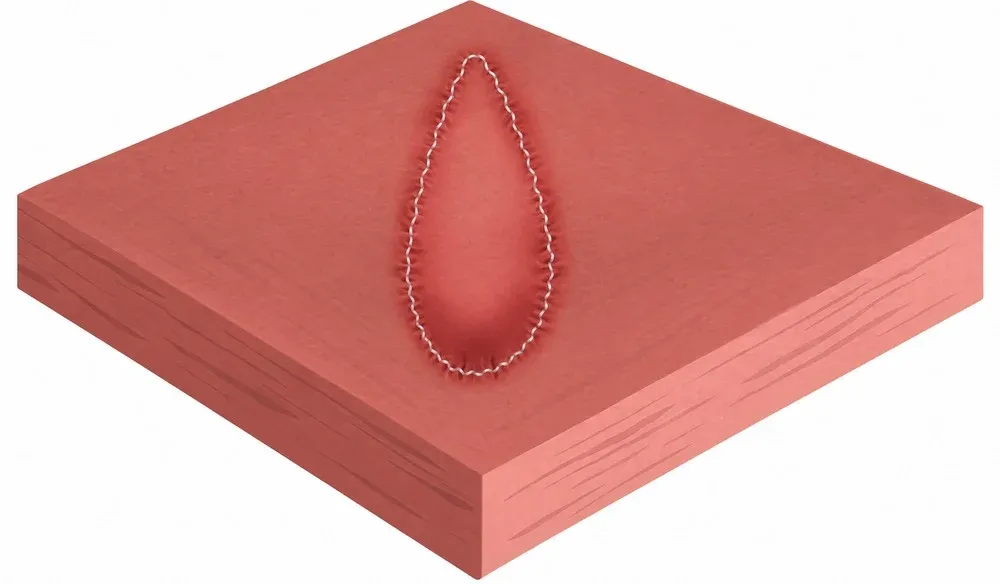
Medical sutures are inserted into the safely dissected SMAS and tightened into an oval shape to create SMAS pillars. These pillars firmly support the sagging SMAS to help prevent further sagging and, because they lift and securely fix it together with the skin, may provide a stronger and longer-lasting Lifting effect.
Point 3. Surgery tailored to each individual
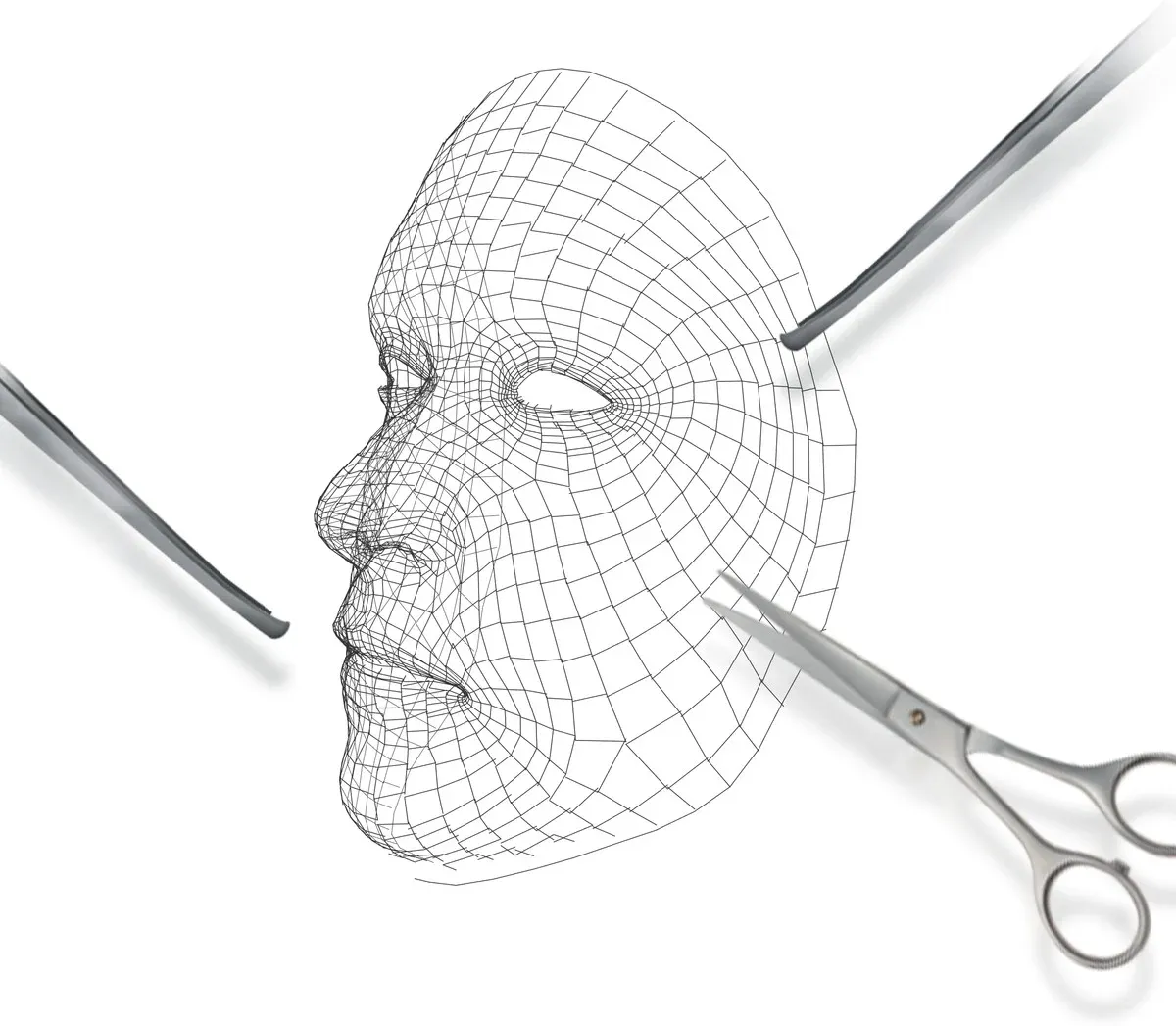
Excessive surgery solely for results can cause side effects. Excessive skin removal may reduce blood circulation and cause necrosis at the suture site, while excessive pulling may result in unnatural facial expressions. Therefore, skin is removed and lifted appropriately within a safe range.
Point 4. Less swelling, greater results
Because the Dissection area is smaller than in a Facelift, there is less bruising and swelling, allowing a faster return to daily activities. When part of the skin and SMAS is removed, Natural adhesion method occurs, extending the duration of maintenance. By lifting the SMAS, the cause of sagging skin, through a Dissection process similar to that of a Facelift, the Lifting effect is enhanced.
Surgery Information
| Surgery time: 1 hour to 2 hours 30 minutes (varies by type) | Incision location: Sideburn and ear areas (varies by M, U, L, and J type)
Surgical Method
The surgery is performed in the most suitable direction according to each individual’s wrinkles and degree of sagging.
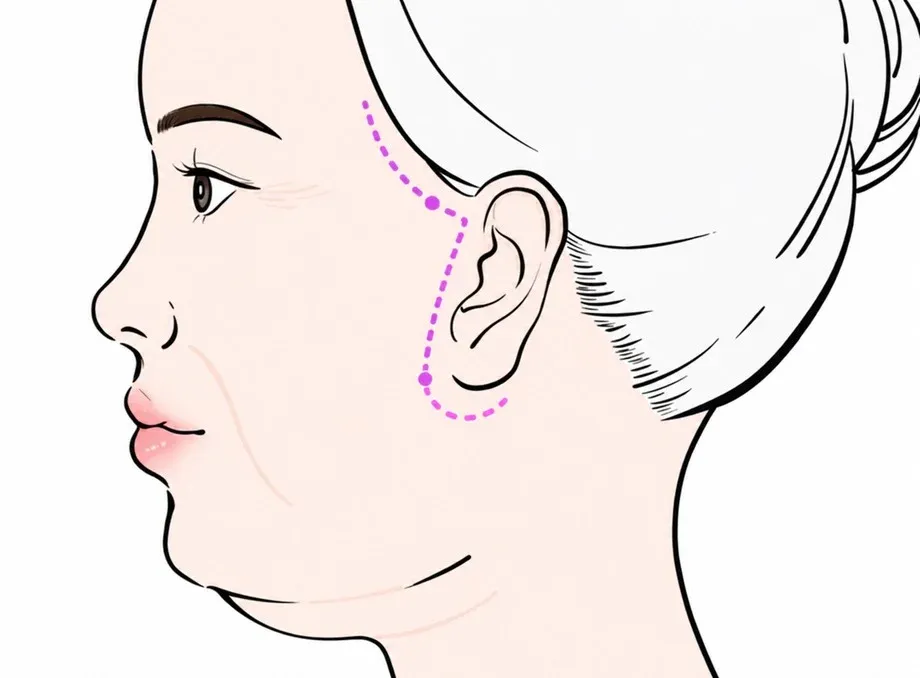
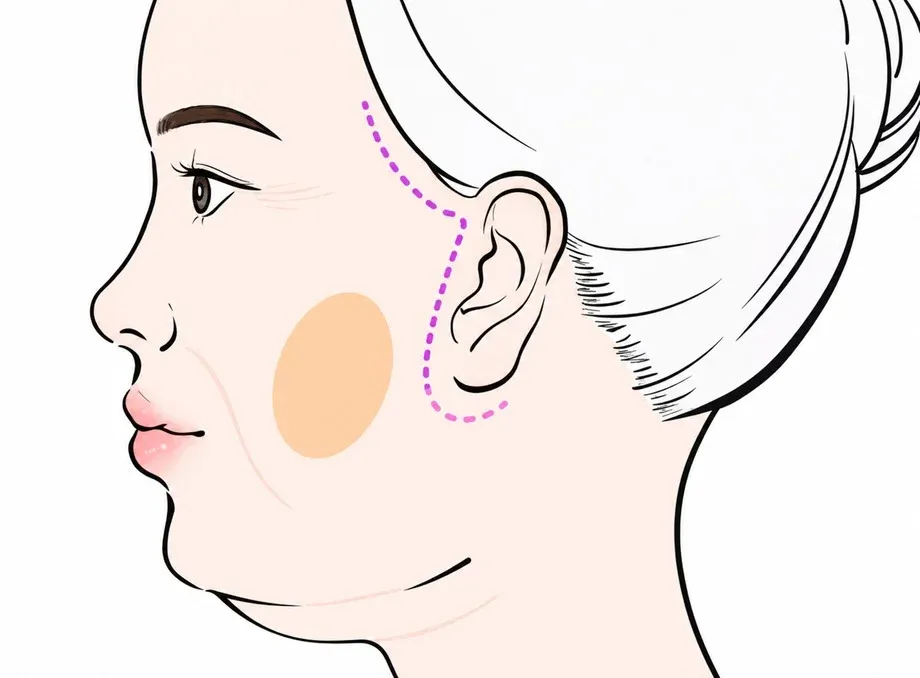
STEP 1. L/J-shaped incision
L/J-shaped incisions are made around the sideburns and ears. The incision range differs by type.
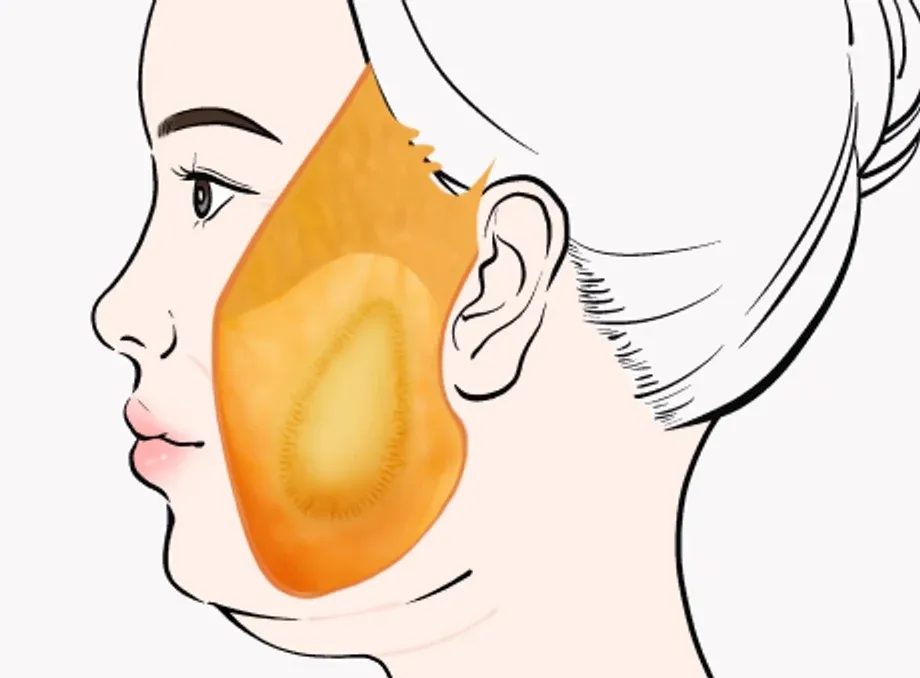
STEP 2. Dissection of the skin and SMAS layers
The skin and SMAS layers are safely and precisely dissected.
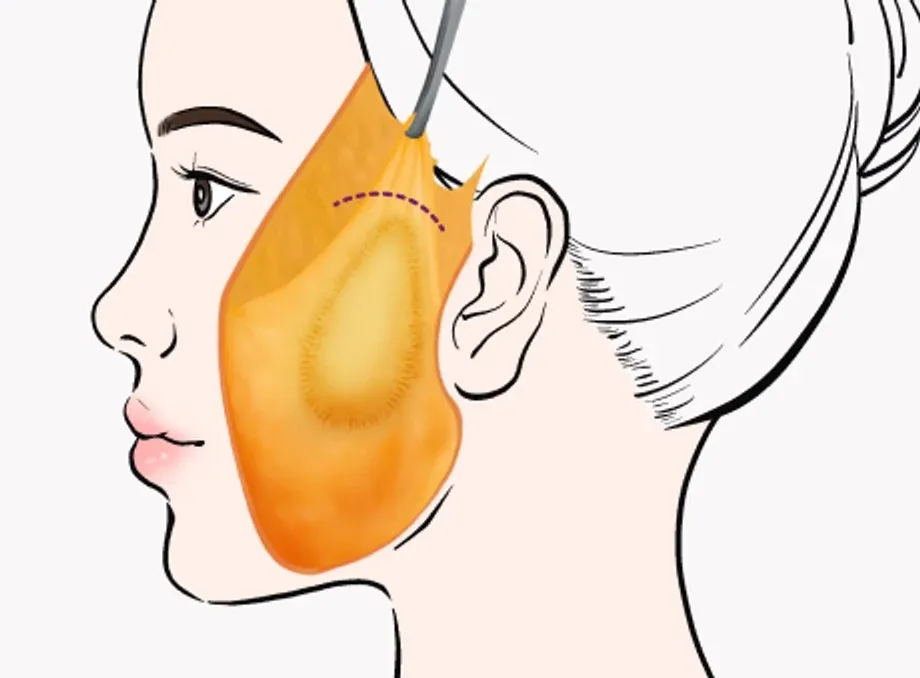
STEP 3. SMAS pillar formation
Non-absorbable medical sutures are inserted into the sagging SMAS to create SMAS pillars.
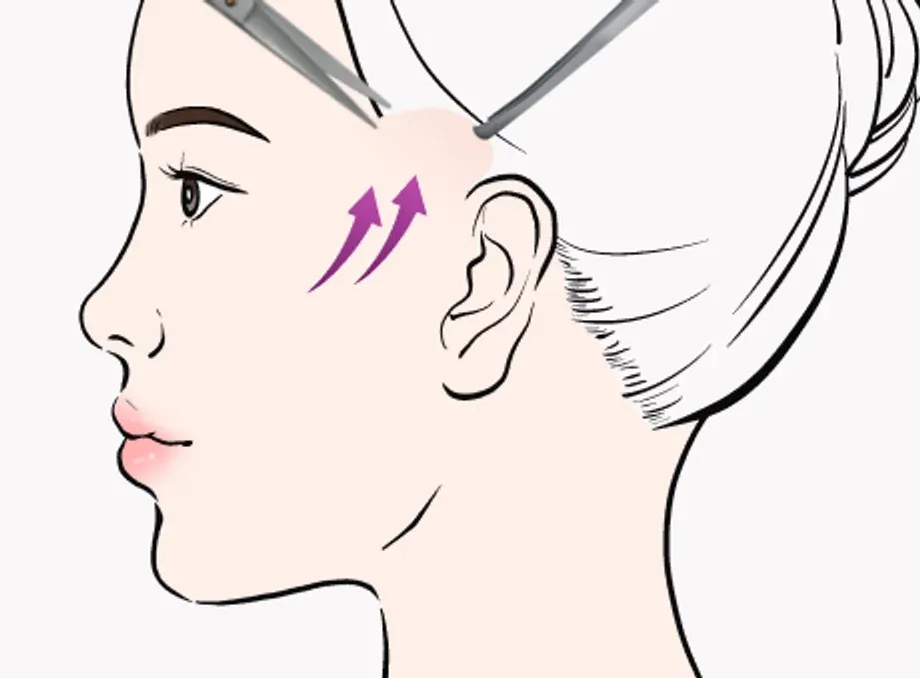
STEP 4. Lift and fix the SMAS
The sagging SMAS is pulled upward, rolled and folded, then firmly secured to the temporal area.
STEP 5. Skin trimming and suturing
The sagging skin is pulled, appropriately removed, and then sutured.
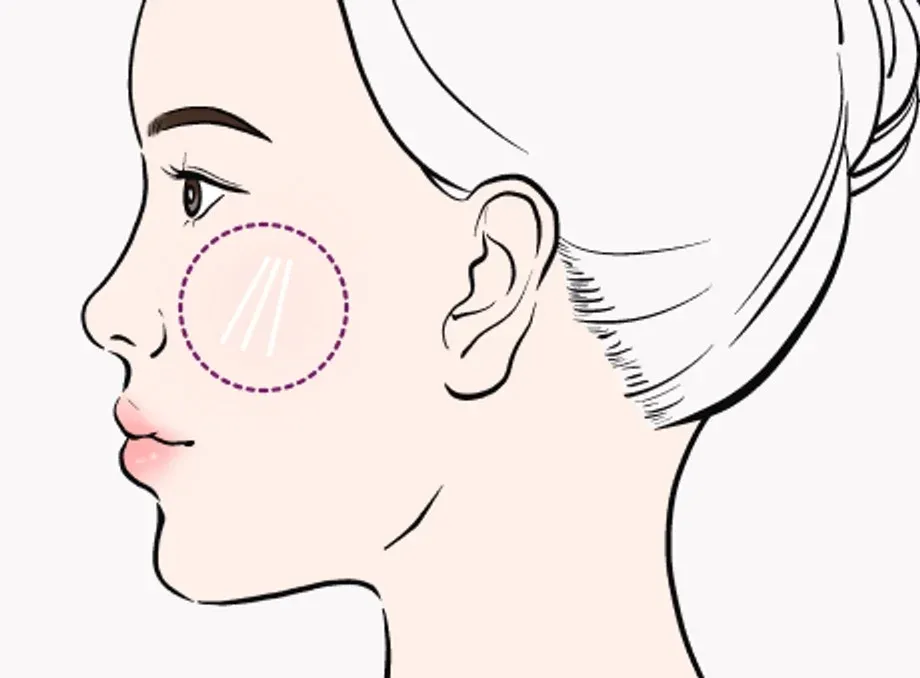
PLUS STEP 6. Thread combination
Depending on the degree of skin sagging and desired treatment area, a “thread combination” step may be added to the basic Liting L surgery to enhance the Lifting effect, longevity, and volume improvement.
The actual surgical method and incision range may vary slightly depending on individual differences in the degree of sagging, skin thickness, wrinkle depth, and other factors.
Postoperative care is part of Lifting
Even if surgery is performed successfully, inadequate postoperative care can greatly affect the outcome and prognosis. Postoperative care is just as important as the surgery itself.
Please make sure to check
The surgical method and incision range may vary depending on individual conditions, including the degree of skin sagging and wrinkles, and results may vary by individual. Unexpected side effects such as inflammation, bleeding, and infection may occur after surgery, so the decision should be made through consultation with a specialist.
 LITING PLASTIC SURGERY