Mega Session Hair Transplant
from 2,000,000 KRW* VAT Not Included
A hair transplant technique for extensive hair loss that allows a large number of grafts to be transplanted in a single session while carefully preserving graft quality throughout the procedure.
Before & After
See MoreLarge-Scale Hair Transplantation
It is possible at Dudrim
With years of expertise, Dudrim can harvest hair follicles from the occipital area; if the donor hair supply is sufficient, large-scale transplantation of approximately 5,000–7,000 hairs can be performed in a single day.
What is Dudrim's large-scale hair transplantation?
Large-scale transplantation generally refers to transplanting 2,500 follicular units (approximately 6,000 hairs) or more in a single procedure.
With the strip method, a section of scalp must be removed by area, so there are unavoidable limitations. With the non-incisional method, the lengthy procedure time and technical demands lead many clinics to perform only smaller-volume transplants.
However, with years of technical expertise and experience, Dudrim also performs large-scale transplantation of 2,500 follicular units (approximately 6,000 hairs) or more in a single day.
Benefits of Large-Scale Hair Transplantation
“Even with severe hair loss, quickly in just one day” Achieve a perfect hairline with precise techniques
Benefits
✓ Natural-looking hair
A complete, full head of hair that looks like your own natural hair can be achieved naturally with just one procedure.
✓ A cost-effective choice
With a one-day procedure, you can receive treatment at a reasonable cost without the burden of multiple visits.
✓ Change in just one day
To address the inconvenience of large-scale hair transplantation, Dudrim performs its unique one-day procedure, unlike conventional surgeries that required multiple sessions.
✓ Faster recovery
To help you return to daily life immediately after the procedure, Dudrim minimizes incisions and provides meticulous treatment to reduce the burden of recovery.
Precautions for Large-Scale Hair Transplantation
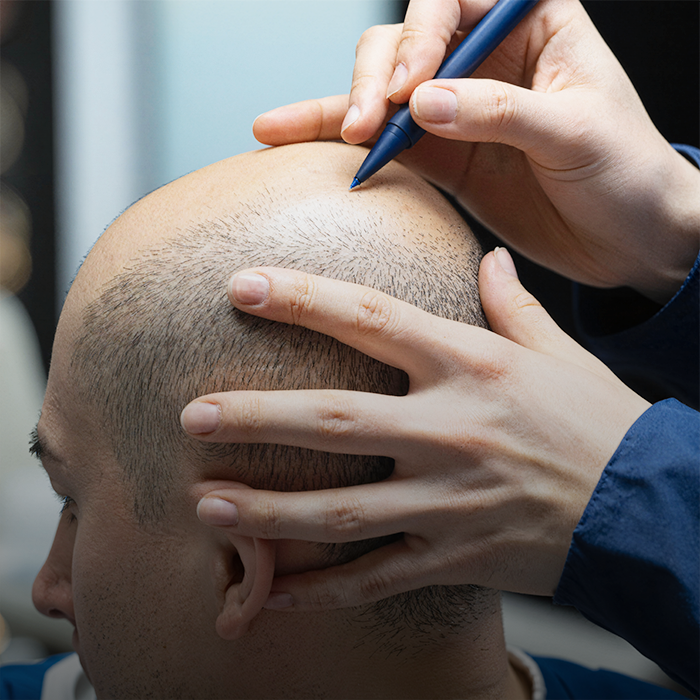
❶ Optimized follicle placement

❷ Consideration of the patient's response to medication
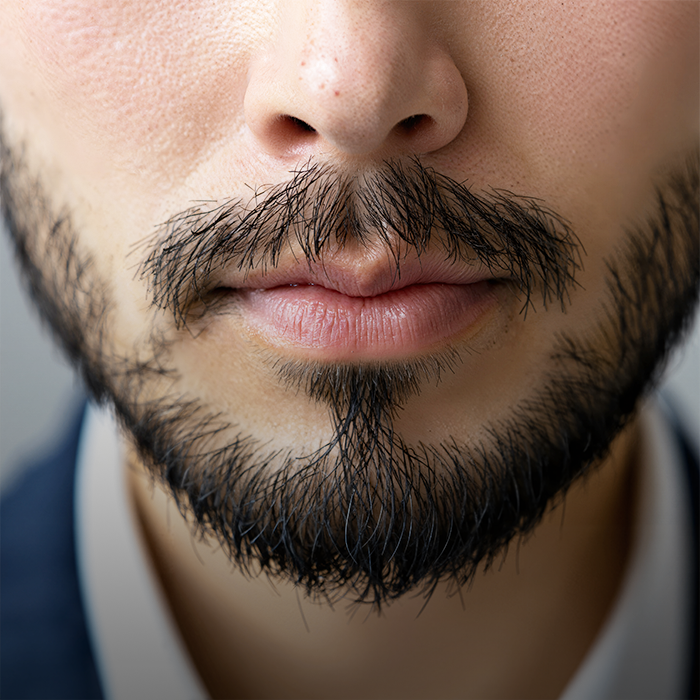
❸ Consideration of body hair transplantation, such as beard hair
Dudrim's exceptional expertise in large-scale hair transplantation
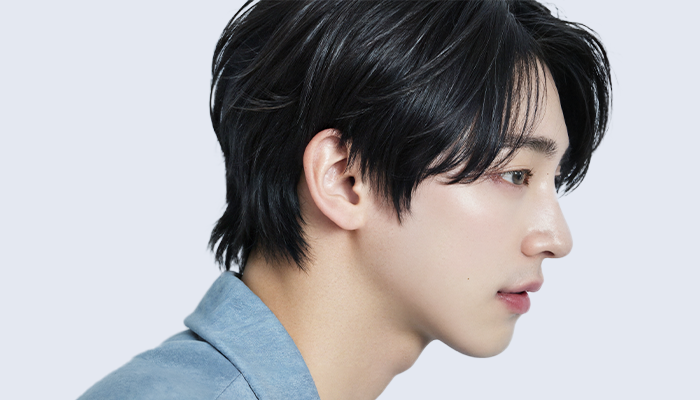
01 Creating a full hairstyle with limited donor hair
Depending on each client's hairstyle, we increase density in the frontal and crown areas and consider not only hair fullness and style but also the hairline using the limited available donor hair. * We gather your preferences through thorough consultation and establish the design.
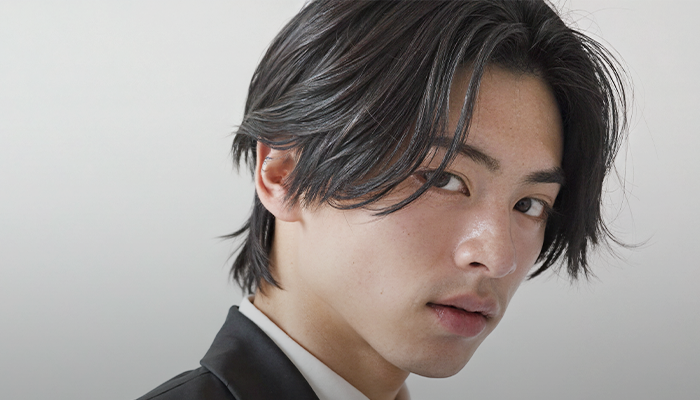
02 Efficient use of follicles in preparation for additional transplantation
In cases of large-scale hair transplantation, planning is made in preparation for possible additional procedures. At this time, follicles from the client's occipital donor area are used efficiently, and strip and non-incisional methods may be combined depending on scalp elasticity and hair condition.
FAQ
Q. Is hair transplantation possible even if the hair density in the occipital area is low?
A. Hair transplantation is possible even if hair density in the occipital area is low. However, compared with individuals with higher density, the number of hairs available for transplantation may be limited, which can result in a lower perceived density. In many cases, the number of transplanted hairs still falls within the normal range, so surgery can be performed sufficiently.
Q. Will strip hair transplantation leave a scar?
A. To safely harvest a large number of healthy follicles, the incised scalp is sutured after harvesting, and the suture line may remain as a scar. It is generally hidden between the hairs and is not easily visible.
Q. Do I need to continue taking hair loss medication after transplantation?
A. Transplanted hair is not affected by hormones and is not associated with hair loss, but hair loss may continue in the remaining existing hair. After some time, even if the transplanted hairs placed among the existing hairs do not fall out, the density may appear reduced due to loss of the existing hair caused by hair loss.
Q. How many hair transplantation procedures are needed?
A. This varies depending on the patient's condition. Many patients are satisfied with one procedure, but some undergo up to two or three procedures.
Q. Will the transplanted hair not fall out?
A. Yes. However, hair loss may continue in areas other than the surgical site, so combining treatment with medication is recommended.
Q. When will the transplanted hair begin to grow normally?
A. Transplanted hair begins to shed from 2 weeks after surgery and may continue shedding until 3 months. It then gradually begins to grow again. It takes about 9–10 months to achieve a satisfactory result.
Q. What are the advantages of non-incisional hair transplantation?
A. Non-incisional hair transplantation causes almost no wounds, allows for faster recovery, and involves less pain. It can also produce natural-looking results, resulting in high satisfaction.
BEFORE & AFTER
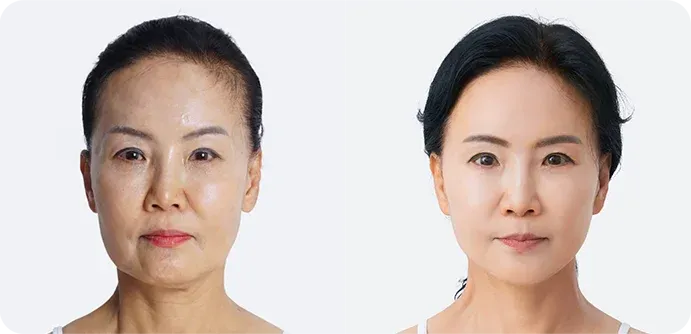
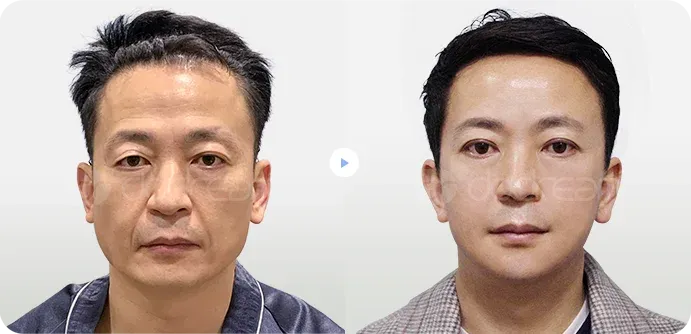
 Dodream Plastic Surgery
Helpful tip
Found a before & after image you're interested in? Tap the magnifying glass button in the lower right to start a consultation right away.
AI Review Summary
Clear and detailed explanation of procedures
Minor feedback regarding duration
Responsive and professional communication
Positive overall consultation experience
Other than the slightly long waiting time, everything else was very good. The doctor's advice was also very pertinent
Clear explanationDetailed consultationThe doctor I consulted was very professional, and the hospital was also very proactive in communicating with me and coordinating the time. Although the previous consultation took up too much time, they immediately contacted me to postpone the appointment. The doctor provided very practical personalized advice, helping me rule out items I did not need to understand and giving me direction on the items I needed to understand.
Easy to understandClear explanation医生温柔细心解答问题精准
Clear explanationEasy to understand今天去体验了医美咨询,整体感觉比想象中专业很多~ 咨询师会先了解我的皮肤状态和日常习惯,不是那种一上来就疯狂推销的类型,这点我蛮加分的。过程中也会很仔细解释项目适不适合我、恢复期、效果维持时间这些。
Clear explanationEasy to understand非常和善的老師,諮詢回答詳細
Clear explanationEasy to understand介绍得很详细 也很细心态度好
Clear explanationEasy to understand態度親切有禮,說明清晰明白,聽完有意願去診所
Clear explanationEasy to understand費用清楚容易明白有耐性
TrustworthyClear cost explanation非常好,屏幕上的翻譯也很清晰
Clear explanationEasy to understandThe app translation is excellent and very accurate, the clinic staff are very kind, and their prices are very reasonable. If I have a need, I will go to Korea to purchase services.
Clear explanationEasy to understand