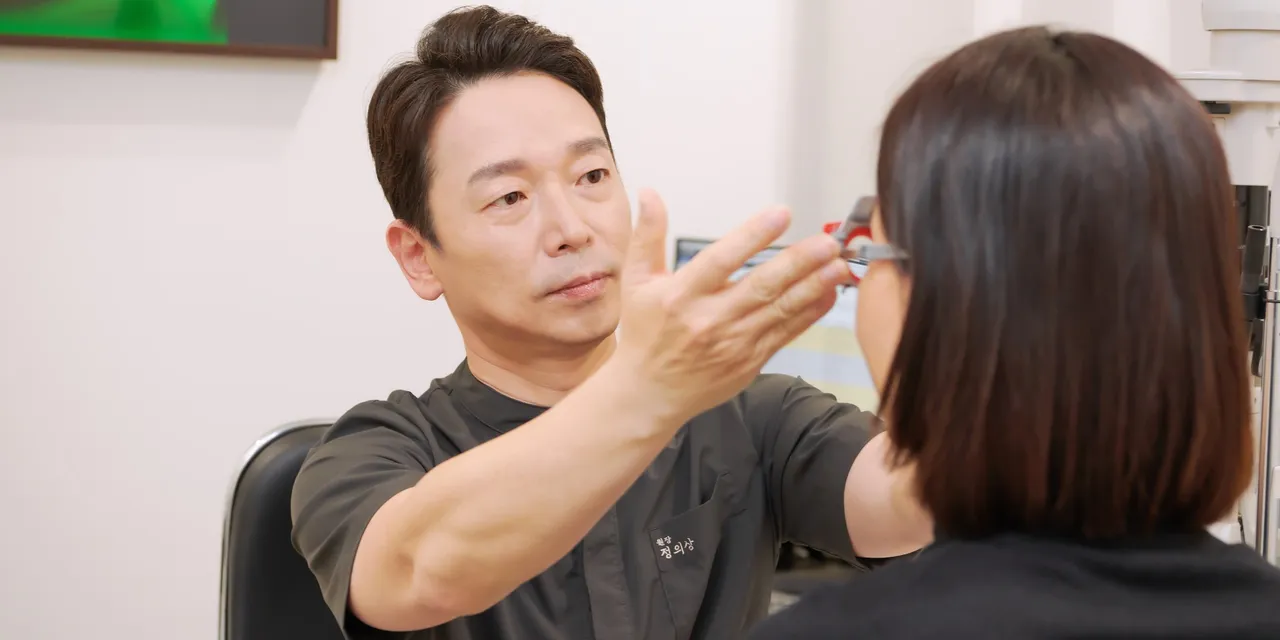


Lens Implantation Surgery
from 6,500,000 KRW* VAT Not Included
This is a lens implantation procedure that corrects myopia and astigmatism simultaneously by implanting a toric ICL lens with added astigmatism-correcting functionality. SNU Eye Clinic participated in the domestic introduction and clinical research of toric ICLs in 2005 and determines lens size and implantation axis using the “Zero Equation,” established based on nomograms accumulated over more than 20 years, along with a three-step triple-checking system. It is considered for patients with high myopia and significant astigmatism.
Surgery Overview
Zero Toric ICL is an Implantable Collamer Lens procedure that corrects both Myopia and Astigmatism at once by implanting a Toric ICL lens with added Astigmatism correction. SNU Eye Clinic participated in the domestic introduction and clinical research of Toric ICL in 2005, and determines lens size and implantation axis using the “Zero Equation,” established through a nomogram built over more than 20 years, along with a triple-checking system.

· Performing ICL procedures since its introduction in Korea in 2002 · Participated in the domestic introduction and clinical research of Toric ICL in 2005 · Toric ICL Reference Doctor
Why Choose Toric ICL
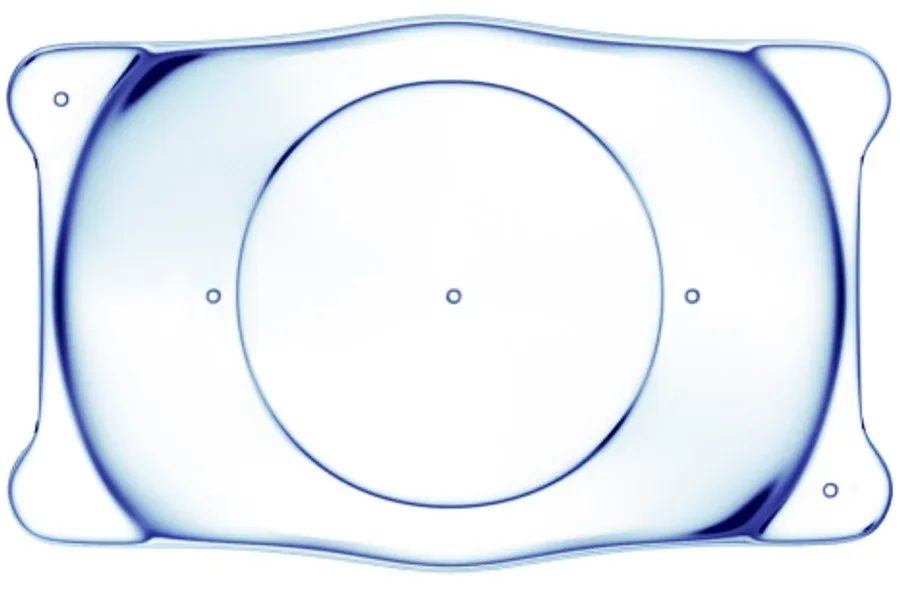
Toric ICL is a lens that adds Astigmatism correction to the same Collamer material used in conventional ICL lenses. Precisely correcting Astigmatism with a suitable lens can provide clearer quality of vision.

Normal vision

Vision with -1D Astigmatism
Even -1D of residual Astigmatism can make a significant difference in visual quality.
Advantages of Toric ICL
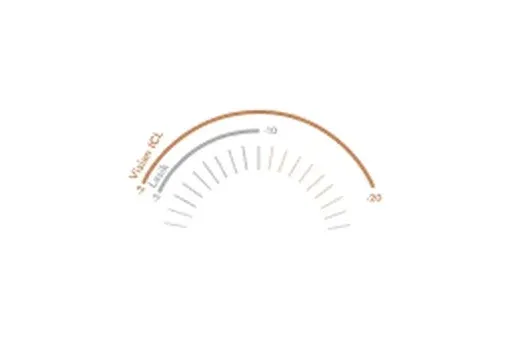
Correction of both Myopia and Astigmatism in a single procedure

Clear and precise Vision Correction
When implanted in the correct orientation and position according to the Astigmatism power and axis, clear and precise Vision Correction is possible.
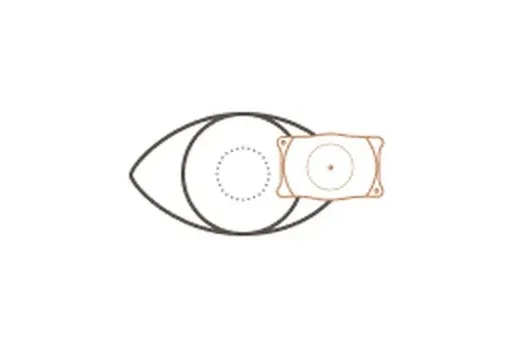
Over 80% reduction in Astigmatism recurrence rate
The Astigmatism recurrence rate is reduced by more than 80% compared with additional Astigmatism correction using limbal relaxing incisions or laser treatment.
Enhanced Corneal stability and reduced Dry Eye Disease
Why Zero Toric?
Point 1. Long-term clinical data accumulated since 2005
Based on the nomogram of Dr. Eui-Sang Jeong, who has been involved since the domestic launch of Toric lenses, the appropriate lens position and size are determined. Clinical results have been presented by measuring Astigmatism before surgery and at 3 and 12 months after surgery.

Point 2. Triple-Checking System
· Specialized examination by the dedicated ICL team: A dedicated team that has completed more than 48 hours of ICL instructor training assesses the space inside the eye, Astigmatism axis, and Astigmatism power. · Direct patient check: Patients preview their vision after lens implantation with dedicated ICL optometrists and consultants to identify the appropriate lens. · Final check by the surgeon: Based on the nomogram, the surgeon determines the procedure after considering the examination results and the patient’s input.
Point 3. Precision measurement equipment for ICL
During surgery, a real-time virtual Astigmatism axis system is cross-checked with the medical staff’s manual Astigmatism axis examination.
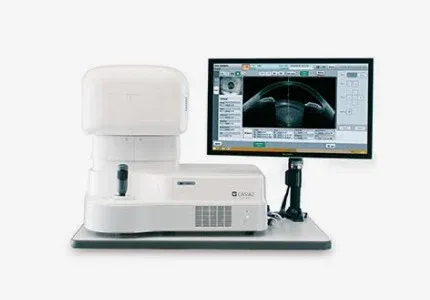
CASIA 2
It captures 360-degree images of the 13 mm-deep anterior segment in 1 μm increments and performs topography and IOL simulations.
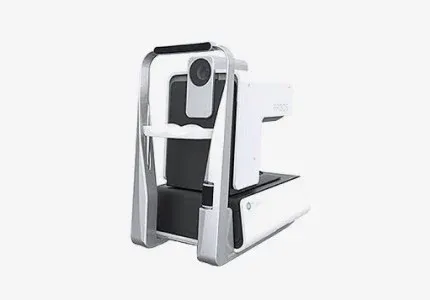
ARGOS 2
It performs non-contact anterior segment examinations using SS-OCT technology and is integrated with intraoperative Astigmatism axis guidance.
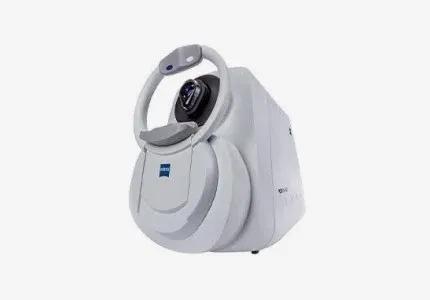
CIRRUS 6000
A high-resolution OCT that captures a wide field of view with 100,000 scans per second.
Point 4. Lens rotation rate: 0.64%
Among 1,236 eyes that underwent Toric ICL procedures performed by Dr. Eui-Sang Jeong from December 2017 to January 2024, 8 eyes required repositioning, resulting in a lens rotation rate of less than 1% (0.64%). During the same period, the Toric lens prescription rate was 77.9%, higher than the overall market average of 54.6%.
Please Note
Toric ICL involves more variables than conventional Implantable Collamer Lens procedures and requires accurate examinations and skilled medical professionals. The surgical method and results may vary depending on the individual’s condition and should be determined through consultation with a specialist.
 SNU EYE CLINIC