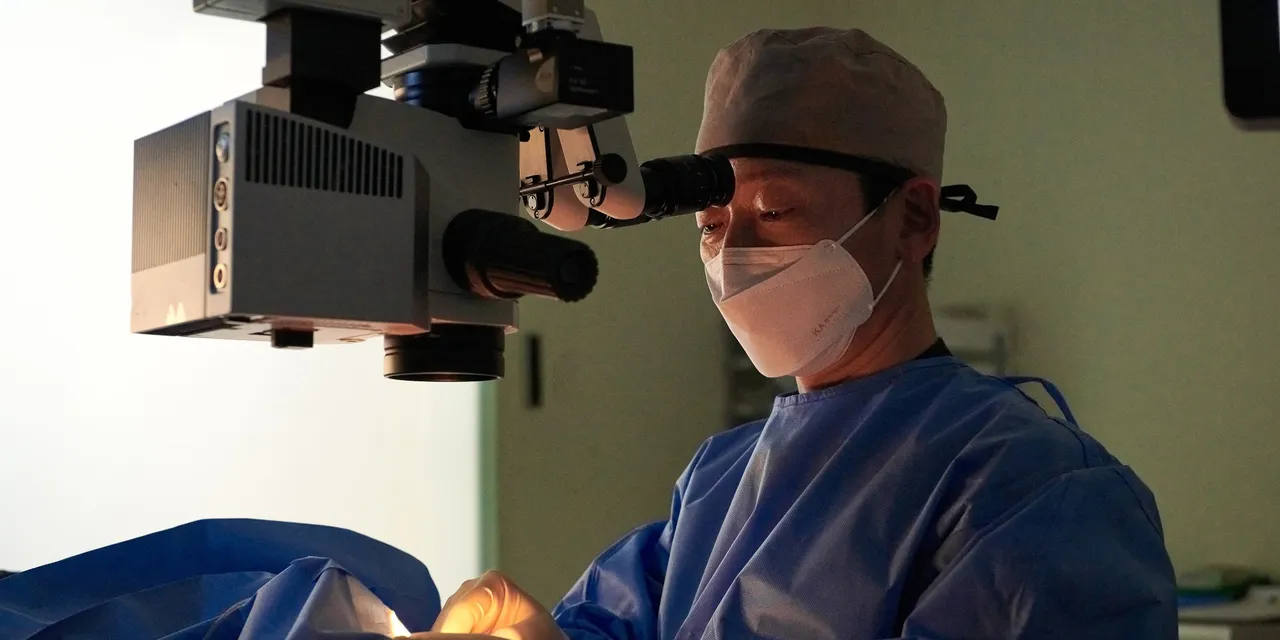

Lens Implantation Surgery
from 5,500,000 KRW* VAT Not Included
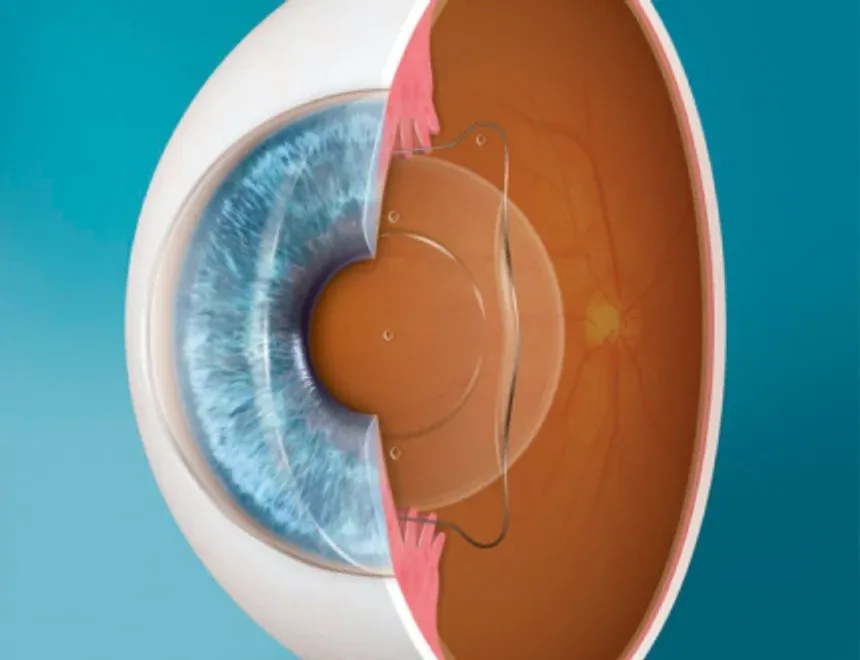
This procedure corrects vision by implanting a lens of a prescribed power inside the eye without reshaping the cornea. It may be considered for patients with high myopia who are not suitable candidates for LASIK or LASEK, as well as those with thin corneas or severe dry eye syndrome. SNU Eye Clinic has performed implantable contact lens procedures since the introduction of ICLs in Korea in 2001. Using 3D measurement equipment, including anterior segment OCT, the ocular space is assessed to determine the lens size and position, and examinations are conducted by a dedicated ICL team.
Surgery Overview
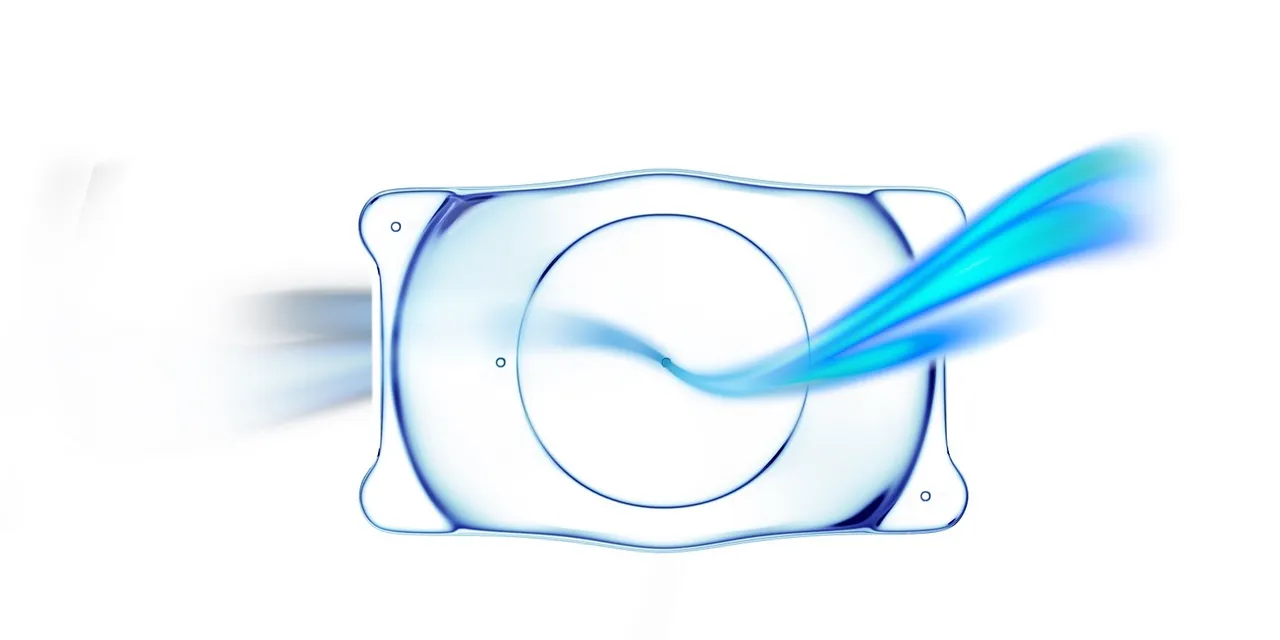
Implantable Collamer Lens (EVO ICL) is a procedure that corrects vision by inserting a lens of a prescribed power into the eye while preserving the Cornea without reshaping it. It has a low rate of Myopia regression, and the lens can be removed if necessary to restore the eye to its original state. SNU Eye Clinic uses 3D equipment to measure the intraocular space, determine the lens type and insertion position, and an ICL-dedicated team manages the entire examination process.

· No Myopia regression · Same-day surgery · Clear vision · Reversible
Recommended for the Following
· Those who are not eligible for LASIK or LASEK · Those whose Corneal thickness is too thin relative to their refractive error · Those with large Pupils at night · Those with severe Dry Eye Disease · Those with Corneal Disease, such as Keratoconus
SNU's Implantable Collamer Lens Procedure: SNU FITTING
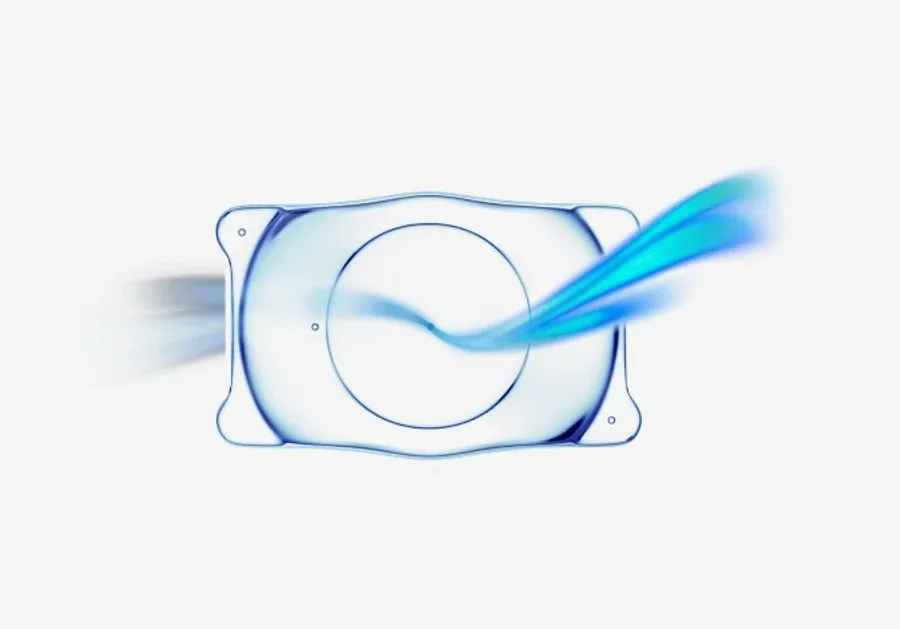
With precise measurements, professional consultations, meticulous surgery, and more than 20 years of expertise, we customize and implant lenses optimized for each patient's intraocular space.
Point 1. Minimizing the Incision
The incision for lens insertion is kept to a minimum.
Point 2. Accurate Measurement of Intraocular Space
The intraocular space is measured using the latest anterior segment OCT equipment.
Point 3. Optimized Lens Size
A lens size suited to each individual's intraocular space is ordered.
Point 4. Complete Removal of Viscoelastic Material
The viscoelastic material used during surgery to maintain stability is thoroughly removed using specialized equipment. If any viscoelastic material remains, it may cause elevated intraocular pressure, eye pain, and swelling.
Point 5. Precise Astigmatism Axis with Reduced Error
Using the Callisto system, Astigmatism is precisely corrected by considering the incision location, extent, and Astigmatism axis.
Surgical Procedure
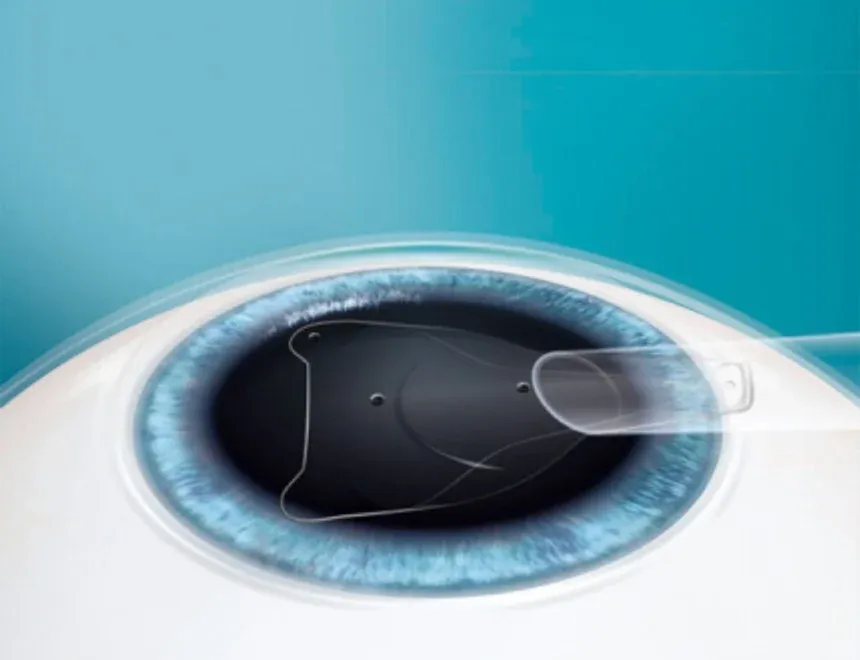
STEP 1. Create a Small Incision
A very small incision of approximately 3 mm is made in the peripheral area.
STEP 2. Insert the Lens
The lens is inserted through the incision.

STEP 3. Secure the Lens
The lens is secured between the Iris and Lens, completing the procedure.
Types of Implantable Collamer Lens Procedures
Implantable Collamer Lens procedures are classified according to lens position into anterior chamber lenses placed in front of the Iris and posterior chamber lenses placed behind the Iris. Posterior chamber lenses do not require iridotomy, allowing for same-day surgery. · Same-day surgery for both eyes available · High safety · No iridotomy required
Benefits of Implantable Collamer Lens Procedures
Suitable even for Corneal Disease or thin Corneas

Minimizes recurrence rates of Myopia, Astigmatism, and Hyperopia

Reversible

Prevents side effects such as glare and Corneal ectasia caused by Corneal Epithelium removal
SNU ICL Dedicated Team

SNU Eye Clinic operates an ICL-dedicated team exclusively for Implantable Collamer Lens procedures. The dedicated team, which has completed more than 48 hours of training with an ICL instructor, supports patients from surgery through postoperative follow-up based on accurate examination results. Only FDA-approved genuine EVO ICL lenses are used, and patients who undergo surgery receive a genuine product certification card from STAAR SURGICAL.
Surgery Information
| Surgery schedule: Same-day surgery (same-day bilateral surgery available for posterior chamber lenses) | Comprehensive examination: First visit approximately 2 hours · Second visit approximately 3 hours (may include a dilated eye examination)
Please Note
The surgical method and results may vary depending on the individual's condition and are determined through consultation with a specialist.
 SNU EYE CLINIC