Lens Implantation Surgery
From 4,700,000 KRW/ surgery
Lens implantation surgery is a procedure that corrects vision by inserting a specialized lens tailored to the individual eye in front of or behind the iris without reshaping the cornea. If necessary, the lens can be removed to return the eye to its original condition or replaced. Because the cornea is not reshaped, the procedure can also be performed in cases of thin corneas, high myopia, or high astigmatism. It provides excellent visual quality, and the lens can be removed or replaced if necessary.
Surgery Overview
Implantable Lens Surgery
Excellence of GS Implantable Lens Surgery

Each person's eye structure is different. Because there are thousands of combinations involving corneal curvature, the degree of myopia and astigmatism, and the astigmatic axis, a single lens cannot perfectly accommodate all conditions. GS Eye Clinic offers a variety of lenses, selecting the most suitable lens for each patient's eye condition to provide precise, safe, customized surgery without error.
01 EVO+ ICL (STAARㅣU.S.A)
A posterior chamber lens widely used worldwide, with proven safety
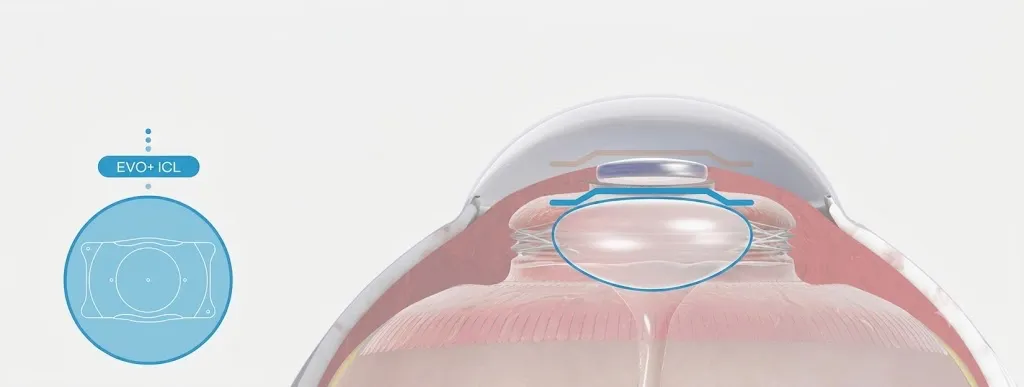
A global-standard lens that effectively corrects high myopia! Its expanded optic design reduces nighttime light glare, and it has proven safety that allows surgery without iridotomy!

✓ With a 10% wider optic, improves nighttime light glare!
✓ Made of Collamer material for excellent biocompatibility!
✓ Its central hole structure allows surgery without iridotomy!
02 KPL (KoryoeyetechㅣKorea)
A precisely customized curvature posterior chamber lens tailored to your eyes
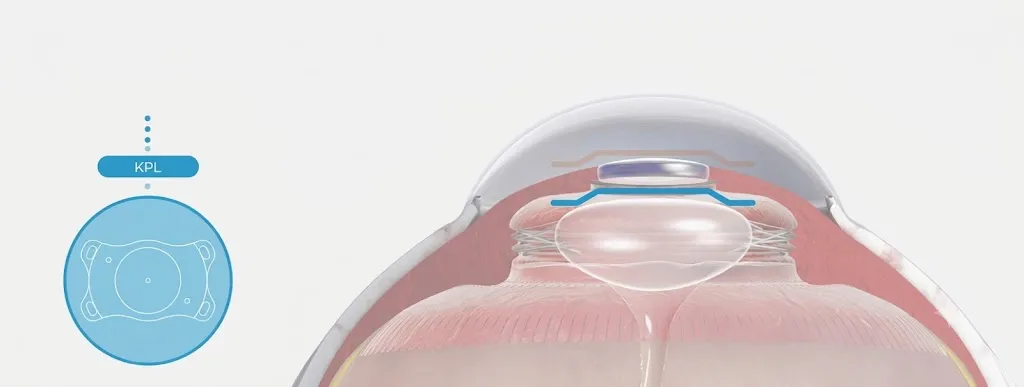
A domestically developed, customized posterior chamber lens that enables one-on-one customized surgery according to the patient's eye structure! Available in various sizes with a flexible design for outstanding stability and visual quality!

✓ Various lens sizes enable customized surgery for each eye structure
✓ Maintains proper lens centration for improved nighttime vision and clarity
✓ Flexible haptic design reduces the risk of vaulting and complications
03 GLAZE (Biotechㅣ Switzerland)
Reducing distortion, enhancing clarity
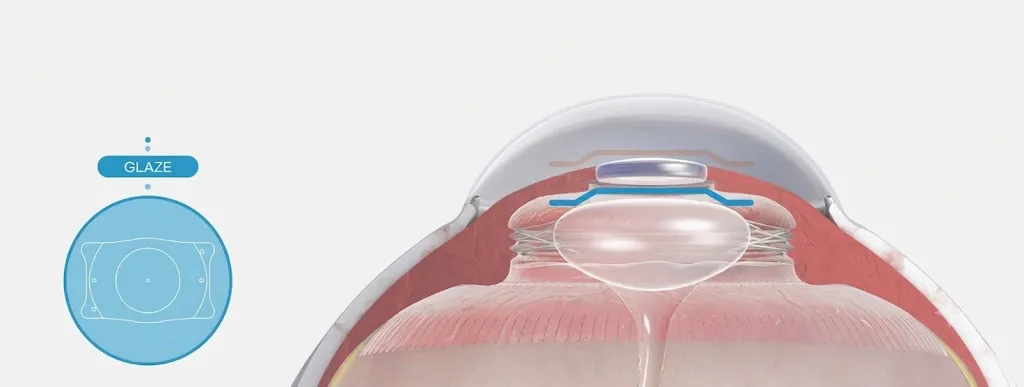
An aspheric design provides clear vision. A posterior chamber lens that enables a small incision and rapid recovery while minimizing stress on the eye!
※ Known internationally as “EYECRYL PHAKIC”

✓ With a minimal 2.8 mm incision, recovery is faster with less pain!
✓ Its aspheric structure provides a wide, distortion-free field of vision!
✓ UV-blocking function and a conical aqueous hole minimize side effects!
04 Artiflex (OPHTECㅣNetherlands)
An anterior chamber lens inserted in front of the iris for rapid recovery
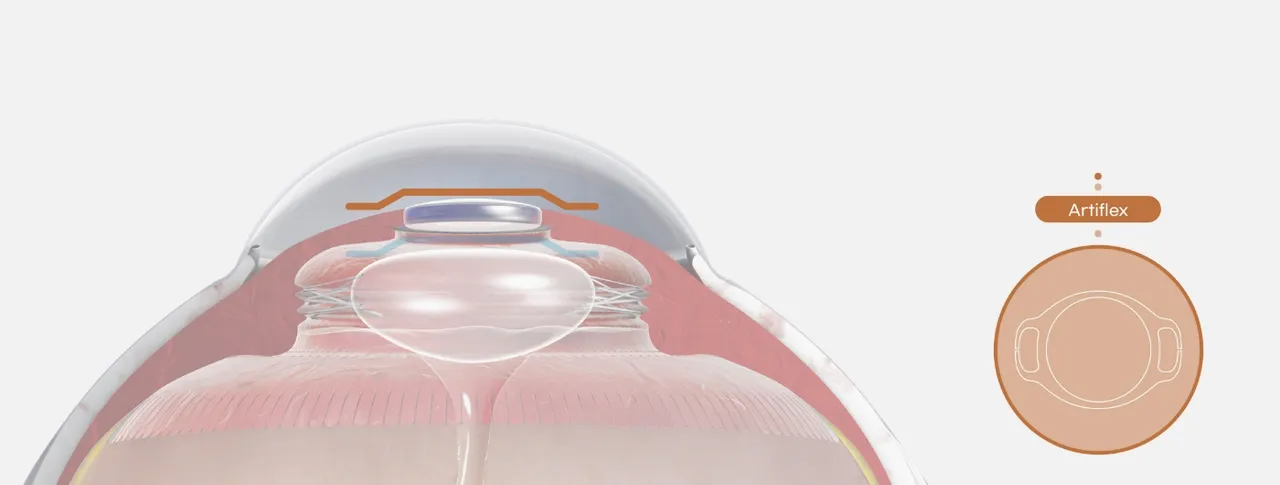
A lens fixed to the iris, making it suitable for patients with high astigmatism! It enables rapid recovery and may reduce side effects through a small incision!

✓ With a 3 mm small incision, enables rapid recovery and minimizes induced astigmatism!
✓ Performed without a corneal flap, reducing the burden of dry eye and inflammation
✓ Lens removal is possible → a reversible procedure that can restore the original condition
What Is Implantable Lens Surgery?
Implantable lens surgery is a procedure that corrects vision by directly implanting a vision-correcting lens inside the eye. For thin corneas or extremely high myopia, a vision-correcting lens is implanted inside the eye, allowing vision correction without damaging the cornea.
Features of Implantable Lens Surgery
For patients with high myopia or astigmatism, abnormal corneal shape, or thin corneas—when laser vision correction procedures such as LASIK or LASEK are difficult—vision can be corrected by implanting a lens without removing corneal tissue.
✓ Minimizes myopic regression
✓ Minimizes light glare
✓ Minimizes dry eye symptoms
✓ Minimizes pain
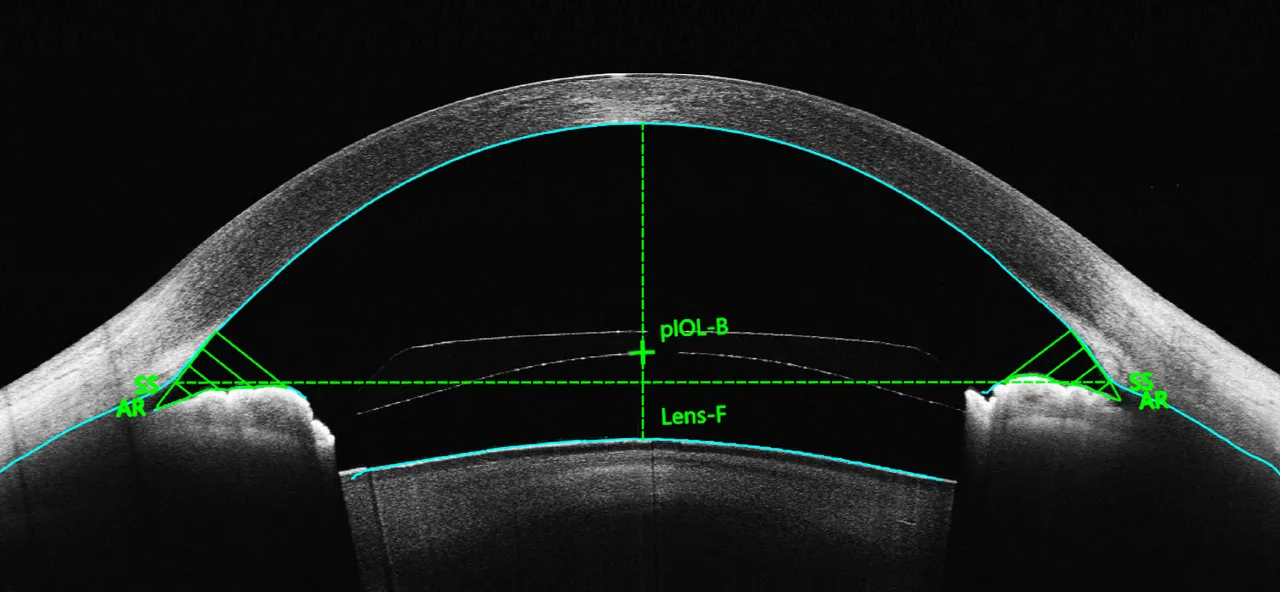
The most important aspect of implantable lens surgery is determining the type, power, and size of the lens that is right for each individual patient. If the lens type or power is unsuitable, it can be difficult to expect clear vision after surgery. In particular, if a lens of an appropriate size for the internal space of the eye is not used, it may cause various problems after surgery.
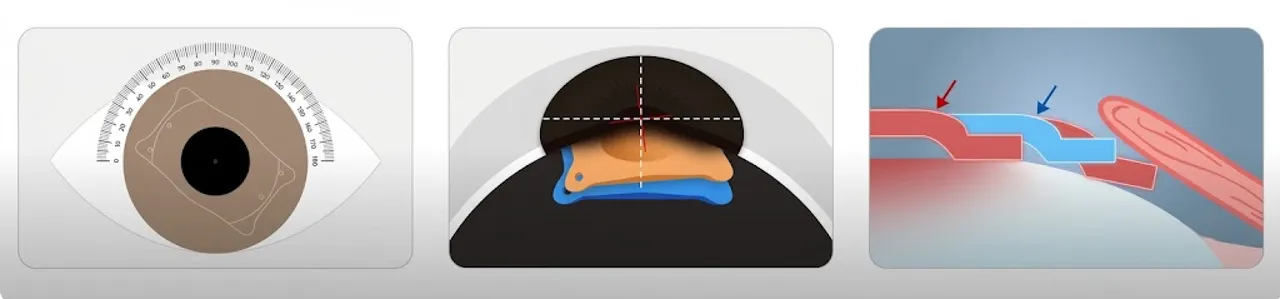
If the lens is too large, it can obstruct aqueous humor flow and cause glaucoma. Conversely, if the lens is too small, it may move inside the eye and cause corneal endothelial cell loss or cataracts. Therefore, to achieve clear vision after surgery and prevent side effects, accurate measurements and analysis to select a lens suited to your eyes are necessary.
Through extensive clinical experience and various examinations, GS Eye Clinic works to prevent potential complications in advance. As postoperative care is especially important for implantable lens surgery, we are committed to caring for our patients' eyes through systematic aftercare services.
Vision Test
Lens Position Examination
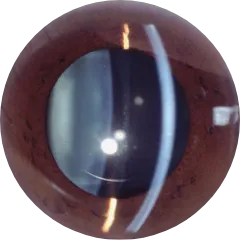
Endothelial Cell Examination
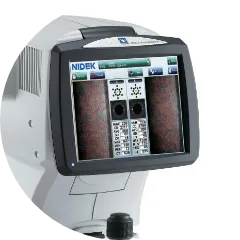
Optic Nerve Examination
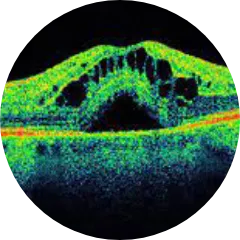
Retinal Examination
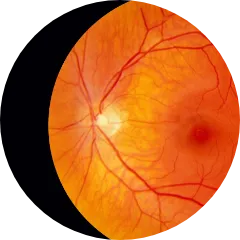
Frequently Asked Questions
Q. What is the difference between implantable lens surgery and laser vision correction surgery?
A. Implantable lens surgery is one method for correcting myopia and astigmatism. It involves implanting special intraocular lenses—such as GLAZE, Aqua ICL, and Artiflex—into the patient's eye to adjust the eye's overall refractive error toward emmetropia. Unlike LASIK or LASEK, it does not involve removing corneal tissue, so it can also be performed for people with thin corneas or high myopia.
Q. Can implantable lens surgery be performed even with severe astigmatism?
A. Yes, it can. Surgeon experience is important for laser procedures such as LASIK and LASEK for astigmatism, but it is even more important for implantable lens surgery. Astigmatism may be corrected by implanting a toric lens or through astigmatic keratotomy.
Q. I have high myopia. Can I undergo implantable lens surgery?
A. Vision correction is possible even in cases of extremely high myopia where LASIK is not possible or when the cornea is thin. For high myopia, there is no risk associated with removing a large amount of corneal tissue with a laser.
Q. What are the important considerations for implantable lens surgery?
A. Because it is a delicate procedure requiring advanced technical skill, the expertise of the medical team is of utmost importance. Postoperative care must also be thorough. GS Eye Clinic provides comprehensive postoperative care through regular examinations after implantable lens surgery.
Q. What should I do if I experience discomfort after implantable lens surgery?
A. Unlike conventional laser surgery, implantable lens surgery does not correct vision by ablating or separating the cornea with a laser, so the lens can be replaced or removed. If the implanted lens power causes visual discomfort, it can be replaced with a suitable lens. In some cases, if side effects occur due to the lens, it can be removed.
Surgery Experience Stories

 GS EYE CENTER