
LASIK
from 1,800,000 KRW* VAT Not Included
This LASIK procedure creates a corneal flap using a femtosecond laser (VisuMax) and corrects refractive errors with an excimer laser. A fully automated corneal fixation method is used to reduce the bleeding burden associated with conjunctival fixation, and the flap is customized to the desired thickness. According to the clinic, the recovery period is approximately 1–2 days, and consultation is available for individuals with high myopia, thin corneas, or small eyes.
Surgery Overview
VisuMax LASIK is a LASIK procedure in which an ultra-fast femtosecond laser (VisuMax) creates a corneal flap, followed by correction of refractive errors with an excimer laser. The fully automated corneal fixation method reduces the possibility of bleeding associated with conjunctival fixation, and allows customized flap creation at the desired thickness.

Recommended for the following individuals
· High myopia · Those with thin corneas · Those with small eyes
VisuMax Femtosecond Laser
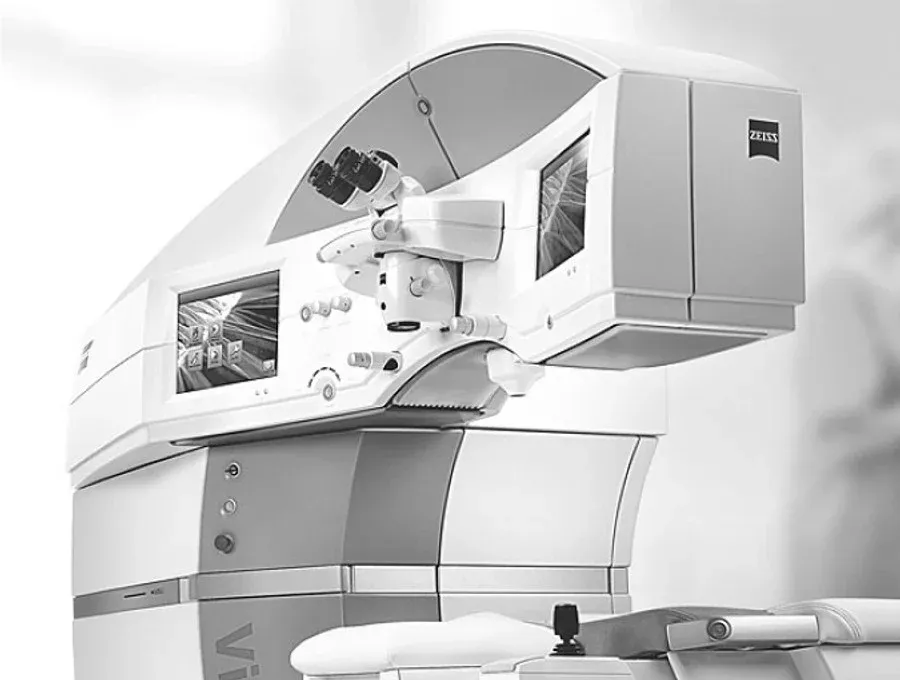
When the femtosecond laser is applied to corneal tissue, the tissue changes into a plasma state and creates extremely fine bubbles. These bubbles are connected continuously to create the corneal flap needed for LASIK surgery.
Features of SNU VisuMax LASIK
Point 1. Safe
The fully automated eye fixation method reduces the burden of subconjunctival hemorrhage and Dry Eye Disease associated with corneal fixation.
Point 2. Precise
A special corneal fixation lens enables more accurate and precise laser application.
Point 3. Fast
The high-speed laser enables dense laser application.
Point 4. Advanced LASIK
Every stage of the procedure, from corneal flap creation to refractive error correction, is performed in an integrated manner.
Procedure
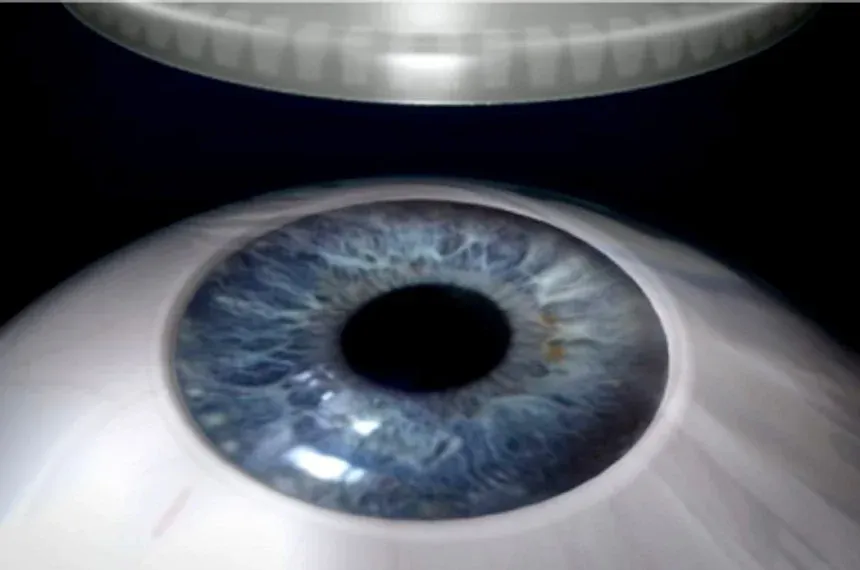
STEP 1. Safe Eye Fixation
The eye is safely fixed using a contact lens.
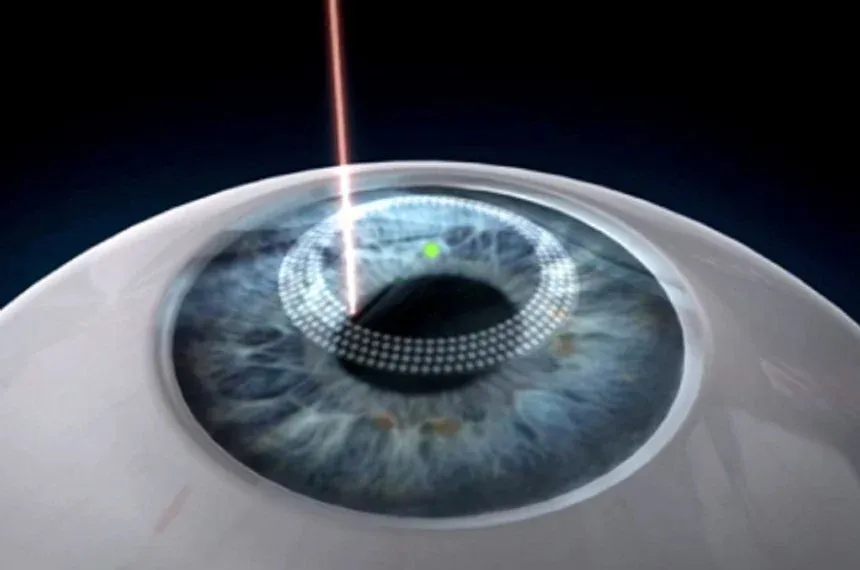
STEP 2. Laser Application
The femtosecond laser is applied.
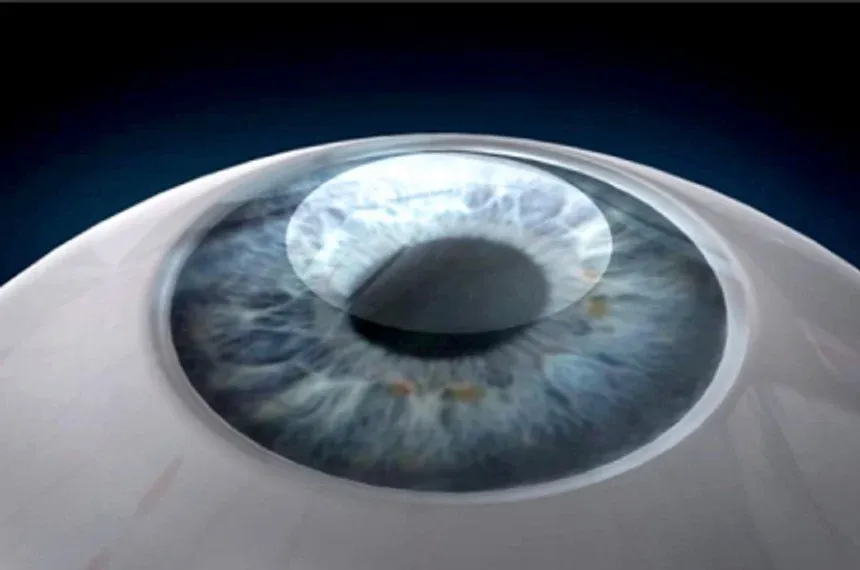
STEP 3. Corneal Flap Creation
A smooth and precise corneal flap is created.
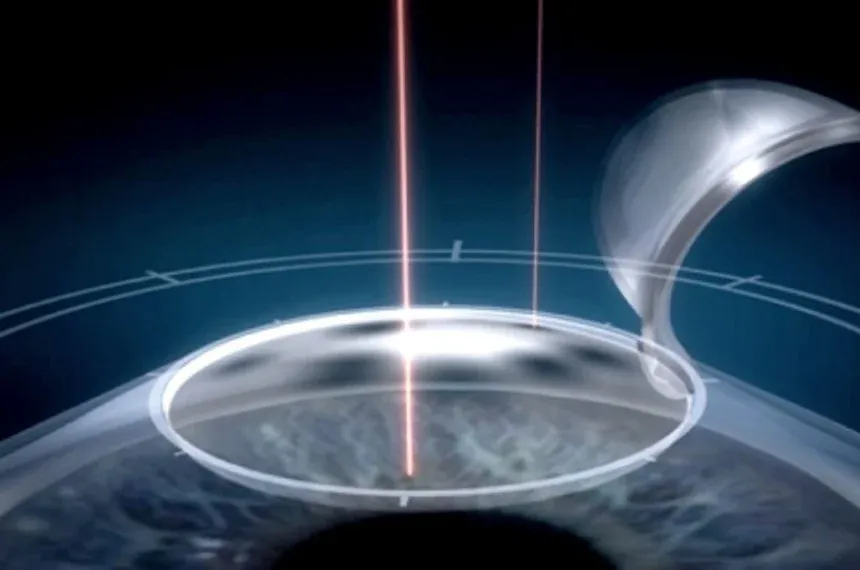
STEP 4. Excimer Laser Application
The flap is lifted, and the excimer laser is applied to correct vision.
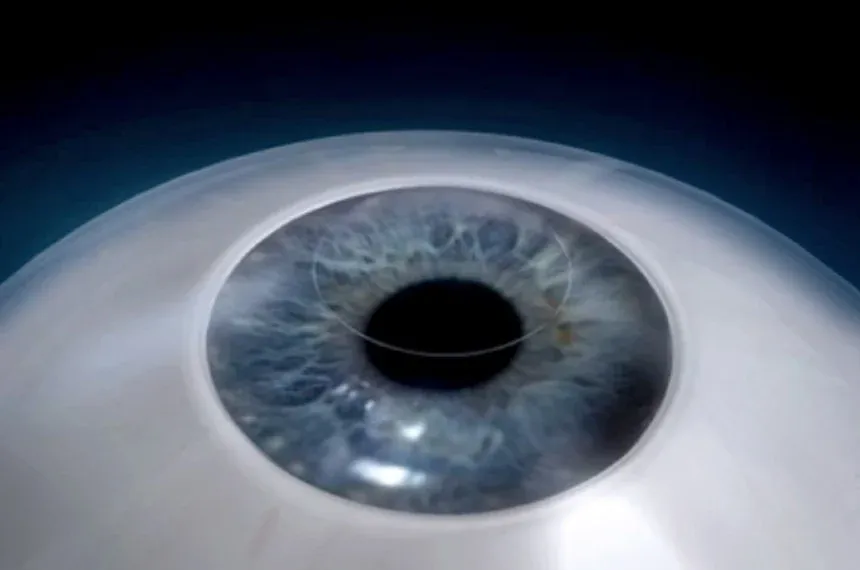
STEP 5. Flap Repositioning
The flap is returned to its original position to complete the procedure.
Comparison of Conventional LASIK and VisuMax LASIK
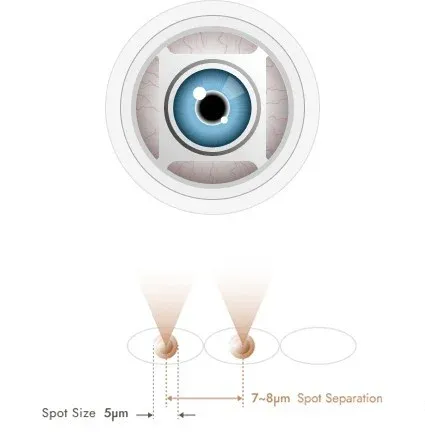
Conventional LASIK
· Fixation method: Conjunctival (white of the eye) fixation · Flap creation: Microkeratome (a blade for creating corneal flaps) · Bleeding: Bleeding may occur due to conjunctival fixation. · Suitable for: Mild to moderate myopia with thick corneas
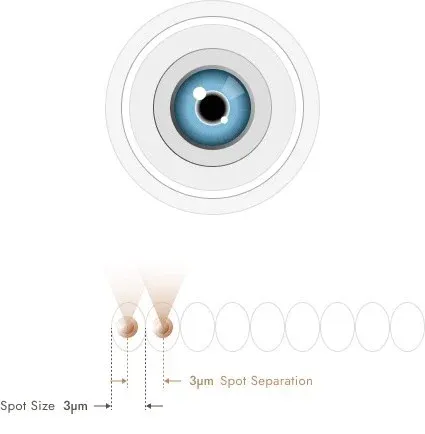
SNU VisuMax LASIK
· Fixation method: Corneal (black part of the eye) fixation · Flap creation: Customized to the desired thickness using a femtosecond laser · Bleeding: Corneal fixation does not cause bleeding. · Suitable for: A broad range of candidates, including those with high myopia, thin corneas, and small eyes
Procedure Information
| Recovery period: Approximately 1–2 days (conventional LASIK: approximately 2–3 days)
Please Note
The procedure method and results may vary depending on the individual's condition and are determined through consultation with a specialist.
 SNU EYE CLINIC