LASEK
From 1,600,000 KRW/ surgery
TODAY LASEK A vision correction procedure in which the corneal epithelium is removed without creating a corneal flap, followed by precise laser reshaping of the cornea to correct refractive errors. The procedure is customized based on a comprehensive analysis of each patient’s corneal thickness, shape, and degree of myopia and astigmatism, while considering corneal structural stability. - No Corneal Flap - Suitable for a Wide Range of Corneal Conditions - Recovery-Focused Vision Correction
Surgery Overview
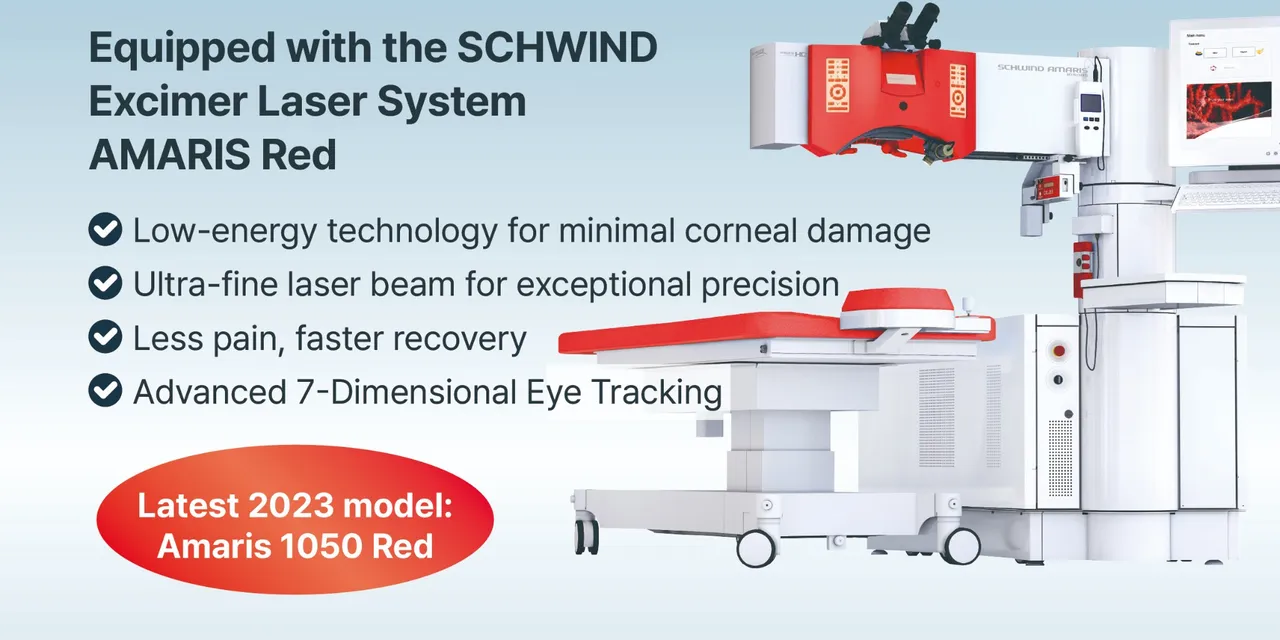
AMARIS RED LASEK / Today LASEK
AMARIS 1050 RED

Every ablation and every correction is completed using only a single beam of laser light. All-laser LASEK does not use a blade, from removal of the corneal epithelium through vision correction. It is a non-contact vision correction procedure performed using 100% laser only. Germany's SCHWIND Amaris Red system emits ultra-high-speed pulses and features a 7D Eye Tracker: seven-dimensional eye-tracking system technology. This minimizes thermal damage to the cornea and creates a smoother ablation surface. As a result, it provides shorter procedure times, less pain, and clearer visual quality.
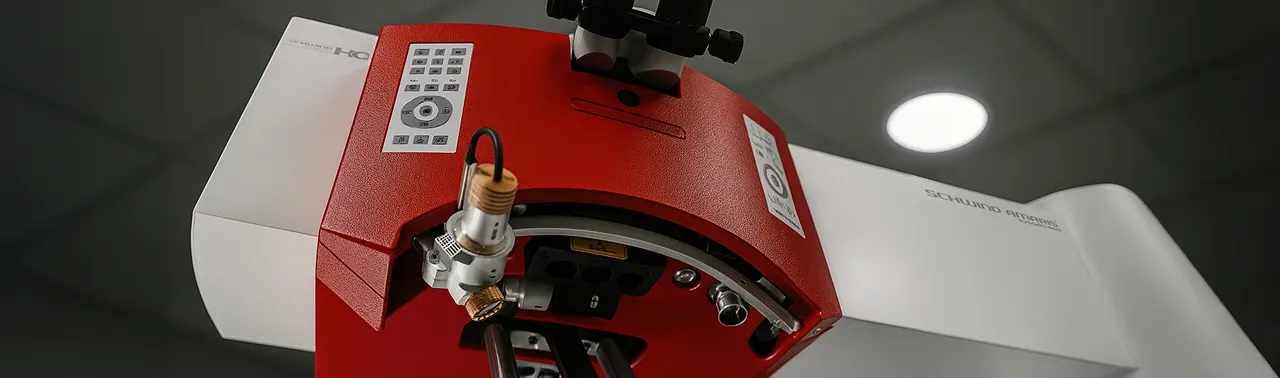
❶ Ultra-high speed of 1050 Hz
The fastest excimer laser speed currently available and stability, both at once
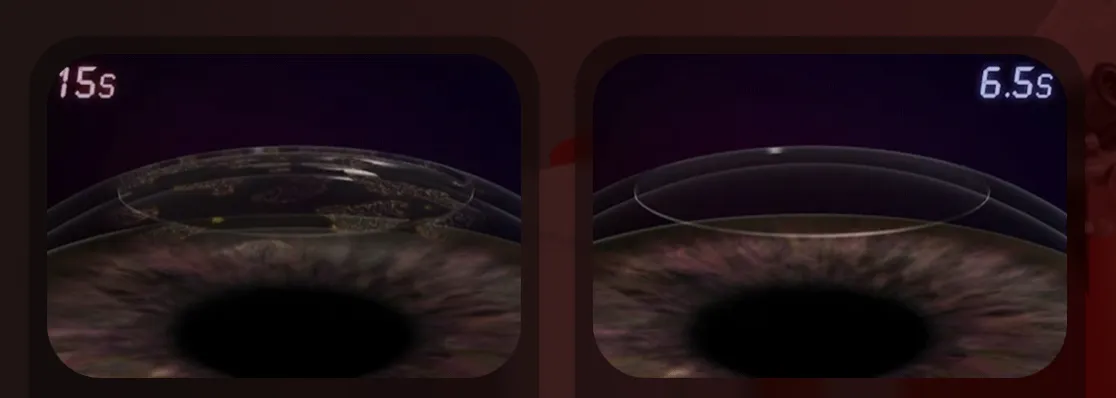
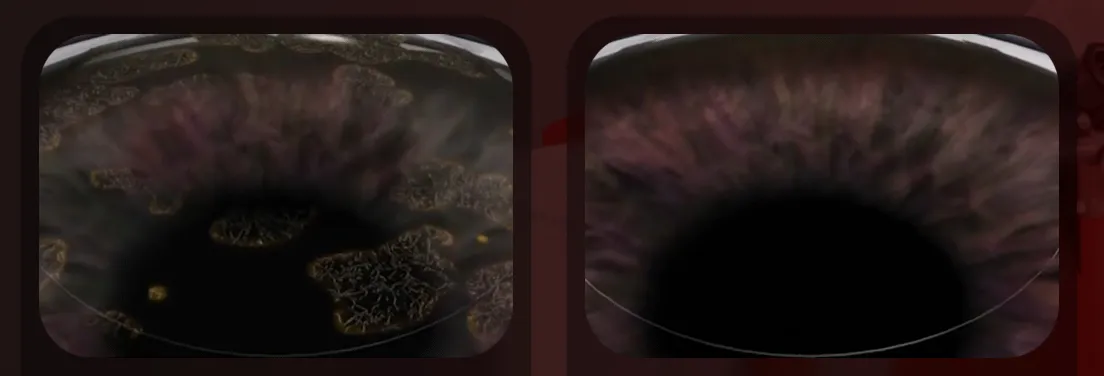
AMARIS RED uses an ultra-high-speed 1050 Hz pulsed laser, requiring only 1.3 seconds to correct 1 diopter. At more than 50% faster than conventional systems, it preserves more residual corneal tissue while minimizing heat damage to the eye.
*This scene has been staged to aid understanding and may differ from actual conditions.
❷ 0.54 mm ultra-fine ablation
More precise than cells, smoother than ever

The smaller the laser beam, the more precise the procedure can be. A precise 0.54 mm laser beam, 3.5 times thinner than conventional lasers enables rapid, smooth polishing of the corneal surface for high-quality visual recovery.
❸ Seven-dimensional eye-tracking system
Technology that accounts for every movement of the eye
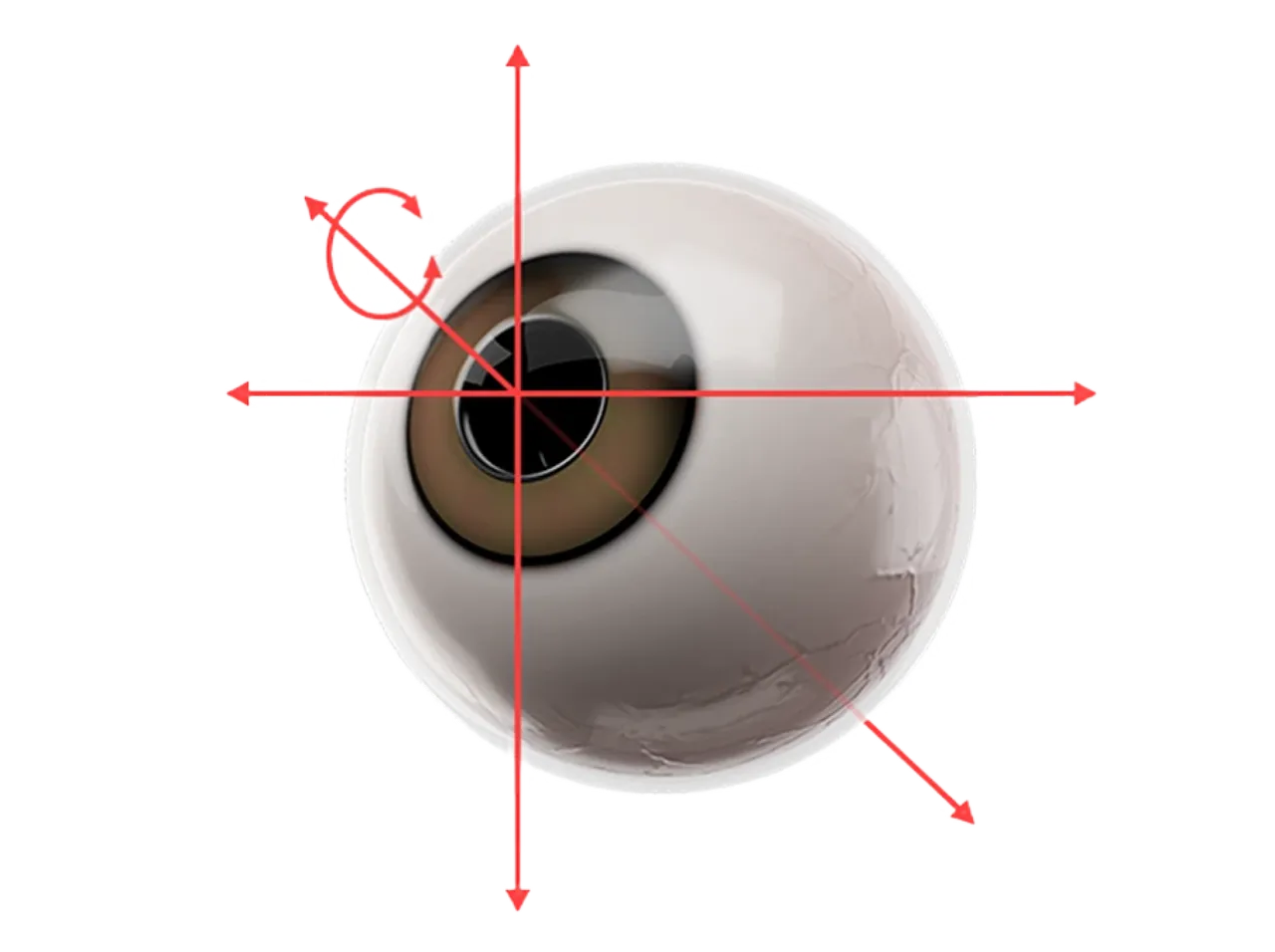
A seven-dimensional ultra-precise eye-tracking device tracks the eye in real time and controls the laser so that it is delivered accurately to the target point. Even if the eye moves during the procedure, its position is immediately corrected for safe vision correction without error.
❹ AI heat-dispersion system
AI heat-dispersion system
Disperses heat while maintaining eye safety
It is equipped with an AI heat-dispersion system that automatically analyzes laser energy to maintain a consistent corneal temperature. This feature prevents subtle heat buildup and minimizes cellular damage, significantly reducing postoperative pain and the incidence of inflammation. This is why stability is maintained even at high speeds.
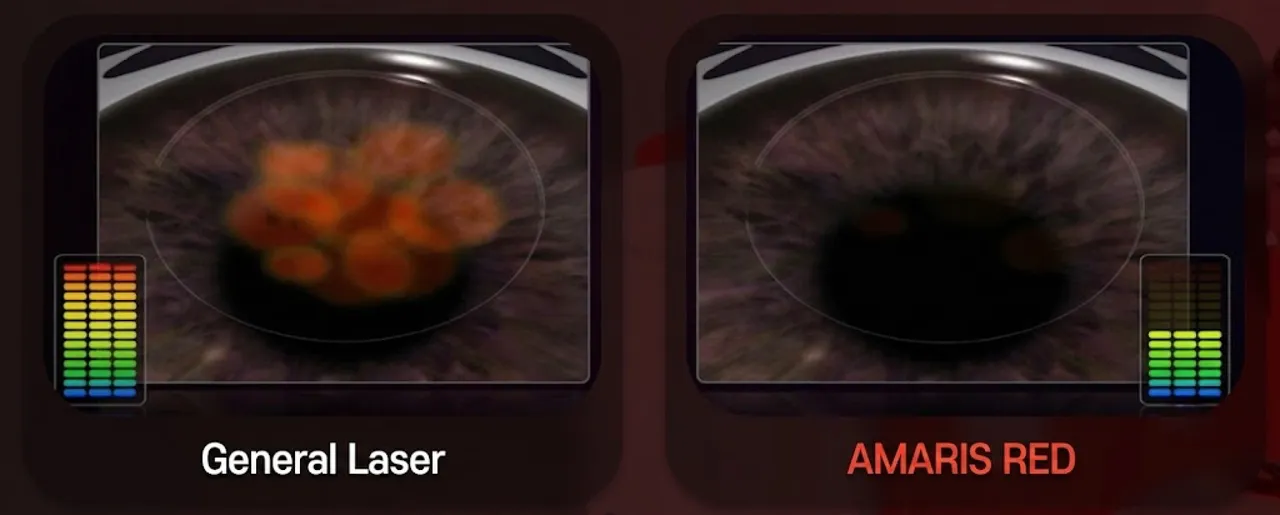
*This scene has been staged to aid understanding and may differ from actual conditions.
❺ 3D coordinate-based SmartPulse Technology
A method of delivering laser treatment based on the cornea's three-dimensional spherical structure
Precisely delivers laser treatment in three dimensions according to the shape of the human eye. By reducing the roughness of the corneal surface after the procedure, it promotes faster recovery and improves visual quality, helping secure clearer vision. It enhances procedural stability and increases the likelihood of achieving the target vision.
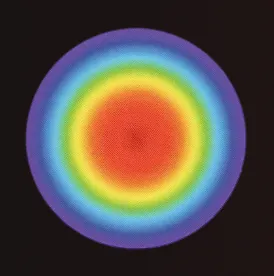
[Conventional Method]
Laser treatment is delivered in a 2D (planar) manner, which may leave the corneal surface rough.
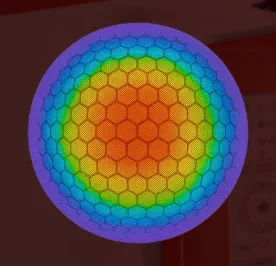
[NEW 'SPT' Method]
Polishes the corneal surface more smoothly and evenly to promote rapid visual recovery immediately after surgery and reduce glare
AMARIS RED LASEK vs. Conventional LASEK
AMARIS 1050RS RED
✓ Corneal surface:
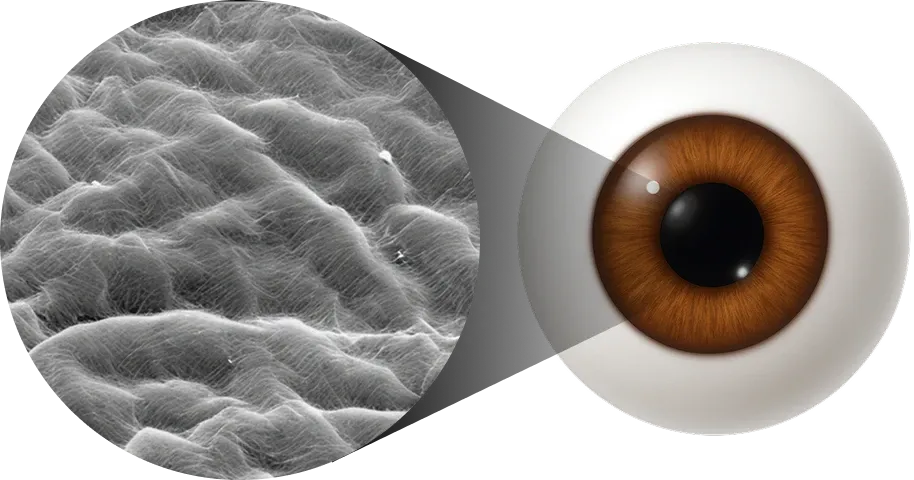
✓ Laser beam size: 0.54 mm (smallest beam size) Maximized precision with a uniform, smooth ablation surface
✓ Laser beam type: Super Gaussian - Flying Spot (only) 3D SmartPulse Technology → Smooth ablation surface with virtually no visual distortion
✓ Laser ablation speed: 1050 Hz (fastest ablation speed)/ Less than approximately 1.3 seconds for 1 D correction, minimizing corneal thermal damage
✓ Beam size delivered to the cornea: 0.54 mm (same as the actual beam size)/ 100% delivered to the cornea without energy loss
Ablation time per diopter: 1.3 seconds (shortest ablation speed)/ Shorter ablation for faster recovery and stable vision
✓ Eye-tracking method: Seven-dimensional eye-tracking system (X, Y, Z Rotation, Y Rotation, Static/Dynamic Cyclo Torsion, Time) Accurately detects even subtle eye movements
✓ Eye-tracking speed: 1050 Hz (detection speed faster than laser ablation) Immediate response with Latency-Free (0-second delay)
Other manufacturers' laser systems
✓ Corneal surface:
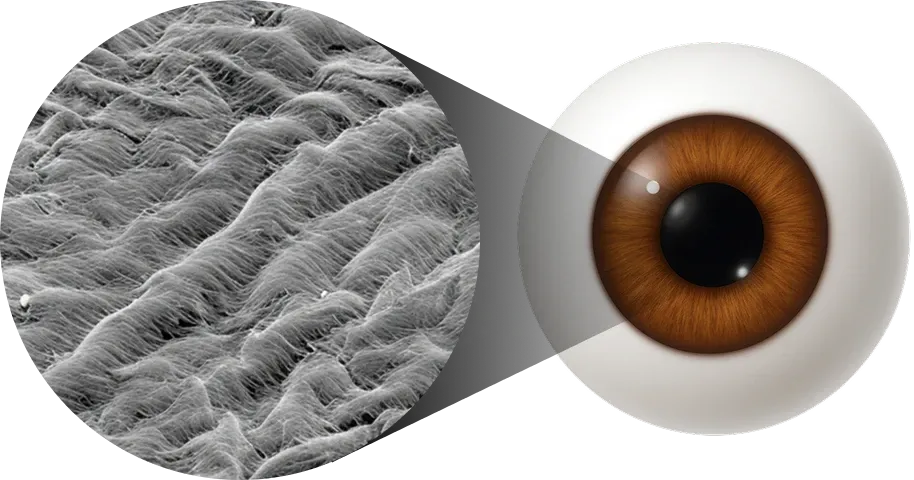
✓ Laser beam size: 0.68 mm–2.0 mm Rough ablation boundaries and lower precision
✓ Laser beam type: Broad Slit Scanning / Flat Top - Flying Spot / Gaussian-Flying Spot → Uneven energy distribution may cause ablation variation
✓ Laser ablation speed: 20 Hz–500 Hz Approximately 2 seconds or more for 1 D correction, increasing procedure time
✓ Beam size delivered to the cornea: 0.95 mm or larger Reduced energy delivery efficiency due to beam spread
✓ Ablation time per diopter: 2 seconds or more; potential risk of thermal damage and delayed recovery
✓ Eye-tracking method: Up to six-dimensional tracking (X, Y, Static Cyclo Torsion) Limited precision
✓ Eye-tracking speed: 1050 Hz or less Potential delay of 3 ms or more
Today LASEK: Faster and More Comfortable
An advanced LASEK procedure designed to minimize side effects such as astigmatism, glare, and pain, while enabling rapid recovery within 48 hours through the combination of Germany's SCHWIND advanced technology and the Pain Control System.
*AMARIS RED systems from before 2023 that received only a software upgrade without a hardware upgrade cannot be integrated with SIRIUS.
The pinnacle of Jungang Today LASEK
Pain Control System
Firstnun Eye Clinic's proprietary algorithm considering astigmatism, glare, pain, and recovery speed
Amaris Red
Latest 2023 software + latest hardware
Sirius
Top-tier wavefront technology to minimize astigmatism and glare
AMARIS RED x SIRIUS
A precision system seamlessly connected from diagnosis to surgery
All equipment and data are organically integrated into a single data flow for faster, more accurate vision correction.
Clearer vision without glare
While conventional Today LASEK offers rapid recovery, reducing the optical zone may cause side effects such as glare and myopic regression. Firstnun Eye Clinic minimizes side effects and maximizes visual quality through broad, precise, low-irritation correction integrating AMARIS RED × SIRIUS × Pain Control System.
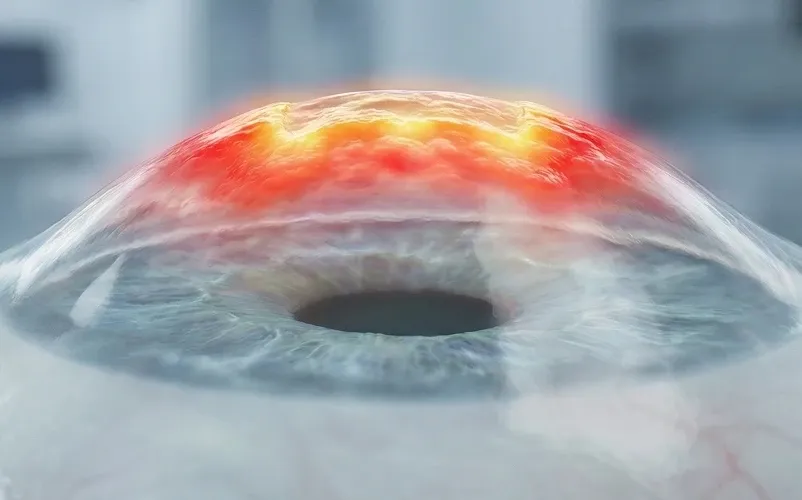
Conventional LASEK with greater thermal damage
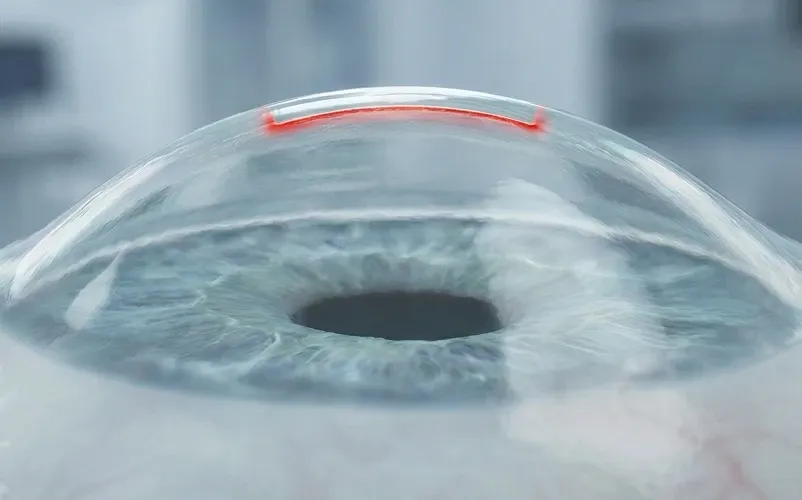
Zero Pain LASEK with less thermal damage

A procedure designed with pain in mind
Precisely calculates where the laser contacts the cornea during surgery to minimize overlapping treatment areas, and uses corneal cooling (Frost Cooling) technology to lower the corneal surface temperature, reduce corneal damage, and help relieve pain.
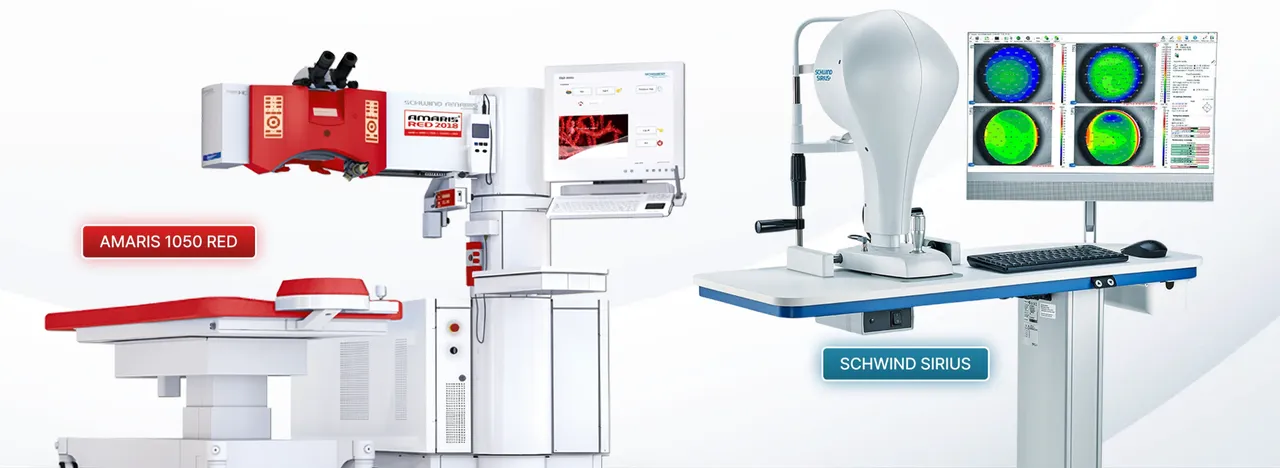
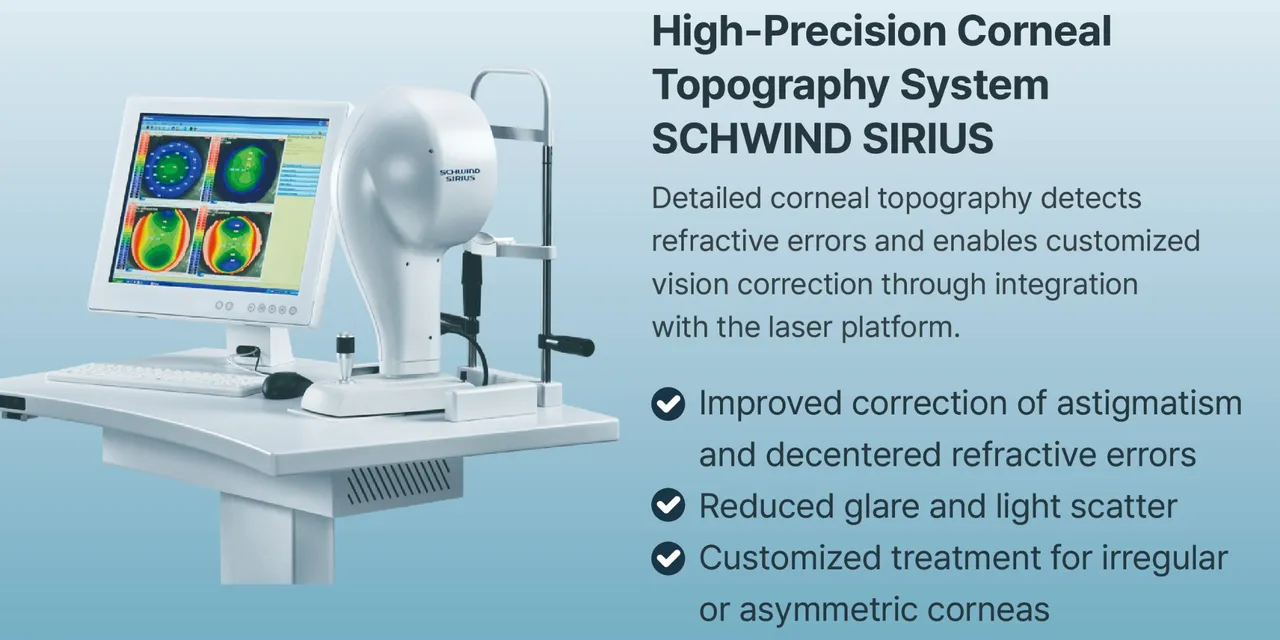
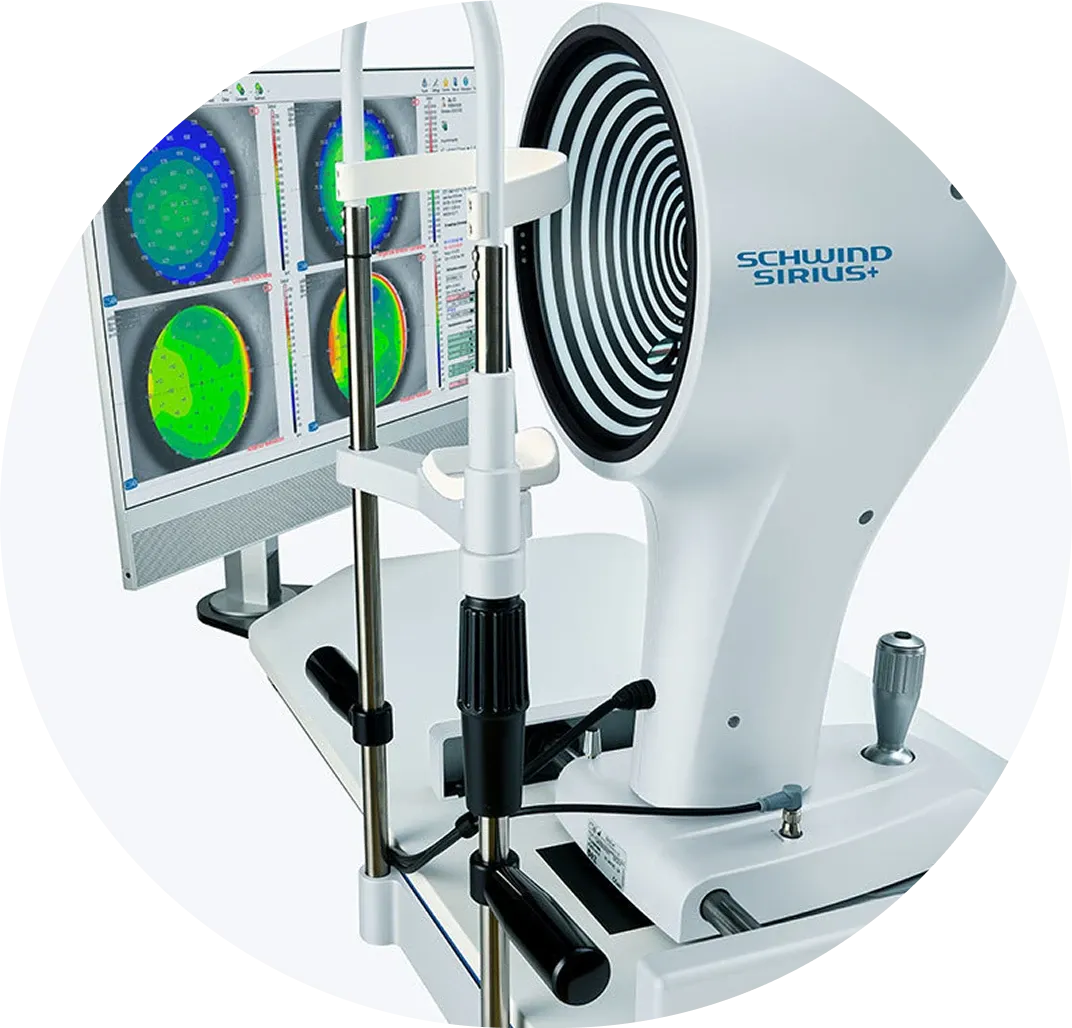
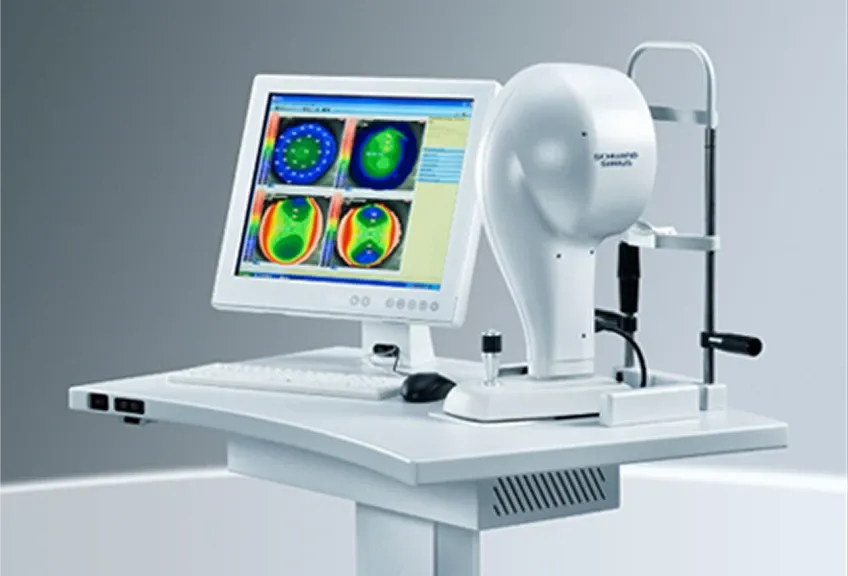
Germany's SCHWIND SIRIUS
3D precision diagnostics that reads each individual's eye structure in depth
Analyzes corneal curvature, thickness, and refractive errors in three dimensions, while simultaneously imaging the front and back of the cornea to diagnose the eye's structure in 3D before surgery. It designs optimal correction outcomes using a personalized vision map based on precise data. By establishing a correction plan precisely suited to each individual's eye structure, accurate diagnosis produces precise results.
❶ 3D optical tomography
Reading the eye in three dimensions, even beyond visible areas
3D Corneal Topography technology simultaneously scans the front and back surfaces of the cornea. It precisely analyzes three-dimensional data including subtle asymmetry, curvature, and distortion that cannot be identified with the naked eye, enabling accurate diagnosis.
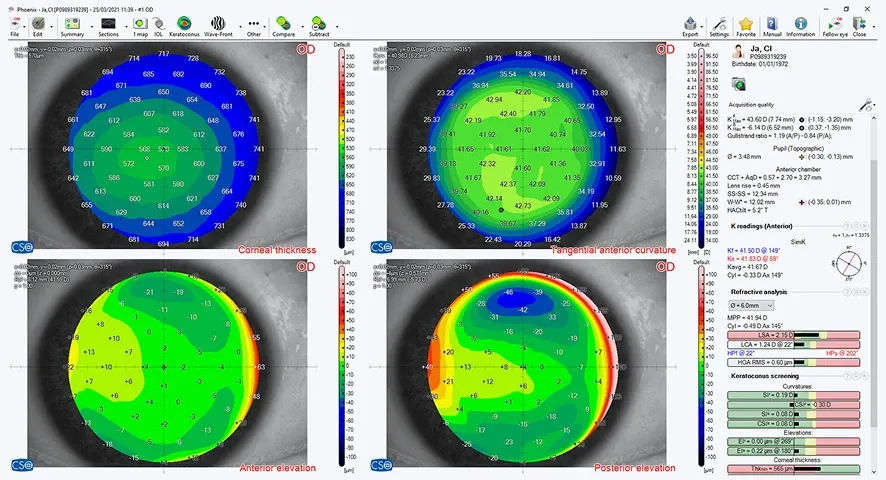
SIRIUS corneal thickness map
❷ Wavefront Aberration Analysis
Analyzing the causes of glare numerically
Precisely measures refractive errors throughout the eye (higher-order aberrations) to accurately identify the causes of blurred vision and glare. This data is directly reflected in AMARIS RED surgical planning to help restore clear, sharp vision.
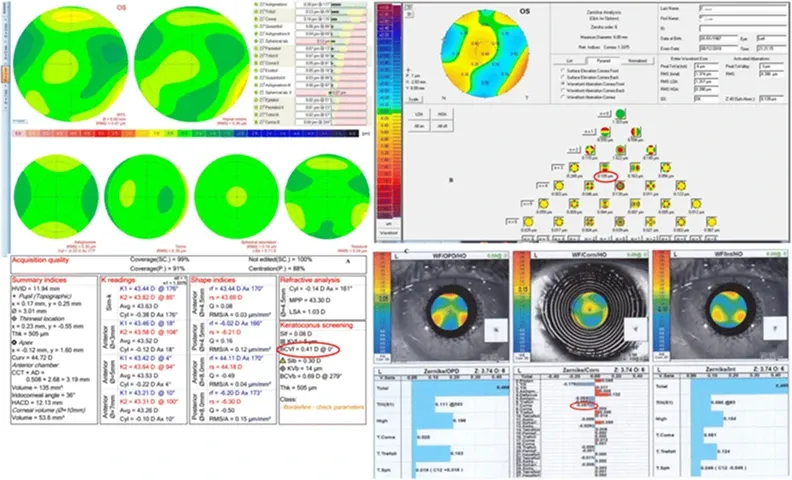
Wavefront aberration analysis
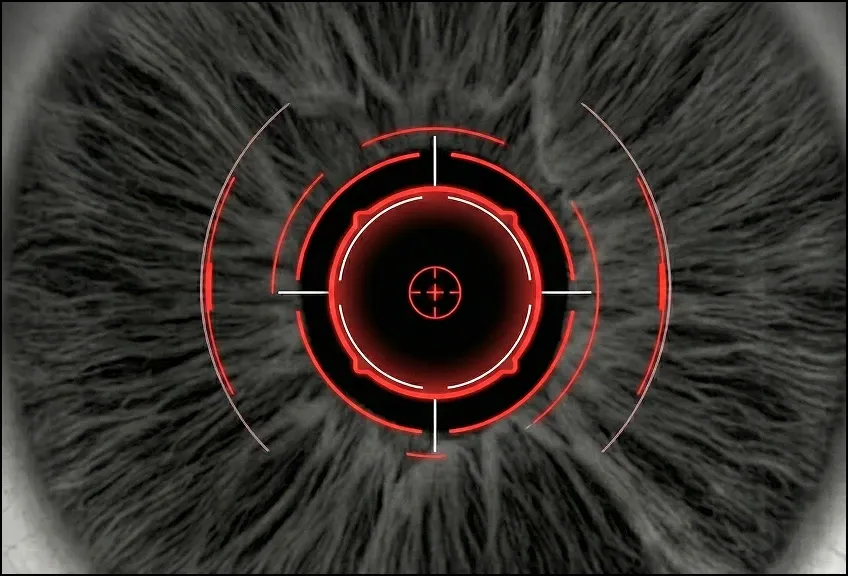
❸ AI-based automatic central-axis alignment
Artificial intelligence that controls errors as small as 0.1 mm
The AI Alignment System automatically detects and corrects subtle deviations between the visual axis and optical axis. It maintains accurate centration even with subtle eye movements during surgery, preventing alignment errors at their source.
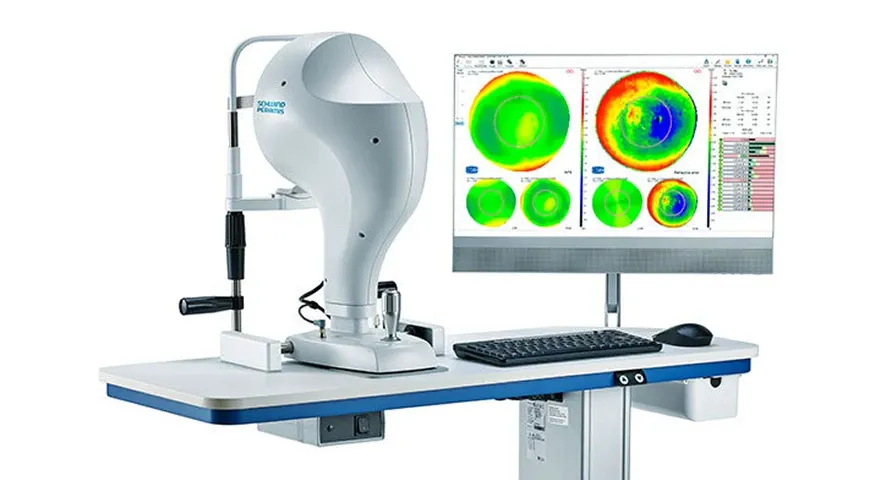
❹ Real-time data matching
From diagnosis to surgery, through a single data flow
The 3D data analyzed by SIRIUS is synchronized with the AMARIS RED laser system in real time. Through this integration, a customized ablation pattern (Custom Ablation Profile) optimized for each individual's eye structure is generated immediately.
A precision process that understands the eye and designs vision
From accurate diagnosis to delicate correction
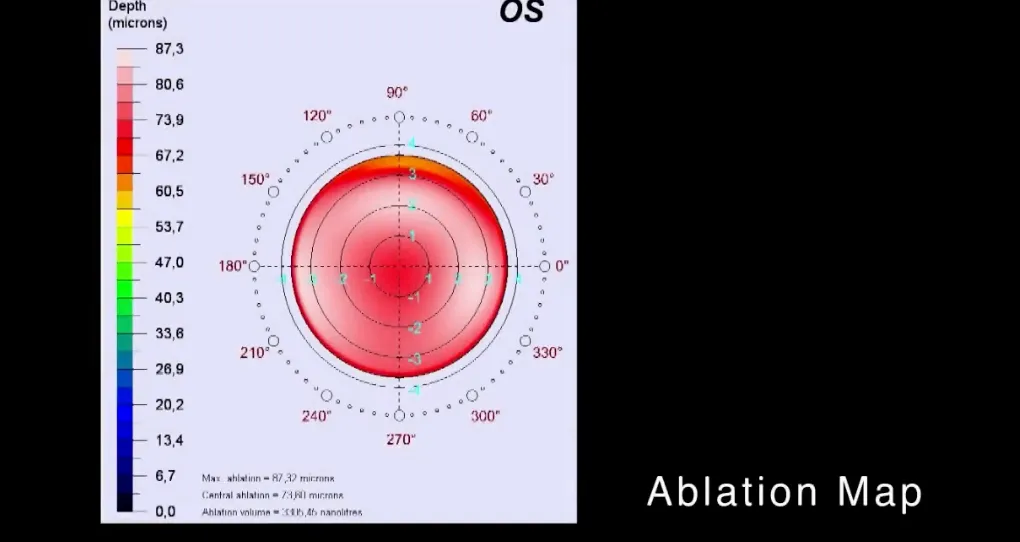
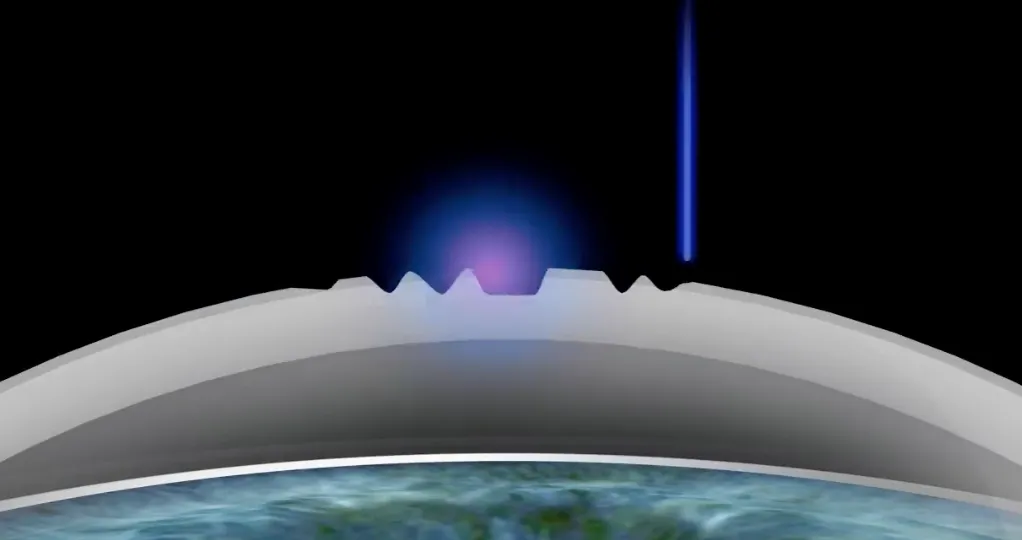
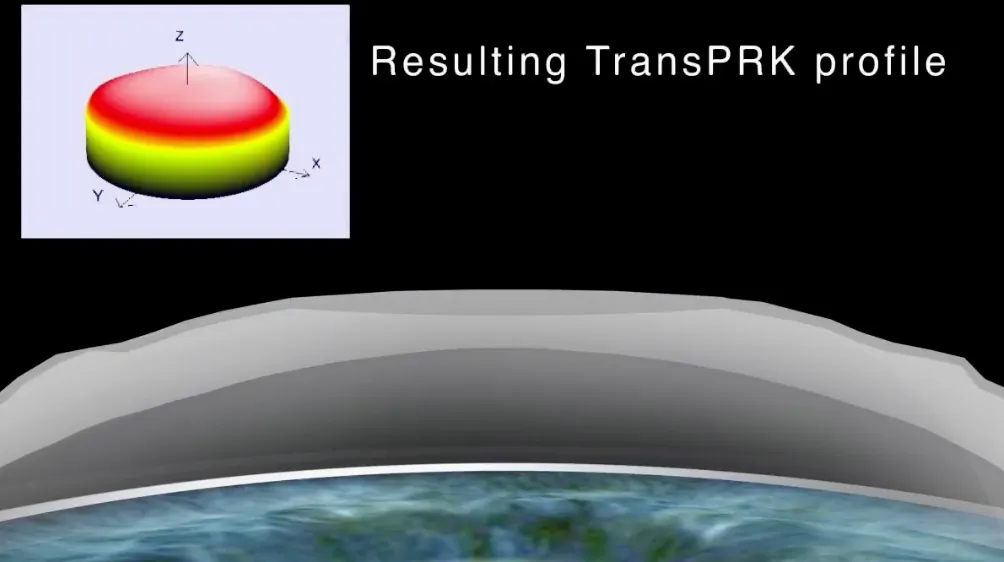
❶ Precision 3D diagnosis (SIRIUS system)
The anterior and posterior corneal structure, thickness, curvature, asymmetry, and more are analyzed three-dimensionally using 3D optical tomography.
❷ Correction planning based on diagnostic data
The diagnostic data is processed through an AI analysis system to automatically calculate corneal ablation depth, central axis, and correction range.
❸ Ultra-precise laser vision correction (AMARIS RED)
Using SCHWIND's AMARIS RED system, the cornea is smoothly ablated with a 0.54 mm ultra-fine beam and 1050 Hz ultra-high-speed ablation technology. At this time, corneal cooling (Frost Cooling) technology lowers the corneal surface temperature to reduce corneal damage and help relieve pain.
❹ Postoperative precision examination and recovery management
Immediately after surgery, the cornea is examined again with the SIRIUS system to confirm correction results and corneal stability.
A hospital trusted by physicians for their own surgery
We demonstrate the difference between specialists and experts through results
*Depending on the individual, discomfort, blurred vision, or halos may occur, requiring ongoing follow-up observation and treatment.
Why choose Firstnun Eye Clinic
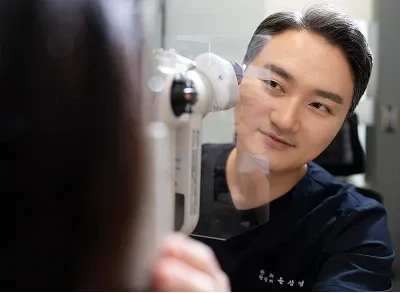
A doctor trusted by doctors: Key Doctor and Chief Director Sam-young Yoon
❶ A trusted eye clinic chosen by countless patients

❷ Proven expertise with extensive experience treating complications and revision surgeries from other hospitals
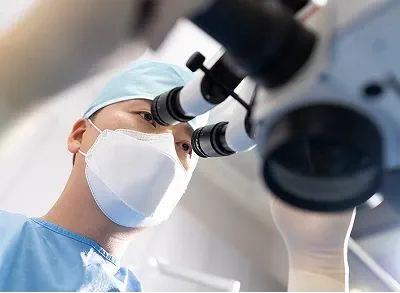
❸ A premium medical system equipped with state-of-the-art medical technology
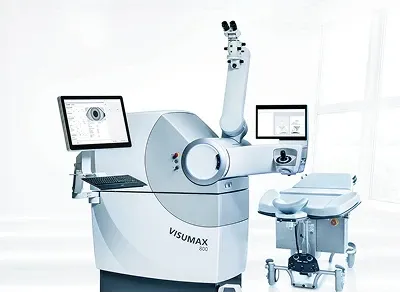
❹ A 'lifelong primary physician' system that remains responsible even after surgery
 FIRST EYE CENTER