
Keratoconus
from 4,000,000 KRW* VAT Not Included
This clinic provides precise diagnosis and stage-appropriate treatment for keratoconus, a condition in which the cornea thins and protrudes into a cone-like shape. In the early stages, glasses and rigid contact lenses are used; for moderate cases, scleral lenses or corneal ring segment implantation may be considered; and corneal collagen cross-linking (CXL) is performed to suppress progression. Care is provided by Director Yeo-Kyung Won, a former Clinical Professor of the Anterior Segment at Samsung Medical Center.
The Keratoconus Clinic at SNU Eye Clinic precisely diagnoses Keratoconus, in which the Cornea becomes thinner and protrudes in a cone shape, and applies stage-appropriate treatments such as glasses, rigid lenses, scleral lenses, ring implantation, and corneal cross-linking (CXL). Care is provided by Director Won Yeo-kyung, a former clinical professor of the anterior segment at Samsung Medical Center Department of Ophthalmology.

Keratoconus Clinic Medical Staff

· Diagnosis by a specialist formerly affiliated with Samsung Medical Center · Former clinical professor of the anterior segment at Samsung Medical Center Department of Ophthalmology · Extensive experience treating Corneal Transplant cases, Corneal Disease, and Keratoconus · Performs scleral lens fitting and corneal cross-linking (CXL)
What Is Keratoconus?
Keratoconus is a progressive Corneal Disease in which the Cornea becomes structurally weakened, gradually thins, and protrudes forward into a cone shape. It causes irregular Astigmatism and decreased vision, and in severe cases cannot be corrected with glasses. It usually begins during adolescence and progresses slowly into the 30s and 40s, and may occur asymmetrically in both eyes.

Normal Cornea

Keratoconus
Causes
· Genetic factors: Although not clearly established, 10–20% of cases are reported to be associated with family history. · Environmental factors: Habitual eye rubbing is the most important factor. It may also occur when the Cornea is weakened by inflammation related to atopy, frequent contact lens use, or ultraviolet exposure, as well as by LASIK or LASEK.
Symptoms of Keratoconus
Temporary glare, severe fatigue, decreased vision, and redness may recur and can easily be mistaken for Dry Eye Disease. Early detection and treatment offer a better prognosis, so a comprehensive examination is recommended if you experience these symptoms.

Glare

Decreased vision

Halos

Double vision
Diagnosis of Keratoconus
Keratoconus is assessed from multiple perspectives using various devices, including Corneal Stroma thickness measurement and topographic analysis, to develop an appropriate treatment plan.
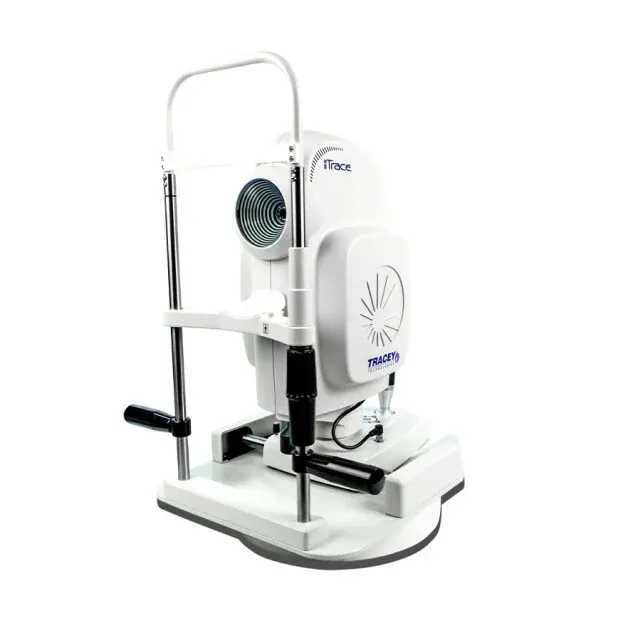
iTrace
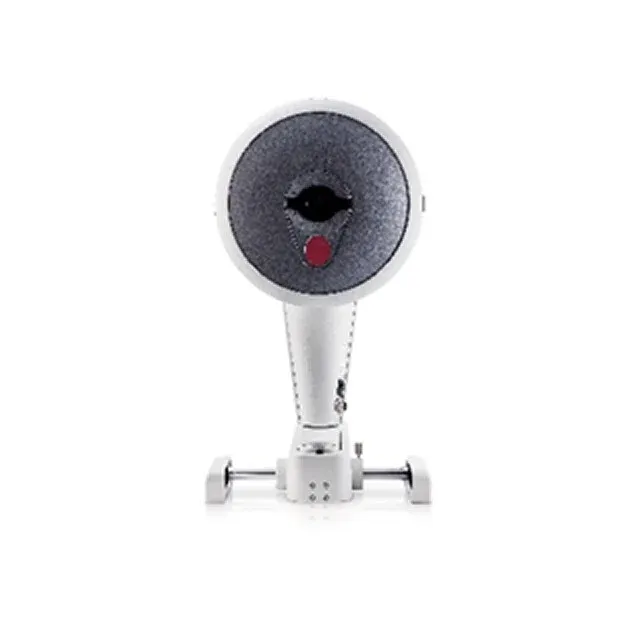
PENTACAM
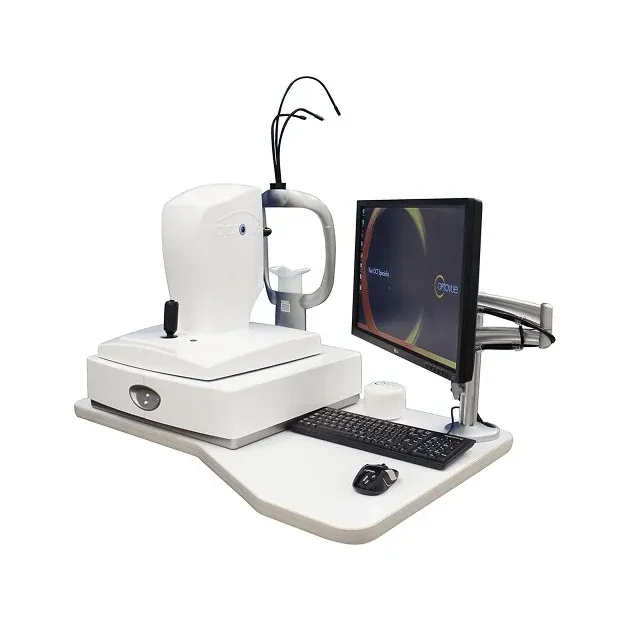
OCT Optovue
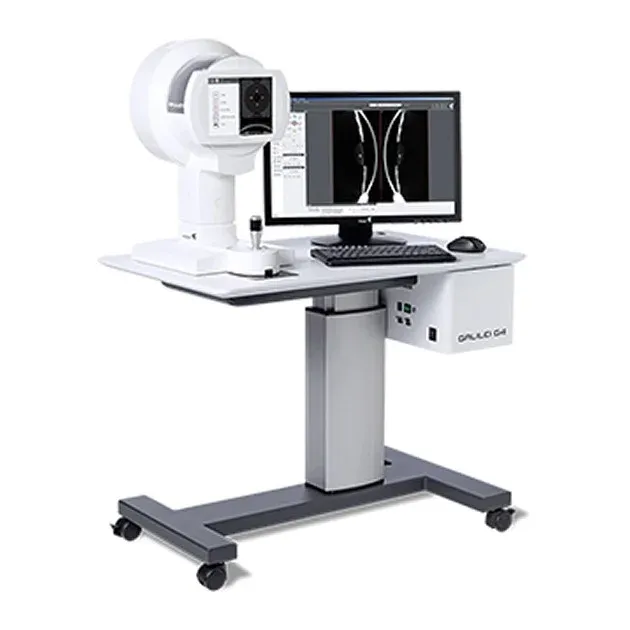
Galilei
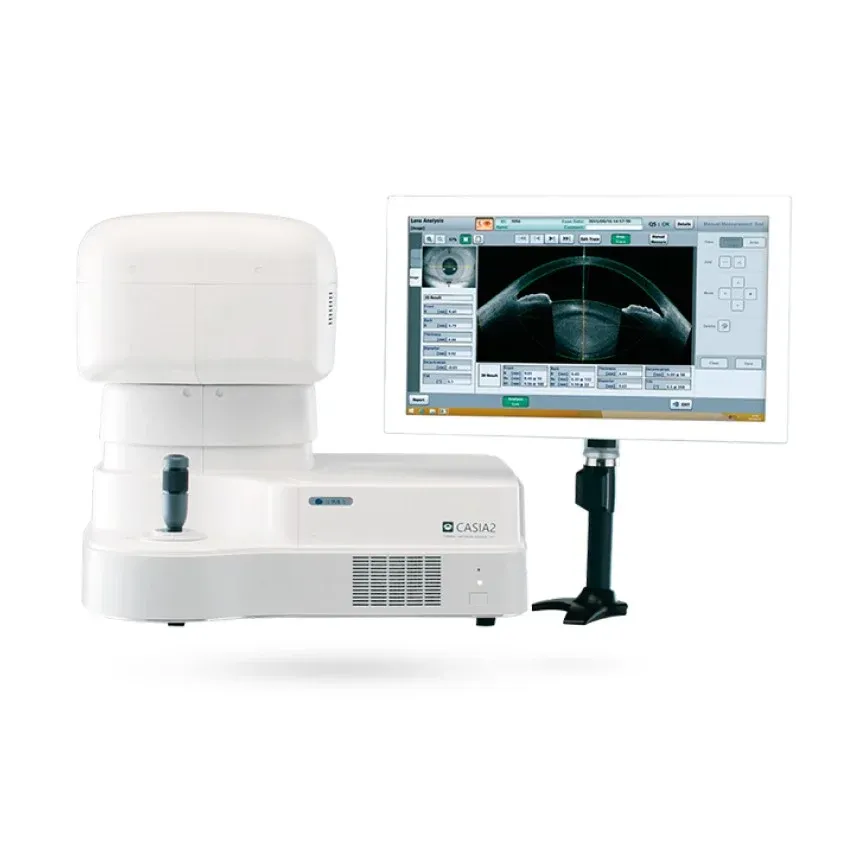
CASIA 2
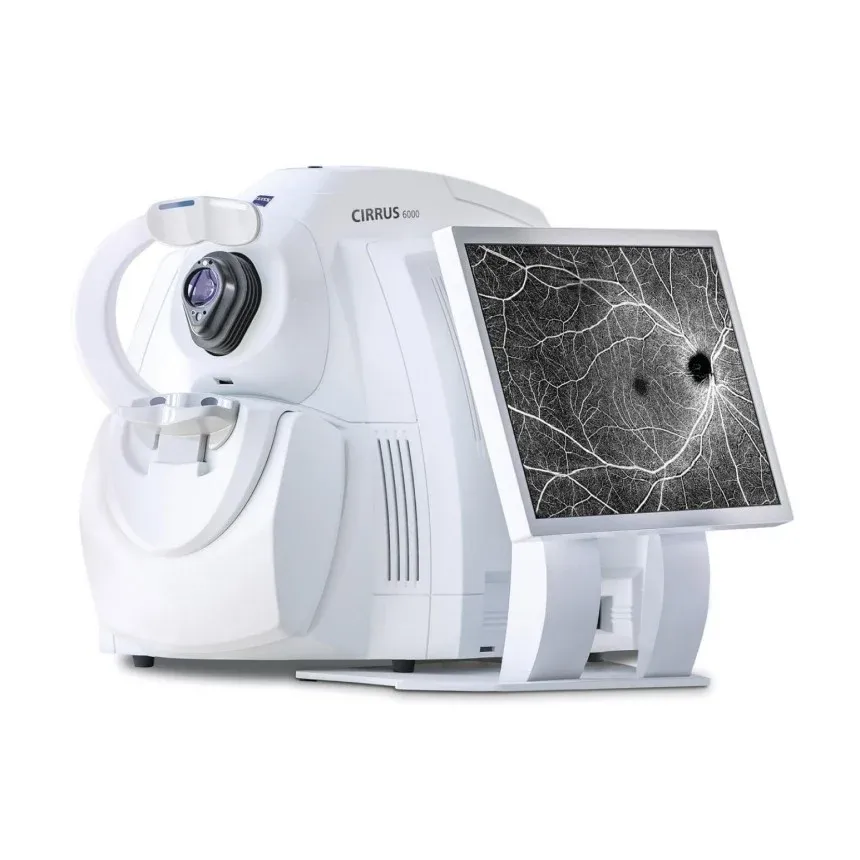
Cirrus 6000
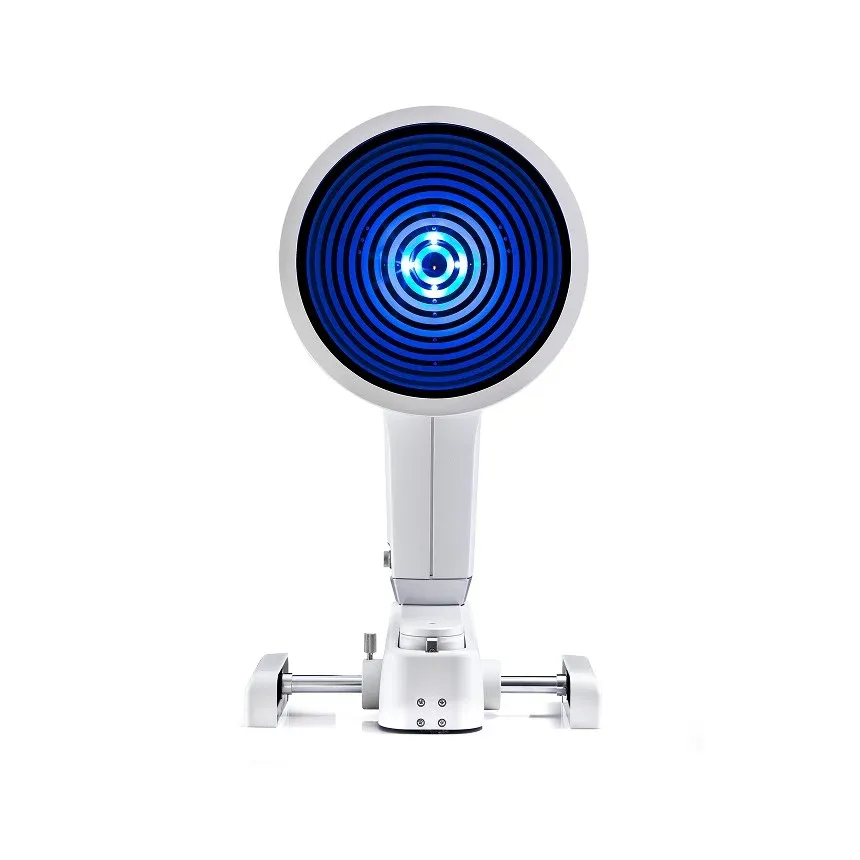
K5M keratograph
Stage-Based Treatment
Early/Mild Keratoconus

Vision is corrected with glasses and custom-made rigid contact lenses. Although this is not a definitive treatment, it can reduce the discomfort of early vision loss, and progression is monitored at intervals of 6–12 months.
Moderate Keratoconus
Rigid lenses or scleral lenses are effective when irregular Astigmatism cannot be corrected with glasses or lenses. Scleral lenses create a tear layer between the Cornea and the lens to neutralize irregular Astigmatism and provide stable vision even in moderate to advanced Keratoconus.
Ring Implantation
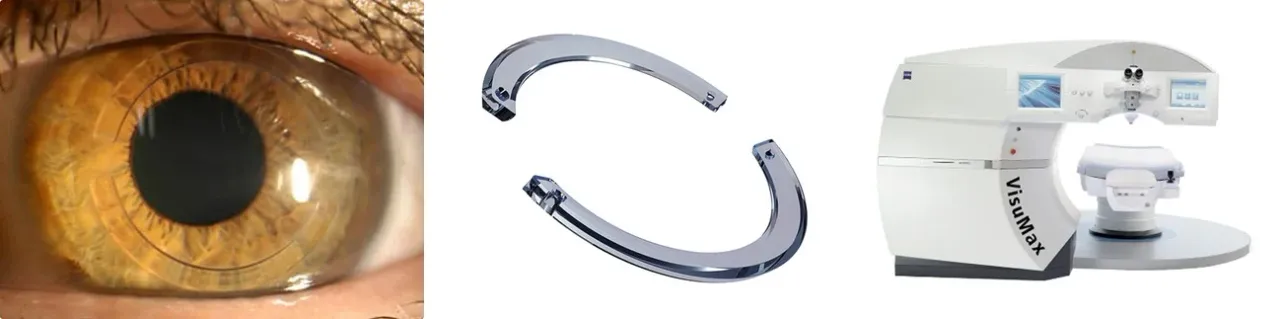
Rings (INTACS rings or KERARING) are inserted to flatten the protruding Cornea, correcting Myopia and Astigmatism while stabilizing Corneal shape. SNU Eye Clinic performs ring implantation using the ZEISS VisuMax femtosecond laser. · INTACS rings: Made in the United States; usually two are inserted, with limited arc lengths such as 150° and 210°. · KERARING: Made in Brazil; one or two may be selected, with a variety of arc lengths from 90° to 320°, allowing more customized planning.
Corneal Cross-Linking (CXL)
After riboflavin is administered, ultraviolet light is applied to strengthen cross-links in the Corneal collagen layers and inhibit the progression of Keratoconus.
Advanced Progressive Keratoconus
Corneal cross-linking and lenses (RGP or scleral lenses) are used together to restore structural stability and vision, and a Corneal Transplant may subsequently be recommended.
Please Note
Surgical methods and outcomes may vary depending on the individual's condition and are determined through consultation with a specialist.
 SNU EYE CLINIC