
Inferior Turbinate Reduction
from 500,000 KRW* VAT Not Included
This procedure corrects internal nasal structures that cause nasal obstruction and rhinitis, such as deviated septum, nasal valve stenosis, and hypertrophic rhinitis, while also performing cosmetic rhinoplasty of the nasal bridge, nasal tip, and other areas. Surgery performed for therapeutic purposes may be eligible for insurance claims depending on the terms of the patient’s supplemental medical insurance.
Surgery Overview
Functional rhinoplasty is a procedure that corrects internal functional issues of the nose—such as Septoplasty, nasal valve stenosis, and hypertrophic rhinitis—while also performing cosmetic surgery on the Nasal Bridge, Nasal Tip, and more. By treating rhinitis according to its cause, it aims to achieve both comfortable breathing and a beautiful nose shape.

Rhinoplasty that considers both functional concerns and cosmetic aspects for comfortable breathing Rhinitis, a common nasal condition that causes nasal obstruction, runny nose, Headache, and sleep disturbances, is often caused by structural problems inside the nose. For fundamental rhinitis treatment, internal nasal conditions must also be improved. ※ Plastic surgery and procedures performed for treatment purposes may be covered by indemnity insurance, but eligibility and coverage may vary depending on the terms of your policy.
Features of Opera Functional Rhinoplasty
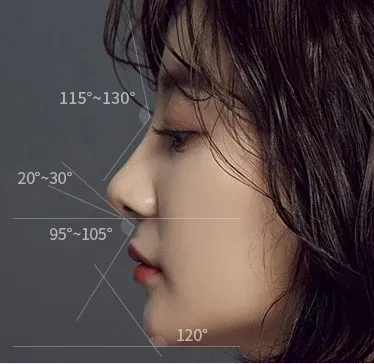
Point 1. A surgical plan that considers both function and aesthetics
Surgery is planned by considering both functional issues inside the nose and the aesthetic angles of the Nasal Bridge and Nasal Tip.
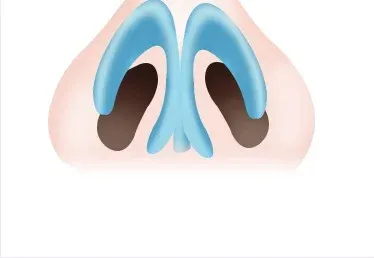
Point 2. A beautiful, strong Nasal Tip using Autologous Cartilage
Autologous Cartilage is used to reposition the Nasal Tip Cartilage, creating a beautiful and strong Nasal Tip.
Point 3. A beautiful Nasal Tip and natural Nasal Bridge with ideal proportions and angles
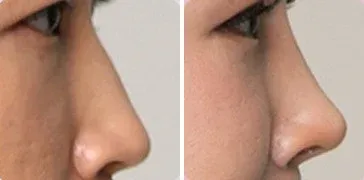
Before surgery → 6 months after surgery
Point 4. A beautiful side profile designed with facial proportions in mind
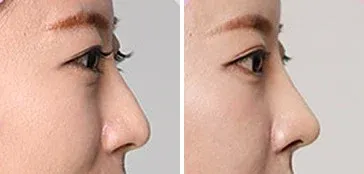
Before surgery → 6 months after surgery
Point 5. Improve the shape of the Columella for a beautiful philtrum and a refined appearance
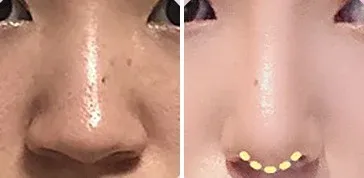
Before surgery → 6 months after surgery
Opera Functional Rhinoplasty Procedures
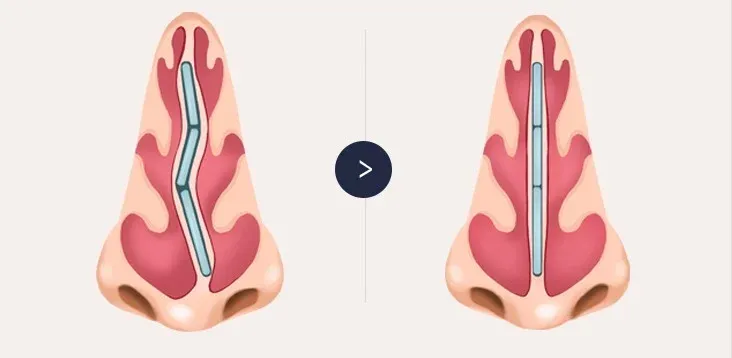
CASE 1. Septoplasty
Septoplasty refers to a condition in which the Septal Cartilage, which supports the center of the nose, is bent. It can cause rhinitis, sinusitis, and other issues. Correction is performed by removing part of the bent Septal Cartilage or straightening it and re-fixating it to the anterior nasal spine. The removed Septal Cartilage may be used as structural support for the nose.
CASE 2. Nasal valve stenosis
The nasal valve is a space in the upper part of the nasal cavity that regulates breathing. When this space narrows, it can cause nasal obstruction and make breathing difficult. Opera provides appropriate corrective treatment according to the cause of nasal valve stenosis.
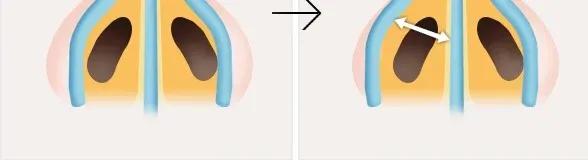
Correction Method 1. Wedge graft (spreader graft): Autologous Cartilage is inserted between the narrowed nasal valves to widen the angle of the internal nasal valve and facilitate smoother breathing.
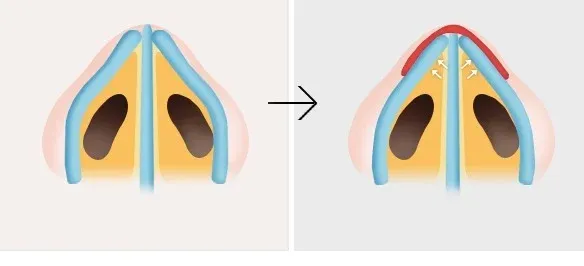
Correction Method 2. Butterfly graft: When the nasal bridge narrows significantly during breathing, Cartilage is grafted to widen the upper nasal cavity and reinforce support, securing nasal valve space.
Correction Method 3. Alar batten graft: When the nasal valve is narrowed due to weakness of the lateral wall of the external nasal valve, Cartilage or a composite Cartilage-skin graft is placed in the lateral wall area to widen the nasal valve.
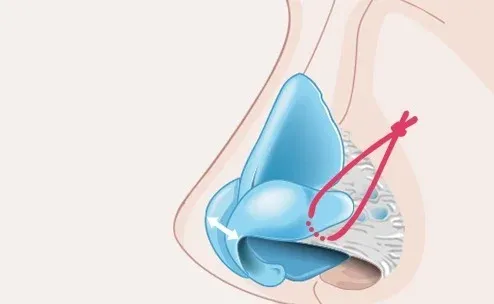
Correction Method 4. Suspension suture: A nonabsorbable suture is passed into the nose, then pulled and tied to reinforce lateral wall support and secure the nasal valve.
CASE 3. Hypertrophic rhinitis
Hypertrophic rhinitis is rhinitis caused by thickened mucosa and inferior turbinates resulting from repeated inflammation. It may occur due to allergic rhinitis or structural changes inside the nose (Septoplasty, internal nasal valve stenosis) and can be accompanied by various symptoms, including nasal obstruction, sneezing, and snoring. At Opera, hypertrophic rhinitis is treated by reducing and normalizing the enlarged inferior turbinate mucosa to widen the nasal passage.
Surgery Information
| Surgery time: approximately 2 hours | Anesthesia: local anesthesia and short-term sedation anesthesia | Suture removal: 5–7 days after surgery | Follow-up treatment: outpatient treatment for 2 weeks | Recovery period: return to daily activities after 3–4 days
Pre- and Postoperative Precautions
After Surgery
· Swelling or bruising around the eyes may occur for 1–2 days after surgery, and slight bleeding or discharge may be seen for about 2–3 days. · Cold compresses are recommended for about 7 days after surgery, followed by warm compresses. Apply compresses near the area where the nose begins and around the eyes; avoid the Nasal Bridge and Nasal Tip. · You may wash your face and apply makeup starting the day after suture removal. · Do not remove the tape or splint on your nose, or the cotton placed inside your nose, on your own. · Do not blow your nose for about 2 weeks after surgery. If you sneeze, keep your mouth open. · Exercise other than light walking, as well as baths, jjimjilbangs, and saunas, may be resumed after 3 weeks. · When sleeping, elevate your head with 2–3 pillows, and do not sleep on your side or face down for about 4 weeks. · Take only the pain relievers and antibiotics prescribed by the hospital, and avoid aspirin-based medications. · Alcohol and smoking may be resumed after 3 weeks. Wear glasses or sunglasses after 3 weeks (or after 1 month in the case of Genioplasty).
Please Be Sure to Check
Surgical methods and outcomes may vary depending on the individual's condition and are determined through consultation with a specialist.
 OPERA PLASTIC SURGERY