
Inferior Turbinate Reduction
from 550,000 KRW* VAT Not Included
This procedure improves the causes of nasal obstruction, such as deviated septum, hypertrophic rhinitis (inferior turbinate hypertrophy), and nasal valve stenosis, while also correcting the external appearance of the nose. An otolaryngologist and a plastic surgeon collaborate, using 3D CT and high-resolution nasal endoscopy to evaluate the internal nasal structures.
Surgery Overview
This procedure improves the causes of Nasal Obstruction Correction, such as Septoplasty, hypertrophic rhinitis, and nasal valve stenosis, while also correcting the visible shape of the nose. An otolaryngology specialist and a plastic surgery specialist collaborate, diagnosing even the inside of the nose with 3D CT and a detailed nasal Endoscope examination before improving both internal function and external appearance at the same time.
Recommended for the following people
If any of the following apply to you, you may wish to consider the possibility of a nasal condition. · Those who frequently have a runny nose · Those who often experience nasal congestion even when they do not have a cold · Those who breathe through their mouth when breathing · Those with chronic Headache · Those who sneeze frequently · Those whose concentration often declines because breathing is uncomfortable · Those with severe snoring · Those with a poor sense of smell
When rhinitis symptoms such as Nasal Obstruction Correction, runny nose, and sneezing are severe, secondary problems such as snoring, migraines, and reduced concentration may occur. View Plastic Surgery considers both the functional aspect of improving nasal conditions and the aesthetic aspect of creating a beautiful nasal shape.
Nasal Conditions Improved with Functional Rhinoplasty
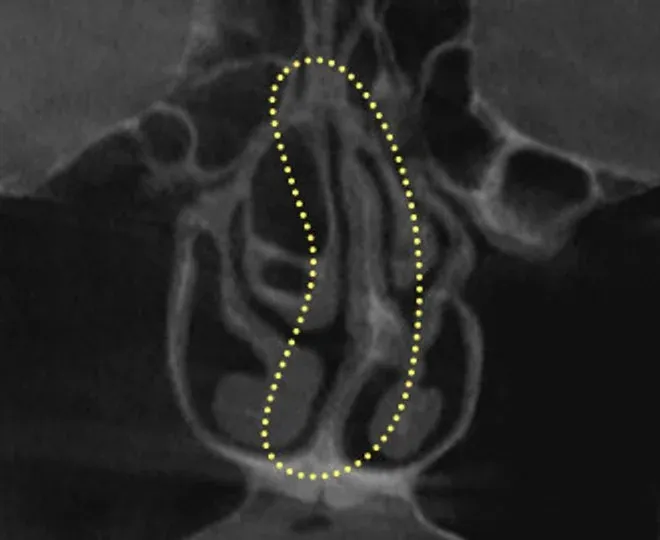
Septoplasty
When the Cartilage in the center of the nose is bent, functional problems such as Nasal Obstruction Correction, rhinitis, and sinusitis can occur. Treatment point: After removing the bent Septal Cartilage and bone, the Cartilage is straightened and properly corrected.
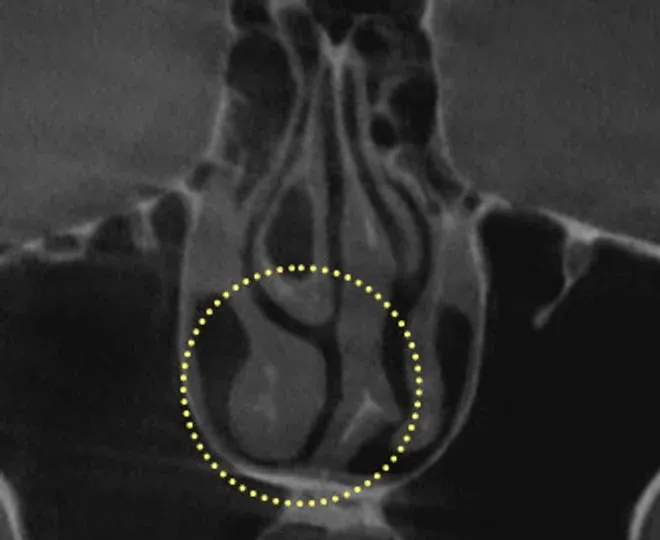
Hypertrophic Rhinitis
Inflammation of the inner nasal mucosa (inferior turbinate) causes it to enlarge, resulting in Nasal Obstruction Correction, impaired sense of smell, and other symptoms. Treatment point: A radiofrequency device contracts the enlarged mucosa to its normal range to restore normal breathing.
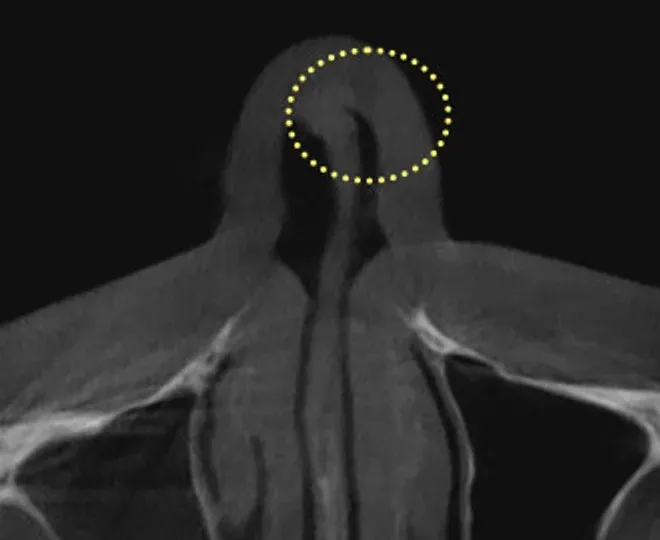
Nasal Valve Stenosis
The airflow-regulating area in the upper part of the nose becomes narrowed, causing Nasal Obstruction Correction, sleep disturbances, and other issues. Treatment point: The narrowed nasal valve space is secured and widened to the normal range to allow smooth breathing.
Dual Correction from the Inside Out
By properly aligning the internal Cartilage support that causes Nasal Obstruction Correction and reducing enlarged mucosa to its normal size, this procedure improves function while also creating a beautiful, well-balanced visible nasal shape.
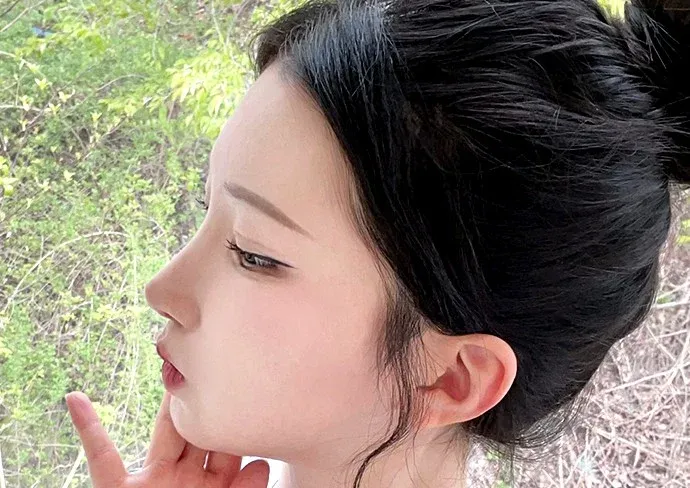
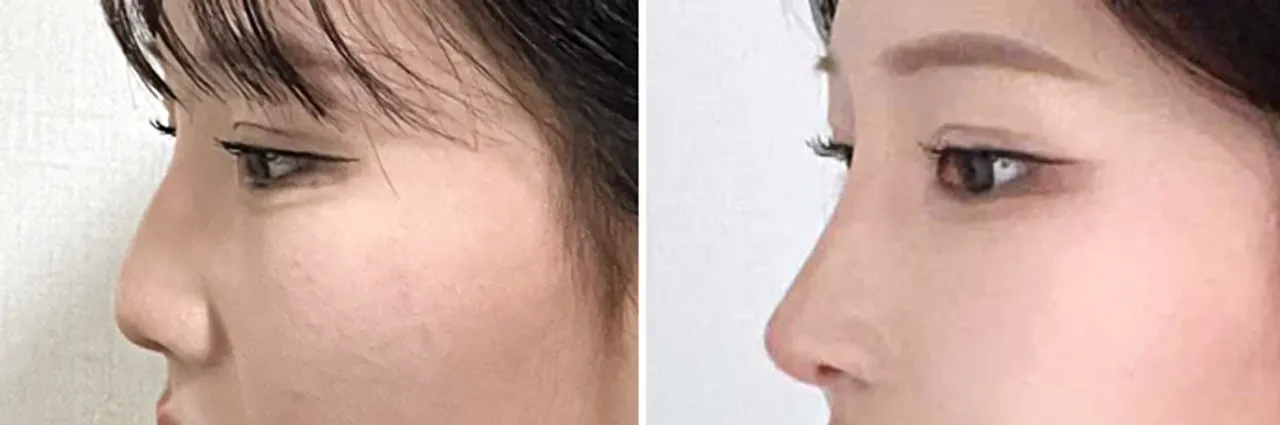
Before surgery → 3 months after surgery (left: before surgery / right: after surgery)
3D CT and Detailed Nasal Endoscope Diagnosis
3D CT Examination
After obtaining detailed images of skeletal structures that are difficult to assess visually, nasal bone width, Septal Cartilage condition and asymmetry, inferior turbinate size, and more, an otolaryngology specialist determines whether functional improvement is needed.
Detailed Nasal Endoscope Examination
This examination directly evaluates nasal mucosa conditions and the presence of inflammation, including cysts, polyps, and postnasal drip, which can be difficult to identify with CT alone. It is an essential preoperative examination for functional nasal surgery.
Features of View Functional Rhinoplasty
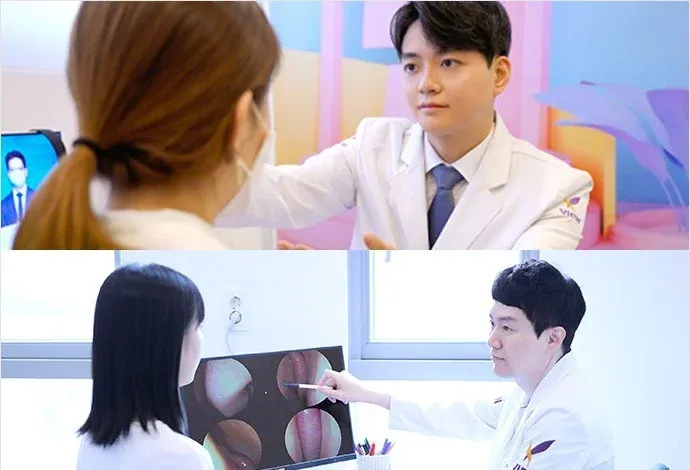
Point 1. Collaborative Care by Otolaryngology and Plastic Surgery Specialists
An otolaryngology specialist performs a detailed examination of nasal functional issues, while a plastic surgery specialist designs the nasal shape and line in consideration of harmony with the overall facial features.
Point 2. Detailed Diagnosis of Internal Nasal Structure
A detailed nasal Endoscope examination and 3D CT are used to precisely diagnose the internal nasal structure and accurately identify the cause of Nasal Obstruction Correction.
Point 3. Cause-Specific Treatment and Functional Improvement
We conduct a detailed examination to identify the causes of Nasal Obstruction Correction, runny nose, and sneezing that occur even without a cold, then provide cause-specific treatment and functional improvement surgery.

Since 2005, Expertise Proven by Reviews
Since opening in 2005, we have gained experience performing a wide range of cases, correcting every type of nasal shape properly from the inside out and creating a natural yet beautiful nasal line.
Real Selfie Before-and-After Photos
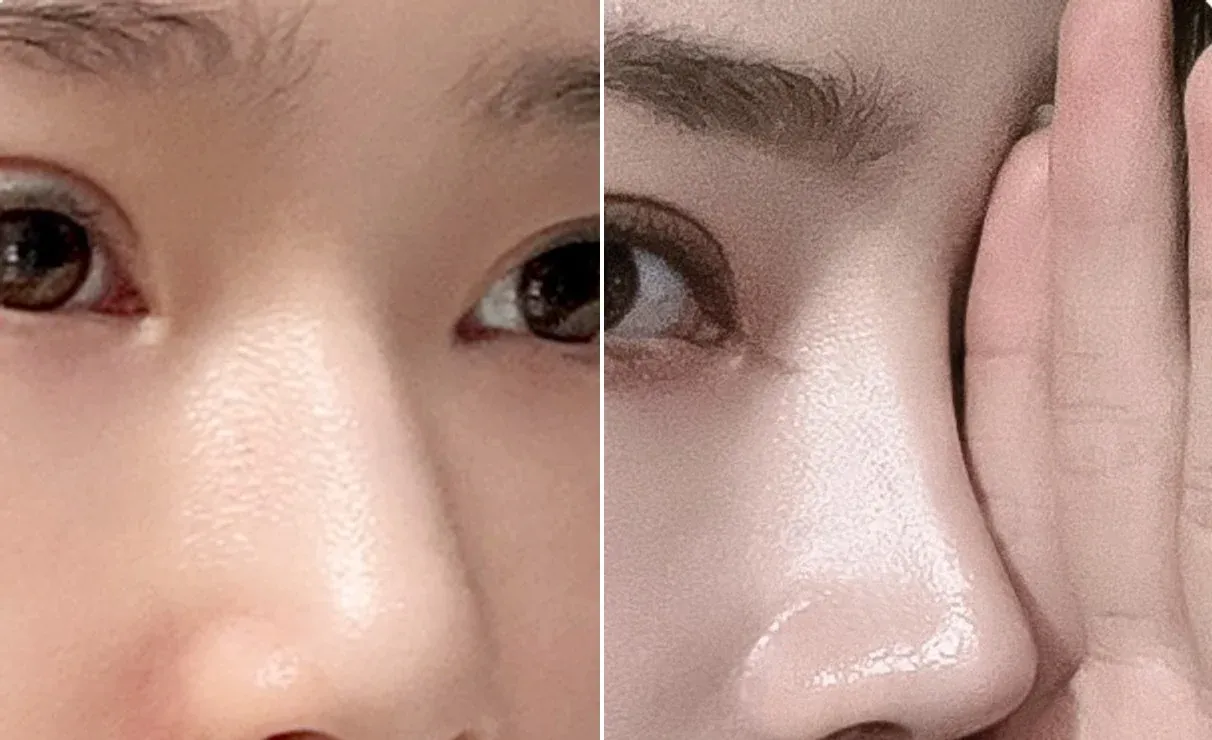
Before surgery → 5 months after surgery
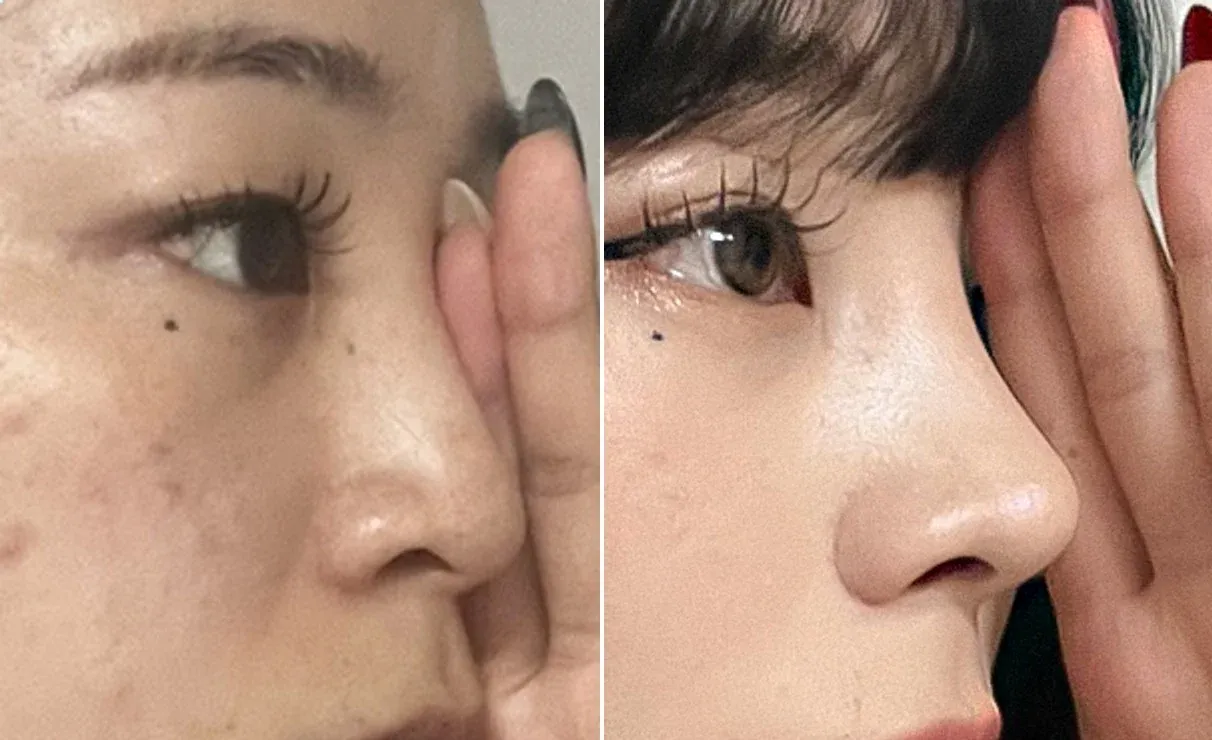
Before surgery → 1 month after surgery
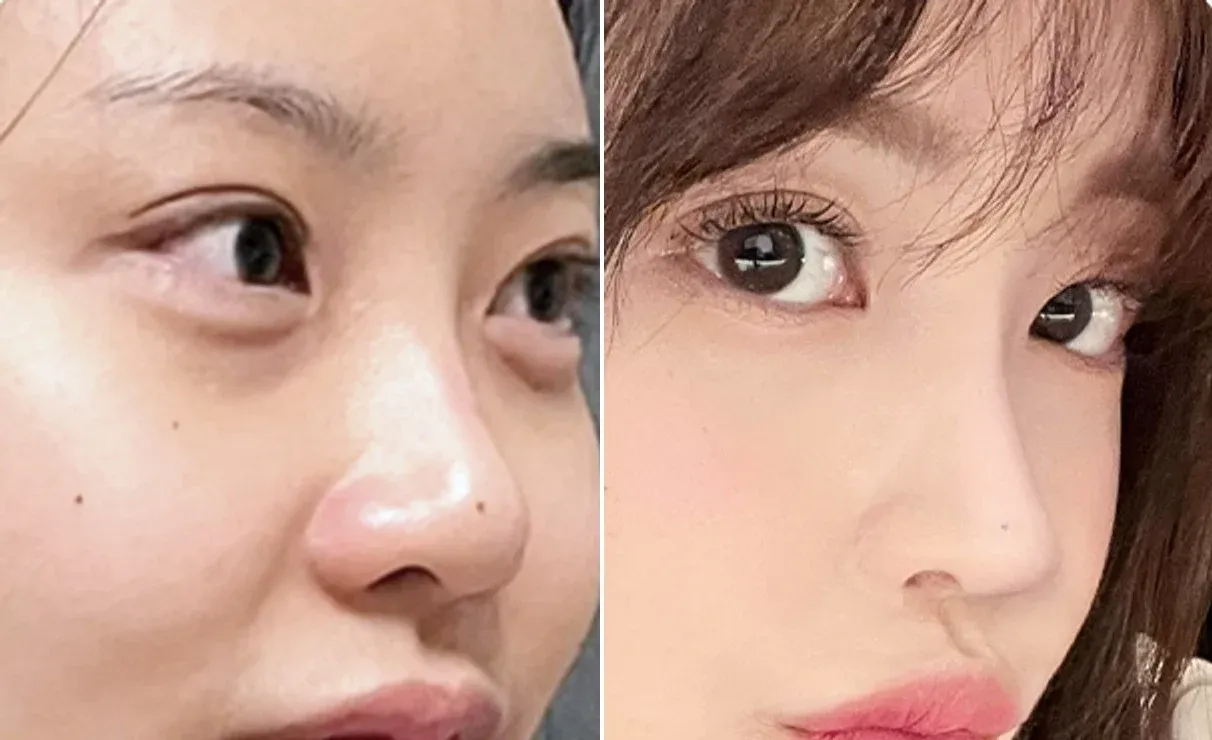
Before surgery → 11 months after surgery
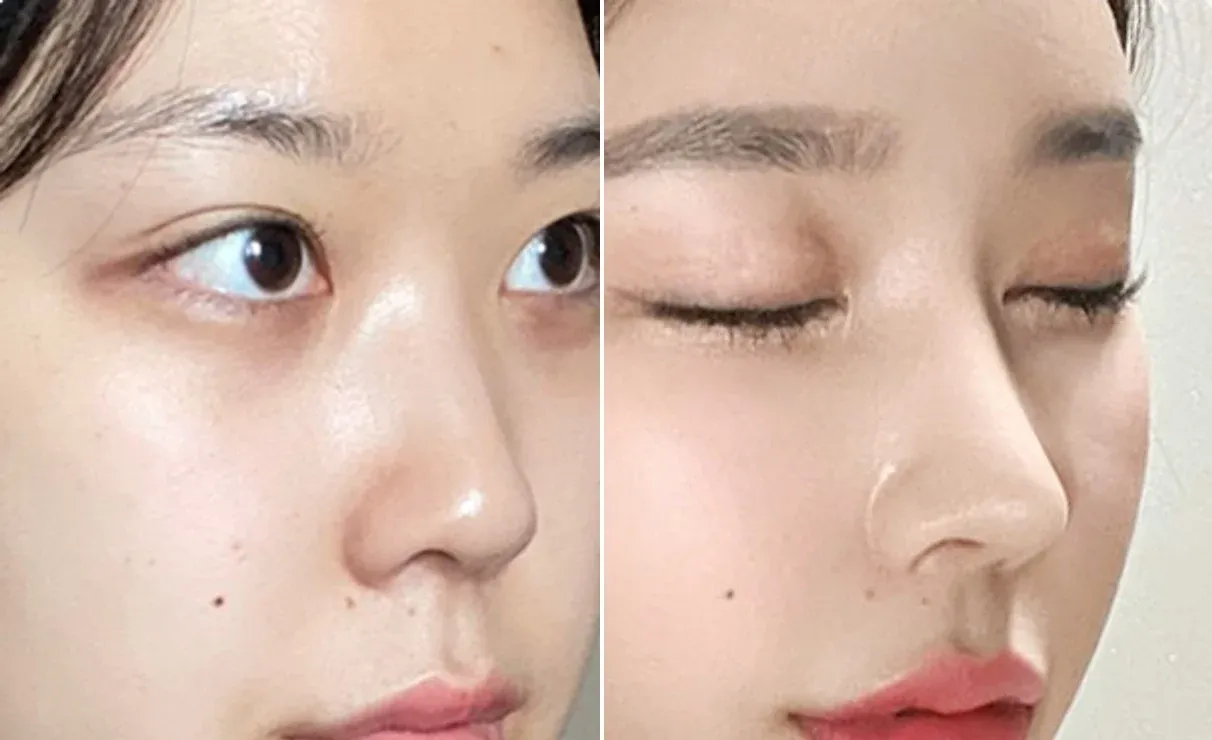
Before surgery → 1 year after surgery
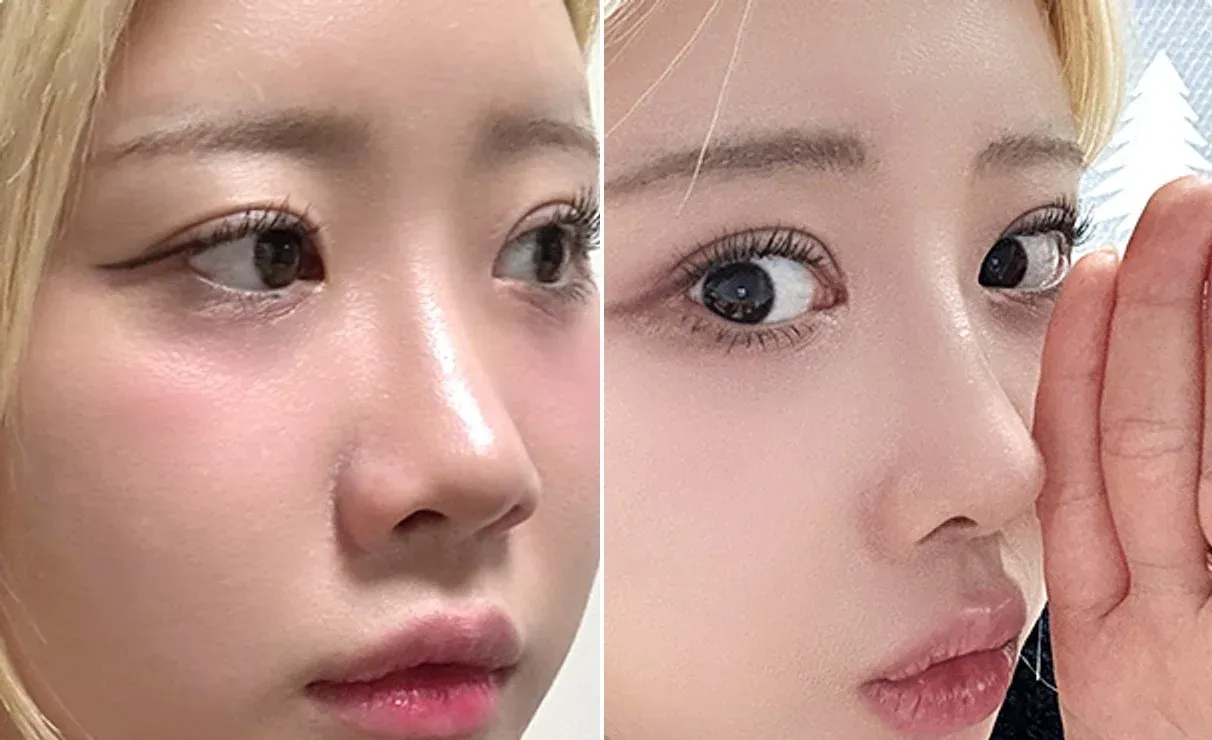
Before surgery → 2 months after surgery
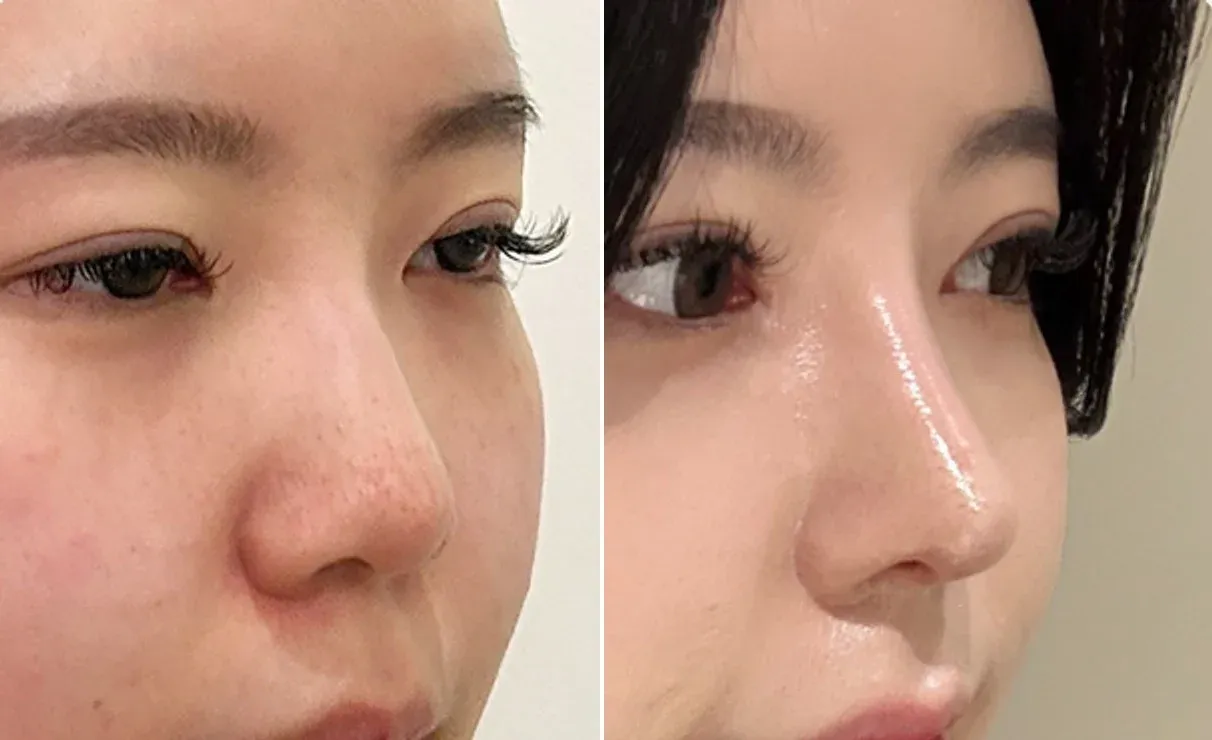
Before surgery → 3 months after surgery
Surgery Information
| Surgery duration: 1 hour to 1 hour 30 minutes | Anesthesia: General anesthesia | Hospitalization: None | Suture removal: 7 days after surgery | Follow-up visits: Approximately 2 visits | Return to daily activities: After 5–7 days
Please Check
Before-and-after photos are published with the patient's consent. Surgical results and recovery periods may vary depending on the individual, and the surgical method is determined through consultation with a specialist. As nasal condition surgery is performed for treatment purposes, coverage under indemnity insurance may be available; the scope of coverage varies according to the terms of your insurance policy.
 VIEW PLASTIC SURGERY