
Incisional Method (Eye Correction)
from 600,000 KRW* VAT Not Included
This is an incisional procedure to correct ptosis, in which weakened levator palpebrae superioris muscle function causes the pupil to be obscured and creates a sleepy appearance. The skin is incised to remove unnecessary fat and strengthen the eyelid-opening muscle. It can also be performed in cases with abundant fat, thick eyelids, or severe sagging. A subtle scar may remain.
Surgery Overview
This procedure involves making an incision in the eyelid to remove unnecessary fat and muscle and strengthen the eye-opening muscles to correct sleepy-looking eyes (Ptosis Correction). It can also be performed for patients with abundant fat, thick eyelids, or severe drooping, while improving functional discomfort such as Forehead wrinkles and obstructed vision.

Recommended for
· Those with severe sleepy-looking eyes or eyelid drooping · Those with abundant fat and thick eyelids · Those with a significant difference in eye size or eyelids that obstruct the field of vision · Those who use their Forehead muscles to open their eyes, resulting in Forehead wrinkles
What is Ptosis Correction?
This procedure enables eyes that appear sleepy or have partially covered pupils due to weak eye-opening muscles to open wider with normal strength. Creating only a double-eyelid line without improving Ptosis Correction may result in unnatural-looking eyes. By considering the degree of Ptosis Correction and skin condition, it improves sleepy-looking eyes and helps prevent Forehead wrinkles, providing both functional and aesthetic satisfaction.
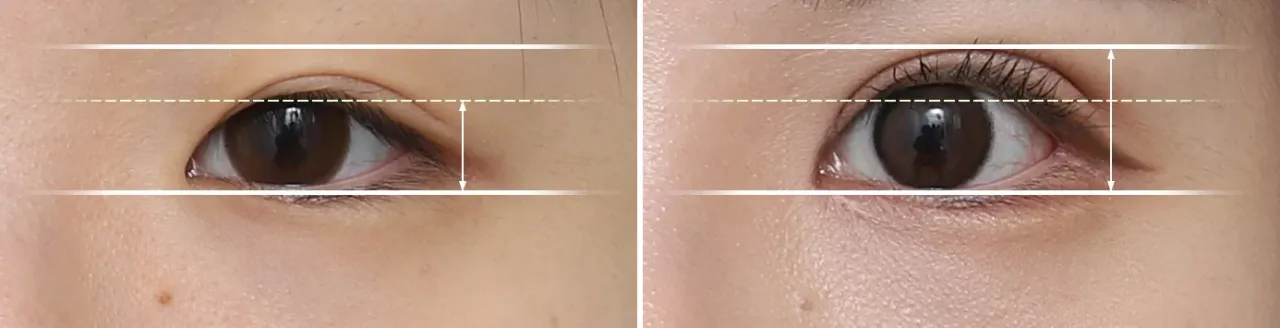
Left: Less than 70% pupil exposure, requiring correction → Right: 80–90% or more pupil exposure, normal eye shape (3 months after surgery)
What is Ptosis Correction?
It is a condition in which the upper eyelid droops because the muscle that raises and lowers the eyelid (levator palpebrae superioris) is weak. Ptosis Correction may be suspected when the eyes always appear sleepy and there is a significant difference in eye size. Opening the eyes with the Forehead can also cause wrinkles on the Forehead and Glabella.

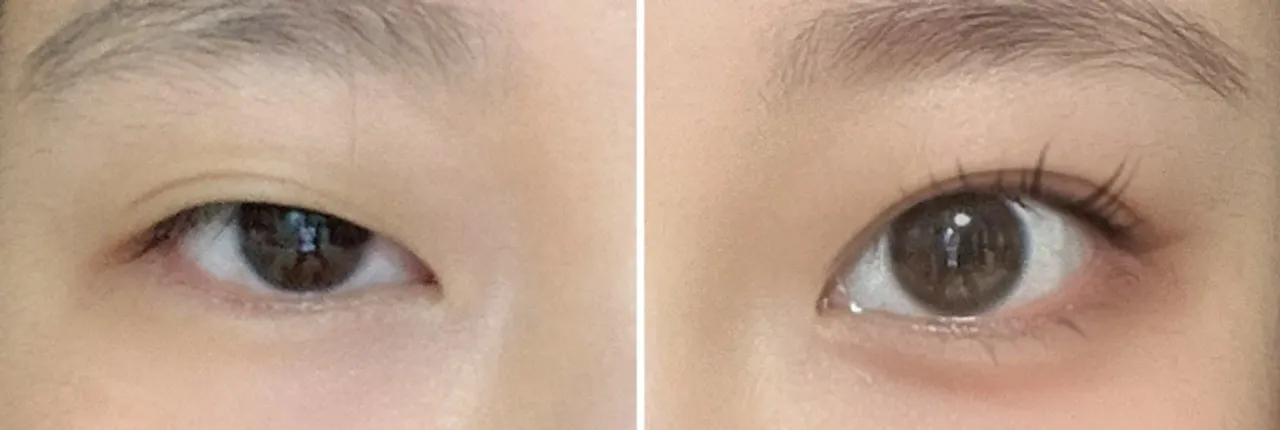
Before surgery → 3 months after surgery (left eye before surgery / right eye after surgery)
This is how incisional Ptosis Correction is performed
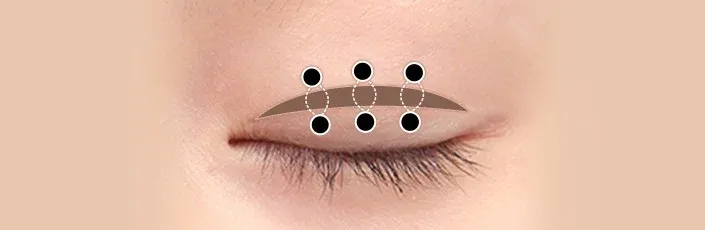
| Procedure: An incision is made in the skin to remove unnecessary fat and strengthen the eye-opening muscles | Candidates: Those with abundant fat and thick eyelids | Revision surgery: Revision surgery possible | Correction: Also possible for severe sleepy-looking eyes and drooping | Scar Revision: Fine scarring may occur
Features of View Ptosis Correction
Point 1. Clear and lively eyes without Overcorrection
By strengthening the eye-opening muscles, this procedure helps the eyes open wider and creates a natural, clear, and lively eye shape without Overcorrection.

Point 2. Improves Forehead wrinkles and obstructed vision
It helps prevent Forehead wrinkles caused by using the Forehead muscles to open the eyes due to insufficient eye-opening strength, and improves secondary discomfort, such as reduced vision, by securing a clearer field of vision previously obstructed by the eyelids.

Point 3. Fast recovery with no obvious signs of surgery
A board-certified plastic surgeon with extensive experience and expertise performs the procedure meticulously to minimize tissue damage, bleeding, and swelling for faster recovery.
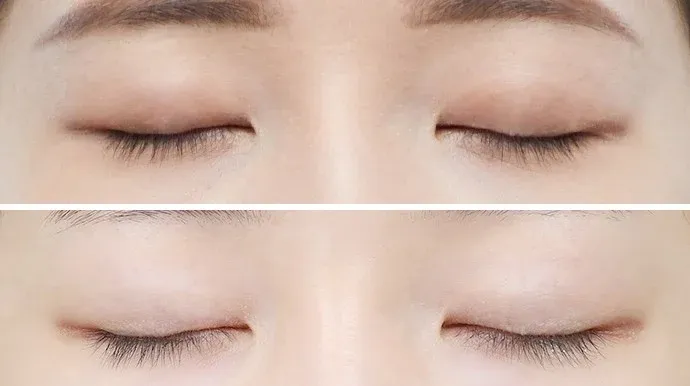
With eyes closed — Top: Before surgery / Bottom: 9 months after surgery
Point 4. Expertise proven by reviews since 2005
With the experience and expertise accumulated since opening in 2005, we create naturally beautiful eye shapes that look as though they were always beautiful.
Surgical Procedure
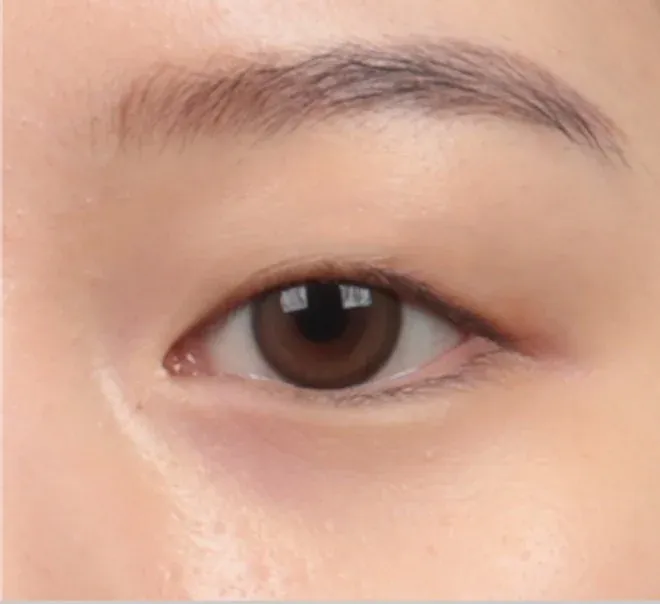
STEP 1. Before surgery
The condition of sleepy-looking eyes caused by weak eye-opening muscles is assessed.
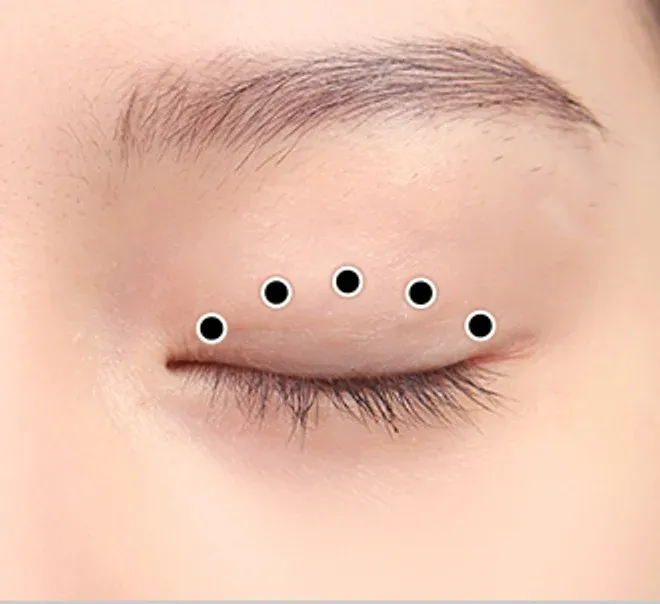
STEP 2. Incision and tissue removal
After making an incision in the eyelid, unnecessary fat and muscle are removed.
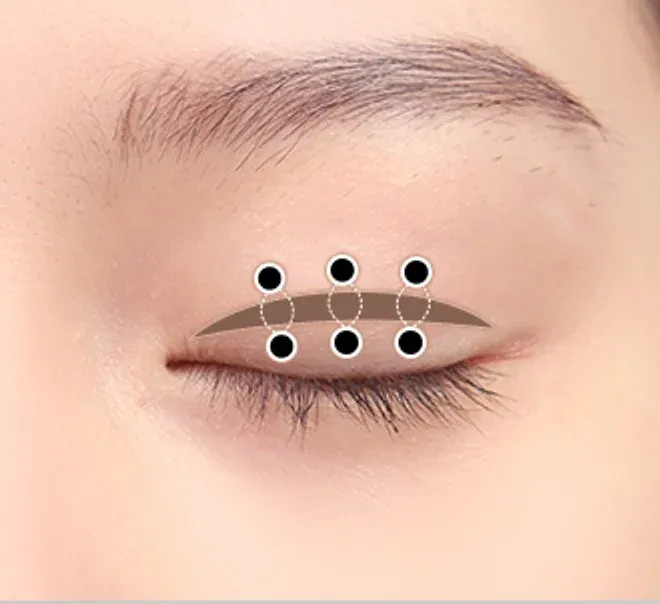
STEP 3. Muscle correction and suturing
The eye-opening muscles are tightened, and the incision line is sutured.
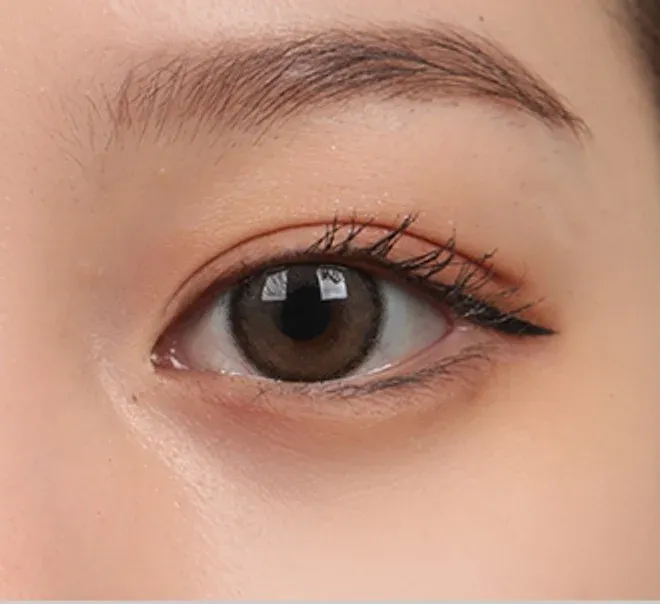
STEP 4. Improved to a clear eye shape
The strength of the eye-opening muscles is corrected to create a naturally clear eye shape.
Real selfie before-and-after photos

Before surgery → 3 months after surgery

Before surgery → 2 months after surgery
Surgery Information
| Surgery time: 30 minutes–1 hour | Anesthesia: Sedation anesthesia | Hospitalization: None | Suture removal: After 7 days | Recovery period: 7 days
Postoperative Care
· Day of surgery: Self-care education and a swelling-relief pack provided · 1 week after surgery: Suture removal and progress check · 1–6 months after surgery: Regular progress checks · Swelling-care products provided, dedicated care tailored to each individual's recovery rate, and direct follow-up by the operating physician * The schedule may change depending on the individual's condition.
Please be sure to review
Before-and-after photos are published with the patient's consent. Surgical results and recovery periods may vary depending on individual circumstances, and the surgical method is determined through consultation with a specialist. The before-and-after photos are cases of View Ptosis Correction; whether a Non-incisional method or Incisional Double Eyelid Revision is used is determined according to the individual's condition.
 VIEW PLASTIC SURGERY