
Incisional Method (Eye Correction)
from 1,974,000 KRW* VAT Not Included
This is an eyelid correction procedure that uses minimal incisions to remove unnecessary fat and skin and advances and secures the levator palpebrae superioris muscle to strengthen eyelid-opening function. It is suitable for individuals with thick skin and abundant tissue, moderate congenital ptosis, severe adhesions requiring revision surgery, or a habit of opening the eyes using the forehead muscles. The procedure takes approximately 50 minutes to 1 hour, with a recovery period of about 1 week.
Surgery Overview
Incisional Ptosis Correction is a procedure that removes unnecessary fat and skin through minimal incisions and advances and secures the eyelid-opening muscle (levator palpebrae superioris) to strengthen eyelid-opening power. It is suitable for those with thick skin and abundant tissue or moderate to severe ptosis, and when performed with Double Eyelid Surgery, it creates a more natural yet defined eye shape.

Before-and-after photos (before surgery on the left · after surgery on the right) Before surgery → 2 months after surgery
Recommended for
· Those with thick skin and abundant tissue · Those who want high, defined double eyelids · Those who use their eyebrows when opening their eyes · Those with weak eyelid-opening power · Those with moderate congenital ptosis · Revision surgery with severe Adhesion
The key to beautiful eyes
The key to beautiful eyes lies in the proportion between the double-eyelid height that suits the Face and the size of the visible iris. Appropriate Ptosis Correction strengthens the eyelid-opening muscle and increases iris exposure to complete a beautiful eye shape.
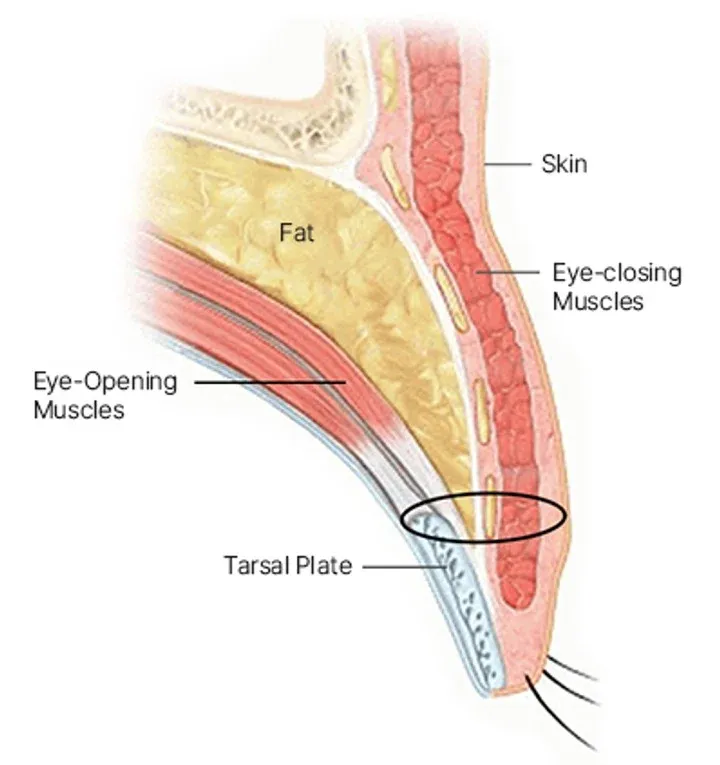
Double Eyelid Surgery
Creates a double-eyelid line by inducing Adhesion between the skin surface and the tarsal plate (or septum).
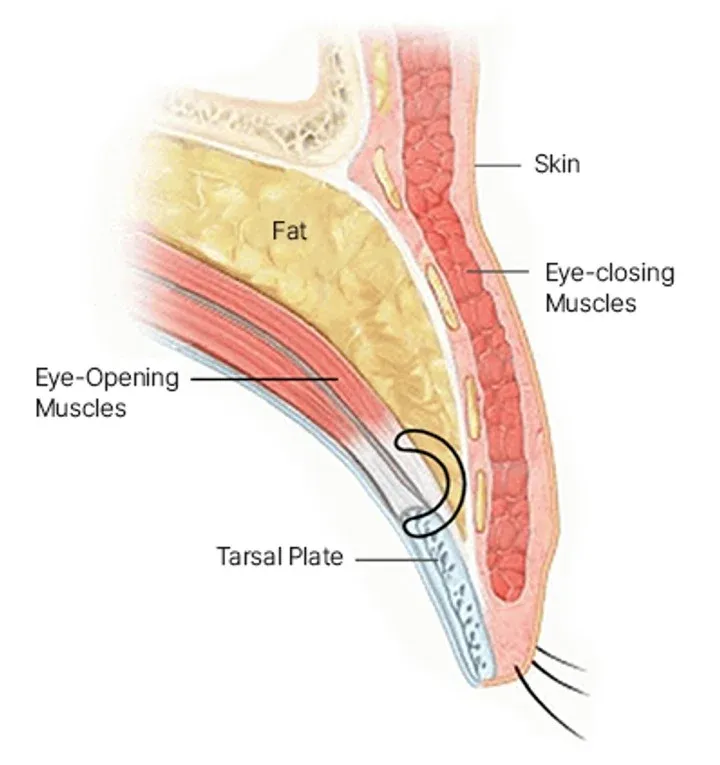
Ptosis Correction
Strengthens eyelid-opening power by adjusting the eyelid-opening muscle.
Most Ptosis Correction procedures are performed together with Double Eyelid Surgery.
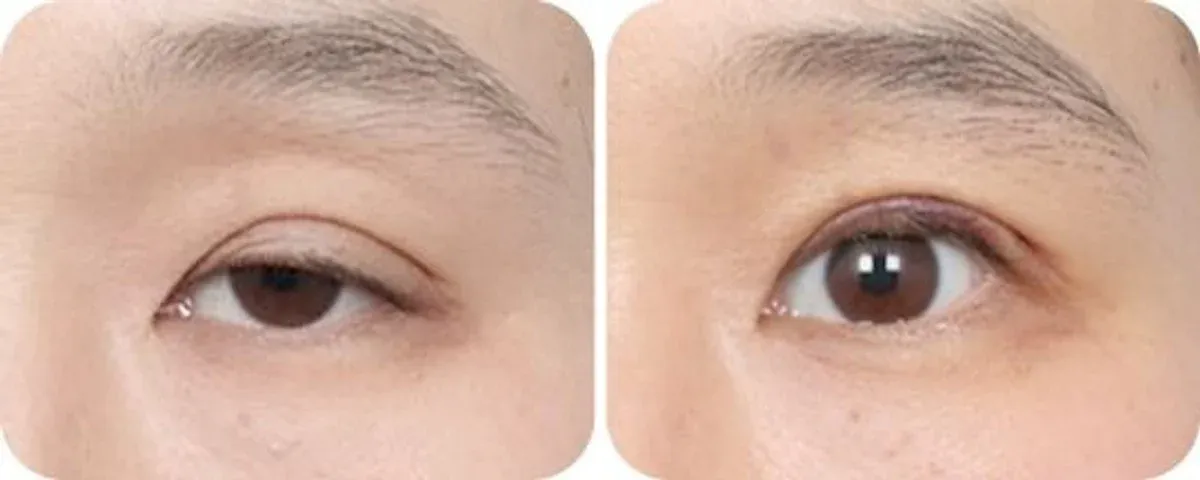
Before-and-after photos (before surgery on the left · after surgery on the right) Before surgery → After surgery
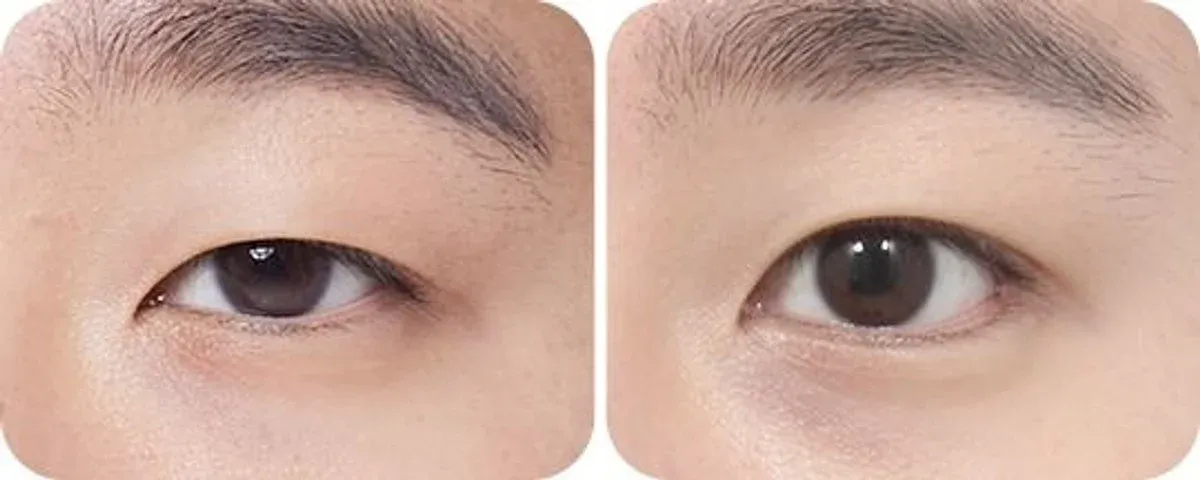
Before-and-after photos (before surgery on the left · after surgery on the right) Before surgery → 3 months after surgery
The relationship between Ptosis Correction and ptosis
Ptosis is a condition in which weakened eyelid-opening muscles cause drooping eyelids to cover the iris, creating a tired appearance. Regardless of whether ptosis is present, Ptosis Correction performed with Double Eyelid Surgery can greatly help create beautiful eyes.
When ptosis is present
Ptosis Correction is performed to improve ptosis symptoms and enhance the overall eye shape.
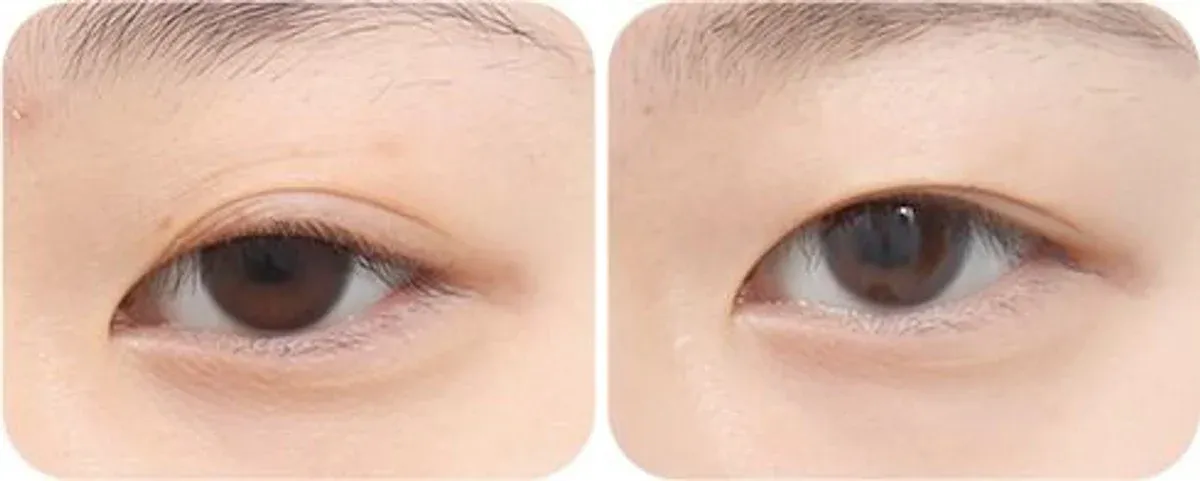
Before-and-after photos of ptosis improvement (before surgery on the left · after surgery on the right) Before surgery → 3 months after surgery
When ptosis is not present
Ptosis Correction is performed for cosmetic purposes to increase iris exposure and improve the double-eyelid line.
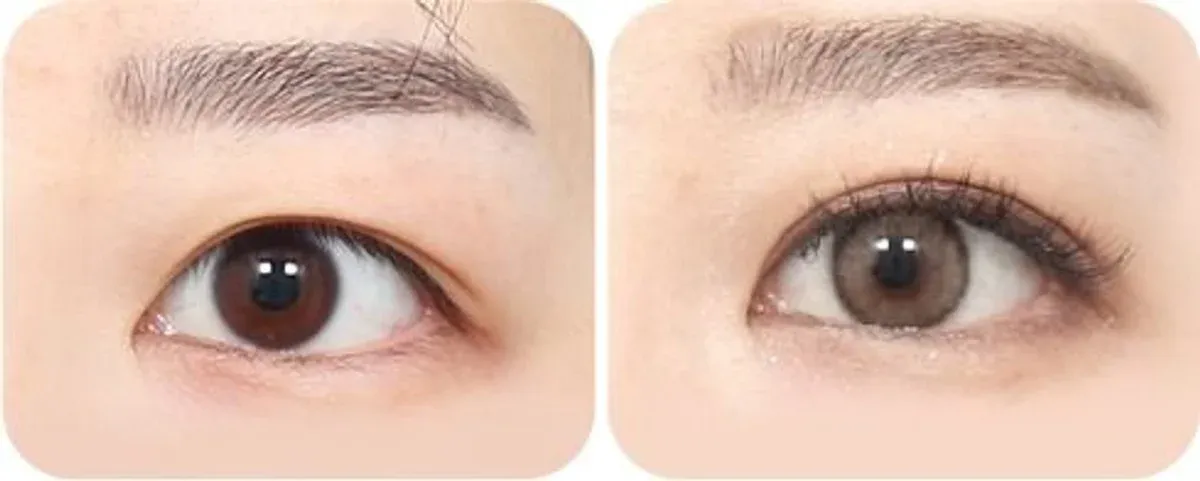
Before-and-after photos of line improvement (before surgery on the left · after surgery on the right) Before surgery → 2 months after surgery
Ptosis Correction: Points requiring caution
Because Ptosis Correction requires careful adjustment of the correction strength and double-eyelid line height according to each individual’s condition, it is especially important to choose a physician with sufficient experience and expertise. Cases in which Ptosis Correction may not be suitable · Severe eye protrusion – If there is insufficient tissue, Overcorrection may make it difficult to close the eyes. · Those who have undergone multiple eye surgeries · Middle-aged women in their 40s to 50s – If the eyelids are drooping, Overcorrection may create a harsh appearance. · Those with little distance between the eyes and eyebrows – The distance may become even narrower, creating a constricted appearance.
Features of Incisional Ptosis Correction
Point 1. Incisions only when necessary
Excessive procedures and surgery can lead to dissatisfaction and side effects. Incisions are performed only when deemed appropriate after considering the patient’s condition, tissue condition, and desired design.
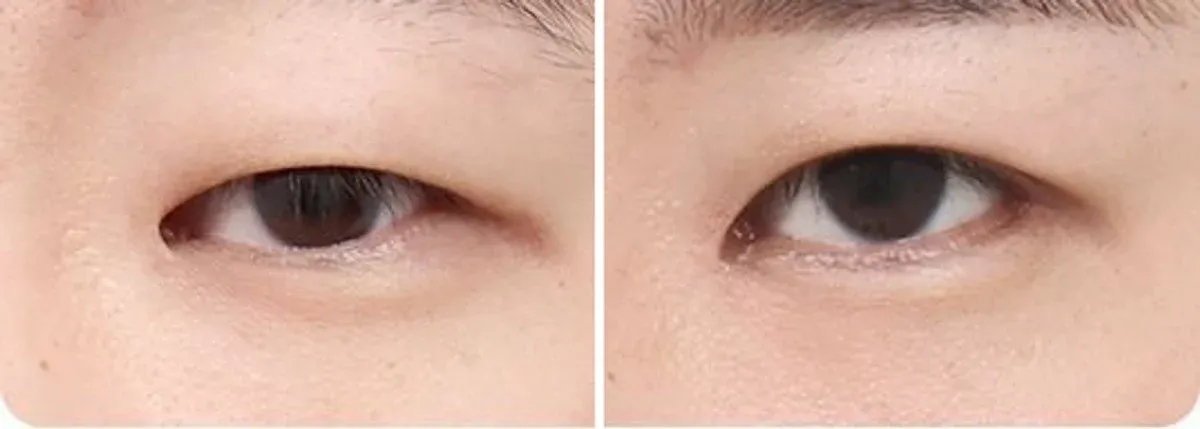
Before-and-after photos for cases with a high risk of double-eyelid loosening due to thick eyelids or abundant tissue (before surgery on the left · after surgery on the right) Before surgery → 2 months after surgery
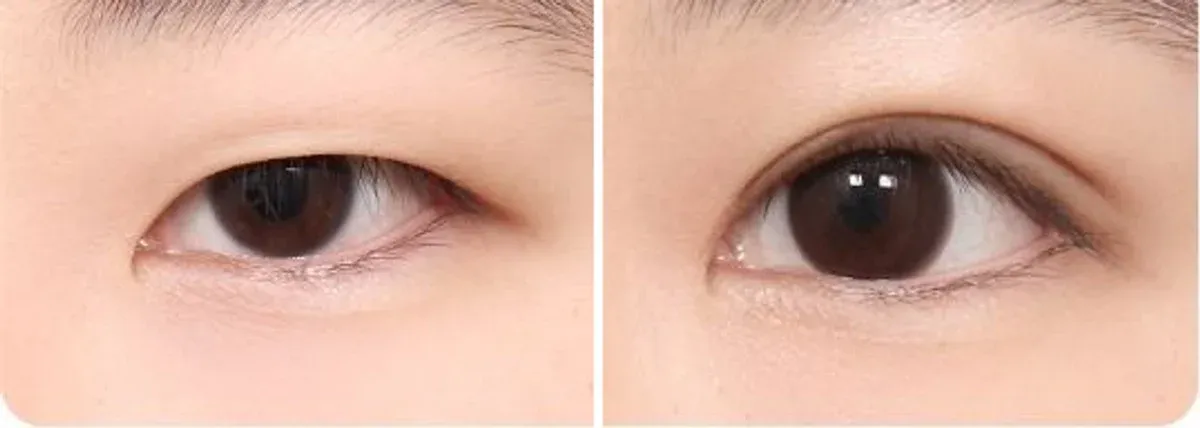
Before-and-after photos for cases requiring definite Ptosis Correction due to severe congenital ptosis (before surgery on the left · after surgery on the right) Before surgery → 1 month after surgery
Point 2. Natural eyes without Overcorrection
By precisely assessing each individual’s eye condition and removing only an appropriate amount of muscle and fat through minimal incisions, natural-looking eyes can be expected even immediately after surgery. · Personalized eye surgery · Natural-looking eyes · Surgery designed to reduce side effects · Minimal foreign-body sensation even when closing the eyes
Features of AB Ptosis Correction
Point 1. A surgical plan that minimizes tissue damage
· Only excessively developed tissue is removed. · Tissue damage is minimized to reduce scars and support faster recovery.
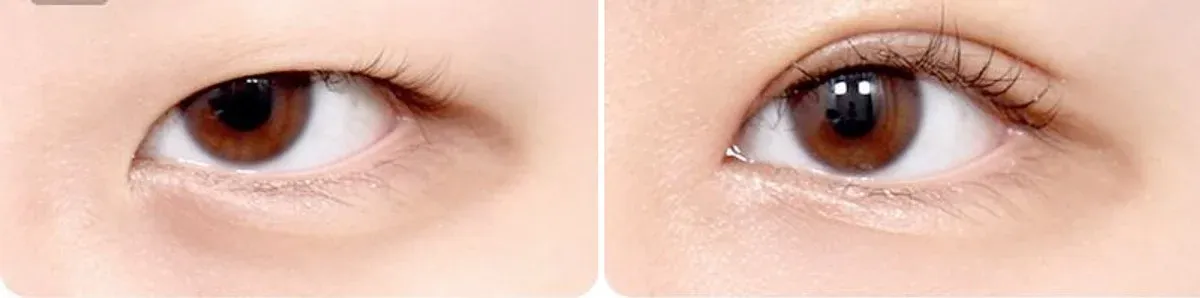
Before-and-after photos (before surgery on the left · after surgery on the right) Before surgery → 7 days after surgery
This case required an incision due to abundant tissue and ptosis. By removing only excessively developed tissue, the eyes appear natural with almost no swelling, bruising, or scarring even 7 days after surgery.
Point 2. Combine with Ptosis Correction for a high, defined line
· The higher the double-eyelid line, the more important it is to improve eyelid-opening power as well. · If the eyelid-opening muscle is not strengthened in proportion to the line height, the skin may not lift with the muscle, resulting in a puffy eyelid appearance.
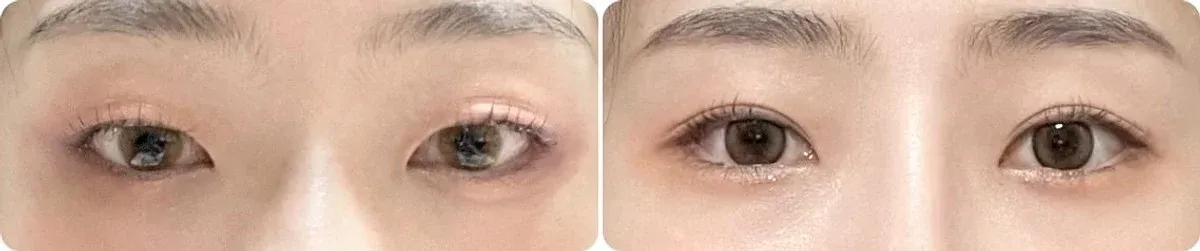
Before-and-after photos (before surgery on the left · after surgery on the right) Before surgery → 2 months after surgery
Point 3. Adjusting the correction position to suit the eye shape
· The areas between the inner edge of the double-eyelid line and the Pupil, and between the outer edge and the Pupil, are corrected. · The correction position varies according to eye shape, and care is required to avoid Overcorrection when correcting the outer iris area.
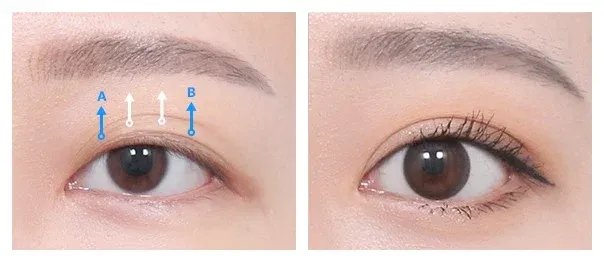
By securing points A and B differently according to eye shape, a natural yet defined line that harmonizes with the Face is created.
Point 4. Improvement of both pseudoptosis and true ptosis
· Whether pseudoptosis or true ptosis is present, Ptosis Correction at an appropriate strength is necessary. · The condition of ptosis is analyzed from multiple angles, and the procedure is performed only when necessary.
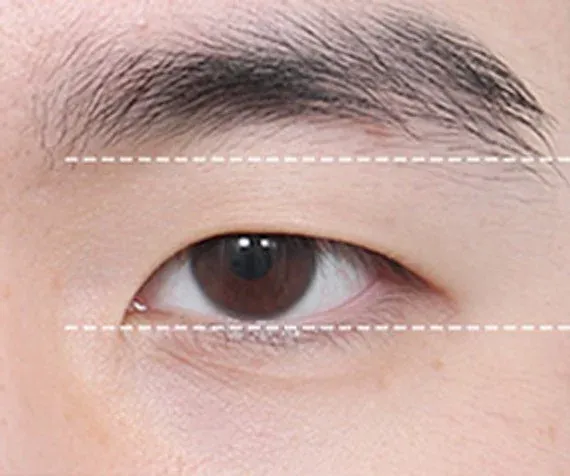
Iris covered by drooping eyelids
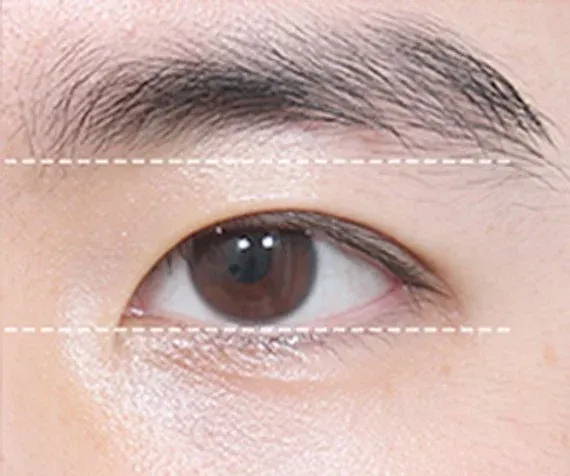
Eye shape with improved iris exposure to harmonize with the Face
Point 5. Different correction strengths for each person
· The eyelid shape and line are precisely analyzed to optimally adjust the degree of correction. · Because double-eyelid depth and height vary according to correction strength, delicate surgery is needed to avoid Overcorrection.
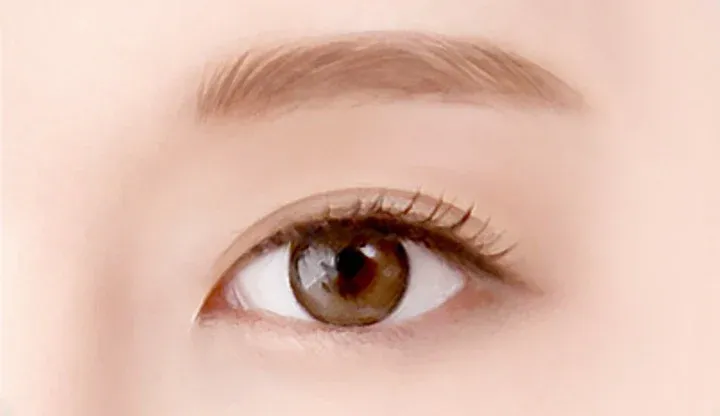
Well-performed Ptosis Correction
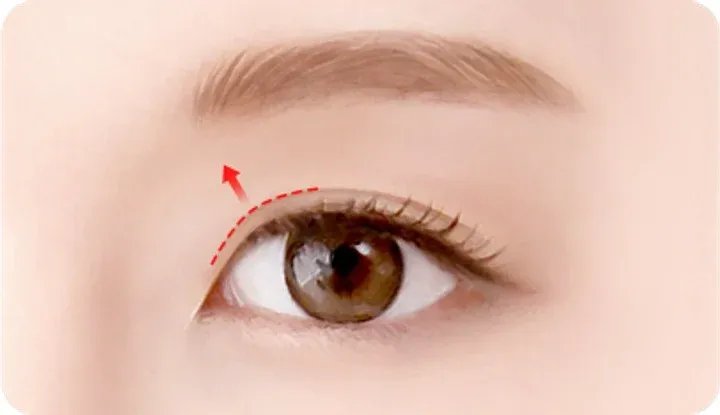
Inner Overcorrection
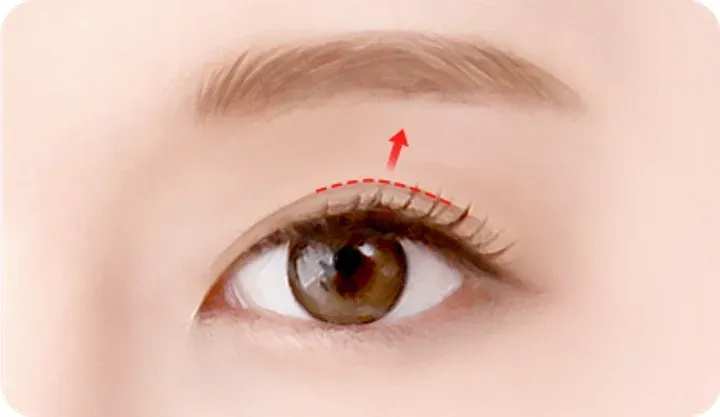
Outer Overcorrection (common)
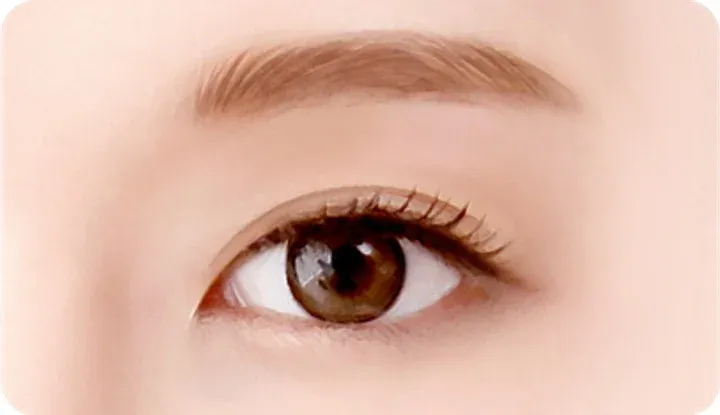
Ptosis Correction harmonious with double eyelids
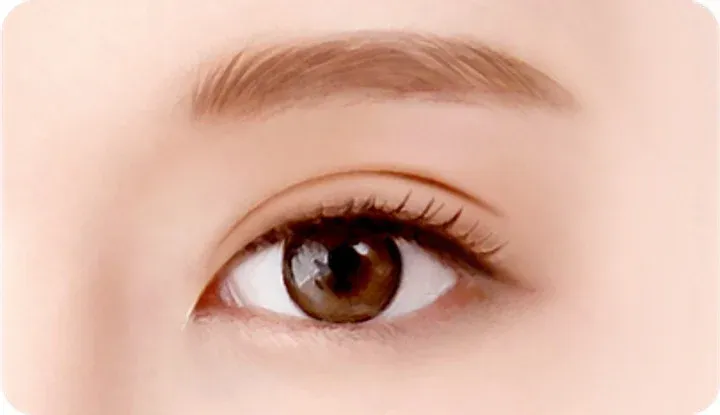
Deepened eyelids
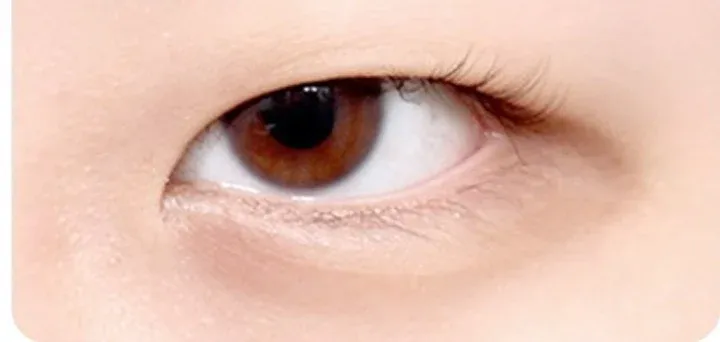
Lowered double eyelids
Point 6. Precision eye analysis system
Before surgery, the desired eye shape, facial proportions, distance between the eyes, eye length, outer corner height, and iris size are carefully analyzed to recommend only necessary procedures without unnecessary treatment.
Surgical procedure
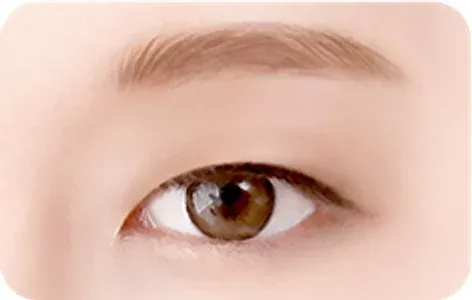
STEP 1. Before surgery
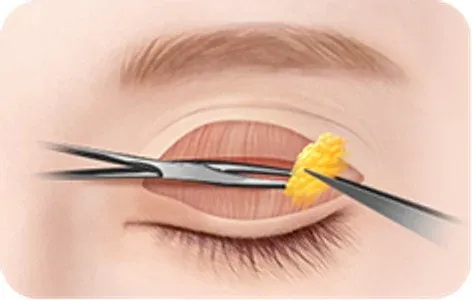
STEP 2. Incision followed by muscle and fat refinement
After accurately assessing the condition, an appropriate amount of muscle and fat is refined following the incision.
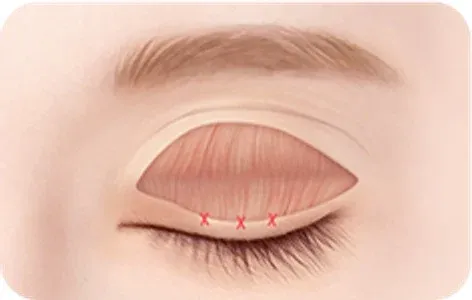
STEP 3. Line fixation
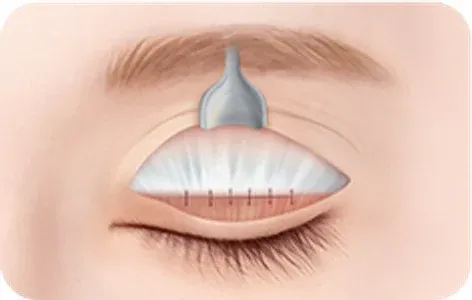
STEP 4. Advancement and fixation of the levator palpebrae superioris
The eyelid-opening muscle (levator palpebrae superioris) is advanced and secured to strengthen eyelid-opening power.
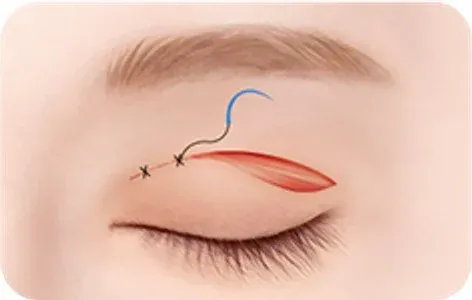
STEP 5. Suturing
Sutures are placed meticulously to minimize scarring.
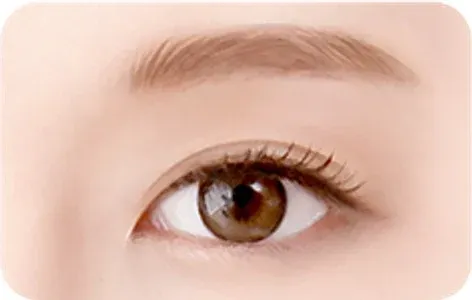
STEP 6. After surgery
Surgical information
| Surgery duration 50 minutes to 1 hour | Anesthesia Local anesthesia or light sedation | Follow-up visits 1–2 visits | Recovery period 1 week
Pre- and post-operative precautions
Before surgery
· Please inform us in advance if you have underlying conditions such as hypertension, diabetes, or thyroid disease; drug allergies; or a history of surgery related to the heart, lungs, liver, kidneys, or brain. An anesthesiology consultation and additional tests may be conducted if necessary. · Please stop taking aspirin, pain relievers, hormonal medications, herbal medicine, and vitamin supplements starting 1 week before surgery. Please bring any medications you are currently taking on the day of surgery. · Smoking delays recovery and increases the risk of infection and anesthesia-related complications, so stop smoking from the day you decide to undergo surgery. Stop drinking alcohol 1 week before surgery. · Do not eat or drink, including water, candy, or gum, for 10 hours before surgery. · Remove all nail polish and gel nails. Do not wear contact lenses or makeup on the day of surgery. Please wear comfortable clothing with front buttons. · Please inform us in advance if you have a high fever, cough, or cold symptoms within 1 week before surgery, or if your menstrual period overlaps with the surgery date. · You cannot drive yourself on the day of surgery.
After surgery
· For 3–4 days after surgery, sleeping with your head elevated above your heart may help reduce swelling. · Apply cold compresses only until 3 days after surgery. Major swelling subsides within 1 week, while residual swelling may continue for 1–3 months. · Sutures are removed between 3 and 10 days depending on wound condition. Do not rub or tightly close your eyes, and do not forcibly remove scabs. · Face washing and light makeup are permitted from the day after suture removal. Heavy eye makeup and contact lenses are permitted after 3 weeks. Avoid saunas and swimming for 1 month. · Light exercise is permitted after 1 week, and strenuous exercise after 1 month. · Alcohol and smoking are prohibited for 1 month, as they may cause inflammation and delay recovery. · The final eye shape settles over 3–6 months after surgery.
Please note
For Ptosis Correction, balancing correction strength and double-eyelid line height is important. Overcorrection may make it difficult to close the eyes or create a sharp appearance. Surgical methods and results may vary depending on individual conditions and are determined through consultation with a specialist.
 AB PLASTIC SURGERY