
Incisional Method (Eye Correction)
Price upon consultation
This procedure involves making an incision in the eyelid to remove sagging skin and unnecessary fat and muscle, then suturing the fascia of the levator palpebrae superioris muscle, which elevates the eyelid, to the tarsal plate to correct ptosis. It is indicated for patients with thick skin, excess fat, or severe ptosis.
Surgery Overview
Incisional Ptosis Correction is a procedure that corrects ptosis by making an incision in the eyelid, removing sagging skin and unnecessary fat and muscle, and suturing the fascia of the levator palpebrae superioris—the muscle that opens the eye—to the tarsal plate. It is suitable for cases with thick eyelid skin, abundant fat, or severe ptosis.

Achieve clear, refreshed-looking eyes with Ptosis Correction. Are you tired of being told that you look sleepy? The cause of sleepy-looking eyes lies in the muscles that open the eyes. Improving eyelid-opening strength can also help prevent Forehead wrinkles.
Recommended for
· Those whose black iris is visible by 80% or less when their eyes are open · Those concerned about looking sleepy or tired · Those who furrow their Forehead or raise their eyebrows when opening their eyes · Those with thick eyelid skin and abundant fat · Those with severe ptosis
3 Points of Urban Incisional Ptosis Correction
Point 1. Effective for thick skin and abundant fat
Effective for cases with thick skin and abundant fat.
Point 2. Corrects even severe ptosis
Correction is possible even in cases of severe ptosis.
Point 3. Detailed and reliable correction
Creates refreshed-looking eyes through detailed and reliable correction.
Eyes That Need Ptosis Correction
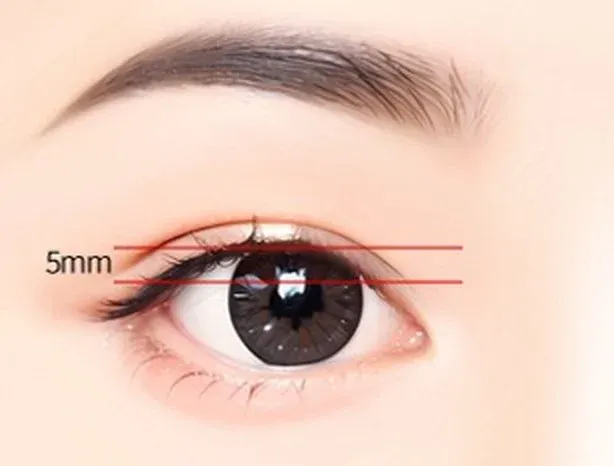
Normal eyes
When the eyes are open, approximately 5 mm of the black iris is exposed.
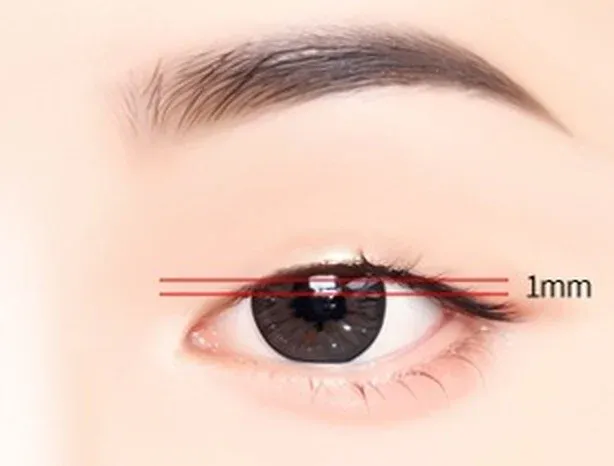
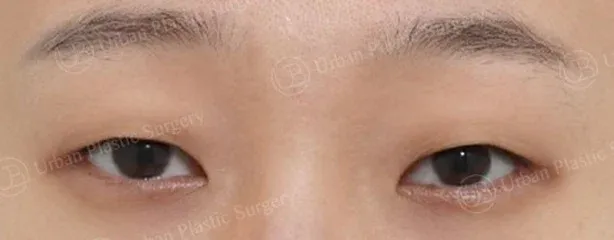
Eyes That Need Ptosis Correction
When the eyes are open, only approximately 1 mm of the black iris is exposed. If more than 80% of the black iris is not visible when the eyes are fully open and only about 1–2 mm is exposed beneath the eyelid, this can create a sleepy and tired appearance. Insufficient eyelid-opening strength causes the person to furrow the Forehead or raise the eyebrows to open the eyes, resulting in an unnatural appearance.
Non-incisional Ptosis Correction vs. Incisional Ptosis Correction
Non-incisional Ptosis Correction – Clear-looking eyes without an incision
| Procedure time: Approximately 30 minutes | Suitable for: Thin eyelids with little fat | Degree of sagging: Mild to moderate cases | Scarring: Almost none
Incisional Ptosis Correction – Detailed and reliable correction
| Procedure time: Approximately 1 hour | Suitable for: Thick eyelids with abundant fat | Degree of sagging: Severe cases | Scarring: Similar to a double-eyelid scar
Before-and-After Photos by Crease Type
In-Line Crease – A natural, subtle change
The most common type seen in Asian eye anatomy, this is a natural crease that begins at the inner eyelid and gradually becomes wider.

Before surgery → 1 month after surgery · In-Line Crease
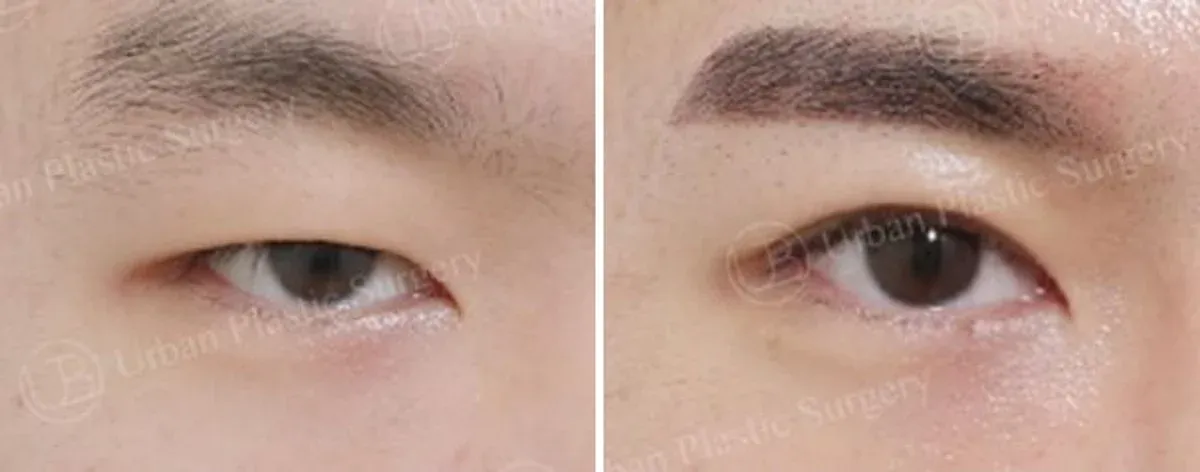
Before surgery → 3 months after surgery · In-Line Crease
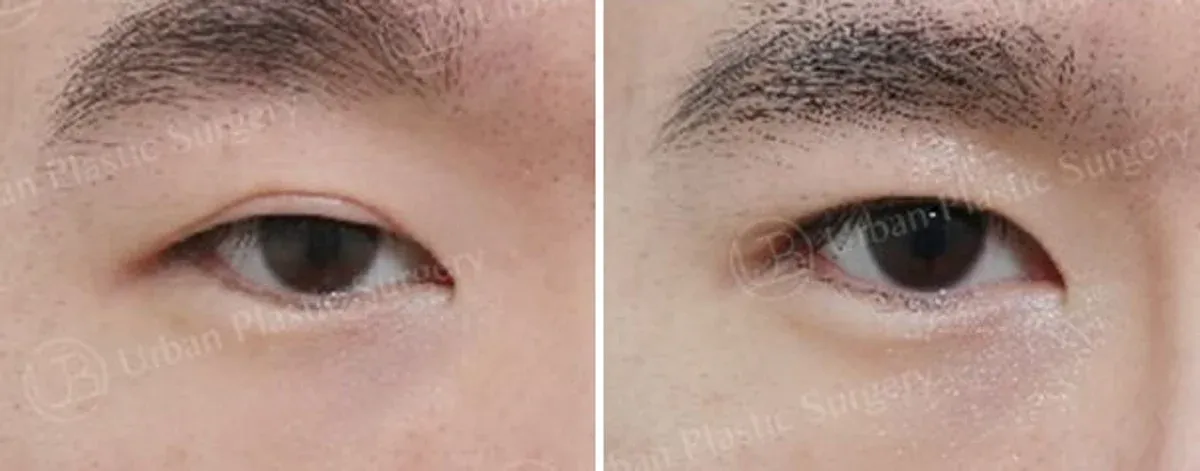
Before surgery → 3 months after surgery · In-Line Crease
In-Out Crease – Natural yet refreshed-looking eyes
This crease falls between the natural look of an In-Line Crease and the refreshed look of a Semi-Out Line Crease, making it highly popular.

Before surgery → 1 month after surgery · In-Out Crease
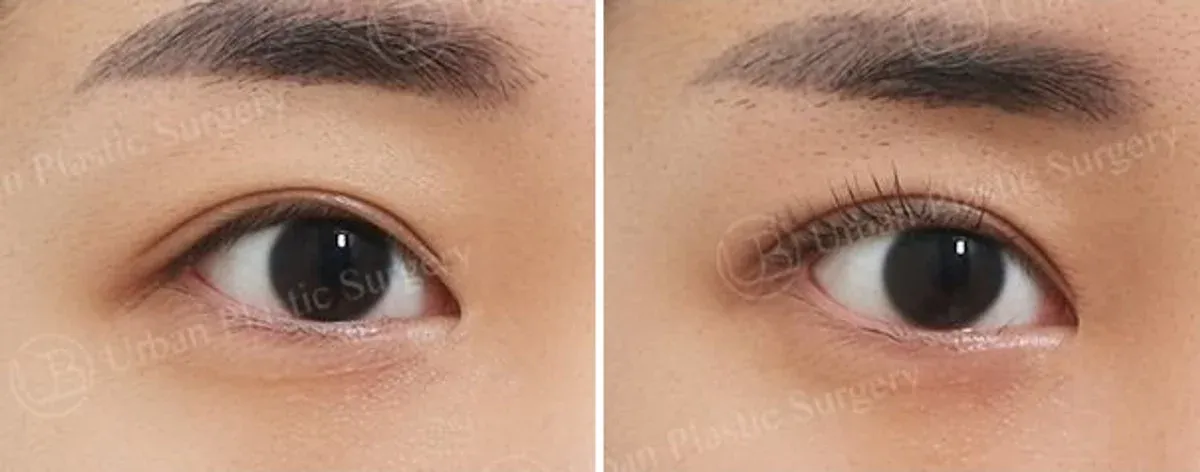
Before surgery → 1 month after surgery · In-Out Crease
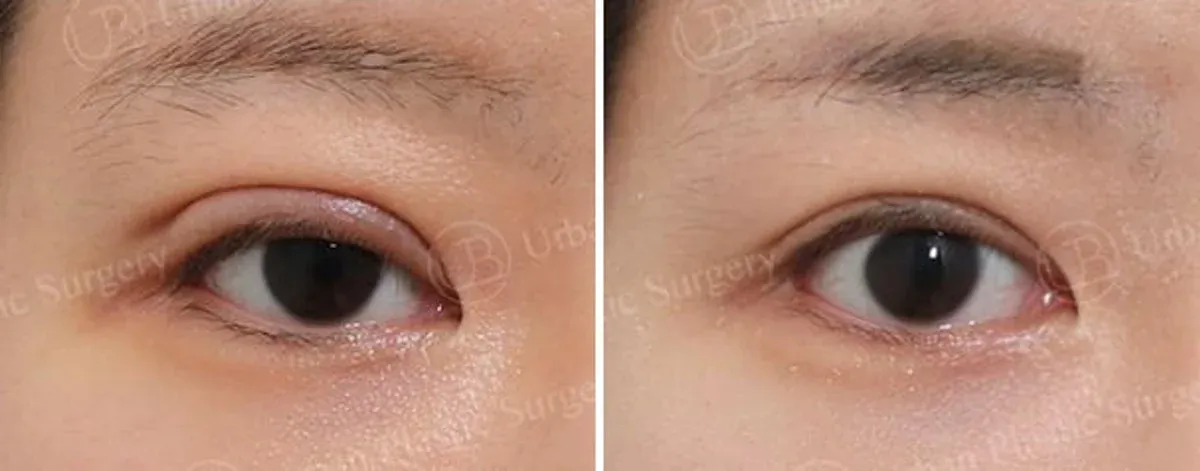
Before surgery → 3 months after surgery · In-Out Crease
Semi-Out Line Crease – Defined and glamorous-looking eyes
Because the crease must be set higher, it is well suited to those who naturally have large eyes and do not have a prominent epicanthal fold.

Before surgery → 1 month after surgery · Semi-Out Line Crease
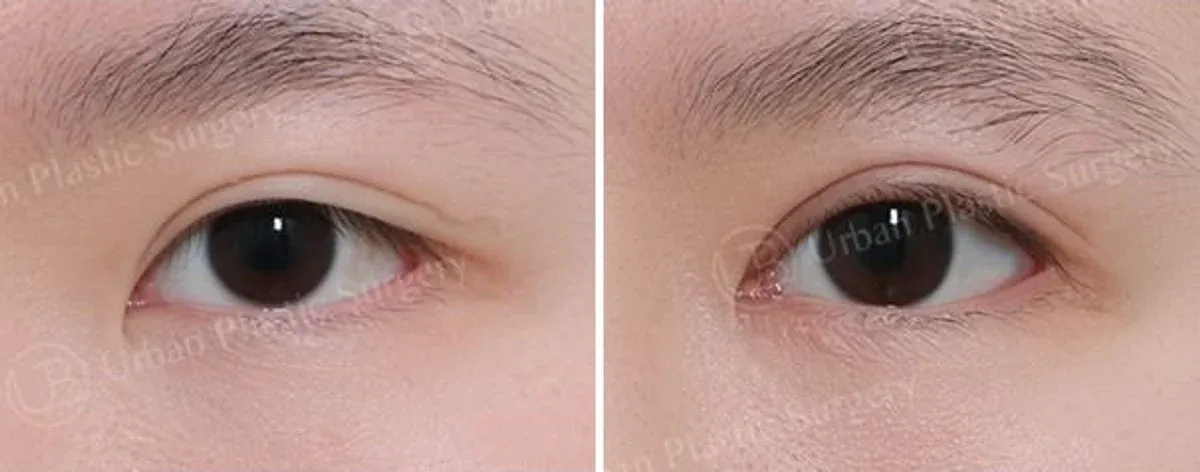
Before surgery → 2 months after surgery · Semi-Out Line Crease
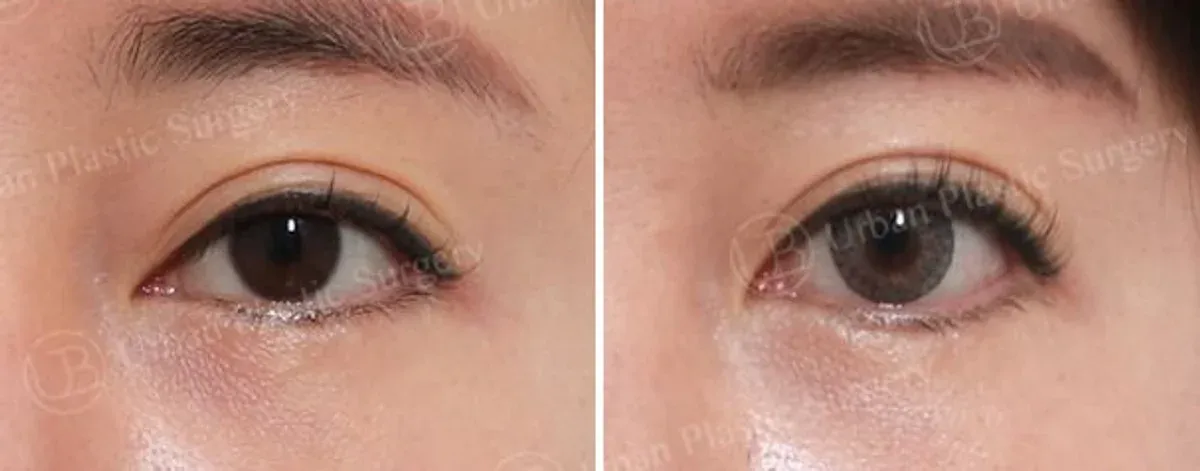
Before surgery → 1 month after surgery · Semi-Out Line Crease
Surgical Procedure
An incision is made in the eyelid to remove an appropriate amount of fat, then the strength of the levator palpebrae superioris—the muscle that opens the eyes—is enhanced to correct ptosis.
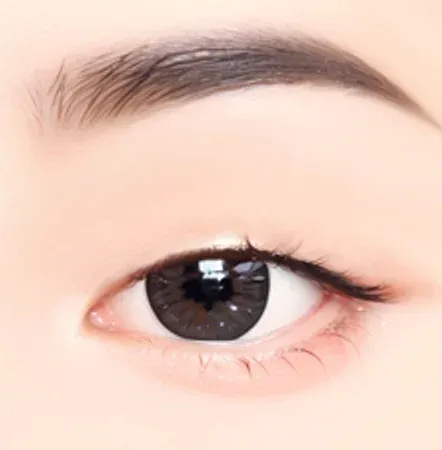
Before surgery
Small, sleepy-looking eyes without a double eyelid crease
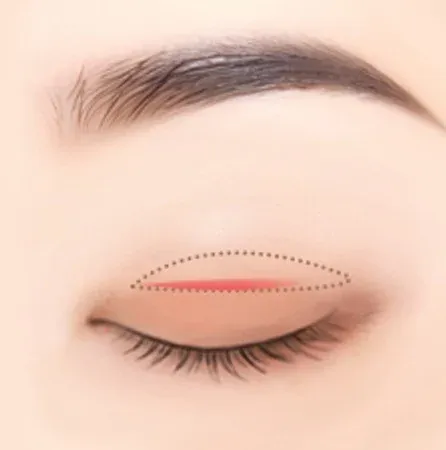
STEP 1. Eyelid incision after design
After creating a design suited to the individual, an eyelid incision is made according to the design.
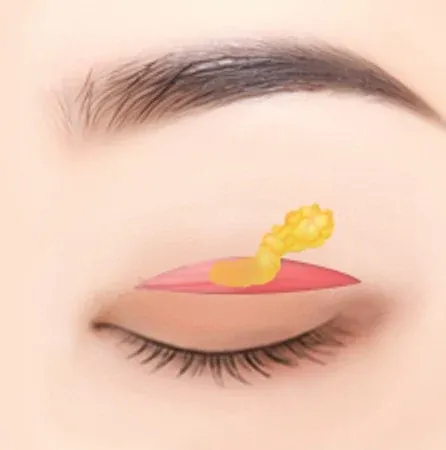
STEP 2. Removal of skin, muscle, and fat
Sagging skin is removed through the incision, followed by the removal of unnecessary muscle and fat.
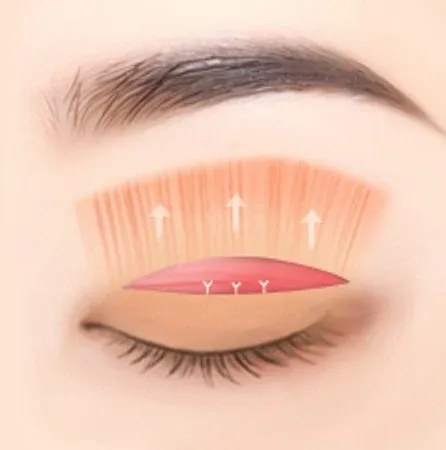
STEP 3. Muscle strengthening through fascia suturing
The fascia is identified and sutured to the tarsal plate to strengthen the eyelid-opening muscle.
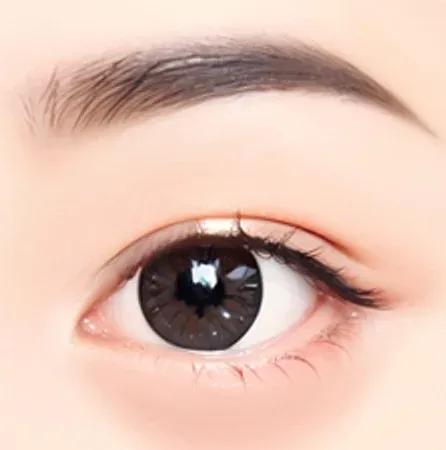
After surgery
Clear-looking eyes suited to you are achieved.
Surgery Information
| Procedure time: 30 minutes–1 hour | Anesthesia: Sedation anesthesia | Hospitalization: Same-day discharge | Suture removal: 5–7 days later | Follow-up visits: 1 visit | Recovery period: 1 week
Pre- and Post-Operative Precautions
Before surgery
· Please inform us in advance if you are taking any medications. Depending on the medication, it may need to be discontinued before surgery. · Please notify us in advance if you have a surgical history, high blood pressure, asthma, allergies, or adverse drug reactions. · To prevent burns from electrical equipment used during surgery, remove all metal accessories and piercings, and remove nail polish or nail art from your hands and feet. · To help prevent infection at the surgical site, wash thoroughly before surgery and wear clothing that is easy to put on and take off. · Fasting for at least 6 hours before surgery is required, including water, gum, candy, and coffee. For general anesthesia, begin fasting from midnight the day before surgery.
After surgery
· You may shower starting the day after suture removal. Avoid irritating the surgical area and refrain from heavy makeup on the area for approximately 3 weeks. · Swelling management varies depending on the type of surgery, so please follow the hospital's instructions. · Alcohol and smoking can delay recovery and cause infection, so avoid them for at least 1 month after surgery. · For approximately 1 week after surgery, keep your head elevated above heart level, and avoid strenuous exercise for approximately 3 weeks.
Please Note
Procedure time and recovery period may vary depending on the patient's condition and the treatment method, and surgical results may vary depending on individual circumstances. The surgical method is determined through consultation with a specialist.
 URBAN PLASTIC SURGERY