
Incisional Double Eyelid Revision
from 2,700,000 KRW* VAT Not Included
This is a revision procedure performed to correct cases in which the crease has loosened after previous eyelid surgery, the result appears unnatural, or inflammation persists. Because the tissues may have been damaged by the initial surgery, an experienced eye plastic surgery specialist establishes a personalized treatment plan after an accurate diagnosis.
Surgery Overview
AI-generated information for reference only. Please consult a doctor for accurate, personalized advice.
JK Eyelid Revision Surgery is a procedure that accurately analyzes the cause of failure and corrects it again when the crease has loosened after previous eyelid surgery, the result appears unnatural, or side effects such as inflammation persist. Because the tissues have been affected by the initial surgery and advanced correction is required, an experienced eyelid plastic surgery specialist creates a customized plan.

Recommended for the following cases
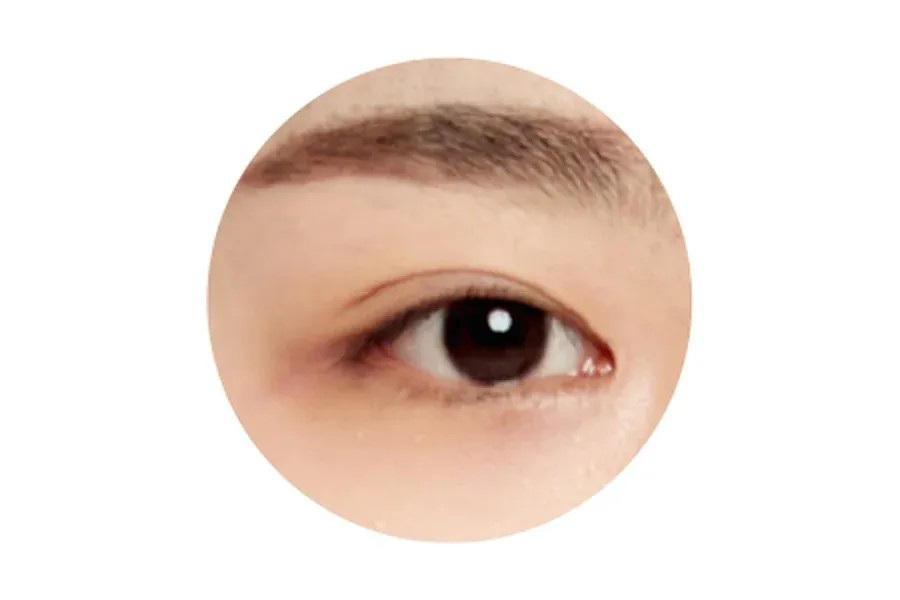
When satisfaction has decreased because the crease has loosened
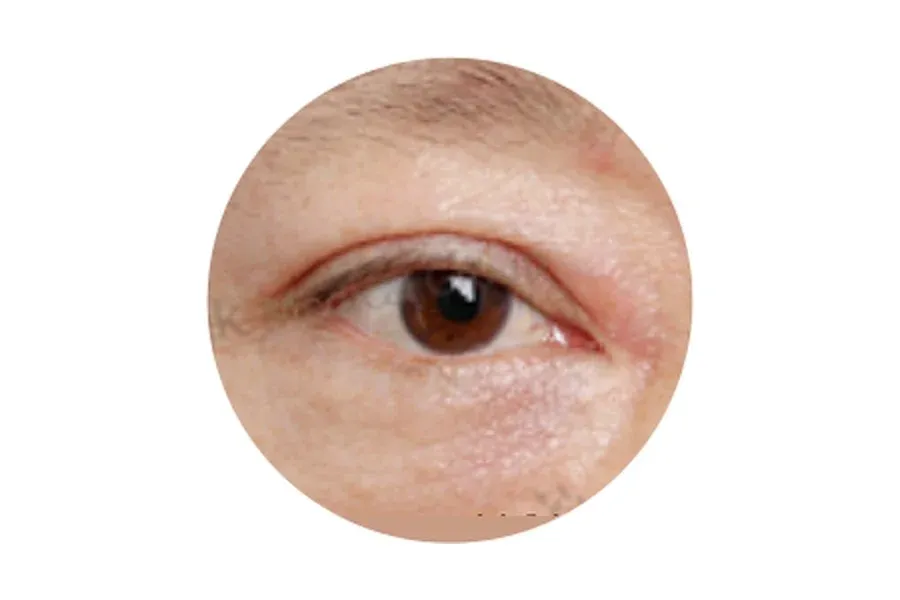
When you have been dissatisfied since immediately after the initial eyelid surgery
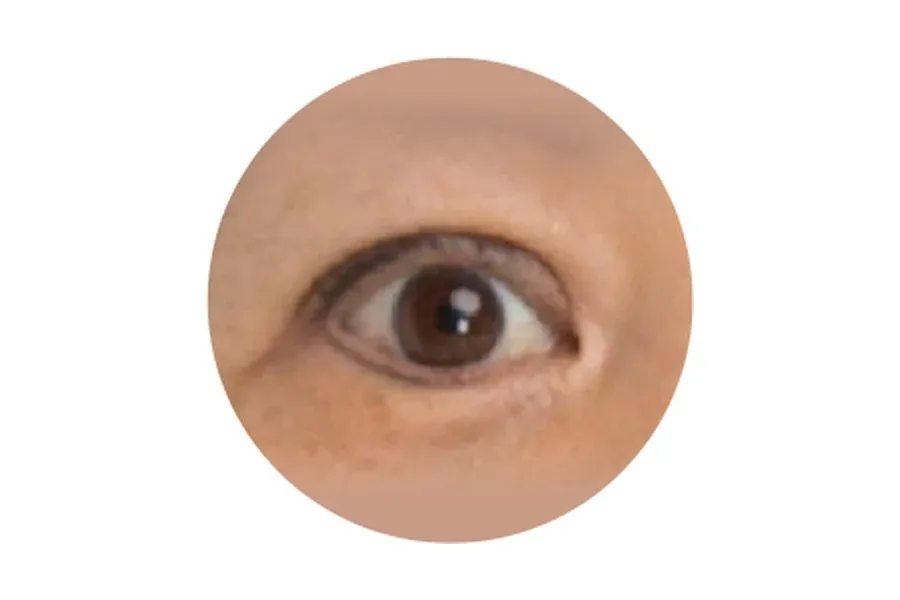
When the eyes have become unnatural-looking
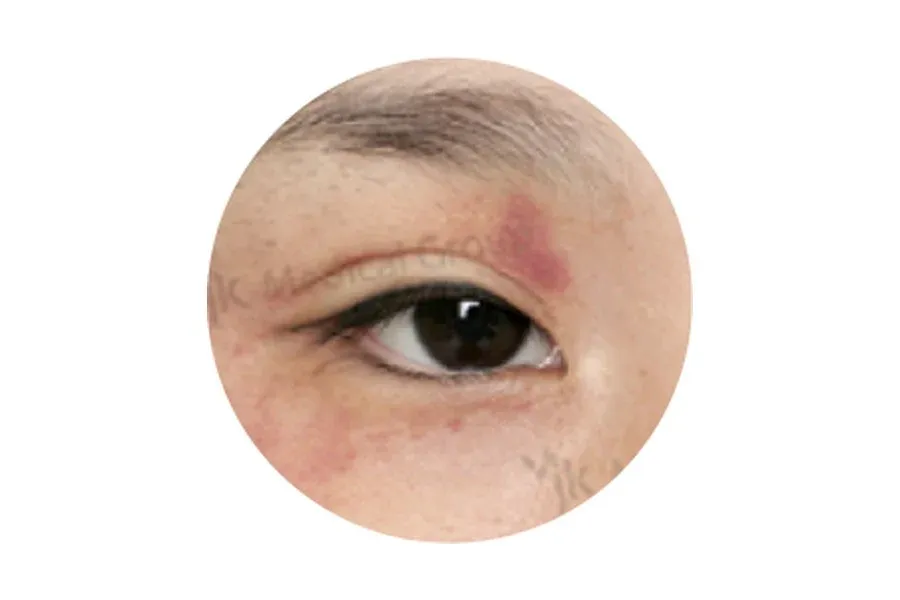
When side effects such as inflammation do not resolve
Features of JK Eyelid Revision Surgery
In general, whether Eyelid Revision Surgery is needed can be accurately assessed only after at least approximately six months have passed since the initial eyelid surgery.
Point 1. Accurate assessment of your condition
We accurately assess eyelid skin and fat volume, the current eye shape, double-eyelid height and symmetry, and eyelid muscles.
Point 2. Delicate design
The crease is designed once during consultation, once while you are seated in the operating room, and once more while you are lying on the surgical bed.
Point 3. Surgery by an experienced specialist
A specialist with more than 10 years of eyelid plastic surgery experience performs the procedure, while a board-certified anesthesiologist provides dedicated one-on-one care.
Point 4. Satisfying aftercare
A common review among JK patients is that, along with natural-looking changes, swelling and bruising subside faster than expected.
Eyelid Revision Surgery by Type
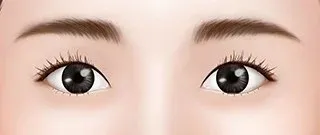
Raising low double eyelids
This applies when the initial design was set too low or when the double eyelid has loosened as the skin has sagged over time. Options include creating a new double eyelid above the existing crease or excising sagging skin above the crease. The decision is made after identifying the exact cause and conducting a thorough consultation.
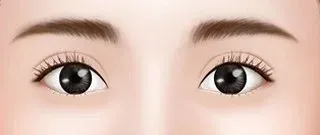
Lowering high double eyelids
Often referred to as puffy eyelids, this is caused by an excessively high double-eyelid crease or excessive scar tissue from prior surgery. The double-eyelid height is lowered while scar tissue and adhesions are removed to create a natural crease.
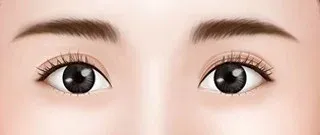
Asymmetrical double eyelids
This occurs when the double-eyelid heights were measured differently on each side or when the fixation positions and depths differ. The opposite side may be refixed to match the preferred side, or both sides may undergo revision surgery to achieve symmetry, depending on the case.
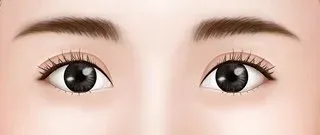
Pronounced double eyelids
This applies when the crease remains awkward over time, the eyes feel tight, and the scar appears indented when the eyes are closed. After releasing adherent tissue, the crease is corrected to an appropriate position and the indented area is addressed.
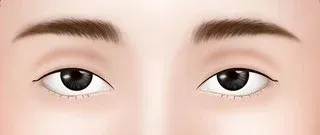
Sleepy-looking eyes
If Ptosis Correction is needed but Double Eyelid Surgery is performed without muscle correction, the crease may not form properly or the sleepy appearance may worsen. Depending on the degree, the muscles are reinforced through a Non-incisional method or incisional Ptosis Correction.
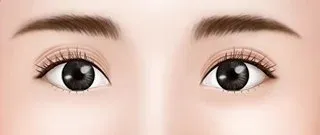
Multiple creases
This is a condition in which unnecessary wrinkles form above the double-eyelid crease due to adhesions outside the fixation area. The adhesions are completely released, and eyelid fat is repositioned to cover the area or Autologous Fat is grafted to prevent re-adhesion.
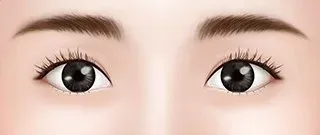
Double eyelids with creases that are too short
For a natural appearance, the double-eyelid crease should extend approximately 4–6 mm beyond the outer corner of the eye. If the crease is interrupted or appears to turn upward, the outer corner area is firmly refixed to create a naturally extending crease.
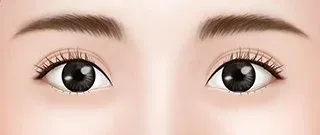
Double eyelids with prominent scars
If the scar is thickened or indented, surrounding scar tissue is removed and the area is precisely and meticulously sutured again layer by layer. Because there is a limit to the tissue that can be removed from the eyelid, the goal is to improve rather than completely eliminate the scar.
Before & After Photos
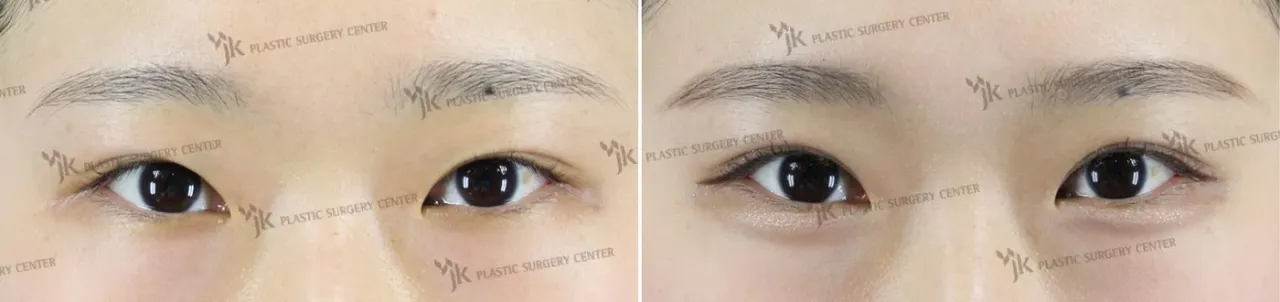
Before surgery → 3 months after surgery (Eyelid Revision Surgery)
Pre- and Postoperative Precautions
Before Surgery
· If you are receiving treatment for hypertension, heart disease, diabetes, or thyroid conditions, or are taking any medications, please be sure to inform your coordinator. · If you are receiving treatment for hypertension, heart disease, diabetes, or thyroid conditions, or are taking any medications, please be sure to inform your coordinator. · On the day of surgery, please remove contact lenses, jewelry, nail polish, and similar items in advance, as they may interfere with the procedure. · Please visit wearing comfortable clothing that will not irritate the surgical area. · Cigarette components may cause phlegm or sneezing and may lead to postoperative bleeding, so please refrain from smoking before surgery.
After Surgery
· You may have difficulty driving on the day of surgery.
Please Note
Complications such as postoperative bleeding, infection, and inflammation may occur, and subjective satisfaction may vary by individual. Please consult thoroughly with a specialist. Surgical methods and results may vary depending on the individual's condition and are determined through consultation with a specialist.
 JK PLASTIC SURGERY CENTER