
Implant Replacement
from 14,500,000 KRW* VAT Not Included
This procedure corrects issues following previous breast surgery, such as capsular contracture, asymmetry, implant rupture, rippling, or dissatisfaction with size or shape, by identifying the cause through breast ultrasound examination and removing or replacing the implant.
Surgery Overview
This procedure corrects problems that occur after previous Breast Augmentation—such as Capsular contracture, left-right asymmetry, Implant rupture, Rippling, and dissatisfaction with size or shape—by accurately analyzing the cause through breast ultrasound screening and then removing or replacing the Implant. As it requires more advanced skills than the initial surgery, it is performed by medical staff with extensive Revision surgery experience.

Recommended for the following individuals
· Those whose Breasts have become hard and developed Capsular contracture after surgery · Those with noticeably asymmetrical size and shape between the two Breasts · Those who wish to have a ruptured Implant removed or replaced · Those who can feel the Implant and experience wrinkling due to Rippling · Those dissatisfied with the size, shape, or feel

The final page of Breast surgery is “View.” Breast Revision Surgery requires an accurate, thorough assessment of the current condition and a plan established before surgery. Our medical staff, with extensive Revision surgery experience, perform surgery safely and help restore healthy, beautiful Breasts and confidence by caring for even the emotional distress.
Breast Revision Surgery Methods by Type
The cause is first analyzed through personalized consultation and thorough breast screening, followed by an appropriate surgical plan. If there is pain or abnormal symptoms due to Capsular contracture, Implant damage, seroma, or other issues, the Implant is removed and replaced with another Implant if necessary.
01. When Capsular contracture occurs
This occurs when the Capsule surrounding the Implant becomes excessively thick and contracts, causing hardness. The thickened Capsule is removed, and the Implant is placed in a new pocket to create a softer feel.
02. When the two Breasts are asymmetrical
After clearly assessing the Rib cage structure, the space for the Implant is precisely dissected, balanced, and replaced with a new Implant.
03. When dissatisfied with size or shape
The existing Implant is removed and replaced with an Implant in the desired size to create a satisfactory shape and size.
04. Rippling
When the Implant is strongly palpable and wrinkles are visible externally, the existing Implant is removed and replaced with an Implant suited to the body type.
05. When the Implant has ruptured
The ruptured Implant and surrounding Capsule tissue are removed, followed by cleansing to create a clean new pocket before replacement with a new Implant.
Implants Suitable for Breast Revision Surgery
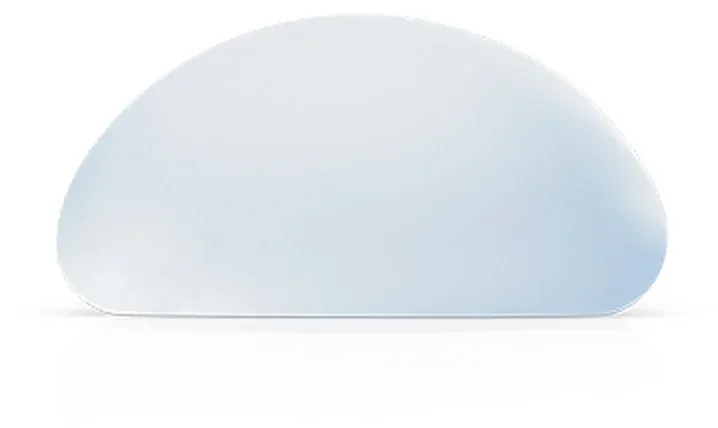
Motiva Implant
Its ergonomic design and highly viscous, elastic gel create a natural contour that responds to body movement, with a low risk of Capsular contracture.
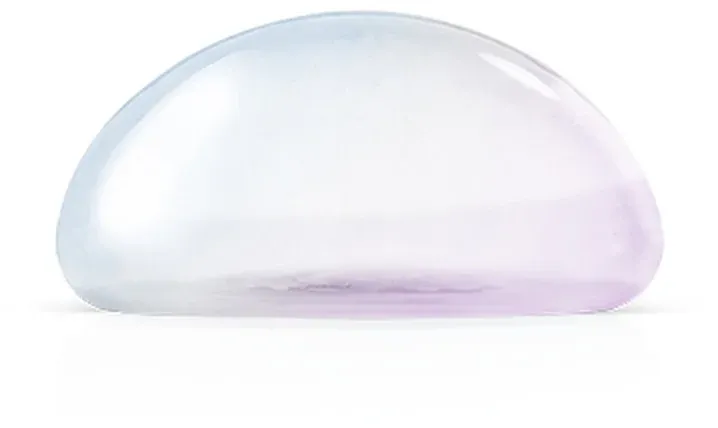
Mentor Implant
With full volume, a soft feel, and precise filling technology, detailed size selection tailored to the body type is possible even for those with a small breast circumference. Both the internal Silicone implant and outer shell are FDA-approved.
Causes of Revision Surgery Identified Through Breast Screening
· Typical Capsular contracture: The Capsule thickens along the front surface of the Implant, and the surface becomes uneven, narrowing the implant pocket; the Breast feels hard and may occasionally be painful. · Other signs of Capsular contracture: The Implant is severely folded, narrowing the implant pocket. · Implant flipping: A patch on the base is observed, and if subcutaneous fat is thin, abnormalities in shape and feel may occur. · Saline Implant rupture: The saline has been absorbed, leaving only the implant shell. · Cohesive gel rupture: A snowstorm-like cloudy appearance is observed at the Implant site, with no particular symptoms in most cases. · Seroma: More than one year after surgery, fluid may suddenly accumulate around the Implant, causing swelling, warmth, and pain.
Breast Implant Removal Procedure
STEP 1. Small incision
A small incision is made through the Areolar or Inframammary fold.
STEP 2. Implant removal
The Implant is removed through the incision.
STEP 3. Capsule assessment
The condition of the Capsule surrounding the Implant is carefully assessed.
STEP 4. Capsulectomy
After determining the extent of Capsule removal, partial or total excision is performed according to the individual's condition.
STEP 5. Suturing
After removing the Implant and Capsule, the incision is sutured.
Breast Screening Before and After Surgery
Specialists in general surgery (breast diseases) and radiology are on staff, with breast screening and treatment equipment including HD ultrasound systems, mammography, and Mammotome.
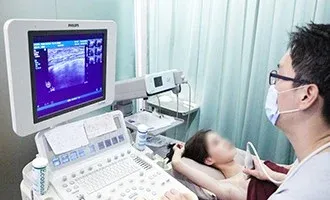
Detailed preoperative examination
The current Breast condition is assessed through a specialist examination and ultrasound screening.
Postoperative Implant assessment
We check whether the Implant has settled properly and monitor for complications such as Capsular contracture, rupture, Rippling, and seroma.
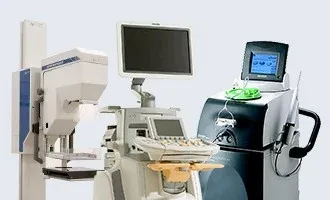
Breast Screening & Mammotome
Mammography and breast ultrasound are used to examine for Breast cancer and suspicious lesions. If necessary, Mammotome is used for tissue biopsy and lesion removal.
Scar Care to Reduce Concerns About Scars
Dermabond
Medical adhesive is used for closure to reduce scarring without suture removal.
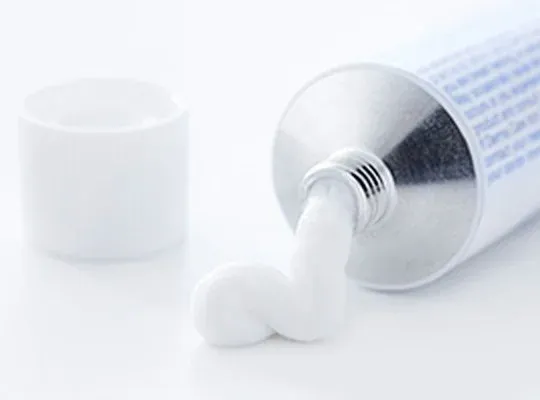
Scar cream prescription
Home care is possible with scar-reducing ointment.
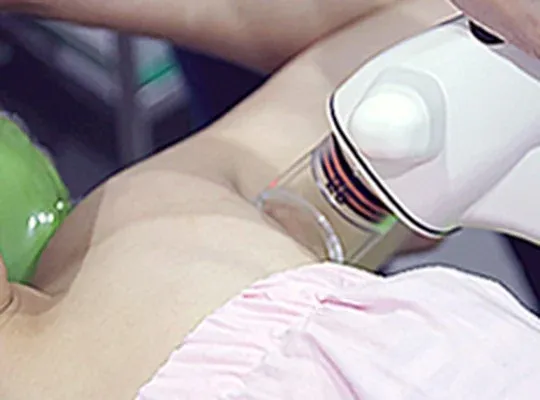
Scar laser
Treats deep layers of the skin to improve red scars.
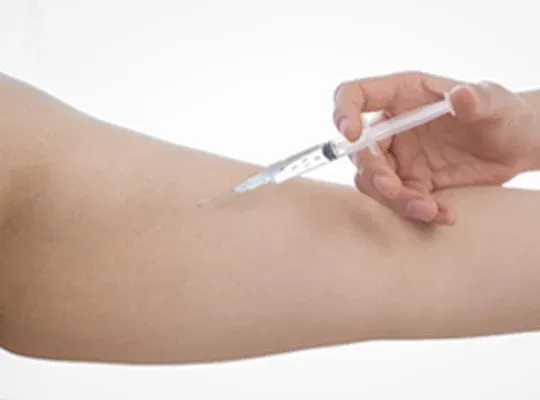
Scar injection
Helps Skin Regeneration and activates collagen to manage raised scars.
Scar Revision
Scars remaining after laser treatment and injections can be improved with surgery if necessary.
* Scar care may vary depending on the individual's condition.
Postoperative Care (Unlimited Aftercare for 3 Months)
· Day of surgery: Same-day discharge without a drainage bag (hospitalization available), pain-relief injection, and complimentary Surgical bra rental · 3–7 days after surgery: Progress check, dressing change on day 3, showering and daily activities permitted (except Periareolar incision, Breast Fold Incision, lift, and reduction procedures) · 2 weeks after surgery: Breast care education, radiofrequency or Capsulitis care · 1–3 months after surgery: Unlimited Capsulitis care; Scar Revision care begins at 3 months (up to 3 injections or laser treatments, and 1 Scar Revision procedure if needed) · 6 months–1 year after surgery: Breast screening and ultrasound examination · After 1 year: Annual breast screening available (additional cost)
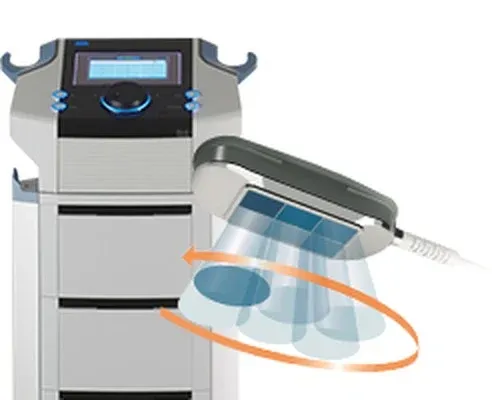
Capsulitis
A specialized Breast surgery massage device that helps prevent complications such as Capsular contracture and stabilizes the Implant.
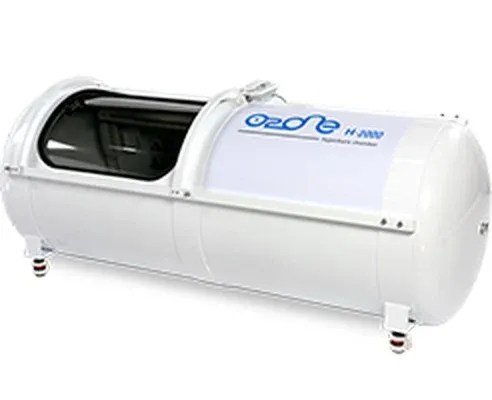
Hyperbaric oxygen chamber
A hyperbaric oxygen chamber helps support recovery.
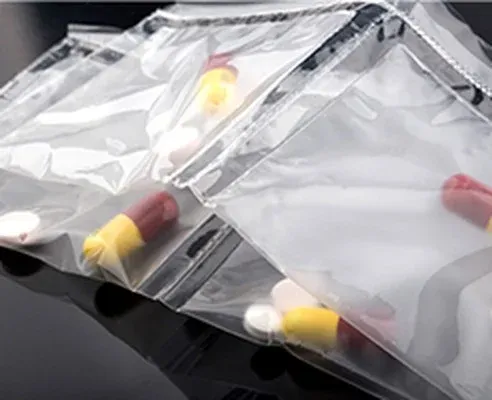
Medication prescription
* Care details may vary depending on the individual's condition, and unlimited care services apply for up to 3 months after surgery.
Frequently Asked Questions
Q. When is the best time for Breast Revision Surgery?
It is appropriate to undergo Revision surgery 6 months to 1 year after the initial surgery, once inflammation has subsided and the tissues have stabilized. However, Revision surgery due to Implant damage or deformation should be performed promptly in consultation with a specialist.
Q. How can I tell if an Implant has ruptured?
A Saline Implant rupture can be identified visually, but rupture of a cohesive gel Implant is more difficult to detect. It is recommended to check the Implant condition through breast screening once every two years after surgery.
Q. Is the pain worse than with the initial surgery?
Although this varies by individual, pain from Revision surgery is generally less because the tissues have already been expanded during the initial surgery.
Q. How does Breast shape change after Implant removal?
The Breast gradually returns to its preoperative appearance, but it may not fully return depending on the individual's condition. A thorough consultation with a specialist is needed to select an appropriate method.
Surgery Information
| Surgery duration: 1–2 hours | Anesthesia: General anesthesia | Hospitalization: Same-day discharge available | Suture removal: After 1–2 weeks | Daily activities: After 3–4 days
Please Note
Complications such as inflammation, bleeding, and nerve damage may occur depending on the individual, so caution is required. Surgical results and recovery time may vary according to individual circumstances, and the surgical method is determined through consultation with a specialist.
 VIEW PLASTIC SURGERY