Implant Complications (Show-through / Contracture / Migration)
from 5,780,000 KRW* VAT Not Included
This is a revision surgery to correct issues following previous rhinoplasty, such as dissatisfaction with the nasal contour, drooping nasal tip, implant displacement or visibility, inflammation, and deviation. After evaluating 3D CT findings, columellar arterial blood flow, and the degree of tissue fibrosis, surgical feasibility and the appropriate materials are determined.
Surgery Overview
This is a revision surgery to correct issues such as dissatisfaction with the nasal line, drooping Nasal Tip, Implant movement or visibility, inflammation, and crookedness after previous rhinoplasty. After assessing 3D-CT findings, Columella artery blood flow, and the degree of tissue fibrosis, surgical eligibility and materials are determined.

We identify issues from the previous surgery and proceed safely while minimizing tissue damage.
What Makes Wonderful Rhinoplasty Revision Special

· Precise cause analysis · One-on-one customized Rhinoplasty Revision · Selection of a suitable Implant · Ongoing progress monitoring
Recommended Timing for Rhinoplasty Revision
Rhinoplasty Revision is not recommended during the period from 1 month to 1 year after the initial surgery, when tissues are stabilizing. It is recommended after at least 1 year has passed. Rhinoplasty Revision is more complex than the initial procedure, and the process may vary significantly depending on the cause and condition of the nose.
Requirements for Wonderful Rhinoplasty Revision
Before Rhinoplasty Revision, a detailed diagnosis is performed to closely assess the condition of the Columella artery and the degree of tissue fibrosis. If blood flow through the Columella artery is significantly reduced or tissue fibrosis is severe, the medical team carefully determines whether to proceed with surgery, prioritizing safety and effectiveness.
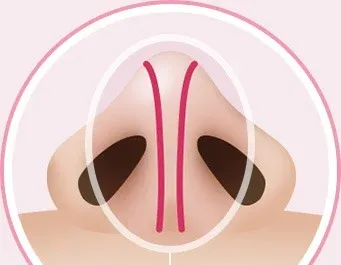
Blood flow refers to the movement of blood through blood vessels. The Columella artery is a major nasal blood vessel that supplies blood from the lips to the Nasal Tip.
Wonderful Rhinoplasty Revision POINTS
Point 1. 3D-CT for Detailed Internal Nasal Assessment
3D-CT enables accurate identification of issues from previous surgery and structural nasal problems. It helps optimize functional improvements along with aesthetic enhancement and supports precise surgery tailored to each individual's needs.
Point 2. A Wide Range of Material Options
We have extensive understanding and experience with a broad range of materials, including Silicone implant, Ear Cartilage, Septal Cartilage, Donor Rib Cartilage, Autologous Rib Cartilage, and artificial dermis. When using Autologous Tissue, we have the expertise and technical skill to harvest it through minimal incisions and refine it precisely.
Point 3. Customized Rhinoplasty Revision Methods
We comprehensively analyze the current nasal condition, desired outcomes, presence of Capsular contracture, Cartilage condition, and anatomical characteristics to develop an optimal surgical plan.
Rhinoplasty Revision Solutions by Type
CASE 01. Dissatisfaction with the Existing Nasal Line
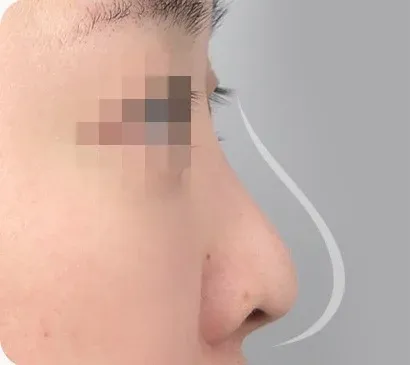
Dissatisfaction with the nose shape over time · SOLUTION: Identify the desired nasal line and correct it with Autologous Cartilage or an Implant, taking facial shape and proportions into account.
CASE 02. Drooping Nasal Tip
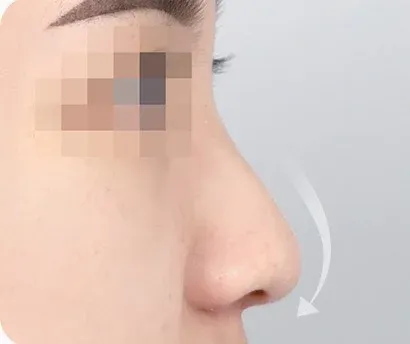
The support structure for the Nasal Tip weakens, causing the tip to droop. · SOLUTION: Create a sturdy support structure using Cartilage to prevent the Nasal Tip from drooping.
CASE 03. An Unnatural Appearance Due to a High Nasal Bridge
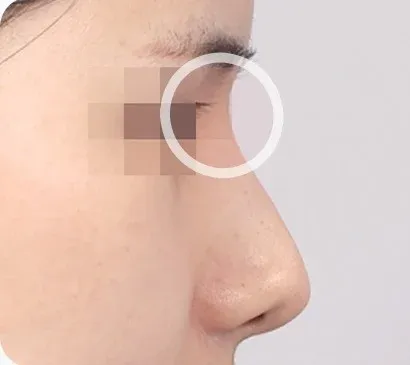
An excessively high Implant on the Nasal Bridge causes facial imbalance. · SOLUTION: Remove the Implant and correct it by adjusting the Implant's height, length, and position to suit the facial shape and proportions.
CASE 04. A Crooked-Looking Nose
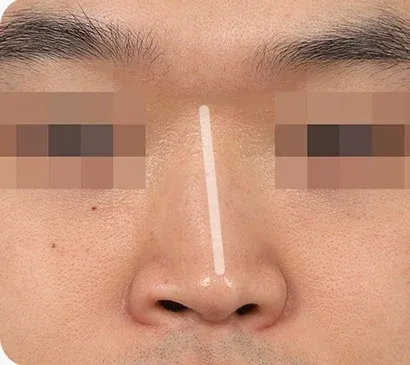
The Implant placed over the nasal bone does not fit the nasal shape and shifts to one side. · SOLUTION: Carefully shape the Implant where it contacts the nose so it fits properly and does not shift to one side.
CASE 05. Inflammation
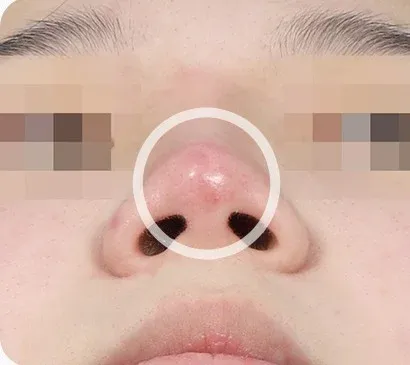
The Nasal Bridge and Nasal Tip become red and inflamed after surgery. · SOLUTION: Proceed after treatment such as antibiotic injections or Implant removal, depending on the inflammatory condition. (If inflammation occurs, treatment of the inflammation takes priority, and a revision plan is established once the tissue has stabilized.)
CASE 06. Implant Movement
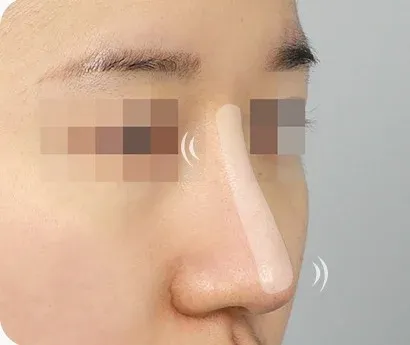
The Implant moves because it is not positioned between the bone and periosteum. · SOLUTION: Correct by placing the Implant precisely beneath the periosteum.
CASE 07. Visible Implant
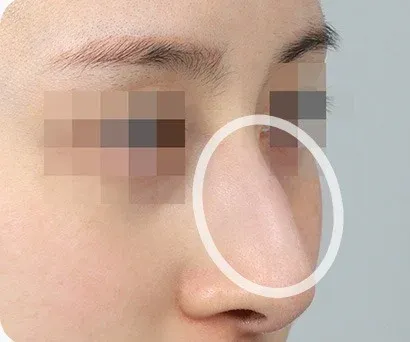
The skin becomes thinner over time, making the Implant visible. · SOLUTION: Remove the Implant and correct the nasal line as desired using Autologous Tissue.
Wonderful Rhinoplasty Revision Reviews
CASE 01. Dissatisfaction with the Existing Nasal Line
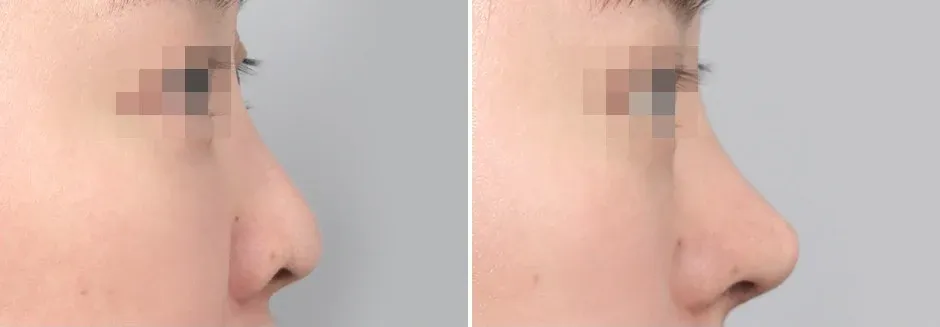
Before surgery → 1 month after surgery
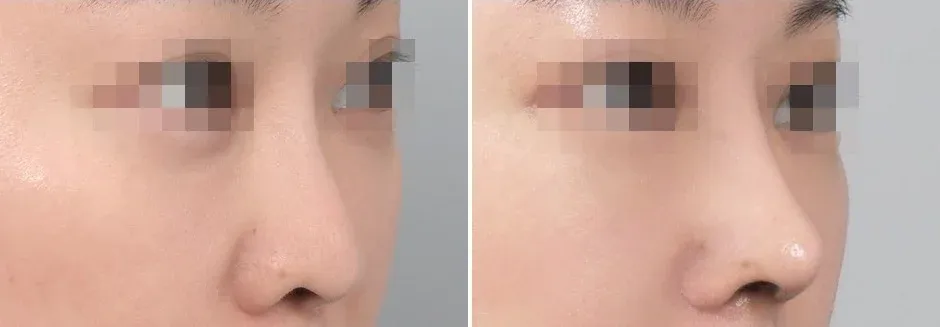
Before surgery → 1 month after surgery
CASE 02. Drooping Nasal Tip
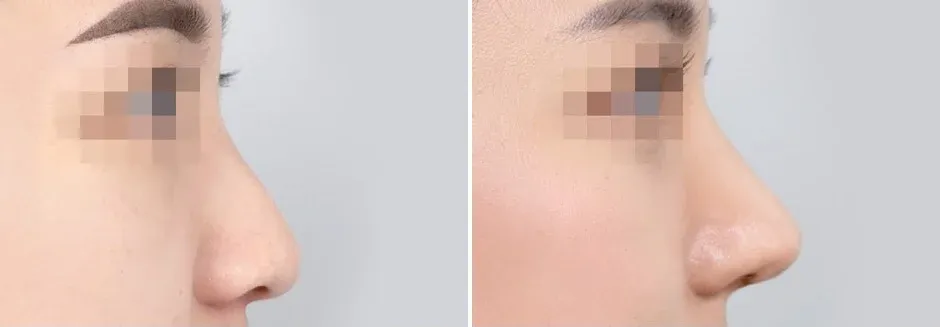
Before surgery → 1 month after surgery
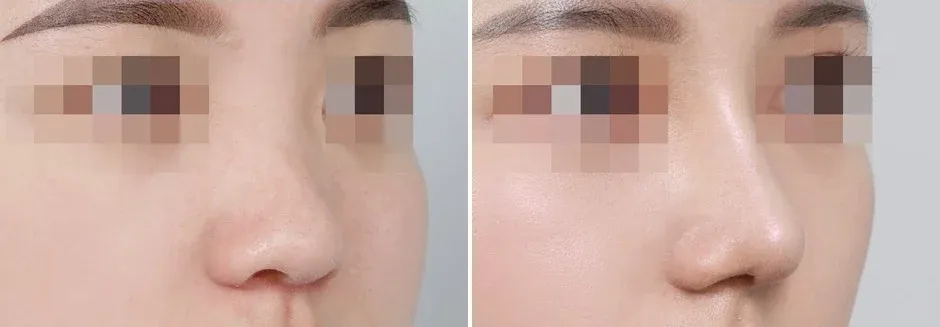
Before surgery → 1 month after surgery
CASE 03. An Unnatural Appearance Due to a High Nasal Bridge
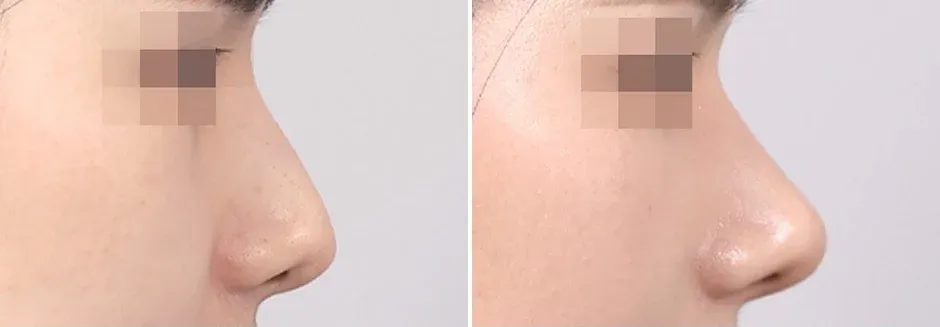
Before surgery → 1 month after surgery
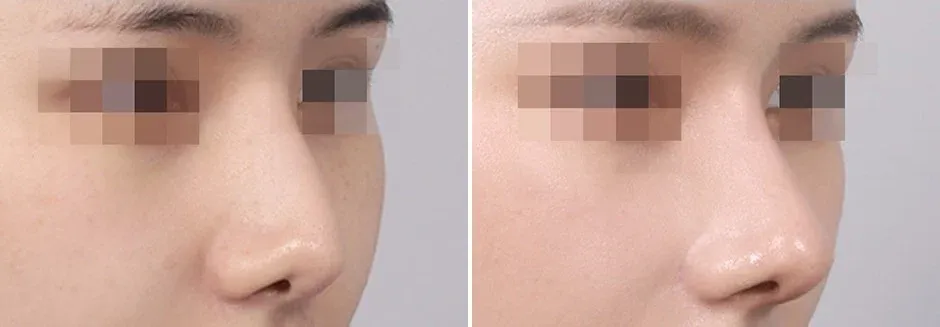
Before surgery → 1 month after surgery
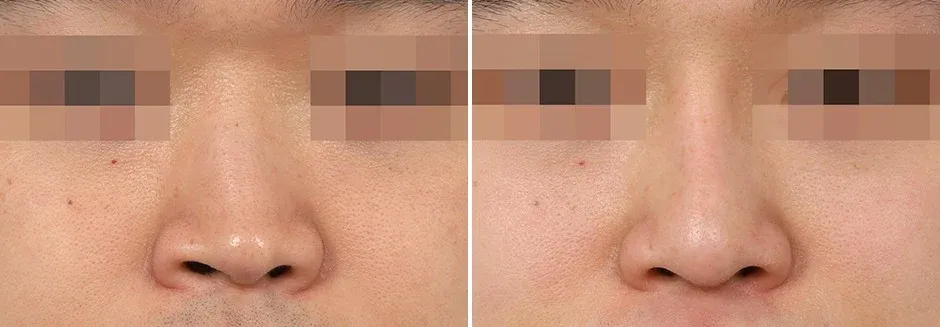
CASE 04. A Crooked-Looking Nose Before surgery → 1 month after surgery
CASE 05. Nasal Inflammation
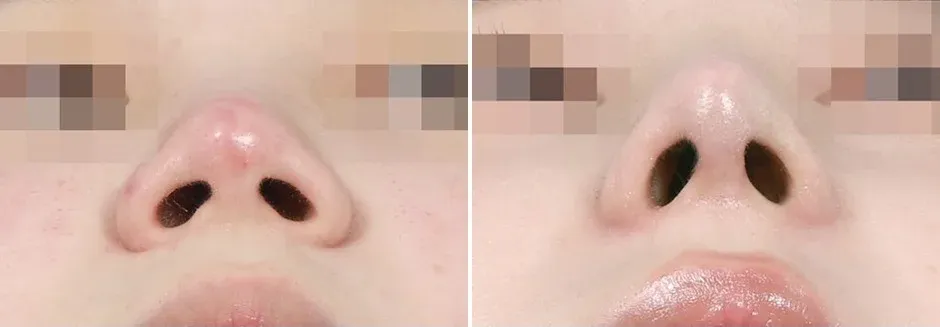
Before surgery → 1 month after surgery
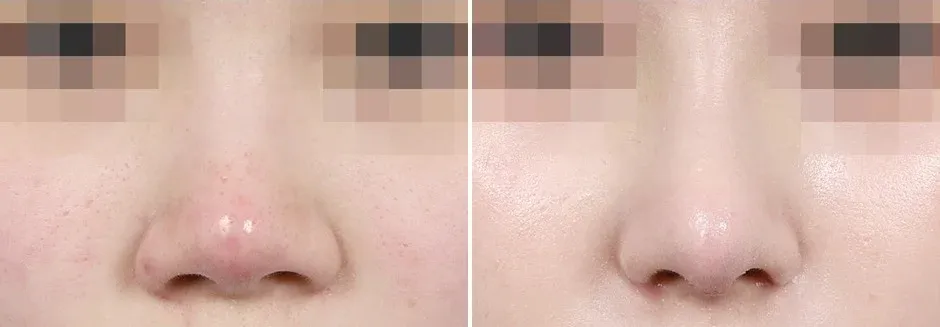
Before surgery → 1 month after surgery
CASE 06. Implant Movement
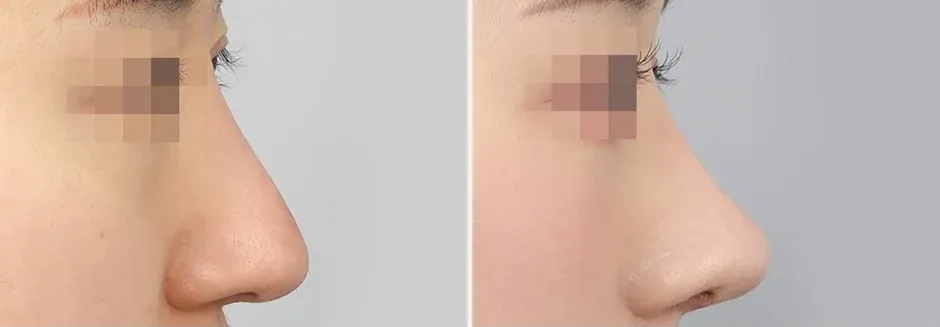
Before surgery → 1 month after surgery
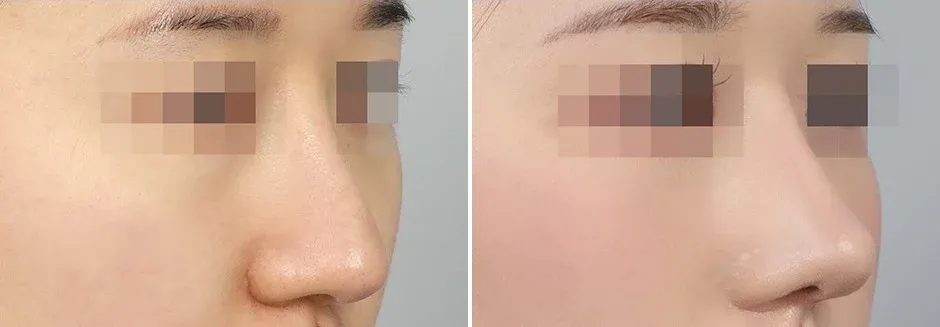
Before surgery → 1 month after surgery
CASE 07. Visible Implant
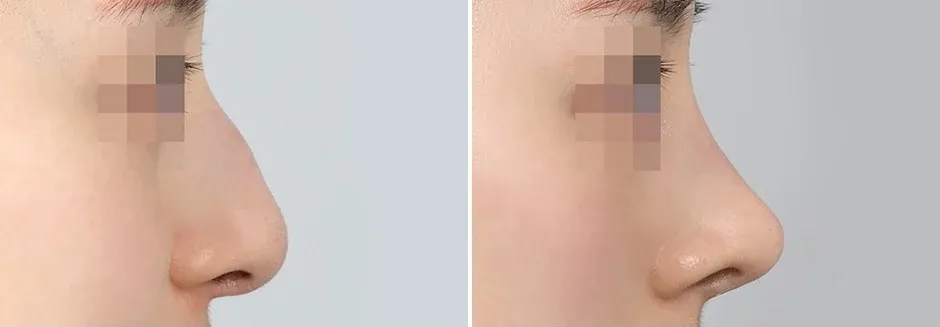
Before surgery → 1 month after surgery
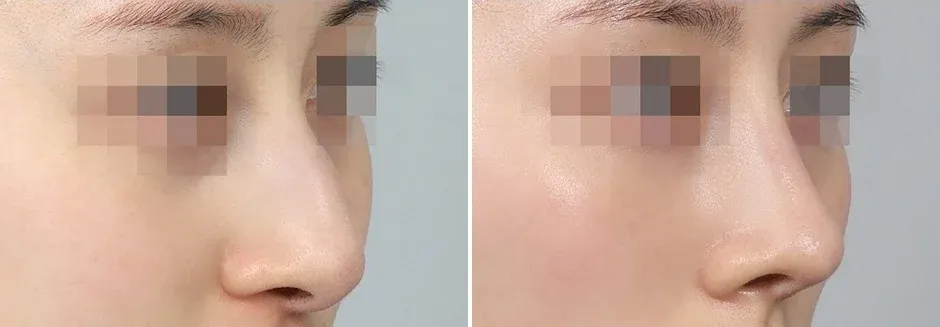
Before surgery → 1 month after surgery
Wonderful Rhinoplasty Revision Procedure
With the extensive experience and expertise of board-certified plastic surgeons, we create a natural nasal line that harmonizes with facial proportions through one-on-one personalized consultations with the attending specialist. A systematic process is provided from the initial visit and consultation through postoperative care.
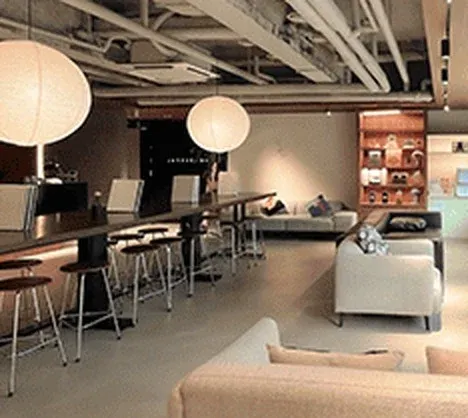
STEP 1. Hospital Visit
We welcome patients in a comfortable hospital environment.
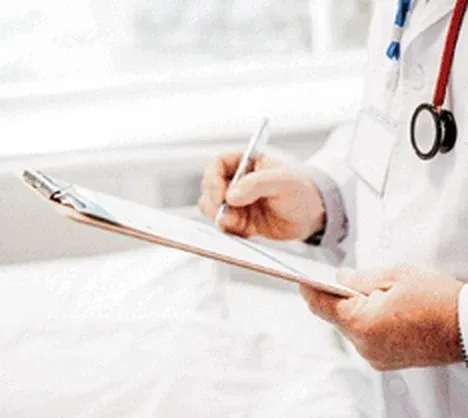
STEP 2. Medical Chart Completion
A medical chart is completed to collect personal information.
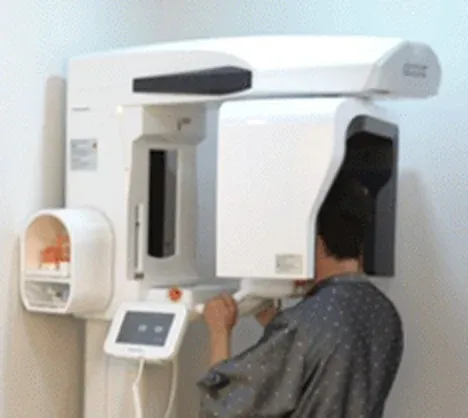
STEP 3. 3D-CT Scan
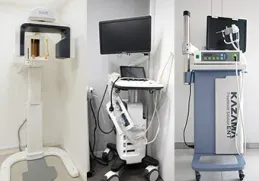
A 3D-CT scan is performed for a more accurate diagnosis.
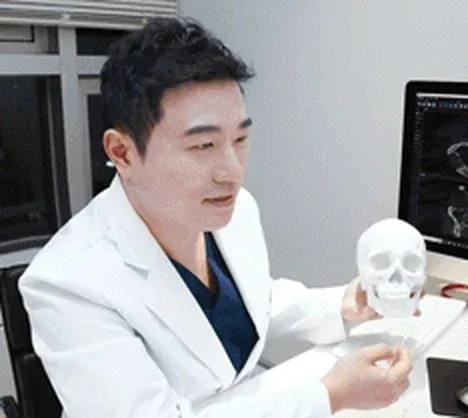
STEP 4. Consultation
Through consultation, we assess the patient's condition and fully reflect their requirements.
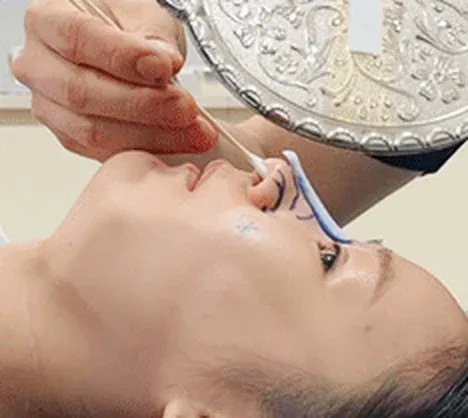
STEP 5. Surgical Plan Development
A thorough surgical plan is established based on the analysis results.
STEP 6. Surgery
The surgery is performed precisely according to the established surgical plan.
STEP 7. Surgical Results Check
We carefully check whether the surgery was performed as planned.
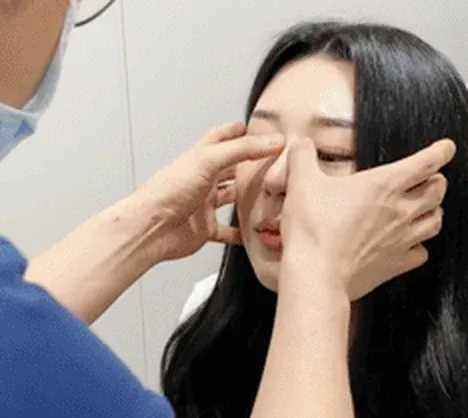
STEP 8. Postoperative Patient Condition Check
After surgery, we check for any discomfort or pain.
STEP 9. Postoperative Care
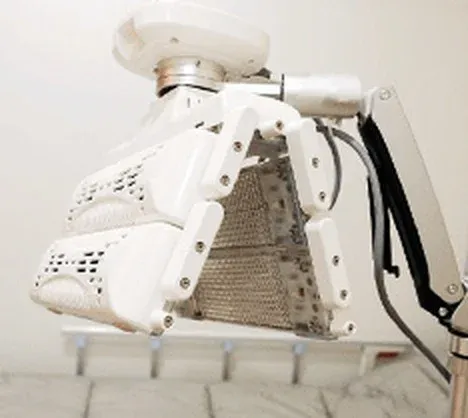
The medical team provides thorough postoperative care, including antibiotic injections and swelling-reduction laser treatment.
Surgery Information
| Surgery duration: 120 minutes | Anesthesia: Sedation anesthesia | Follow-up visits: 3 times (days 3, 7, and 14) | Nasal packing removal: Days 2–3 | Splint and suture removal: Day 7
Pre- and Postoperative Precautions
Before Surgery
· Fasting before surgery: Do not consume any food or drink, including water, candy, and gum (8 hours for general anesthesia; 6 hours for sedation anesthesia). · Please stop taking aspirin-based medications, hormonal medications, herbal medicine, and supplements 7 days before surgery. · Please refrain from alcohol and smoking for 7 days before the scheduled surgery date. · Remove all nail polish and gel nails, including nail accessories, before your visit. · On the day of surgery, shower and wash your face, then visit without makeup or contact lenses. Remove jewelry and wear comfortable clothing that is easy to change out of. · You cannot drive yourself on the day of surgery, so please use a taxi or public transportation. · Please inform us in advance if you have medical conditions such as hypertension or diabetes, allergies or adverse drug reactions, medications you are currently taking, or implanted medical devices such as a defibrillator.
After Surgery
· For 3–4 days after surgery, keep your head elevated above your heart. For 1 month, sleep on your back facing the ceiling and avoid sleeping on your side or stomach. · Swelling and bruising usually subside in about 2 weeks, and the final shape stabilizes after about 6 months. · Do not remove the tape or splint on the nose yourself. Blowing your nose and wearing glasses are permitted after 4 weeks. · Sutures on the Columella are removed after 1 week, sutures around the nostrils after 10 days, and internal nasal sutures after 2 weeks. · You may wash your Face and apply makeup around the nose starting the day after Columella suture removal. Avoid jjimjilbangs and saunas for 1 month. · Strenuous exercise that puts pressure on the Face may be resumed after 1 month. · Refrain from alcohol and smoking for 1 month after surgery, and avoid excessive exercise and stress. · Take prescribed medication at the designated times, and avoid multivitamins, especially vitamin E, and supplements for 1 month.
Please Check
Basic surgical information may vary by individual. Complications such as bleeding, infection, and inflammation may occur after surgery, and subjective satisfaction may vary from person to person. The surgical method is determined through consultation with a specialist.
 WONDERFUL PLASTIC SURGERY