Implant Complications (Show-through / Contracture / Migration)
from 4,900,000 KRW* VAT Not Included
This is a revision procedure that analyzes the cause using 3D CT and corrects it according to the specific type of issue in cases involving capsular contracture or inflammation of an implant, implant visibility or movement, nasal bridge deviation, drooping nasal tip, or dissatisfaction with the shape after previous rhinoplasty. Depending on the symptoms, implant replacement, cartilage reconstruction, and reinforcement with dermis or fascia may be planned.
Surgery Overview
This procedure is for correcting issues after previous rhinoplasty—such as Implant capsular contracture or inflammation, implant visibility, movement, a crooked Nasal Bridge, drooping Nasal Tip, or dissatisfaction with the shape—by precisely analyzing the cause with 3D CT and performing correction according to the type of issue. Depending on the symptoms, the optimal method and materials are selected, including Implant Replacement, Cartilage reconstruction, and reinforcement with dermal grafts or fascia.

Recommended for the following individuals
· Those whose skin has become thin after multiple surgeries, making the Implant and Cartilage visible · Those with a crooked Nasal Bridge or capsular contracture due to implant movement · Those whose Nasal Tip height has decreased after surgery · Those with an upturned Nasal Tip and highly visible nostrils · Those whose nose looks overly surgical and who are dissatisfied with its shape · Those who are dissatisfied with minimal changes


Identify the exact cause through a thorough examination to avoid a second revision surgery! 3D CT is used to closely examine nasal shape and structure that cannot be assessed through a standard consultation alone. After selecting surgical methods and materials appropriate for the symptoms, the procedure is designed in consideration of harmony with the overall facial features.
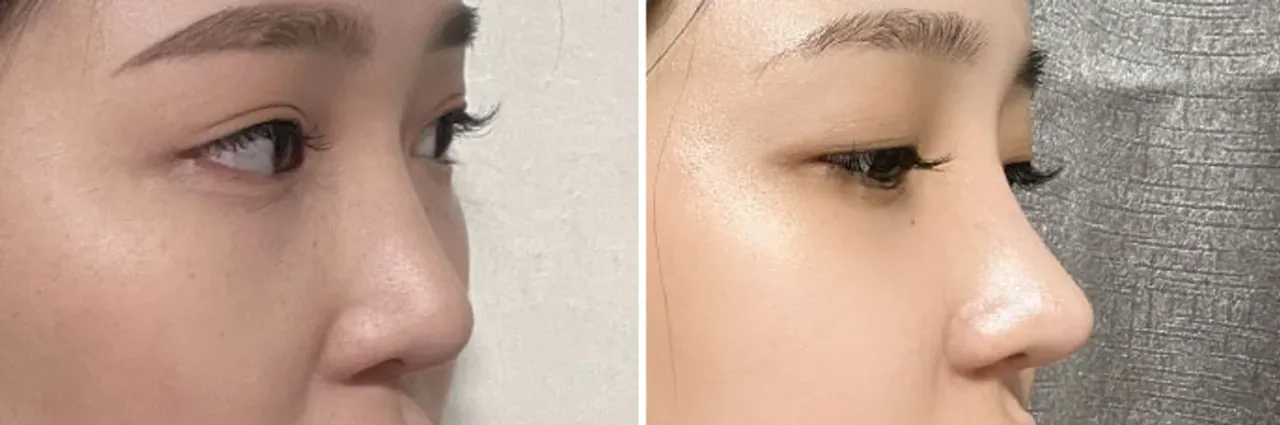
Before Rhinoplasty Revision → 2 months after Rhinoplasty Revision (left: before surgery / right: after surgery)
Rhinoplasty Revision methods by type
Implant capsular contracture and inflammation
When Implant capsular contracture or inflammation occurs, removal of the inflammation and prompt treatment are necessary. Localized inflammation may be treated with antibiotics, but when it has progressed to Implant capsular contracture, the Implant is removed promptly and revision surgery is performed using a method appropriate for the symptoms.
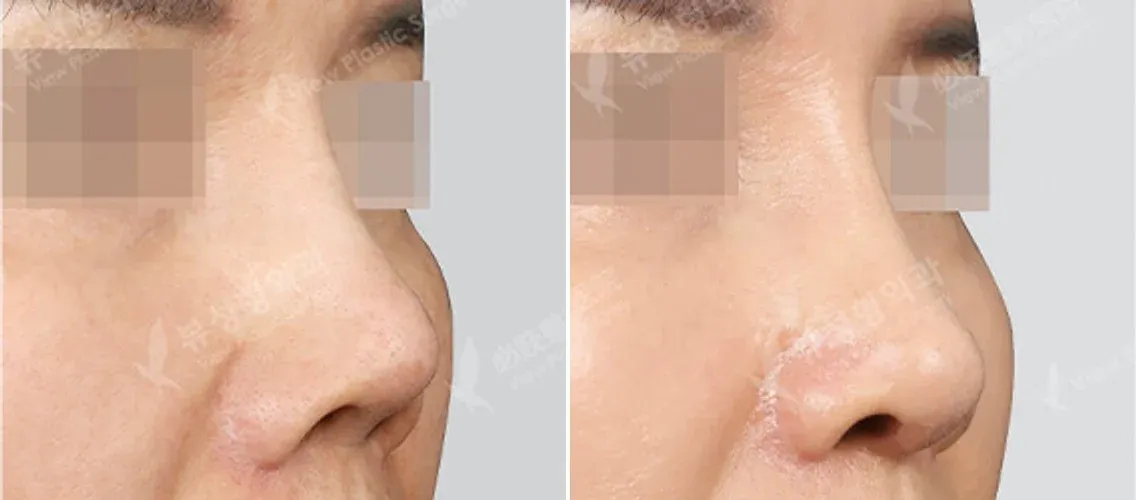
Before surgery → 3 months after surgery
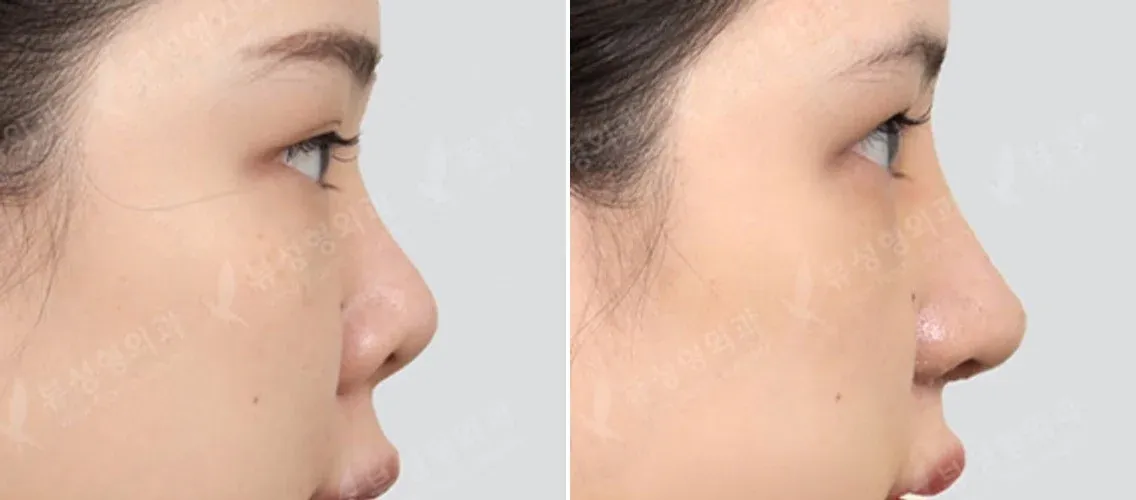
Before surgery → 2 weeks after surgery
Dissatisfaction with shape or lack of improvement
If the Nasal Bridge height is unsatisfactory or conditions such as a Bulbous Nose or Hump nose have not improved, the existing Implant is removed and replaced with an Implant suited to the desired line. If necessary, wide nasal bones are osteotomized and brought together to narrow the Nasal Bridge width for a natural correction.
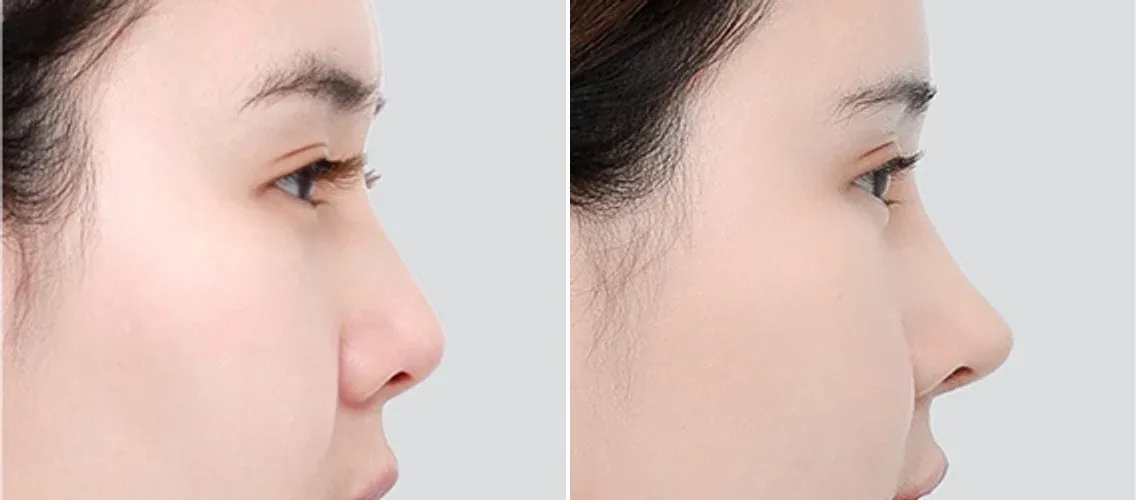
Before surgery → 7 months after surgery
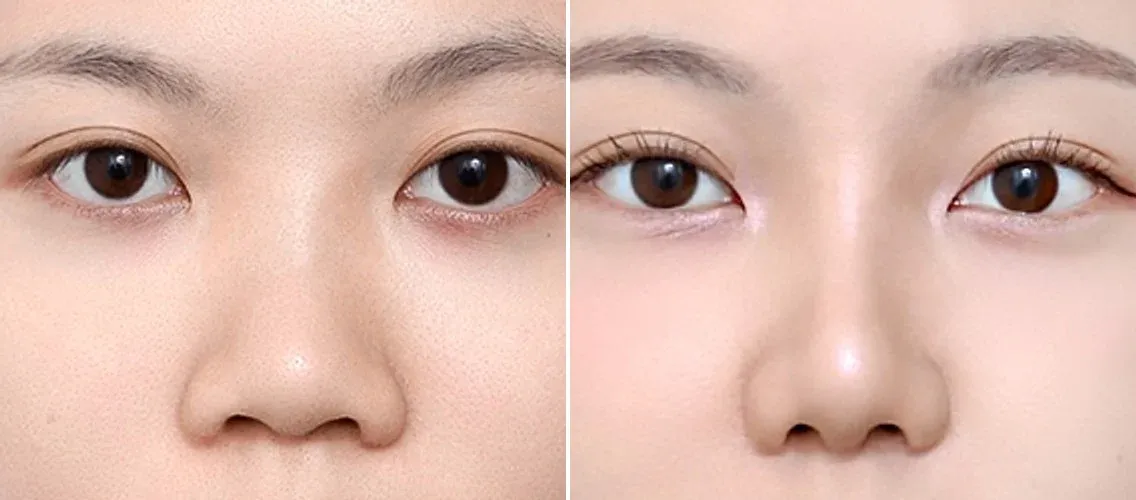
Before surgery → 3 months after surgery
Drooping Nasal Tip
When the Nasal Tip has drooped due to changes in its height and shape, Nasal Tip tissue is refined and the Nasal Tip shape is corrected using Septal Cartilage or Ear Cartilage. If the Nasal Tip has significantly lowered, the underlying structure is rebuilt to strengthen the Nasal Tip framework and reduce recurrence.
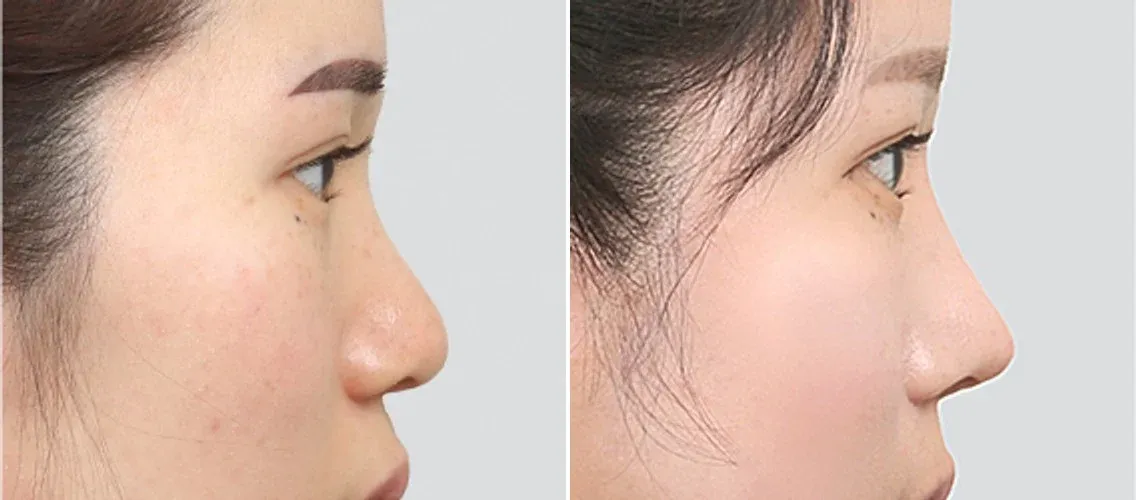
Before surgery → 1 year and 1 month after surgery
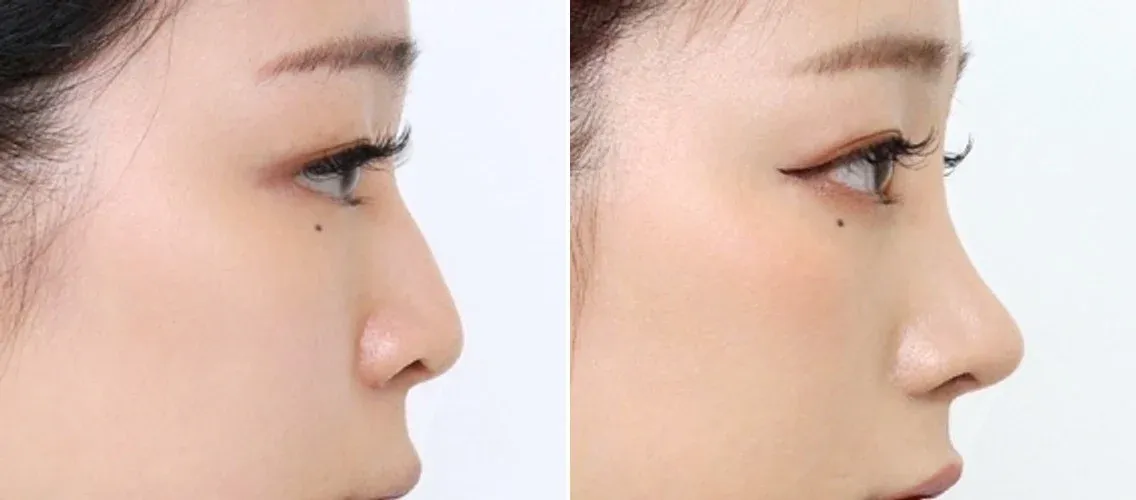
Before surgery → 6 months after surgery
Upturned Nasal Tip and uneven nostrils
An excessively elevated Nasal Bridge and Nasal Tip are lowered to an appropriate height, then securely fixed to prevent collapse of the Columella pillar, while the proportions of both nostrils are adjusted for correction.
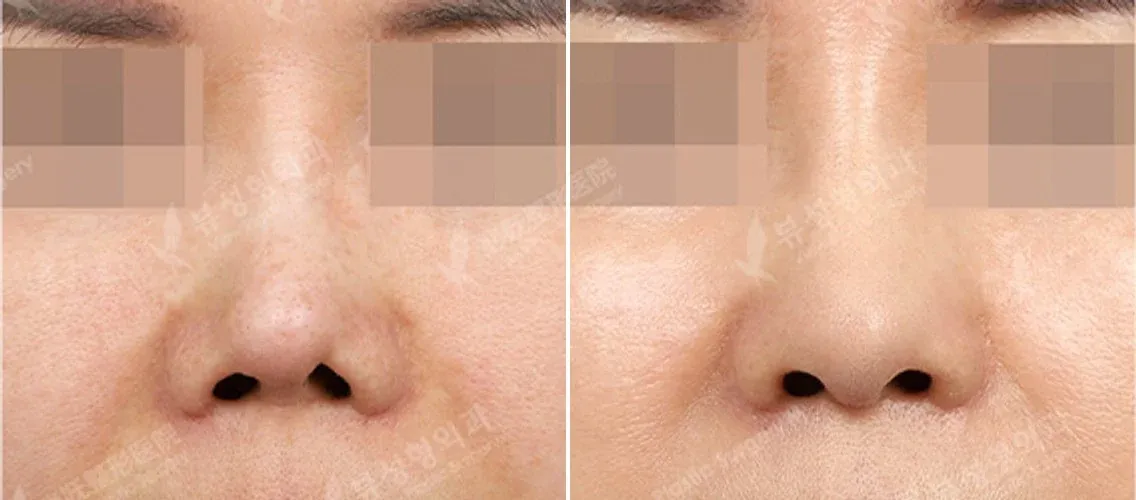
Before surgery → 3 months after surgery
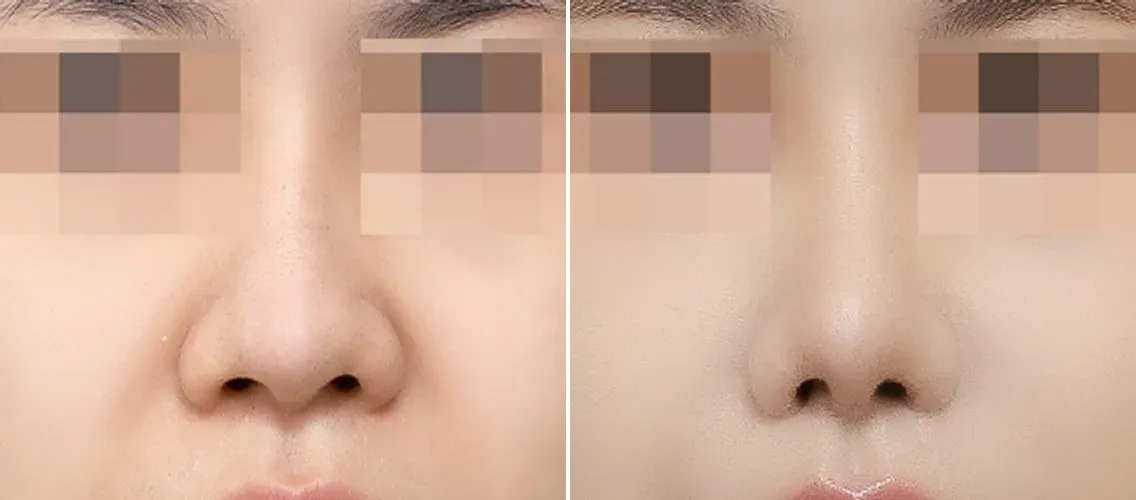
Before surgery → 4 months after surgery
Crooked Nasal Bridge
The pocket is precisely dissected, asymmetry of the Soft Tissue and facial skeletal framework is assessed, and a customized Implant is reinserted to correct the Nasal Bridge.
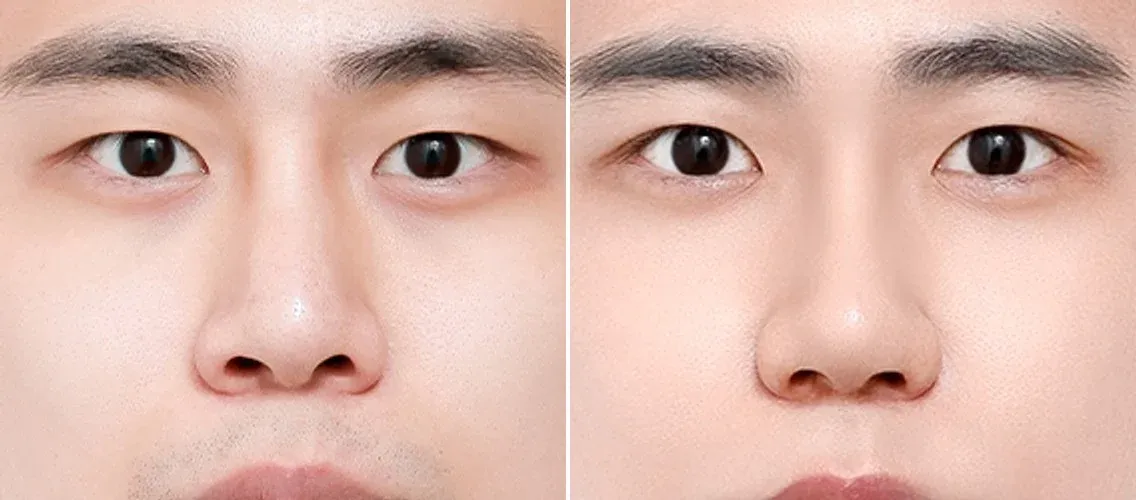
Before surgery → 6 months after surgery
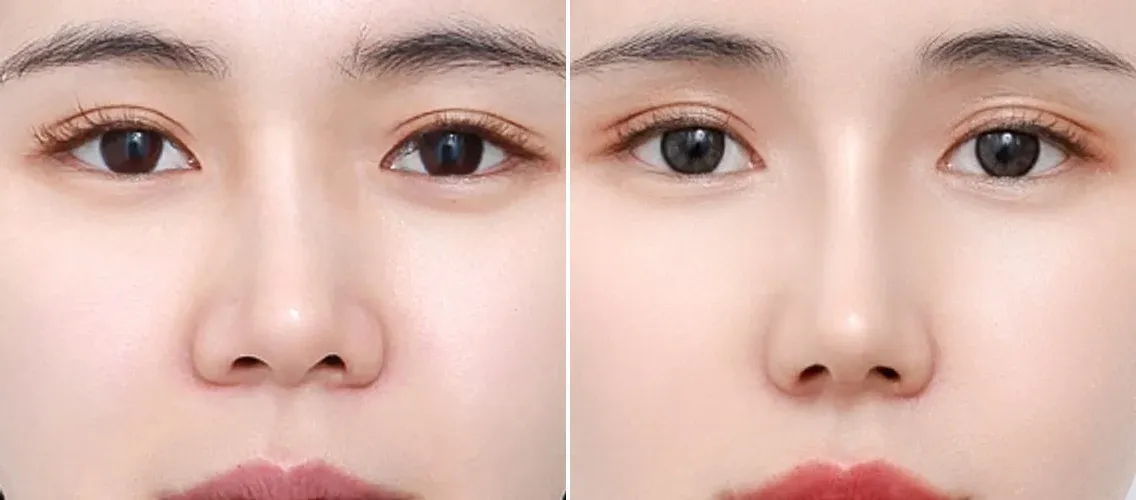
Before surgery → 7 months after surgery
Implant visibility
The Implant height is lowered or it is replaced with a thinner Implant. If the skin is too thin, the Implant may be wrapped with a Dermal Graft or fascia to correct visibility.
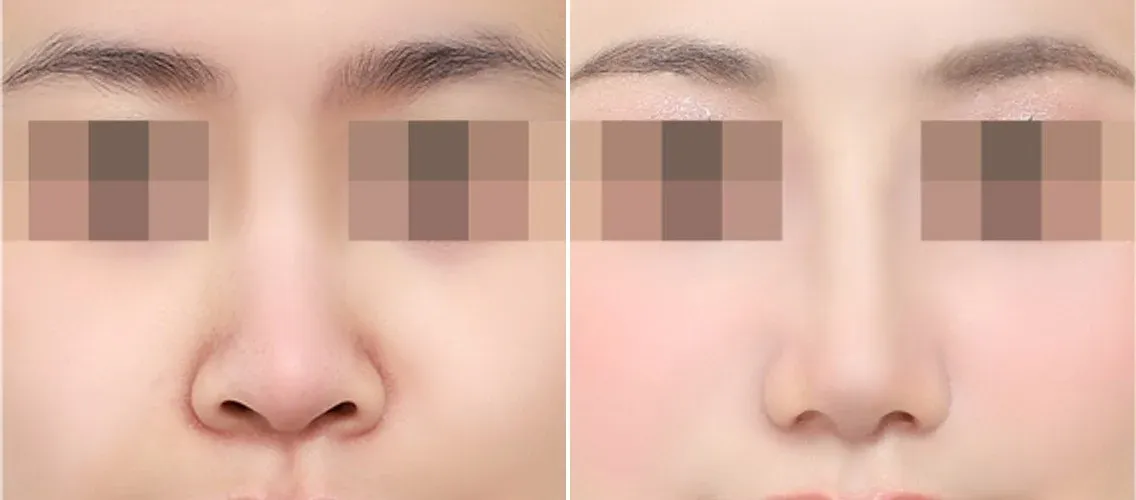
Before surgery → 3 weeks after surgery
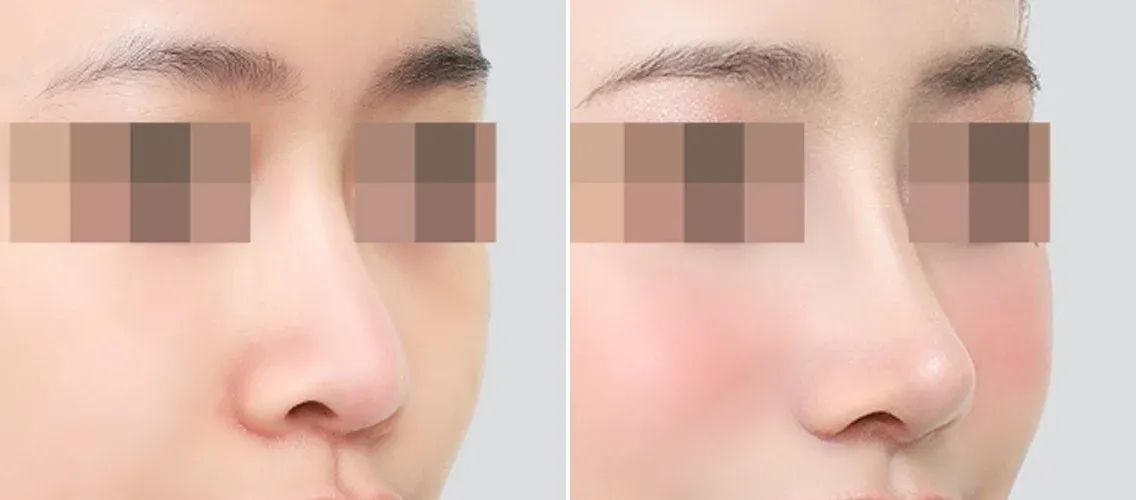
Before surgery → 3 weeks after surgery
Implant movement
If the Implant moves to either side or shifts downward, the pocket is precisely dissected, asymmetry of the Soft Tissue and skeletal framework is assessed, and a customized Implant is reinserted for correction.

Before surgery → 3 months after surgery
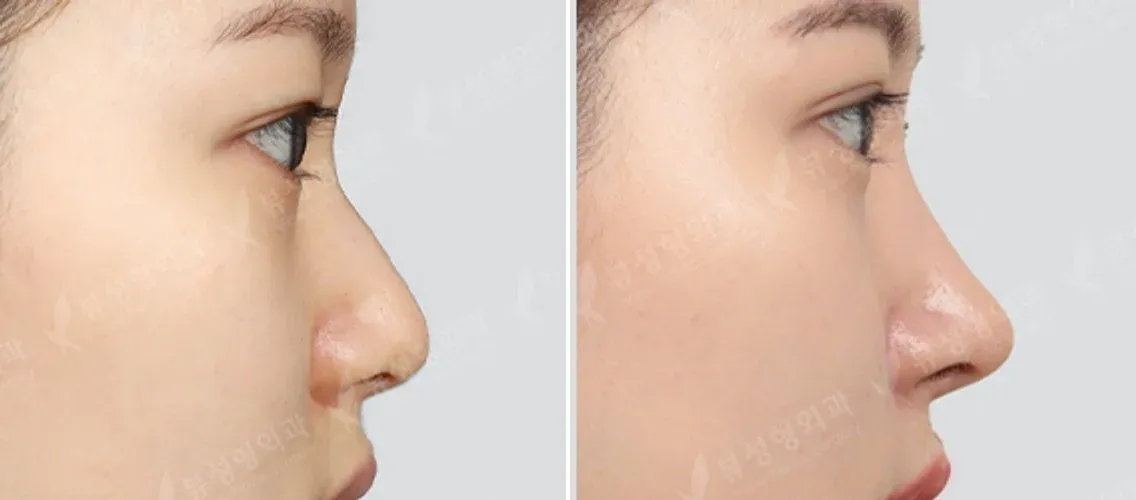
Before surgery → 1 year and 4 months after surgery
Features of View Rhinoplasty Revision
Point 1. Problem correction and ideal nasal line design
After accurately identifying the cause for revision surgery, the nose is designed with a three-dimensional nasal line that looks harmonious from every angle, considering the nasolabial angle and the shape and angle of the Columella to suit the overall facial features and face shape.
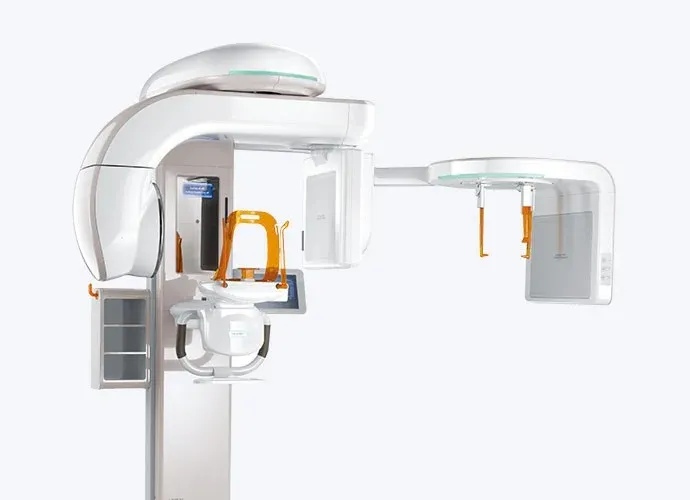
Point 2. Safe surgery through precise 3D CT diagnosis
Precise 3D CT diagnosis thoroughly analyzes the causes of failure in the previous surgery and establishes a systematic surgical plan that considers both aesthetic and functional aspects.
Point 3. Minimizing tissue damage and responsible care
A dedicated rhinoplasty medical team takes responsibility for care from consultation through surgery and progress monitoring, while an anesthesiology and pain medicine specialist monitors the patient's condition in real time during surgery.
Point 4. Personalized aftercare
After surgery, scars and swelling at the surgical site are managed with various laser and ultrasound devices according to each individual's condition.

Since 2005, expertise proven by reviews
Since opening in 2005, we have gained experience performing a wide range of cases, correcting any nose shape properly from the inside out and creating a natural yet beautiful nasal line.
Surgical process

STEP 1. In-depth consultation
A detailed consultation is provided based on the desired nose shape, line, height, and more.
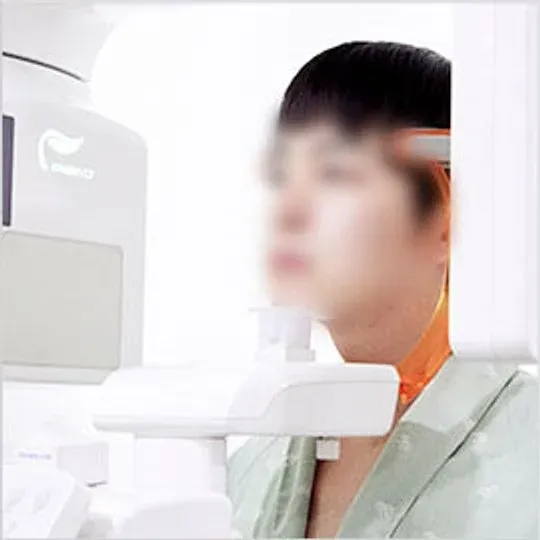
STEP 2. Comprehensive diagnosis
The overall condition of the nose is assessed before surgery and diagnosed through a thorough examination.
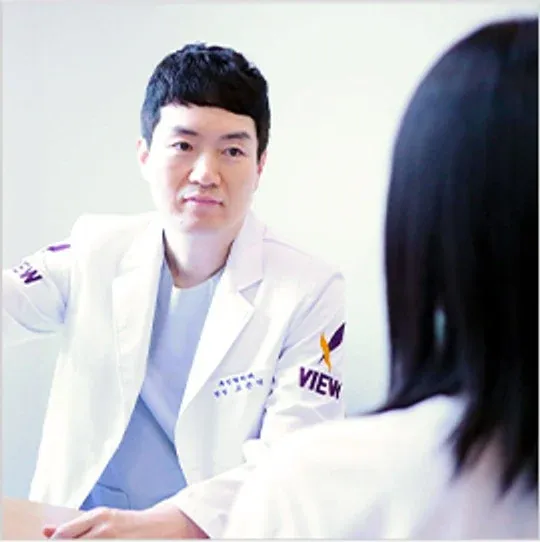
STEP 3. Design and planning
The optimal design and surgical plan are developed based on the patient's individual characteristics and goals.
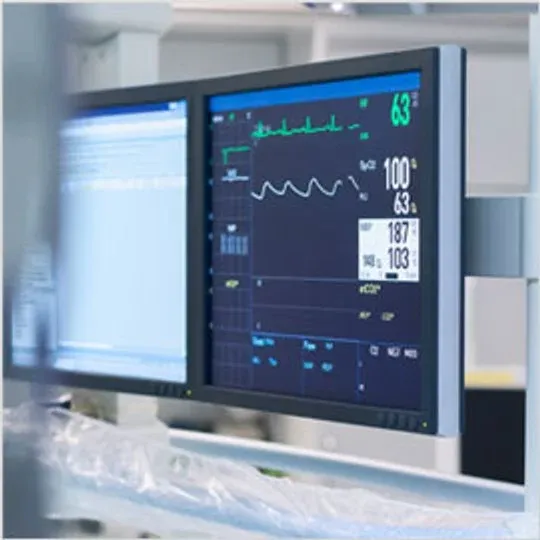
STEP 4. Safe surgery
Surgery is performed safely through collaborative care by plastic surgery and anesthesiology and pain medicine specialists.

STEP 5. Intensive care
The attending physician regularly monitors progress and provides personalized aftercare.
Surgical information
| Surgery duration: 1–2 hours | Anesthesia: Sedation anesthesia | Hospitalization: None | Suture removal: 7 days after surgery | Follow-up visits: Approximately 2 visits | Return to daily activities: After 5–7 days
Please be sure to note
Before-and-after photographs are published after being taken with the patient's consent. Surgical results and recovery periods may vary depending on the individual's condition, and the surgical method is determined through consultation with a specialist.
 VIEW PLASTIC SURGERY