
Implant (Breast Augmentation)
from 7,000,000 KRW* VAT Not Included
Breast augmentation surgery for safety, shape, size, and feel: high-resolution FHD endoscopic breast augmentation surgery
Surgery Overview
AI-generated information for reference only. Please consult a doctor for accurate, personalized advice.

Breast Augmentation methods for safety, shape, size, and feel
01
High-Resolution FHD Endoscopic Breast Augmentation
Using a high-resolution FHD endoscope to precisely perform Dissection of the implant pocket results in almost no bleeding or pain and a low risk of Capsular contracture.
POINT 01 / Beautiful, full breasts!
Customized Implant placement tailored to the individual creates more beautiful, fuller breasts.
POINT 02 / A natural, soft feel!
The results are satisfying, with breasts that feel natural and soft, as if they were your own.
POINT 03 / Reduced damage to major blood vessels and tissue!
Surgery using a high-resolution FHD Endoscope provides a precise view of the surgical area, reducing damage to major blood vessels and tissue.
POINT 04 / Minimized scars and pain!
By minimizing bleeding and reducing pain during surgery, recovery is faster and you can return to daily life sooner.
POINT 05 / Lower likelihood of asymmetry!
Precise Dissection and meticulous surgery reduce the likelihood of Breast asymmetry.
POINT 06 / Minimized Capsular contracture!
Precise surgery results in a very low likelihood of Capsular contracture.
Connective tissue between the Pectoralis major and Pectoralis minor
Precise Dissection without bleeding
02
Minimizing scars
Incisions in all areas are kept to a minimum length. While longer incisions make surgery easier, they also result in longer scars. In addition, the subcutaneous layer is meticulously sutured with absorbable threads, and the skin surface is closed with special tape, minimizing scars. You can shower from 2–3 days after surgery and avoid the discomfort of stitch removal. For an Armpit Incision, the incision is made within the natural crease at the deepest part of the Bromhidrosis area, so after sufficient time has passed, the incision mark may become virtually impossible to find.
Minimizing scars from an Armpit Incision
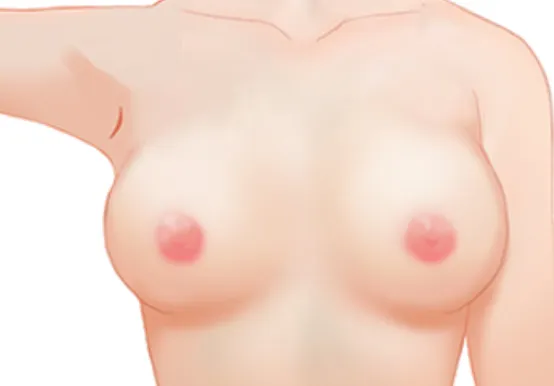
While raising and lowering the arm, the darkest crease at the deepest part of the Bromhidrosis area is identified.
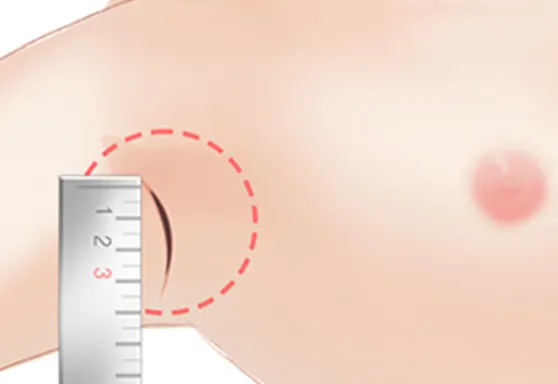
An approximately 3.5 cm incision line is marked within the deep crease so that the postoperative scar is concealed in the crease.
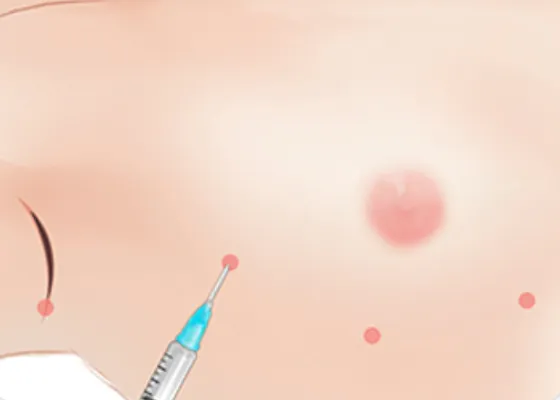
Anesthetic and hemostatic agents are injected into the Breast and Bromhidrosis area.
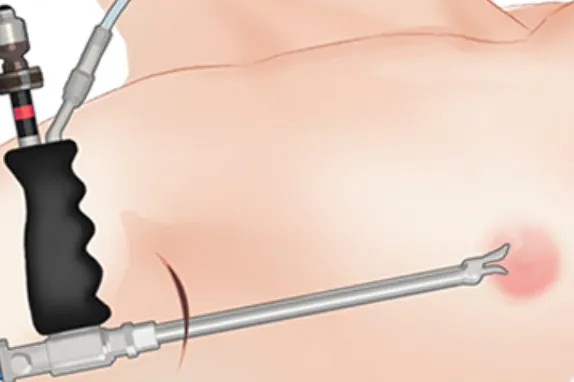
After the incision, a high-resolution FHD Endoscope is used to create the Implant pocket and insert the Implant.
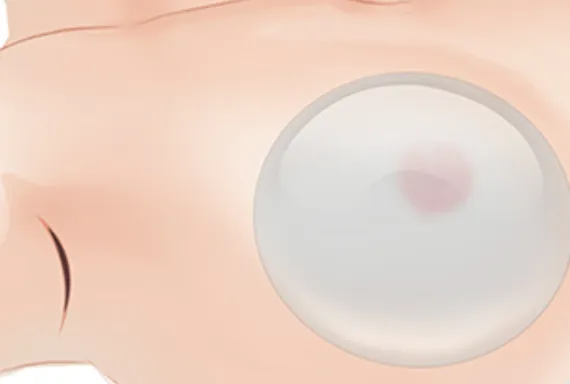
The procedure is completed by suturing with a Facial plastic surgery technique to make the scar as inconspicuous as possible.
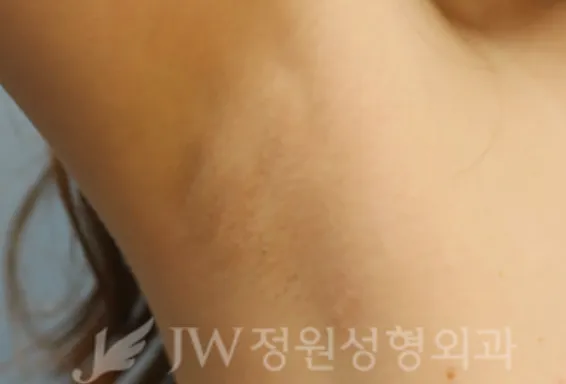
Incision mark 12 months after surgery
Minimizing scars from a Breast Fold Incision
When appropriately applied to patients with a deep inframammary fold or sufficient skin laxity, almost no scar remains.
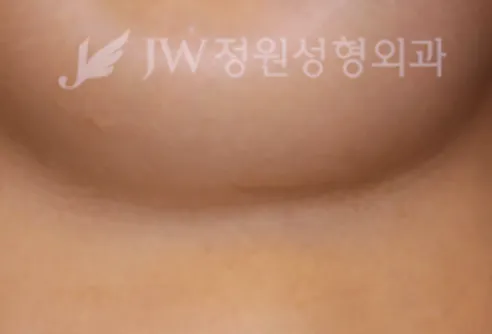
JW Garden Breast Fold Incision scar
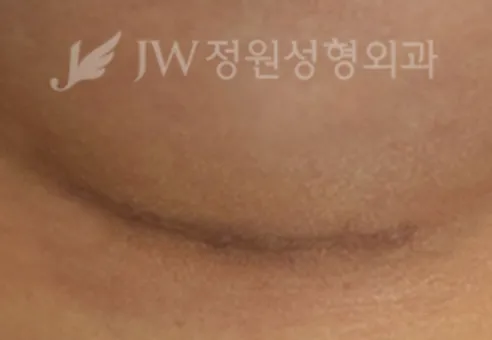
Breast Fold Incision scar from another hospital
Minimizing scars from a Periareolar incision
Unlike the conventional Periareolar incision method, which uses a semicircular incision, JW Garden performs a zigzag incision along the irregular border of the Areolar, making postoperative scars almost unnoticeable. In the case of a Breast Fold Incision, scars are also barely noticeable when performed on patients with a deep inframammary fold.
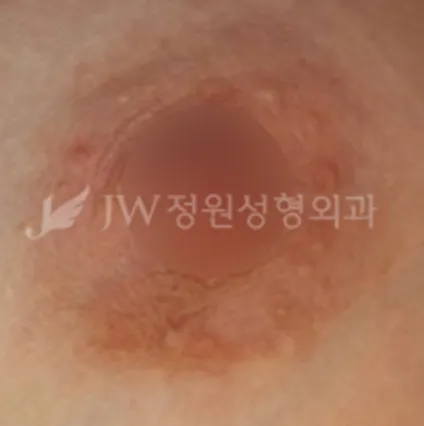
JW Garden Periareolar incision scar
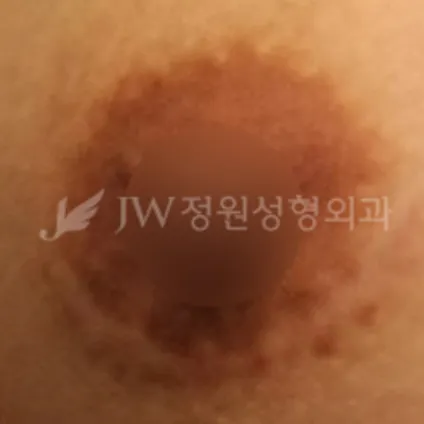
Periareolar incision scar from another hospital
03
Sizer
Before inserting the final Implant, a Sizer (an Implant used for size measurement) can be used to check volume, bilateral symmetry, and the Dissection status in advance.
STEP 01
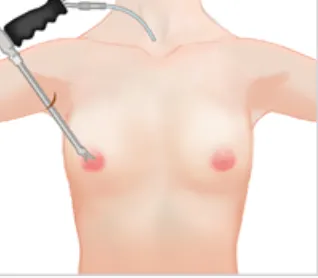
A high-resolution FHD Endoscope specifically designed for Breast Augmentation is used to create the Implant pocket.
STEP 02
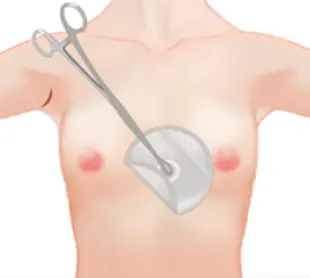
To create breasts that suit the body type, a Sizer is first inserted to check the Dissection status and determine the appropriate Implant size.
STEP 03
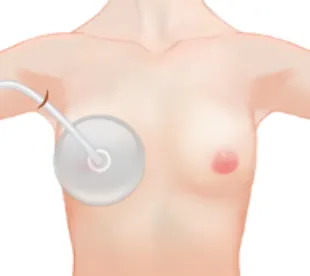
Based on the measurements obtained with the Sizer, an Implant of the corresponding size is inserted.
STEP 04
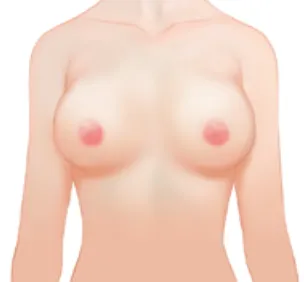
This method helps create beautiful, natural breasts and can also correct asymmetric breasts.
04
Asymmetry correction
Breast shape and volume in proportions suited to your body, not just simple enlargement
When there is asymmetry in Breast size, shape, Nipple position, degree of sagging, inframammary fold position, or the Rib cage, symmetry is recreated through methods such as using Implants of different sizes and shapes on each side, varying the degree of muscle Dissection, correcting the inframammary folds at different levels, performing different degrees of Breast Lift, or simultaneous Fat Grafting (combination Breast Augmentation).
Types of Breast Augmentation Implants at JW Garden Plastic Surgery
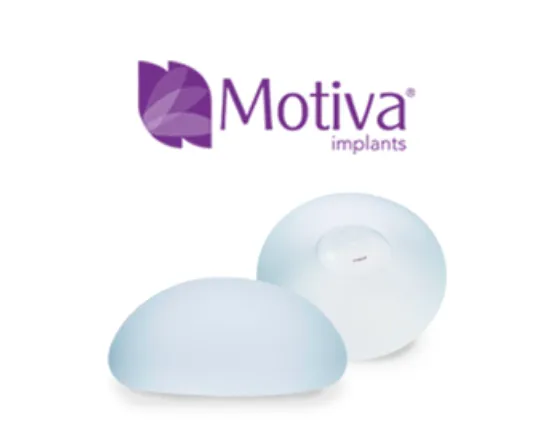
Motiva Implant
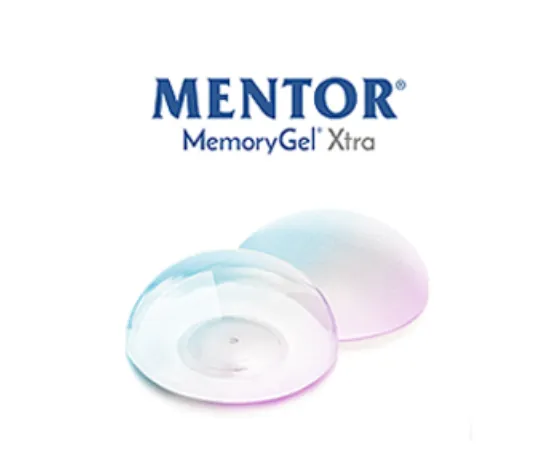
Mentor Implant
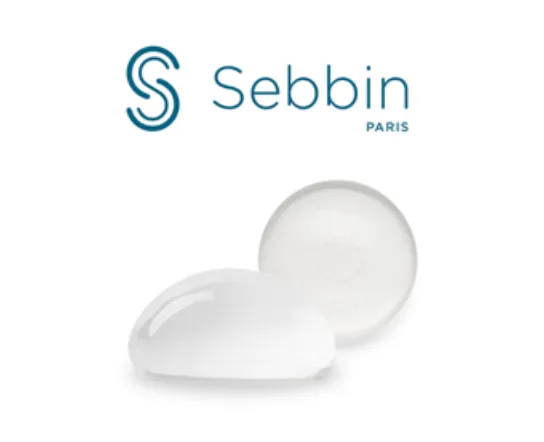
Sebbin Implant
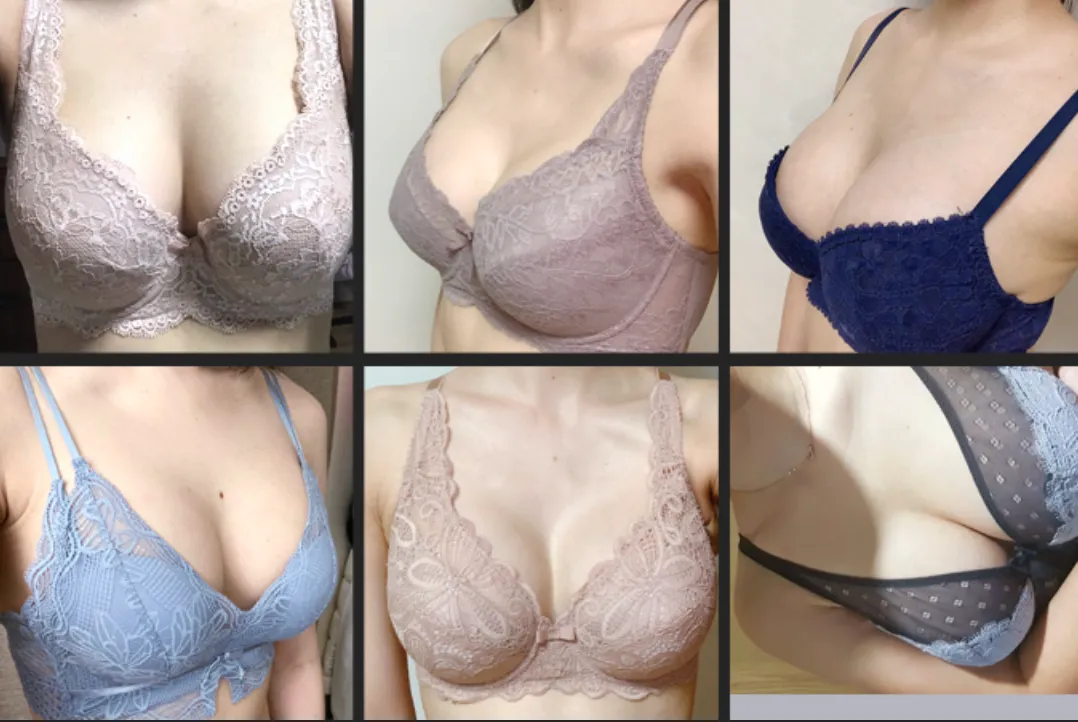
Breast Augmentation at JW Garden Plastic Surgery is
| Natural in shape
| Natural in feel
| Natural in contour
| Natural in movement
Natural
Board-certified plastic surgeons with over 21 years of experience
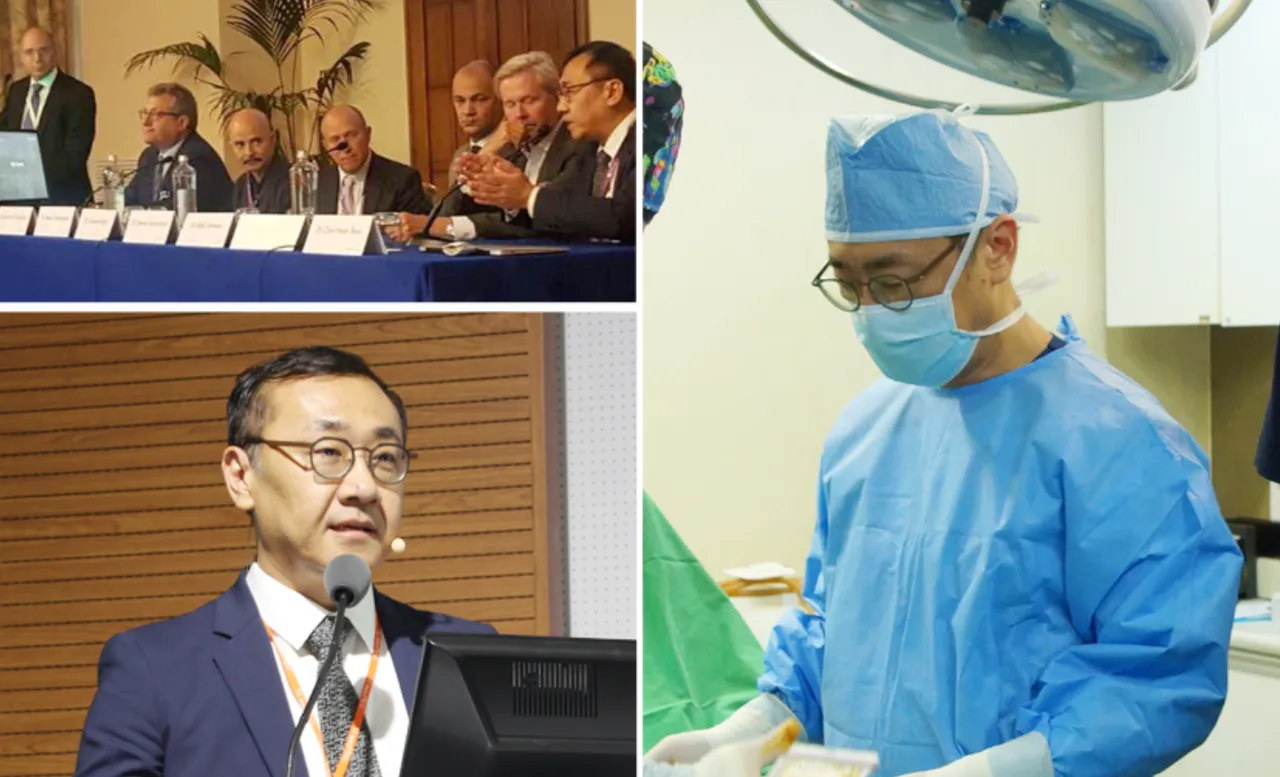
✓ Extensive experience and expertise of over 21 years
✓ Ongoing Breast Augmentation research through conference presentations and academic activities
✓ Authority in high-resolution FHD endoscopic Breast Augmentation
✓ A Revision surgery hospital recommended by medical professionals at other hospitals
✓ One-on-one dedicated management system to prevent secondary Revision surgery
Comprehensive preoperative examination for Breast Augmentation
A one-stop comprehensive examination to assess your health before surgery (blood tests, electrocardiogram, Breast X-ray, etc.) is available in-house, without needing to visit another hospital such as an internal medicine clinic.
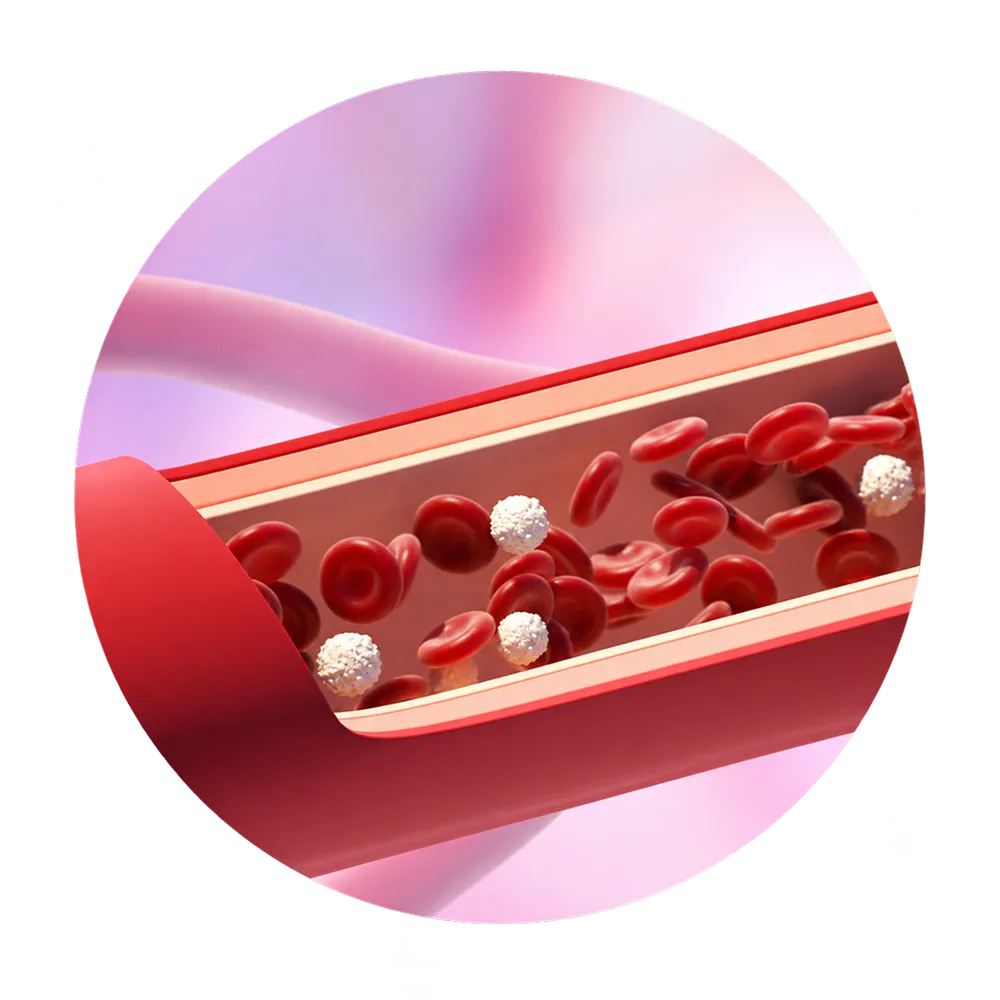
Blood test

Electrocardiogram
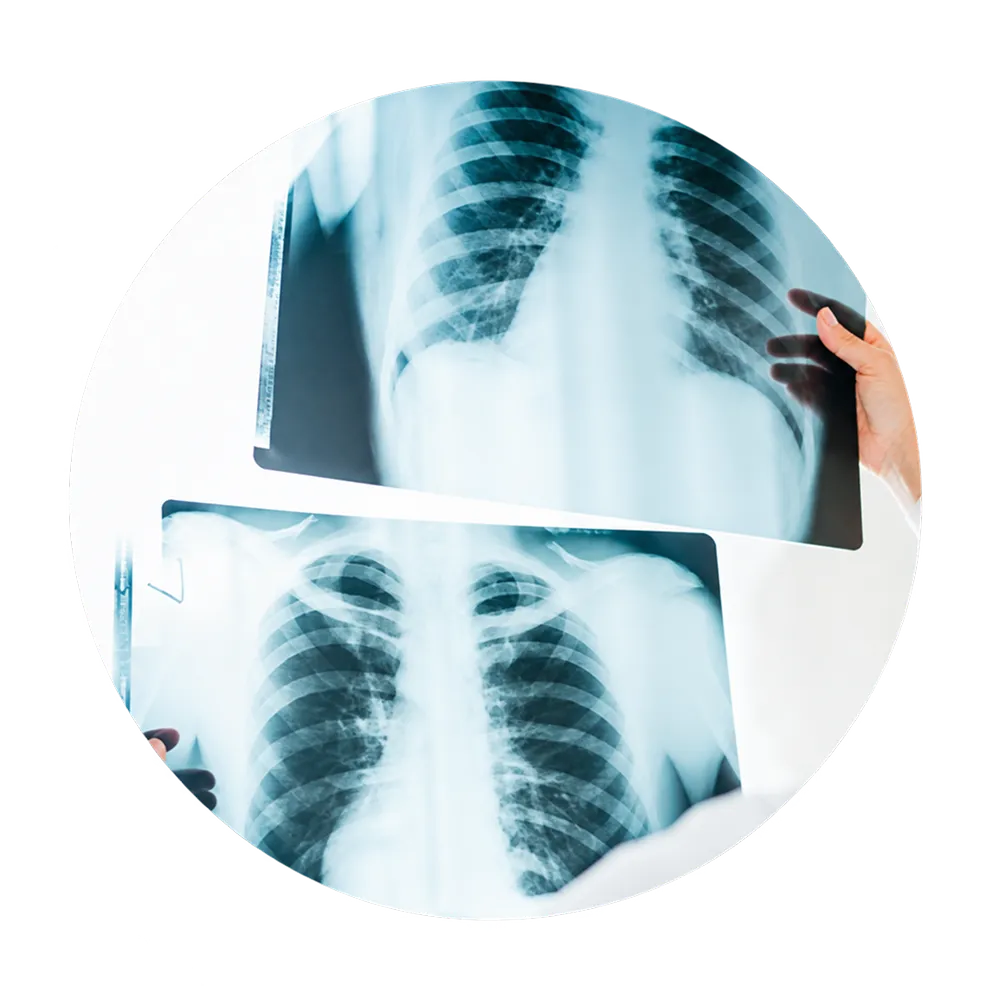
Breast X-ray
Divina Virtual Plastic Surgery
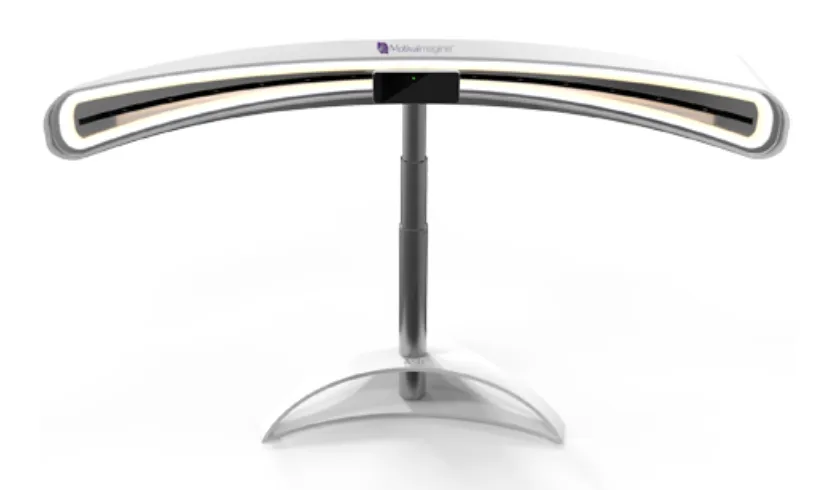
At JW Garden Plastic Surgery, accurate diagnosis and prediction of surgical results are possible using a 3D scanner.
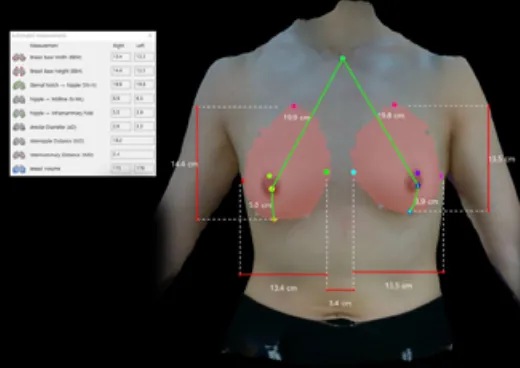
Accurate measurements
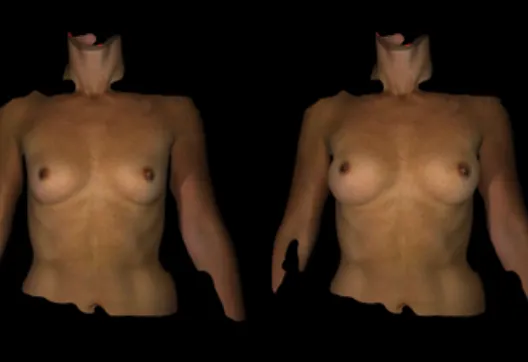
Virtual Implant placement
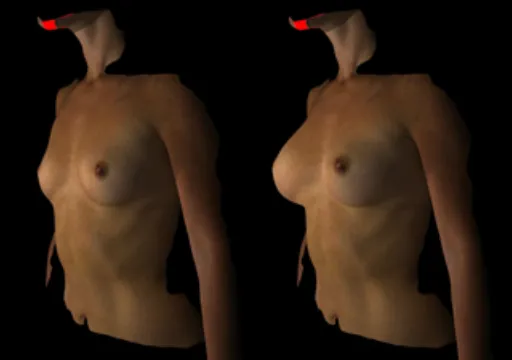
3D image viewing
Implant trial
This program lets you try on an Implant size suitable for your body along with specialized undergarments, allowing you to experience your postoperative Breast size and shape in advance.
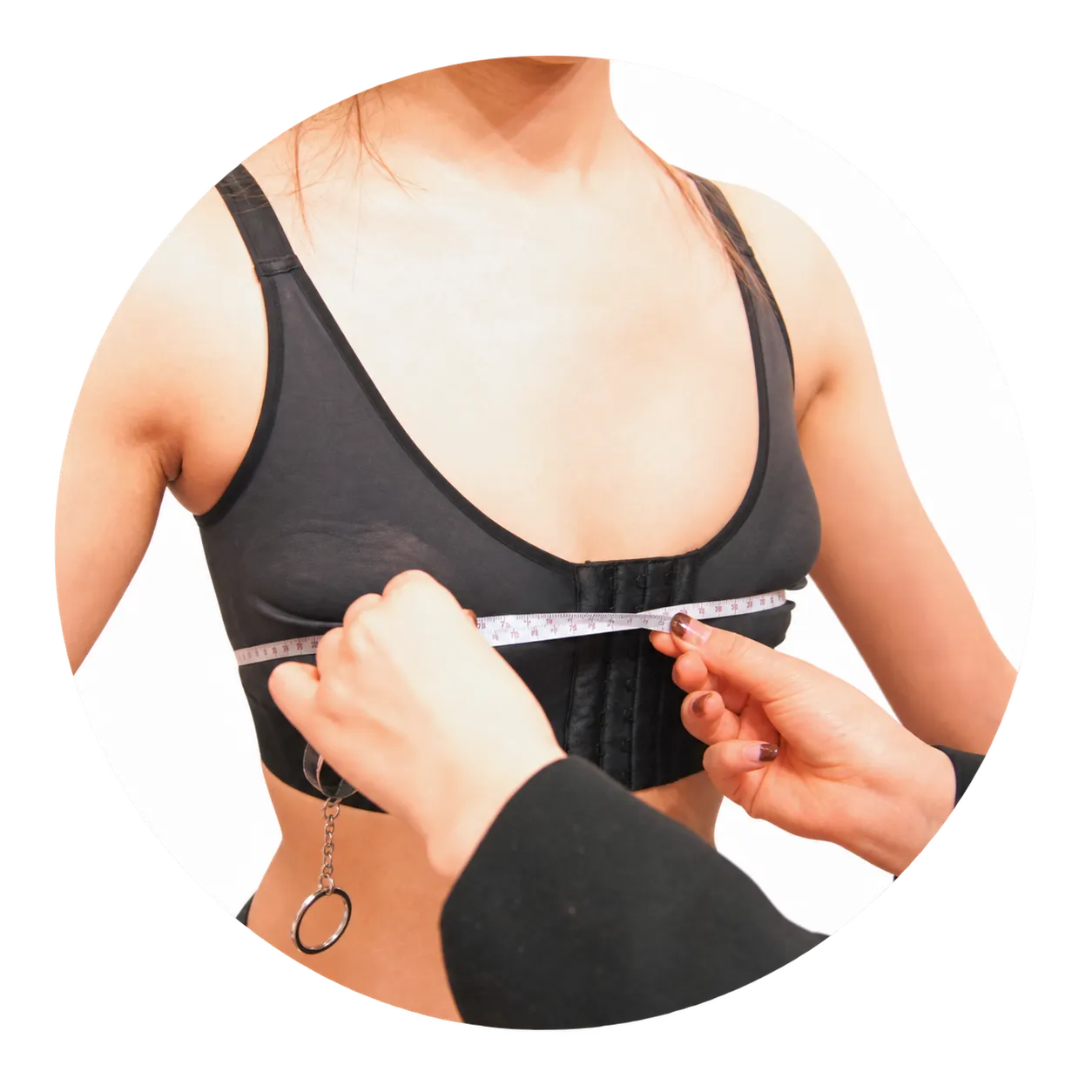
STEP 01
Accurate Breast size measurement
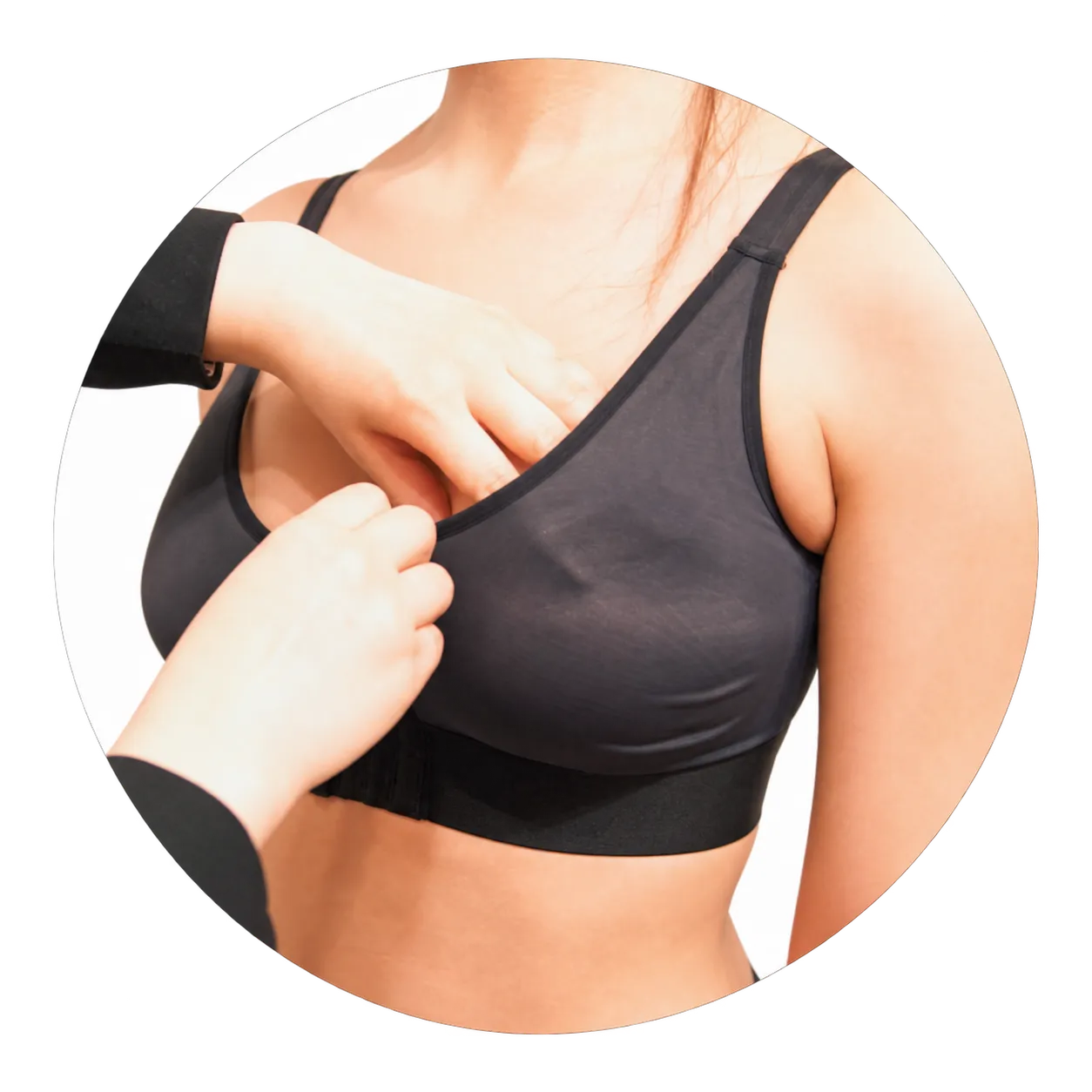
STEP 02
Try on the Implant
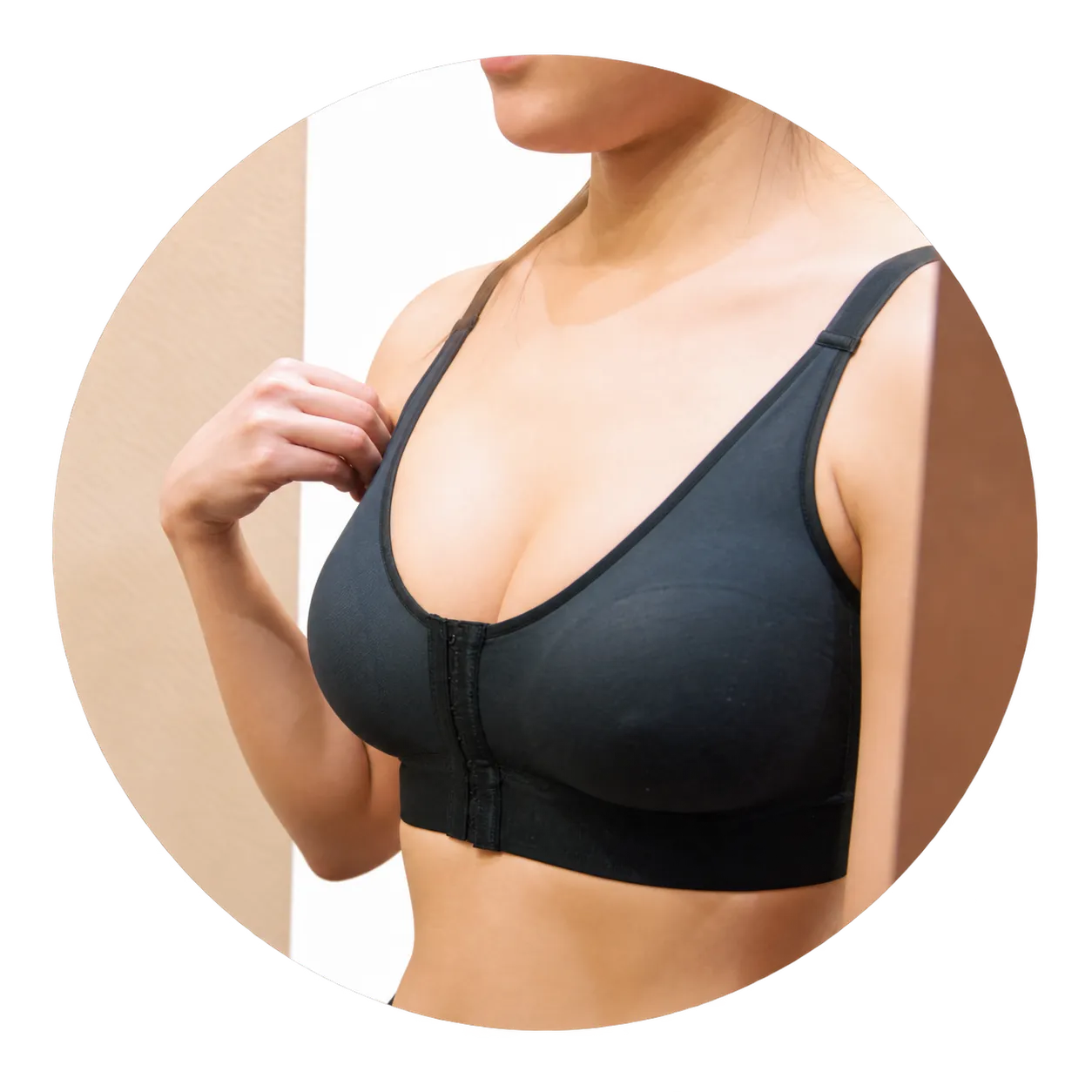
STEP 03
Check Breast fit
Post-Breast Augmentation care system
The operating surgeon personally checks all treatments and progress.
After 1 day
Check for bleeding and provide the first treatment
After 2–3 days
Apply waterproof tape to the incision site (full-body showers are possible from this day onward)
After 7 days
Remove all tape. As there are no skin sutures, stitch removal is unnecessary, and no stitch-related scars remain.
After 1 month
Scar cream and whitening cream are prescribed, and a regular bra may be worn instead of a Surgical bra (a regular bra that does not negatively affect Breast shape is recommended).
At 3-month intervals
Ongoing progress checks for one year
After 1 year
Regular checkups conclude, but follow-up checks with the medical team remain available for life, even after one year.
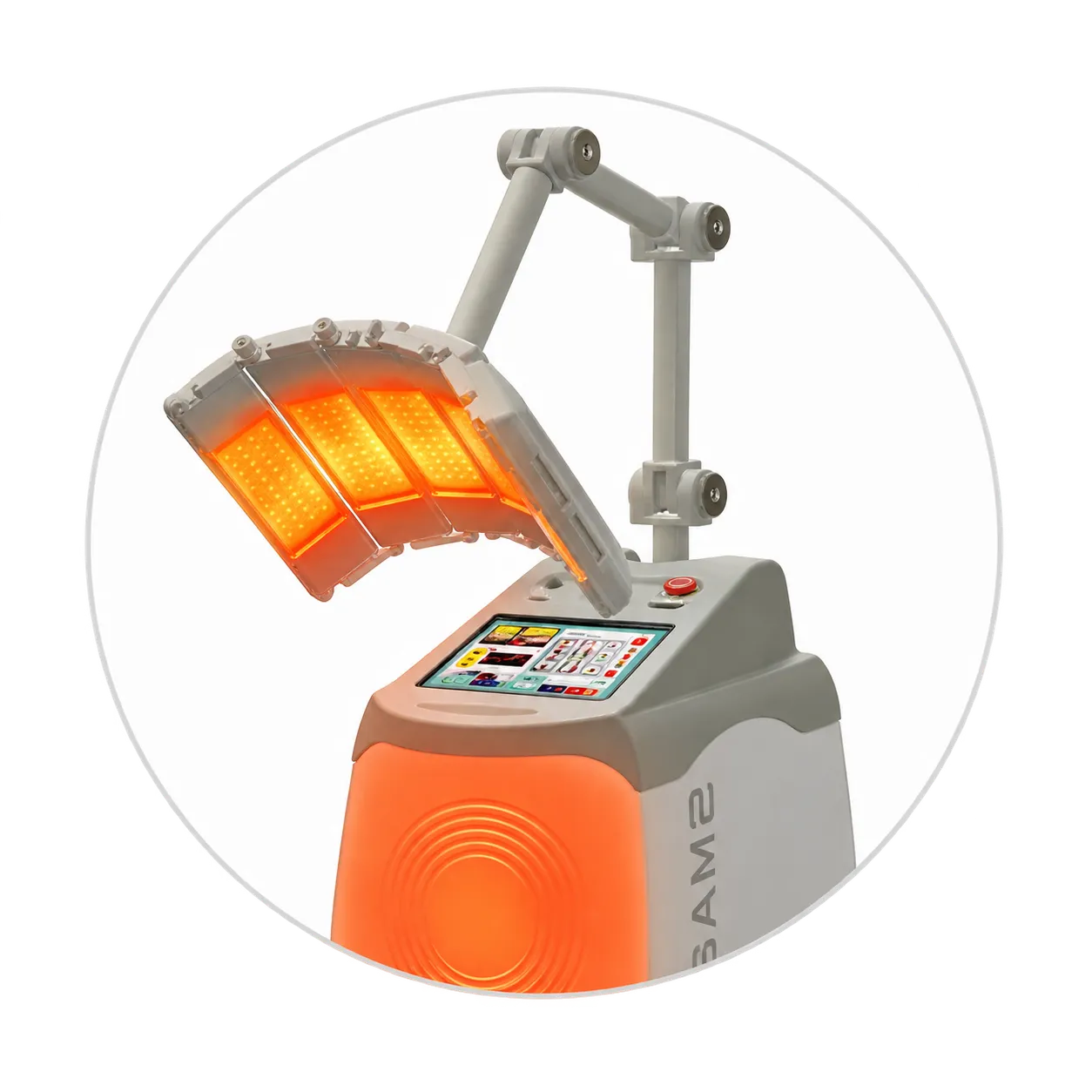
LED light therapy
Promotes blood circulation and reduces swelling
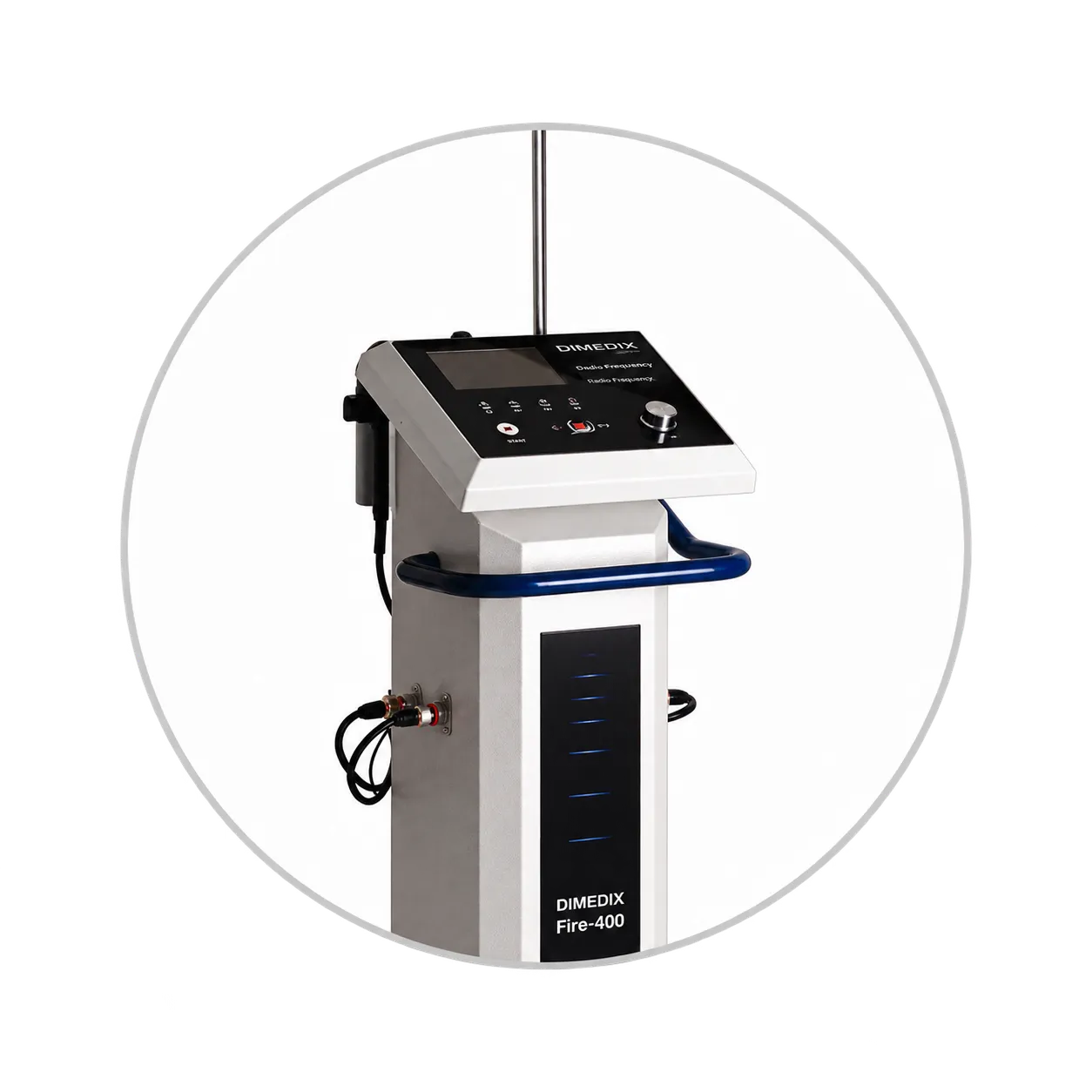
Radiofrequency heat therapy
Promotes blood circulation and reduces swelling
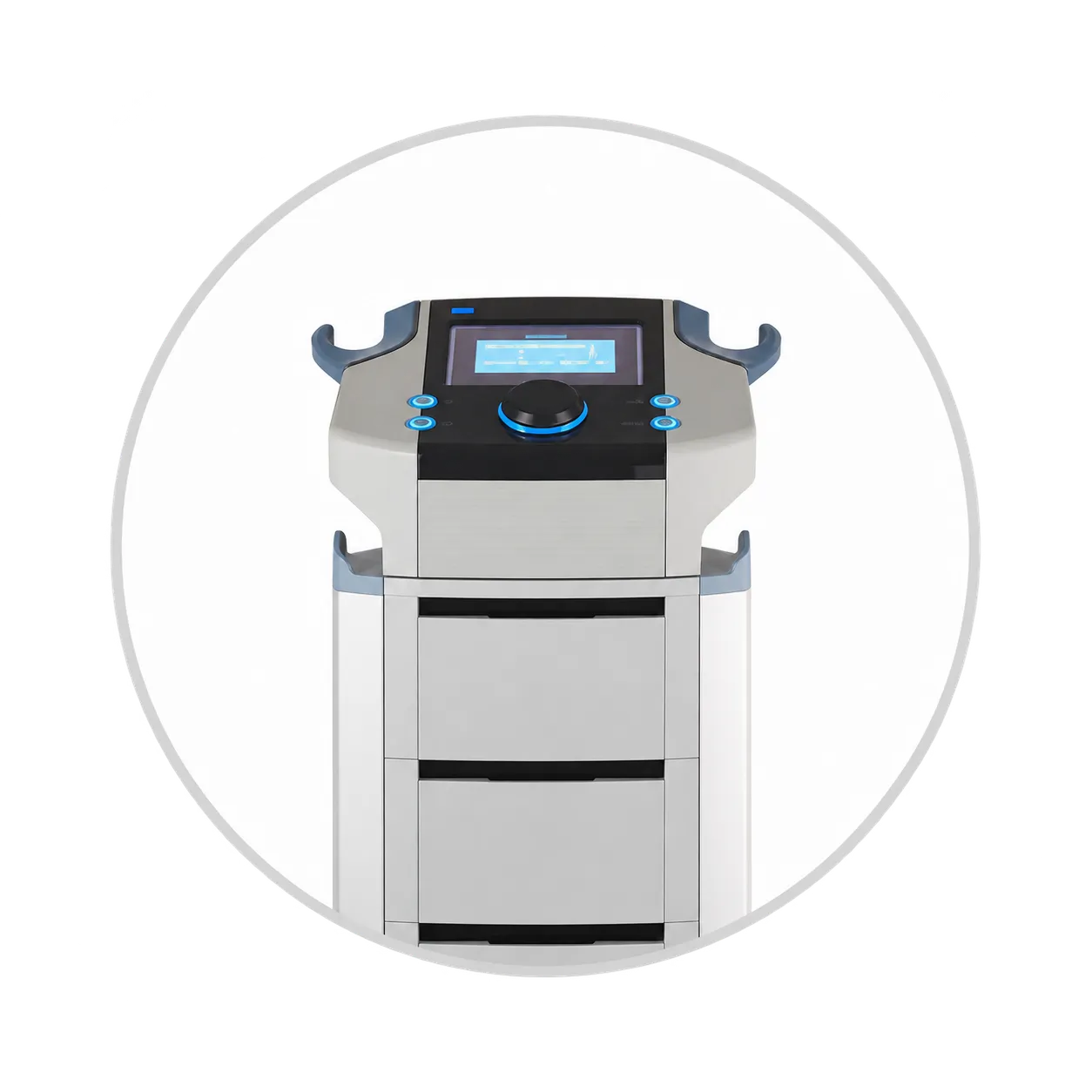
Capsulitis
Prevents Capsular contracture and relieves swelling and pain
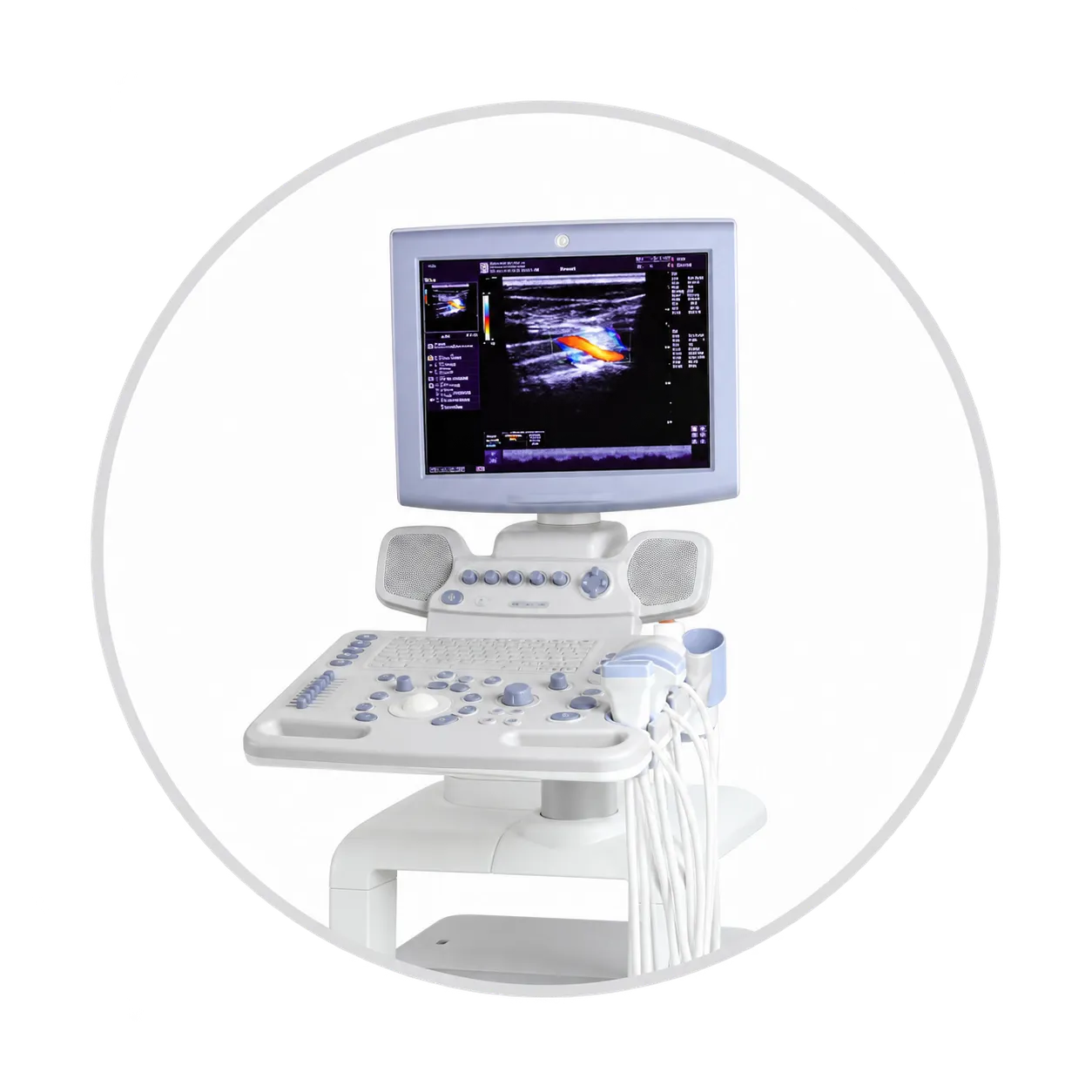
Breast ultrasound
Implant check
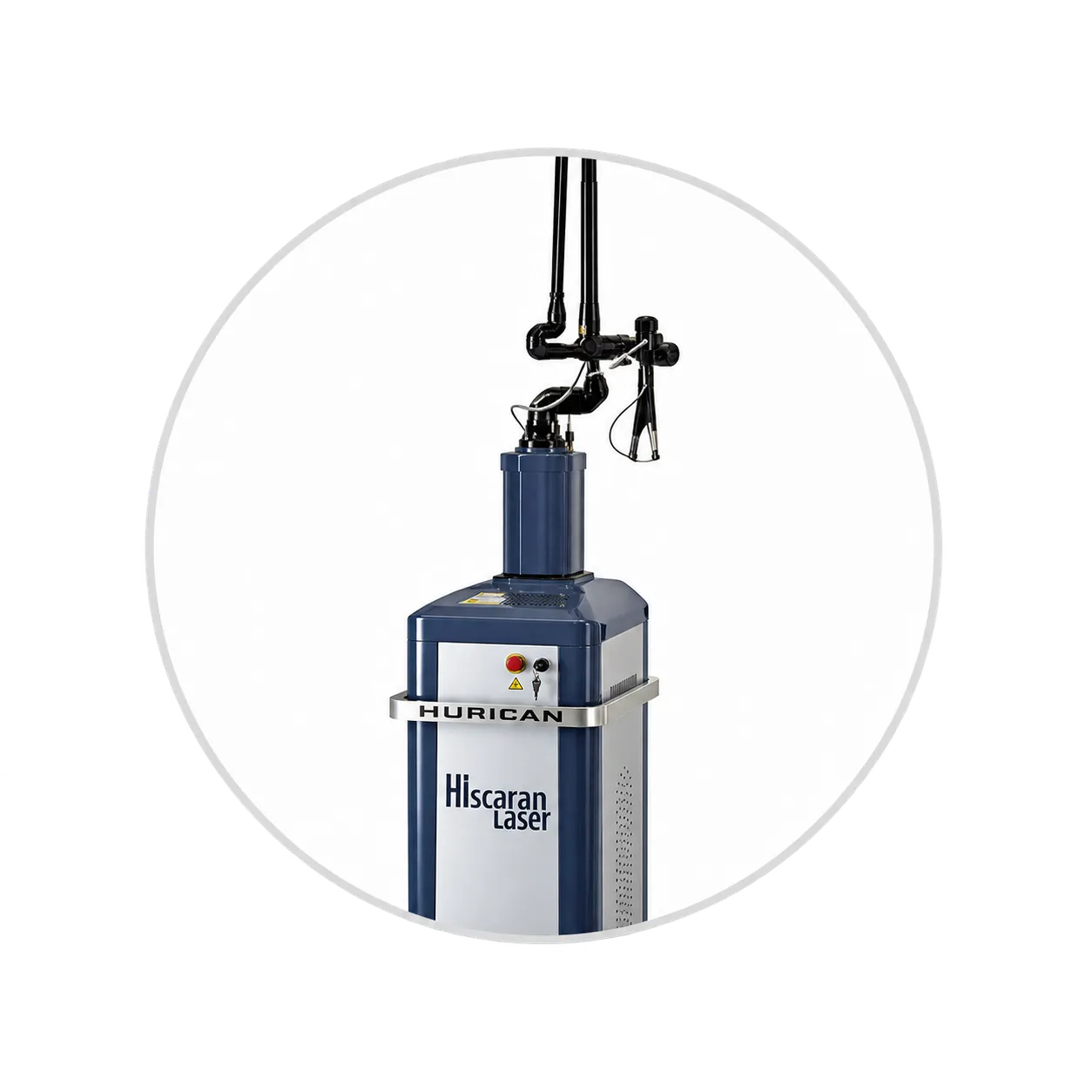
Scar laser and scar injections
Scar Treatment
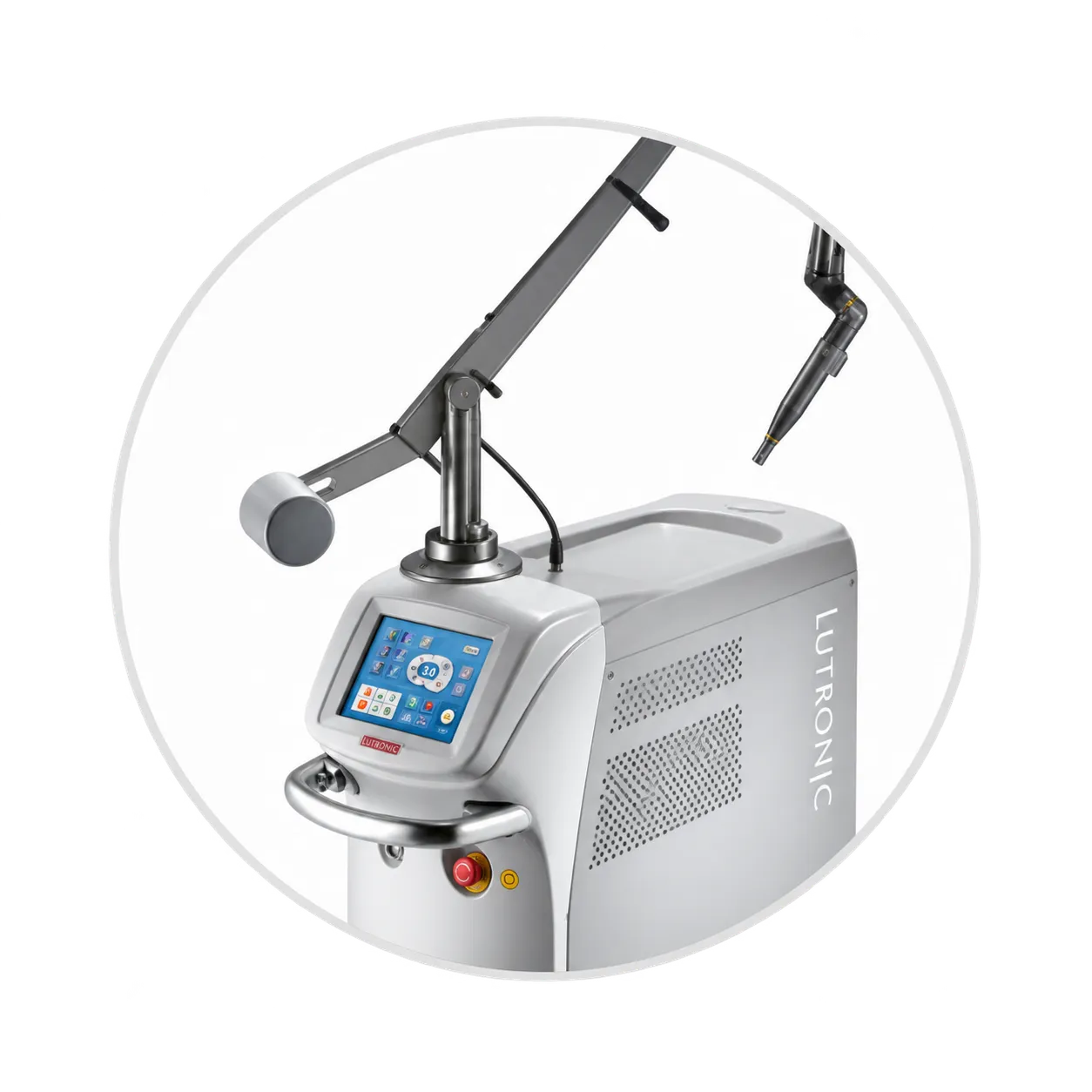
Whitening laser
Treatment for scar hyperpigmentation

Prescription of special medications after surgery
Special medications may be prescribed when necessary to achieve natural breasts. These medications are selected based on clinical research and minimize Capsular contracture even in patients who are constitutionally prone to developing Capsular contracture.

Wearing a specialized Surgical bra
Even when bilateral symmetry is achieved as much as possible during Breast Augmentation, Implant position may change over time depending on lifestyle patterns or the characteristics of Breast tissue. For example, right-handed individuals use their right arm and right Pectoralis major more frequently. Because the heart is on the left side, the height and slope of the left and right sides of the Rib cage differ.
A Surgical bra helps correct the Implant position amid these imbalances and continuously controls it to prevent displacement. In addition, breasts after augmentation often have an unnatural appearance because the inframammary fold is indistinct. A Surgical bra also helps define the inframammary fold and expand the lower portion of the Breast, creating a more natural Breast appearance.
JW Garden Plastic Surgery provides a specialized Surgical bra free of charge and adjusts it to suit your Breast shape at every hospital visit.
Surgical safety management system
01
Infection prevention through a thorough bacterial control system: air showers, sterilization and disinfection, HEPA filters, and laminar flow (an air purification system meeting standards for high-risk surgery).
02
Minimizing Capsular contracture through aseptic clean surgery: repeated disinfection, triple-antibiotic irrigation, and Implant insertion using a Keller Funnel (no-touch technique).
03
Intraoperative patient monitoring and real-time detection system: frequent monitoring of electrocardiogram, blood pressure, pulse, oxygen saturation, carbon dioxide levels, and body temperature changes in anesthetized patients during surgery.
04
Thorough preparation for any emergency: uninterruptible power supply and fire-resistant construction throughout the hospital.
05
Emergency response system: defibrillator and emergency rescue equipment available.
06
A variety of safety-proven Implants available: various Implants are provided in consideration of each individual's Breast characteristics and preferences (Motiva Implant, Mentor Implant, Sebbin Implant, etc.).
07
An anesthesiology and pain medicine specialist on site: care is provided from the start of surgery through recovery, with safety equipment in place for immediate response to emergencies and postoperative pain management.

Whether standing, lying down, or moving
Natural Breast shape and contour

Best Q&A on Breast Augmentation
Q1: Is Breastfeeding possible after Breast Augmentation? Will it interfere with Breast cancer screening?
A: Breast augmentation Implants are not inserted into the Mammary tissue but beneath the Mammary tissue or the Pectoralis major, so they do not affect the Mammary tissue and milk ducts where breast milk is produced and discharged. Therefore, Breastfeeding is possible after surgery. For the same reason, they do not interfere with diagnosing Breast tumors that arise within the Mammary tissue.
Q2: What is Capsular contracture?
A: When an Implant is placed in the body, a thin membrane made of scar tissue forms around it. This membrane is called a Capsule, and it develops in everyone who receives an Implant. Capsular contracture refers to abnormal thickening and contraction of this membrane. Severe Capsular contracture refers to a degree of Capsular contracture that deforms the Breast into a ball-like shape. When severe Capsular contracture occurs, the Breast becomes firm and its shape appears unnatural. Capsular contracture may occur when a large amount of blood collects at the surgical site or when inflammation develops, and it may also occur when a patient's constitutional response to the Implant is a strong rejection reaction. To prevent this, thorough hemostasis and disinfection are performed during surgery, and the Implant pocket must be precisely dissected. Medication to prevent Capsular contracture may also be prescribed after surgery. Massage may be necessary after surgery with classic smooth Implants; however, surface-treated smooth Implants have a Capsular contracture prevention effect, so massage is not necessary.
Q3: Must Implants be replaced?
A: Implants do not have a fixed lifespan, so they do not need to be replaced regularly. Unless there is a critical issue such as rupture, they can be used for a lifetime. Older Implants sometimes ruptured after more than 10 years, but modern Implants have improved durability and a considerably lower rupture rate.
Q4: How do I choose the surgical method and Implant that are right for me?
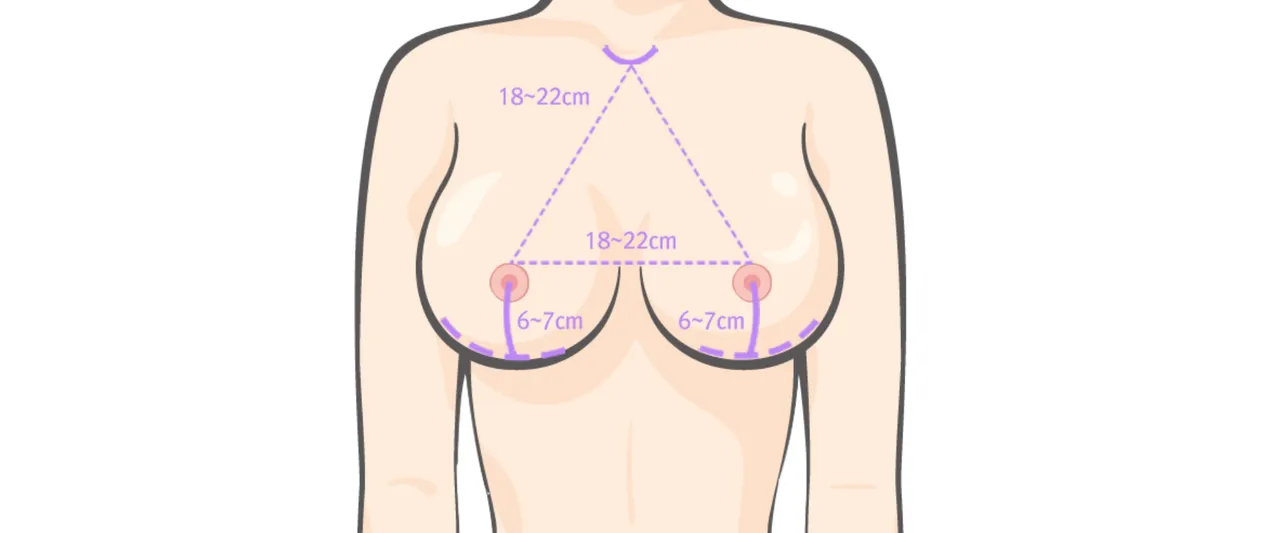
A: To determine the patient's Implant, an external Sizer is first placed inside a bra to roughly assess the Implant size the patient prefers. Next, the patient's Rib cage width is measured to determine the appropriate Implant diameter. Among Implants with that diameter, those close to the patient's desired size are selected as candidates. During surgery, a temporary Sizer is inserted first, and the operating table is raised to a sitting position for evaluation. The size that best suits the patient's body and is likely to be preferred by the patient is identified, a final decision is made, and the Implant of that specification is inserted. There are several Implant brands, including Motiva Implant, Sebbin Implant, and Mentor Implant. Because each product has advantages and disadvantages, the brand is selected after thorough consultation with the patient.
Q5: What are the main incision types for Breast Augmentation?
A: Incisions for Breast Augmentation include, from top to bottom, an Armpit Incision, Periareolar incision, Breast Fold Incision, and umbilical incision. Because Periareolar incision and umbilical incision have several disadvantages, they are less commonly used today, while Armpit Incision and Breast Fold Incision are used most frequently. An Armpit Incision is mainly used for unmarried women with very little Breast tissue and a shallow inframammary fold. Its advantage is that the scar can be concealed within the Bromhidrosis crease, with minimal scarring. A Breast Fold Incision offers faster recovery and is advantageous for correcting Sagging breast or constricted breasts. When applied to patients with a deep inframammary fold or a history of childbirth, almost no scar remains.
Q6: What are the advantages of high-resolution FHD Endoscopic Breast Augmentation?
A: With the Breast Fold Incision method, the incision site is close to the Breast, so the inside of the Breast can be seen directly with illumination, allowing precise surgery even without an Endoscope. However, with the conventional Armpit Incision method, the incision site is far from the Breast, so the inside of the Breast cannot be seen. A long metal dissector is inserted and manipulated to create the Implant pocket, which has the disadvantages of imprecise Dissection, difficult hemostasis, and severe pain. In contrast, with the Armpit Incision method using a high-resolution FHD Endoscope, the inside of the Breast is clearly viewed through the high-resolution Endoscope while Dissection is performed with radiofrequency equipment. This enables precise surgery with almost no bleeding, less pain, and faster recovery.
 JW PLASTIC SURGERY