Hump Nose
from 4,400,000 KRW* VAT Not Included
This procedure removes the protruding nasal bone (hump) to create a smooth nasal bridge line. For a low Hump nose, height is supplemented with an implant and cartilage after hump correction; for a high Hump nose, the hump is refined without an implant, and the nasal tip is reinforced with cartilage. Diagnosis is performed using 3D CT.
Surgery Overview
Dorsal Hump Correction is a procedure that smooths the protruding nasal bone (hump) to create a smooth Nasal Bridge line harmonious with the Face. For a low Hump nose, the height is enhanced with an Implant and Cartilage after hump correction; for a high Hump nose, the hump is refined without an Implant and the Nasal Tip is reinforced with Cartilage.
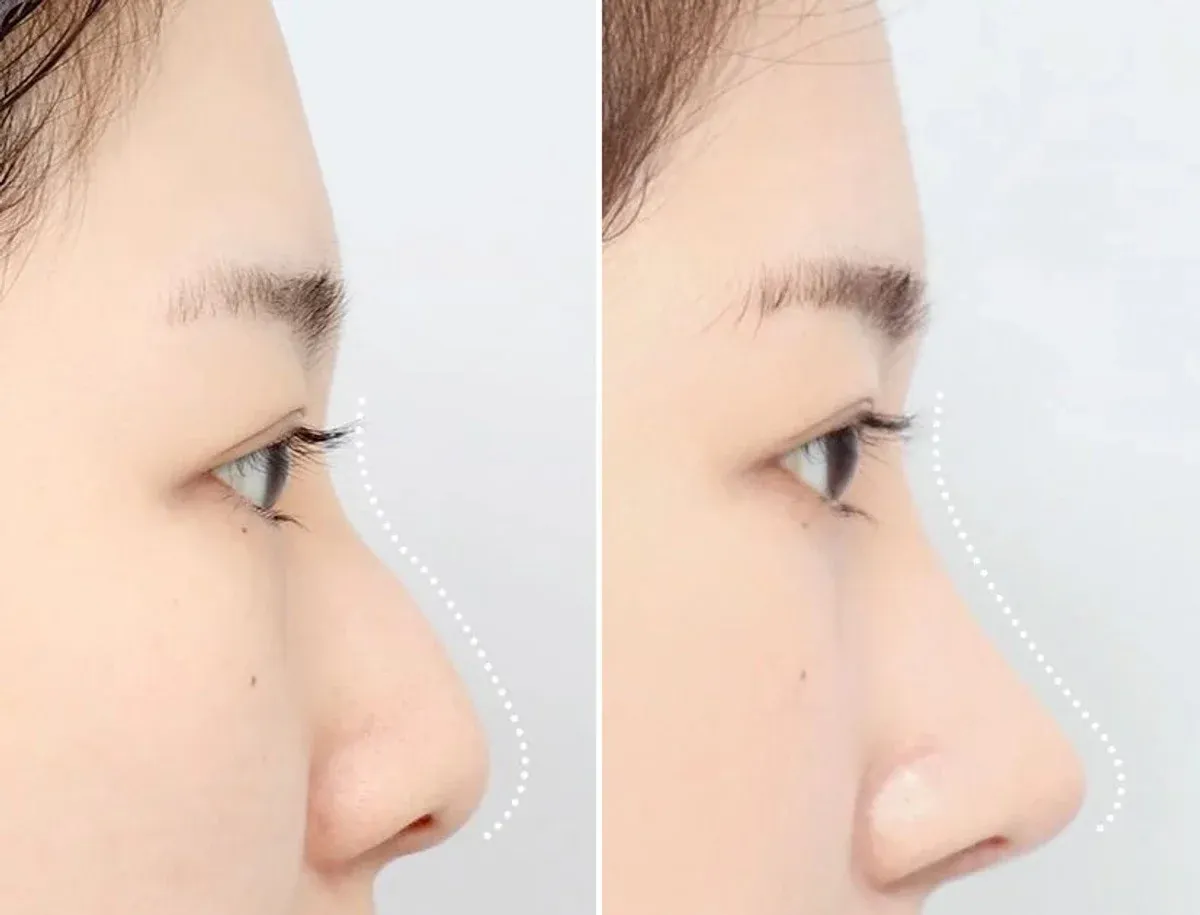
Before-and-after photos (before surgery on the left · 7 months after surgery on the right)
Refines an uneven Nasal Bridge into a smooth, sophisticated contour. Hump nose caused by protruding nasal bones is improved through hump correction to create a smooth Nasal Bridge line that complements the Face.
Recommended for
· Those with a wide nasal bone along with a hump · Those whose Nasal Bridge is higher than the Nasal Tip · Those with an uneven Nasal Bridge · Those with nasal deformity caused by trauma
Surgical Method
For a low Hump nose
After correcting the hump, an Implant and Cartilage are used to create the desired contour and height.
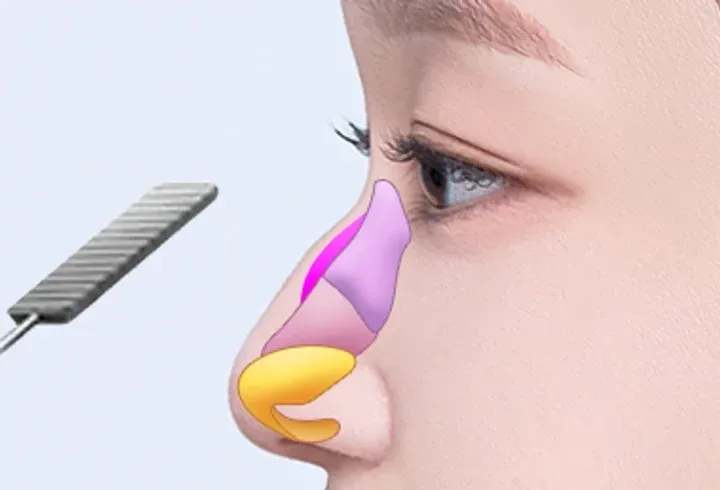
Hump correction
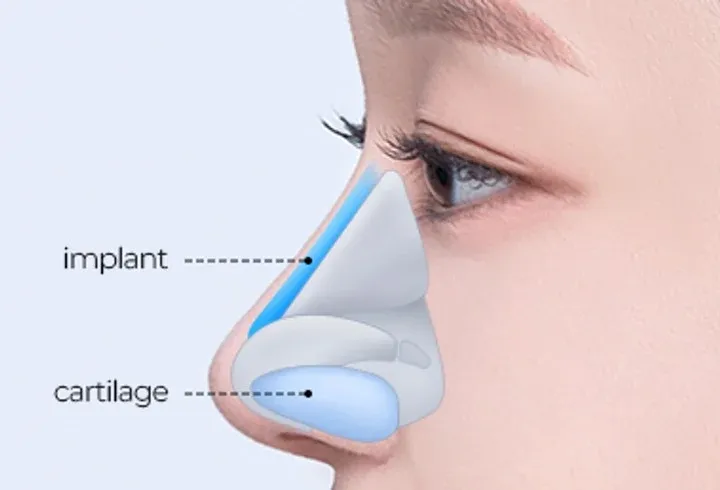
Contour and height enhancement with an Implant and Cartilage
For a high Hump nose
The hump is refined without an Implant, and the Nasal Tip is reinforced with Cartilage.
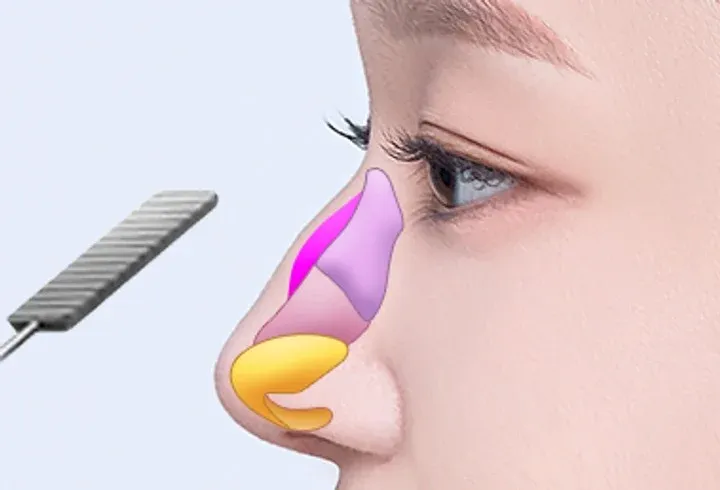
Hump correction
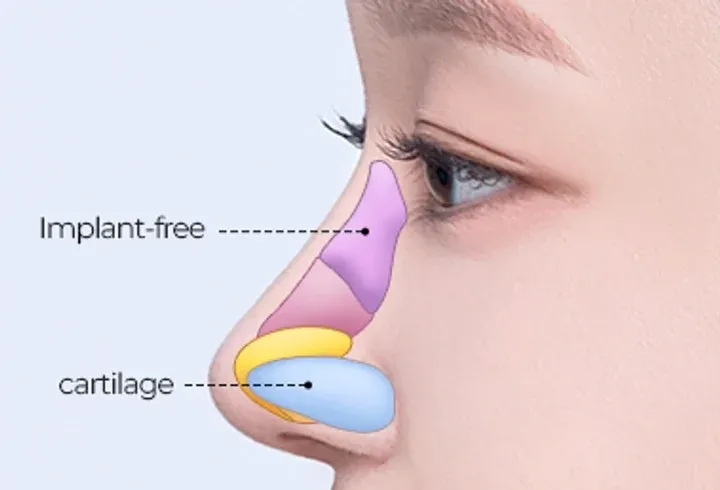
Nasal Tip Cartilage reinforcement without an Implant
Advantages of AB Dorsal Hump Correction
Point 1. Customized nasal contours harmonious with the entire Face
· Angle and contour design tailored to facial proportions · More harmonious results with Implants suited to individual characteristics · Dedicated rhinoplasty medical team with extensive experience · One-on-one customized consultation and assessment using specialized equipment
Point 2. Precise diagnosis with 3D-CT
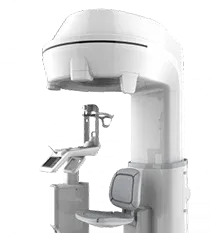
3D-CT imaging is used to assess the condition of Autologous Tissue and donor tissue, as well as nasal function, for a precise diagnosis.
AB One-on-One Responsible Care System
From consultation through recovery, a dedicated medical team provides one-on-one care. · One-on-one customized consultation with the operating surgeon · The surgeon who conducts the consultation performs the surgery directly · Intensive monitoring by an anesthesiology and pain medicine specialist · One-on-one postoperative care by a dedicated coordinator · Progress checks and one-on-one aftercare by the operating surgeon
Surgery Information
| Surgery duration: Approximately 1–1.5 hours | Anesthesia: Sedation anesthesia | Clinic visits: 2–3 visits | Recovery period: Return to daily activities after 7 days
Before-and-after photos
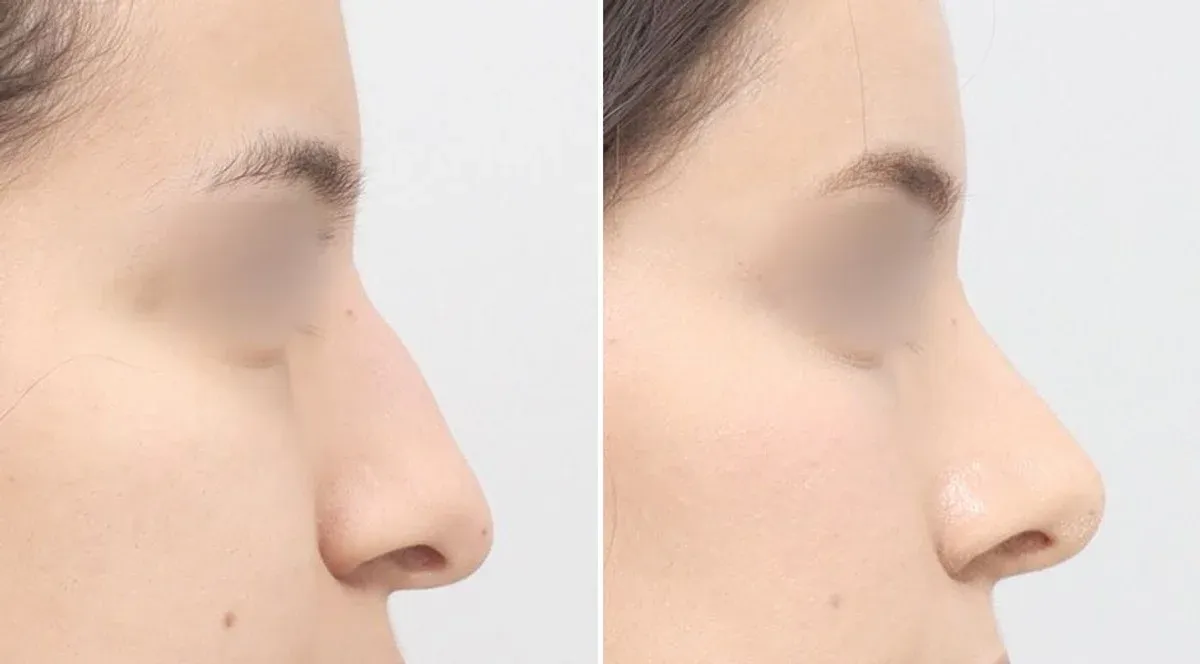
Side-view before-and-after photos (before surgery on the left · after surgery on the right)
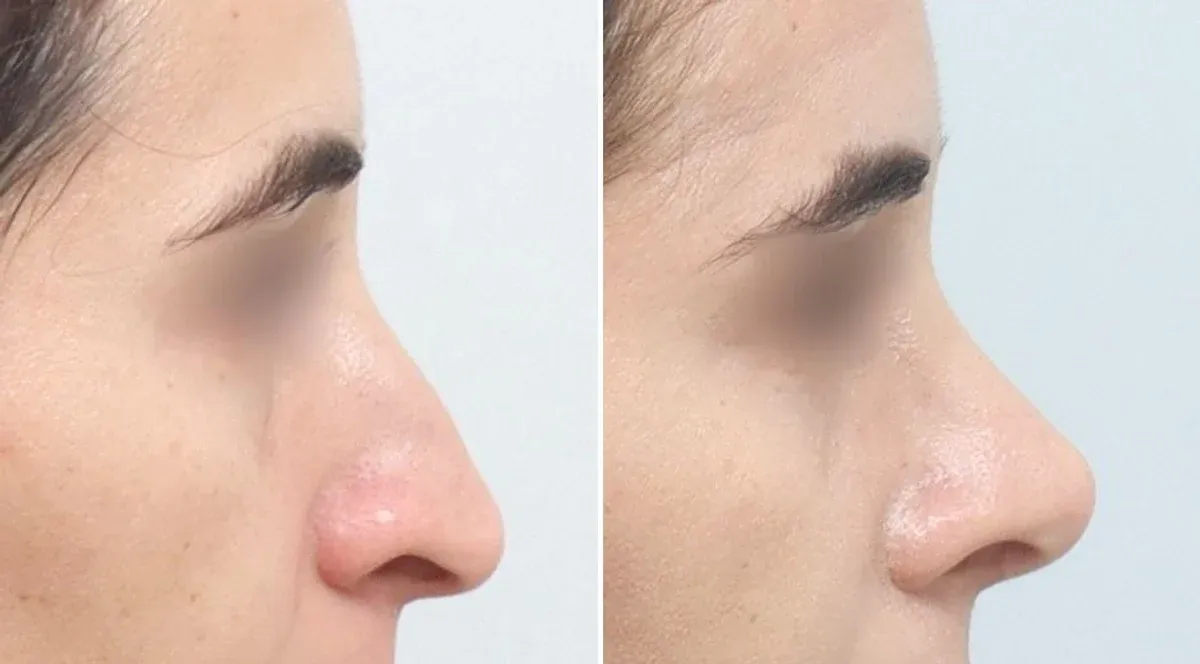
Side-view before-and-after photos (before surgery on the left · after surgery on the right)
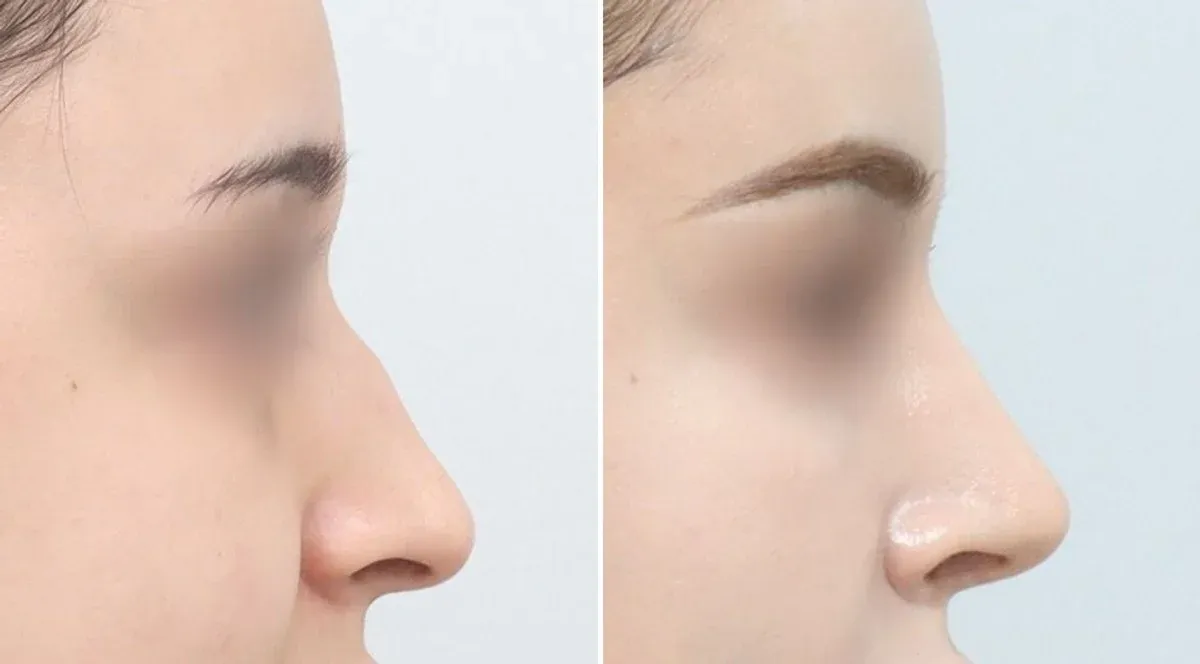
Side-view before-and-after photos (before surgery on the left · after surgery on the right)
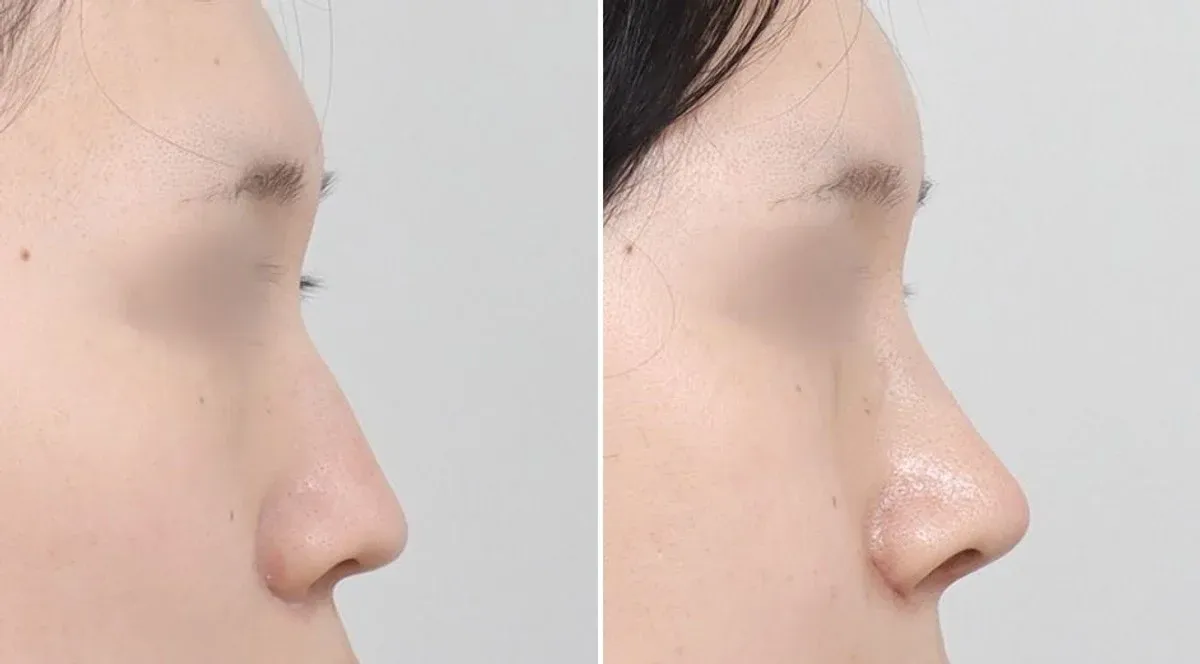
Side-view before-and-after photos (before surgery on the left · after surgery on the right)
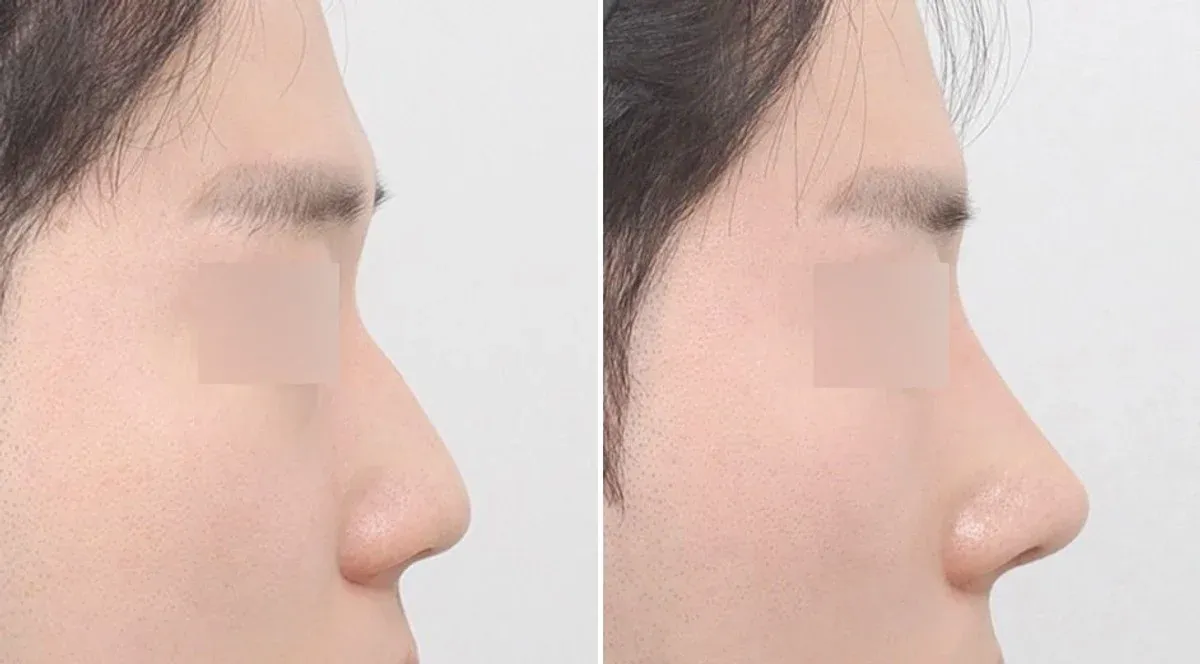
Side-view before-and-after photos (before surgery on the left · after surgery on the right)
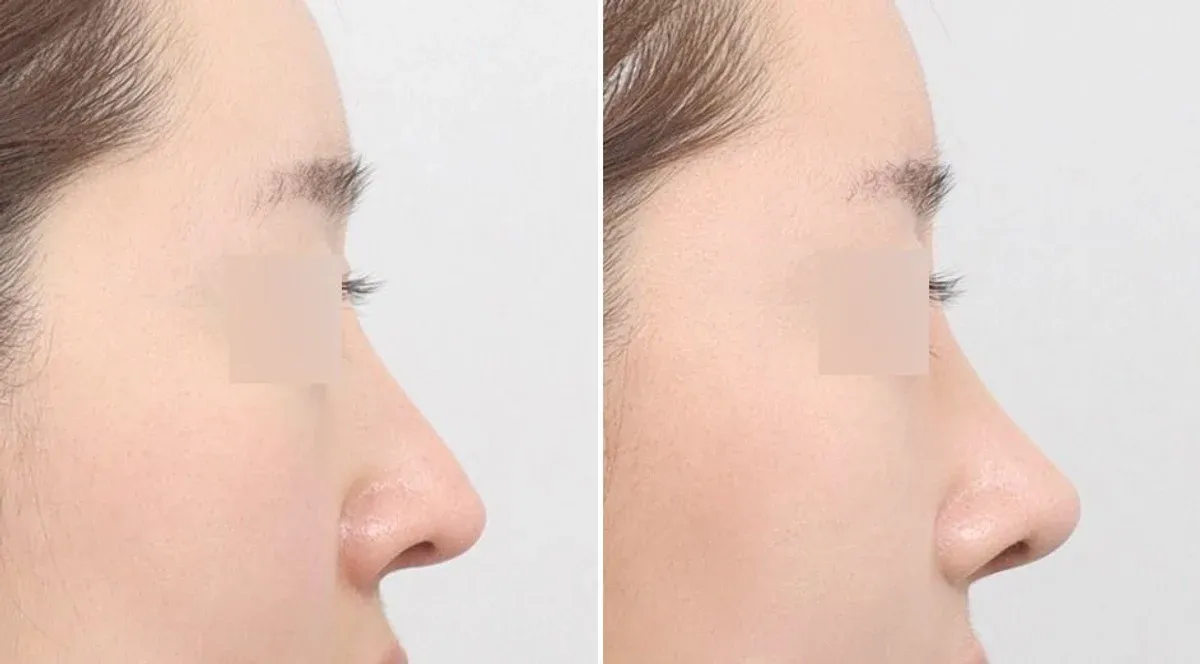
Side-view before-and-after photos (before surgery on the left · after surgery on the right)
Pre- and Postoperative Precautions
Before Surgery
· Please inform us in advance if you have underlying conditions such as high blood pressure, diabetes, or thyroid disease; medication allergies; or a history of surgery involving the heart, lungs, liver, kidneys, or brain. An anesthesiology consultation and additional tests may be conducted if necessary. · Please stop taking aspirin, pain relievers, hormonal medications, herbal medicine, and vitamin supplements starting 1 week before surgery. Please bring any medications you are currently taking on the day of surgery. · Smoking delays recovery and increases the risk of infection and anesthesia-related complications. Stop smoking from the day you decide to undergo surgery, and stop drinking alcohol 1 week before surgery. · Do not consume anything, including water, candy, or gum, for 10 hours before surgery. · Remove all nail polish and gel nails. Do not wear contact lenses or makeup on the day of surgery. Please wear comfortable clothing with front buttons. · Please inform us in advance if you have a high fever, cough, or cold symptoms within 1 week before surgery, or if your menstrual period coincides with the surgery date. · You cannot drive yourself on the day of surgery.
After Surgery
· For 3–4 days after surgery, sleep with your head elevated above your heart. Do not sleep on your side or stomach for 1 month. · For 1 month, avoid salty, spicy, or hard foods, as well as foods that require opening your mouth wide or prolonged chewing. · Do not remove nasal tape, splints, or cotton packing yourself. Sutures on the columella are removed after 1 week, and sutures on the nostrils are removed after 10 days. · You may wash your face and apply makeup to the nose starting the day after columella suture removal. Avoid saunas and steam rooms for 1 month. · Blowing your nose and wearing glasses are permitted from 4 weeks after surgery. · Do not drink alcohol or smoke for 1 month. It may take approximately 6 months for the nasal shape to stabilize.
Please Note
Surgical methods and results may vary depending on the individual's condition and are determined through consultation with a specialist.
 AB PLASTIC SURGERY