
Gynecomastia Surgery
from 4,000,000 KRW* VAT Not Included
This procedure improves gynecomastia (male breast enlargement) caused by excessive development of glandular breast tissue. After confirming the glandular tissue with breast ultrasound, the glandular tissue and fat are removed through a 1.5 cm incision. Same-day consultation, surgery, and discharge are intended. Insurance coverage may be available if eligibility criteria are met.
Procedure Overview
AI-generated information for reference only. Please consult a doctor for accurate, personalized advice.
Gynecomastia is a condition in which mammary tissue becomes excessively developed in the male breast, causing it to enlarge like a female breast. Newline diagnoses the cause and symptoms with detailed breast ultrasound, then sufficiently removes mammary tissue through a 1.5 cm incision, aiming for same-day consultation, surgery, and discharge. Insurance coverage may be available if criteria such as Simon Grade II-a or higher are met.
A protruding breast despite dieting and exercising. “Gynecomastia is a condition that requires treatment in men.”
What Is Gynecomastia?
The condition in which mammary tissue develops (proliferates) in the male breast, causing it to enlarge like a female breast, is called Gynecomastia. A normal male breast has fat and small mammary glands over the muscles, whereas a breast affected by Gynecomastia has accumulated fatty tissue and excessively developed mammary tissue. Gynecomastia can occur for various reasons, including adolescence, adulthood, and medications. It may develop when mammary tissue becomes excessively developed in the male breast due to hormonal imbalance, obesity, impaired kidney function, endocrine abnormalities, and other causes.
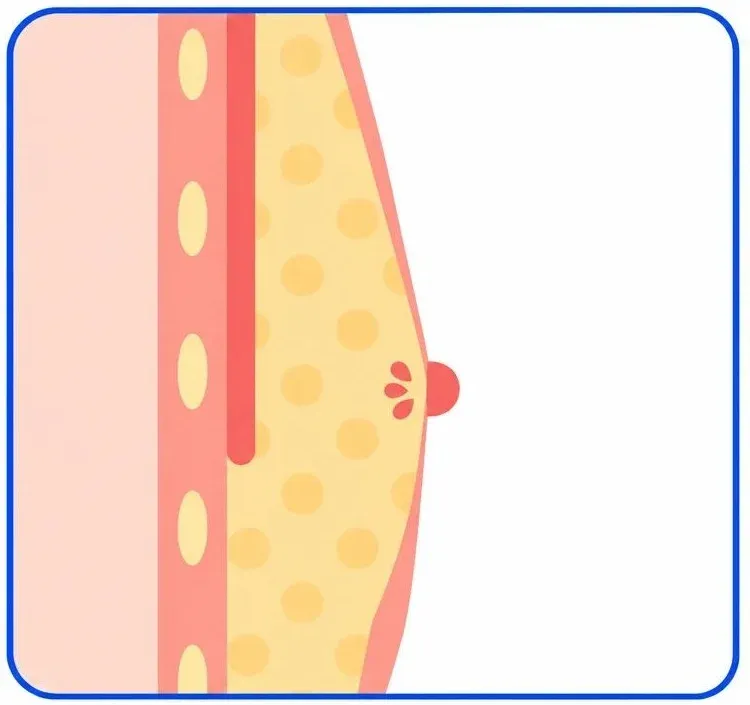
Normal Male Breast
There is fat and small mammary tissue over the muscles.
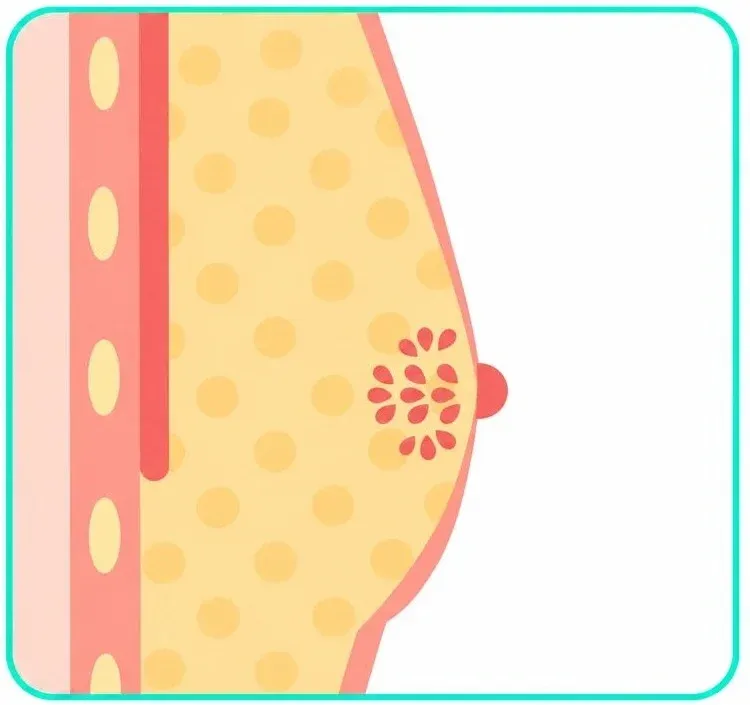
Male Breast with Gynecomastia
Fatty tissue accumulates, and mammary tissue is excessively developed.
Recommended For
· Those whose breasts appear noticeably protruded despite having a slim build · Those who cannot lose breast fat even with dieting · Those who feel a lump when touching or pressing around the nipple · Those whose breasts look prominent through clothing because they are more developed than others · Those whose breasts are sufficiently protruded to be grasped by hand If one or more of the above symptoms apply to you, consider the possibility of Gynecomastia.
Features of Newline Gynecomastia Surgery
More Mammary Tissue Removal, Less Scar Concern!

Point 1. Mammary Tissue Removal Through a 1.5 cm Incision
Mammary tissue is removed through a 1.5 cm incision. In some cases, insufficiently removed mammary tissue may proliferate again and cause Gynecomastia to recur, so it is important to sufficiently remove the mammary tissue during the initial surgery.
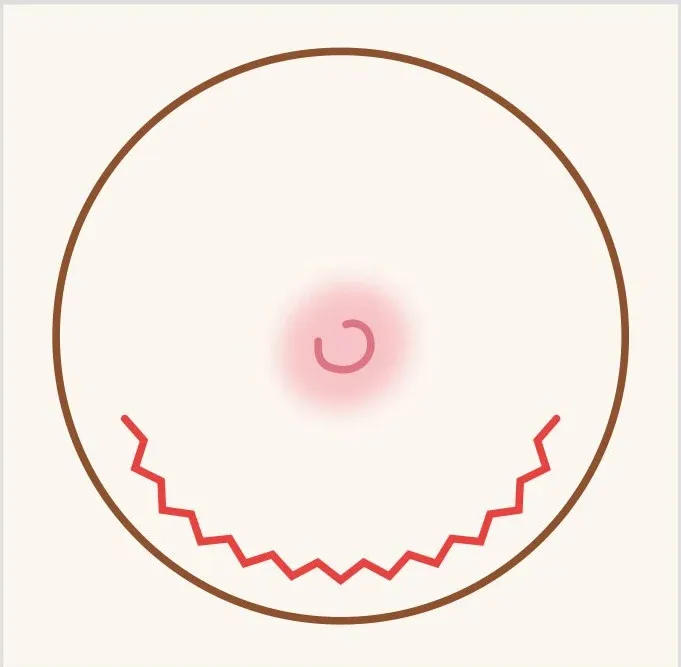
Point 2. W Incision
The W incision reduces concerns about scarring. While it is not possible to leave no surgical marks at all, every effort is made to minimize them.
Point 3. SDP (Scarless Dual-Plane) Surgical Technique
This is Newline's surgical method designed to improve satisfaction with Gynecomastia Surgery while allowing normal daily activities and relatively rapid recovery.
Point 4. NART Suturing (Nipple Areola Repositioning Suture Technique)
This is Newline's suturing technique designed to minimize changes in the shape of the nipple and areola during Gynecomastia Surgery. Points are secured along the areolar line to help prevent the nipple and areola from becoming puckered, twisted, or oval-shaped.
Point 5. Medical Stapler
Medical staplers reduce suturing time after surgery and help recovery by maintaining consistency at the incision site. They are not used for every patient; they are used when necessary for postoperative safety and favorable results, and are completely removed once treatment is complete.
Gynecomastia Grades and Insurance Coverage
Gynecomastia is divided into four Simon grades according to the degree of breast development.
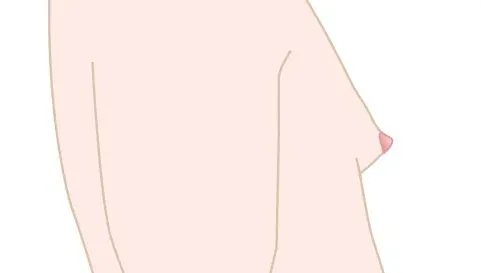
Simon Grade I
Mammary tissue is not large and is developed only around the nipple or areola.
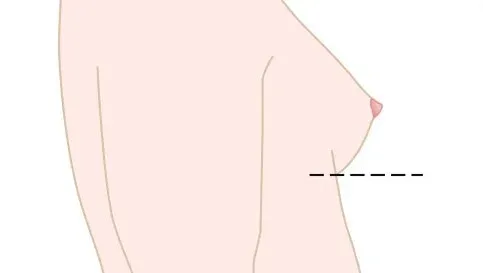
Simon Grade II-a
There is no skin sagging, but mammary tissue is generally developed, causing the breast to protrude.
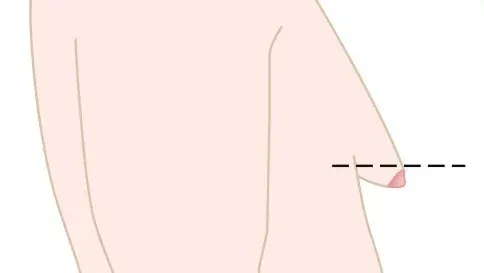
Simon Grade II-b
Mammary tissue is generally developed, causing the breast to protrude, with skin sagging.
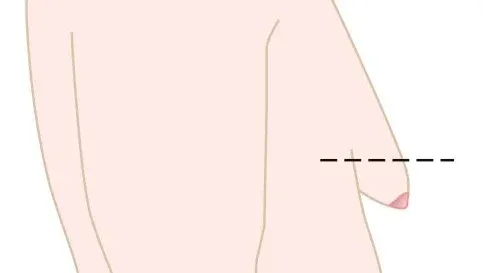
Simon Grade III
The tissue is highly developed, causing the breast to protrude, with Breast ptosis and downward-facing nipple and areola angles.
As Gynecomastia is a medical condition, health insurance coverage may be available for Simon Grade II-a or higher when detailed breast ultrasound confirms mammary tissue proliferation of 2 cm or more. Eligibility may vary depending on the patient's condition after consultation. As indemnity insurance applies only to surgery and procedures performed for therapeutic purposes, please contact your insurer for accurate information.
One-Day Gynecomastia Surgery Process
We aim to provide same-day consultation, surgery, and discharge.
STEP 1. Visit Newline Plastic Surgery
A pre-consultation questionnaire is used to gather detailed patient information, including medical history and current Gynecomastia symptoms.
STEP 2. Consultation with a Board-Certified Plastic Surgeon
Private one-on-one personalized diagnosis and consultation are provided.
STEP 3. Detailed Evaluation
Breast ultrasound is used to precisely evaluate the size and distribution of mammary tissue, while blood tests identify abnormalities and underlying conditions.
STEP 4. Same-Day Surgery
An experienced board-certified plastic surgeon performs surgery using a personalized solution.
STEP 5. Same-Day Discharge
Safe surgery allows for relatively rapid recovery and return to daily activities. Fasting is required before consultation. As this may vary by individual, please inquire in advance.
Special Care
Every patient who undergoes Gynecomastia Surgery at Newline is assigned a dedicated men's clinic team for special care. · Intraoperative skin-firming care: AccuSculpt laser stimulates the dermal layer of the skin to help prevent postoperative sagging and promote tightening of the breast contour and collagen production, improving skin elasticity. · Postoperative radiofrequency care: Partial depressions may occur due to adhesion of the skin and fat layers after surgery. Radiofrequency care promotes recovery of adhered tissues. · Postoperative KakaoTalk channel support: We communicate and respond to postoperative inquiries in real time.
Concurrent Areola Reduction
Because Gynecomastia Surgery does not improve the nipple itself, nipple reduction surgery may be performed together when the nipples are large.
Frequently Asked Questions
Q. I had Gynecomastia Surgery, but I can still feel a lump in my breast. Do I need Revision surgery?
Because Gynecomastia Surgery removes mammary tissue and subcutaneous fat, the likelihood of Revision surgery is low. However, Revision surgery may be performed if mammary tissue was not appropriately removed during the initial procedure or if there is dissatisfaction with postoperative scarring or shape.
Q. Can minors undergo Gynecomastia Surgery?
Yes, with consent from a legal guardian. However, Gynecomastia during adolescence may result from an imbalance in sex hormones and may resolve naturally after secondary sexual characteristics have fully developed. Because the appropriate timing for surgery varies by individual, we recommend first undergoing a detailed ultrasound examination if you are concerned about Gynecomastia.
Q. Why are staples used after surgery?
These are medical staplers used in plastic surgery for body procedures and Abdominoplasty. They are not used for every patient, but may be used to reduce the risk of undesirable issues that can occur during postoperative recovery.
Q. Why do depressions occur after surgery, and can they be managed?
They can occur after mammary tissue is removed, but most recover within 1–2 months or 3–6 months, depending on progress. Radiofrequency care and TriFill care help release depressed or adhered breast tissue.
Please Note
Side effects such as swelling, bleeding, inflammation, bruising, and nerve injury may occur depending on the individual, and surgical results may vary. The surgical method is determined through consultation with a specialist.
 NEWLINE PLASTIC SURGERY