
Genioplasty
from 1,800,000 KRW* VAT Not Included
This is a chin surgery that corrects length, projection, and asymmetry by osteotomy of the chin tip. Depending on the type, techniques such as V-shaped osteotomy, T-shaped osteotomy, chin advancement, and bone grafting after advancement are applied to create a jawline proportionate to the face.
Surgery Overview
This is chin surgery that corrects length, protrusion, and asymmetry by osteotomizing the chin tip. Methods tailored to each type, such as V-shaped osteotomy, T-shaped osteotomy, chin advancement, and bone grafting after advancement, are used to create a jawline proportionate to the Face.

A defined line that determines a smaller-looking Face A neat jawline harmonized with the facial shape
Recommended for the following individuals
· A Face with a long, protruding chin · A Face with a short, recessed chin · A Face with a crooked chin · Those who need chin advancement or lengthening, jawbone setback or shortening, or asymmetry correction
Features of Banobagi Osteotomy Chin Surgery
When the Face is divided from the Forehead to the Glabella, beneath the nose, and the chin tip, a ratio of approximately 1:1:0.8 is considered the most ideal. If the chin is long, it can create an aged or harsh impression; if it is too short, the Face may appear less defined.
Point 1. Precise diagnosis through personalized consultation and equipment
Based on personalized consultations and precise diagnosis using advanced equipment.
Point 2. Customized surgery backed by extensive experience and know-how
A specialized Facial Contouring Surgery team with extensive experience and know-how takes responsibility for chin surgery and determines the most appropriate surgical method from among numerous options.
Point 3. Pursuing Facial Contouring Surgery without sagging through an understanding of each facial layer
Based on an understanding of each layer of the Face, we pursue Facial Contouring Surgery without sagging.

“More effective and satisfying with a variety of surgical methods” The advantage of osteotomy chin surgery is that it can be applied to various types and delivers significant results, resulting in high satisfaction. It can improve a wide range of conditions, including chin advancement, jawbone setback, asymmetry correction, and shortening or lengthening. The surgical method is determined through sufficient consultation, taking into account the patient's desired direction and current condition.
Types that require osteotomy chin surgery
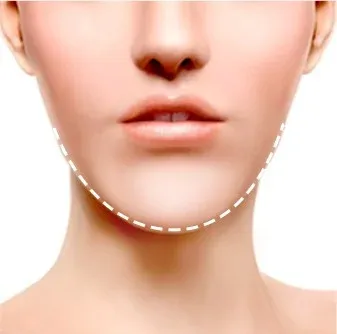
A Face with a long, protruding chin

A Face with a short, recessed chin
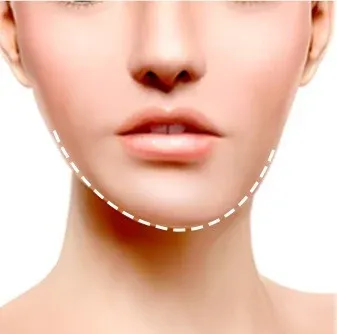
A Face with a crooked chin
Surgical Methods
Among Banobagi's diverse and effective osteotomy techniques, the method best suited to each type is applied.
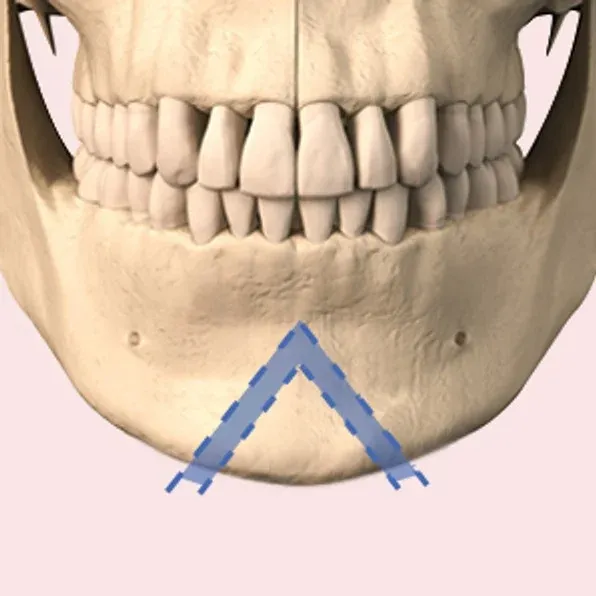
V-shaped osteotomy
An osteotomy technique in which the chin tip is cut in a “ㅅ” shape to reduce its length while slimming the sides.
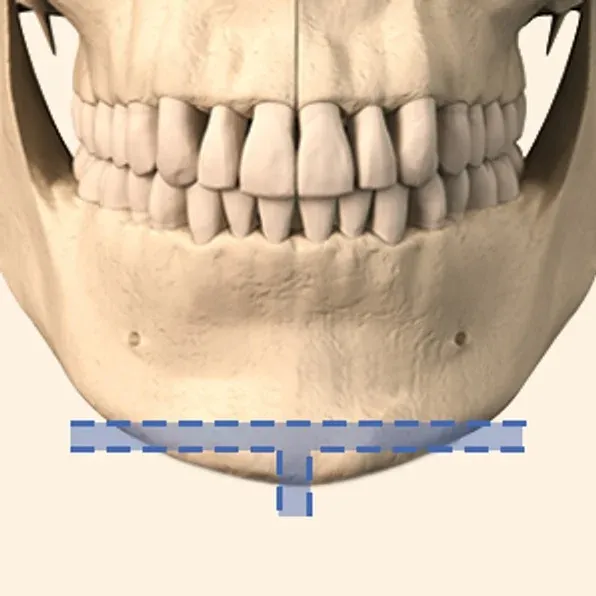
T-shaped osteotomy
An osteotomy technique in which the bone is cut in a T shape, effective for reducing the Jaw Angle and broad facial width.
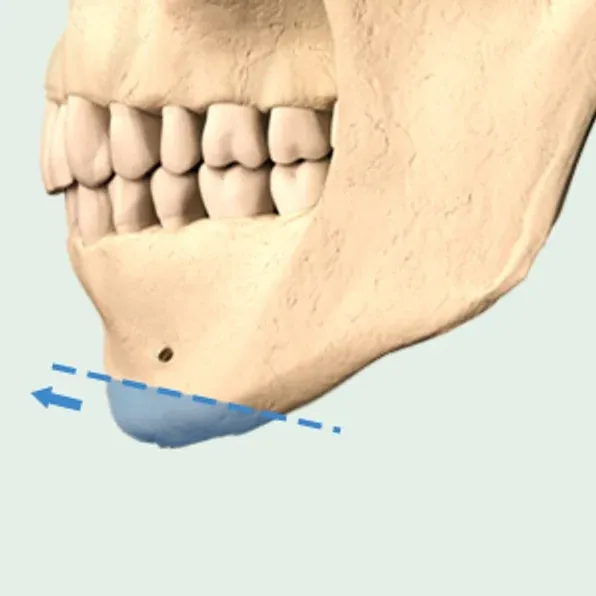
Chin advancement
An osteotomy technique that moves a recessed jawbone forward to improve a short chin.
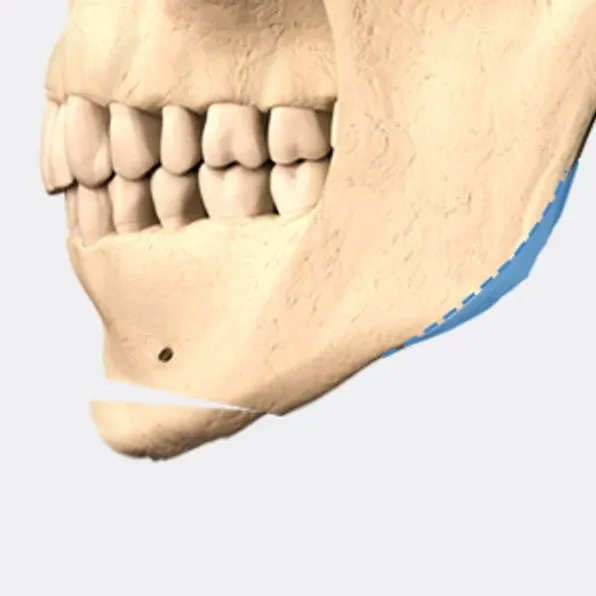
Bone grafting after chin advancement
A method of grafting bone to areas that require additional correction after advancing the chin.
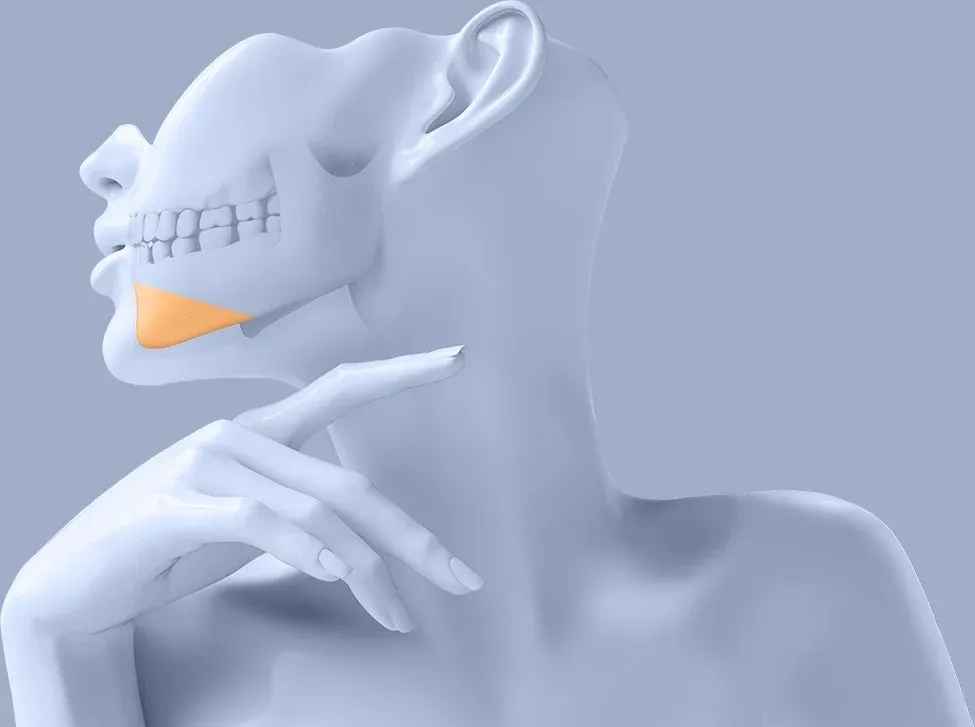
We consider facial proportions for a harmonious, more beautiful-looking Face. Banobagi determines the most appropriate surgical method for each patient from among numerous techniques developed through diverse academic exchanges and research.
Surgical Information
| Surgery time: 1 hour | Anesthesia: General anesthesia | Return to daily activities: After 7 days | Follow-up visits: Approximately 2 times
Pre- and Postoperative Precautions
Before Surgery
· Fasting for 8 hours before surgery is required. · Please be sure to inform us in advance if you have any health concerns, such as a cold or respiratory illness. · Please be sure to inform us of any past or current medical conditions, allergic reactions, and medications you are taking.
After Surgery
· Swelling increases for up to 48–72 hours after surgery, then begins to subside quickly. After about one month, some slight puffiness may remain. · For 3–4 days, consume liquids only. For one month, you should eat soft foods (porridge, soft noodles, tofu, eggs, etc.) for optimal results. · If there are sutures inside your mouth, rinse your mouth with clean water once every hour and with the antiseptic solution provided by the hospital once every two hours. · Until the cheekbones become stable, take care to avoid pressure or impact, and it is best not to sleep face-down for 2 weeks after surgery. · Apply cold compresses whenever you feel warmth during the first week after surgery, then warm compresses until one month after surgery (reduced sensation may occur, so take care to avoid burns). · Light walking is permitted for one month. Beginning at two months, exercise is allowed except for activities that may injure the jaw. After 6 months, there are no restrictions. · Visit the clinic for treatment at 1 week and 3 weeks after surgery. · Alcohol and smoking are strictly prohibited for one month. Please avoid strenuous exercise and stress. · If pain suddenly worsens with a sensation of heat after surgery, contact the hospital immediately, even if it is not your scheduled visit date.
Please Be Sure to Check
Complications such as bleeding, infection, and inflammation may occur after surgery, and subjective satisfaction may vary from person to person. Please consult with your physician. Surgical methods and outcomes may vary depending on the individual's condition and are determined through consultation with a specialist.
 BANOBAGI PLASTIC SURGERY