
Functional Rhinoplasty
From 800,000 KRW/ surgery
By carefully analyzing structural issues and functional discomforts of the nose, we improve breathing function while achieving a nasal appearance that also considers aesthetic harmony.
Surgery Overview
Functional Rhinoplasty
When a round nose is opened up, your day changes. Cosmetic surgery and rhinitis treatment at once

Nasal congestion is not a matter of “constitution,” but of “structure.”
Rhinitis can be divided into two types: allergic rhinitis and structurally caused rhinitis. Structural rhinitis can only be resolved with surgery. We straighten the crooked wall (nasal septum), widen the narrowed ceiling (nasal valve), and reduce the swollen tissue (inferior turbinate).

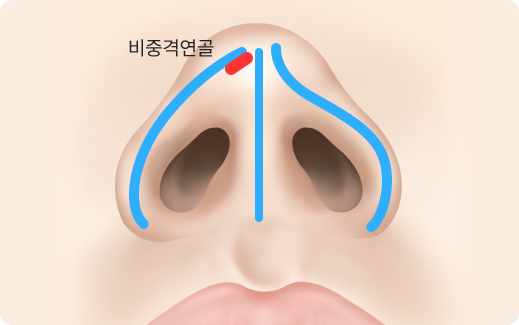
01 Deviated Nasal Septum
When the septal cartilage, the wall that separates the nostrils, is curved in a C- or S-shape, airflow on the narrower side becomes obstructed. At Vance Plastic Surgery, rather than simply cutting away the curved cartilage, we straighten it as much as possible, move it toward the center, and trim only the unnecessary portions to restore breathing function while preserving nasal support.

✓ Surgery duration: 1 hour
✓ Anesthesia: Local anesthesia/sedation
✓ Follow-up visits: 2–3 times
✓ Hospitalization: Not required
✓ Recovery period: 7 days
✓ Suture removal: After 7 days
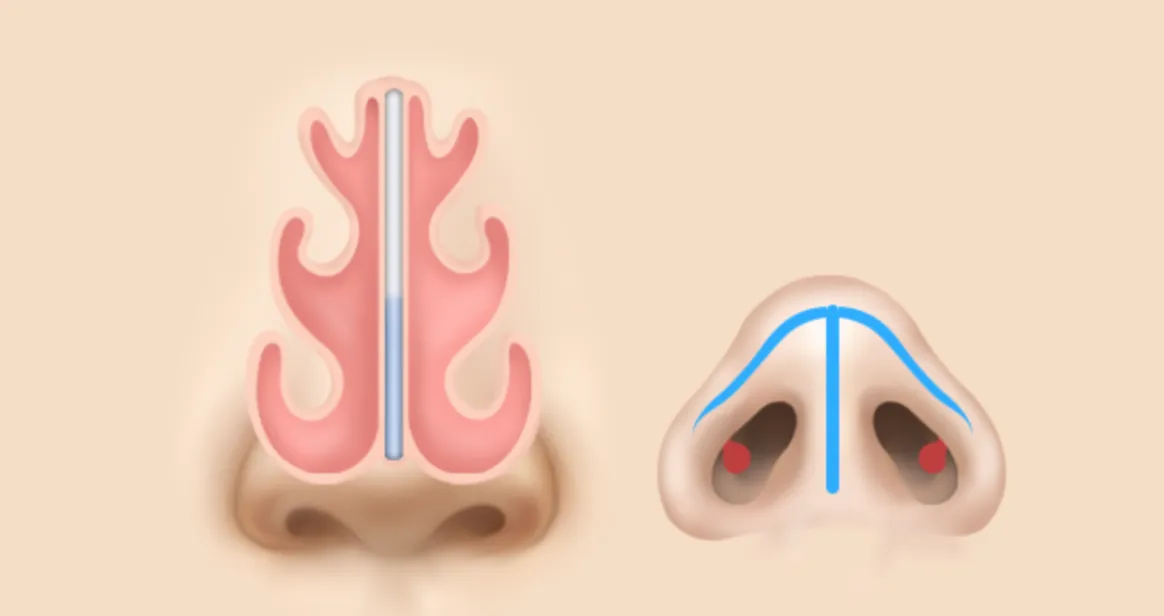
Normal nasal septum
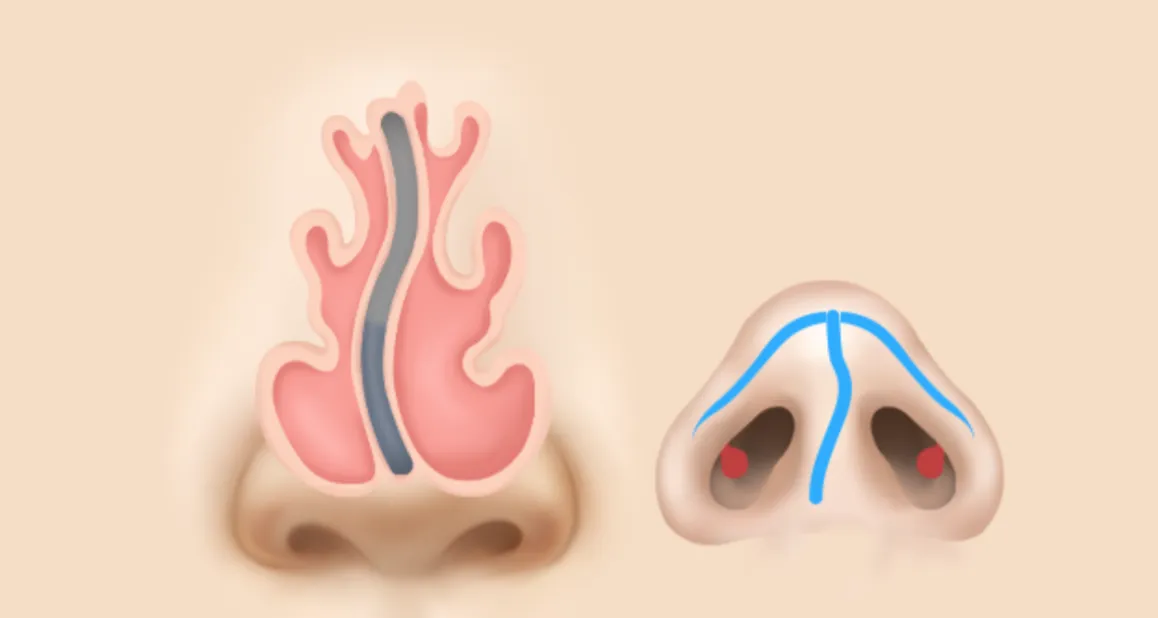
Deviated nasal septum (septal deviation)
Candidates for Septal Deviation Surgery at Vance Plastic Surgery
✓ Difficulty breathing due to a deviated nasal septum ✓ Symptoms such as nasal congestion do not improve with medication ✓ Complications such as sinusitis or rhinitis have developed ✓ Nasal septum deviation due to congenital or acquired causes ✓ A crooked nose ✓ Want to improve both nasal function and appearance ✓ Daily life is inconvenient due to congenital or acquired nasal conditions
Septal Deviation Cases Check!
Case 01
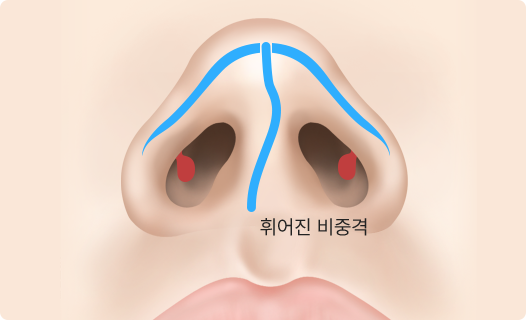
❶ Deviated nasal septum
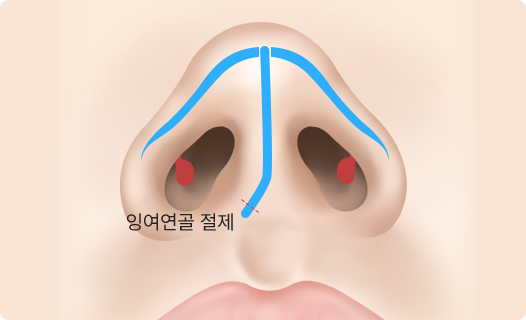
❷ After straightening the deviated septum, the remaining excess cartilage is removed
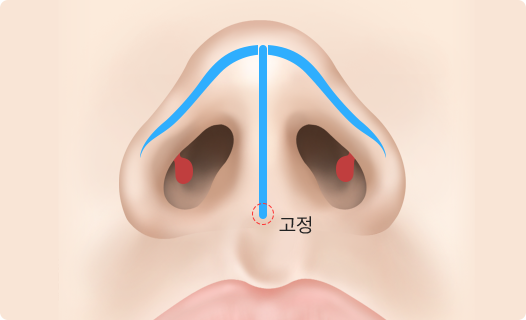
❸ Correct the septal position and secure it
Case 02
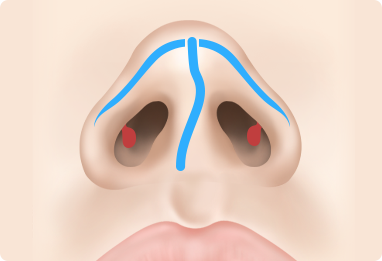
❶ Deviated nasal septum
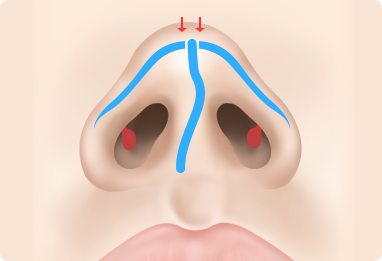
❷ Separate the septal cartilage from the upper nasal connection
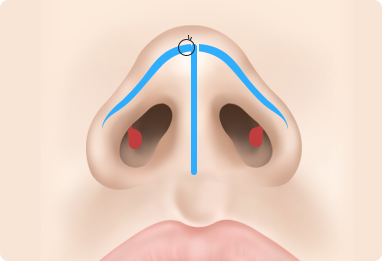
❸ Straighten the septal cartilage and secure it to the nasal connection
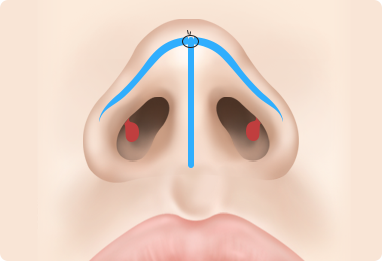
❹ Suture the remaining upper nasal connection and septum
02 Nasal Valve Stenosis
The nasal valve is the area that acts as the roof of the upper nose. When this area becomes narrow, breathing becomes difficult and can feel stuffy. Nasal valve reconstruction, which involves grafting wedge-shaped cartilage between narrowed cartilages lifts the collapsed roof to create space for breathing.

✓ Surgery duration: 1 hour
✓ Anesthesia: Local anesthesia/sedation
✓ Follow-up visits: 2–3 times
✓ Hospitalization: Not required
✓ Recovery period: 7 days
✓ Suture removal: After 7 days
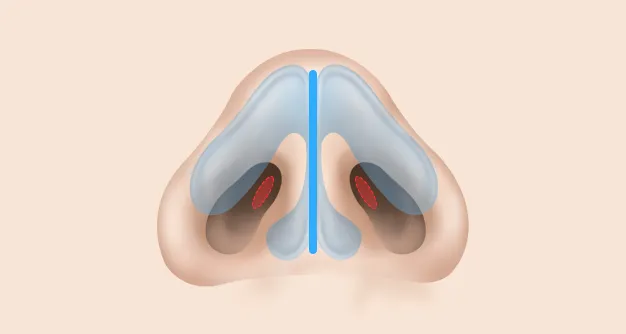
A nose with a narrow nasal valve that makes breathing difficult
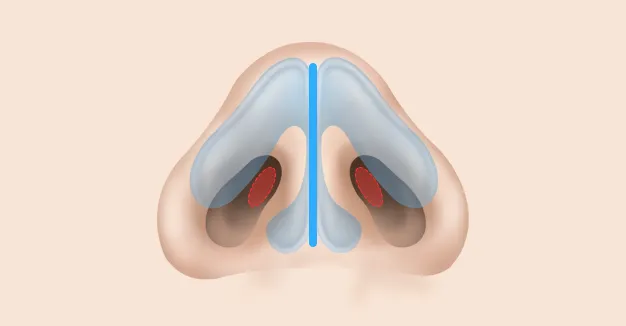
A nose with a widened nasal valve for comfortable breathing
A method that increases space by inserting cartilage between narrowed nasal valves
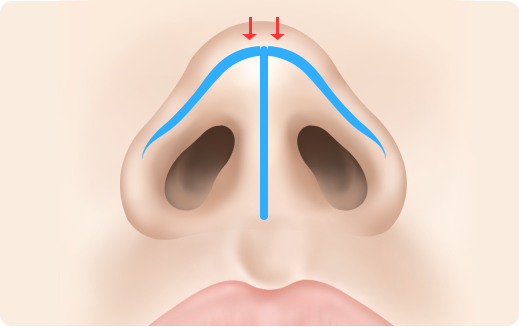
❶ Nasal valve stenosis
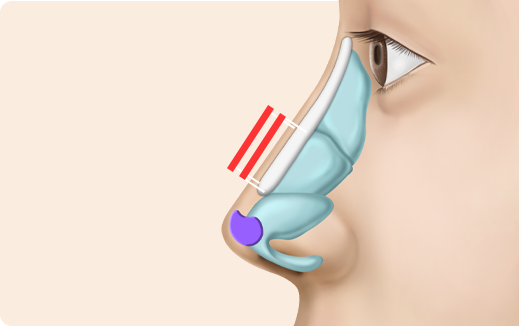
❷ Cartilage graft between the nasal valves
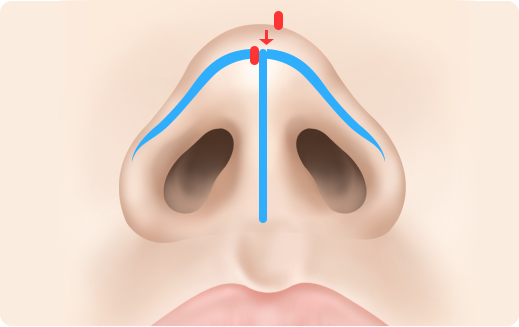
❸ Widened nasal valve
A method that enlarges the nasal valve space by reinforcing weak lateral walls with cartilage
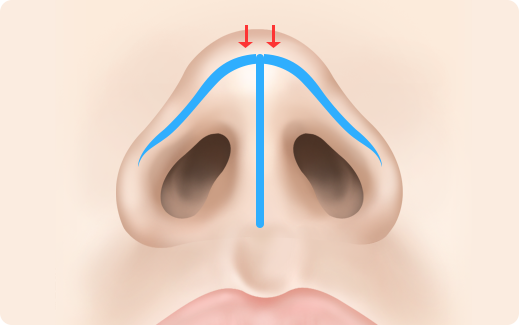
❶ Nasal valve stenosis
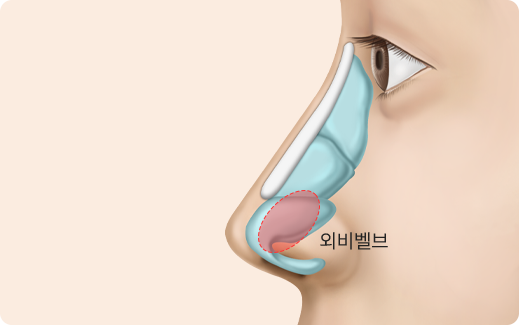
❷ Reinforce weak lateral wall cartilage and widen the nasal valve
❸ Widened nasal valve
03 Hypertrophic Rhinitis
The tissue inside the nostrils (inferior turbinates) may swell and obstruct the airway. For hardened mucosa that does not shrink with medication, we remove excess tissue volume to restore lost breathing space.

✓ Surgery duration: 1 hour
✓ Anesthesia: Local anesthesia/sedation
✓ Follow-up visits: 2–3 times
✓ Hospitalization: Not required
✓ Recovery period: 7 days
✓ Suture removal: After 7 days
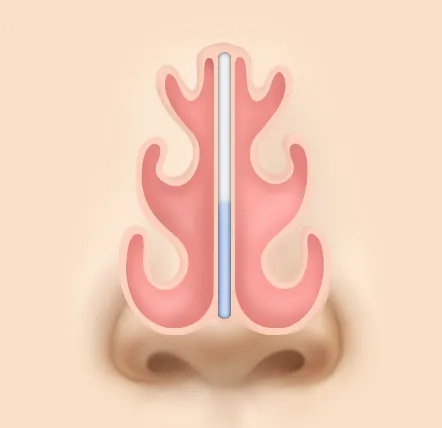
A nose with normal inferior turbinates
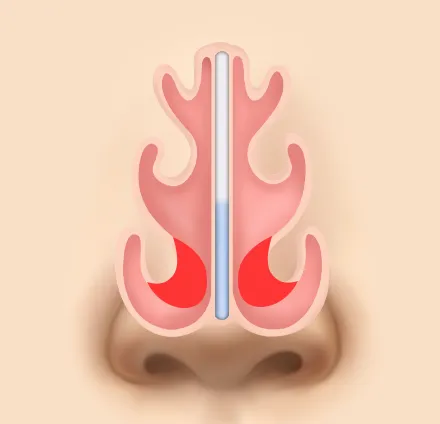
A nose with enlarged inferior turbinates
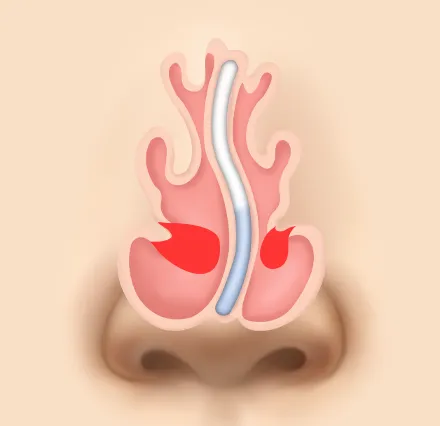
A nose with septal deviation and enlarged turbinates
Vance Hypertrophic Rhinitis Cases Check!
Case 01 Radiofrequency Mucosal Reduction
This method uses radiofrequency energy to coagulate the mucosa and reduce enlarged inferior turbinates. It is simple and involves minimal bleeding.
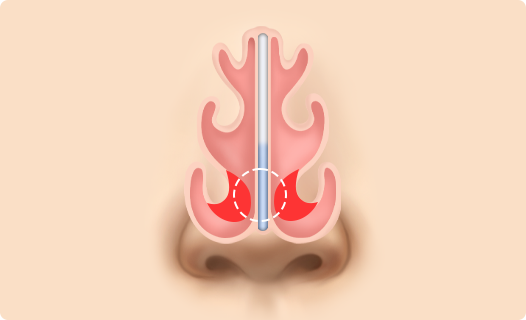
❶ Nasal congestion and rhinitis caused by enlarged inferior turbinates
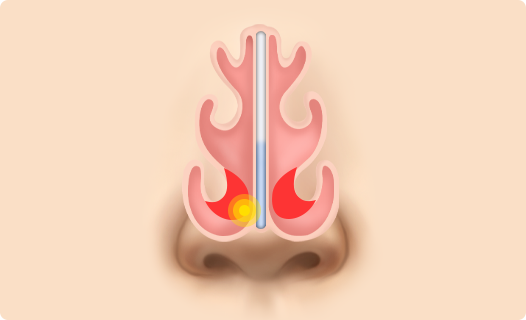
❷ Deliver radiofrequency heat to the inferior turbinate
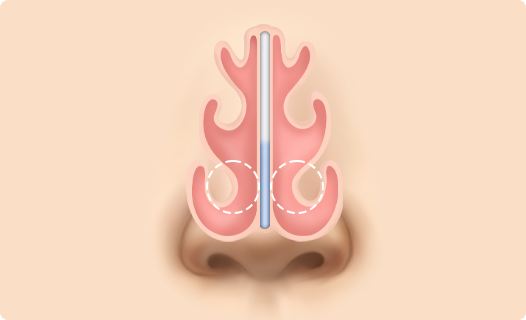
❸ Treatment complete through inferior turbinate reduction
Case 02 Inferior Turbinate Reduction
When the inferior turbinates do not decrease with radiofrequency treatment, this method treats the condition by directly removing soft tissue and bone.
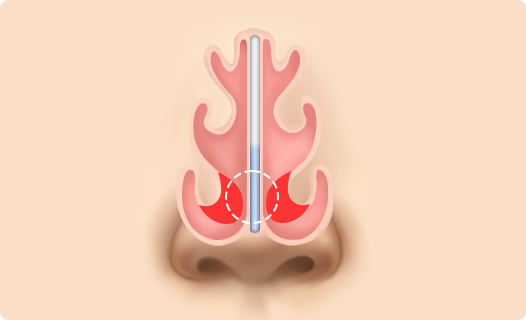
❶ Nasal congestion and rhinitis caused by enlarged inferior turbinates
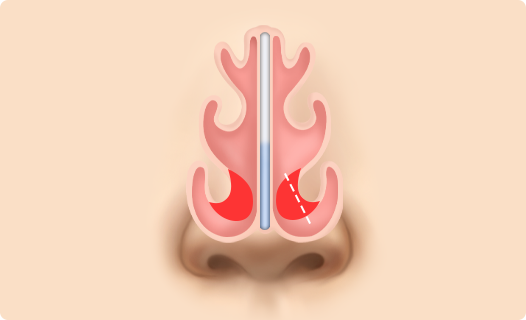
❷ Direct removal of inferior turbinate soft tissue and bone
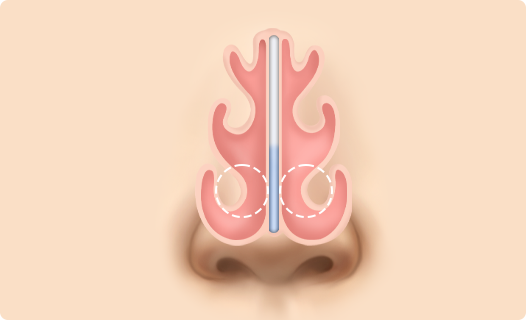
❸ Treatment complete through inferior turbinate reduction
Functional Rhinoplasty, with Indemnity Insurance
Half the cost, double the satisfaction
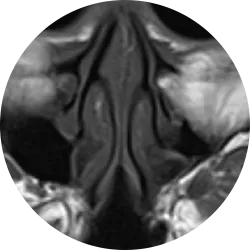
Deviated Nasal Septum
Examination: 3D CT scan
Reimbursement rate: 80–100%
Required documents: -Surgery confirmation certificate -Hospital admission/discharge confirmation -Itemized statement of medical expenses -Admission/discharge medical expense receipt -Other documents requested by the insurer
Disease insurance claim code: J34.2 Deviated nasal septum
Covered/non-covered: Covered
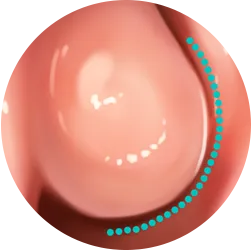
Rhinitis
Examination: 3D CT scan
Reimbursement rate: 80–100%
Required documents: -Surgery confirmation certificate -Hospital admission/discharge confirmation -Itemized statement of medical expenses -Admission/discharge medical expense receipt -Other documents requested by the insurer
Disease insurance claim code: J34.3 Hypertrophy of nasal turbinates (bilateral) / J30.4 Allergic rhinitis, unspecified
Covered/non-covered: Covered
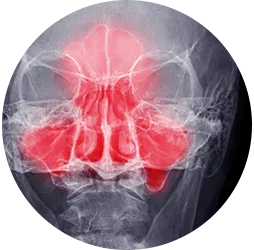
Sinusitis (Paranasal Sinusitis)
Examination: 3D CT scan
Reimbursement rate: 80–100%
Required documents: -Surgery confirmation certificate -Hospital admission/discharge confirmation -Itemized statement of medical expenses -Admission/discharge medical expense receipt -Other documents requested by the insurer
Disease insurance claim code: J01 Acute sinusitis / J32 Chronic sinusitis
Covered/non-covered: Covered
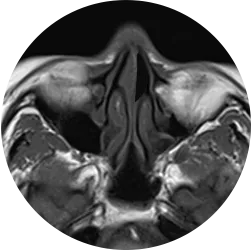
Nasal Valve Stenosis
Examination: 3D CT scan
Reimbursement rate: 80–100%
Required documents: -Surgery confirmation certificate -Hospital admission/discharge confirmation -Itemized statement of medical expenses -Admission/discharge medical expense receipt -Other documents requested by the insurer
Disease insurance claim code: M95.0 OZ111 Nasal valve reconstruction
Covered/non-covered: Statutory non-covered service
Indemnity Insurance Process
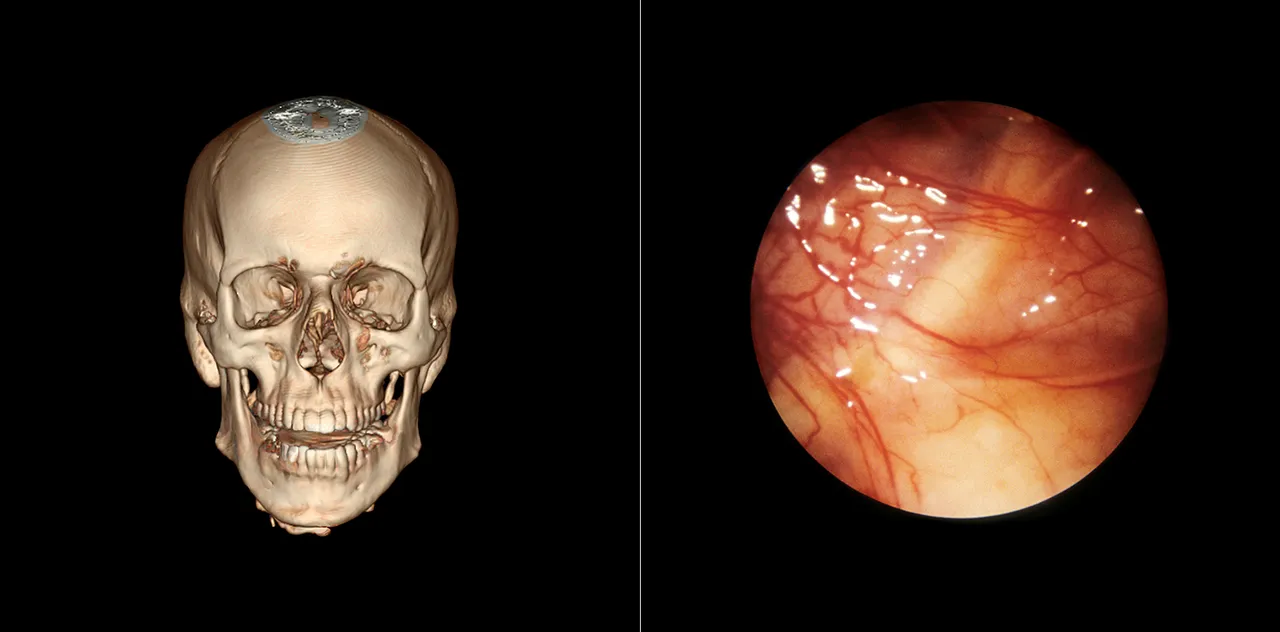
❶ Detailed analysis of internal nasal structure and conditions using 3D CT and diagnostic endoscopy
❷ Confirm disease code: Specify the surgical diagnosis code based on examination results
❸ Check reimbursement eligibility: Confirm insurer coverage eligibility and reimbursement rate
❹ Surgery and treatment: Improve function and refine the aesthetic line at the same time
❺ Support for document issuance: Carefully prepare required documents for insurance claims
❻ Submit documents to the insurer: Submit prepared documents via app or mail
❼ Receive payment after review: Insurance benefits are deposited into the patient's account after review is completed
➞ Eligibility and coverage scope may vary depending on when indemnity insurance was purchased and the terms of coverage. Indemnity insurance does not apply when surgery is performed solely for cosmetic purposes without functional improvement.
3D CT & Endoscopic Precision Analysis
Vance Plastic Surgery performs detailed evaluations of nasal bone structure, bone width, septal condition, degree of deviation, inferior turbinates, and internal mucosal condition using 3D CT and nasal endoscopy. Through this, we assess whether functional improvement is needed, minimize unnecessary resection, and strive for satisfying surgery with faster recovery.
Customized Materials for Vance Rhinoplasty
A smooth nasal bridge, a defined nasal tip.
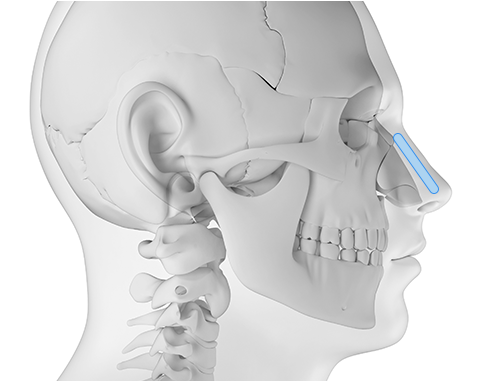
Silicone Implant
· Area of use: Nasal bridge · Precisely sculpted to fit the contours of the forehead and nasal bones, creating a refined, elevated line.
#CustomDesign #SmoothLine #SemiPermanent
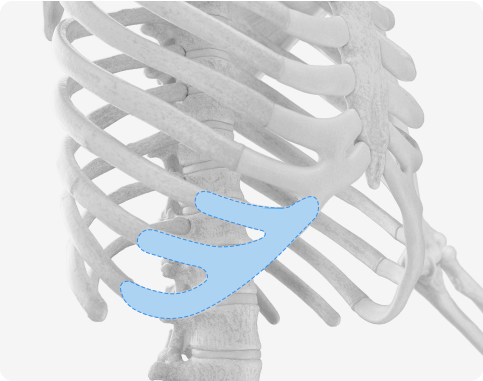
Donor Rib Cartilage (Donor Material)
· Area of use: Nasal tip, columellar strut · This safe, specially processed cartilage allows a nasal tip as strong as one created with autologous rib cartilage, without surgery to harvest cartilage from your body.
#NoSeparateHarvesting #FastRecovery #StrongStructure
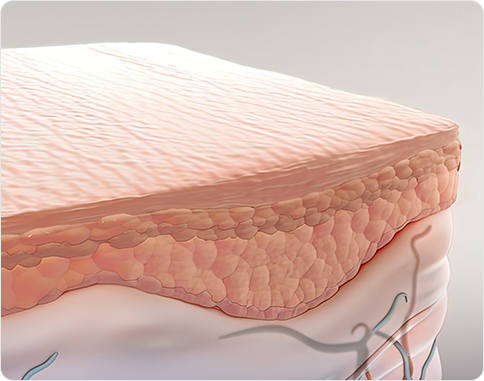
Donor Dermis (Donor Material)
· Area of use: Nasal bridge, nasal tip, skin reinforcement · Made from safely processed human skin, this material is used to increase skin thickness or raise the nasal bridge without the burden of harvesting autologous dermis.
#VolumeEnhancement #NoScarConcerns #SoftLine
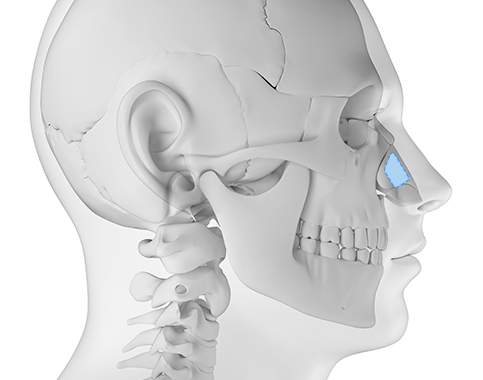
Septal Cartilage (Autologous Tissue)
· Area of use: Nasal tip, columellar strut · Harvested from inside the nose, leaving no visible scar, and provides flat, firm support to elevate the nasal tip.
#HarvestedInsideTheNose #FirmSupport #NoScarConcerns
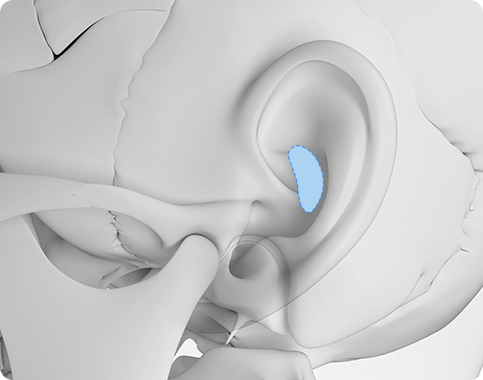
Ear Cartilage (Autologous Tissue)
· Area of use: Nasal tip · With good elasticity and a soft curved shape, it naturally refines the nasal tip or wraps implants to prevent them from protruding through the skin.
#SoftCurves #NaturalFeel #NasalTipShield
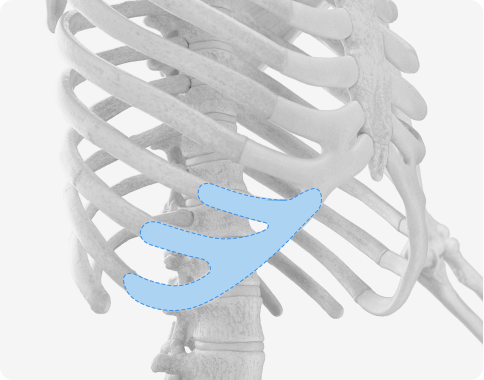
Autologous Rib Cartilage (Autologous Tissue)
· Area of use: Nasal tip, nasal bridge, revision surgery · Harvested from the patient's own rib cartilage, it has very few side effects and is used to lengthen the nose or create a more defined line with strong support.
#StrongSupport #DefinedLine #ContractedNoseCorrection
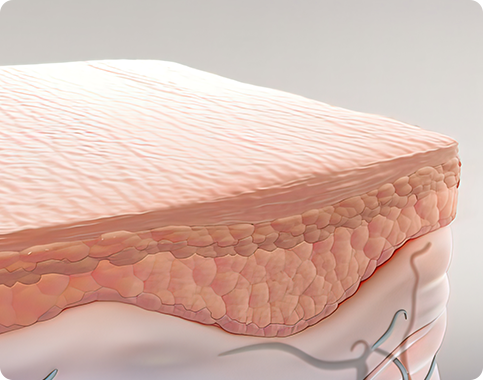
Autologous Dermis
· Area of use: Nasal bridge, nasal tip · This autologous tissue is harvested from areas such as between the buttocks and is suitable when thin skin makes implant visibility a concern or when a natural degree of height is desired.
#ThinSkin #PreventsImplantVisibility #FeelsLikeYourOwnTissue
Six details that make a difference in results—this is Vance Plastic Surgery rhinoplasty.
It is not simply about raising the nasal bridge. Vance has the standards needed for rhinoplasty, from ideal line design and invisible functional improvements to a safe surgical environment.
❶ A Profile You Want to Show Off
Through thorough consultations and examinations, we assess your desired nasal bridge line and nasal tip shape. We perform satisfying primary rhinoplasty tailored to your facial shape and aesthetic preferences.
❷ Definition and Naturalness
For primary rhinoplasty, we design with consideration for the level of definition and naturalness preferred by each patient.
❸ 3D CT Precision Analysis
We precisely assess even areas that cannot be seen with the naked eye, including bone size, septal cartilage shape, and degree of deviation.
❹ Three-Dimensional Design
Rather than looking at the nose alone, we consider overall factors including the forehead, glabella height, nasal bridge line, nasal tip, nasolabial angle, and chin.
❺ Surgery by the Medical Director
The medical director, who understands the patient's needs, manages the entire process from consultation through performing the surgery. This reduces anxiety and increases satisfaction.
❻ Functional Improvement
The nose should be beautiful, but its essential role as a breathing organ is also important. We also improve functional causes of nasal obstruction, such as septal deviation and nasal valve stenosis.
Vance Functional Rhinoplasty Q&A
Q. When is functional rhinoplasty necessary?
A. Functional issues may be suspected when nasal congestion, difficulty breathing, mouth breathing during sleep, or snoring persist. Functional rhinoplasty is necessary when there are structural causes such as septal deviation or nasal valve stenosis.
Q. Will breathing really become easier after functional rhinoplasty?
A. If the cause of breathing difficulty is a structural problem inside the nose, improvement may be expected after surgery. However, if only allergic rhinitis or mucosal problems are present, the effect of surgery may be limited.
Q. How is functional rhinoplasty different from cosmetic rhinoplasty?
A. Functional rhinoplasty aims to improve breathing and focuses on correcting internal nasal structures. Cosmetic rhinoplasty primarily aims to improve appearance, so the purposes and design standards differ. They may be performed at the same time when needed.
Q. How long is the recovery period after functional rhinoplasty?
A. Initial swelling and discomfort usually last about 1–2 weeks, while internal nasal stabilization and improvement in breathing gradually occur over several weeks. Recovery speed varies by individual.
 DOY JUN Plastic Surgery