
Endoscopic brow lift
Price upon consultation
A small incision is made within the hairline, and after dissection using a full-HD endoscope, the descended forehead and eyebrows are elevated and secured. Depending on skin thickness and the pattern of ptosis, either the Endotine method, which provides broad-area fixation, or the bone-tunneling method, which uses absorbable sutures for three-point fixation, is selected.
Procedure Overview
An Endoscopic brow lift is a procedure in which small incisions are made inside the hairline, dissection is performed using a full-HD endoscope, and the sagging forehead and eyebrows are lifted and secured. The method is selected according to skin thickness and the pattern of sagging: either the Endotine method, which provides fixation over a broad area, or the bone-tunneling method, which uses absorbable sutures for three-point fixation.
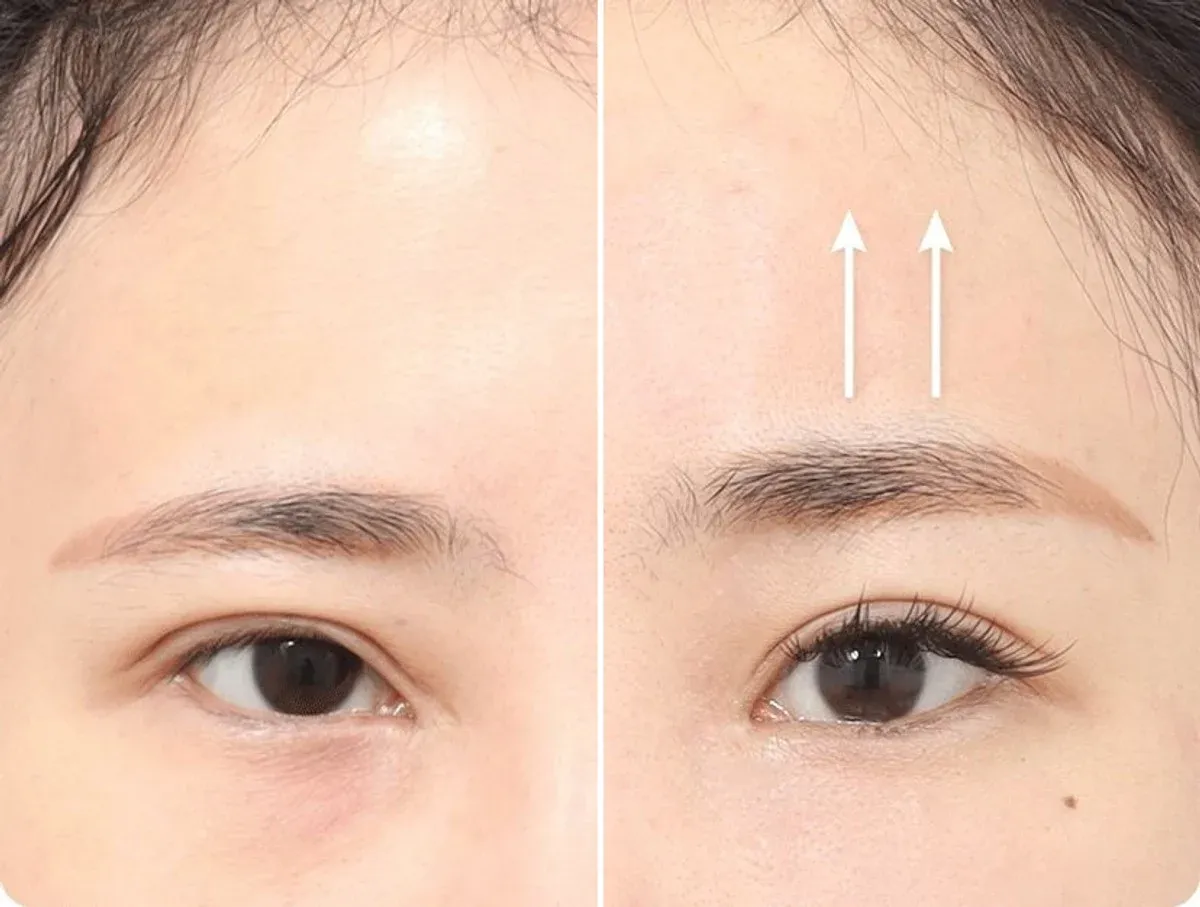
Before-and-after photos (before surgery on the left · after surgery on the right) Before surgery → 4 months after surgery
Recommended for the following
· Those who look older due to sagging eyebrows and forehead · Those with deep forehead wrinkles and severe sagging · Those who wish to improve forehead wrinkles, Crow's Feet, and Glabella wrinkles together · Those whose eyelids still appear droopy after Double Eyelid Surgery · Those whose eyes appear small due to sagging eyebrows and eyelids · Those who appear stern because the distance between the eyebrows and eyes is narrow · Those for whom it is difficult to create large, defined double eyelids because the distance between the eyebrows and eyes is narrow
Types of Endoscopic brow lift
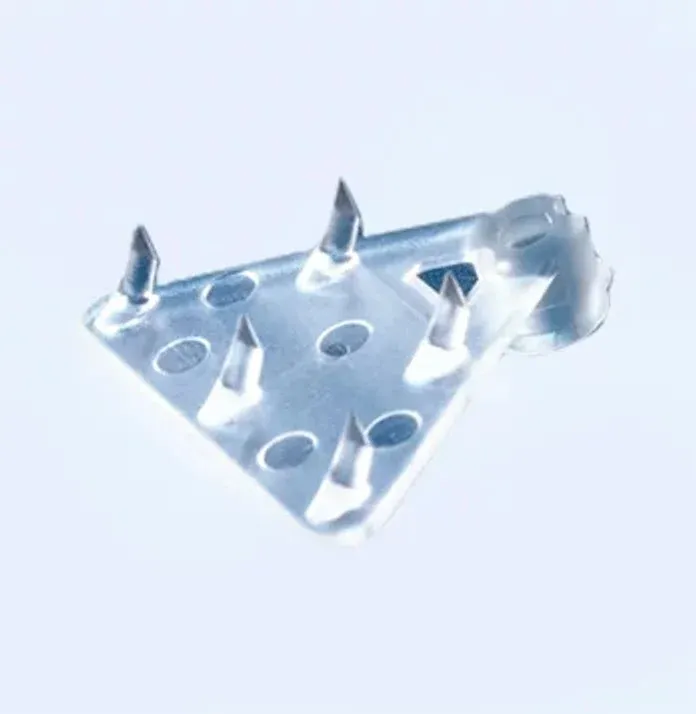
Endotine forehead lift
A bioabsorbable fixation device is used. · When strong Lifting and firm fixation are needed: A broad contact surface provides stronger and longer-lasting fixation. · When the scalp is thick and heavy: The fixation device is less noticeable even under a thick scalp.
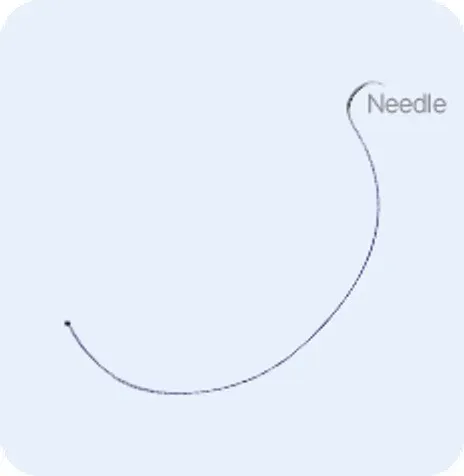
Bone-tunneling forehead lift
Absorbable medical sutures are used. · When sagging of the Glabella and inner eyebrows is severe: Three-point fixation precisely lifts the Glabella and inner eyebrows. · When the scalp and forehead skin are thin: There is no foreign-body sensation from a fixation device.
Endotine forehead lift
After safely dissecting sagging forehead tissue with an Endoscope, a fixation device called Endotine is inserted to firmly lift and secure the Forehead. Firm fixation across a broad area helps improve deep wrinkles in the upper Face.
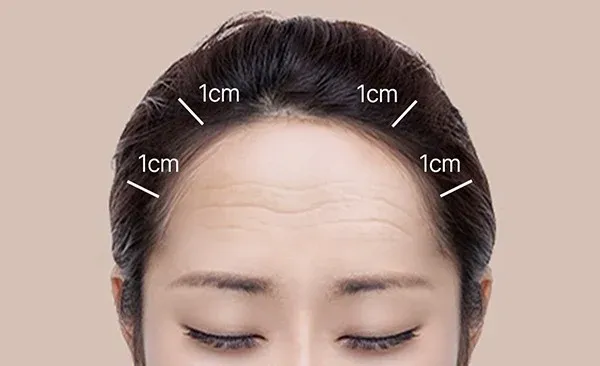
STEP 1. Minimal incision
Approximately 4–5 small incisions, about 1 cm each, are made inside the hairline.
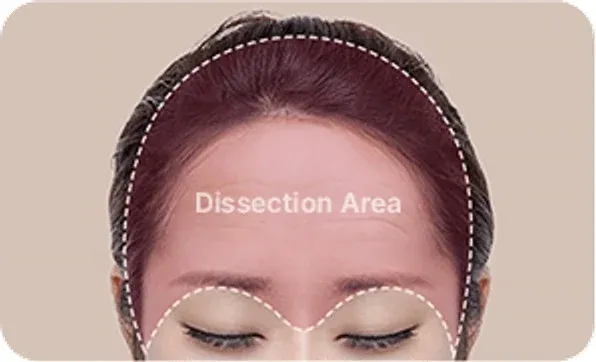
STEP 2. Endoscopic dissection
Nerves, blood vessels, and muscles are precisely dissected using a full-HD Endoscope.
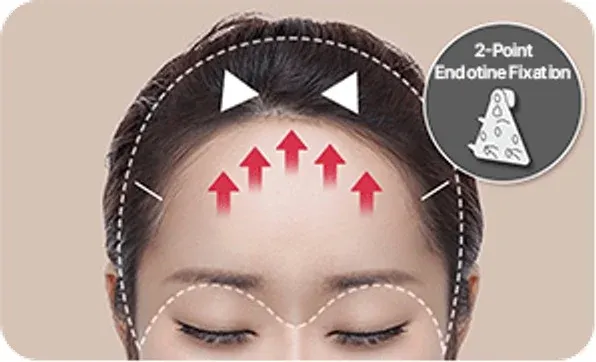
STEP 3. Endotine fixation
Endotine is placed in the dissected area to secure the lifted Forehead.
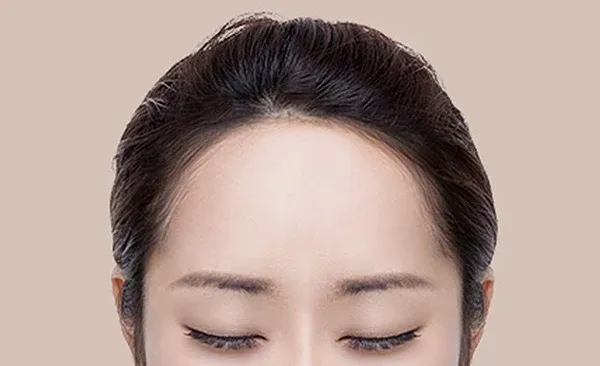
STEP 4. Suturing
The incision sites are carefully sutured to complete the procedure.
Features of the Endotine forehead lift
· Broad dissection and strong fixation – The area from the eyebrows to the upper Forehead is widely dissected to enhance the Lifting effect, then firmly secured with Endotine to prevent recurrent sagging. · Effective for thick skin and deep wrinkles – Fixation marks are less visible in thicker skin, while strong Lifting improves deep forehead wrinkles. · Long-lasting, stable results – Endotine is gradually absorbed over approximately one year and provides stable maintenance. · Broad-area fixation – Multiple hook-like structures firmly hold a wide area, producing a more noticeable improvement in forehead sagging.
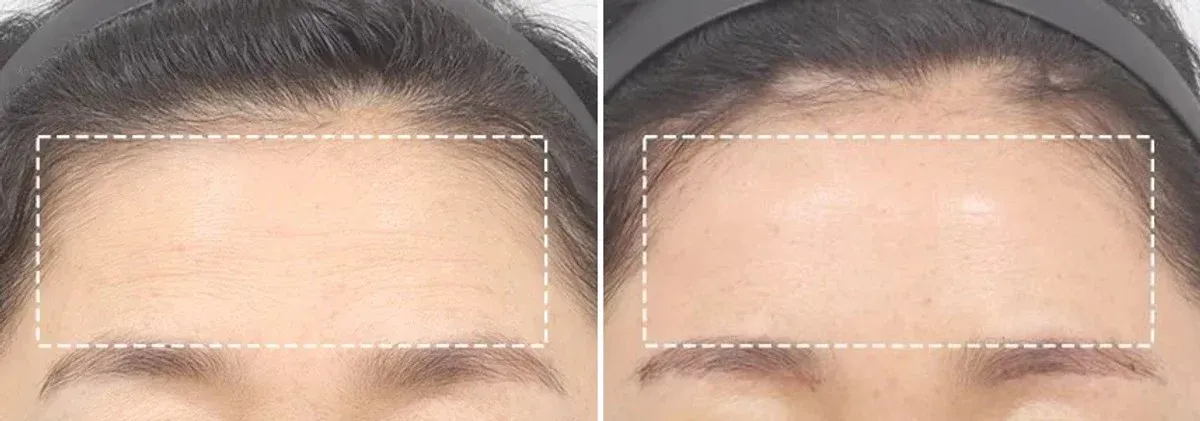
Before-and-after photos (before surgery on the left · after surgery on the right) Before surgery → 2 weeks after surgery
Before-and-after photos (before surgery on the left · after surgery on the right) Before surgery → 1 year after surgery
Bone-tunneling forehead lift
After dissecting forehead tissue through small incisions using an Endoscope, the sagging Forehead is firmly lifted and secured with biodegradable medical sutures. It is suitable for those with relatively thin skin and may also improve Glabella wrinkles.
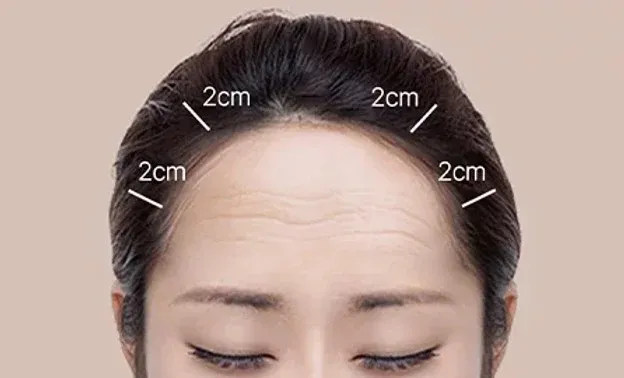
STEP 1. Minimal incision
Approximately 4–5 small incisions, about 2 cm each, are made inside the hairline.
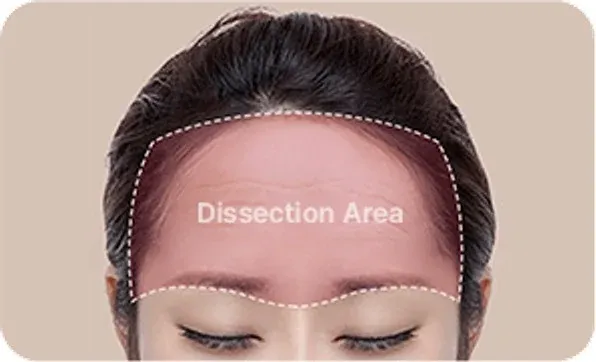
STEP 2. Endoscopic dissection
Dissection is performed while identifying nerves, blood vessels, and muscles with a full-HD Endoscope.
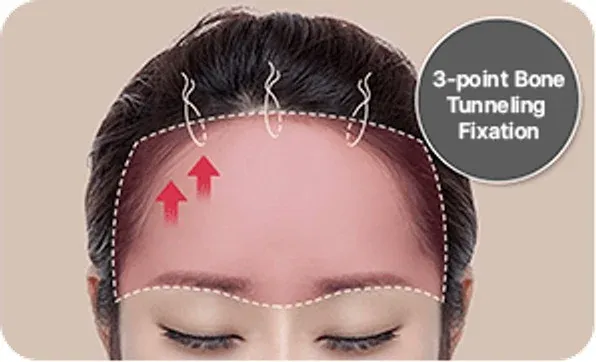
STEP 3. Suture fixation
Sagging forehead tissue is pulled up and firmly secured with absorbable sutures.
STEP 4. Suturing
The incision sites are carefully sutured to complete the procedure.
Features of the bone-tunneling forehead lift
· Bone-tunneling technique – Small tunnels are created on the bone surface to secure forehead tissue with sutures. Because only the bone surface is treated, there is no risk of brain injury. The small openings naturally fill in over time. · Correction of eyebrow position and angle through Glabella fixation – Lifting the Glabella and inner eyebrow sagging creates a brighter, more youthful appearance. · Minimal foreign-body sensation – The fixation sutures and knots are small, resulting in almost no foreign-body sensation and reducing the likelihood of loosening from external impact. · Improvement of Glabella wrinkles through three-point fixation
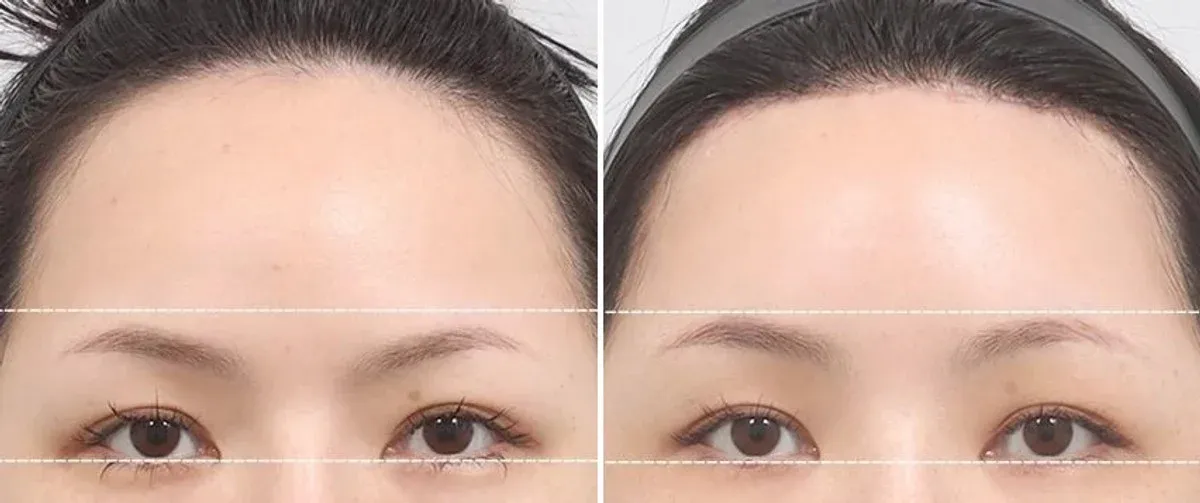
Before-and-after photos (before surgery on the left · after surgery on the right) Before surgery → 1 week after surgery
Effects of Endoscopic brow lift
Point 1. Improves forehead, Glabella, and Crow's Feet wrinkles together
Effectively improves deep forehead wrinkles, Glabella wrinkles, and Crow's Feet, and helps prevent horizontal and vertical wrinkles.
Point 2. Lifts sagging eyebrows and Forehead for a brighter, more youthful appearance
Adjusts the position and angle of the Forehead and sagging eyebrows to improve severe Crow's Feet sagging and create a more vibrant, youthful appearance.
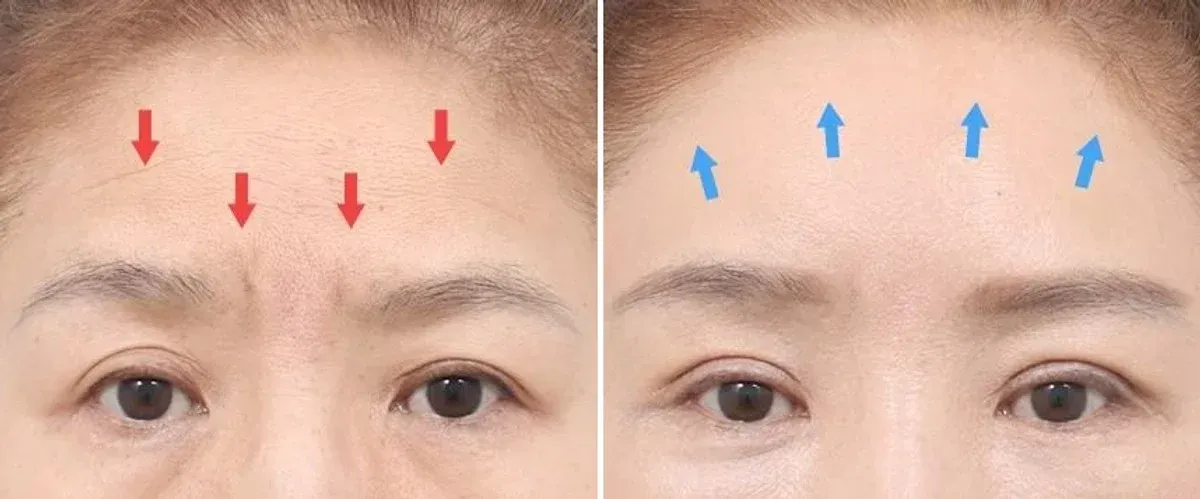
Before-and-after photos (before surgery on the left · after surgery on the right) Before surgery → 2 weeks after surgery
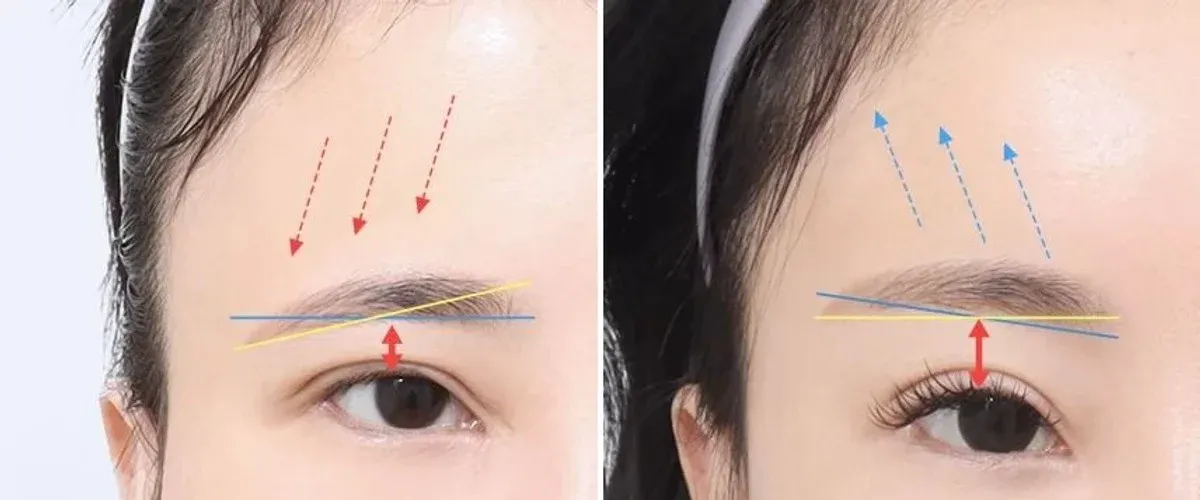
Before-and-after photos (before surgery on the left · after surgery on the right) Before surgery → After surgery
Point 3. Widens the space between the eyes and eyebrows for a more open appearance
Lifting sagging eyebrows and the Forehead widens the previously narrow space between the eyes and eyebrows, making the eyes appear larger and brighter.
Point 4. Improves double-eyelid lines obscured by sagging skin
Corrects uneven or hidden double-eyelid lines caused by sagging skin, making heavy-looking eyes appear lighter and brighter.
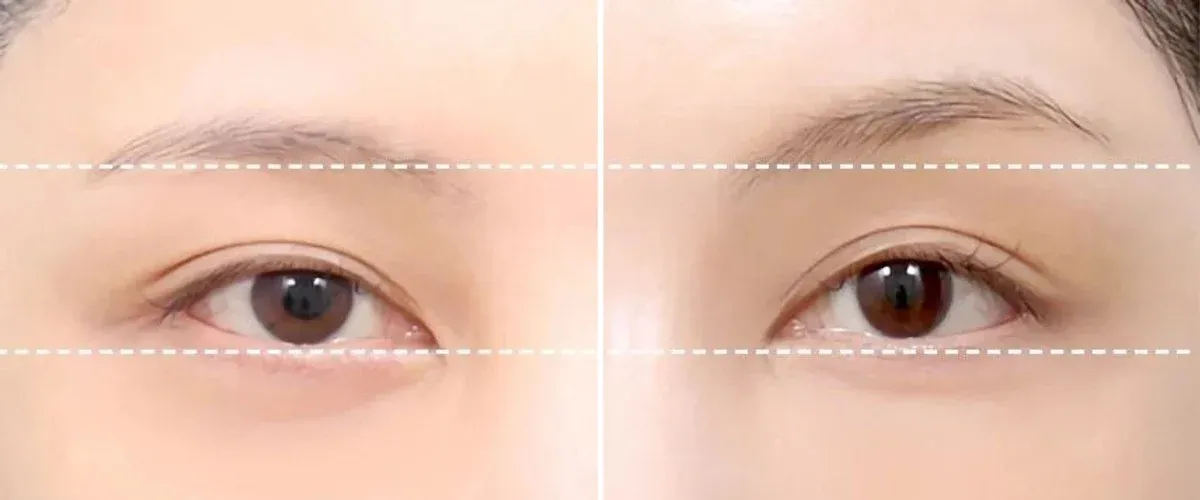
Before-and-after photos (before surgery on the left · after surgery on the right) Before surgery → 2 weeks after surgery
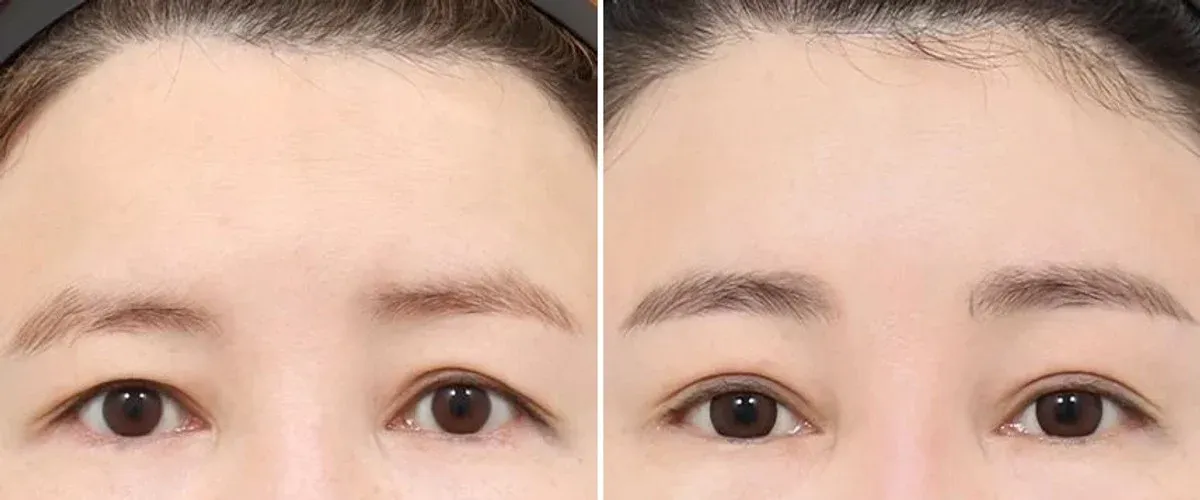
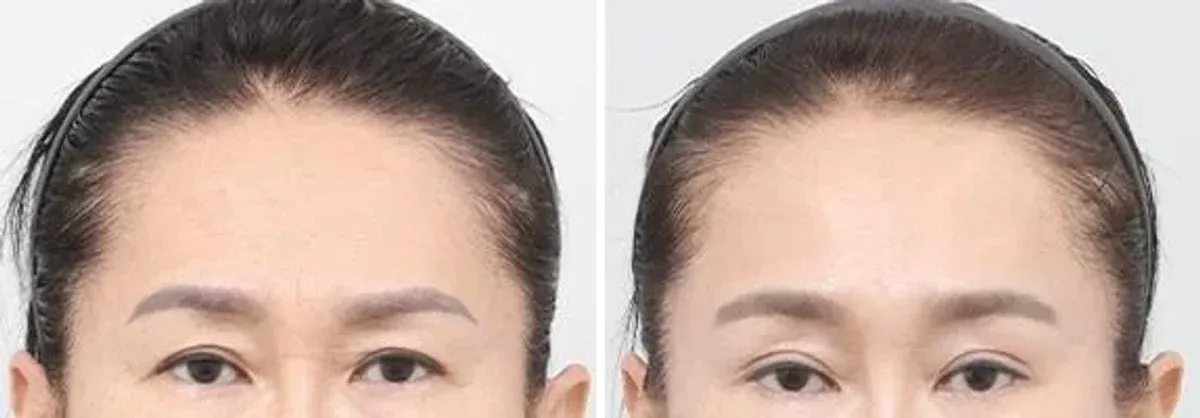
Before-and-after photos (before surgery on the left · after surgery on the right) Before surgery → 4 months after surgery
Point 5. Minimizes scars and recovery time with small incisions
Because minimal incisions are made inside the hairline, there are no noticeable scars and you can return to daily activities quickly.
Point 6. Dissection of corrugator muscles and retaining ligaments
By dissecting the corrugator muscles and retaining ligaments that interfere with Lifting, sagging tissue can be lifted more effectively. It also reduces the downward pull on the eyebrows, improving Glabella wrinkles.
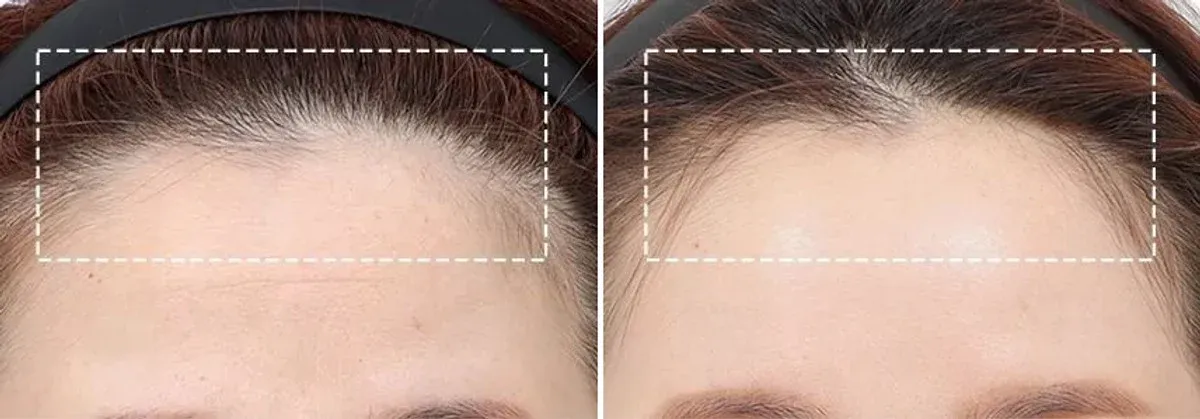
Before-and-after photos (before surgery on the left · after surgery on the right) Before surgery → 1 year after surgery
Point 7. Prevents thick, unnatural-looking double eyelids
If only Double Eyelid Surgery is performed without correcting a narrow space between the eyebrows and eyes or thick upper-eyelid skin, the eyes may appear heavy or the crease may look thick and unnatural. In such cases, widening the space between the eyebrows and eyes with an Endoscopic brow lift first, followed by Double Eyelid Surgery, can create a more natural and balanced eye shape.
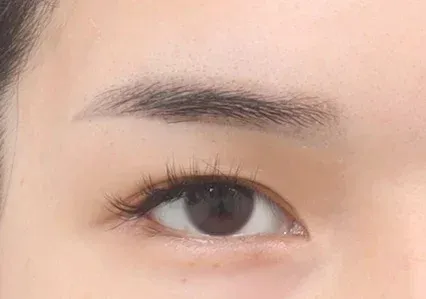
Double Eyelid Surgery only
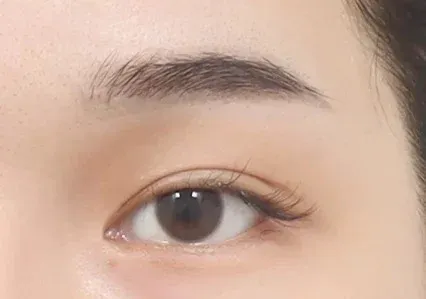
10 days after forehead lift
Strengths of AB Endoscopic brow lift
· Use of genuine Endotine – Genuine 100% Endotine made from a biocompatible material approved by the U.S. FDA is used to firmly secure the Forehead and scalp. · Use of absorbable medical sutures – Reduces foreign-body sensation and discomfort, minimizes scarring, and supports faster recovery. · Incisions designed to reduce the risk of hair loss – A 45-degree oblique incision made with consideration of hair direction reduces the risk of hair loss and helps hair grow healthily. · Minimizing Headache and nerve damage – Precise dissection that reduces sensory nerve stimulation helps reduce side effects. · Precise surgery with a full-HD Endoscope – Avoids major nerves, muscles, and blood vessels to reduce tissue damage and bleeding. · Safe and effective customized surgery – The most suitable method is selected according to each individual's condition and anatomical structure. · Hosting international Lifting conferences and live surgery demonstrations for domestic and international medical professionals (IFAAS) · Selected as one of the top five medical institutions nationwide for Endotine use
Surgery information
| Surgery time: 1 hour | Anesthesia: Sedation anesthesia · general anesthesia | Follow-up visits: 2–3 times | Recovery period: 5–7 days
Pre- and postoperative precautions
Before surgery
· Please inform us in advance if you have any medical conditions such as hypertension, diabetes, or thyroid disease; drug allergies; or a history of heart, lung, liver, kidney, or brain-related surgery. An anesthesiology consultation and additional tests may be performed if necessary. · Please stop taking aspirin, pain relievers, hormonal medications, herbal medicine, and vitamin supplements beginning one week before surgery. Please bring any medications you are currently taking on the day of surgery. · Smoking delays recovery and increases the risk of infection and anesthesia-related complications, so stop smoking from the day you decide to have surgery. Stop drinking alcohol one week before surgery. · Do not eat or drink, including water, candy, or gum, for 10 hours before surgery. · Remove all nail polish and gel nails, and do not wear contact lenses or makeup on the day of surgery. Please wear comfortable clothing with front buttons. · Please inform us in advance if you have a high fever, cough, or cold symptoms within one week before surgery, or if surgery coincides with your menstrual period. · You cannot drive yourself on the day of surgery.
After surgery
· Rest lying down for 48 hours after surgery, and keep your head elevated above your heart while sleeping for 3–4 days. · Apply cold compresses only for the first 3 days. Major swelling subsides within 1 week, while residual swelling may continue for 1–3 months. · Sutures are removed between 7 and 14 days. Do not remove the bandage or compression band yourself. · You may wash your face from the day of surgery, but avoid getting the surgical area wet. You may wash your hair after 3–4 days. Saunas and swimming are prohibited for 1 month. · Daily activities are possible after 1 week, light exercise after 2–3 weeks, and strenuous exercise after 1 month. Alcohol and smoking are prohibited for 1 month. · If Endotine is used, you may feel discomfort or hear sounds in the scalp; these will gradually decrease as the Endotine is absorbed.
Please be sure to check
The surgical method and results may vary depending on the individual's condition and are determined through consultation with a specialist.
 AB PLASTIC SURGERY