
Double Eyelid Surgery
Price upon consultation
Surgery to create a double eyelid crease on the upper eyelid (including various techniques like burial, natural adhesion, incision, etc.)
Surgery Overview
AI-generated information for reference only. Please consult a doctor for accurate, personalized advice.
Before & After
See MoreNon-incisional Double Eyelid Surgery
The Natural adhesion method Suture method creates double eyelids by inducing natural adhesion between the skin tissue and muscle without incisions or sutures. It creates a natural double eyelid line that is precisely positioned between the eye-opening muscles, reducing the likelihood of coming undone.
Incisional Double Eyelid Surgery
Along with the Suture method, this is one of the most commonly used surgical methods. It is suitable for those who desire a more defined and durable line, have drooping eyelids, or have excess fat. For cases with stretched eyelids or excess fat, the skin is incised and an appropriate amount of fat and muscle is removed to create double eyelids. It is suitable for those who want defined, pronounced double eyelids with little concern about the line coming undone.
Non-incisional Ptosis Correction
Ptosis Correction is a procedure that adjusts the tension of the eye-opening muscles when they are weak, allowing the eyes to open comfortably using only the eye muscles rather than the forehead or eyebrows. It enlarges the appearance of the eyes and creates a more defined eye shape. Non-incisional Ptosis Correction adjusts the strength of the eyelid and muscles through tiny openings without a skin incision, correcting ptosis and drooping eye shape.
Incisional Ptosis Correction
For severe eyelid drooping, this procedure incises the skin tissue to strengthen the eye-opening muscles. It is mainly performed for patients with thick skin, excess fat, or moderate to severe ptosis. When the eye-opening muscles weaken, consciously trying to open the eyes wide may cause wrinkles on the Forehead or Glabella. Glovi incisional Ptosis Correction adjusts muscle tension to create larger, brighter, and more comfortable-looking eyes.
Epicanthoplasty
Epicanthoplasty is performed when the eyes appear short and create a closed-off impression. It opens the inner corners of the eyes, removes the epicanthal folds, and adjusts the distance between the eyes to improve facial proportions. It can create a brighter, more open-looking eye shape and make the eyes appear larger overall.
Upper Epicanthoplasty
Upper Epicanthoplasty is a procedure that lifts the skin covering the inner corner of the eye at a 45-degree angle when there is skin covering the inner corner or when it appears sharp. It is often performed together with Epicanthoplasty, and the appropriate surgical method is determined after precisely assessing each individual's condition. It helps create a brighter and more defined eye shape by considering the proportion of the white of the eye on the inner and outer sides.
Lateral canthoplasty
Lateral canthoplasty is a procedure that lengthens the eyes through an incision at the outer corner when the horizontal eye length is short, making the eyes appear longer and more open. It can provide more satisfying results when the outer corners appear closed and create a constricted impression, when full canthoplasty is desired, or when the desired effect cannot be achieved with Epicanthoplasty alone.
Lower Canthoplasty
Lower Canthoplasty is performed when upturned outer corners create a sharp impression. It increases the vertical length of the eyes and lowers the outer corners, making the outer eye area lower, the eyes appear larger, and the overall impression softer. When Glovi Lower Canthoplasty is performed together with Lateral canthoplasty, increasing both the horizontal length and vertical width of the eyes can create a larger, softer eye shape.
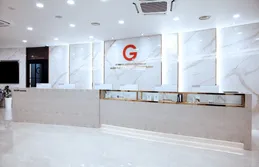 GLOVI PLASTIC SURGERY


Helpful tip
Found a before & after image you're interested in? Tap the magnifying glass button in the lower right to start a consultation right away.