Crooked Nose
from 300,000 KRW* VAT Not Included
This procedure corrects a nose in which the nasal bridge or tip is deviated to one side or curved in an S-shape. Internal causes commonly associated with a deviated nose, such as septal deviation, are corrected first, followed by nasal bone osteotomy and nasal tip cartilage correction to restore external symmetry and stabilize the nose firmly to reduce recurrence.
Surgery Overview
AI-generated information for reference only. Please consult a doctor for accurate, personalized advice.
Crooked Nose surgery corrects a nose in which the Nasal Bridge or Nasal Tip is deviated to one side or curved in an S-shape. Newline identifies the cause of the Crooked Nose and provides customized surgery according to the degree of deviation, focusing on first correcting internal causes such as Septoplasty and then securing the structure firmly to prevent recurrence.

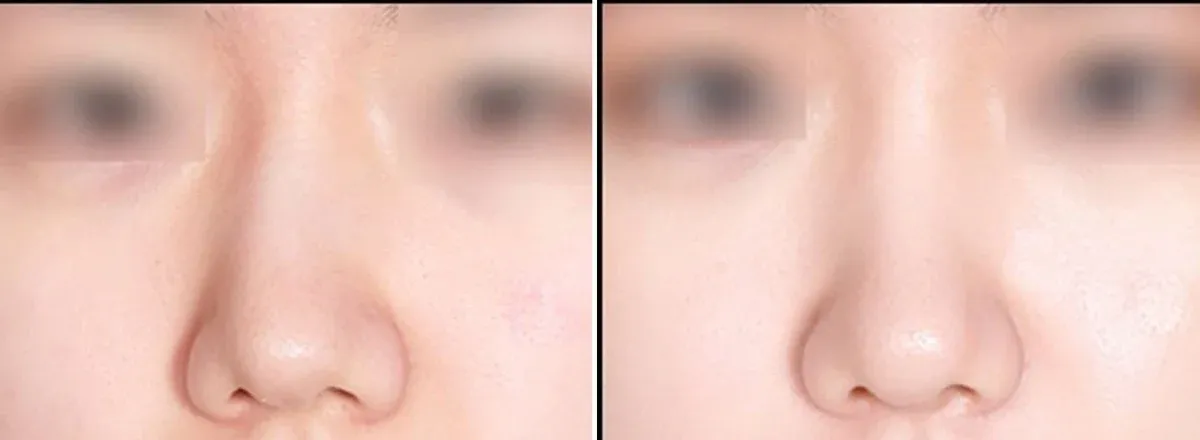
Before-and-after photos of Crooked Nose surgery (left: before surgery · right: after surgery) · Before surgery → 3 months after surgery
What is Newline Crooked Nose Surgery?
Crooked Nose surgery is performed when the nasal bones and Septal Cartilage are deviated, causing the nose to appear crooked and resulting in breathing difficulties. It may be caused by congenital factors or trauma that creates asymmetry in the bones and Cartilage. When the nose, the center of the Face, is crooked, the entire Face can appear asymmetrical and respiratory function may be adversely affected, potentially accompanied by Nasal Obstruction Correction. Newline Crooked Nose surgery makes osteotomies on both sides of the deviated nasal bone to straighten it toward the center. When the nasal bones and Cartilage are significantly deviated, the lateral Cartilage on both sides of the nose is corrected at the same time.
Recommended for
· Those with a congenitally crooked nose · Those with a deviated nasal bone due to trauma · Those whose Implant has shifted after rhinoplasty · Those whose facial balance is affected by a Crooked Nose
Causes and Types of Crooked Nose
External issue: Nasal bones deviated in various forms
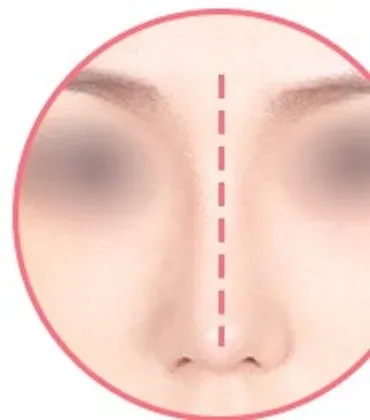
Normal Nose
A form that is vertically straight from the starting point of the nasal dorsum to the Nasal Tip
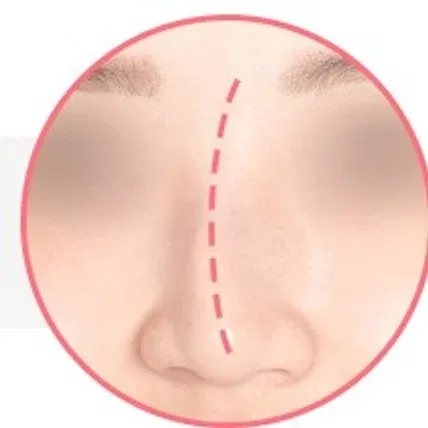
C-Shaped Crooked Nose
A C-shaped form in which only the middle of the nasal dorsum and the Nasal Tip are deviated
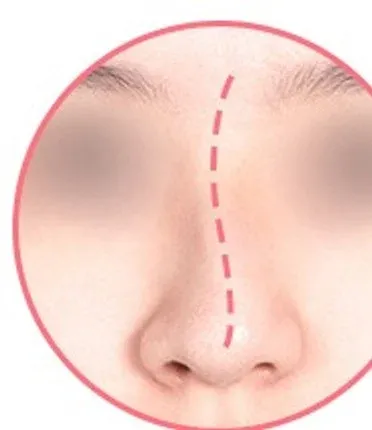
S-Shaped Crooked Nose
A form in which the starting point, middle portion, and Nasal Tip Cartilage of the nasal dorsum are each deviated in an S-shape
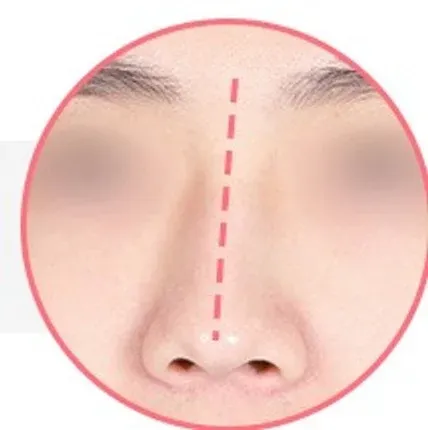
Diagonal Crooked Nose
A form that is deviated in one direction overall, from the starting point of the nasal dorsum to the Nasal Tip
Internal issue: A deviated septum that causes nasal deformity and rhinitis
Ninety percent of Crooked Nose cases are accompanied by Septoplasty. A deviated septum (Septoplasty) causes the shape of the nasal bones to become crooked.
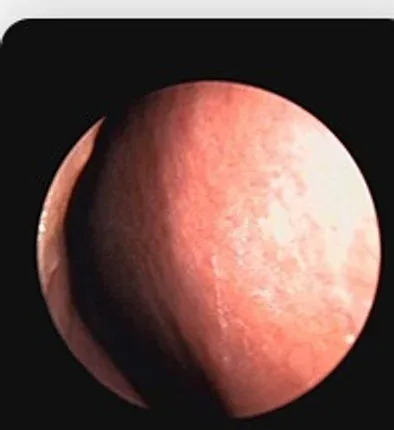
Endoscope findings of Septoplasty
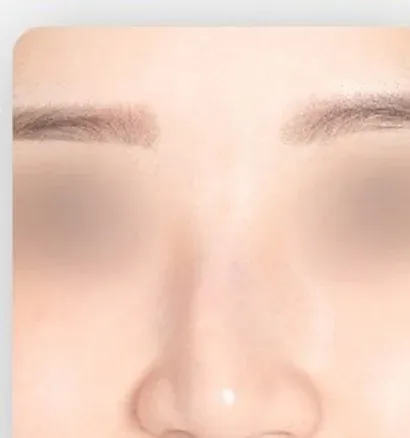
Crooked Nose Case
Surgical Method
Newline Crooked Nose surgery improves functional concerns as well and provides customized surgery according to the degree of deviation. In addition, Newline's proprietary technique provides firm fixation to prevent recurrence.
01. When the Septal Cartilage is deviated
The deviated Septal Cartilage is removed, and the remaining Cartilage is straightened and corrected.
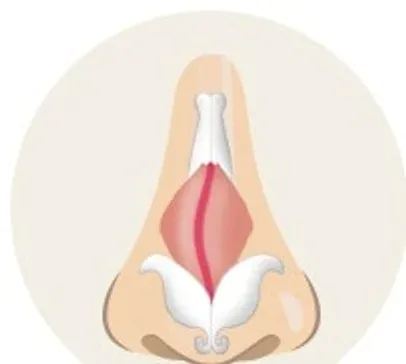
1. Deviated Septal Cartilage
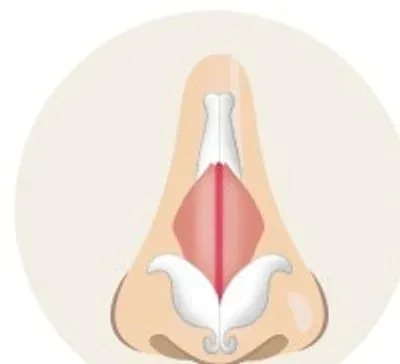
2. Straightened Septal Cartilage after surgery
02. When the nasal bone is deviated
After separating the bones through medial and lateral osteotomies, they are repositioned and reassembled to align with the center when viewed from the front.
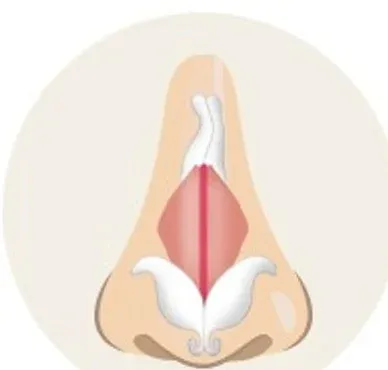
1. Nose with a deviation involving the bone
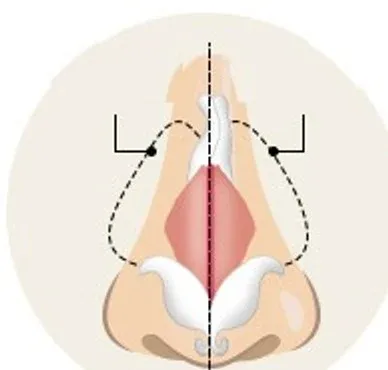
2. Proper correction through nasal bone osteotomy
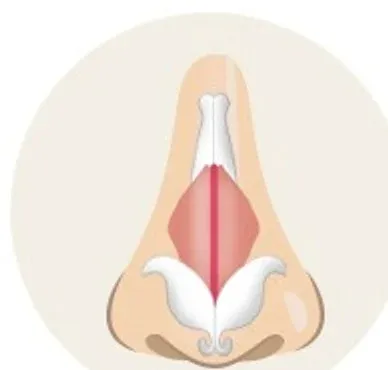
3. Crooked Nose improvement
03. When the Nasal Tip is deviated
The deviated Nasal Tip Cartilage and Septal Cartilage are connected with sutures to improve the deviated Nasal Tip.
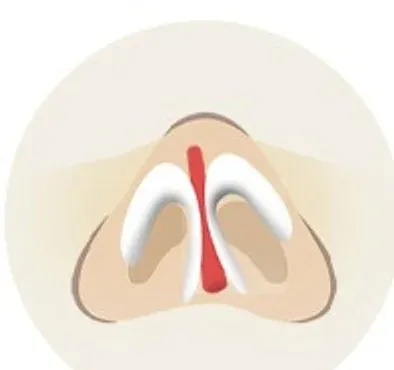
1. Deviated Nasal Tip
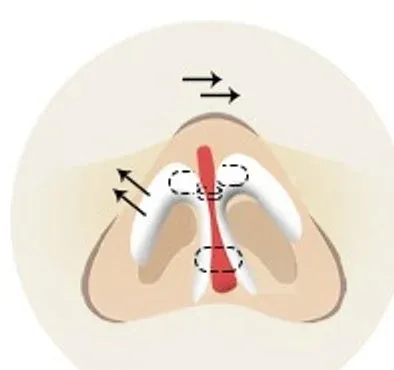
2. Connecting the Nasal Tip and septum with sutures
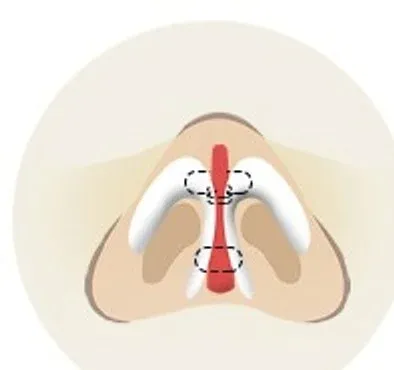
3. Improvement of the nostrils and deviated Nasal Tip
Newline Crooked Nose Solution
Because the internal factors causing a Crooked Nose are corrected before the external appearance is refined, recurrence after surgery can be prevented. If needed, rhinoplasty tailored to the type, including Nasal Bridge and Nasal Tip procedures, can also be performed.
STEP 1. Septoplasty and nasal valve correction
STEP 2. Rhinoplasty by type
STEP 3. Improvement of nasal conditions
#Straight Nasal Bridge #Defined Nasal Tip #Prevention of Crooked Nose recurrence #Condition improvement
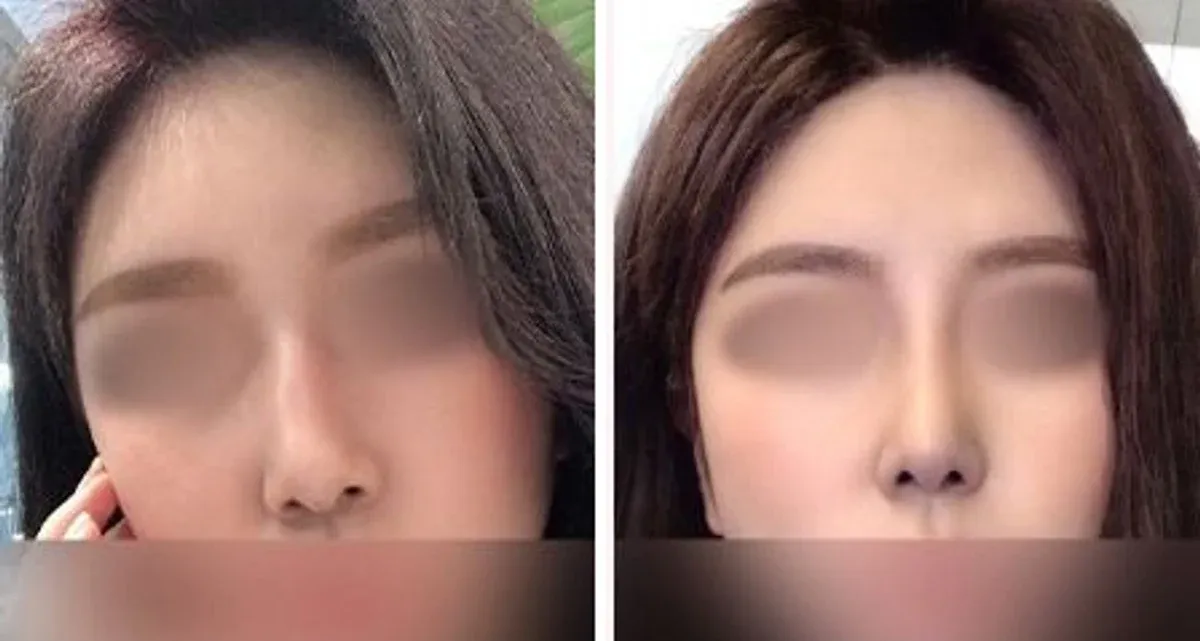
Crooked Nose surgery · Before surgery → 2 weeks after surgery
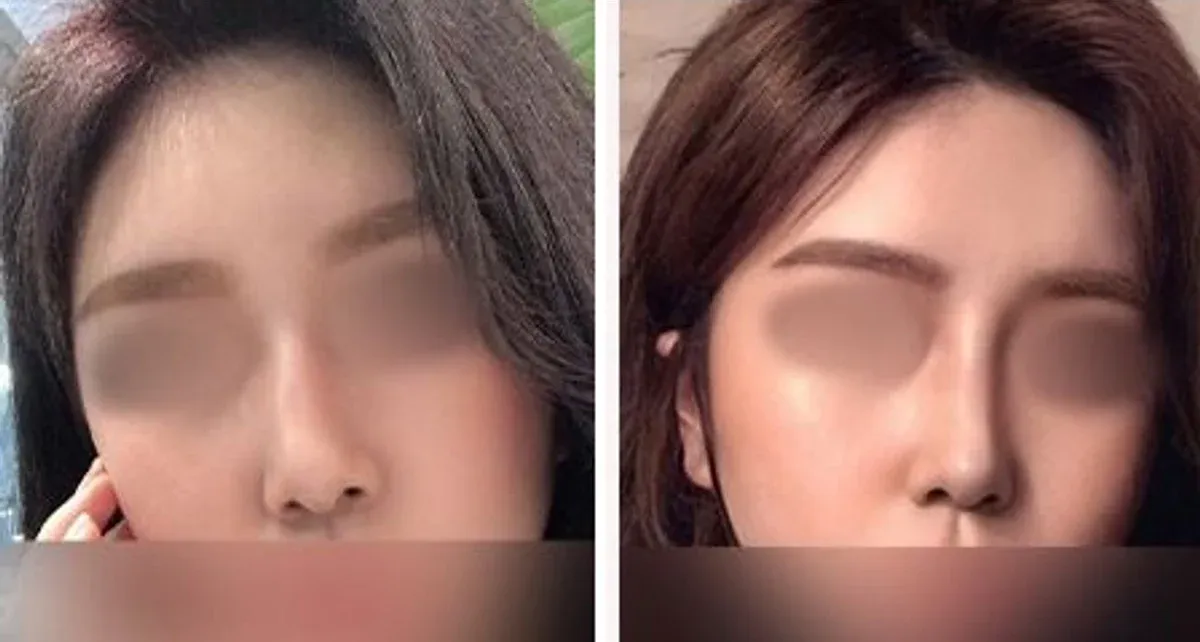
Crooked Nose surgery · Before surgery → 1 month after surgery
Nasal Condition Improvement and Rhinoplasty at the Same Time
Newline Plastic Surgery performs aesthetic rhinoplasty as well as improvement of nasal conditions at the same time. Because performing nasal condition surgery and rhinoplasty simultaneously is a highly complex procedure, it should be performed by an experienced specialist to expect satisfactory results. · Aesthetic rhinoplasty: Customized surgery by a board-certified plastic surgeon is performed according to proportions with the facial features. · Functional nasal surgery (Nasal Obstruction Correction): The deviated Septal Cartilage is straightened and weakened Septal Cartilage is reinforced to improve Nasal Obstruction Correction.
Functional Rhinoplasty Private Health Insurance Procedure
1. Detailed diagnosis through 3D CT and a precise nasal Endoscope examination 2. Contact your insurance provider with the diagnostic and surgical codes to confirm eligibility for coverage and the reimbursement rate 3. Undergo functional rhinoplasty 4. Obtain and submit the required documents when filing a private health insurance claim 5. Receive insurance benefits after review · Indemnity insurance coverage is available only for surgery intended to improve nasal conditions. · This is not exclusive to this hospital. · Eligibility and scope of coverage may vary according to the terms of your indemnity insurance policy.
Please Be Sure to Check
Depending on the individual, side effects such as swelling, bleeding, inflammation, bruising, and nerve damage may occur, and surgical results may vary from person to person. The surgical method is determined through consultation with a specialist.
 NEWLINE PLASTIC SURGERY