
Cheekbone Reduction
Price upon consultation
This is a zygomatic reduction and repositioning procedure in which, rather than simply shaving the cheekbones, the osteotomized zygomatic bones are moved inward and backward and then fixed in place. The goal is to reduce the frontal facial width while preserving facial contour and dimension, with minimal dissection limited to the osteotomy sites to help reduce postoperative cheek sagging.
Surgery Overview
JK cheekbone repositioning is a Cheekbone Reduction and repositioning procedure that, rather than simply shaving down the cheekbones, moves the osteotomized cheekbones inward and backward and secures them in place. It is designed to reduce the width of the frontal face while preserving three-dimensional definition, with minimal dissection only in the areas to be osteotomized to help prevent postoperative cheek sagging.

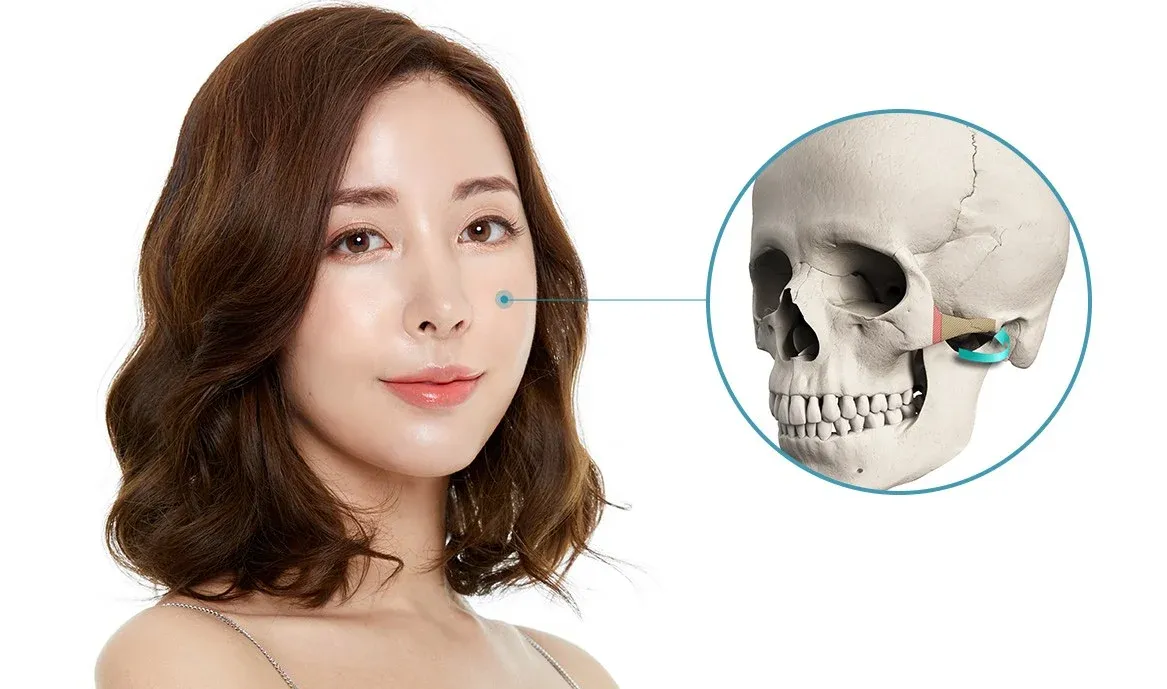
By addressing structural issues rather than the size of the cheekbones, cheekbone repositioning creates soft, refined facial definition while enhancing individuality.
Reduced frontal facial width and enhanced three-dimensional definition

Before surgery → After surgery (front view)

Before surgery → After surgery (side view)
Features of JK Cheekbone Repositioning
Point 1. Repositioning Without Shaving
To improve a harsh impression caused by excessive cheekbone protrusion, the cheekbones are not simply shaved down but repositioned according to the facial shape to create a refined, three-dimensional appearance.
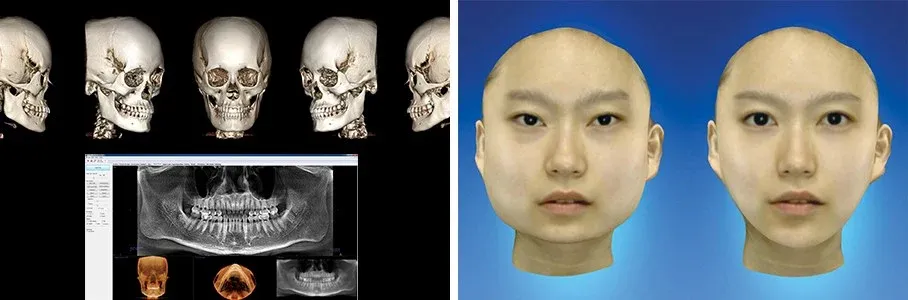
Point 2. Multi-Angle Precision Analysis
Multi-angle precision analysis is used to determine the osteotomy location of the cheekbones and create a three-dimensional facial contour through repositioning.
Point 3. Predicting and Preventing Postoperative Cheek Sagging
Only the areas to be osteotomized are minimally dissected to help prevent postoperative cheek sagging.
Surgical Procedure
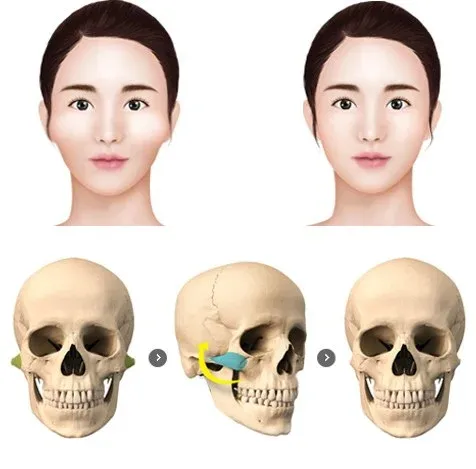
Three-dimensional Cheekbone Reduction and repositioning surgery that considers harmony with the upper and lower face creates a smaller, slimmer facial contour.
STEP 1. Minimal Dissection
To help prevent postoperative cheek sagging, only the areas to be osteotomized are minimally dissected.
STEP 2. Osteotomy
The cheekbone body is osteotomized through an intraoral incision, and the posterior cheekbone is osteotomized through a sideburn incision.
STEP 3. Movement and Fixation
The osteotomized cheekbone is moved inward and backward, and the body is securely fixed.
STEP 4. Z-Osteotomy of the Posterior Cheekbone
The posterior cheekbone is repositioned using a Z-osteotomy, allowing secure bone union even without fixation.
STEP 5. Contouring
The bone is contoured in consideration of harmony with the upper and lower face.
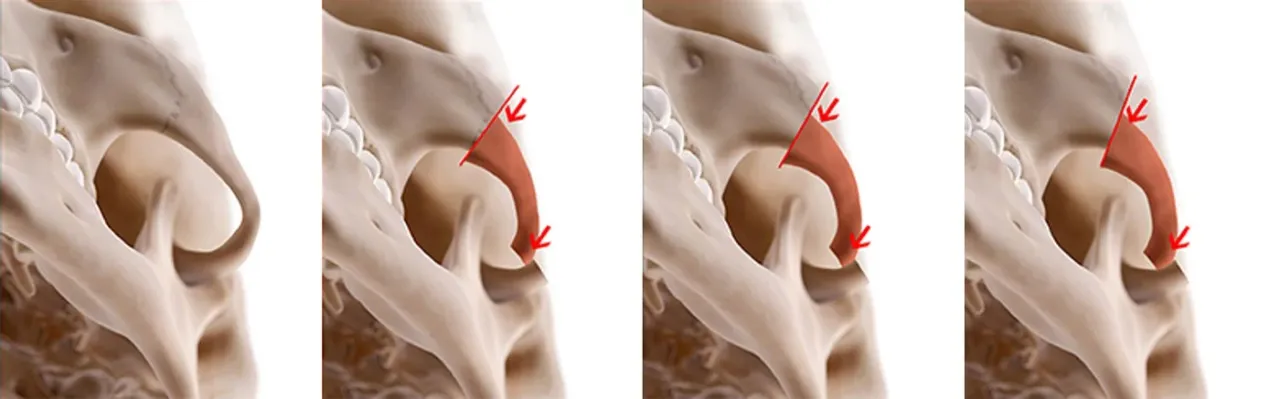
CT model of the cheekbone incision line viewed from below
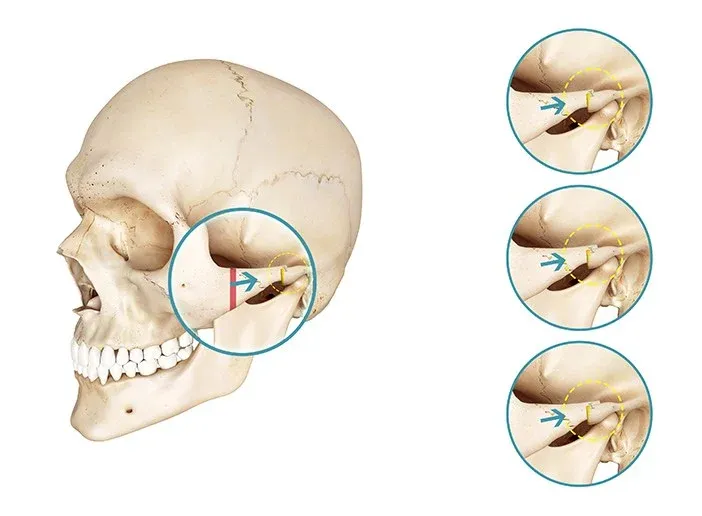
Cheekbone movement distance
Surgery Information
| Surgery time: 1 hour–1 hour 30 minutes | Anesthesia: General anesthesia | Suture removal: 2 weeks after surgery | Hospitalization: Admitted on the day of surgery | Diet: Liquid diet for 1 week; avoid hard and tough foods for 4 weeks
Pre- and Postoperative Precautions
Before Surgery
· Please inform your coordinator if you have hypertension, heart disease, diabetes, are receiving thyroid treatment, or are taking any medications. · Please strictly follow the fasting instructions before surgery. · On the day of surgery, please remove contact lenses, jewelry, nail polish, etc. in advance, as they may interfere with the procedure. · Please visit wearing comfortable clothing that will not irritate the surgical area. · Please refrain from smoking before surgery, as cigarettes contain substances that may cause phlegm or sneezing and may lead to postoperative bleeding.
After Surgery
· You may have difficulty driving on the day of surgery. · It is recommended to avoid hard and tough foods for about one month. · If the procedure was performed through an intraoral incision, keep the mouth clean with a mouth rinse to prevent inflammation and infection.
Please Be Sure to Check
Complications such as bleeding, infection, and inflammation may occur after surgery, and subjective satisfaction may vary among individuals. Please consult thoroughly with a specialist. Surgical methods and results may vary depending on the individual’s condition and are determined through consultation with a specialist.
 JK PLASTIC SURGERY CENTER