
Cataract
Price upon consultation
Diagnosis and treatment for clouding of the eye’s lens, which can cause cloudy or blurred vision.
Cataract Surgery
Stages and Symptoms of Age-Related Cataracts
Cataracts are broadly classified as early stage > immature stage > mature stage > hypermature stage. The overall symptom is blurred vision.
Stage 1 (Early Stage)
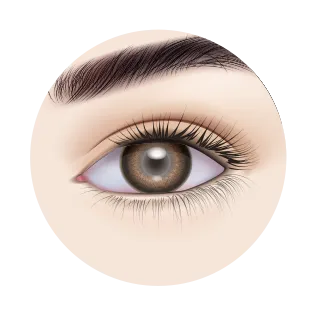
The area around the lens becomes cloudy, but there are no significant symptoms.
Stage 2 (Immature Stage)
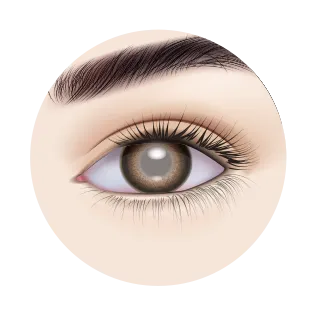
Experiencing an abnormality in which objects appear blurry during the day but clear at night, along with a foreign body sensation.
Stage 3 (Mature Stage)
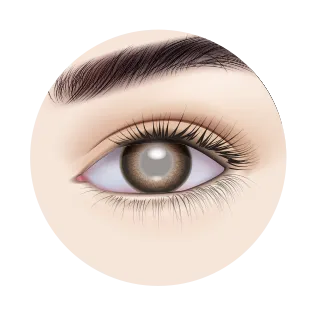
A foggy sensation occurs, and vision deteriorates.
Stage 4 (Hypermature Stage)
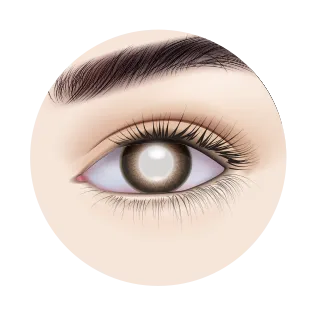
Visual impairment due to hardening of the lens and complications caused by necrotic proteins occur.
Causes of Presbyopia and Cataracts
❶ Most cataracts are age-related cataracts (the body's aging process)
❷ Diabetes, uveitis, vitamin E deficiency, etc.
❸ Rubella contracted by the mother during early pregnancy
❹ Overuse of medications such as corticosteroids
❺ Congenital cataracts
❻ High intraocular pressure
Cataracts can occur for various reasons, but there are six main causes. In addition, causes such as intense ultraviolet exposure and postoperative complications may also lead to cataracts.
Treatment Methods for Presbyopia and Cataracts
Although cataracts do not require urgent treatment, eye drops may be prescribed in the early stages to inhibit progression. In mature or hypermature stages that cause discomfort in daily life, symptoms may be improved through surgery to insert an intraocular lens in place of the cloudy natural lens.
Cataract Surgery Procedure
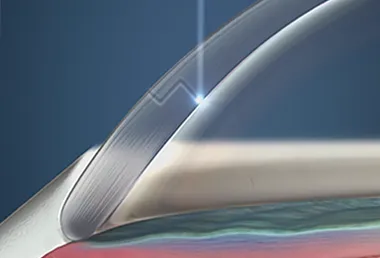
❶ Creation of a corneal incision using a precise laser with a fixed incision site
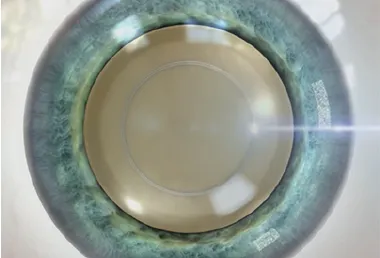
❷ Circular incision of the anterior lens capsule using a laser
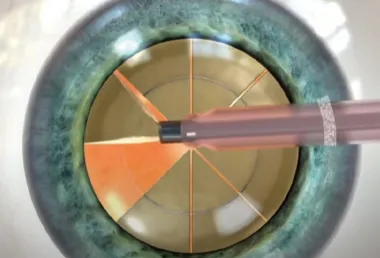
❸ Uniform and precise laser fragmentation of the cloudy portion of the lens
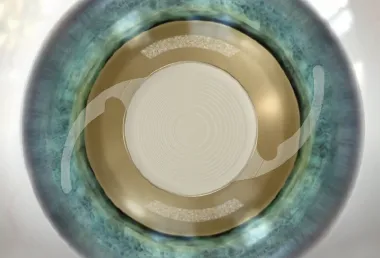
❹ Intraocular lens implantation
Advanced Cataract Surgery System
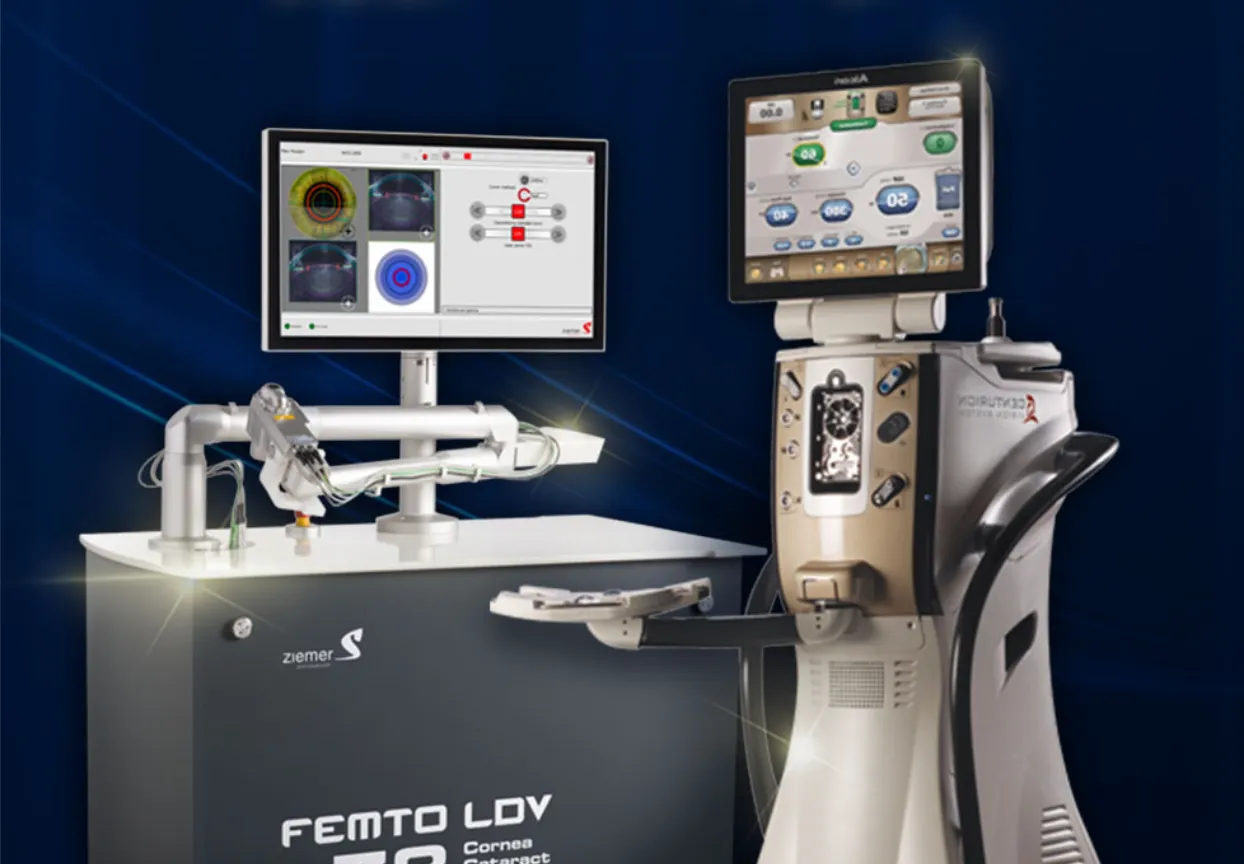
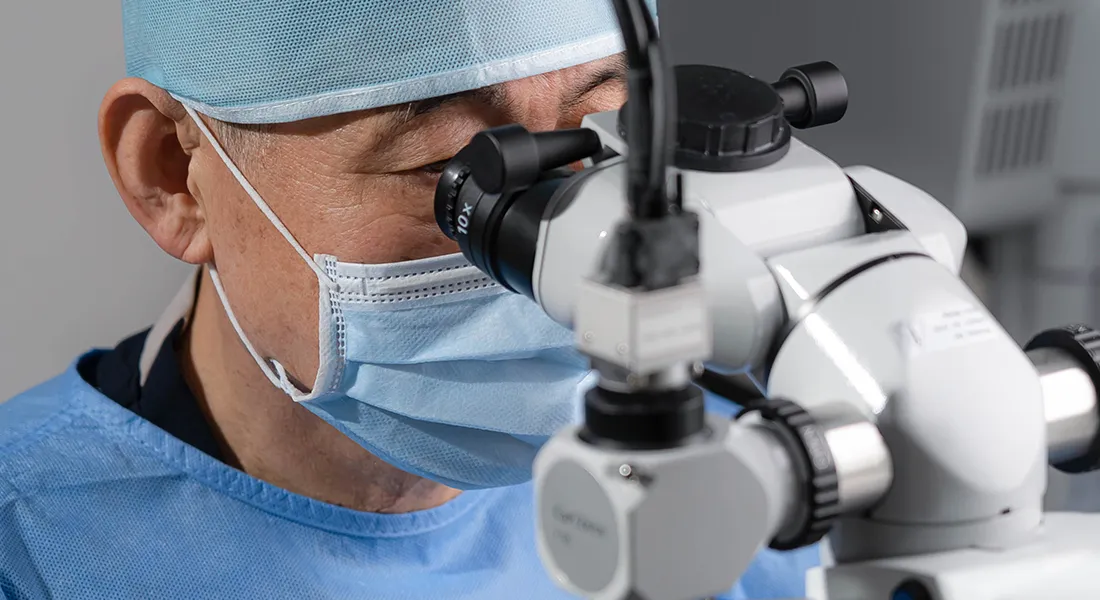
Cataract surgery is a highly precise procedure. Advanced equipment enables more accurate results, from detailed examinations through surgery.
✓ No to outdated blade-based surgery!
✓ Less pain! + Greater safety!
Intraocular Lenses
Cataract surgery is a procedure in which an intraocular lens is inserted in place of the natural lens that can no longer function properly due to a problem. Although intraocular lenses have different features and benefits depending on the type, multifocal intraocular lenses are specially designed to focus at both far and near distances, enabling personalized improvement of both distance and near vision.
Monofocal Intraocular Lens

Distance or near vision is corrected to provide a relatively clear field of vision.
Multifocal Intraocular Lens

Both distance and near vision are corrected to provide a clear field of vision regardless of an object's distance.
Types of Intraocular Lenses
From the first FDA-approved intraocular lens to multifocal, monofocal, and trifocal options, an intraocular lens suited to each individual's eye condition can be used.
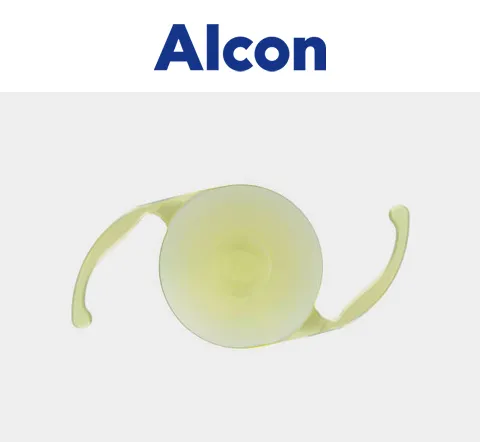
IQ
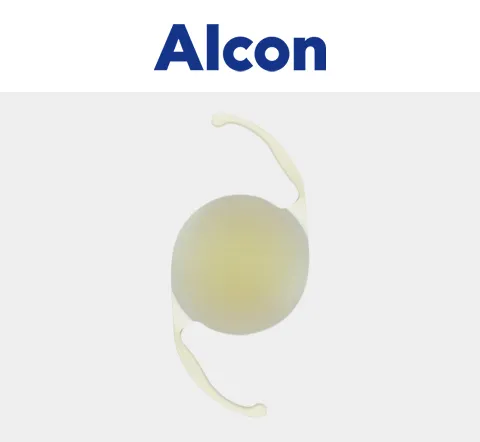
Clareon
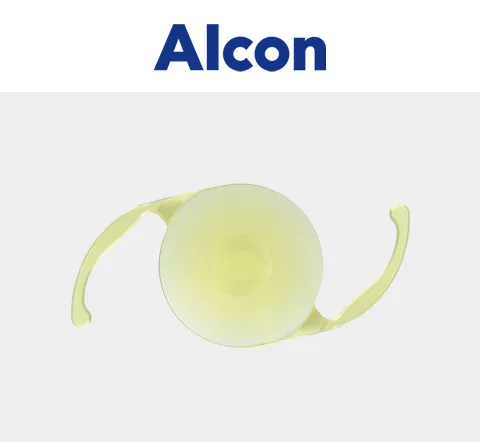
Vivity
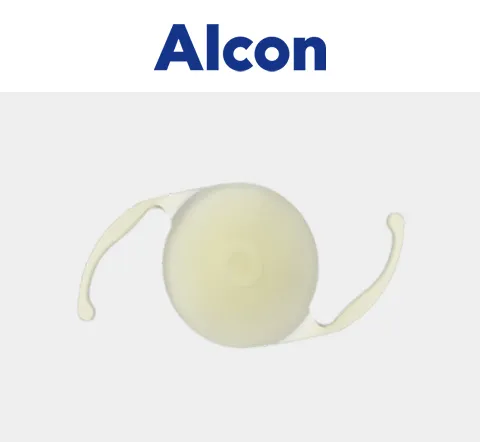
Clareon Vivity
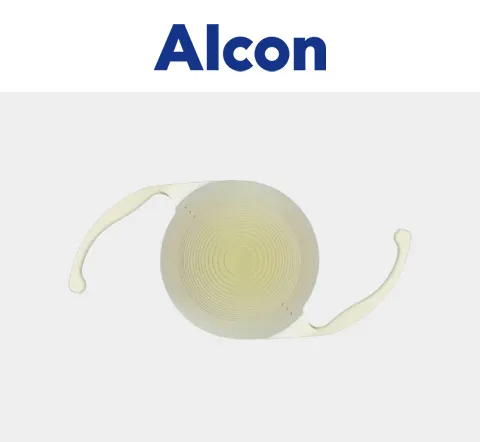
PanOptix
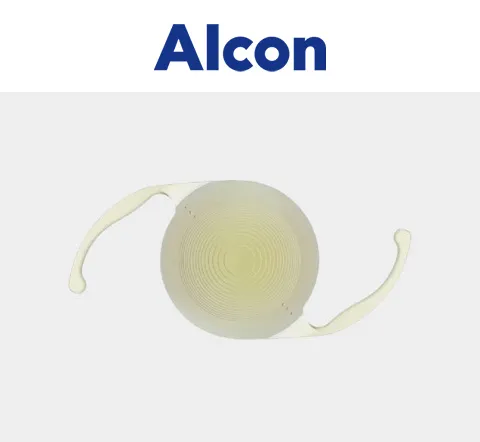
Clareon PanOptix
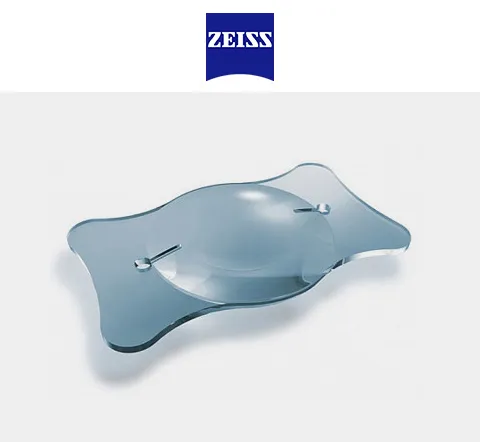
TORBI
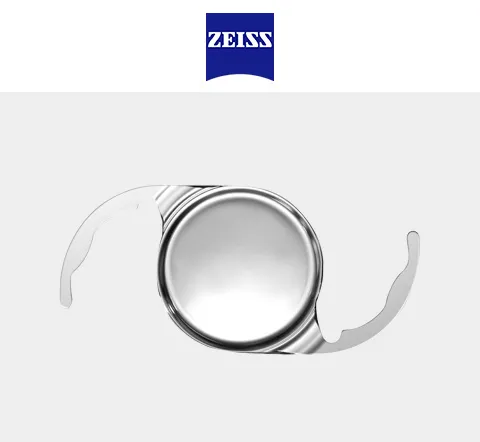
LUCIA
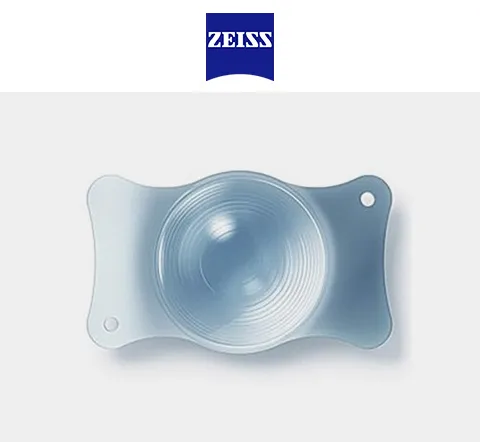
LARA
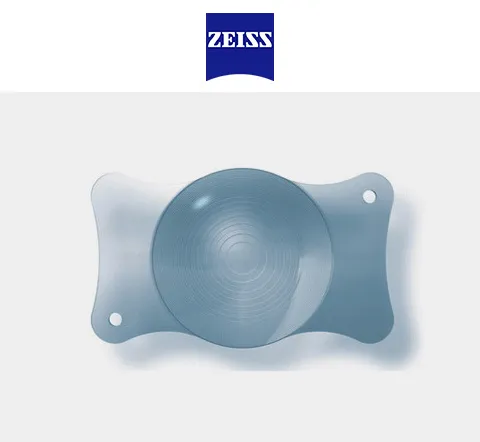
LISA tri
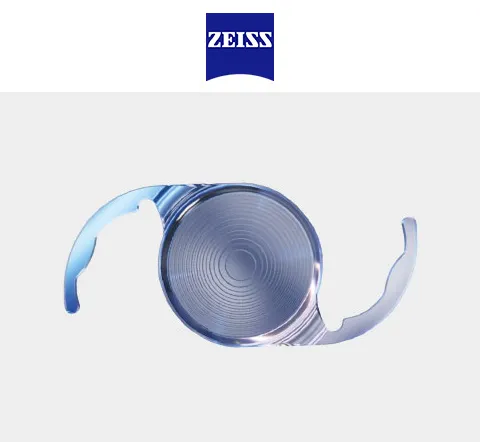
ELANA
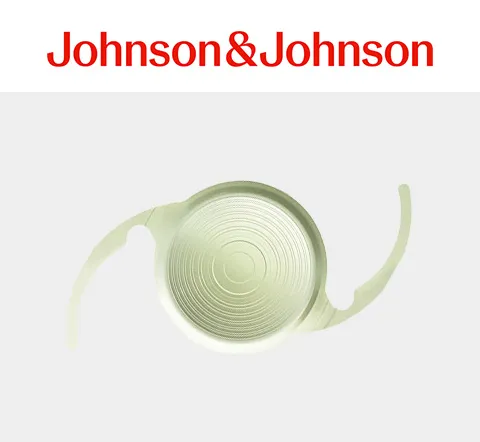
Technis
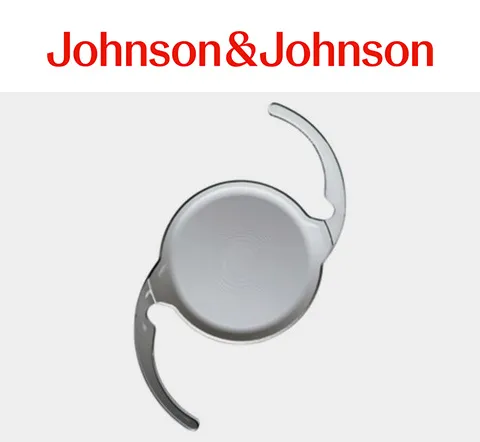
Eyehance
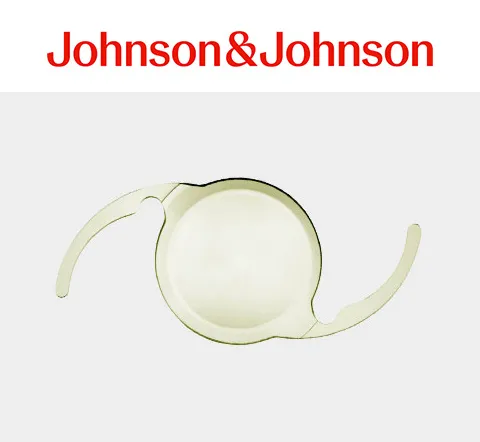
PureSee

Synergy
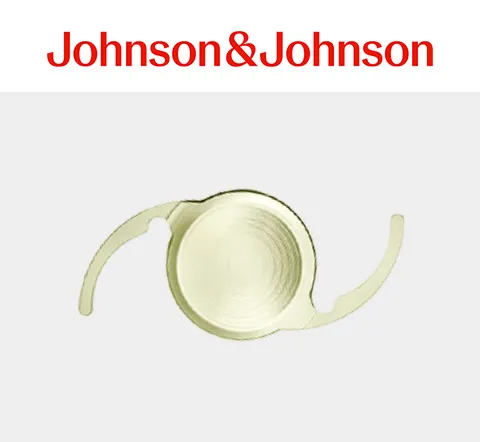
Odyssey
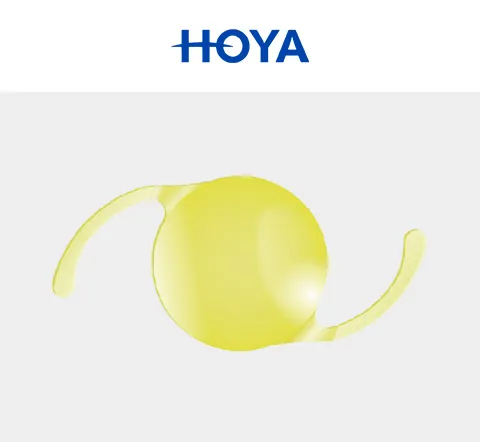
Vivinex Gmetric

Gmetric

Gmetric Plus
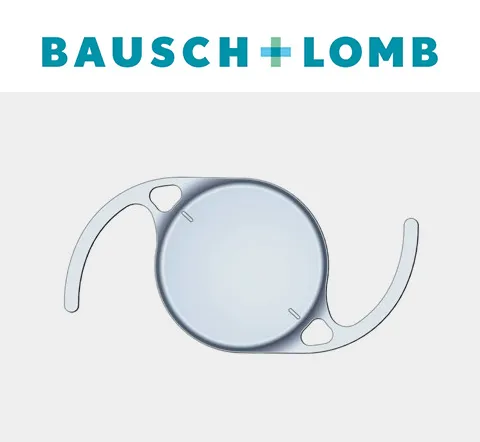
enVista
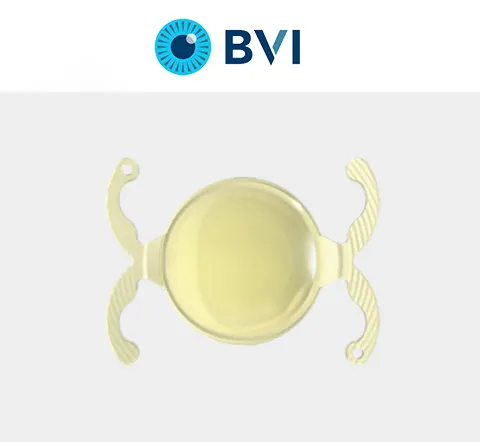
Serenity
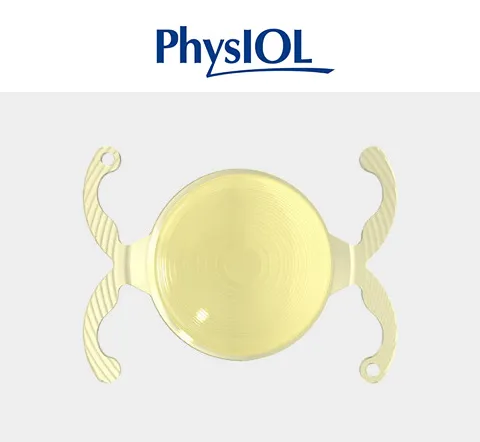
FINEVISION
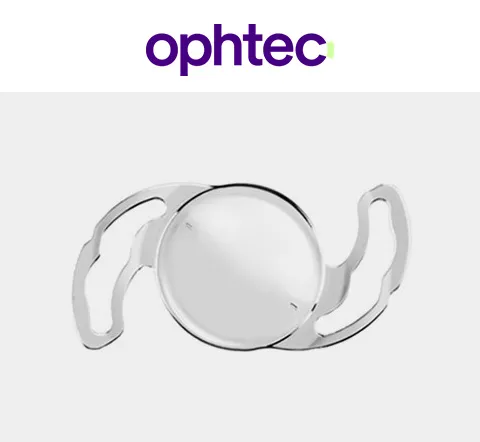
FRECIZION Monofocal Toric
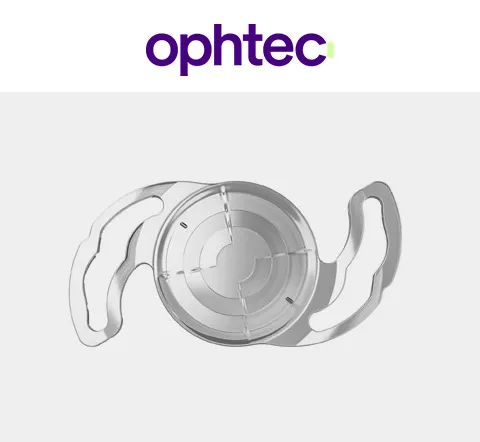
FRECIZION Presbyopic Multifocal
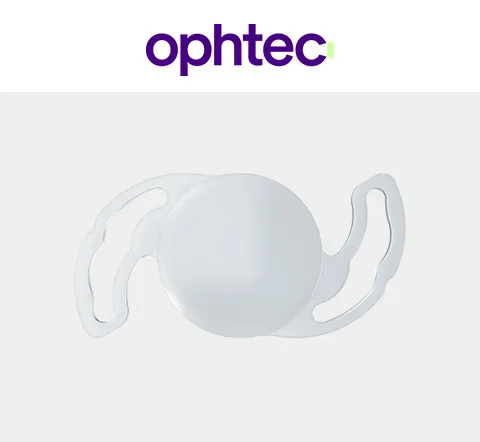
FRECIZION GO
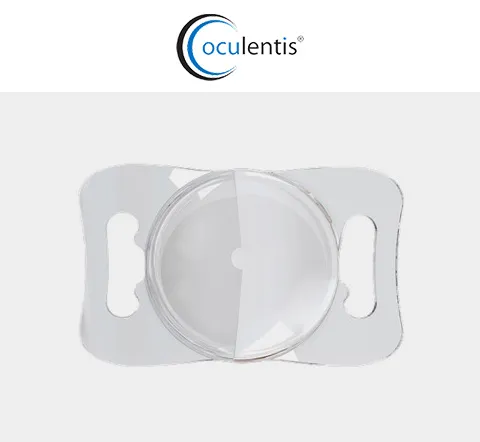
LENTIS Comfort
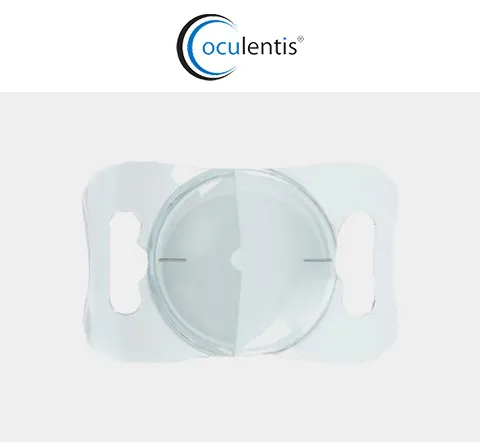
LENTIS Mplus
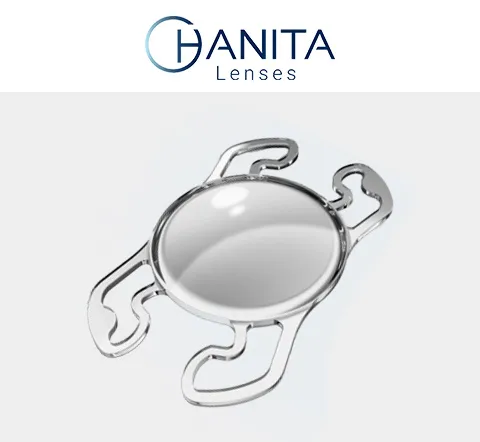
BUNNY
 Gangnam Sungmowon Eye Clinic