
Cartilage
Price upon consultation
Category of cartilage materials used in nasal tip surgery
Surgery Overview
AI-generated information for reference only. Please consult a doctor for accurate, personalized advice.
Before & After
See More
LARA Nose Tip Surgery (No Implant)
-
Safely, without concerns about implants
Refined nose tip using only autologous tissue
LARA PLASTIC SURGERY
Refined nose tip using only autologous tissue
This procedure corrects the shape of the nasal tip using only autologous tissue without implants. It can be highly effective for patients with a drooping nasal tip or who do not need significant bridge augmentation.
Recommended for those who are uncomfortable with artificial implants or desire a natural line.
Learn About the Procedure
- Procedure Time
Approximately 2 hours
- Anesthesia
Sedation anesthesia
- Suture Removal
After 1–2 weeks

- Follow-up Visits
2–3 times
*May vary depending on the patient's condition and surgical method.
Recommended For
✅ Those concerned about side effects such as infection or contracture
✅ Those who are uncomfortable with implants
✅ Those without a low nasal bridge
✅ Those who want a natural nose line
LARA PLASTIC SURGERY
Types and Characteristics of Autologous Cartilage
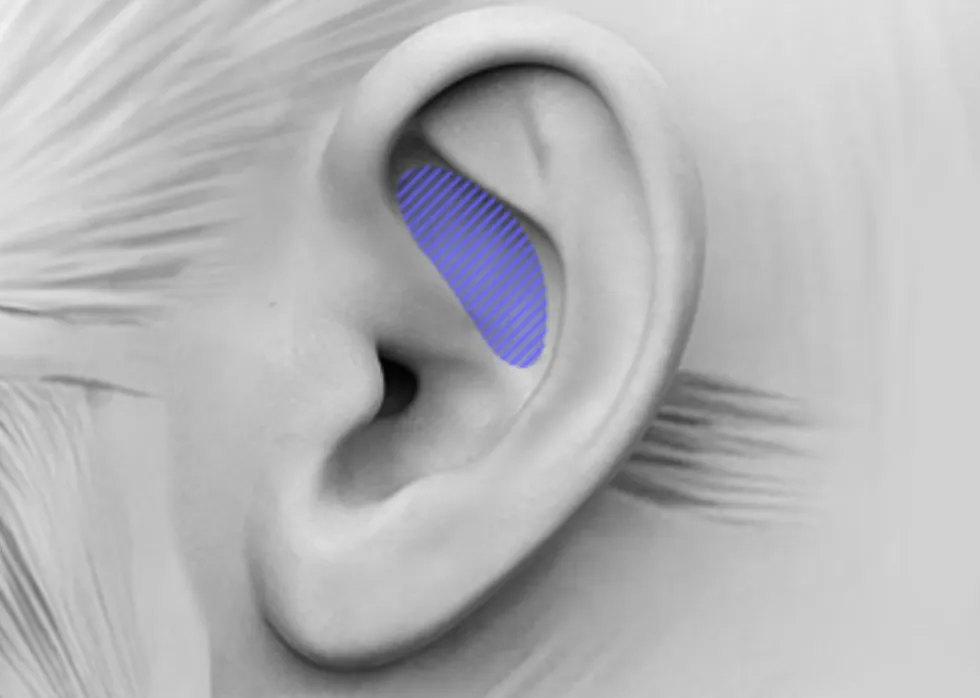
1. Ear Cartilage
Cartilage obtained from the ear. It is softer than septal cartilage and is suitable for creating a natural shape. However, it is difficult to use for lengthening.
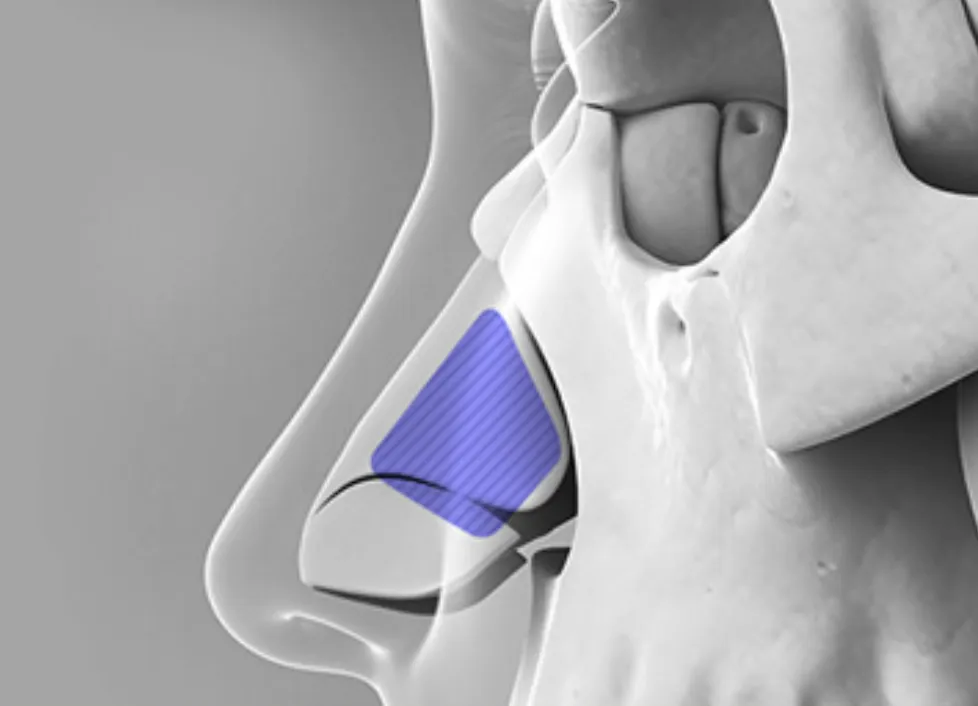
2. Septal Cartilage
Cartilage located in the center of the nose. No incision in another area is needed, and the cartilage is firm; however, its size varies by individual, so the amount that can be harvested differs.
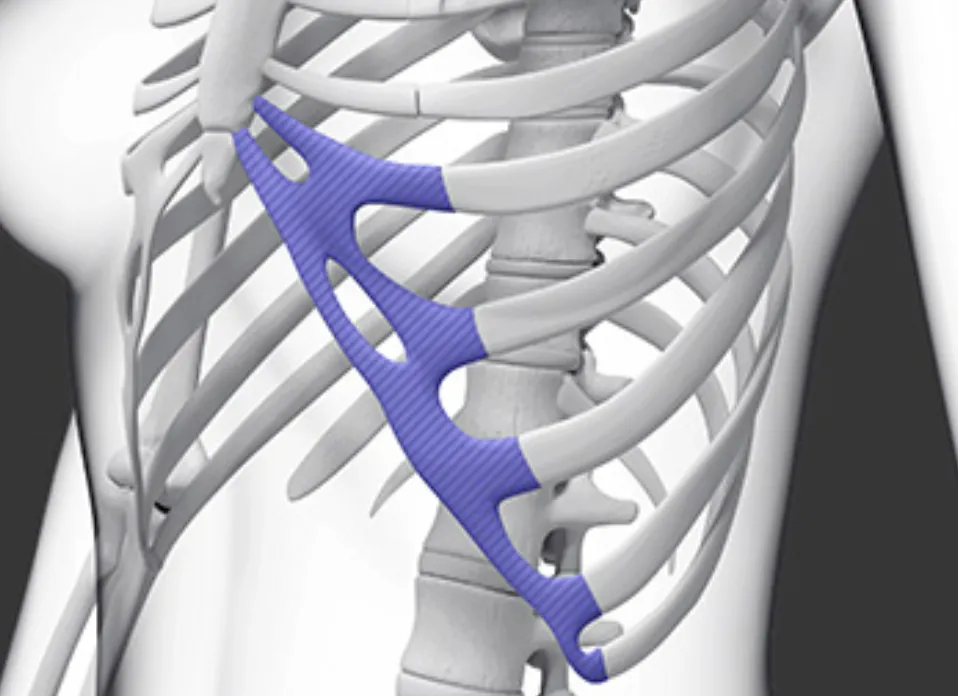
3. Rib Cartilage (Chest Cartilage)
Cartilage obtained from the rib area through an incision along the inframammary fold. It provides the largest amount of cartilage, but requires a separate incision along the inframammary fold.
4. Autologous Dermis
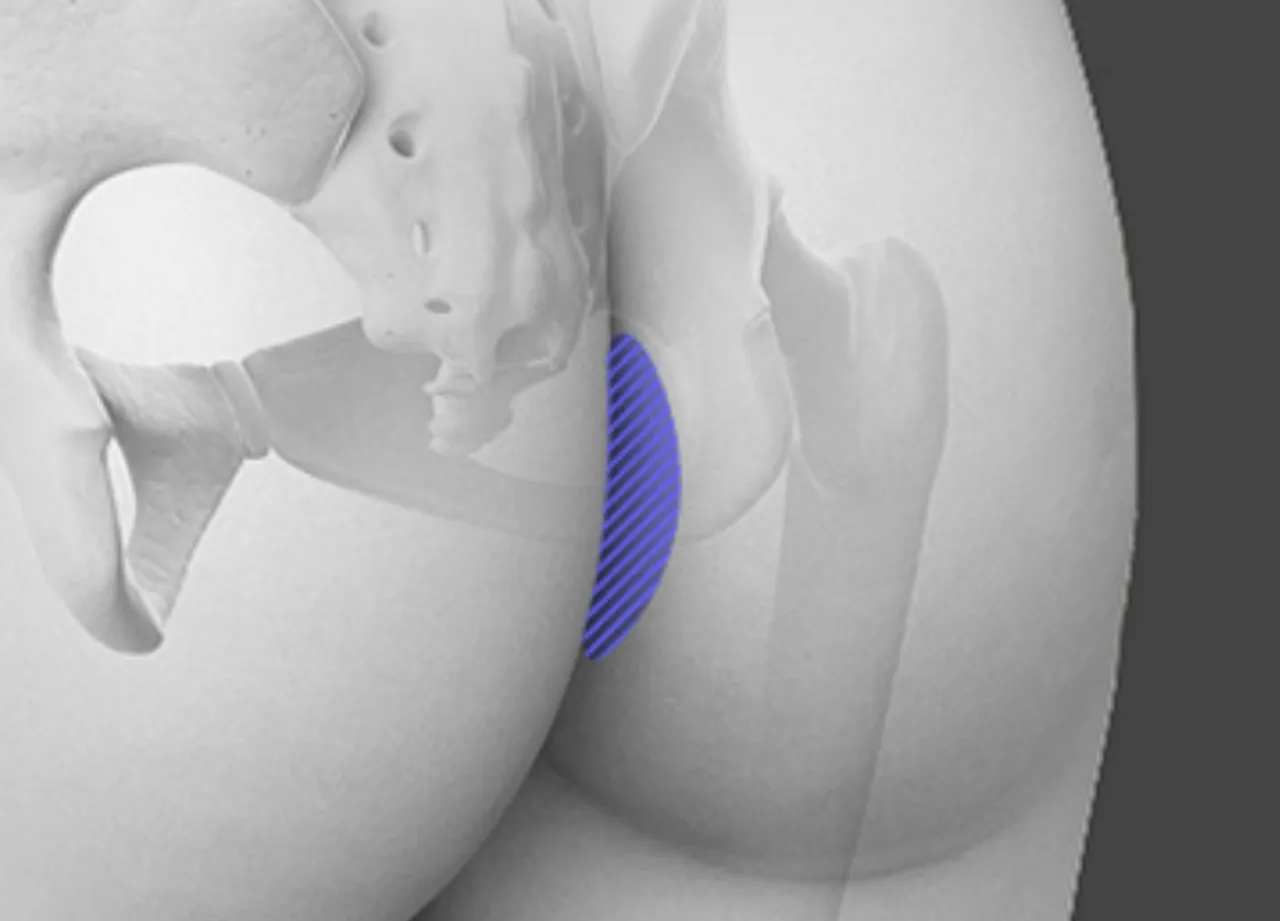
Tissue that can be obtained from the tailbone area between the buttocks. It can be used even for thin skin and is soft. As absorption occurs, extensive experience is needed to predict the outcome.
5. Fascia
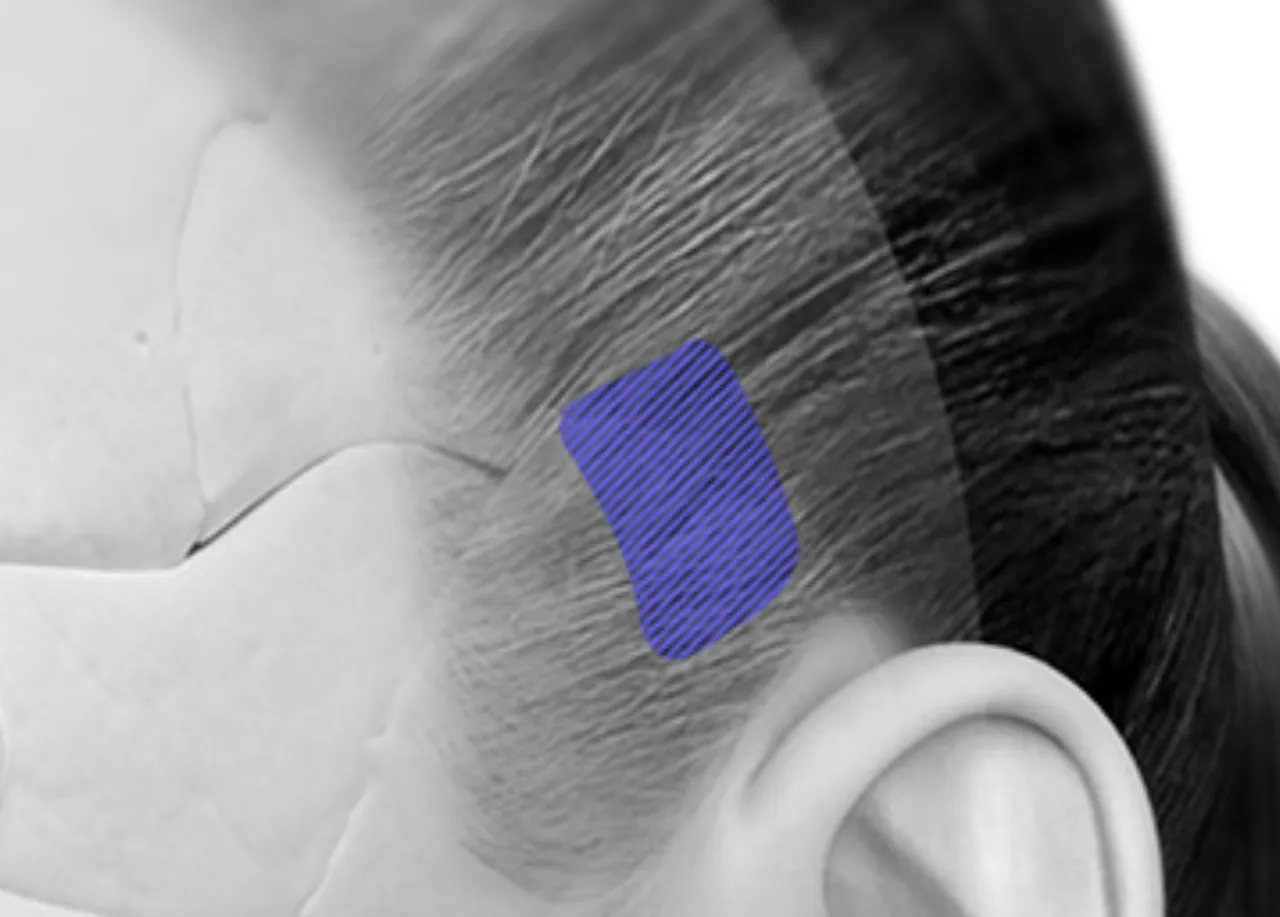
A membrane surrounding the muscle, most commonly the temporalis fascia. The scar is hidden in the hair and not visible, but the available amount is limited and absorption occurs.
What Effects Can LARA No-Implant Nose Tip Surgery Provide?

- Minimizes inflammation and side effects
- Soft, natural nose line
- Reduced foreign-body sensation through the use of autologous tissue
- Natural changes harmonious with the face
LARA PLASTIC SURGERY
How Do Autologous Tissues and Artificial Implants Differ?
Artificial Implants
- Material
Silicone
- External Impact
Vulnerable to external impact / may shift position
- Inflammation
Rarely occurs
- Advantages
Can increase nasal height relatively easily
Convenient for nasal shape design
- Disadvantages
Foreign-body sensation may be easily felt
Possibility of various side effects, including inflammation
Autologous Tissue
- Material
Ear cartilage, septal cartilage, rib cartilage, autologous dermis, fascia
- External Impact
Resistant to external impact after engraftment
- Inflammation
Almost none
- Advantages
Fewer postoperative side effects and less foreign-body sensation
Soft and natural to the touch
Semi-permanent surgical results
- Disadvantages
Relatively difficult to shape, with a limited amount available depending on the individual
LARA PLASTIC SURGERY
LARA No-Implant Nose Tip Surgery Method
The columella is supported with septal cartilage, and the nasal tip cartilage is fixed to shape the tip.
Remaining septal cartilage or ear cartilage is grafted onto the nasal tip to adjust its shape and height,
and cartilage is used to supplement the area between the mid-dorsum and nasal tip, completing a smooth line.
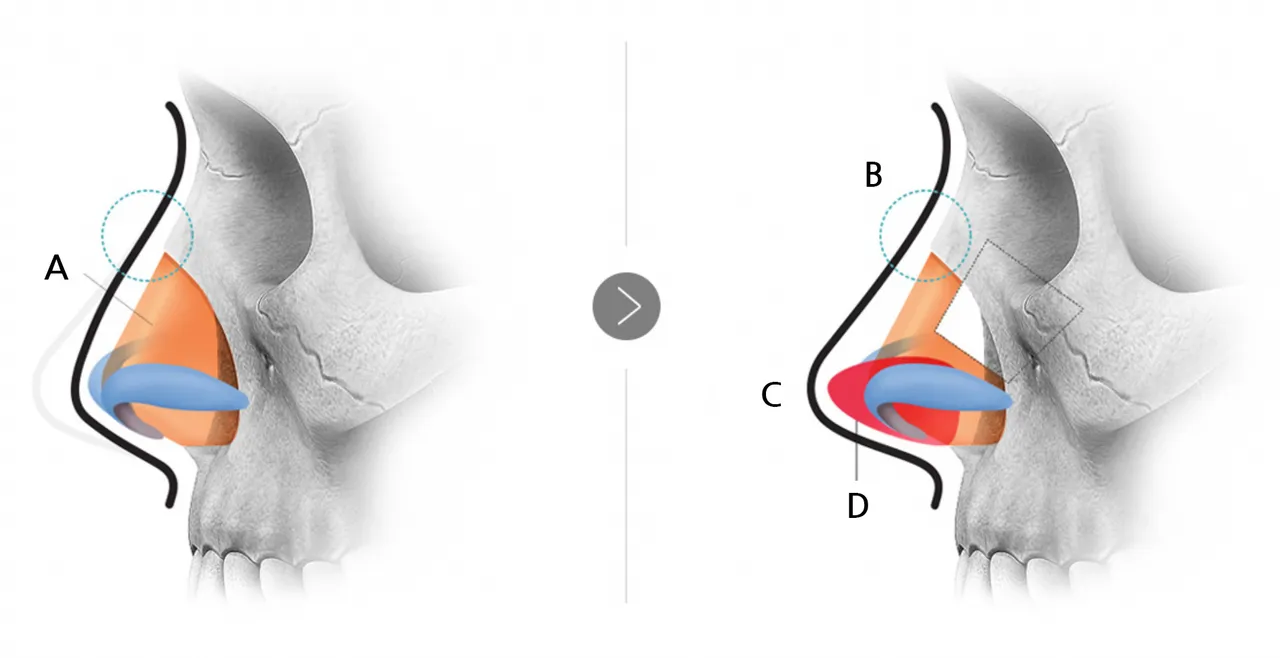
A. Septal Cartilage / B. Maintains Nasal Bridge Height / C. Nasal Tip Correction / D. Septal Cartilage (acts as a strut)
LARA Rhinoplasty Advantages
-
Rhinoplasty specialists with extensive clinical experience and expertise
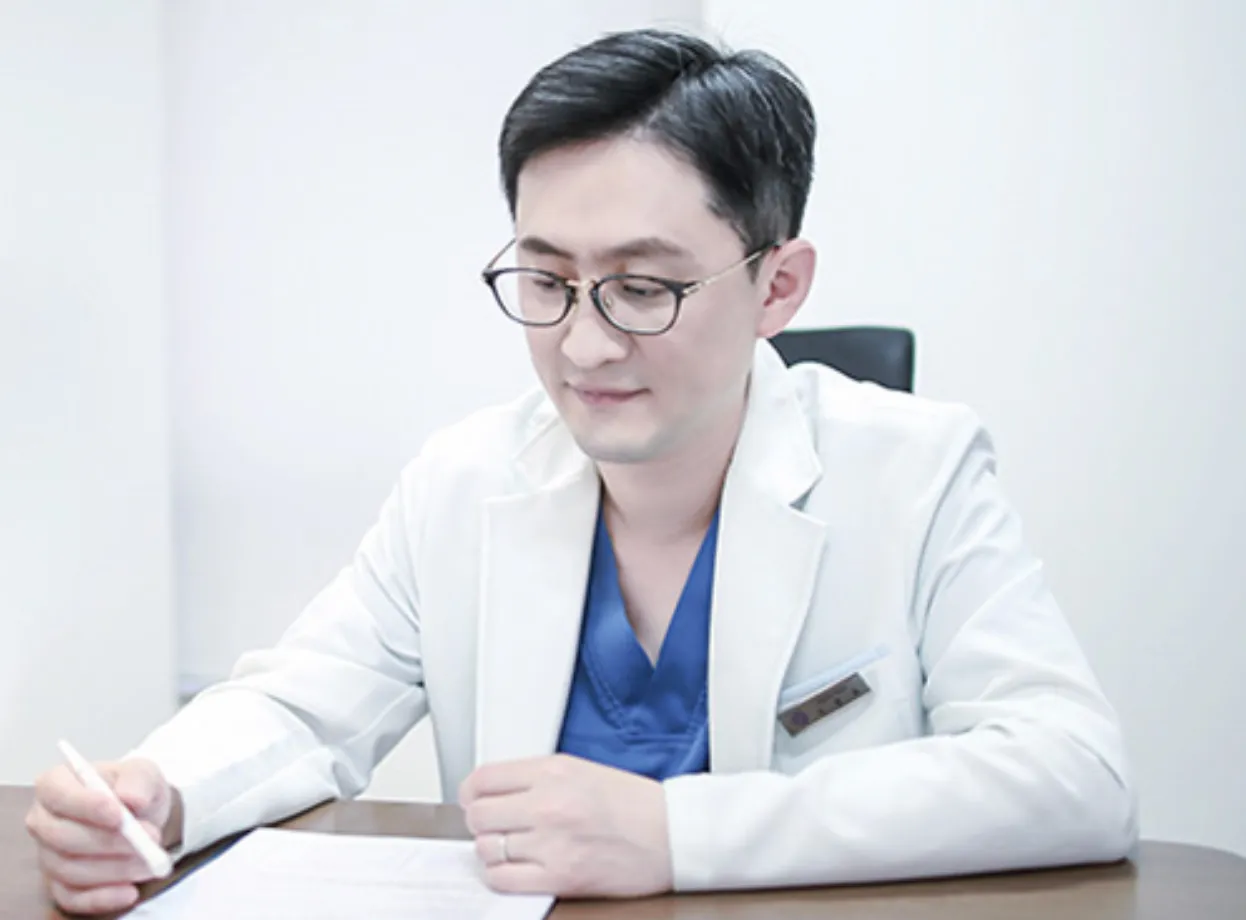
Board-certified plastic surgeons with diverse clinical experience and expertise in rhinoplasty and revision rhinoplasty take responsibility for every step through personalized one-on-one care.
First in Korea to Introduce 3D Printing: Nasal Bone Models Produced with a 3D Printer
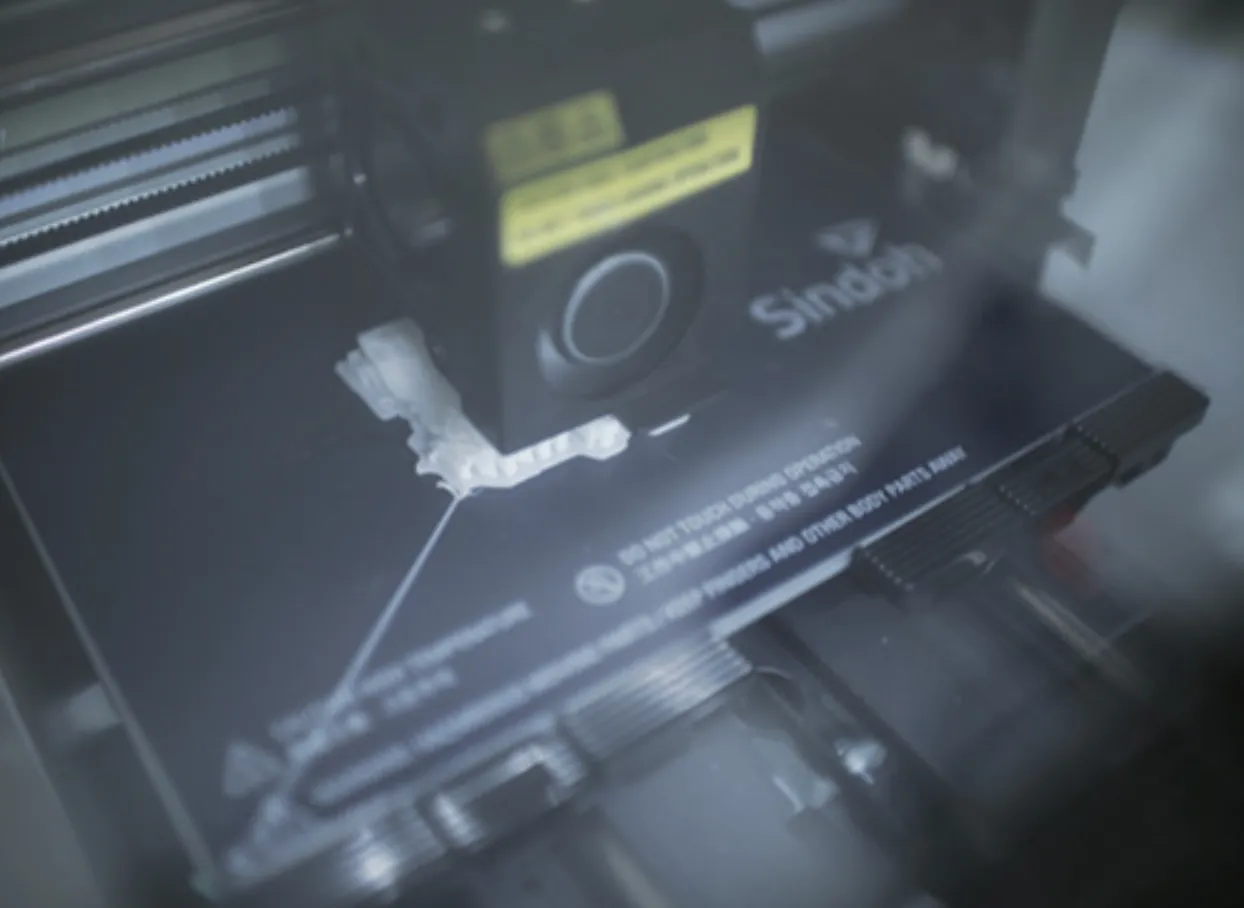
One-on-one customized bone models produced with a 3D printer enable more precise surgical planning than conventional rhinoplasty and reduce surgical time and the risk of side effects.
An Essential Examination, Not an Option: Three-Dimensional Analysis Using 3D CT
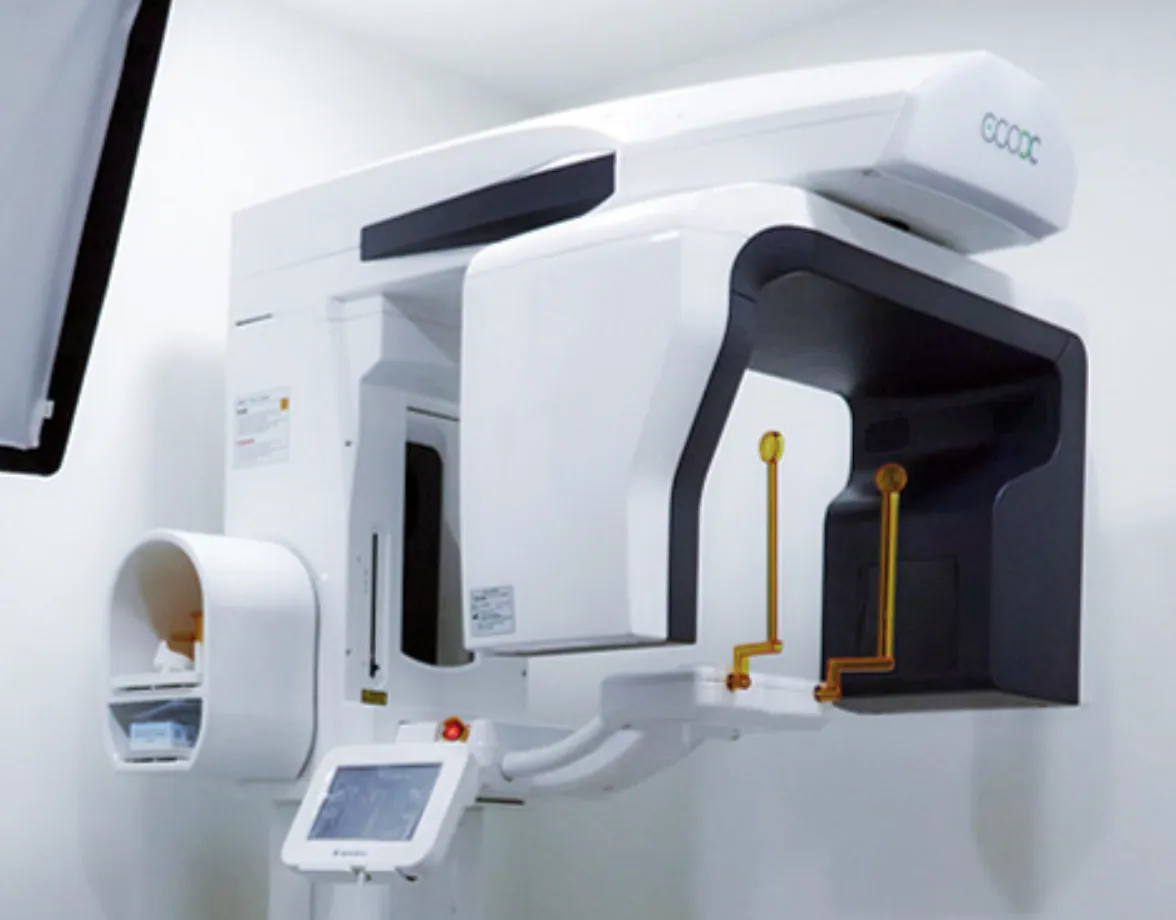
Before surgery, 3D CT is used to precisely analyze the nasal skeletal structure not visible externally, the condition of the septal cartilage, nasal deviation, and skin tissue condition to establish a surgical plan.
LARA PLASTIC SURGERY
LARA Safe Surgery System
Safety System 01
Dedicated One-on-One Anesthesia Care & Real-Time Monitoring
The patient's anesthesia status is closely monitored one-on-one during surgery.
Safety System 02
Transparent Medical Care / Named Surgeon System
We provide transparent care without shadow doctors or ghost doctors.
Safety System 03
Sterile System
The operating room is completely protected from contamination through positive-pressure equipment and HEPA filtration.
Safety System 04
Emergency Equipment Always Available
We prepare for emergencies with a cardiac defibrillator, emergency kit, and UPS power supply.
Safety System 05
CCTV Installed for Peace of Mind
CCTV is installed in the operating room to ensure transparent surgical procedures.
LARA TV
 Lara plastic surgery


Helpful tip
Found a before & after image you're interested in? Tap the magnifying glass button in the lower right to start a consultation right away.
AI Review Summary
Clear and detailed explanation of procedures
Minor feedback regarding duration
Responsive and professional communication
Positive overall consultation experience
这次线上咨询体验很好,顾问回复速度快,也很有耐心解答我的问题。针对我的情况给出了专业建议,不会一直推销疗程,让我觉得很舒服。整个沟通过程清楚详细,对医美项目有了更深入的了解。
Clear explanationEasy to understand专业,耐心,详细,针对个人情況作出方案,感觉很好
Clear explanationDetailed consultation非常好,有中文翻译对话,很顺畅
Clear explanationEasy to understand視訊詢問之後,還有給我發消息。補充說明很細緻
Clear explanationFriendly醫生非常友善,對於我的問題耐心解答,可以中文溝通,方便!
Clear explanationShort waiting感受很好,讲述清晰,给出的方案也很综合
Clear explanationEasy to understand服务很好 专业说的很清楚详细 容易理解
Clear explanationEasy to understandThe Sales advisor is very polite and soft. She explain the details to me patiently. Good experience
Clear explanationHonest feedback小姐姐非常溫柔、指導的非常好,推薦
Short waitingPersonalized advice非常好的一次咨询体验,讲解的很清楚明白。
Well-managedHonest feedback